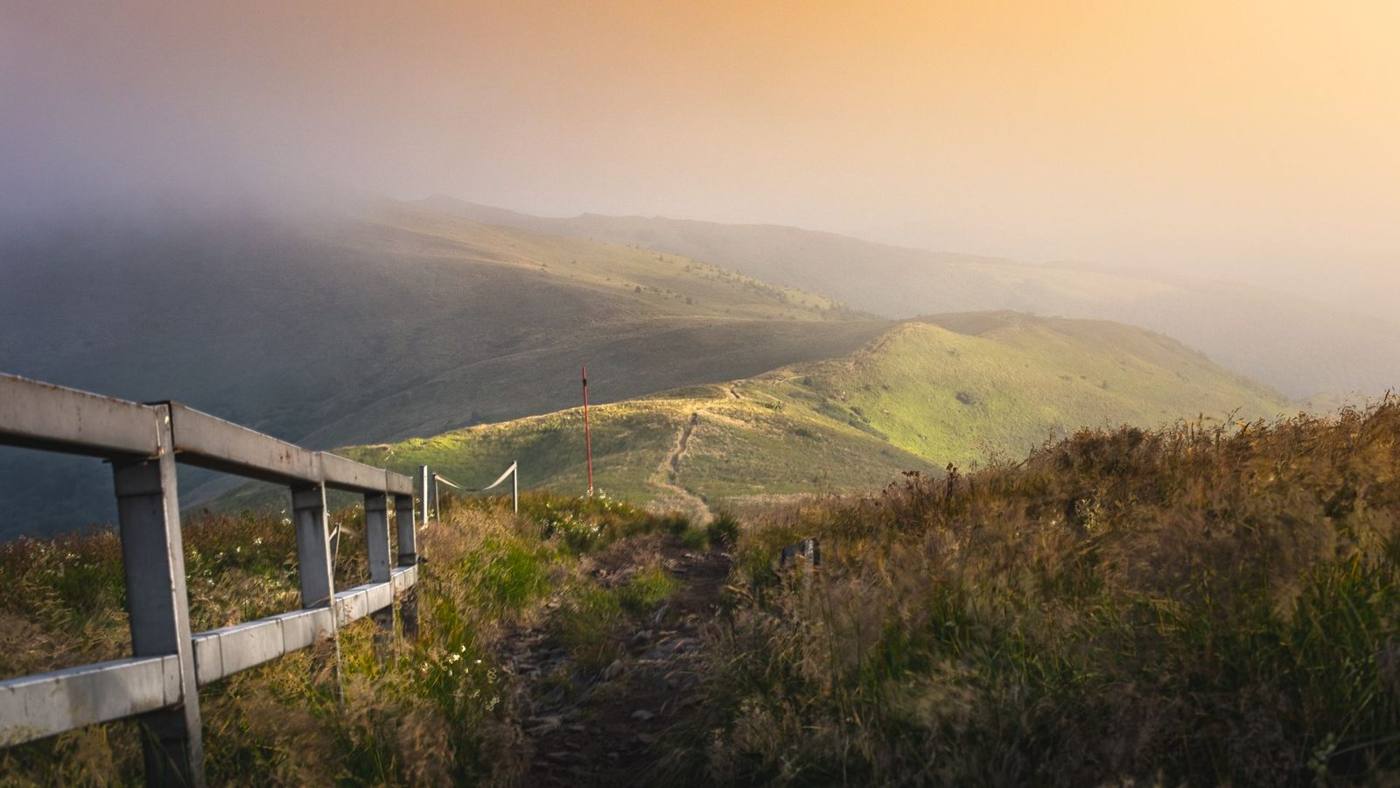
The Bieszczady Mountains
Poland's wildest corner: the high połoniny meadows, the UNESCO wooden churches, Lake Solina and the forest railway.
- Sanok
- Ustrzyki Górne
- Połonina Caryńska
- Tarnica
- Solina
- Cisna
Day by day
- Day 1
Sanok, the open-air museum and the church of Smolnik
This five-day trip takes you to the Bieszczady, the wildest corner of Poland, in the south-east, between Slovakia and Ukraine: the high meadows called połoniny, the climb up Tarnica, the wooden churches, the forest railway and Lake Solina.
Before you go: Poland is part of the European Union and the Schengen area, but uses the złoty, not the euro. Italian citizens only need an electronic identity card valid for travel abroad or a passport; the paper identity card has not been valid for travel abroad since 3 August 2026. Other nationalities should check their own rules. Crime is low, but Italian travel advice warns of pickpockets at airports, stations and tourist sites and recommends using only official taxis. When you pay by card, always choose to pay in złoty.
Some areas on this trip are close to borders or places where the situation changes often: check your government's travel advice before booking and again before you leave.
Start in Sanok, the gateway to the Bieszczady, about an hour and a half by car from Rzeszów. Visit the Museum of Folk Architecture, one of the largest open-air museums in Poland: farmhouses, mills, Orthodox and Greek Catholic wooden churches of the mountain peoples, the Boykos and the Lemkos, and a rebuilt village square. Check prices and times. In the centre, in the castle, the Historical Museum has a large collection of icons and the works of the painter Zdzisław Beksiński, born in Sanok.
In the afternoon drive to Ustrzyki Górne, in about two hours. On the way stop at Smolnik, where a small wooden church on the hill is part of the Wooden Tserkvas of the Carpathian Region, a UNESCO World Heritage Site.
Sleep in Ustrzyki Górne or Wetlina, for three nights.
Practical tip: in the Bieszczady petrol stations and cash machines are few; fill up and take out cash in Sanok.
- Day 2
Połonina Caryńska and Połonina Wetlińska
Today you walk on the połoniny, the great grassy meadows above the tree line, the symbol of the Bieszczady. You are in Bieszczady National Park, home to bears, wolves, lynx and bison.
Start from Ustrzyki Górne and climb to Połonina Caryńska, at about 1,297 metres. The path goes through a beech forest and then comes out onto open meadows, with tall grass that waves in the wind in summer and turns red and gold in autumn. At the top the ridge is long and wide: you see the mountains all around, with no roads or villages. Entry to the park is charged: check prices and times at the huts at the start of the trails.
Go down towards Brzegi Górne. If you have strong legs, continue up Połonina Wetlińska, the other great ridge, and descend to Wetlina: this way you make a full traverse, but a long one, of many hours. If you prefer a gentler day, do just one of the two połoniny and arrange your return by car or by the local bus, which runs only a few times a day.
The walks are not difficult, but they are long and there are no lifts. The weather changes fast: there are no trees on the ridges and when a storm comes there is no shelter.
In the evening try the mountain dishes, such as pierogi with potato and cheese and mushroom soups.
Practical tip: in the park walk only on marked trails and, if you see a bear, do not approach: move away calmly, without running, and make noise.
- Day 3
The climb up Tarnica, the highest peak
Today you climb Tarnica, the highest peak of the Polish Bieszczady, at 1,346 metres. It is the most famous walk in the area.
Start from the small village of Wołosate, south of Ustrzyki Górne, where there is a car park at the start of the trail. The route climbs first through the forest and then over open meadows to the saddle below the summit. From here a short, steeper climb leads to the top, where there is a large cross. Allow about two and a half hours to go up and a little less to come down.
From the summit, on clear days, you see the połoniny, the ridges of Slovakia and, to the east, the mountains of Ukraine. If you still have energy, continue along the ridge towards Halicz and Bukowe Berdo, two nearby peaks with beautiful views, and then go down to Wołosate on a loop.
Here you are very close to the border: the trails along the border are signposted and the signs must always be respected. Do not leave the marked routes and do not look for shortcuts.
In the afternoon, if you fancy some culture, visit one of the old Greek Catholic churches in the valley or the cemetery of a vanished village: many villages in the Bieszczady were emptied after the Second World War, when the Ukrainian and Lemko population was deported, and today only crosses and fruit trees in the meadows remain.
Practical tip: start early, with at least two litres of water each, a waterproof jacket and the map downloaded on your phone, because you will not have a signal everywhere.
- Day 4
The Cisna forest railway and Lake Solina
Today you leave the ridges and discover the valleys, with a slow train and a large lake.
In the morning drive to Majdan, near Cisna. From here the Bieszczady Forest Railway sets off, a small narrow-gauge line built at the end of the nineteenth century to bring timber out of the forests. Today its open carriages take visitors along the river, through woods and clearings, to Przysłup or Balnica. The train runs mainly from spring to autumn, with changing timetables: check prices and times and book in the summer months.
In the afternoon drive north to Lake Solina, one of the largest artificial lakes in Poland, created by a dam in the 1960s. Walk along the dam, from where you see the green water and the hills covered in forest. In summer you can take a boat trip, hire a kayak or swim at the small beaches around Polańczyk.
At sunset the lake is calm and the woods on the hills turn orange, especially in October, when the beeches change colour.
Sleep near Lake Solina, in Polańczyk or Solina, for one night.
Practical tip: in the Bieszczady drive slowly, especially at dawn and dusk, when deer cross the road; avoid driving at night on the mountain roads.
- Day 5
Lesko and departure
On the last day you leave the Bieszczady and head back towards Rzeszów or Kraków.
On the way stop at Lesko, a small town on the river San. Here there is a seventeenth-century synagogue, with walls as thick as a small fortress, and, on the hill behind, one of the oldest Jewish cemeteries in the region, with stone headstones carved with hands, lions and candlesticks, among the trees. They recall the large Jewish community that lived here before the war. Check prices and times.
Then continue. Rzeszów, with its airport, is about an hour and a half from Lesko; Kraków is about three and a half to four hours away.
Trip summary: in five days you have seen Sanok with its open-air museum and icons; the wooden church of Smolnik; the Caryńska and Wetlińska połoniny; Tarnica, the highest peak; the Cisna forest railway; Lake Solina; and the synagogue and Jewish cemetery of Lesko.
When to go: from May to October. In June and July the meadows are in flower and the days are long; in September and October the beech forests turn yellow and red, the best time for colours. In winter the snow is heavy and many trails can only be walked with the right equipment. The Bieszczady are far from everything: you need a car and time.
Practical tip: in areas near the border follow the instructions of the Polish authorities, including those sent by text message to your phone, and always carry your identity document.
Almost untouched nature, with bears, wolves and bison in the forests, and few foreign tourists. The walks are easy but long, with no lifts. The area borders Ukraine and Slovakia: border trails are marked and must be respected. It is far from everything, so a car and time are needed.
Before you go
- Documents and visa
- EU citizens need a valid identity card or passport: Poland is in the EU and the Schengen area. Carry a copy of your documents and keep the originals somewhere safe. Other nationalities should check the Schengen rules.
- Health and vaccines
- No compulsory vaccines. Healthcare is acceptable; Warsaw has clinics with English-speaking staff. EU citizens should bring their EHIC; take insurance covering medical costs and repatriation. Watch for ticks in the forests in summer and for ice in winter. Emergencies: 112.
- Money and payments
- Polish złoty (PLN), not the euro. Cards are accepted almost everywhere; when paying by card, choose to pay in złoty, not in your home currency.
- Power sockets
- Types C and E, 230 volts: you need an adapter for British plugs.
- Time zone
- Central European Time (UTC+1, summer UTC+2).
- Safety
- Crime is low, but watch out for pickpockets at airports, stations and tourist sites, for unofficial taxis and for scams in nightclubs. The areas near the borders with Belarus and Ukraine have restrictions and the situation changes often: do not go near the border and respect the no-entry signs. Official advice: GOV.UK.
Information checked in November 2026 for Italian and EU citizens. Rules change: always check before you travel.
Variations
In 3 days: Sanok, Połonina Caryńska and Tarnica.
In 7 days: add Przemyśl and Krasiczyn Castle.
Frequently asked questions
Are the walks in the Bieszczady difficult?
Generally not: the trails are easy but long, with no lifts. You need walking boots, water and a waterproof jacket.
Are there bears in the Bieszczady?
Yes, they live in the forests with wolves and bison. Walk on marked trails, do not leave food around and, if you see a bear, move away calmly.
Do I need a car?
Yes. Local buses run only a few times a day and distances are long. Fill up and take out cash in Sanok.
Indicative itinerary written by World Atlas. Before booking, check timetables, seasonal openings, documents and safety.
 5 daysEasy
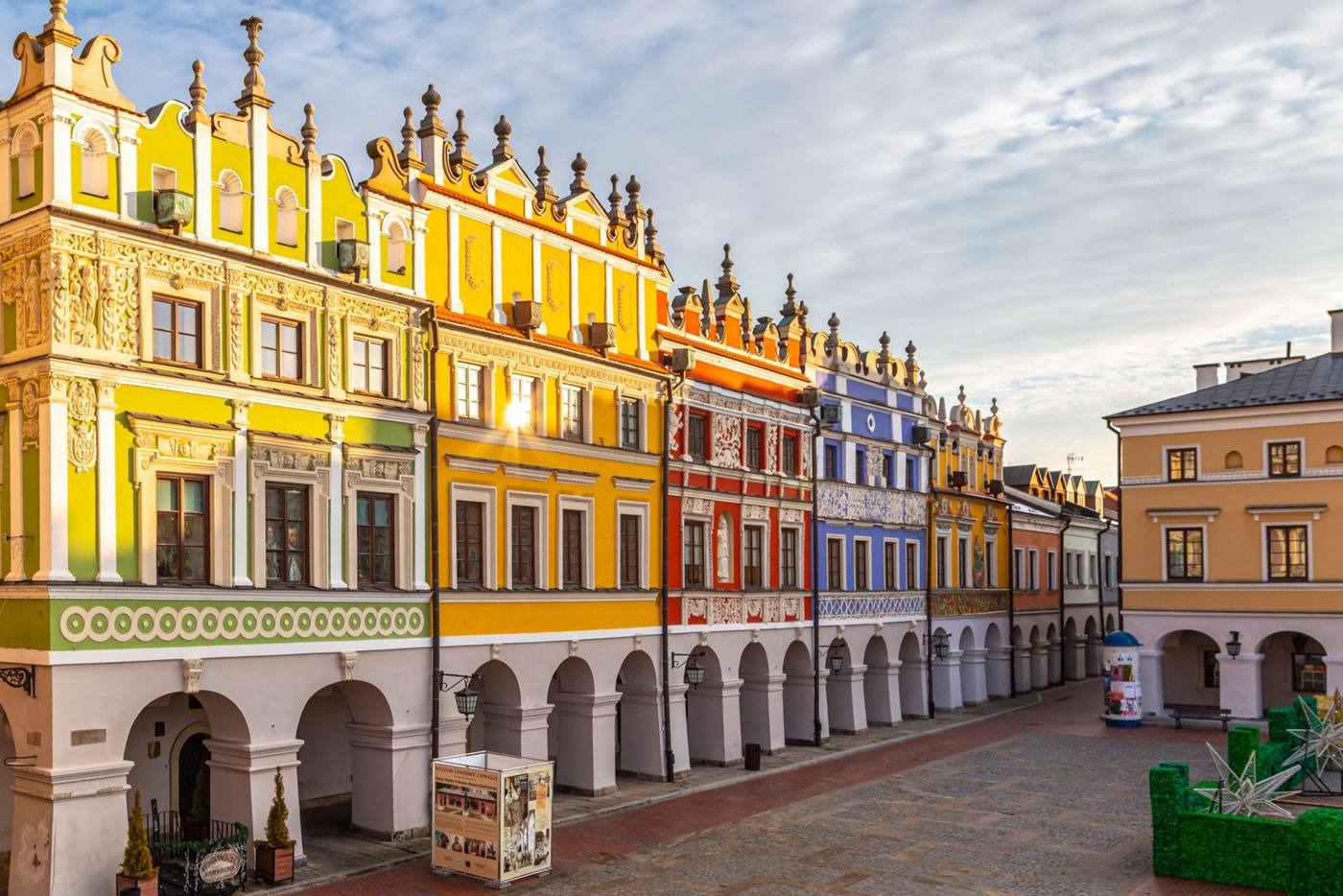
Lublin, Kazimierz Dolny and Zamość
Eastern Poland: the ideal Renaissance town of Zamość, Lublin and its Holy Trinity Chapel, the artists' village of Kazimierz Dolny on the Vistula and the Majdanek memorial.
 5 daysEasy
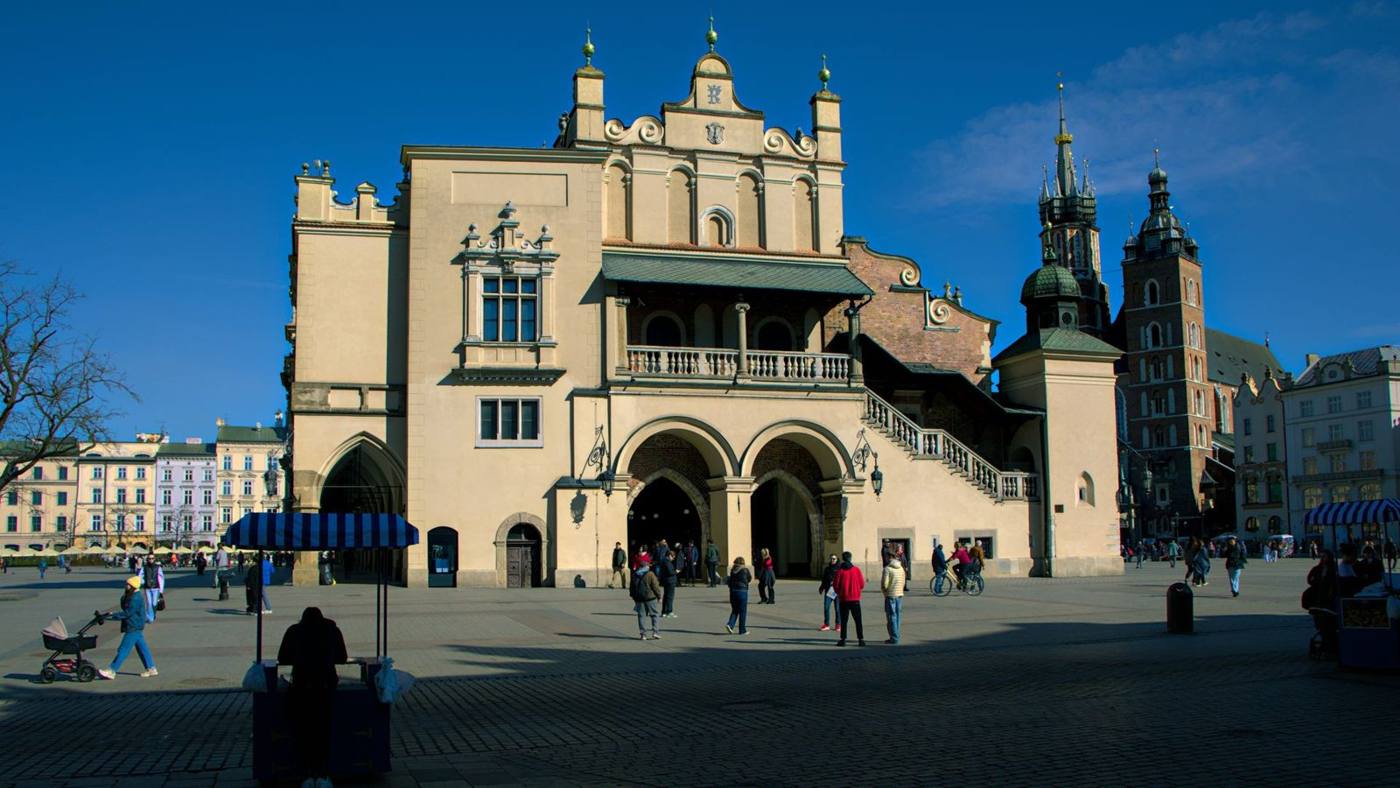
Kraków and Auschwitz
The Market Square and Wawel, the Jewish quarter of Kazimierz, Schindler's Factory, the Wieliczka salt mine and the Auschwitz-Birkenau memorial.
 3 daysEasy
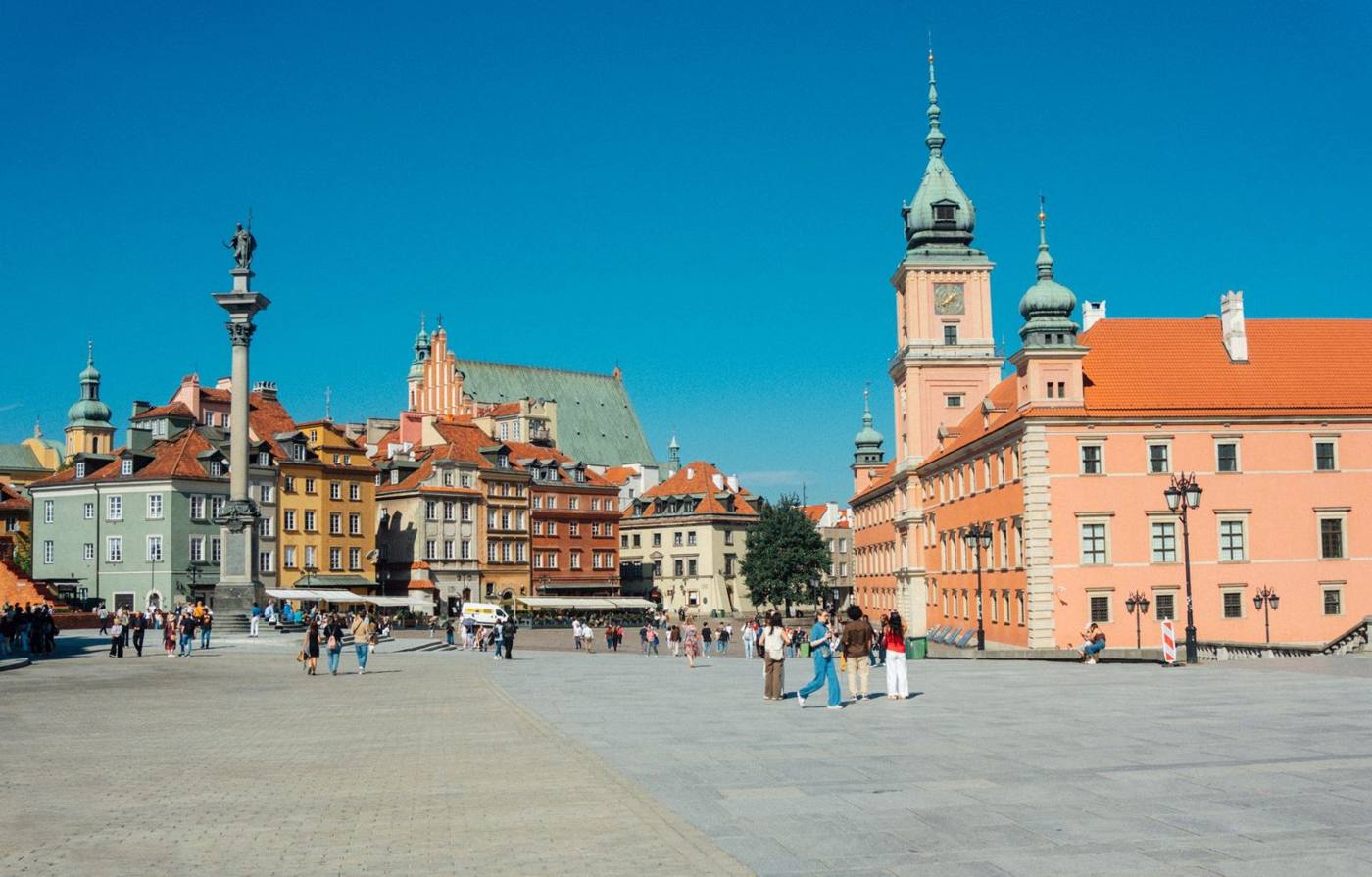
Warsaw
The old town rebuilt stone by stone, the Warsaw Uprising Museum, the POLIN Museum of the History of Polish Jews, Łazienki Park and the Vistula.