Kraków and Auschwitz
The Market Square and Wawel, the Jewish quarter of Kazimierz, Schindler's Factory, the Wieliczka salt mine and the Auschwitz-Birkenau memorial.
- Kraków
- Wawel
- Kazimierz
- Wieliczka
- Oświęcim
Day by day
- Day 1
Kraków: the Market Square and the trumpeter
This five-day trip takes you to Kraków, the former capital of Poland, and its surroundings: the Market Square, Wawel Castle, the Jewish quarter of Kazimierz, Schindler's Factory, the Wieliczka Salt Mine and the Auschwitz-Birkenau memorial.
Before you go: Poland is part of the European Union and the Schengen area, but uses the złoty, not the euro. Italian citizens only need an electronic identity card valid for travel abroad or a passport; the paper identity card has not been valid for travel abroad since 3 August 2026. Other nationalities should check their own rules. Crime is low, but Italian travel advice warns of pickpockets at airports, stations and tourist sites and recommends using only official taxis. When you pay by card, always choose to pay in złoty.
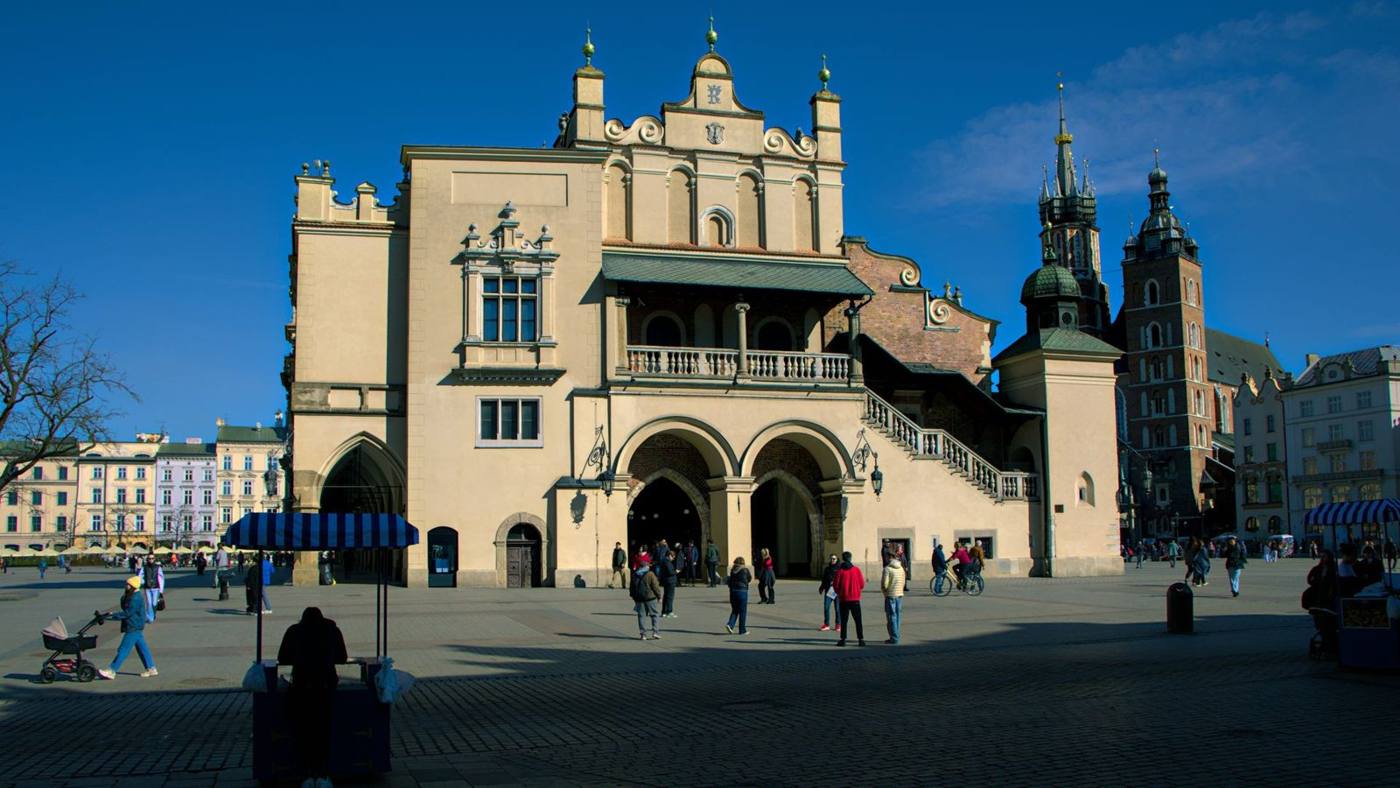
Start from the Market Square, Rynek Główny, one of the largest medieval squares in Europe, in the historic centre, a UNESCO World Heritage Site. In the middle stands the Cloth Hall, Sukiennice, a long Renaissance building with stalls selling amber and crafts; upstairs there is a gallery of nineteenth-century Polish painting. Check prices and times.
Then go into St Mary's Basilica, with its two different towers. Inside is the great wooden altarpiece carved by Veit Stoss at the end of the fifteenth century, with tall gilded figures. Check prices and times.
Every hour, from the taller tower, a trumpeter plays the hejnał, a tune that stops halfway: according to legend it recalls a trumpeter struck by an arrow during a Tatar attack.
Sleep in Kraków, for four nights.
Practical tip: in the evening the Rynek is very lively; look for a place to stay a few streets away if you want a quiet night.
- Day 2
Wawel and the Kazimierz quarter
On the second day you see the heart of Polish royal power and the memory of Kraków's Jewish community.
In the morning walk up Wawel Hill, above the Vistula. The royal castle was the home of the kings of Poland for centuries; the rooms are visited on different routes, each with its own ticket, so choose beforehand the ones you want, such as the State Rooms and the tapestry collection. Check prices and times, because places are limited.
Next to it is the cathedral, where many kings were crowned and buried. Climb the tower of the Sigismund Bell, one of the largest bells in Poland, rung only on important occasions. Below the hill, along the river, is the Dragon's Den, linked to the legend of Kraków, with a statue that breathes fire.
In the afternoon walk south to Kazimierz, the district that for centuries was the centre of Jewish life in the city. Visit the Old Synagogue, now a museum on the history and culture of Kraków's Jews, and the Remuh Synagogue, still in use, with its small old cemetery. Check prices and times. In the synagogues men must cover their heads.
Stroll along Szeroka Street and around Plac Nowy, a square with a round covered market. Here in the evening people eat zapiekanki, open half baguettes baked with mushrooms and cheese.
Practical tip: on Saturdays the active synagogues are closed to visitors; plan Kazimierz for another day of the week.
- Day 3
Auschwitz-Birkenau, a full day
Today you spend the whole day at the Auschwitz-Birkenau Memorial and Museum, near the town of Oświęcim, about seventy kilometres from Kraków. It is the largest concentration and extermination camp built by Nazi Germany: about one million one hundred thousand people were killed here, the great majority of them Jews. It is a UNESCO World Heritage Site.
Entry is possible only with an online booking on the Memorial's official website, for a set time. At certain hours you can enter only with a guide, also in Italian; a guided visit is the best way to understand what you see. Book well in advance, because places run out quickly. Check prices and times.
From Kraków you get there by bus or train in about an hour and a half; leave early. Bring an identity document and a small backpack, because large bags are not allowed: check the rules on the website.
The visit starts at Auschwitz I, the first camp, with brick blocks that house the exhibitions: the suitcases, shoes, glasses and hair of the victims. Then a shuttle takes you to Birkenau, Auschwitz II, about three kilometres away. Here you see the railway ramp, the barracks and the ruins of the gas chambers and crematoria, blown up by the Nazis before they fled.
This is a visit that needs time and emotional space: do not plan anything else on the same day. In the evening go back to Kraków and have a quiet dinner.
Practical tip: at Birkenau you walk a lot and there is no shelter; bring water, comfortable shoes and a jacket against wind and rain.
- Day 4
Schindler's Factory and the Wieliczka Salt Mine
On the fourth day you combine the city's wartime history with a visit underground.
In the morning cross the Vistula to Podgórze, the district where the Nazis sealed off the Kraków ghetto in 1941. On Ghetto Heroes Square there are dozens of metal chairs, a memorial to those deported. Then go into Oskar Schindler's Factory; Schindler was the businessman who saved more than a thousand Jews by having them work for him. Today it is a branch of the Museum of Kraków, with an exhibition on the city under Nazi occupation, from 1939 to 1945. Entry is by timed ticket and sells out: buy yours in advance. Check prices and times.
In the afternoon go to the Wieliczka Salt Mine, about fifteen kilometres from Kraków, reached by regional train or bus. It was dug over centuries and is a UNESCO World Heritage Site. The tourist route is guided and goes down more than a hundred metres underground, through corridors, salt lakes and halls carved in salt by the miners. The finest is the Chapel of St Kinga, with chandeliers, floor and reliefs all made of salt. You walk down hundreds of steps, while a lift brings you back up. Check prices, times and tour languages.
In the evening go back to Kraków and try pierogi or oscypek, a smoked mountain cheese served grilled with cranberry jam.
Practical tip: the mine is cool all year round, a few degrees below twenty; bring a jumper even in August.
- Day 5
The Planty and departure
On the last day you enjoy Kraków at a gentle pace before leaving.
In the morning walk in the Planty, the ring-shaped park that surrounds the old town where the ancient walls once stood. Go as far as the Barbican, a round brick fortress, and St Florian's Gate, the last piece of the medieval walls, where painters display their pictures. Then step into the courtyard of the Collegium Maius, the oldest building of the Jagiellonian University, where Nicolaus Copernicus studied. Check prices and times.
If you have time left, visit Kleparz market, a neighbourhood market with fruit, vegetables, cheese and cured meats, perfect for buying something to take home.
Kraków airport is in Balice, about fifteen kilometres from the centre, and is linked by train from the main station. Allow at least two and a half hours before your flight.
Trip summary: in five days you have seen the Rynek with the Cloth Hall and St Mary's Basilica, Wawel Castle and Cathedral, the Kazimierz quarter with its synagogues, the Auschwitz-Birkenau memorial, Schindler's Factory in Podgórze and the Wieliczka Salt Mine.
When to go: from April to October the weather is mild and the days are long; July and August are the busiest months. In December the Rynek hosts the Christmas market and the city is full of lights, but it is cold and the wind at Birkenau is icy.
Practical tip: before you leave, check that your card does not charge fees on payments in złoty, because costs abroad add up quickly.
One of central Europe's most beautiful cities, with a history that weighs heavily. Auschwitz must be booked online well ahead, preferably with a guide; no-cost unguided tickets go immediately. It is a visit that needs time and emotional space, so plan nothing else that day. Kraków is inexpensive and very lively at night.
Before you go
- Documents and visa
- EU citizens need a valid identity card or passport: Poland is in the EU and the Schengen area. Carry a copy of your documents and keep the originals somewhere safe. Other nationalities should check the Schengen rules.
- Health and vaccines
- No compulsory vaccines. Healthcare is acceptable; Warsaw has clinics with English-speaking staff. EU citizens should bring their EHIC; take insurance covering medical costs and repatriation. Watch for ticks in the forests in summer and for ice in winter. Emergencies: 112.
- Money and payments
- Polish złoty (PLN), not the euro. Cards are accepted almost everywhere; when paying by card, choose to pay in złoty, not in your home currency.
- Power sockets
- Types C and E, 230 volts: you need an adapter for British plugs.
- Time zone
- Central European Time (UTC+1, summer UTC+2).
- Safety
- Crime is low, but watch out for pickpockets at airports, stations and tourist sites, for unofficial taxis and for scams in nightclubs. The areas near the borders with Belarus and Ukraine have restrictions and the situation changes often: do not go near the border and respect the no-entry signs. Official advice: GOV.UK.
Information checked in November 2026 for Italian and EU citizens. Rules change: always check before you travel.
Variations
In 3 days: Rynek and Wawel, Auschwitz-Birkenau, then Kazimierz and Wieliczka together.
In 7 days: add two days in Zakopane and the Tatra Mountains.
Frequently asked questions
How do I book Auschwitz-Birkenau?
Only online, on the Memorial's official website, for a set time. At certain hours you can enter only with a guide. Book well in advance and check prices and times.
Can I do Auschwitz and Wieliczka on the same day?
It is possible, but we do not recommend it: Auschwitz needs time and emotional space. It is better to give it a full day.
How long does the Wieliczka visit take?
The tourist route takes about two to three hours, with a guide. Bring a jumper, because it is cool underground. Check prices and times.
Indicative itinerary written by World Atlas. Before booking, check timetables, seasonal openings, documents and safety.
 3 daysEasy
Warsaw
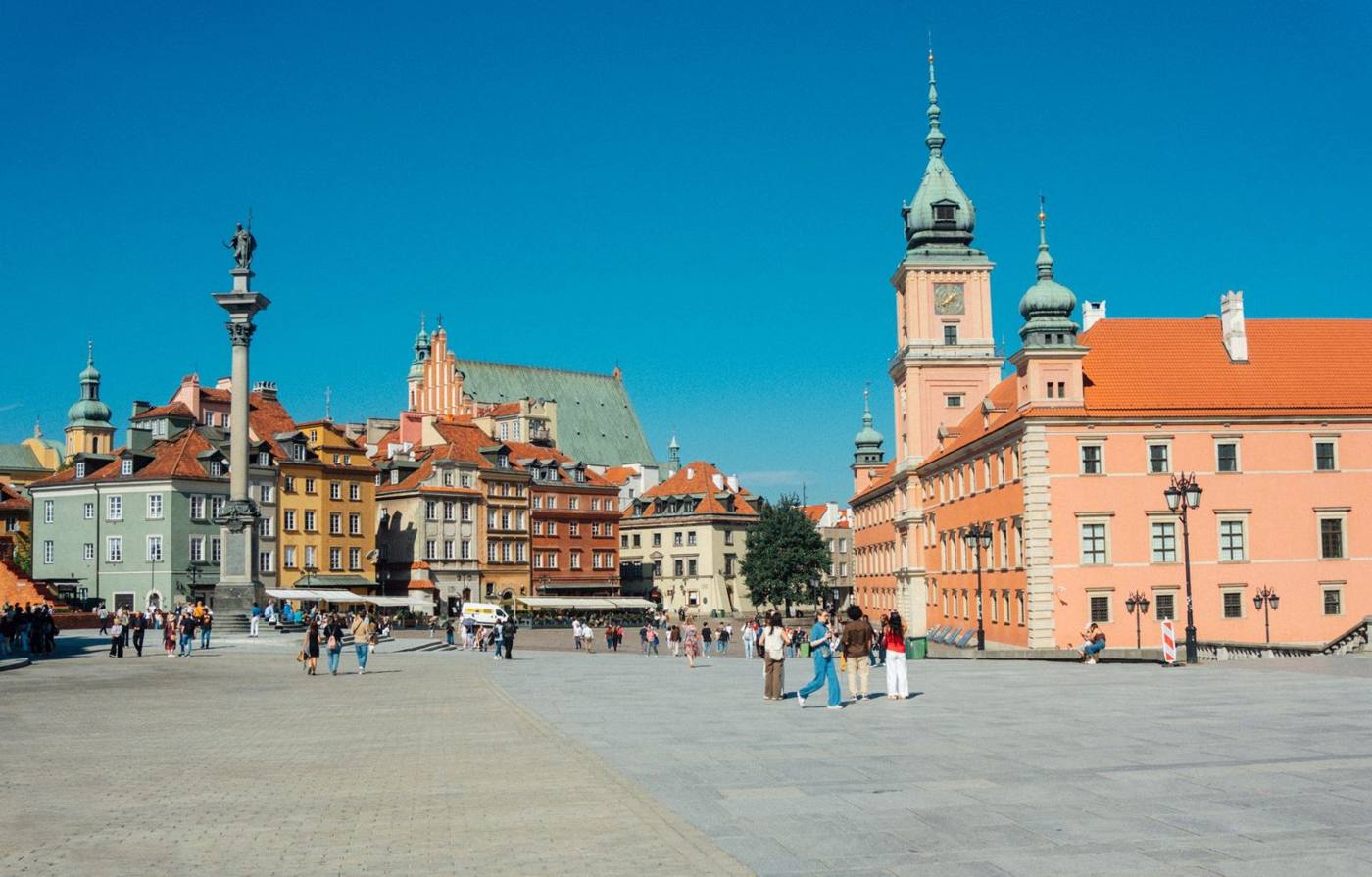
The old town rebuilt stone by stone, the Warsaw Uprising Museum, the POLIN Museum of the History of Polish Jews, Łazienki Park and the Vistula.
 10 daysEasy
Classic Poland
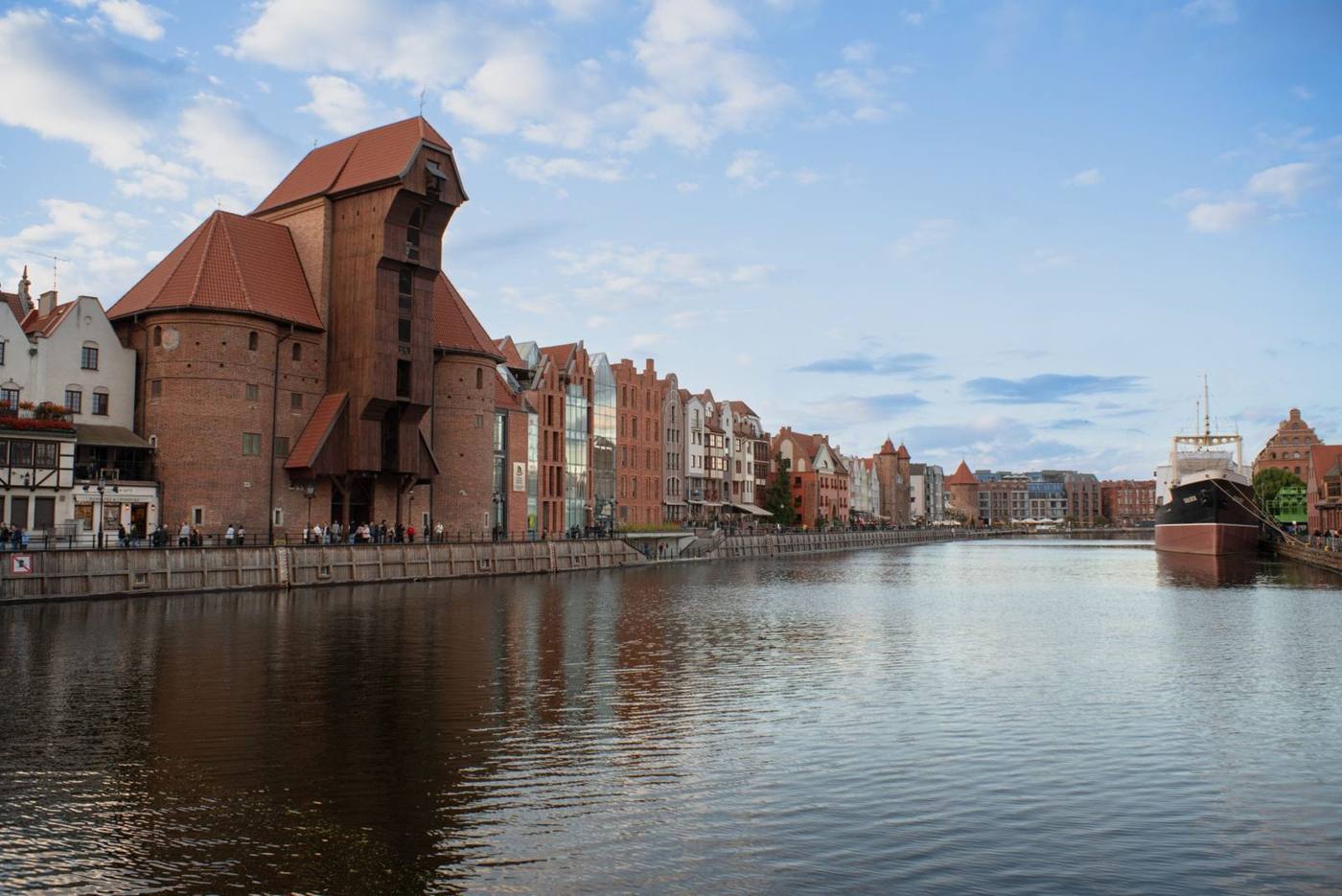
From Gdańsk to Kraków by train: the Teutonic castle of Malbork, Copernicus's Toruń, Warsaw, Kraków and the Wieliczka mine.
 5 daysEasy
Gdańsk and the Baltic
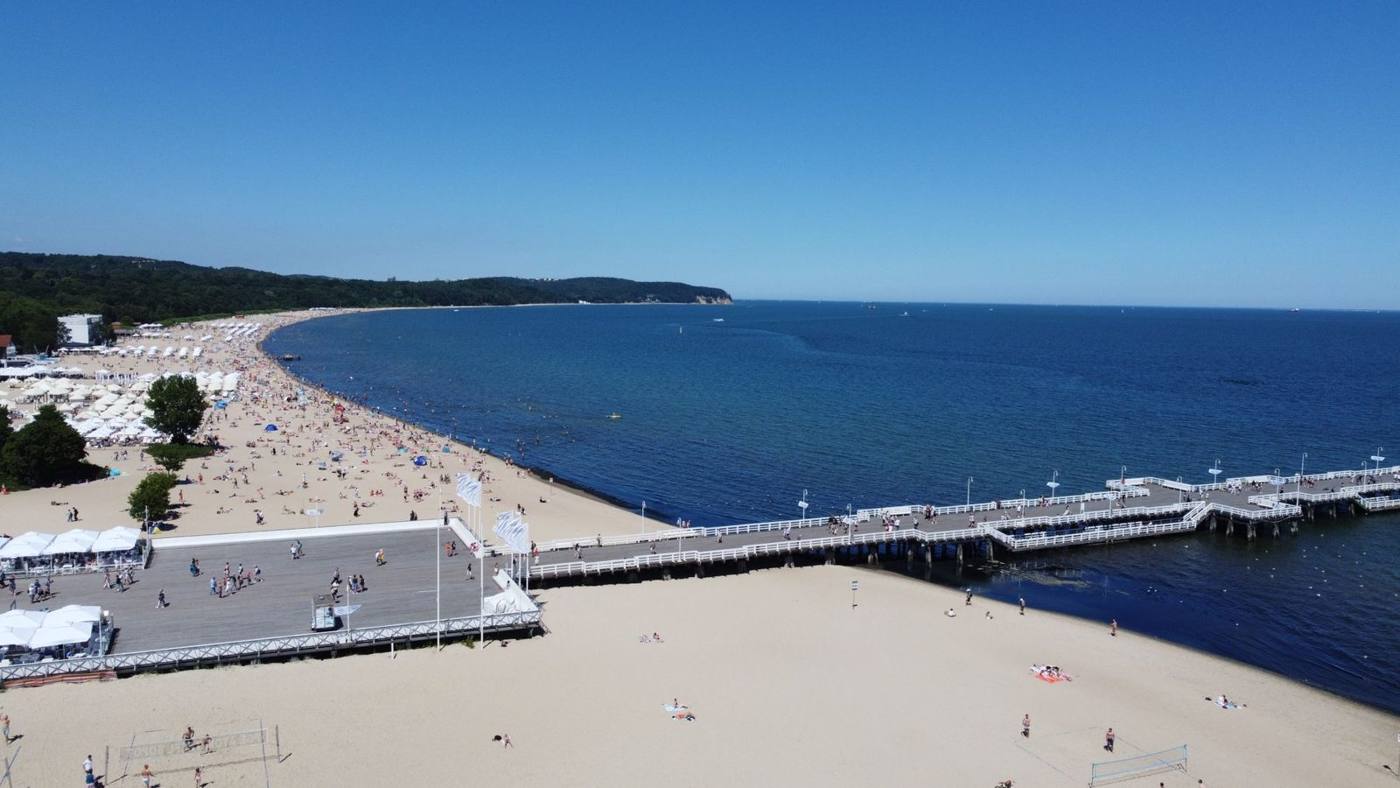
The Tri-City of Gdańsk, Sopot and Gdynia, Malbork Castle, the Hel Peninsula and the shifting dunes of Słowiński park.