The Caramoan islands
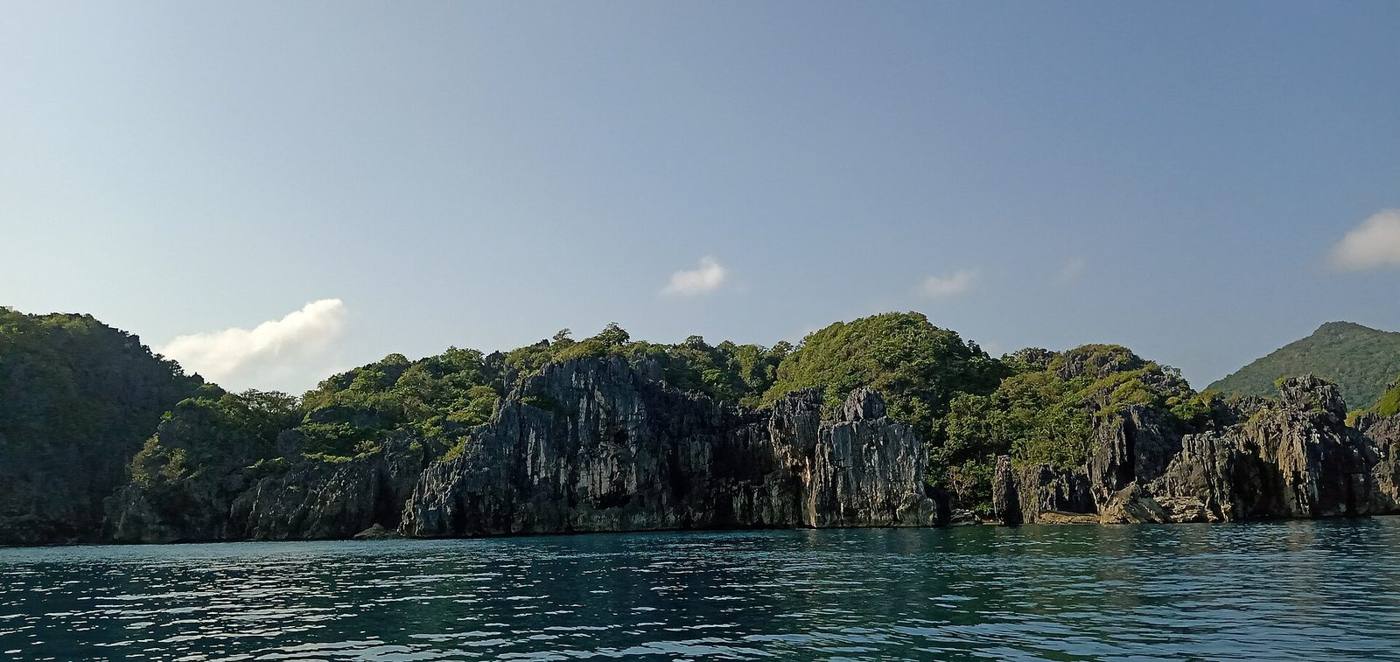
A limestone archipelago in southern Luzon, chosen for many seasons of reality television: islets with white beaches between karst cliffs, lagoons, caves, the hilltop shrine at Guijalo and boat trips without the Palawan crowds.
- Naga
- Sabang
- Caramoan
- Guijalo
Day by day
- Day 1
Flight to Naga, then road and boat to Caramoan
Caramoan is a peninsula in south-east Luzon, in the province of Camarines Sur, in the Bicol region, surrounded by a small archipelago of limestone islands, with green cliffs, white sand beaches, hidden lagoons and turquoise water. It is still little known to foreign tourists and quieter than Palawan or Boracay. In five days you explore the islands by boat, kayak among the caves and climb the shrine hill.
In the morning, take a flight from Manila to Naga, the main city of Bicol, in about an hour. From the airport, continue by car or van to the port of Sabang, about two hours away, through rice paddies, coconut plantations and villages.
At Sabang, take the boat to Caramoan, in about two hours, along the coast and between the islands. The sea can be rough, especially in the monsoon months. Alternatively, at some times there is a long, winding road that reaches the peninsula overland.
In the afternoon, you arrive at the port of Guijalo and then the town, a simple place with a stone church, a square and a market.
In the evening, taste Bicol cooking, famous throughout the Philippines for its use of coconut milk and chilli, such as Bicol express, pork cooked in coconut milk with chilli, and laing, taro leaves cooked in coconut.
In the evening, sleep in Caramoan.
Practical tip: Italian citizens enter the Philippines without a visa for up to 30 days. Before travelling, fill in the eTravel form online. The United States has the Philippines at level 2.
- Day 2
Island hopping: Matukad, Lahos and Cotivas
Today is the finest day of the trip. In the morning, set off in a bangka, the traditional Filipino boat with bamboo outriggers on each side, for island hopping. Boats are hired with a boatman for the whole day, and you can choose the stops.
The first stop is often Matukad Island, with a small white beach at the foot of a limestone wall. A stairway and a steep path through the rocks lead to a hidden lagoon inside the island, surrounded by vertical walls, with calm green water. A legend tells of a large fish living in the lagoon that no one must catch.
Then go to Lahos, an island with a long tongue of white sand that links two parts of the island at low tide and disappears at high tide. Walk on the sand between the two waters and swim in the clear sea.
Stop at Cotivas, an island with palms and a long beach, perfect for lunch. Boatmen often grill fish and cook rice on the beach.
In the afternoon, snorkel near the rocks among corals and colourful fish, and look at the other islands, some used as sets for a famous television survival programme.
In the evening, sleep in Caramoan.
Practical tip: the islands usually require a municipal permit and an environmental fee, paid at the port or through your boatman. Check the amount and bring cash.
- Day 3
Kayaking and caves, the shrine on the hill
In the morning, hire a kayak and paddle along the coast and between nearby islands, into small bays and beneath the limestone walls. The water is calm early in the morning, and you see fish and corals below the surface.
On some islands and along the coast there are caves carved into the limestone, some reachable only by kayak or on foot at low tide. With a local guide you can enter the larger caves, with stalactites, stalagmites and bats hanging from the ceiling. Other caves have pools of water for a cool swim.
In the afternoon, when the heat eases, climb the shrine hill near the town, topped by a large white statue of the Virgin Mary. To reach the top you climb more than five hundred steps through greenery, with stops at small shrines along the stairway.
From the top, the view is the finest in Caramoan: the archipelago of green islands scattered across the turquoise sea, white beaches, fishing boats and, on clear days, the mountains of the peninsula.
Wait for sunset at the top, when the sky turns orange behind the islands.
In the evening, sleep in Caramoan.
Practical tip: the climb up the hill is steep and done in the heat. Go early in the morning or late in the afternoon, bring water and closed shoes, and come down before dark.
- Day 4
Beach and rest
Today is a slow day, to enjoy the beaches and the rhythm of the peninsula.
In the morning, take a boat to one of the quietest beaches, such as Gota beach, long and white, or an island you did not visit on the island-hopping day, such as Sabitang Laya, with fine sand and shallow water. Many boatmen offer short half-day trips.
Spend the morning on the beach in the shade of the palms, swimming and snorkelling. Look for starfish on the sand in the shallows, but leave them in the water: they are delicate animals.
In the afternoon, return to town and walk through the market, with fresh fish, tropical fruit such as mangoes, rambutans and bananas, and rice and coconut sweets wrapped in banana leaves.
Visit the church of Saint Mary Magdalene, a Spanish-era stone church in the centre of town, one of the oldest in the region, with thick walls and a plain facade.
In the evening, if you like, taste pili, the typical Bicol nut, crunchy and sweet, sold in many different ways, or a dish of grilled fish with rice.
In the evening, sleep in Caramoan.
Practical tip: in Caramoan, electricity and phone signal can be off for a few hours. Bring a power bank and cash, as cash machines are few and often out of order.
- Day 5
Return to Naga and the flight
Early in the morning, leave Caramoan and take the boat to Sabang, in about two hours. If the sea is calm, enjoy a last view of the islands from the boat in the morning light.
From Sabang, return by car or van to Naga, in about two hours. If you have time before your flight, visit central Naga, a lively city with churches, the cathedral and the basilica of Our Lady of Peñafrancia, the much-venerated patroness of Bicol. In September the city hosts a great religious festival with a river procession that draws hundreds of thousands of pilgrims.
Alternatively, if you have an extra day, you can visit the Camarines Sur water sports complex, with cable wakeboarding, popular with athletes, or continue south to Legazpi and Mayon volcano, with its almost perfect cone.
Then take the flight to Manila, which takes about an hour, and connect there to your international flight or to another island.
This trip combines well with Legazpi and Mayon, and with Donsol for whale sharks between December and May, or with the islands of Palawan or Bohol.
Practical tip: boats to Caramoan do not sail in rough seas, especially from November to February and in the typhoon season. Leave at least a day's margin before your international flight.
Getting there is a long journey by plane, road and boat: allow at least four nights. Simple facilities and few ATMs. The area is exposed to typhoons: avoid August to December. EU citizens enter without a visa for up to 30 days; the eTravel form must be filled in online within 72 hours of departure. The UK advises against all travel to western and central Mindanao and the Sulu archipelago; the US also advises against the rural and mountainous interior of Leyte, Mindoro, Negros and Samar. From July to November typhoons can cancel flights and ferries.
Before you go
- Documents and visa
- Passport valid for at least six months and an onward ticket; no visa for tourism up to 30 days for EU citizens. In the 72 hours before the flight you fill in the no-cost eTravel form online.
- Health and vaccines
- No compulsory vaccines arriving from Europe. Protect yourself against mosquitoes because of dengue and keep away from dogs and monkeys because of rabies. Drink only bottled water. Emergencies: 911.
- Money and payments
- Philippine peso. On small islands cash machines are few and often empty: carry cash.
- Power sockets
- Types A, B and C, 220 volts: bring a universal adapter.
- Time zone
- UTC+8 all year.
- Safety
- The United States rates the Philippines level 2, with level 4 for the Sulu archipelago, the southern Sulu Sea and Marawi, and level 3 for much of Mindanao. Typhoons occur from June to November. Official advice: GOV.UK.
Information checked in November 2026 for Italian and EU citizens. Rules change: always check before you travel.
Variations
In 3 days: arrival, island hopping and return.
In 8 days: add Legazpi, Mayon volcano and Donsol.
Frequently asked questions
When is the best time to go?
From March to June, with calmer seas and less rain. From July to December there are more typhoons and the sea can be rough.
Is it suitable for weak swimmers?
Yes, many beaches have shallow water and boatmen provide life jackets. For the Matukad lagoon and snorkelling you need to be fairly comfortable in the water.
Do I need cash?
Yes, plenty. Boats, permits and many lodgings are paid in cash and cash machines are few. Withdraw money in Naga before you go.
Indicative itinerary written by World Atlas. Before booking, check timetables, seasonal openings, documents and safety.
 4 daysModerate
Diving in Anilao
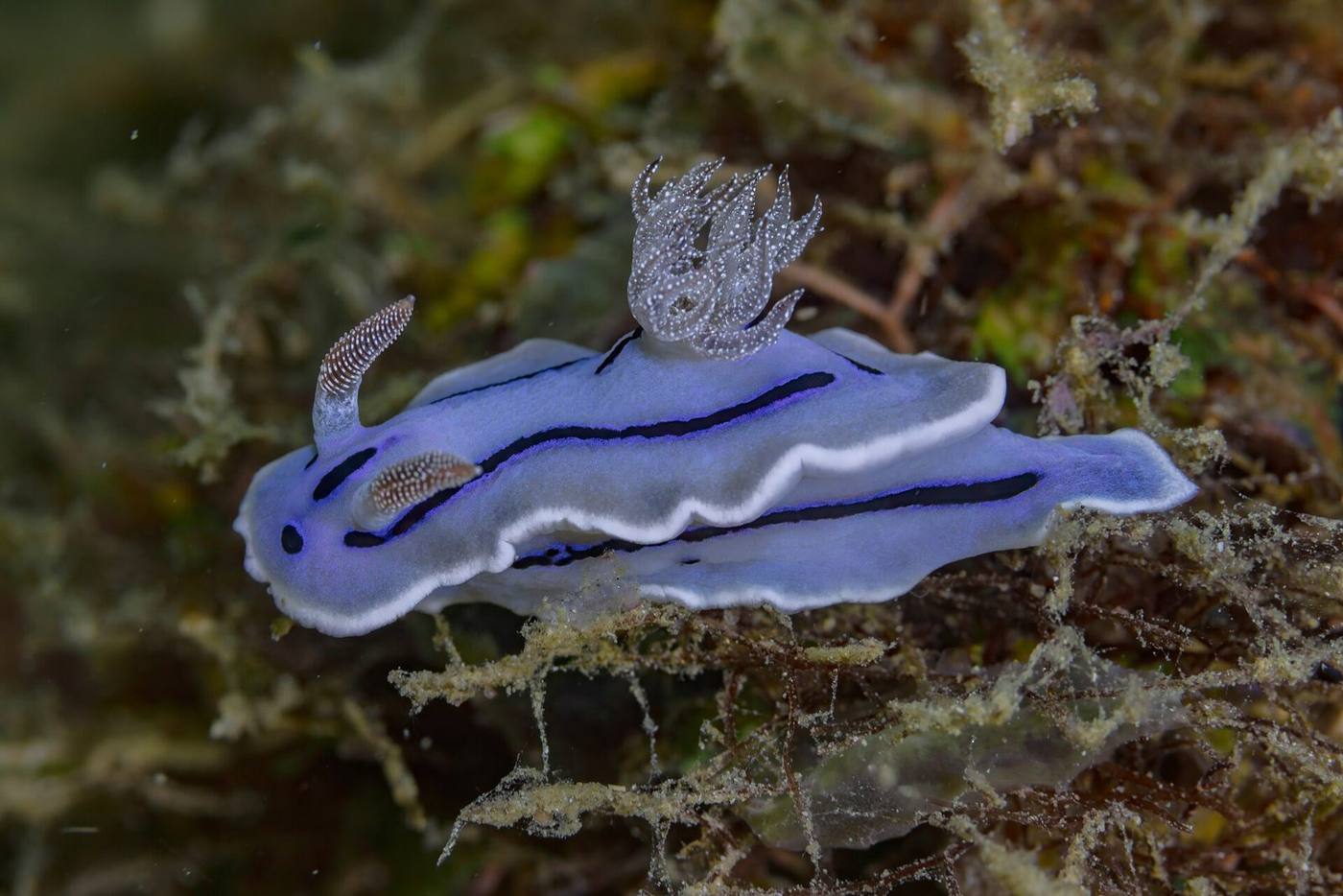
The macro diving capital, three hours from Manila: nudibranchs in every colour, pygmy seahorses, mimic octopuses and frogfish on muck dives and reefs in Balayan Bay, and night dives for the smallest creatures.
 4 daysEasy
Manila, Intramuros and Taal volcano
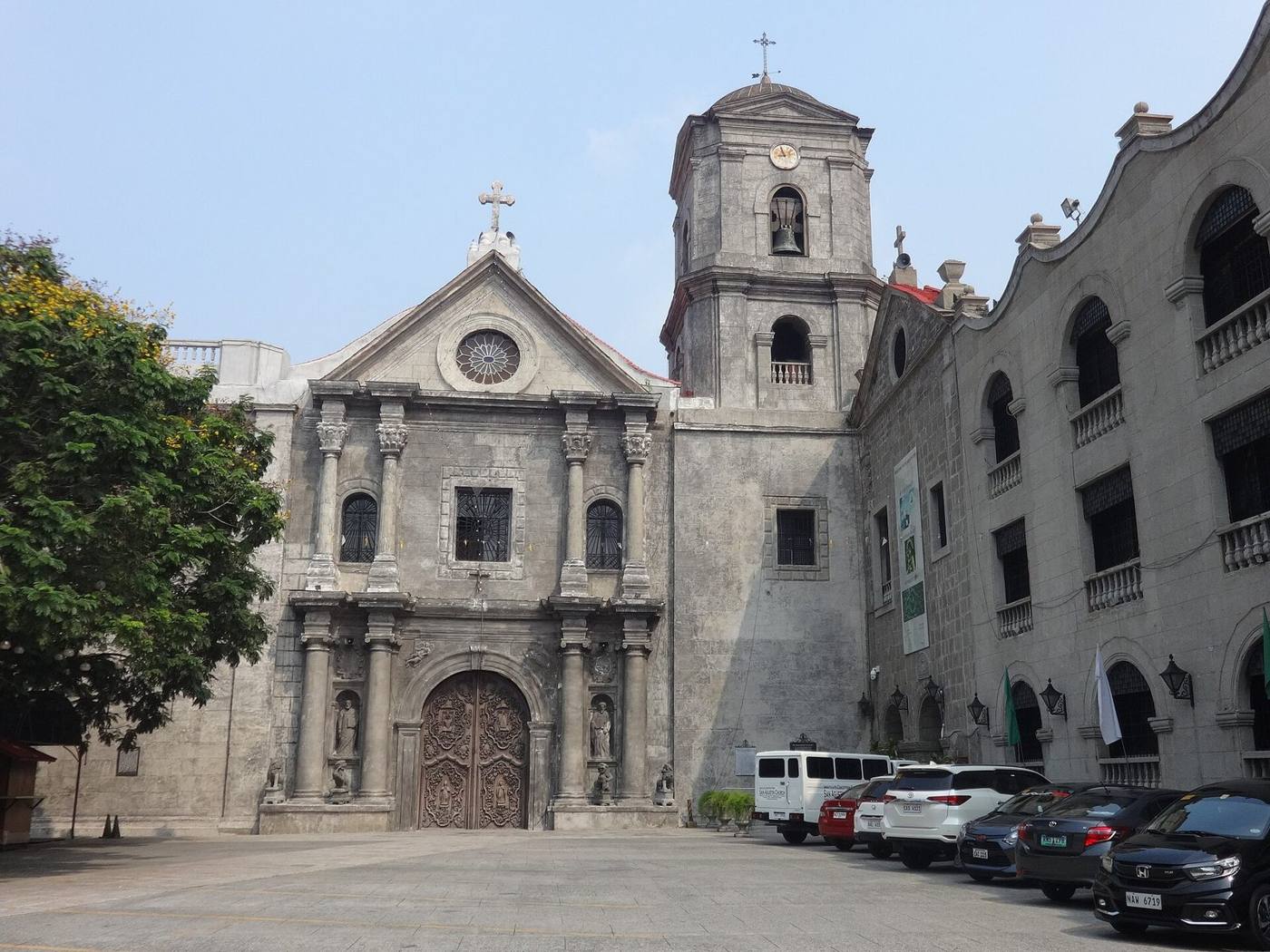
The capital before the islands: the Spanish walled city of Intramuros with Fort Santiago and San Agustín Church (UNESCO), the National Museum, Binondo, the world's oldest Chinatown, then Tagaytay on its ridge overlooking the lake and Taal volcano.
 5 daysEasy
Vigan and the Ilocos coast
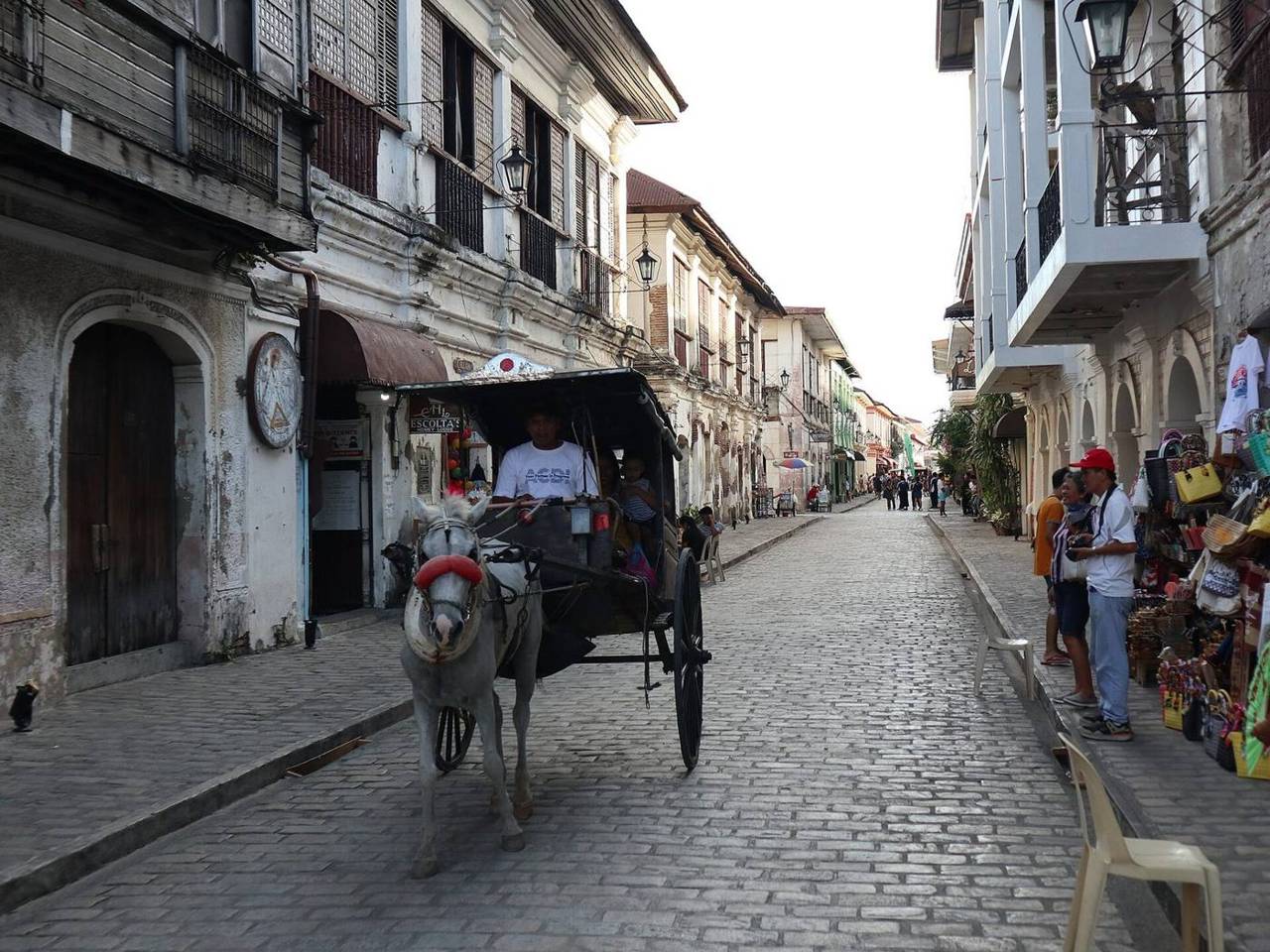
Colonial northern Luzon: Vigan, a UNESCO-listed Spanish town with Calle Crisologo and horse-drawn carriages, the earthquake baroque church of Paoay, also UNESCO, the La Paz sand dunes, Cape Bojeador lighthouse and the beaches of Pagudpud.