The Paraguayan Pantanal
The least-known side of the world's largest wetland, at Bahía Negra on the Paraguay river, with caimans, capybaras, waterbirds and, with luck, jaguars.
- Asunción
- Bahía Negra
- Pantanal
Day by day
- Day 1
From Asunción to Bahía Negra
This five-day trip takes you to the Paraguayan Pantanal, the least known side of the largest wetland in the world. Your base is Bahía Negra, the last town to the north on the Paraguay River: from here you go out by boat and on foot among lagoons, flooded forest and grassland, looking for caimans, capybaras, water birds and, with some luck, the jaguar.
Before you go: Italian citizens enter Paraguay with a passport, with at least six months' validity recommended, without a visa for a tourist stay of up to 90 days. Other nationalities should check their own rules. Some areas on this trip are close to borders or places where the situation changes often: check your government's travel advice before booking and again before you leave. Official advice recommends not driving at night.
Bahía Negra is far from everything. You can get there on a small plane from Asunción, with irregular services, or with many hours of road across the Chaco, mostly unpaved and difficult after rain. Either way, the simplest solution is to organise everything with a specialist operator, who arranges transport, boat, guides and lodging.
From the air, or from the window, you see the landscape change: the dry plain of the Chaco with its palm groves gives way to sheets of water, marshes and rivers winding north.
In the afternoon walk around the town, small and quiet, and watch the sunset over the Paraguay River, wide and slow, with the bank of Brazil opposite.
Sleep in Bahía Negra or in a nearby reserve, for four nights.
Practical tip: bring in cash everything you need, because in Bahía Negra cash machines and cards are almost useless.
- Day 2
By boat on the Paraguay River
Today you go out by boat for the first time on the Paraguay River, the great waterway that crosses the Pantanal from north to south.
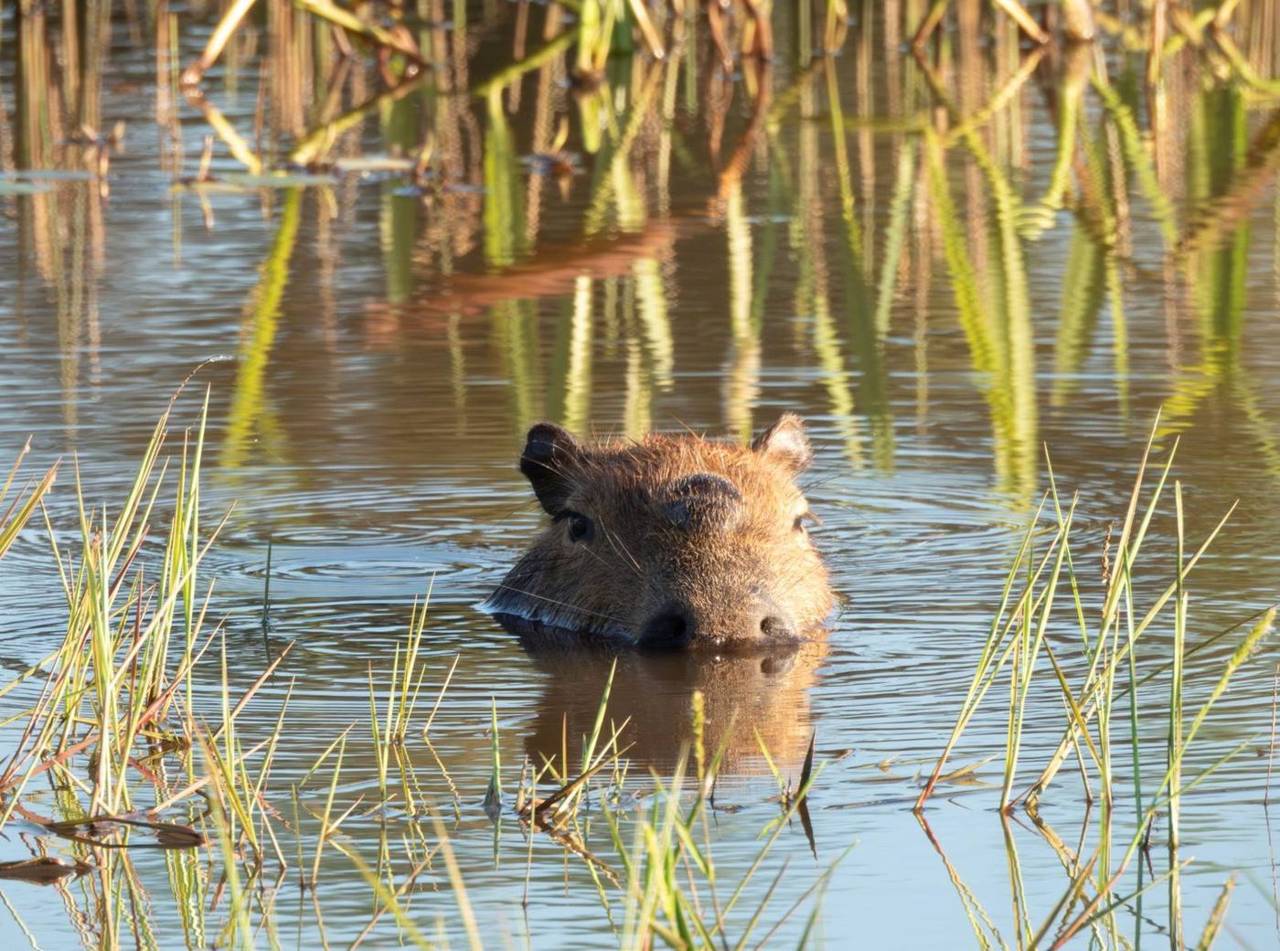
Leave early, when the air is still cool and the animals are more active. Along the banks you see yacaré caimans lying still in the sun on the sandbanks, groups of capybaras, the largest rodents in the world, grazing in the tall grass, and iguanas on the branches over the water.
Above all, the Pantanal is a paradise for birds. Look for the jabiru, a large white stork with a black and red neck, the symbol of these marshes, then herons, roseate spoonbills, cormorants, kingfishers and birds of prey perched on dead trees. The guide points out the calls and helps you recognise them.
In the middle of the day, when the heat gets strong, go back to the shade and rest. In the afternoon take the boat again and enter the narrower channels, where the vegetation closes overhead and the boat slows down among the water plants.
At sunset the sky fills with flocks returning to their roosts and the first mosquitoes come out of the grass: it is time to cover up with long sleeves and repellent.
In the evening, with a torch, the guide can show you the eyes of the caimans shining on the water.
Sleep in Bahía Negra or in the reserve.
Practical tip: bring binoculars and a wide-brimmed hat; on the boat the sun and the glare from the water are very strong.
- Day 3
Lagoons and flooded forest
Today you spend the day in one of the nature reserves of the area, among lagoons, flooded forest and grassland.
In the morning walk with the guide on paths that follow the edge of the lagoons. The ground can be muddy or under water, depending on the season: move slowly and quietly, because that is how you see more animals. Look for tracks in the mud, the prints of deer, tapirs and, sometimes, wild cats.
Giant otters live in the lagoons, large mammals that move in groups and make themselves heard with high-pitched calls. If you find them, keep your distance and let them be the ones to come closer.
Go back for lunch and rest in the hottest hours, when the animals stop too.
In the afternoon get back on the boat and go up one of the waterways that flow into the Paraguay River, towards the more remote areas. Here the silence is almost total, broken only by the birds and the splash of fish. With the guide you can also try piranha fishing, and then eat them grilled.
At sunset stop in an open spot and watch the sky change colour over the marshes, while the last herons fly low over the water.
The night in the Pantanal is full of sounds: frogs, insects, night birds.
Sleep in Bahía Negra or in the reserve.
Practical tip: wear shoes that can get wet and long, light trousers, against the mosquitoes and the sharp grass.
- Day 4
On the trail of the jaguar
Today you spend the day looking for the jaguar, the largest cat in the Americas, which lives in these marshes.
Leave at dawn by boat with the guide. Pantanal jaguars are good swimmers and often hunt along the banks, where caimans and capybaras move. The guide studies the mud, the flattened vegetation and the alarm calls of monkeys and birds, which often give away the presence of a predator.
Be patient and realistic: in this part of the Pantanal jaguars are less used to boats than on the Brazilian side, and seeing one is never certain. Even without the jaguar, the morning almost always brings encounters with caimans, capybaras, marsh deer and howler monkeys.
Return for lunch and rest in the shade.
In the afternoon, if possible, visit with the guide an indigenous community in the area, home to the Yshir people. Ask permission first to enter and to take photos, listen to their stories about the river and, if you like, buy a piece of craftwork directly from the person who made it.
At the last sunset on the Paraguay River enjoy the silence, with the Brazilian bank turning into a dark line on the horizon.
Sleep in Bahía Negra or in the reserve.
Practical tip: during a sighting stay seated and speak quietly; never ask the guide to get too close to an animal.
- Day 5
Back to Asunción
Today you leave the Pantanal and return to Asunción.
If your flight leaves late, take one last short boat trip at dawn on the river, to say goodbye to the caimans and the birds as they wake up. Then take the plane again, or the long road across the Chaco: in that case leave early, to arrive before evening and avoid driving in the dark.
On the way back watch the landscape turn dry again, with palm groves, fields and great stretches of thorny scrub.
Once in Asunción, stay in a quiet district and in the evening have sopa paraguaya, a savoury cake of maize and cheese, and chipa, the cheese bread typical of the country.
In these five days you have seen the Paraguayan Pantanal: the remote town of Bahía Negra, the Paraguay River and its channels, the lagoons with giant otters, the caimans and capybaras on the banks, the flocks of water birds at sunset and, perhaps, the tracks of the jaguar. It is a trip for people looking for real nature and few tourists, who accept strong heat, mosquitoes and complicated logistics.
When to go: from July to October, in the dry season, when the water recedes, the animals gather around the lagoons and the roads are easier. From November to March it is very hot, it rains often and many areas flood.
Practical tip: before leaving Bahía Negra confirm the flight time or the road conditions, because rain can change everything in a few hours.
For those seeking real wilderness and no tourists. Difficult logistics: a specialist operator is needed. Intense heat and mosquitoes.
Before you go
- Documents and visa
- Passport, with at least six months' validity recommended; no visa is needed for tourism for up to 90 days. A yellow fever vaccination certificate is compulsory from the age of one if you arrive from Bolivia, Brazil, Peru or Venezuela, including stopovers of more than 24 hours.
- Health and vaccines
- Dengue is endemic and chikungunya is rising, with no vaccine: use repellent and long sleeves in the evening. The WHO certified in 2018 that Paraguay had eliminated malaria. Drink bottled water, without ice. Public healthcare is poor, but Asunción has reliable private clinics: you need insurance covering medical costs and repatriation. Emergencies: 911.
- Money and payments
- Guaraní. Cards work in Asunción, Encarnación and the larger towns; carry cash for small villages and the Chaco, and use cash machines inside banks or shopping centres.
- Power sockets
- Type C, with two round pins, 220 volts: you need an adapter for British plugs.
- Time zone
- UTC-3 all year since 2024.
- Safety
- The United States rates Paraguay at level 1, with level 2 in the departments of Alto Paraná, Amambay, Canindeyú, Concepción and San Pedro, along the border with Brazil, because of criminal groups smuggling drugs and goods. Take particular care in Ciudad del Este and in the historic centre of Asunción, even by day. An armed group operates in northern San Pedro and southern Concepción. Protests and road blockades are common, and it is best not to drive at night. Official advice: GOV.UK.
Information checked in November 2026 for Italian and EU citizens. Rules change: always check before you travel.
Variations
Shorter: four days, with only two full days in the Pantanal.
Longer: add two days in the central Chaco, with the Mennonite colonies of Filadelfia and Loma Plata.
Frequently asked questions
How do you get to Bahía Negra?
On small flights from Asunción, with irregular services, or with many hours of road across the Chaco. It is best to organise everything with a specialist operator.
Will I definitely see a jaguar?
No. There are jaguars in the Paraguayan Pantanal, but they are less used to boats than in Brazil. Caimans, capybaras and birds, on the other hand, are seen almost always.
Are there mosquitoes?
Yes, many, especially at dawn, at sunset and in the rainy season. Bring strong repellent, long sleeves and light trousers.
Indicative itinerary written by World Atlas. Before booking, check timetables, seasonal openings, documents and safety.
 2 daysEasy
Ybycuí and its waterfalls
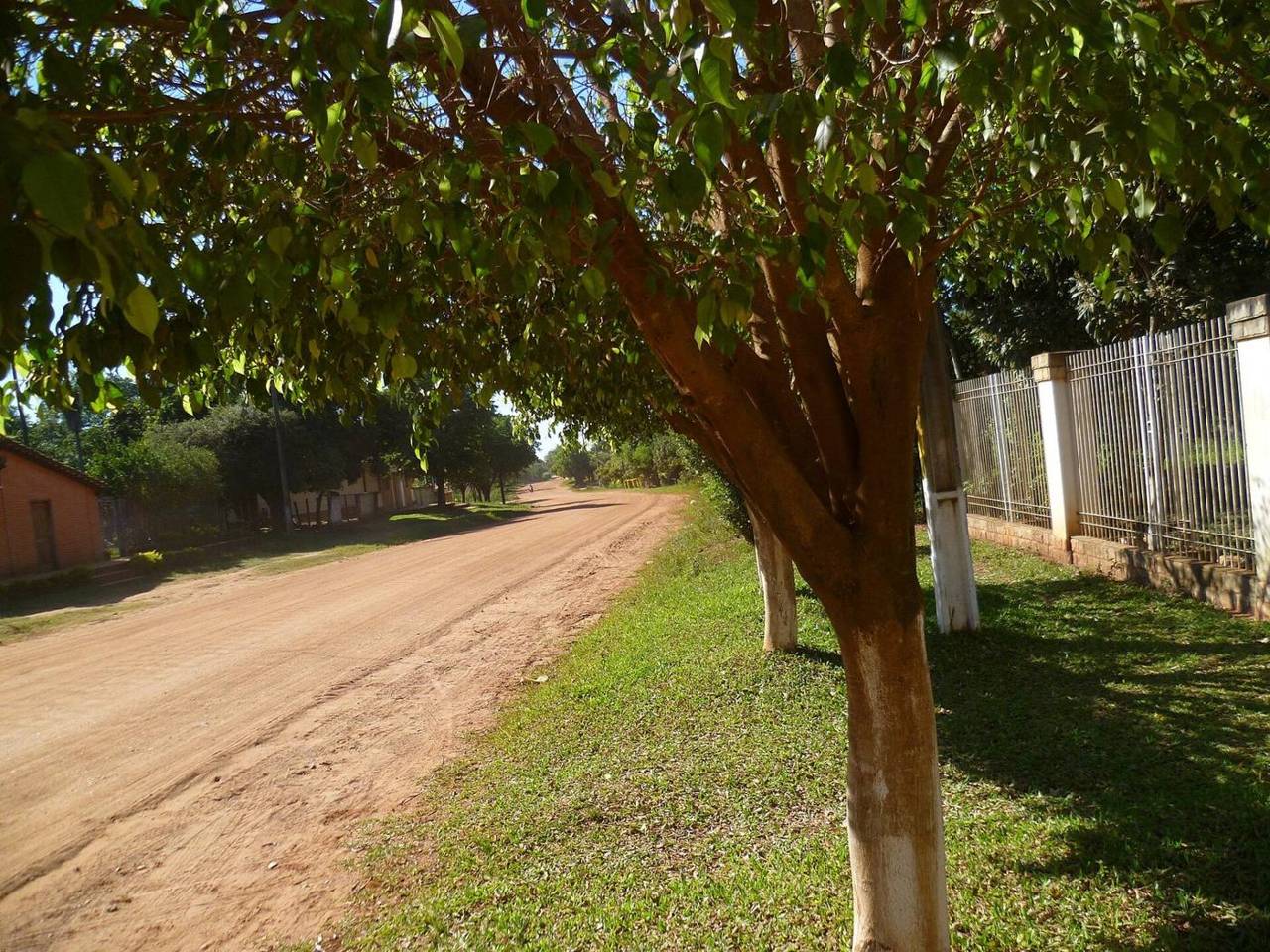
Ybycuí National Park with waterfalls in the Atlantic forest and the ruins of the La Rosada ironworks, South America's first, destroyed in the War of the Triple Alliance.
 5 daysEasy
Asunción and the Jesuit missions
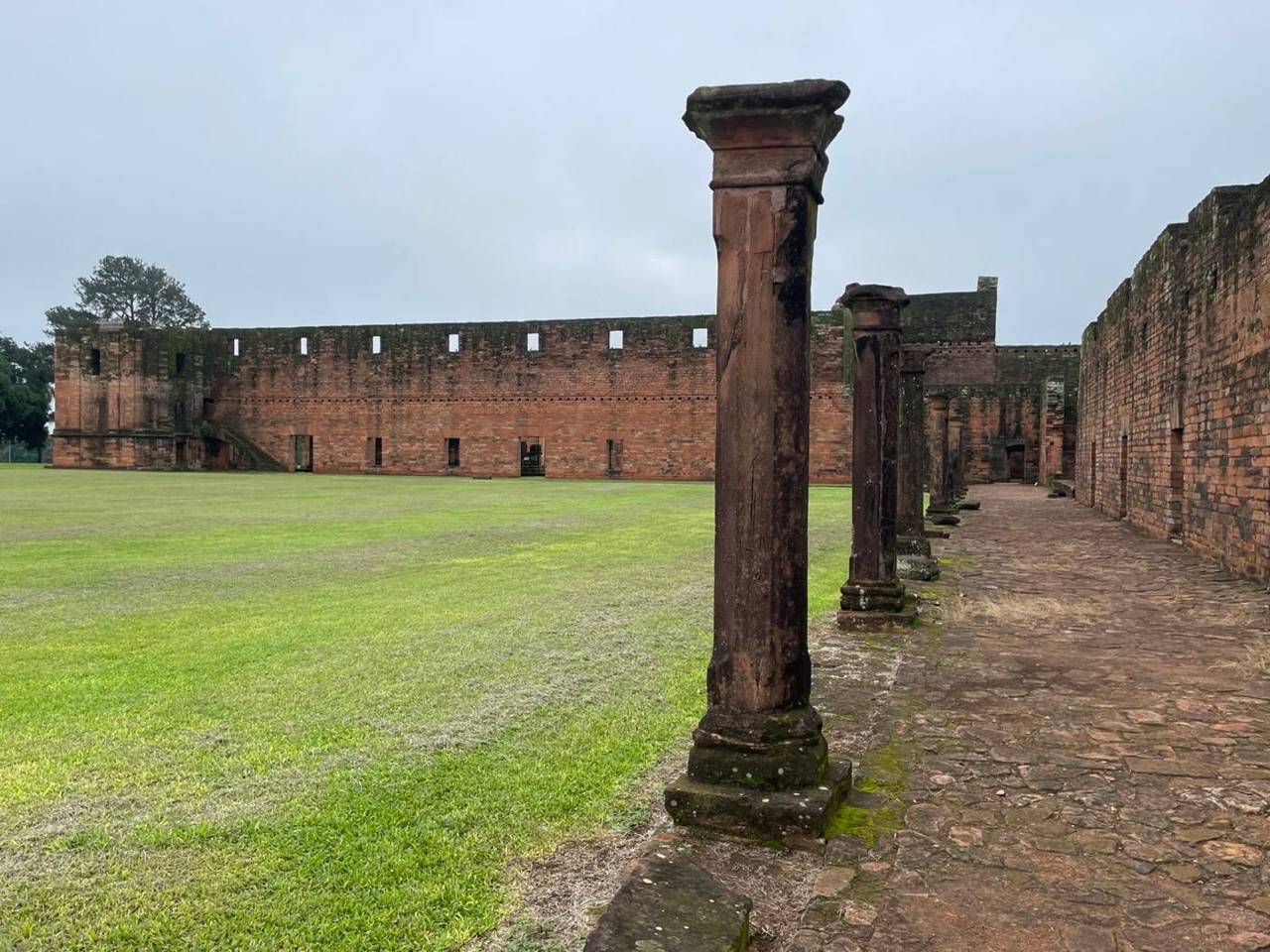
The riverside capital, then the UNESCO ruins of the Trinidad and Jesús de Tavarangue missions and the Itaipú dam.
 5 daysModerate
The Chaco and the Mennonite colonies
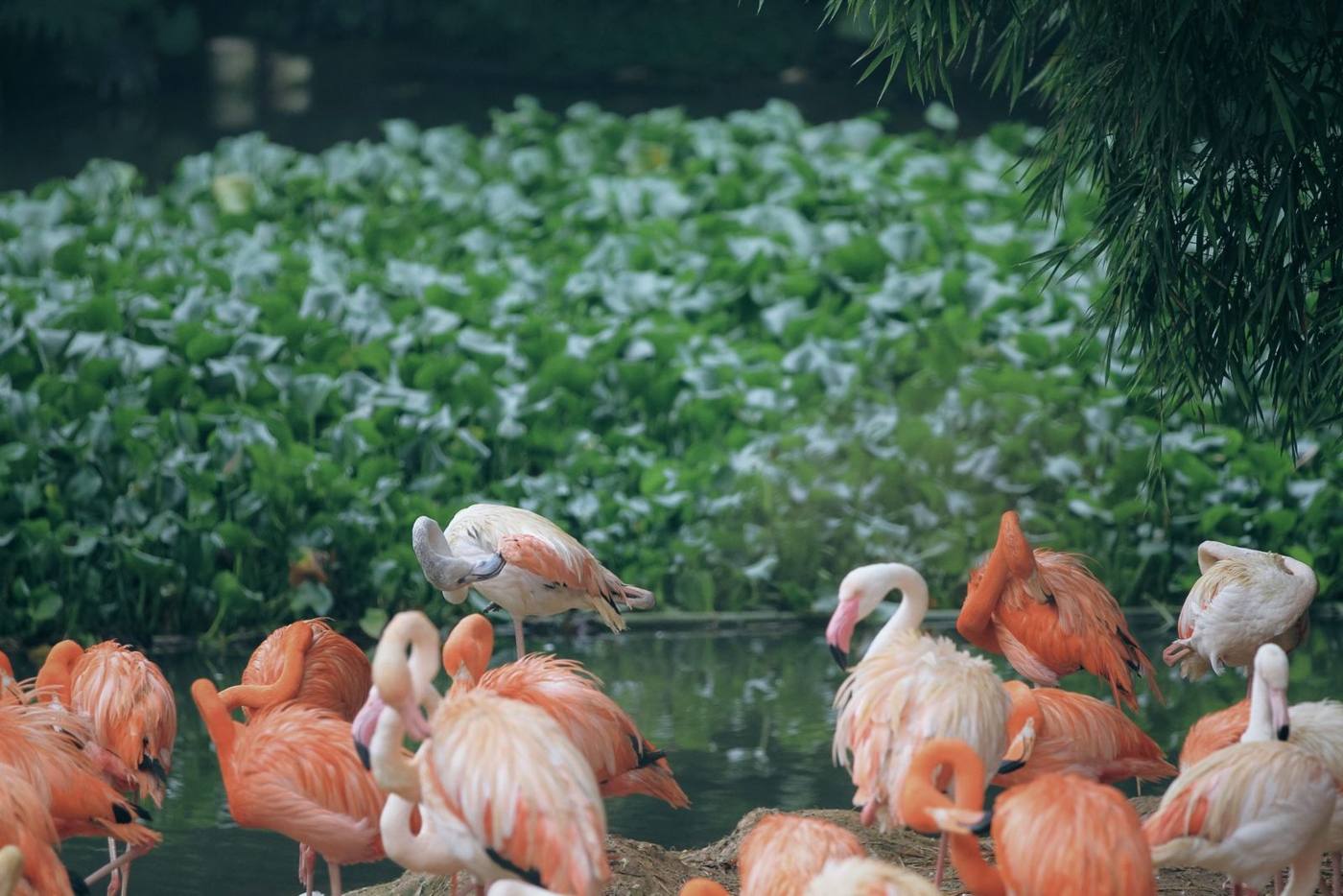
The wild Chaco plain, the Mennonite colonies of Filadelfia and Loma Plata and the salt lagoons with flamingos.