The Chaco and the Mennonite colonies
The wild Chaco plain, the Mennonite colonies of Filadelfia and Loma Plata and the salt lagoons with flamingos.
- Asunción
- Trans-Chaco
- Filadelfia
- Loma Plata
- Salt lagoons
Day by day
- Day 1
The Trans-Chaco road to Filadelfia
This trip takes you in five days to one of the most remote corners of South America: the Paraguayan Chaco, an immense plain of thorny woods, palms and pastures, with the Mennonite colonies of Filadelfia and Loma Plata, the salt lagoons with flamingos and the wildlife. You need a four-wheel drive and, for the lagoons, a local guide.
Before you go: Italian citizens enter Paraguay with a passport, with at least six months' validity recommended, without a visa for a tourist stay of up to 90 days. Other nationalities should check their own rules. The United States rates Paraguay at level 1, with level 2 only in the departments along the Brazilian border, far from this trip. The British government reports illegal trafficking near the border with Bolivia, much further north-west. Official advice recommends not driving at night.
At dawn, leave Asunción, cross the Paraguay river and take the Trans-Chaco, the long paved road that crosses the Chaco towards Bolivia. The journey to Filadelfia takes about six or seven hours.
The landscape changes slowly: first the marshes and palm groves of the lower Chaco, then the dry, thorny woodland, with cacti and bottle trees with swollen trunks.
In the afternoon you reach Filadelfia, the centre of the Fernheim colony, founded in 1930 by Mennonites who came from the Soviet Union. The streets are wide and orderly, with low houses, gardens and signs in German and Spanish.
In the evening, have grilled meat and home-made bread.
Overnight in Filadelfia, for four nights.
Practical tip: fill up whenever you find a fuel station and carry plenty of water in the car, because there can be a hundred kilometres without services between towns.
- Day 2
The Mennonite colonies and their museum
Today you discover life in the Mennonite colonies, communities of German-speaking Protestant farmers who have turned part of the Chaco into a region of farms and cooperatives.
In the morning, visit the colony museum in Filadelfia, with the story of the pioneers, photographs of the early years, farm tools and a collection of animals and objects from the Chaco. Check prices and times. You understand how hard life was for the first settlers, with heat, drought, disease and isolation.
Then walk around the town centre, with the cooperative that runs shops, schools, the hospital and services, and the large silos. Here Mennonites live alongside the indigenous peoples of the Chaco, such as the Enlhet and the Nivaclé, and Paraguayan families who came from other regions.
At midday, drive to Loma Plata, about half an hour away, the centre of the Menno colony, founded by Mennonites who came from Canada in 1927. Visit the colony museum, with the pioneers' houses and the story of the long journey from Canada. Check prices and times.
In the afternoon, stop at a cooperative shop and taste local products: cheeses, butter, cured meats and cakes of German tradition.
At sunset, watch the huge Chaco sky turn red above the plain.
In the evening, return to Filadelfia and have a Mennonite dish, such as vareniki, dumplings filled with fresh cheese.
Overnight in Filadelfia.
Practical tip: many shops and offices in the colonies close at midday and on Sundays, so plan your visits for early in the morning.
- Day 3
The salt lagoons and the flamingos
Today you explore with a guide the salt lagoons east of Loma Plata, one of the most unusual landscapes of the Chaco.
At dawn, leave by four-wheel drive with your guide. The dirt tracks cross the dry woodland, with giant cacti, quebracho trees with very hard wood and bottle trees. Along the way, look for rheas, the large birds that run fast through the grass, foxes and armadillos.
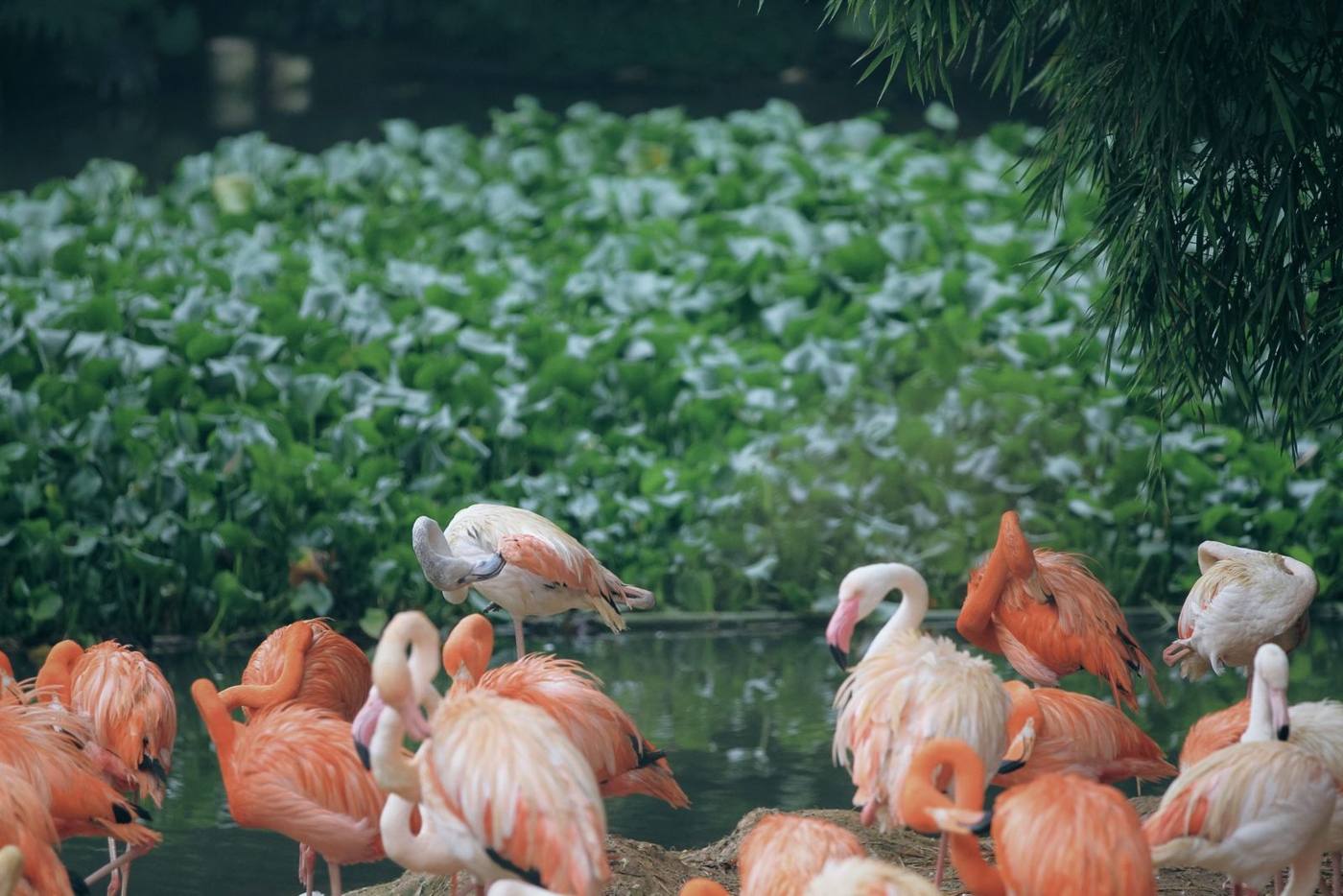
You reach the lagoons, sheets of shallow, salty water surrounded by white shores of salt and mud. Here, especially in the cooler months, migratory waterbirds arrive: pink flamingos filtering the water with their curved bills, white coscoroba swans, ducks, herons, spoonbills and small waders. With binoculars and your guide you recognise many species.
At midday, take a break in the shade for a packed lunch. In the middle of the day the light is harsh and the animals hide.
In the afternoon, walk quietly along a shore to get closer to the birds without disturbing them. At sunset the flamingos take off and the lagoon turns pink and gold.
In the evening, return to Filadelfia and have grilled meat with cassava.
Overnight in Filadelfia.
Practical tip: bring a hat, sun cream, repellent and plenty of water, and wear long-sleeved clothes in neutral colours, which protect you from the sun and thorns and do not frighten the animals.
- Day 4
Chaco wildlife and Fortín Boquerón
Today you look for the animals of the Chaco woodland and discover the history of the Chaco War.
Early in the morning, leave with your guide for the areas of dry woodland around the colonies. The Chaco is one of the last refuges of rare animals: the giant anteater with its long tail, the armadillo, the puma, the jaguar, very hard to see, and the tagua, the Chacoan peccary, which scientists knew only from fossils until it was found alive in this very region in the 1970s. With luck you see tracks, footprints and a few animals at the edge of the track.
At midday, visit Fortín Boquerón, not far from Filadelfia, the site of one of the most important battles of the Chaco War, fought between Paraguay and Bolivia from 1932 to 1935 for control of this plain. In September 1932 Paraguayan soldiers besieged the Bolivian fort here for weeks, in heat and thirst. Walk among the trenches, the small museum and the soldiers' cemetery. Check prices and times.
In the afternoon, return towards Filadelfia and rest during the hottest hours.
In the evening, if your guide suggests it, go out at sunset with a torch to look for nocturnal animals, such as owls, foxes and anteaters.
Overnight in Filadelfia.
Practical tip: in the Chaco never leave the main track without a guide, because the side tracks all look alike, phones often have no signal and after rain the mud stops even four-wheel drives.
- Day 5
Back to Asunción
Today you leave the Chaco and return to the capital.
Early in the morning, have breakfast with bread, butter and jam from the colonies, then prepare the four-wheel drive and check the tyres and fuel.
Take the Trans-Chaco heading south-east. The journey again takes about six or seven hours. Stop halfway, around Pozo Colorado, for a break, fuel and a hot meal. In the lower Chaco, look again at the flooded palm groves, the storks and the caimans in the ditches beside the road.
In the afternoon, cross the Paraguay river and return to Asunción before dark.
In these five days you have seen one of the most remote corners of the continent: the long Trans-Chaco road, the Mennonite colonies of Filadelfia and Loma Plata with their museums, the salt lagoons with flamingos, the dry woodland with the tracks of the anteater and the tagua, and the trenches of Fortín Boquerón.
When to go: the best period is May to September, in the drier, cooler season, when the tracks are passable and migratory birds arrive at the lagoons. In summer the heat often goes above 40 degrees and the rains make the dirt tracks impassable.
Practical tip: before leaving, check the weather forecast and ask your guide about the state of the tracks, because a single storm can block the dirt roads for days.
One of the continent's remotest corners, for curious travellers. You need a 4x4 and a local guide. Rain makes the tracks impassable.
Before you go
- Documents and visa
- Passport, with at least six months' validity recommended; no visa is needed for tourism for up to 90 days. A yellow fever vaccination certificate is compulsory from the age of one if you arrive from Bolivia, Brazil, Peru or Venezuela, including stopovers of more than 24 hours.
- Health and vaccines
- Dengue is endemic and chikungunya is rising, with no vaccine: use repellent and long sleeves in the evening. The WHO certified in 2018 that Paraguay had eliminated malaria. Drink bottled water, without ice. Public healthcare is poor, but Asunción has reliable private clinics: you need insurance covering medical costs and repatriation. Emergencies: 911.
- Money and payments
- Guaraní. Cards work in Asunción, Encarnación and the larger towns; carry cash for small villages and the Chaco, and use cash machines inside banks or shopping centres.
- Power sockets
- Type C, with two round pins, 220 volts: you need an adapter for British plugs.
- Time zone
- UTC-3 all year since 2024.
- Safety
- The United States rates Paraguay at level 1, with level 2 in the departments of Alto Paraná, Amambay, Canindeyú, Concepción and San Pedro, along the border with Brazil, because of criminal groups smuggling drugs and goods. Take particular care in Ciudad del Este and in the historic centre of Asunción, even by day. An armed group operates in northern San Pedro and southern Concepción. Protests and road blockades are common, and it is best not to drive at night. Official advice: GOV.UK.
Information checked in November 2026 for Italian and EU citizens. Rules change: always check before you travel.
Variations
In 3 days: the Trans-Chaco to Filadelfia, one day among the colonies and lagoons with a guide, and the return.
In 8 days: continue north-west to Defensores del Chaco National Park, with an expert guide and an organised expedition.
Frequently asked questions
Do I need a guide for the Chaco?
Not for the Mennonite colonies, but yes for the salt lagoons, the dirt tracks and the wildlife: you need a four-wheel drive and a local guide.
When can you see flamingos in the Chaco?
Mainly in the cooler months, from May to September, when migratory birds arrive at the salt lagoons.
What document do I need for Paraguay?
Italian citizens enter with a passport, with at least six months' validity recommended, without a visa for up to 90 days. Other nationalities should check their own rules.
Indicative itinerary written by World Atlas. Before booking, check timetables, seasonal openings, documents and safety.
 3 daysEasy
Encarnación and its carnival
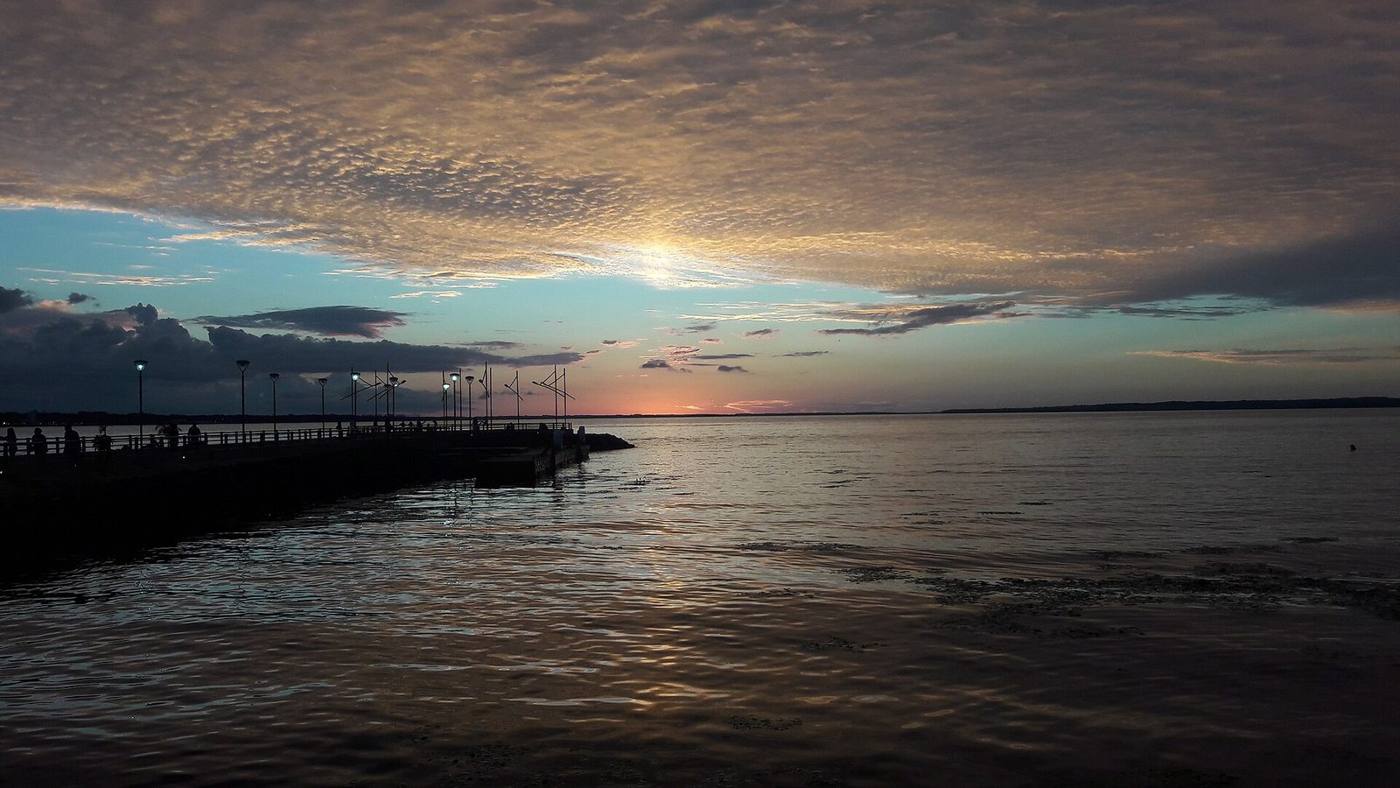
The city on the Paraná river with its long costanera and river beaches, the country's best-known carnival in February and the bridge to Posadas in Argentina.
 2 daysEasy
La Cordillera: San Bernardino and Areguá
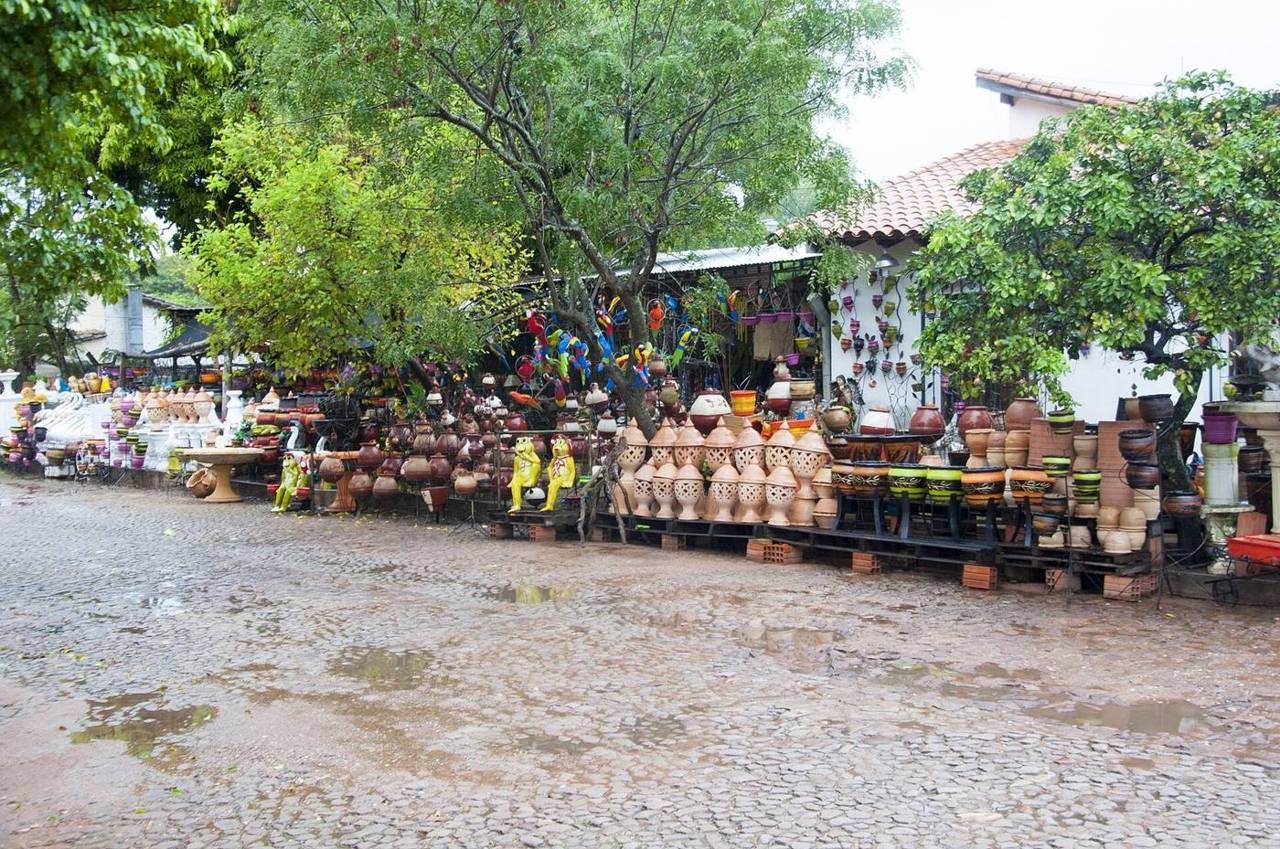
Lake Ypacaraí and the towns around it: San Bernardino, founded by German settlers, Areguá with its pottery and strawberries, Caacupé with its basilica.
 2 daysEasy
Itaipú and the Monday Falls
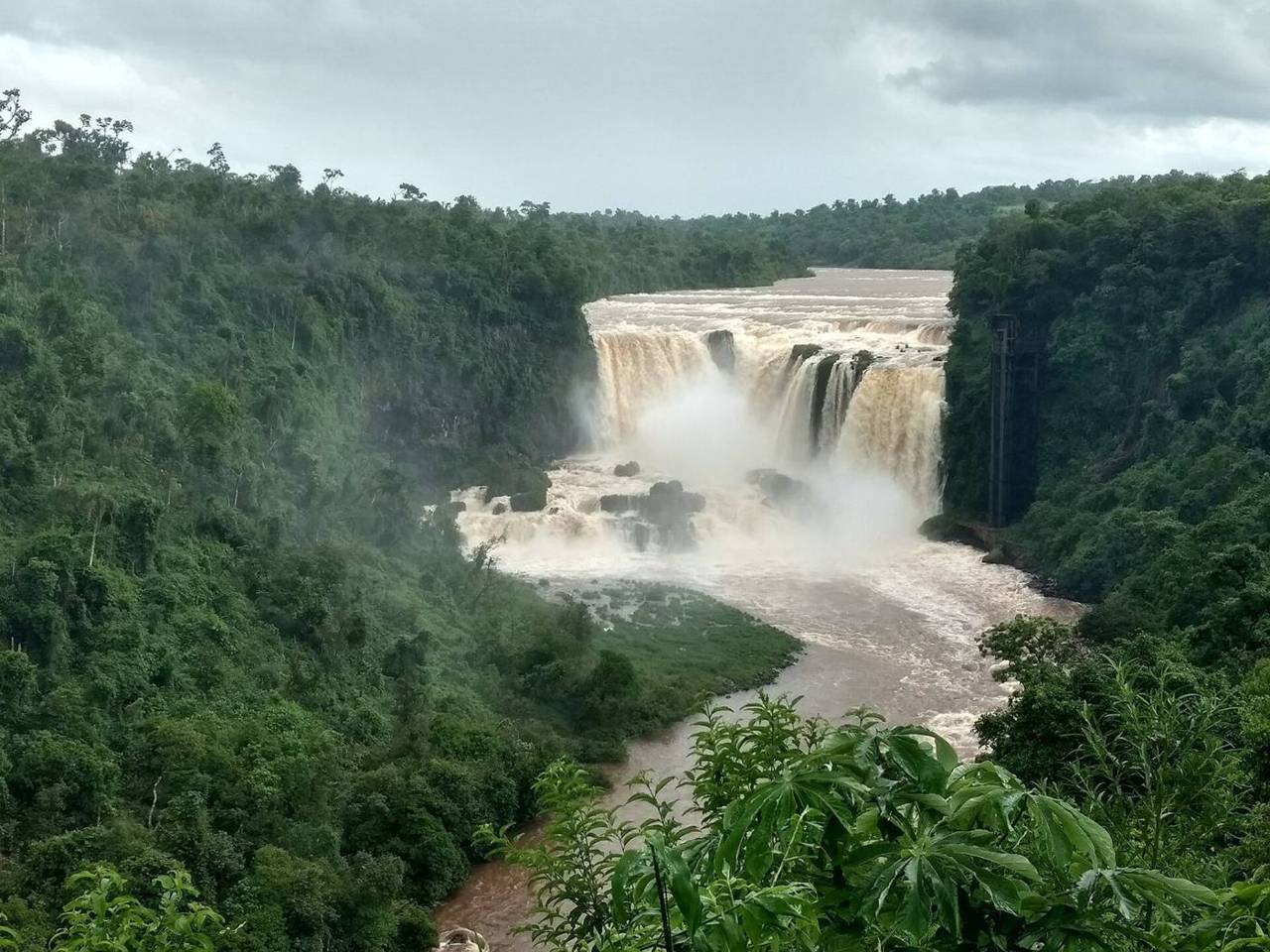
The Itaipú dam, one of the world's largest hydroelectric plants, the Monday falls and, across the bridge, Iguazú Falls.