Itaipú and the Monday Falls
The Itaipú dam, one of the world's largest hydroelectric plants, the Monday falls and, across the bridge, Iguazú Falls.
- Ciudad del Este
- Itaipú
- Salto del Monday
Day by day
- Day 1
The Itaipú dam
This trip takes you in two days to eastern Paraguay, on the Paraná river, on the border with Brazil and Argentina: the Itaipú dam, one of the largest hydroelectric plants in the world, the falls of the Monday river and, if you want to continue, across the bridge, the Iguazú falls. The base is Ciudad del Este, reached by bus or plane from Asunción.
Before you go: Italian citizens enter Paraguay with a passport, with at least six months' validity recommended, without a visa for a tourist stay of up to 90 days. Other nationalities should check their own rules. The United States rates Paraguay at level 1, with level 2 in the departments along the Brazilian border, including Alto Paraná, where this trip takes place, because of smuggling gangs. Italy's official travel advice asks for the utmost caution in Ciudad del Este, even by day.
In the morning, arrive in Ciudad del Este, a chaotic trading city near the Friendship Bridge to Brazil. Do not stop in the shopping centre with luggage and valuables.
Continue north to Hernandarias, about half an hour, where you find the visitor centre of the Itaipú dam, built jointly by Paraguay and Brazil on the Paraná river. A bus takes you over and beside the enormous concrete wall and the large reservoir. Visits must be booked and you need your passport. Check prices and times.
In the afternoon, visit the museum of the Guaraní land, in Hernandarias, about the nature and culture of the region.
In the evening, have grilled meat with cassava.
Overnight in a quiet area, away from the shopping centre.
Practical tip: get around by taxi called by your accommodation and do not stay out in Ciudad del Este after sunset.
- Day 2
The Salto del Monday and departure
Today you see the falls of the Monday river and then leave the region, towards Asunción or the Iguazú falls.
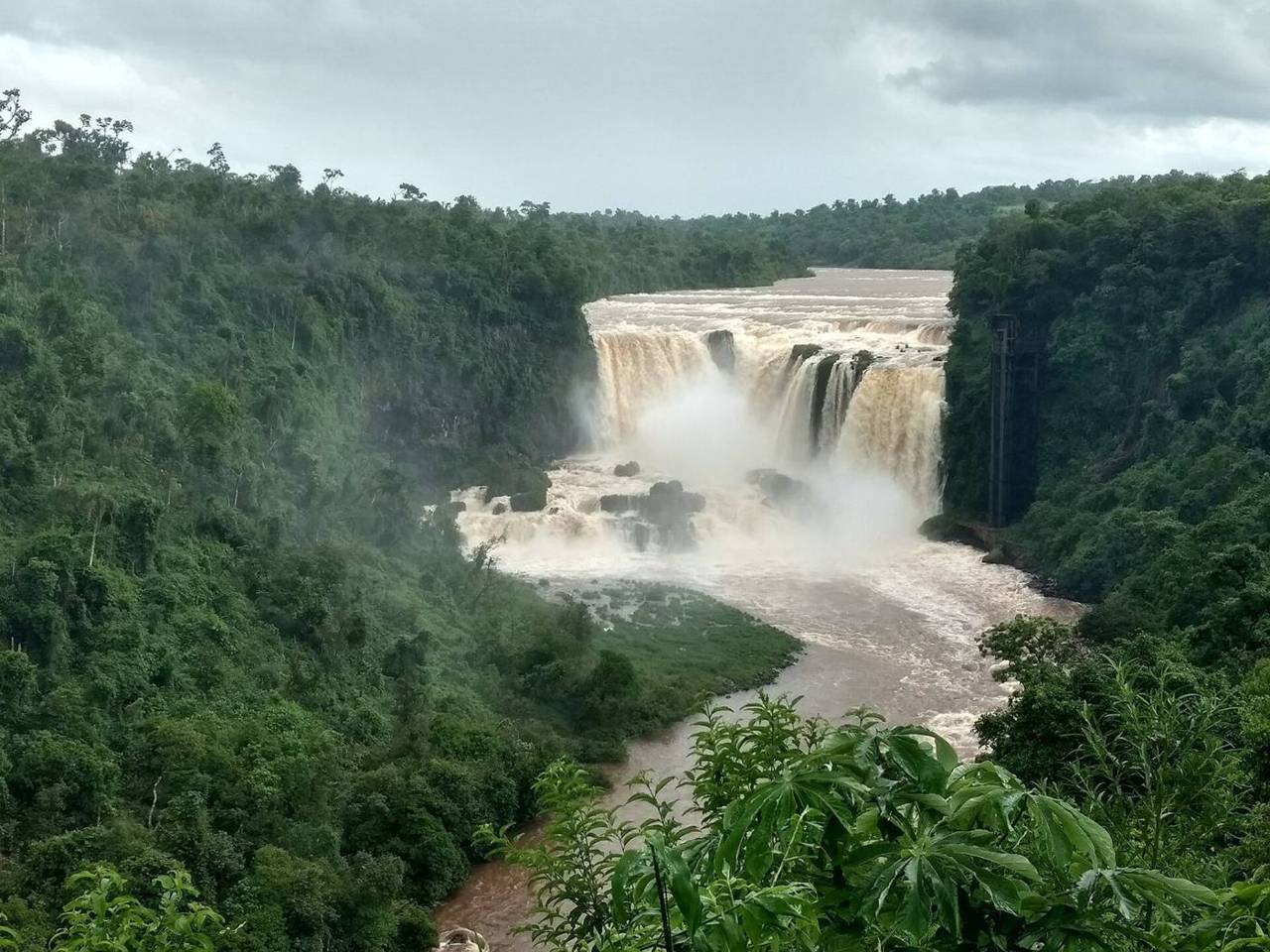
In the morning, go to Presidente Franco, a few kilometres south of Ciudad del Este. Here the Monday river, just before it flows into the Paraná, drops in a wide, powerful fall into a gorge of red rock covered in forest. The park around the falls has viewpoints, steps and paths to see the water up close. After rain the flow is much stronger. Check prices and times.
Around midday, still in Presidente Franco, go to the Triple Frontier viewpoint, where the Paraná and Iguazú rivers meet. From here you see Paraguay, Brazil and Argentina at the same time, each with its own monument on the bank.
For lunch, try sopa paraguaya, a soft bread of maize and cheese, and chipa, the cassava and cheese roll.
In the afternoon, leave. You can return to Asunción by bus or plane, or cross the Friendship Bridge to Foz do Iguaçu, in Brazil, to visit the Iguazú falls. At the border, always have your passport stamped on exit and on entry.
In these two days you have seen the Itaipú dam, the Monday falls and the meeting point of three countries.
When to go: you can come all year. From December to February it is very hot; from April to September the climate is cooler and pleasant.
Practical tip: to cross the bridge into Brazil, leave early, because at rush hour the traffic can be blocked for a long time.
A stop to combine with Iguazú Falls. Ciudad del Este is chaotic with pickpockets: don't linger there at night. Dam tours are booked.
Before you go
- Documents and visa
- Passport, with at least six months' validity recommended; no visa is needed for tourism for up to 90 days. A yellow fever vaccination certificate is compulsory from the age of one if you arrive from Bolivia, Brazil, Peru or Venezuela, including stopovers of more than 24 hours.
- Health and vaccines
- Dengue is endemic and chikungunya is rising, with no vaccine: use repellent and long sleeves in the evening. The WHO certified in 2018 that Paraguay had eliminated malaria. Drink bottled water, without ice. Public healthcare is poor, but Asunción has reliable private clinics: you need insurance covering medical costs and repatriation. Emergencies: 911.
- Money and payments
- Guaraní. Cards work in Asunción, Encarnación and the larger towns; carry cash for small villages and the Chaco, and use cash machines inside banks or shopping centres.
- Power sockets
- Type C, with two round pins, 220 volts: you need an adapter for British plugs.
- Time zone
- UTC-3 all year since 2024.
- Safety
- The United States rates Paraguay at level 1, with level 2 in the departments of Alto Paraná, Amambay, Canindeyú, Concepción and San Pedro, along the border with Brazil, because of criminal groups smuggling drugs and goods. Take particular care in Ciudad del Este and in the historic centre of Asunción, even by day. An armed group operates in northern San Pedro and southern Concepción. Protests and road blockades are common, and it is best not to drive at night. Official advice: GOV.UK.
Information checked in November 2026 for Italian and EU citizens. Rules change: always check before you travel.
Variations
In one day: visit the Itaipú dam in the morning and the Salto del Monday in the afternoon, then continue to Iguazú.
In 4 days: add two days at the Iguazú falls, on the Brazilian and the Argentine sides.
Frequently asked questions
Do you need to book the visit to the Itaipú dam?
Yes, visits must be booked and you need your passport. Check prices and times on the dam's official website.
Is Ciudad del Este safe?
The United States rates Alto Paraná at level 2 and official advice asks for particular care, even by day. Watch out for pickpockets, use taxis called by your accommodation and do not stay out in the evening.
What document do I need for Paraguay?
Italian citizens enter with a passport, with at least six months' validity recommended, without a visa for up to 90 days. Other nationalities should check their own rules.
Indicative itinerary written by World Atlas. Before booking, check timetables, seasonal openings, documents and safety.
 5 daysChallenging
The Paraguayan Pantanal
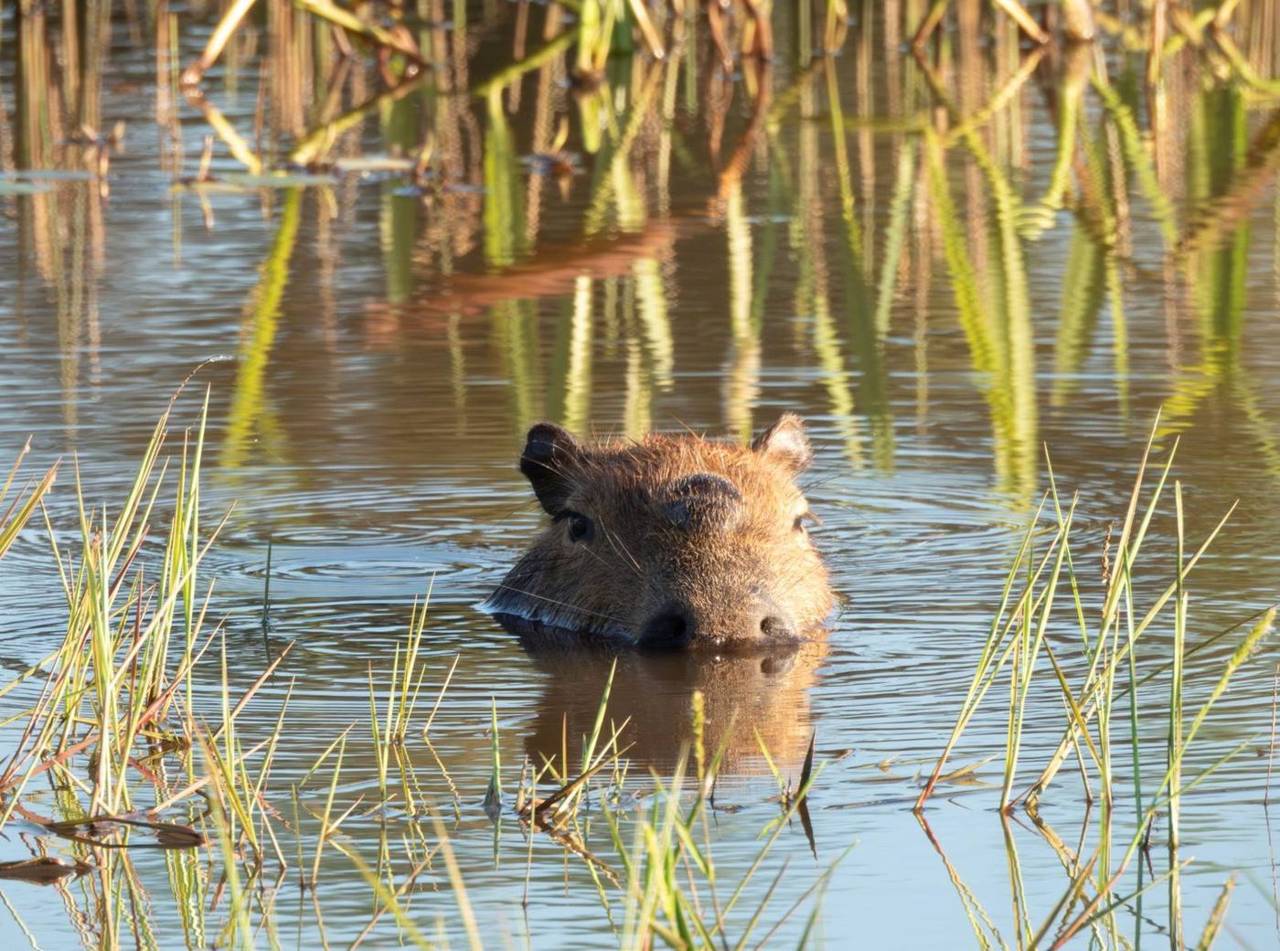
The least-known side of the world's largest wetland, at Bahía Negra on the Paraguay river, with caimans, capybaras, waterbirds and, with luck, jaguars.
 2 daysEasy
Ybycuí and its waterfalls
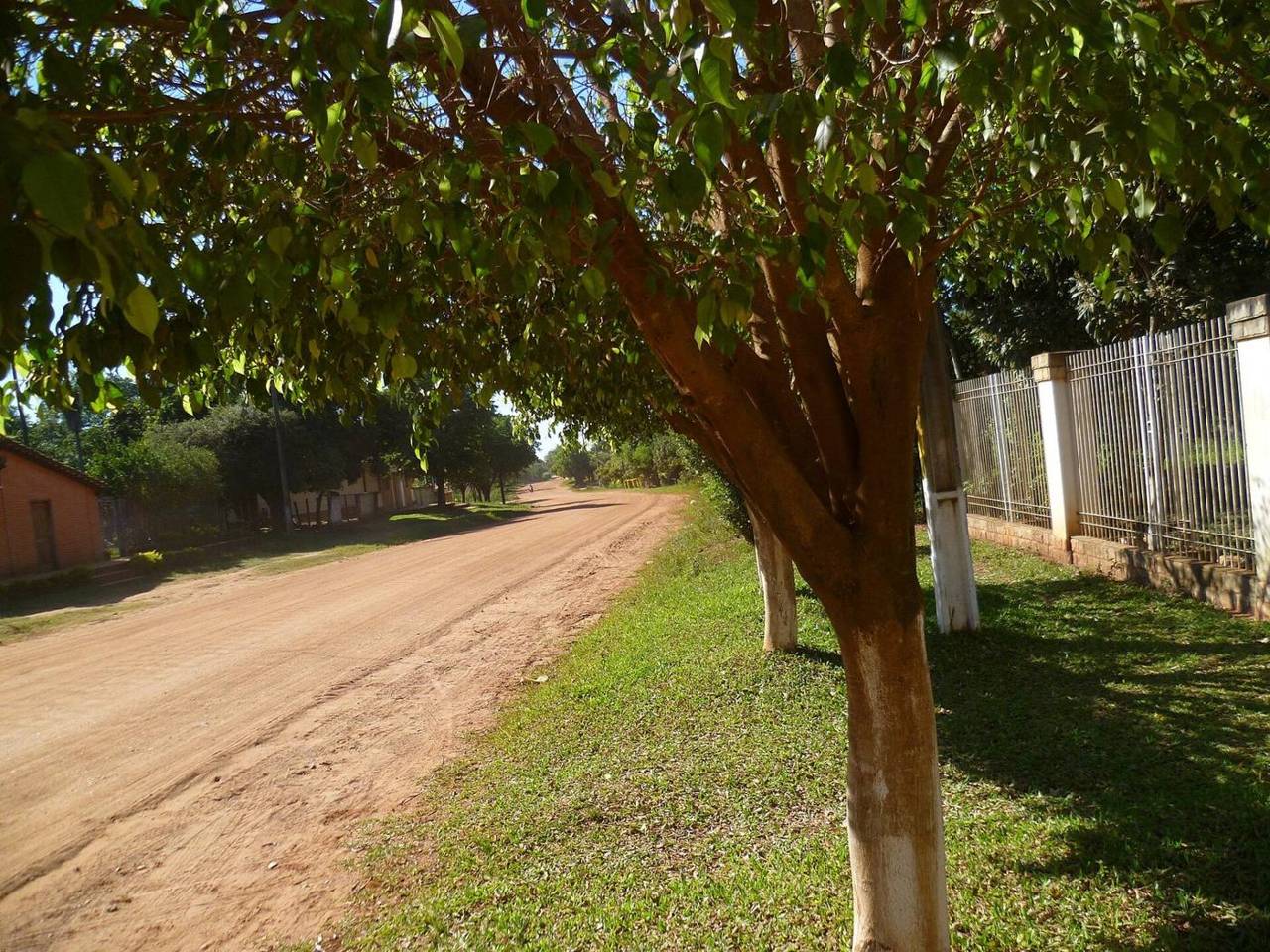
Ybycuí National Park with waterfalls in the Atlantic forest and the ruins of the La Rosada ironworks, South America's first, destroyed in the War of the Triple Alliance.
 5 daysEasy
Asunción and the Jesuit missions
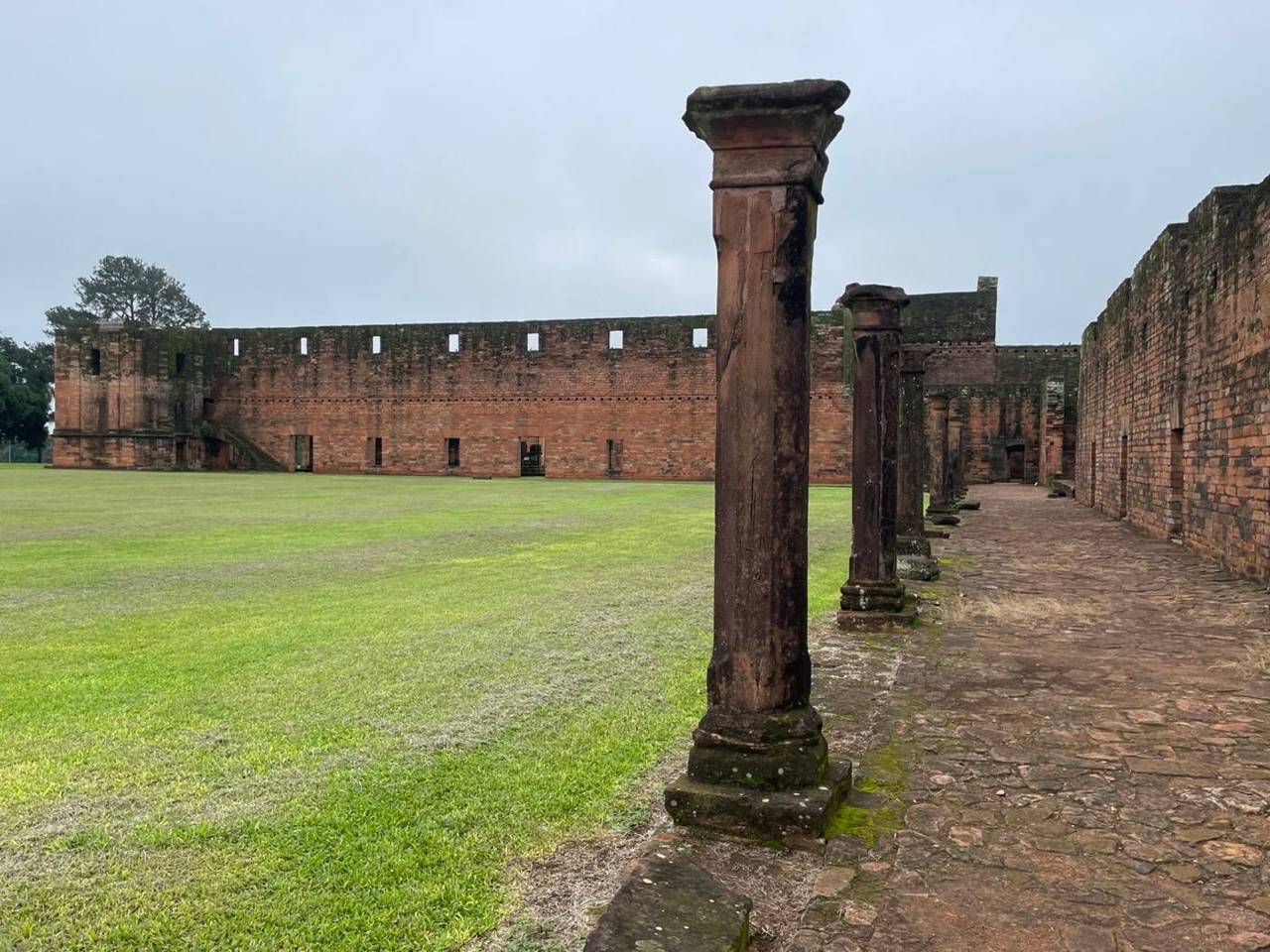
The riverside capital, then the UNESCO ruins of the Trinidad and Jesús de Tavarangue missions and the Itaipú dam.