La Cordillera: San Bernardino and Areguá
Lake Ypacaraí and the towns around it: San Bernardino, founded by German settlers, Areguá with its pottery and strawberries, Caacupé with its basilica.
- Asunción
- Areguá
- San Bernardino
- Caacupé
Day by day
- Day 1
Areguá and the pottery workshops
This trip is the classic outing of Asunción's residents: in two days you go around Lake Ypacaraí, in the Cordillera region, between Areguá with its pottery and strawberries, San Bernardino founded by German settlers and Caacupé with its great basilica. You travel by car or bus.
Before you go: Italian citizens enter Paraguay with a passport, with at least six months' validity recommended, without a visa for a tourist stay of up to 90 days. Other nationalities should check their own rules. The United States rates Paraguay at level 1, the lowest, with level 2 only in the departments along the Brazilian border, far from this trip. Italy's official travel advice asks for caution in the historic centre of Asunción and recommends not driving at night.
In the morning, leave Asunción heading east. In less than an hour you reach Areguá, a quiet town on the western shore of Lake Ypacaraí, with colonial houses and cobbled streets.
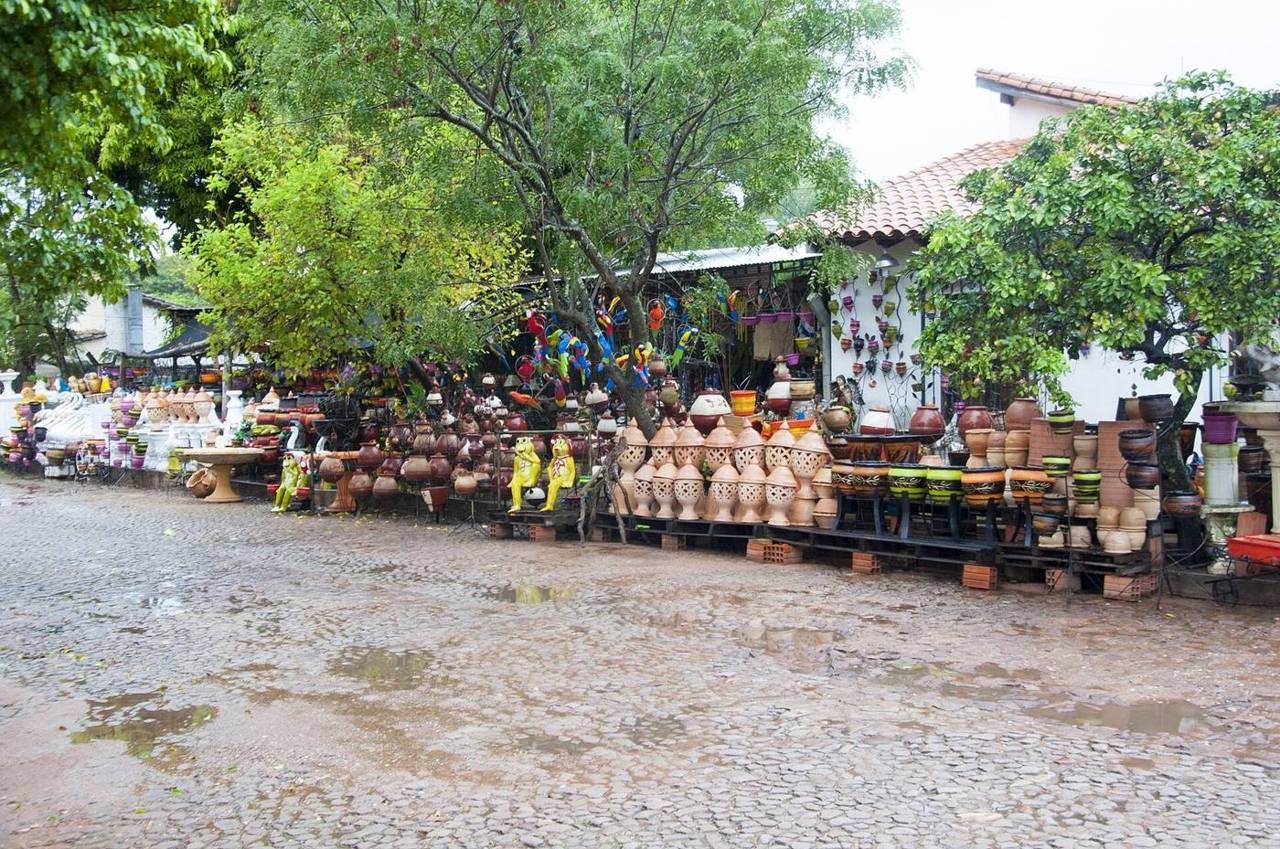
Walk along the main street, full of pottery workshops: vases, statues, nativity scenes and terracotta figures made with local clay. In many workshops you can see the wheel and the kiln.
At midday, climb to the church on the hill, with views of the lake and the surrounding hills. Then try Areguá's strawberries, famous throughout the country, when in season, usually during the southern winter.
In the afternoon, visit the Cerro Kôi natural monument, a hill with sandstone rocks in prism shapes, rare in the world. Check prices and times.
In the evening, have sopa paraguaya and grilled meat.
Overnight in Areguá or on the lakeshore.
Practical tip: if you buy pottery, ask for it to be wrapped well with paper and cardboard, because terracotta breaks easily in a suitcase.
- Day 2
San Bernardino and Caacupé
Today you go around the lake to San Bernardino and climb to Caacupé, the most important shrine in Paraguay.
In the morning, drive along the lakeshore east to San Bernardino, about an hour. The town was founded at the end of the nineteenth century by German settlers and today is the summer resort of Asunción's families, with villas among the trees, gardens and the lakefront. Walk along the lakefront and the streets of the centre, with old houses and cafés serving cakes of German tradition.
Lake Ypacaraí is lovely to look at, but it is not suitable for swimming: enjoy the view from the shore or from a short boat trip.
At midday, drive up to Caacupé, in the hills, about half an hour. Visit the basilica of the Virgen de los Milagros, the Virgin of Miracles, a large shrine with a dome and a huge square. Every 8 December hundreds of thousands of pilgrims arrive here, many on foot from Asunción.
For lunch, try chipa, the cassava and cheese roll, sold everywhere along the road in Caacupé and nearby towns, still warm.
In the afternoon, return to Asunción, about an hour.
In these two days you have seen the Cordillera: the pottery and strawberries of Areguá, the rocks of Cerro Kôi, the villas of San Bernardino, Lake Ypacaraí and the basilica of Caacupé.
When to go: the best period is April to October, with a cooler, drier climate. In summer it is very hot. Avoid 8 December if you do not want the crowds of pilgrims.
Practical tip: get back to Asunción before dark, and at weekends leave early, because in the evening the road to the capital is full of traffic.
The classic day out for Asunción residents. On 8 December hundreds of thousands of pilgrims come to Caacupé. The lake is not suitable for swimming.
Before you go
- Documents and visa
- Passport, with at least six months' validity recommended; no visa is needed for tourism for up to 90 days. A yellow fever vaccination certificate is compulsory from the age of one if you arrive from Bolivia, Brazil, Peru or Venezuela, including stopovers of more than 24 hours.
- Health and vaccines
- Dengue is endemic and chikungunya is rising, with no vaccine: use repellent and long sleeves in the evening. The WHO certified in 2018 that Paraguay had eliminated malaria. Drink bottled water, without ice. Public healthcare is poor, but Asunción has reliable private clinics: you need insurance covering medical costs and repatriation. Emergencies: 911.
- Money and payments
- Guaraní. Cards work in Asunción, Encarnación and the larger towns; carry cash for small villages and the Chaco, and use cash machines inside banks or shopping centres.
- Power sockets
- Type C, with two round pins, 220 volts: you need an adapter for British plugs.
- Time zone
- UTC-3 all year since 2024.
- Safety
- The United States rates Paraguay at level 1, with level 2 in the departments of Alto Paraná, Amambay, Canindeyú, Concepción and San Pedro, along the border with Brazil, because of criminal groups smuggling drugs and goods. Take particular care in Ciudad del Este and in the historic centre of Asunción, even by day. An armed group operates in northern San Pedro and southern Concepción. Protests and road blockades are common, and it is best not to drive at night. Official advice: GOV.UK.
Information checked in November 2026 for Italian and EU citizens. Rules change: always check before you travel.
Variations
In one day: Areguá in the morning and Caacupé in the afternoon, returning to Asunción in the evening.
In 4 days: after the Cordillera, continue south for two days to Ybycuí National Park and the La Rosada foundry.
Frequently asked questions
Can you swim in Lake Ypacaraí?
No, the lake is not suitable for swimming. Enjoy the view from the shore at San Bernardino or Areguá.
When is the pilgrimage to Caacupé?
On 8 December, the feast of the Virgin of Miracles, with hundreds of thousands of pilgrims. On those days the roads and the town are packed.
What document do I need for Paraguay?
Italian citizens enter with a passport, with at least six months' validity recommended, without a visa for up to 90 days. Other nationalities should check their own rules.
Indicative itinerary written by World Atlas. Before booking, check timetables, seasonal openings, documents and safety.
 2 daysEasy
Itaipú and the Monday Falls
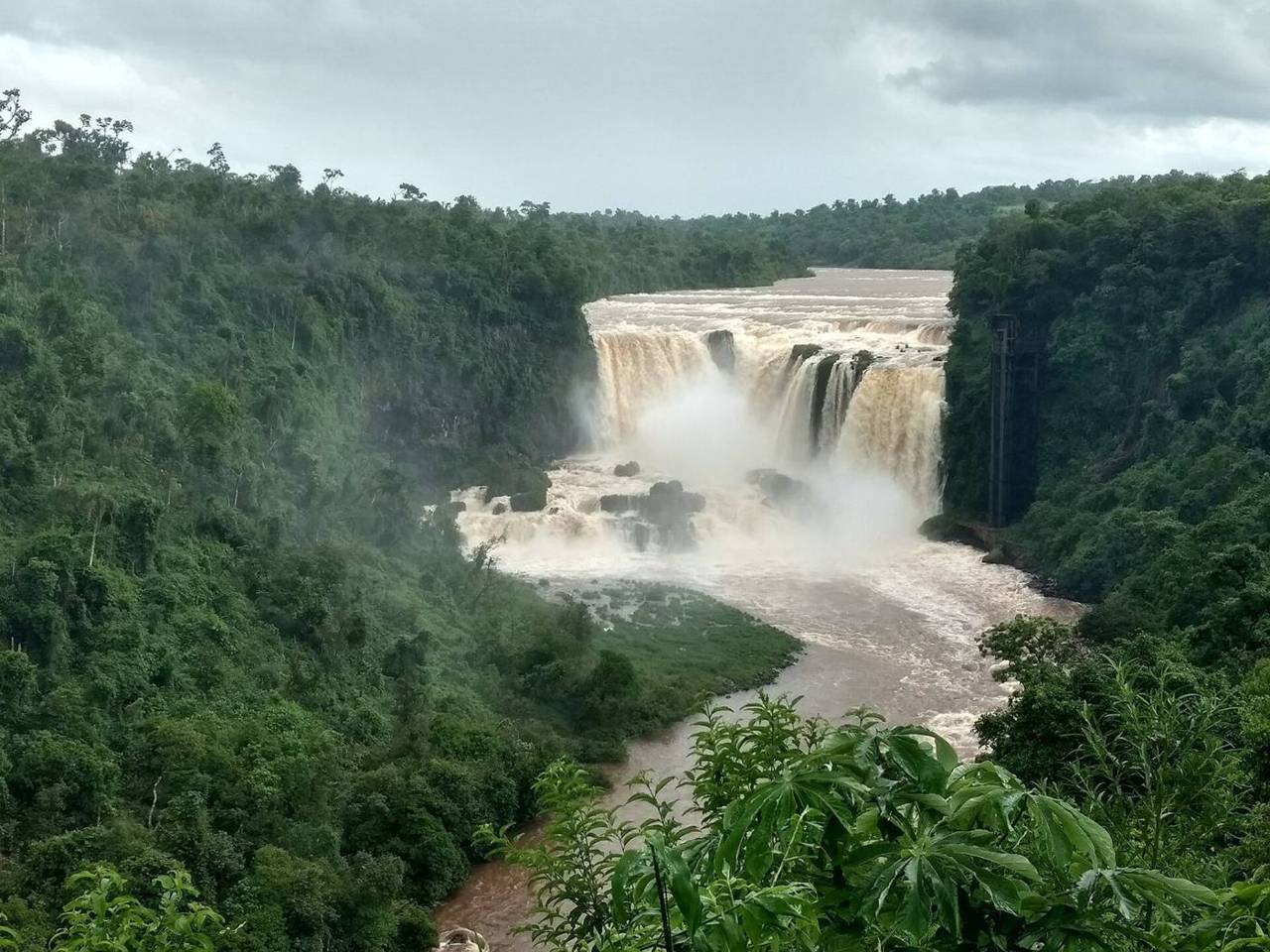
The Itaipú dam, one of the world's largest hydroelectric plants, the Monday falls and, across the bridge, Iguazú Falls.
 5 daysChallenging
The Paraguayan Pantanal
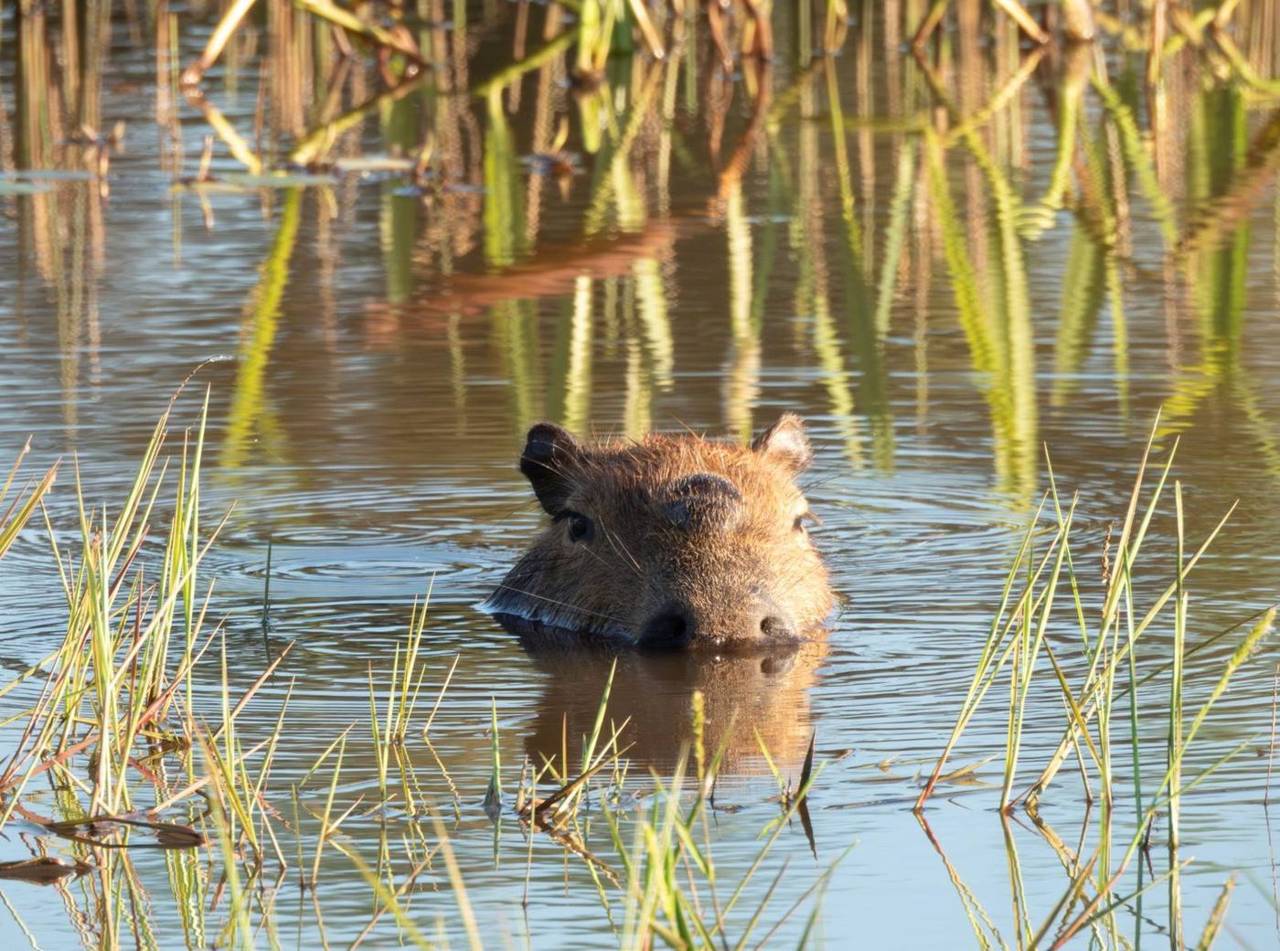
The least-known side of the world's largest wetland, at Bahía Negra on the Paraguay river, with caimans, capybaras, waterbirds and, with luck, jaguars.
 2 daysEasy
Ybycuí and its waterfalls
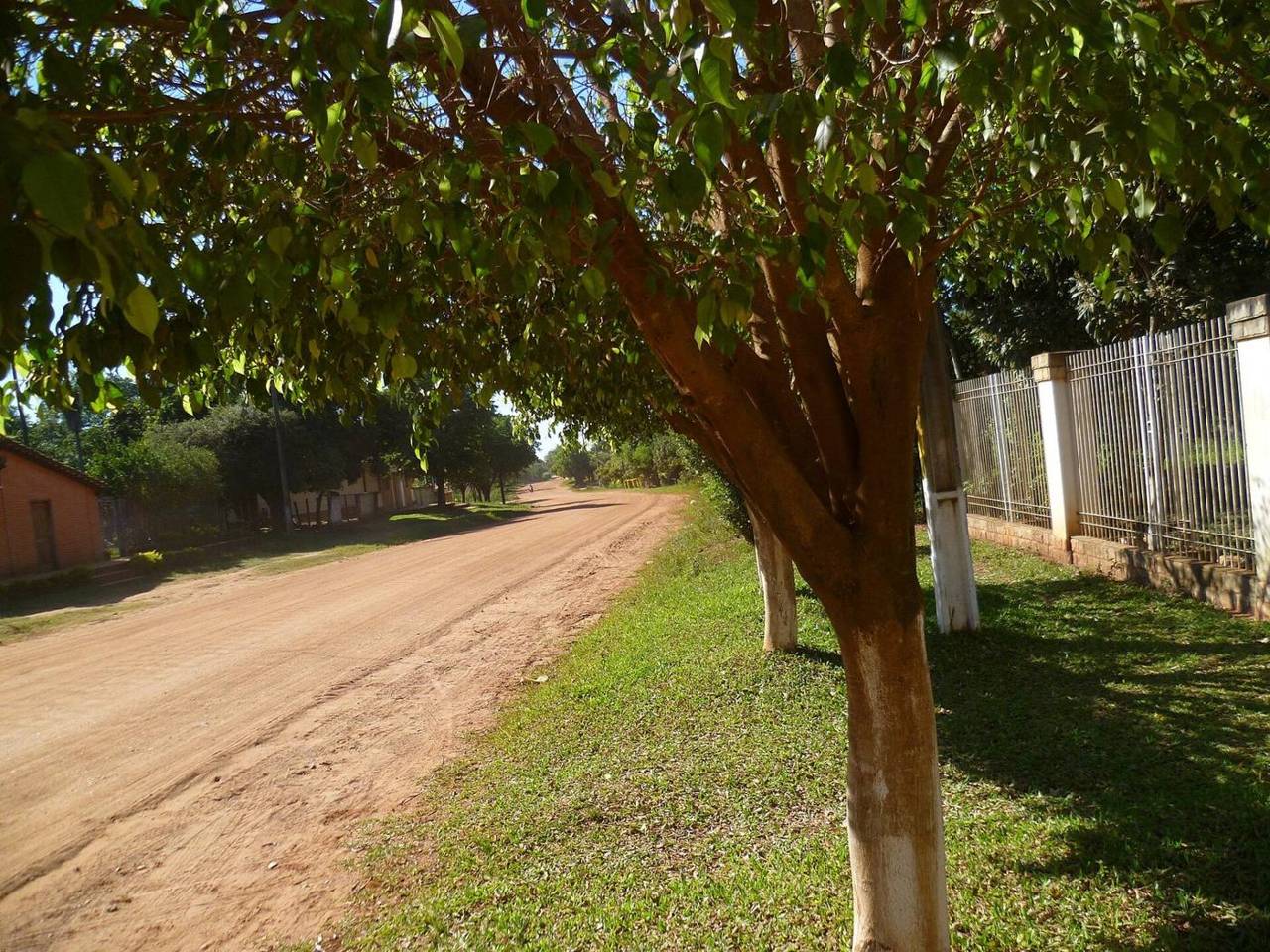
Ybycuí National Park with waterfalls in the Atlantic forest and the ruins of the La Rosada ironworks, South America's first, destroyed in the War of the Triple Alliance.