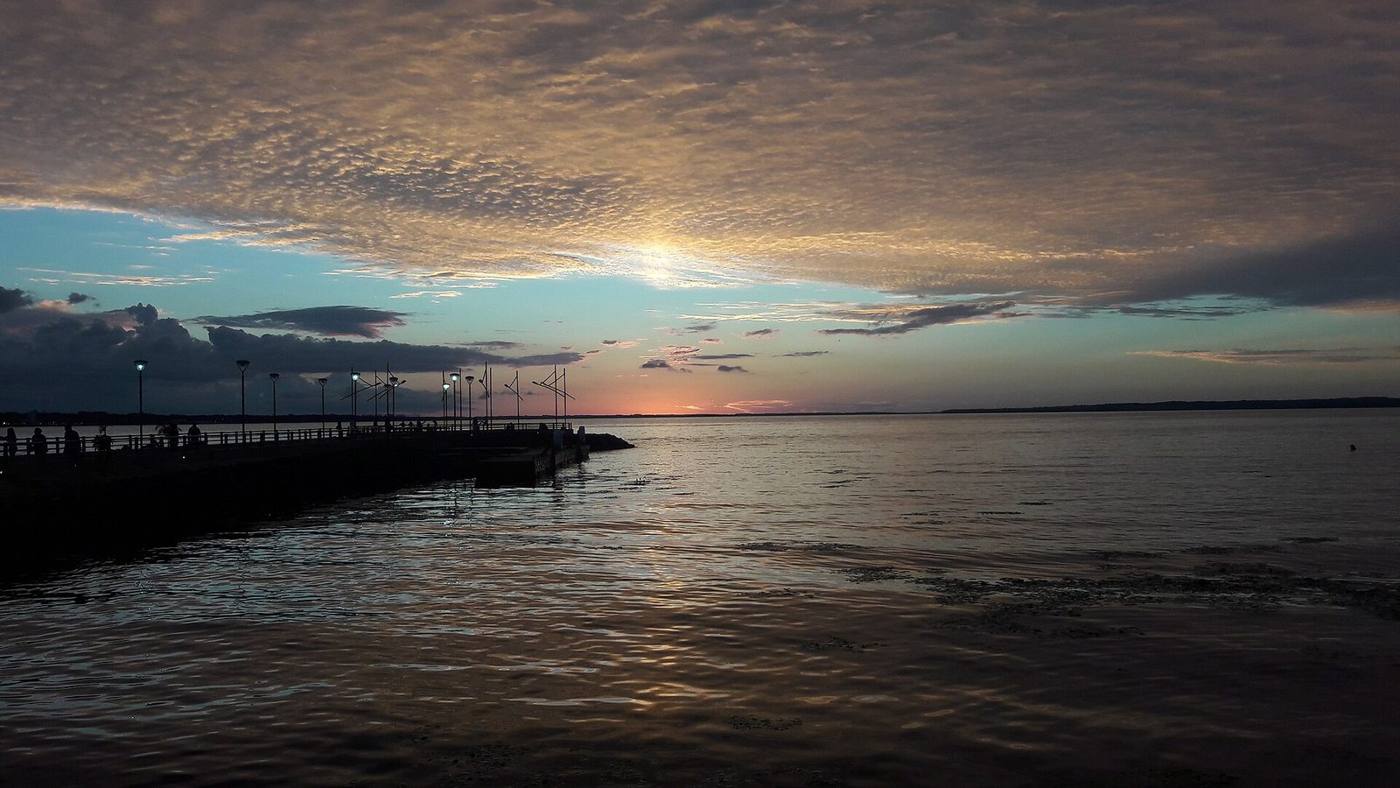
Encarnación and its carnival
The city on the Paraná river with its long costanera and river beaches, the country's best-known carnival in February and the bridge to Posadas in Argentina.
- Encarnación
- San José
- Trinidad
Day by day
- Day 1
The costanera and San José beach
This trip takes you in three days to Encarnación, the city in southern Paraguay on the Paraná river, opposite Posadas in Argentina: the long costanera, the river beaches, the most famous carnival in the country and the Jesuit mission of Trinidad, a UNESCO World Heritage Site. It is the Paraguayan summer at its best, very hot.
Before you go: Italian citizens enter Paraguay with a passport, with at least six months' validity recommended, without a visa for a tourist stay of up to 90 days. Other nationalities should check their own rules. The United States rates Paraguay at level 1, the lowest, with level 2 only in the departments along the Brazilian border, far from this trip. Italy's official travel advice reports a rise in theft and pickpocketing: do not show valuables.
You reach Encarnación by bus or plane from Asunción. By bus the journey takes several hours.
In the afternoon, walk along the costanera, the riverfront several kilometres long with cycle paths, lawns and views of the Paraná, very wide at this point. On the other side you see the Argentine city of Posadas and the long bridge that links the two countries.
At sunset, go to San José beach, a sandy beach on the river, with lifeguards, kiosks and lots of families. Swim only in the marked areas.
In the evening, have river fish, such as surubí, grilled or in soup, and drink tereré, the cold infusion of yerba mate that Paraguayans always carry with them.
Overnight in Encarnación, for two nights.
Practical tip: in summer the temperature here often goes above 35 degrees, so walk on the costanera early in the morning or after sunset and drink plenty of water.
- Day 2
The carnival parade
Today you experience the Encarnación carnival, the biggest and most famous in Paraguay, with floats, costumes, feathers and music late into the night.
In the morning, rest and enjoy the city slowly. Have breakfast with chipa, the cassava and cheese roll, and a coffee, then visit the centre, with the main square, the cathedral and the shopping streets. In the lower part, near the river, there are shops and markets.
At midday, go back to the costanera or the beach, but in the hottest hours look for shade.
In the late afternoon, go to the parade area, with stands along the route. The carnival takes place at weekends in summer, especially in February: the dates change every year, so check them before booking. Buy a ticket for a seat in advance. Check prices and times.
In the evening the parade begins: the comparsas, groups of dancers in enormous costumes of sequins and feathers, the floats, the queens and the batucadas, Brazilian-style drum bands. The show lasts many hours. The crowd dances, sings and sprays coloured foam.
During the festival, eat something from the kiosks, such as meat skewers or empanadas.
After the parade, go back to your accommodation by taxi.
Overnight in Encarnación.
Practical tip: keep your phone and money in a closed pocket in front of you, because pickpockets are active in the carnival crowds.
- Day 3
The Trinidad mission and departure
Today you visit one of the most beautiful Jesuit missions in South America and then leave.
Early in the morning, leave Encarnación heading north-east. In about half an hour you reach Trinidad, the mission of Santísima Trinidad del Paraná, founded by the Jesuits at the beginning of the eighteenth century and a UNESCO World Heritage Site together with nearby Jesús de Tavarangue. Check prices and times.
Walk among the red stone ruins: the large square, the houses where Guaraní families lived, the fathers' college and the remains of the main church, with its frieze of angels playing musical instruments, the carved pulpit and the baptismal font. In the missions the Guaraní lived in communities organised by the Jesuits, with schools, workshops and music, until the Jesuits were expelled in the second half of the eighteenth century.
Climb the bell tower for the view over the ruins and the green hills around.
For lunch, return to Encarnación and eat a last Paraguayan dish, such as grilled meat with cassava.
In the afternoon, leave by bus or plane for Asunción, or continue to other missions in the region.
In these three days you have seen Encarnación and its summer: the costanera on the Paraná, San José beach, the night of the carnival and the ruins of the Trinidad mission.
When to go: the best period is January and February, for the beach and the carnival, but it is very hot. From April to September the climate is cooler, ideal for the missions, but there is no carnival.
Practical tip: visit Trinidad early in the morning, when the light on the red stone is at its best and the sun is not yet too strong.
Paraguayan summer at its best, very hot. The carnival is on February weekends: check dates. Easy to combine with the Jesuit missions.
Before you go
- Documents and visa
- Passport, with at least six months' validity recommended; no visa is needed for tourism for up to 90 days. A yellow fever vaccination certificate is compulsory from the age of one if you arrive from Bolivia, Brazil, Peru or Venezuela, including stopovers of more than 24 hours.
- Health and vaccines
- Dengue is endemic and chikungunya is rising, with no vaccine: use repellent and long sleeves in the evening. The WHO certified in 2018 that Paraguay had eliminated malaria. Drink bottled water, without ice. Public healthcare is poor, but Asunción has reliable private clinics: you need insurance covering medical costs and repatriation. Emergencies: 911.
- Money and payments
- Guaraní. Cards work in Asunción, Encarnación and the larger towns; carry cash for small villages and the Chaco, and use cash machines inside banks or shopping centres.
- Power sockets
- Type C, with two round pins, 220 volts: you need an adapter for British plugs.
- Time zone
- UTC-3 all year since 2024.
- Safety
- The United States rates Paraguay at level 1, with level 2 in the departments of Alto Paraná, Amambay, Canindeyú, Concepción and San Pedro, along the border with Brazil, because of criminal groups smuggling drugs and goods. Take particular care in Ciudad del Este and in the historic centre of Asunción, even by day. An armed group operates in northern San Pedro and southern Concepción. Protests and road blockades are common, and it is best not to drive at night. Official advice: GOV.UK.
Information checked in November 2026 for Italian and EU citizens. Rules change: always check before you travel.
Variations
In 2 days: the costanera and the carnival parade on the first day, the Trinidad mission on the second.
In 5 days: after Encarnación, also visit the mission of Jesús de Tavarangue and continue to Ciudad del Este and the Itaipú dam.
Frequently asked questions
When is the Encarnación carnival?
At weekends in summer, especially in February. The dates change every year: check them and buy stand tickets in advance.
How far is the Trinidad mission from Encarnación?
About half an hour by road heading north-east. The nearby mission of Jesús de Tavarangue is also a UNESCO World Heritage Site.
What document do I need for Paraguay?
Italian citizens enter with a passport, with at least six months' validity recommended, without a visa for up to 90 days. Other nationalities should check their own rules.
Indicative itinerary written by World Atlas. Before booking, check timetables, seasonal openings, documents and safety.
 2 daysEasy
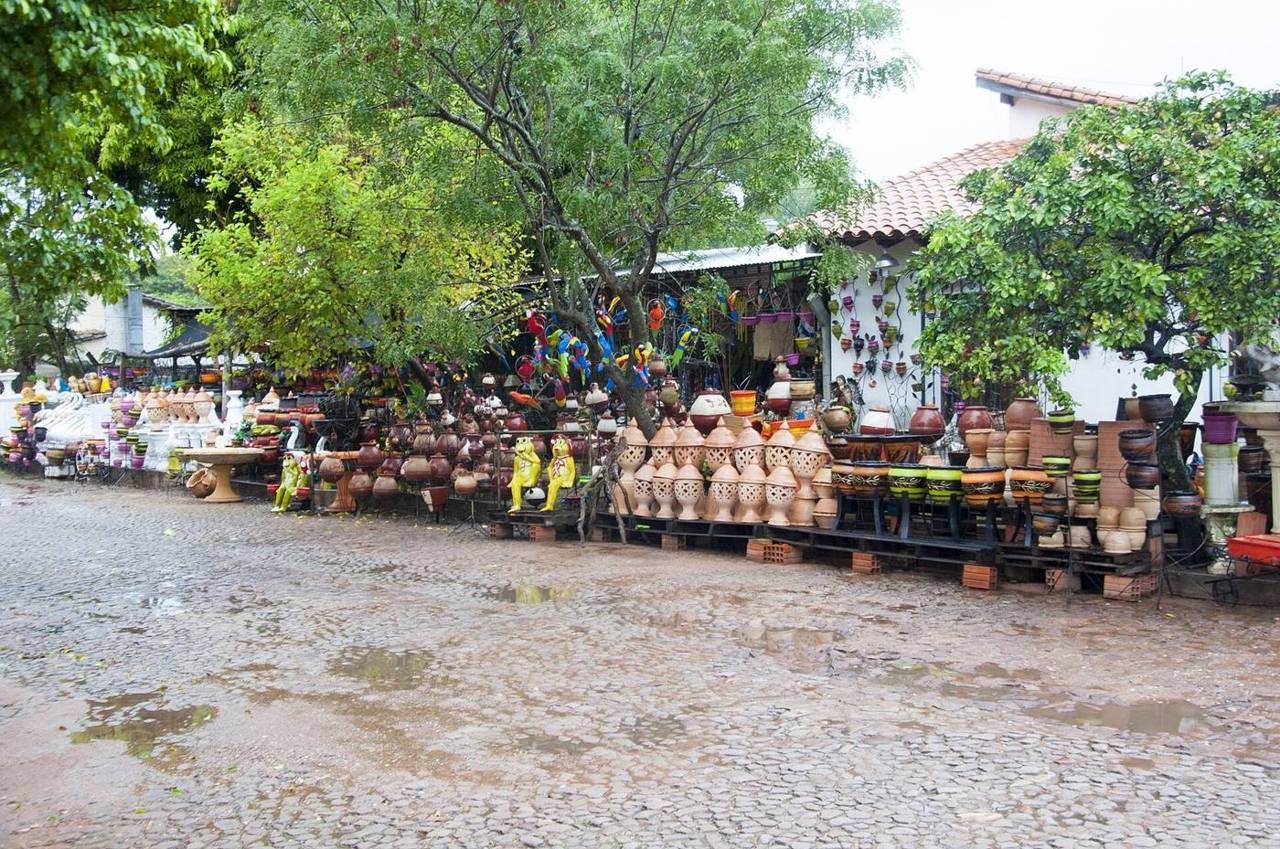
La Cordillera: San Bernardino and Areguá
Lake Ypacaraí and the towns around it: San Bernardino, founded by German settlers, Areguá with its pottery and strawberries, Caacupé with its basilica.
 2 daysEasy
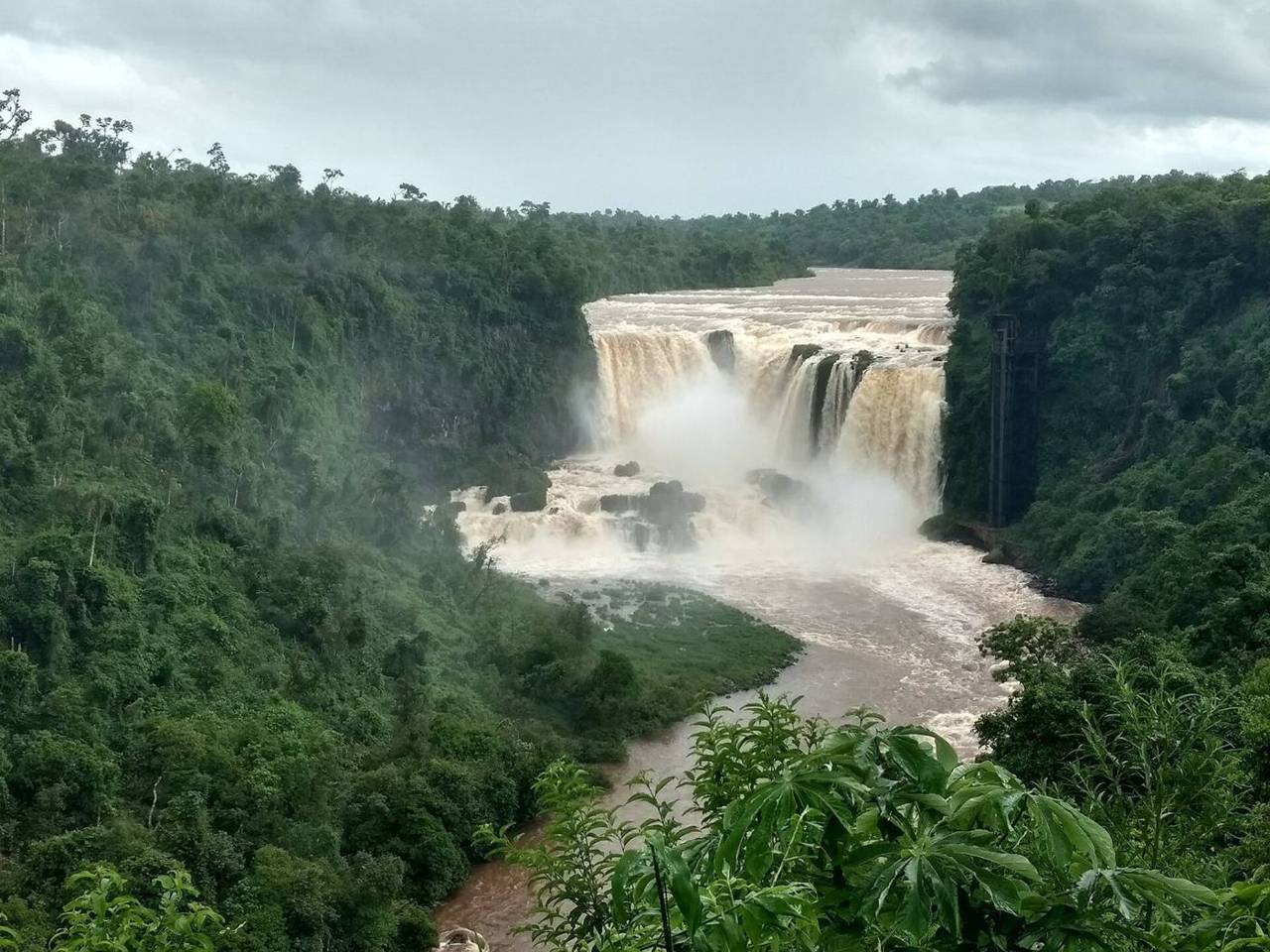
Itaipú and the Monday Falls
The Itaipú dam, one of the world's largest hydroelectric plants, the Monday falls and, across the bridge, Iguazú Falls.
 5 daysChallenging
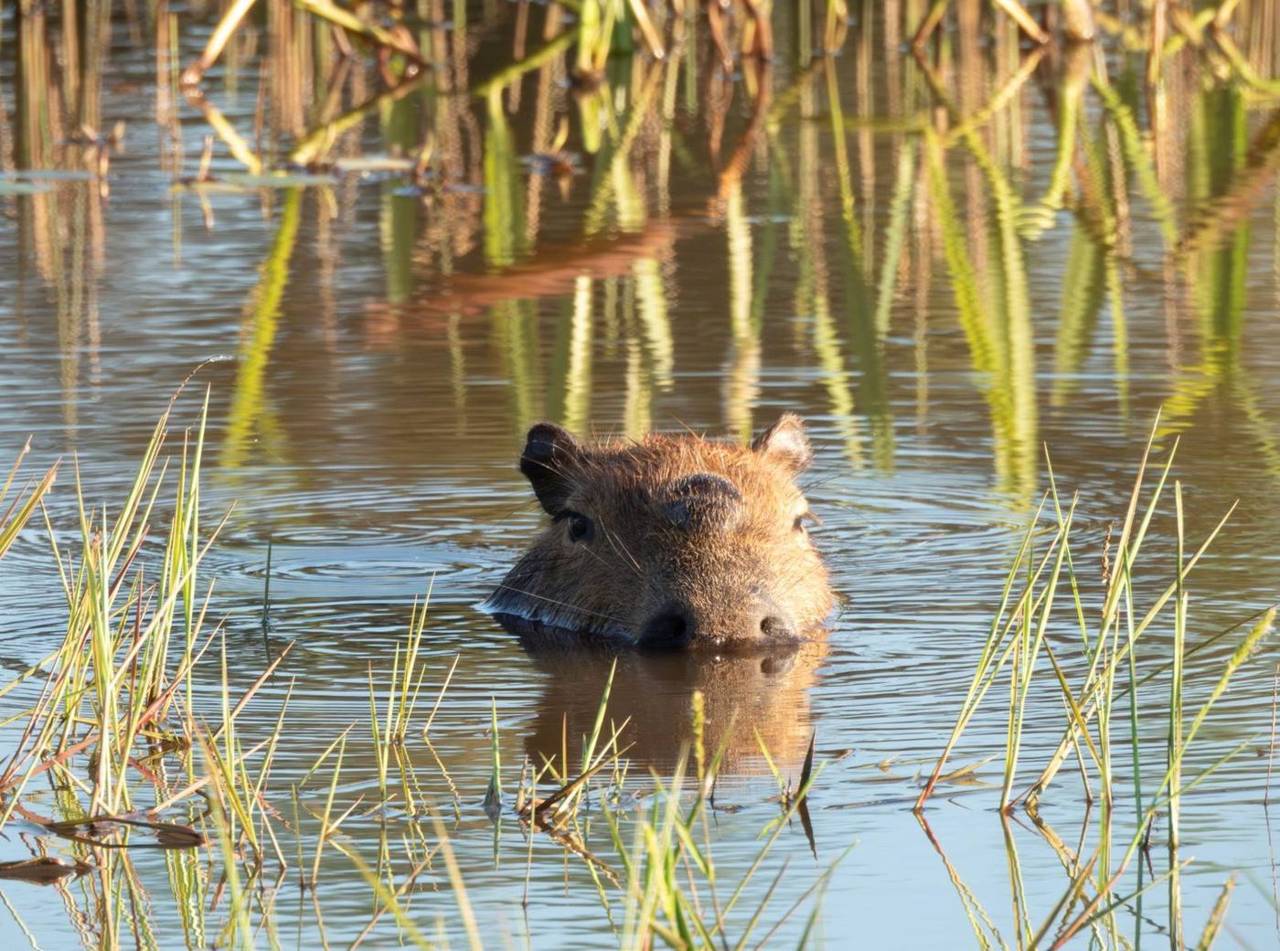
The Paraguayan Pantanal
The least-known side of the world's largest wetland, at Bahía Negra on the Paraguay river, with caimans, capybaras, waterbirds and, with luck, jaguars.