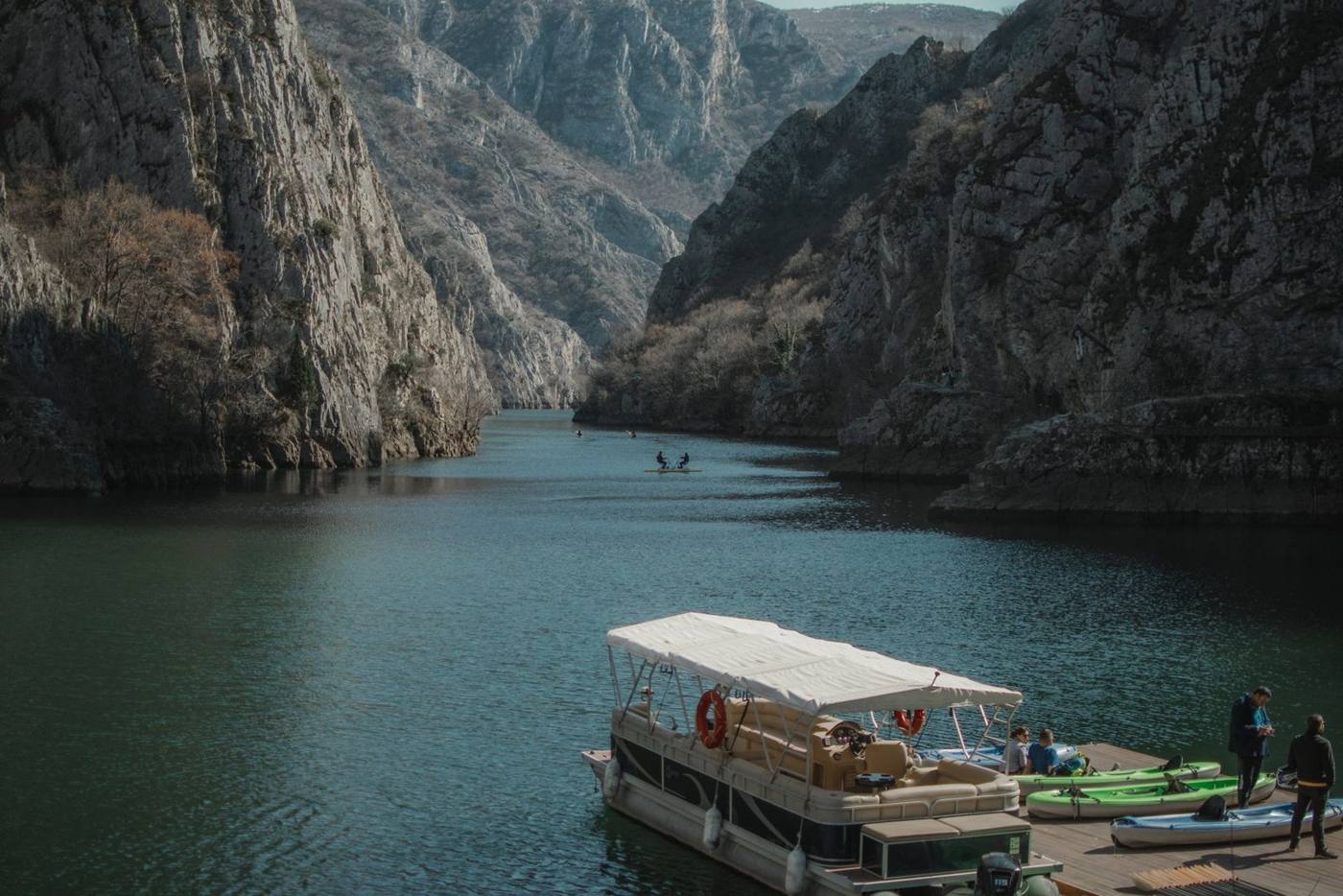
Skopje and Matka Canyon
The capital between the old Ottoman bazaar and the new statues, Matka Canyon by kayak and Kale fortress.
- Skopje
- Stara Čaršija
- Kale
- Matka
- Mount Vodno
Day by day
- Day 1
The Old Bazaar, Kuršumli An and Kale Fortress
This trip takes you to Skopje, the capital of North Macedonia, between the Ottoman Old Bazaar and the new statues, and to Matka Canyon, half an hour from the city. You also see Mount Vodno and the monastery of Saint Panteleimon.
Before you go: Italian citizens can enter North Macedonia with an electronic identity card or a passport, with no visa needed, for stays of up to 90 days; bring a document with at least three months' remaining validity. The paper identity card has no longer been valid for foreign travel since 3 August 2026. Other nationalities should check their own rules. North Macedonia is not in the European Union: the EHIC is not valid, and for hiking you need insurance that also covers mountain rescue. The currency is the denar. The country is calm for travellers; from April to October there are wildfires.
In the morning start from Macedonia Square, with its large fountain and the statue of the warrior on horseback, and cross the Stone Bridge over the River Vardar, the symbol of the city. All around you see dozens of statues and neoclassical buildings built in the 2010s.
On the other side of the bridge you enter the Stara Čaršija, the Old Bazaar, one of the largest in the Balkans, with workshops, mosques and cafés. Visit Kuršumli An, a sixteenth century caravanserai with an arcaded courtyard, and the Church of the Holy Saviour, with a carved wooden iconostasis. Check prices and times.
In the afternoon climb to Kale Fortress, above the bazaar, for the view over the city.
In the evening eat kebapi in the bazaar, small grilled meat sausages.
Practical tip: in the bazaar and in crowded streets keep your wallet in a closed pocket, especially in the evening.
- Day 2
Matka Canyon by kayak or boat
Today you leave the city for the most beautiful place nearby: a rocky canyon with a green lake, caves and monasteries.
In the morning take a taxi or the bus to Matka Canyon, about half an hour south-west of Skopje. The rock walls rise steeply above the lake, created by a dam built in the 1930s on the River Treska.
Near the dam visit the monastery of Saint Andrew, a small fourteenth century church with frescoes, on the shore of the lake.
Then choose how to see the canyon. By kayak, hired on site, you paddle on the calm water between the walls, in silence. By boat, with the boats that leave from the jetty, you reach Vrelo Cave more easily, a cave with stalactites and a very deep underground lake. Check prices and times.
At midday sit on a terrace by the lake and try the river trout.
In the afternoon walk the path that follows the left bank of the lake, cut into the rock, with fine views over the canyon. The path is narrow and exposed in places: go slowly and turn back whenever you like.
In the evening return to Skopje.
Practical tip: on summer weekends the canyon is full of people from Skopje; go on a weekday and arrive early, when the water is calmer and all the kayaks are still available. Wear closed shoes for the path and bring water, because it is very hot in summer.
- Day 3
Mount Vodno and Saint Panteleimon
Today you go up the mountain that overlooks the city and visit one of the most important monasteries of Byzantine art.
In the morning get to the cable car station, on the slopes of Mount Vodno, south of the city. In a few minutes you ride to the summit, where the Millennium Cross stands, a large metal cross built in 2002 for two thousand years of Christianity. From here you see all of Skopje, the Vardar valley and, on clear days, the mountains as far as Kosovo. Check prices and times.
If you prefer to walk, go down on foot along one of the forest paths, well marked and popular with the people of Skopje.
At midday reach Gorno Nerezi, a village on the slopes of Vodno, and visit the monastery of Saint Panteleimon, from 1164. Inside you see frescoes famous all over the world, such as the Lamentation over the dead Christ, with faces full of grief and emotion, long before the Italian Renaissance. Check prices and times.
In the afternoon go back into the city and visit the Memorial House of Mother Teresa, born in Skopje in 1910, on the spot where the church in which she was baptised once stood.
In the evening walk along the River Vardar, among the lit bridges and the statues.
Practical tip: if you walk down from Vodno, start early, bring water and do not walk alone; in summer avoid the path in the hottest hours and check that there are no bans because of the fire risk.
- Day 4
Departure or on to Ohrid
On the last day you enjoy a final morning in the capital and set off, for home or for Ohrid.
In the morning go back to the bazaar for some shopping: copper objects, silver filigree, spices, mountain tea and ajvar, the red pepper spread. Then sit in a café and have a Turkish coffee with a pastry of filo and walnuts.
If you are interested in history, visit the Museum of the Macedonian Struggle, on the riverside, or the Daut Pasha Hammam, a Turkish bath that is now an art gallery. Check prices and times.
In the early afternoon head to the airport, about twenty minutes from the centre, or leave for Ohrid, about three hours' drive to the south-west.
Trip summary: in four days you have seen Skopje with the Stone Bridge, the new statues, the Old Bazaar, Kuršumli An and Kale Fortress, Matka Canyon by kayak or boat with Vrelo Cave, Mount Vodno with the Millennium Cross and the monastery of Saint Panteleimon. It is a strange and entertaining capital, with nature half an hour away.
When to go: from April to October. Spring and autumn are the best seasons, because in summer Skopje is very hot. Avoid the winter: the smog in the city is among the worst in Europe.
Practical tip: there are frequent buses to Ohrid from Skopje bus station; if you drive, the road is good but winding, and it is best not to drive at night.
A strange, entertaining capital, with a centre full of statues built in the 2010s next to one of Europe's largest Ottoman bazaars. Matka Canyon is half an hour away and is the best reason to stop. In winter Skopje's smog is among Europe's worst.
Before you go
- Documents and visa
- EU citizens can enter with a valid identity card or passport, without a visa, for stays of up to 90 days in any 180. North Macedonia is not in the EU or the Schengen area. Other nationalities should check their own rules; British passports need at least three months' validity beyond the date you leave.
- Health and vaccines
- No vaccines required. The EHIC is not valid: take insurance covering medical costs and repatriation, and helicopter rescue if you hike in the mountains. Summers in the valleys are very hot: drink plenty of water. Emergencies: 112.
- Money and payments
- Macedonian denar. Cards work in cities and tourist areas; villages, markets and mountain guesthouses need cash. There are cash machines in every town.
- Power sockets
- Types C and F, 230 volts: you need an adapter for British plugs.
- Time zone
- Central European Time (UTC+1, summer UTC+2).
- Safety
- Attacks on foreign nationals are extremely rare, but there is pickpocketing and bag snatching in Skopje's shopping and nightlife areas, especially late at night. The UK says terrorist attacks cannot be ruled out and that organised crime groups are active in northern areas near the border with Kosovo. Wildfires are possible from April to October and the authorities often close forests in summer. Avoid driving after dark on unfamiliar rural roads. In the mountains the weather changes quickly and trails are not always marked: do not hike alone. Official advice: GOV.UK.
Information checked in November 2026 for Italian and EU citizens. Rules change: always check before you travel.
Variations
Shorter: two days, with the bazaar and Kale on the first day and Matka Canyon on the second.
Longer: add three days in Ohrid, with the lake, Saint Sophia and the monastery of Saint Naum.
Frequently asked questions
Can you visit Matka Canyon without a guide?
Yes, by taxi or bus from Skopje. Kayaks and boats are hired on site: check prices and times.
Why does Skopje have so many statues?
In the 2010s the government built dozens of new statues and buildings in classical style. It is a much debated project, in North Macedonia too.
When is it best to avoid Skopje?
In winter, when the smog is very bad, and on the hottest days of July and August.
Indicative itinerary written by World Atlas. Before booking, check timetables, seasonal openings, documents and safety.
 6 daysModerate
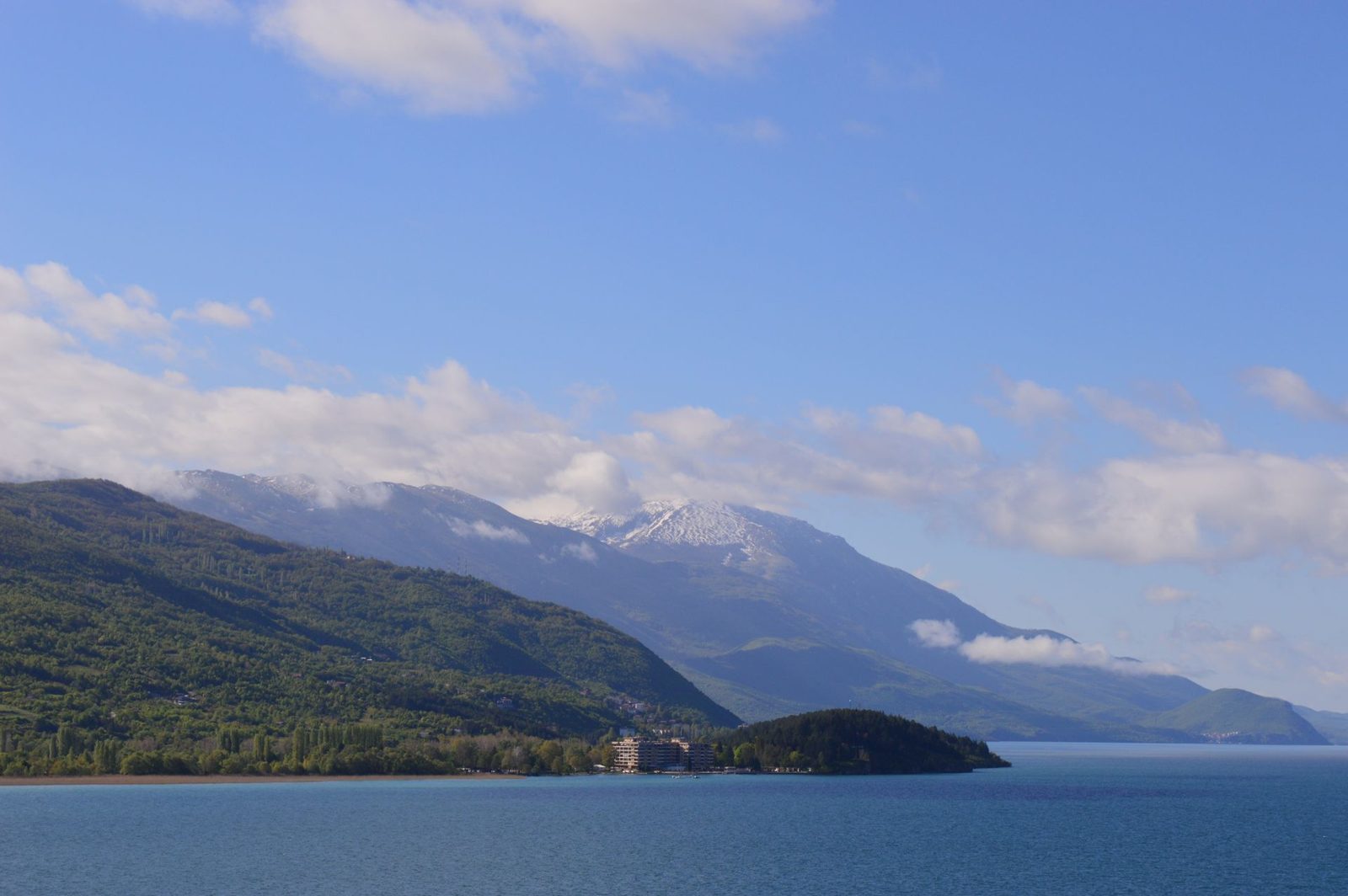
Mavrovo and the Prespa lakes
St John Bigorski monastery, Mavrovo National Park with its submerged church, Galičica National Park between two lakes, and Bitola.
 4 daysEasy
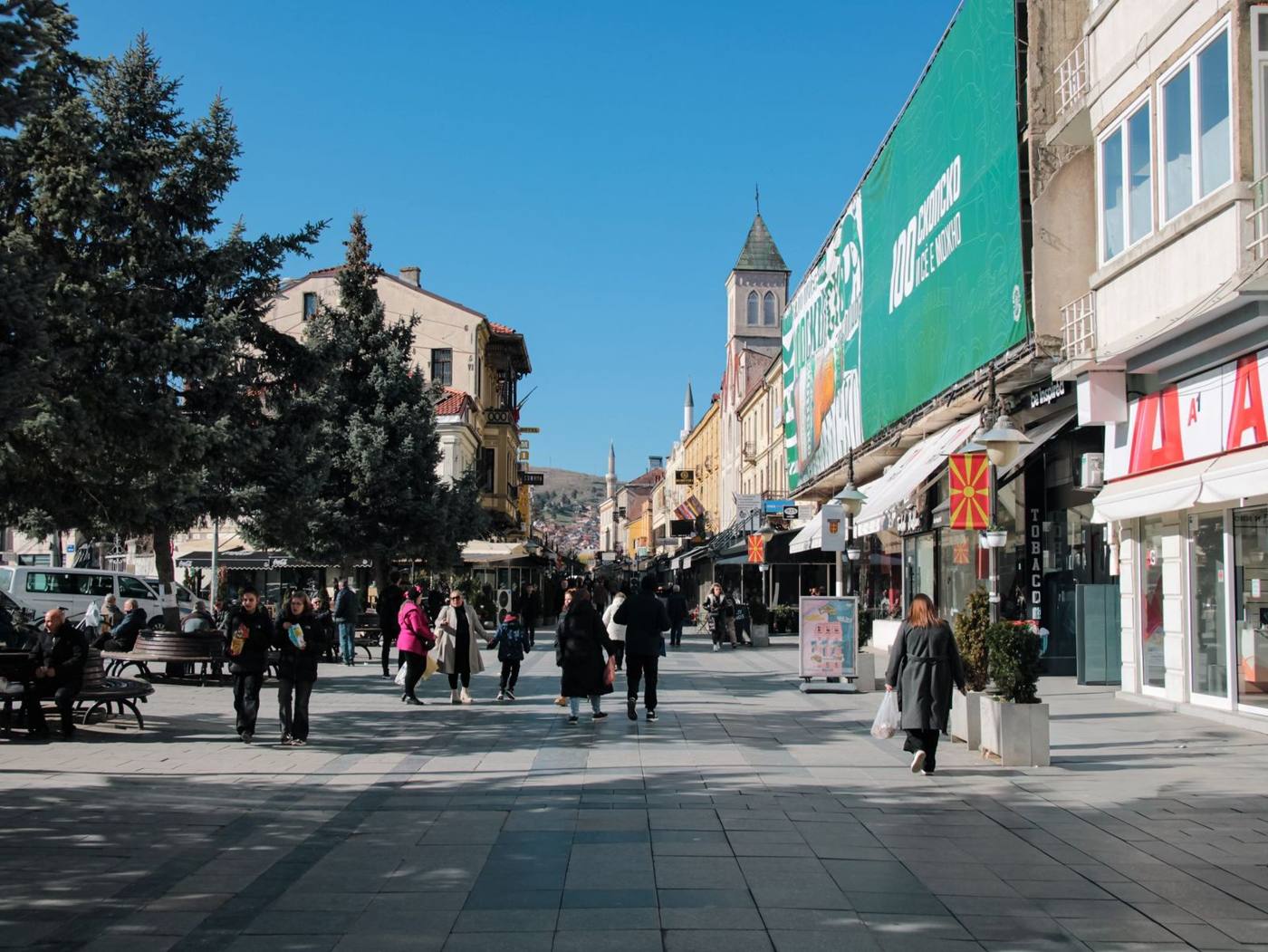
Bitola and Pelister
Bitola with its Širok Sokak street and cafés, the Roman mosaics of Heraclea Lyncestis, Pelister park with its molika pines and the Pelister Eyes lakes.
 3 daysEasy
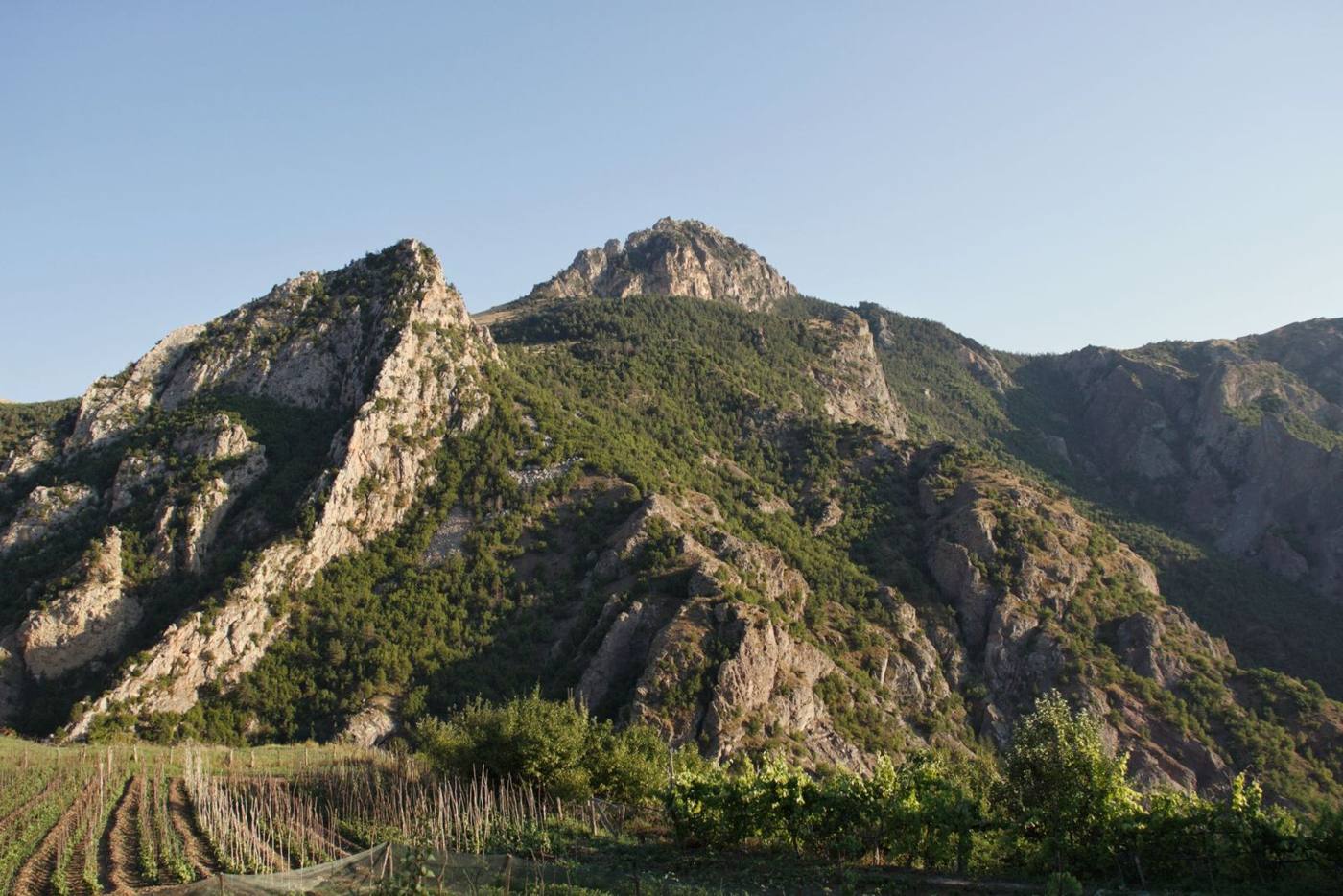
Tikveš wine country
The Macedonian wine region around Kavadarci and Negotino, the Roman ruins of Stobi, the Demir Kapija gorge and the red vranec grape.