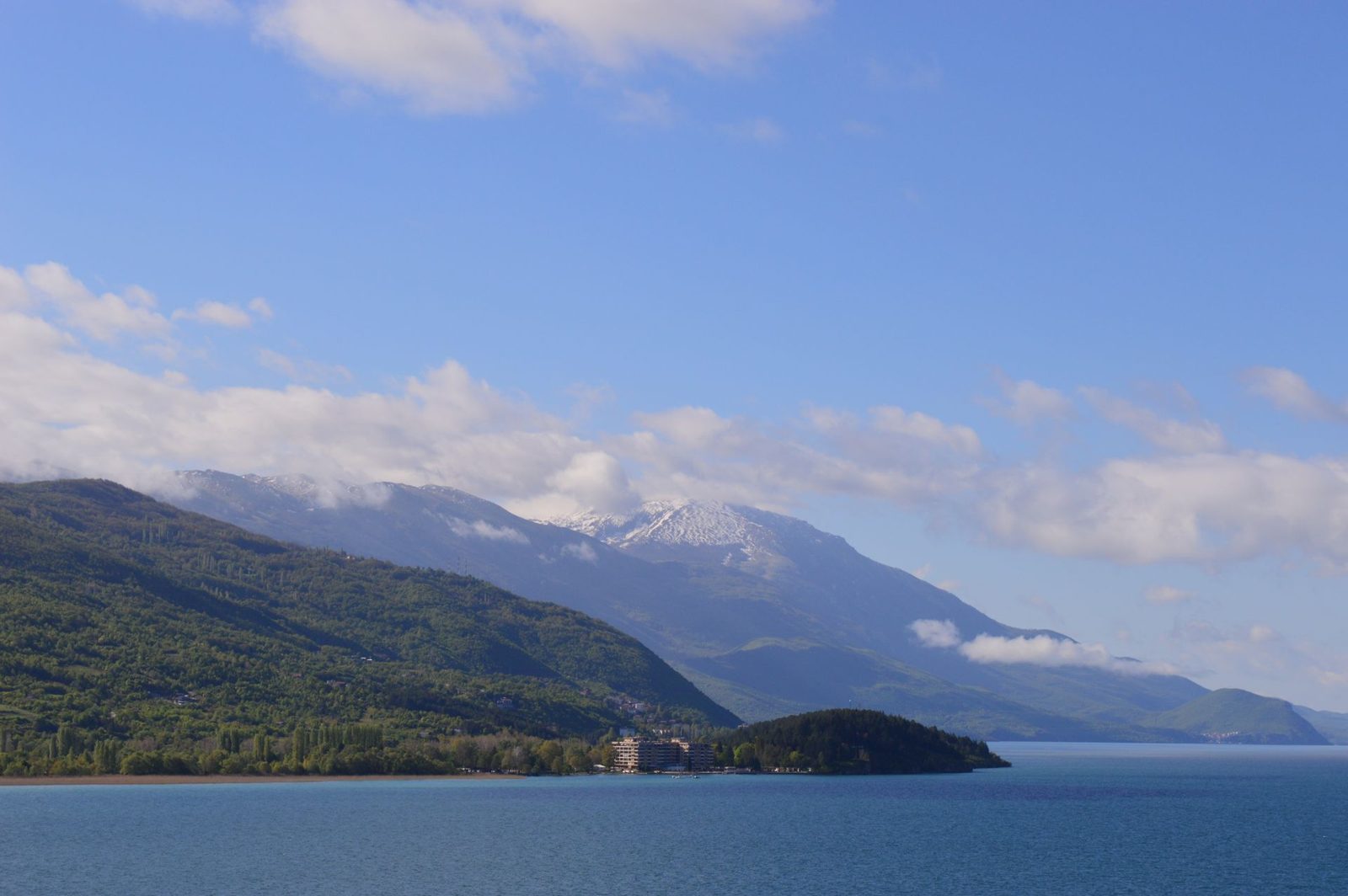
Mavrovo and the Prespa lakes
St John Bigorski monastery, Mavrovo National Park with its submerged church, Galičica National Park between two lakes, and Bitola.
- Skopje
- Mavrovo
- Bigorski
- Galičica
- Prespa
- Bitola
- Heraclea Lyncestis
Day by day
- Day 1
From Skopje to Lake Mavrovo
This trip takes you to the mountains of North Macedonia, almost without tourists: Mavrovo National Park with its submerged church, the monastery of Bigorski, Galičica National Park between two lakes, Lake Prespa with the island of Golem Grad, and Bitola. You need a car.
Before you go: Italian citizens can enter North Macedonia with an electronic identity card or a passport, with no visa needed, for stays of up to 90 days; bring a document with at least three months' remaining validity. The paper identity card has no longer been valid for foreign travel since 3 August 2026. Other nationalities should check their own rules. North Macedonia is not in the European Union: the EHIC is not valid, and for hiking you need insurance that also covers mountain rescue. The currency is the denar. The country is calm for travellers; from April to October there are wildfires, and in the mountains the weather changes quickly.
In the morning leave Skopje heading west, on the motorway to Tetovo and Gostivar, then climb into the mountains. In about an hour and a half you reach Lake Mavrovo, in the largest national park in the country, among beech and pine forests.
In the afternoon walk along the shore to the Church of Saint Nicholas, left partly submerged when the artificial lake was created in the mid twentieth century. When the water is low you see the bell tower and walls rising out of the lake; when it is high, only the roof shows.
At sunset watch the Bistra mountains reflected in the water.
Practical tip: at Mavrovo, even in summer, the evenings are cool because you are over a thousand metres up; bring a jacket and a jumper.
- Day 2
The monastery of Bigorski and the Radika valley
Today you go down into the valley of the River Radika, among stone villages and a monastery holding one of the masterpieces of Balkan woodcarving.
In the morning drive south along the Radika valley, a green gorge with the river running below. After about half an hour you reach the monastery of Saint John the Baptist at Bigorski, on the slopes above the road.
In the church you see the walnut iconostasis, carved at the beginning of the nineteenth century by master craftsmen from the region. It is full of figures, Bible scenes, plants and animals, carved so finely that they look like lace. In 2009 a fire damaged the monastery, but the iconostasis was saved. Go in suitably dressed, with shoulders and legs covered, and speak quietly.
At midday drive up to the village of Janče or to Galičnik, stone villages in the mountains, famous for their sheep's cheeses and traditional festivals. In summer Galičnik hosts a large traditional wedding festival, with costumes and music: check the dates if it interests you.
In the afternoon walk to the Duf waterfall, near the village of Rostuše, on a short path through the woods.
In the evening return to Mavrovo or sleep in a village house in the valley.
Practical tip: the roads to Janče and Galičnik are narrow and full of bends; drive slowly, sound your horn before blind bends and do not drive after dark.
- Day 3
Towards Ohrid and up to Galičica
Today you cross the mountains to the great Lake Ohrid and climb into the park that separates it from Lake Prespa.
In the morning follow the Radika valley south to Debar, then the road along Lake Debar and the valley of the Black Drin to Struga and Ohrid. It is about two and a half hours' driving, with views over the reservoirs and the mountains.
At midday have lunch in Ohrid and take a short walk in the Old Town.
In the afternoon take the panoramic road through Galičica National Park, which climbs in many hairpins from the Ohrid shore towards the pass. Stop at the viewpoints: on one side you see Lake Ohrid, deep blue, on the other Lake Prespa, greener and higher. It is one of the rare places where you see two large lakes at once.
If you have the legs and the energy, a path leads from the pass towards the summit of Magaro, over two thousand metres high. It is a long hike over open meadows, to be done in good weather and starting early.
At sunset go down towards Lake Prespa and sleep in one of the villages on the shore, such as Stenje or Oteševo.
Practical tip: on Galičica there is no shade and the wind can be strong; bring water, a hat and sun cream, and if the sky clouds over turn back, because storms arrive quickly in the mountains.
- Day 4
Lake Prespa, Stenje and the island of Golem Grad
Today you discover Lake Prespa, shared by three countries, with its quiet villages and an island inhabited only by animals.
In the morning walk through the village of Stenje, on the west shore, with its low houses, vegetable gardens and reed beds. The lake lies at about 850 metres and is surrounded by mountains.
Then, if it is the season and the lake is calm, take the boat to the island of Golem Grad, in the middle of the lake. Boats run only in summer and only when the wind allows. On the island, now uninhabited, you see the remains of medieval churches, the ruins of an ancient town and wild nature: tortoises, water snakes, cormorants and, sometimes, pelicans. Walk the paths in closed shoes and watch where you put your feet. Check prices and times.
At midday have lunch with fish from the lake and apples from Resen, the nearby town famous for its orchards.
In the afternoon visit Resen, with the Saraj palace, built at the beginning of the twentieth century by an Ottoman pasha, now a cultural centre. Then swim at one of the lake's beaches, where the water is warmer than in Lake Ohrid.
In the evening sleep on Lake Prespa or carry on to Bitola, less than an hour away.
Practical tip: the boat to Golem Grad has no fixed timetable; ask the day before in the villages on the shore and be ready to give up if it is windy, because the waves on the lake can be dangerous.
- Day 5
Bitola: Širok Sokak and Heraclea Lyncestis
Today you visit Bitola, the most elegant city in the country, with a street of nineteenth century buildings and an ancient city just outside the centre.
In the morning go to Heraclea Lyncestis, a few minutes from the centre. The city was founded by Philip II of Macedon, father of Alexander the Great, and later became a Roman city on the Via Egnatia. You see the theatre, the baths, the basilicas and above all the floor mosaics, with animals, trees and birds, among the finest in the Balkans. In winter some are covered to protect them. Check prices and times.
At midday walk along Širok Sokak, Bitola's great pedestrian street, with pastel coloured neoclassical buildings, iron balconies and open air cafés. In the nineteenth century Bitola was called the city of consuls, because many foreign consulates were based here.
In the afternoon visit the clock tower and the old bazaar, with the covered market, Ottoman mosques and craftsmen's workshops.
If you still have energy, drive up to the village of Dihovo, at the foot of Mount Pelister, a few kilometres away, with stone houses and natural pools in the stream, where local people swim in the cold water in summer.
In the evening sit in a café on Širok Sokak, when the whole town comes out for a stroll.
Practical tip: in summer Bitola is hot in the middle of the day; visit Heraclea early in the morning, because there is little shade on the site, and bring water and a hat.
- Day 6
Back to Skopje
On the last day you return to the capital across the centre of the country.
In the morning take a last walk round Bitola market to buy homemade ajvar, cheeses, honey and mountain herbal tea.
Then head north on the road to Prilep. If you have time, stop in Prilep to see Marko's Towers, the remains of a medieval fortress on the rocks above the town. Check prices and times.
In the afternoon carry on to Skopje, about three hours from Bitola in all, through hills, tobacco fields and mountains.
Trip summary: in six days you have seen Lake Mavrovo with the half submerged Church of Saint Nicholas, the monastery of Bigorski with its carved iconostasis, the villages of the Radika valley, Galičica National Park with its view of the two lakes, Lake Prespa with the island of Golem Grad, Bitola with Širok Sokak and the mosaics of Heraclea Lyncestis. It is North Macedonia of mountains and lakes, almost without tourists.
When to go: from June to September. It is the season of the boats to Golem Grad and of mountain hikes without snow. In September the colours are beautiful and it is less hot.
Practical tip: the minor roads are narrow and slow, and driving takes longer than the maps say; do not drive at night and always fill up with fuel when you can in the mountain valleys.
The mountain side of North Macedonia, with hardly any tourists. Boats to Golem Grad run only in summer and in calm weather. Minor roads are narrow: driving takes longer than maps suggest.
Before you go
- Documents and visa
- EU citizens can enter with a valid identity card or passport, without a visa, for stays of up to 90 days in any 180. North Macedonia is not in the EU or the Schengen area. Other nationalities should check their own rules; British passports need at least three months' validity beyond the date you leave.
- Health and vaccines
- No vaccines required. The EHIC is not valid: take insurance covering medical costs and repatriation, and helicopter rescue if you hike in the mountains. Summers in the valleys are very hot: drink plenty of water. Emergencies: 112.
- Money and payments
- Macedonian denar. Cards work in cities and tourist areas; villages, markets and mountain guesthouses need cash. There are cash machines in every town.
- Power sockets
- Types C and F, 230 volts: you need an adapter for British plugs.
- Time zone
- Central European Time (UTC+1, summer UTC+2).
- Safety
- Attacks on foreign nationals are extremely rare, but there is pickpocketing and bag snatching in Skopje's shopping and nightlife areas, especially late at night. The UK says terrorist attacks cannot be ruled out and that organised crime groups are active in northern areas near the border with Kosovo. Wildfires are possible from April to October and the authorities often close forests in summer. Avoid driving after dark on unfamiliar rural roads. In the mountains the weather changes quickly and trails are not always marked: do not hike alone. Official advice: GOV.UK.
Information checked in November 2026 for Italian and EU citizens. Rules change: always check before you travel.
Variations
Shorter: four days, with Mavrovo and Bigorski, then Galičica and Prespa.
Longer: add two days in Ohrid, with the Old Town and the monastery of Saint Naum.
Frequently asked questions
Does the boat to Golem Grad always run?
No, only in summer and when the lake is calm. Ask in the villages on the shore the day before.
Is the trip suitable if you do not hike?
Yes, the hikes are optional. Many of the Galičica views can be seen from the road.
Is driving easy?
The main roads are good, the minor ones narrow and slow. Avoid driving at night and allow more time than expected.
Indicative itinerary written by World Atlas. Before booking, check timetables, seasonal openings, documents and safety.
 4 daysEasy
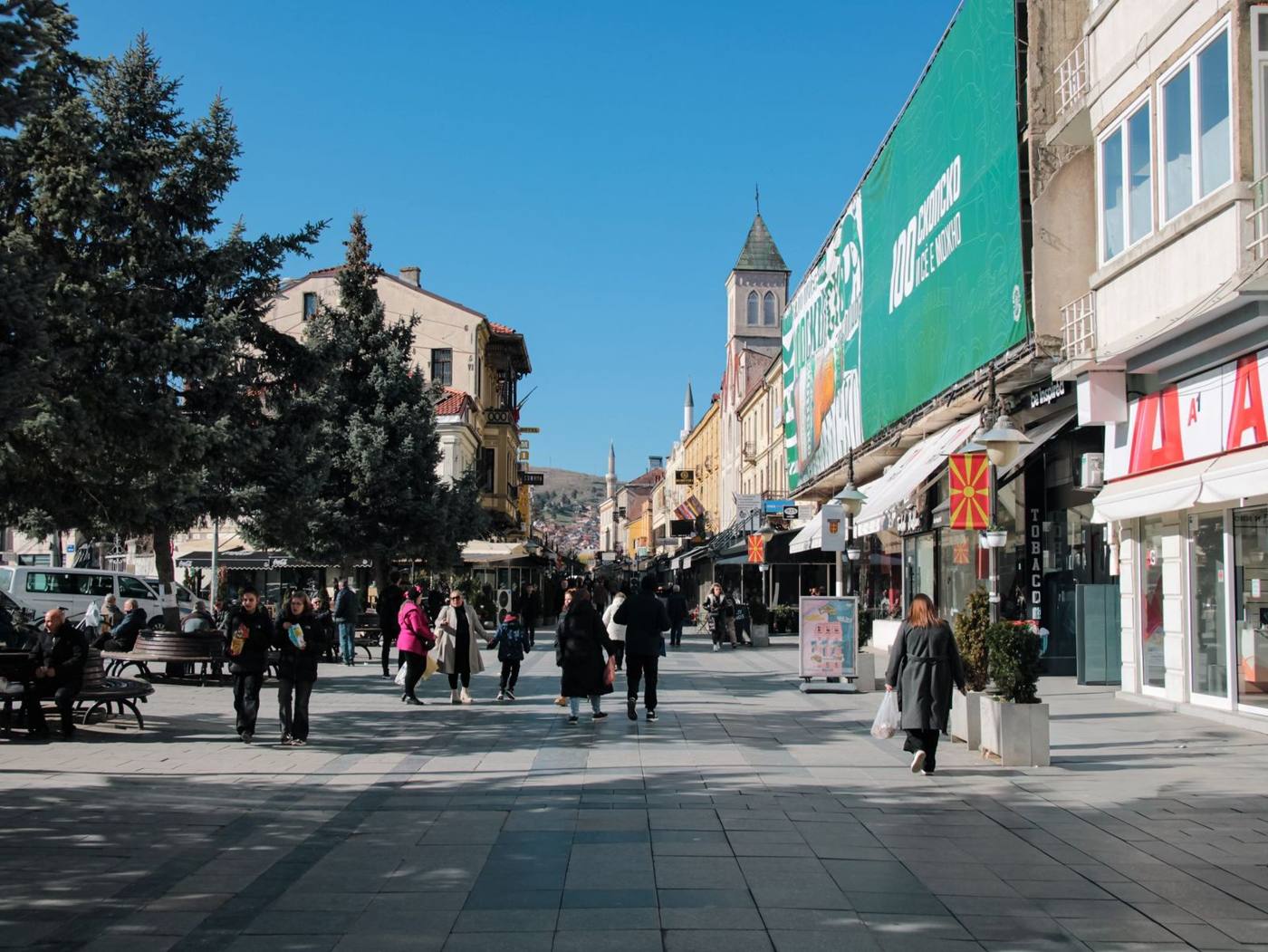
Bitola and Pelister
Bitola with its Širok Sokak street and cafés, the Roman mosaics of Heraclea Lyncestis, Pelister park with its molika pines and the Pelister Eyes lakes.
 3 daysEasy
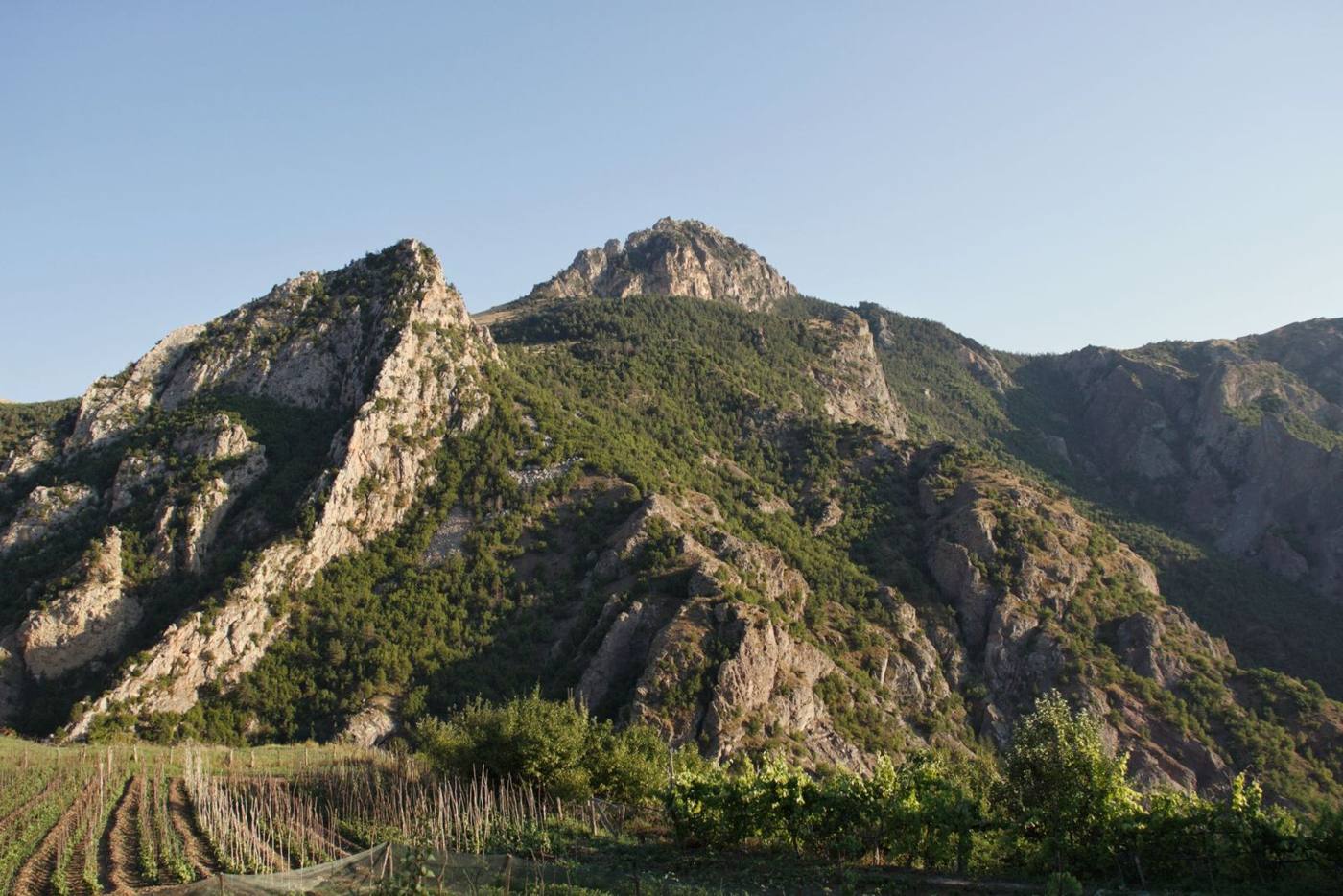
Tikveš wine country
The Macedonian wine region around Kavadarci and Negotino, the Roman ruins of Stobi, the Demir Kapija gorge and the red vranec grape.
 3 daysEasy
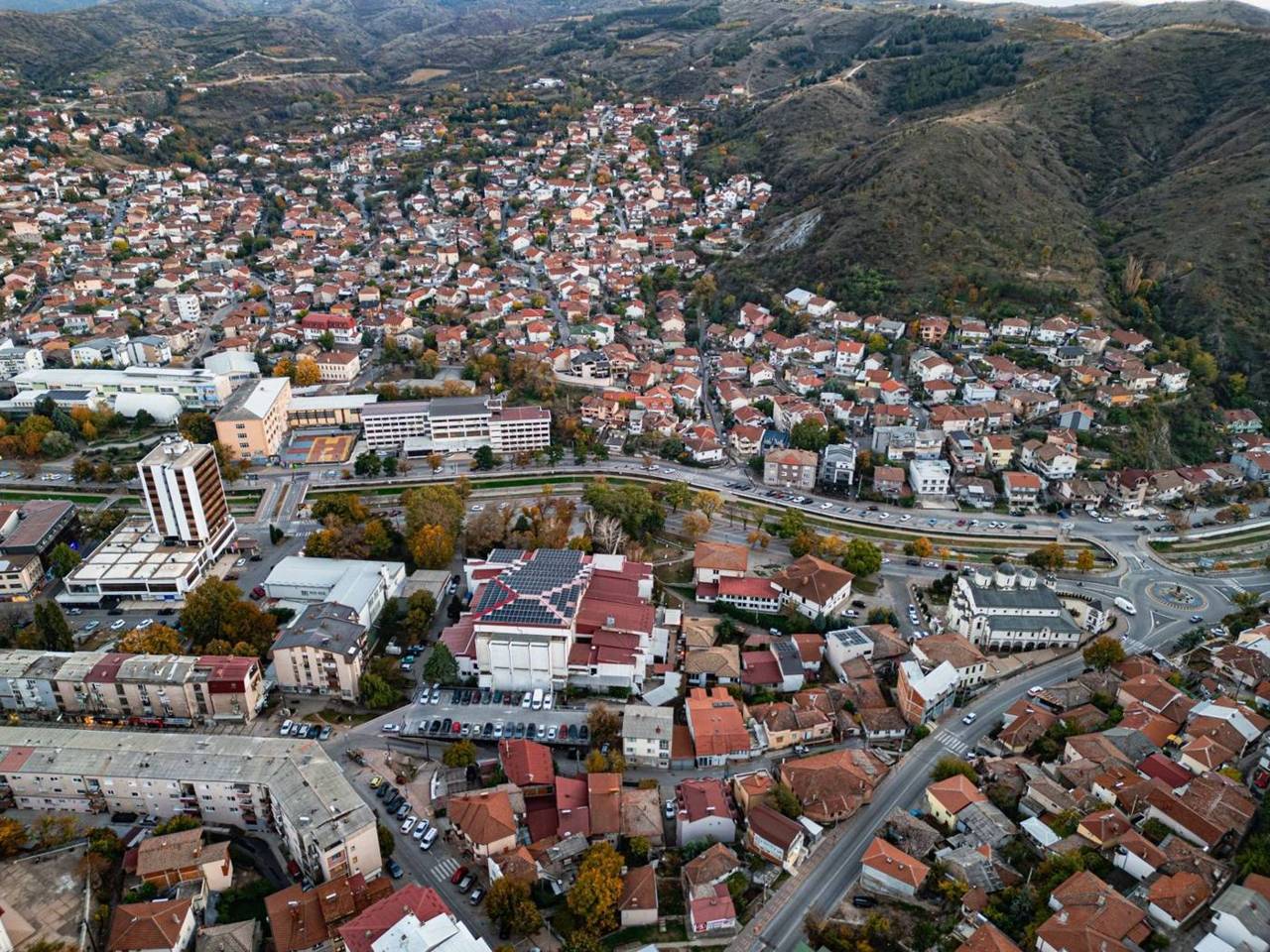
Kratovo and Kokino
The town of Kratovo inside a volcanic crater with its medieval bridges and towers, the megalithic observatory of Kokino and the 'stone dolls' of Kuklica.