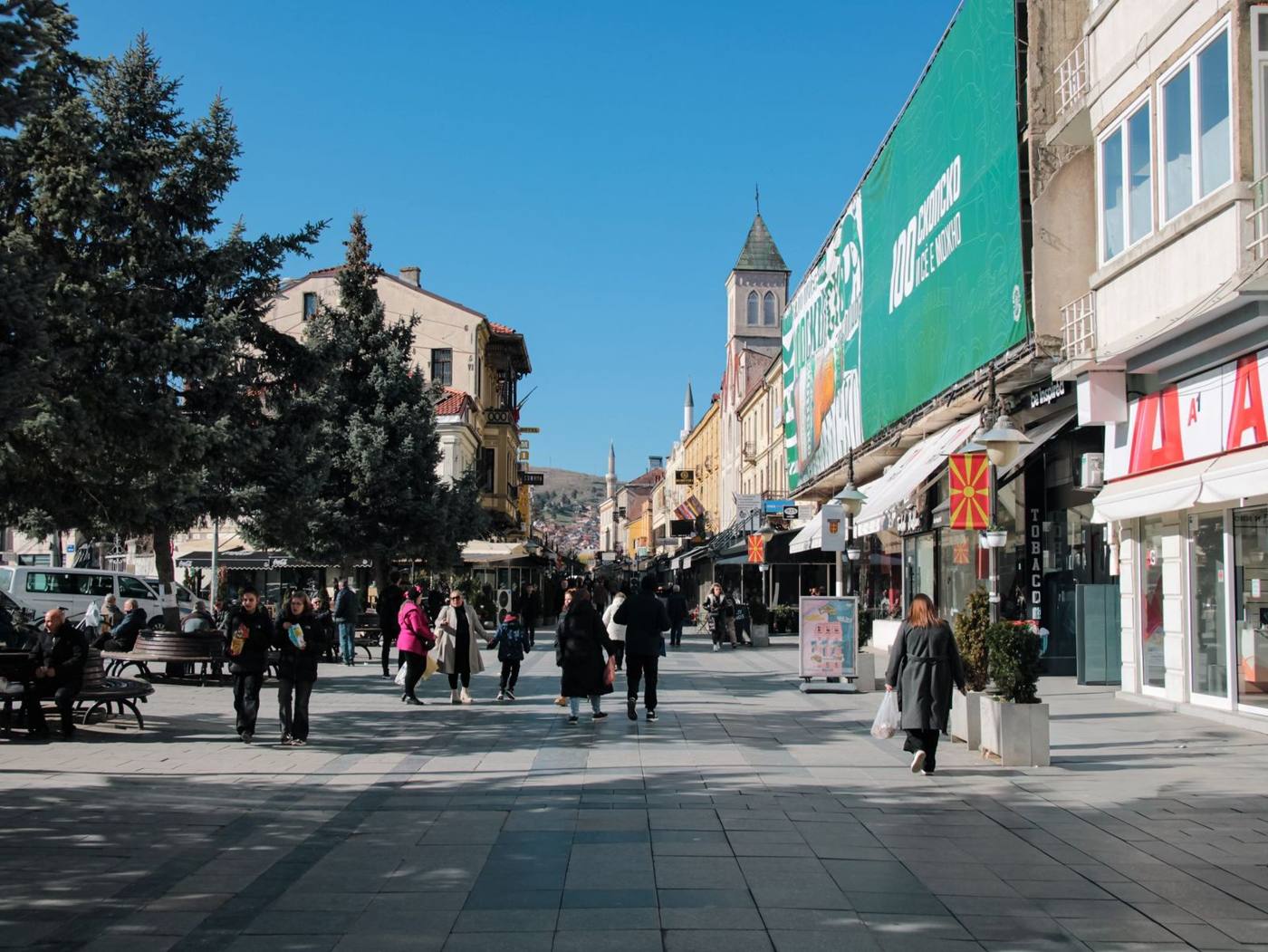
Bitola and Pelister
Bitola with its Širok Sokak street and cafés, the Roman mosaics of Heraclea Lyncestis, Pelister park with its molika pines and the Pelister Eyes lakes.
- Bitola
- Heraclea Lyncestis
- Dihovo
- Pelister
Day by day
- Day 1
Bitola and Širok Sokak
This trip takes you to southern North Macedonia, to Bitola, the most elegant city in the country, with a mountain behind it: Širok Sokak street with its cafés, the Roman mosaics of Heraclea Lyncestis, the village of Dihovo and Pelister National Park, with its molika pines and the glacial lakes called the Eyes of Pelister. You get around on foot, by taxi or by car.
Before you go: Italian citizens can enter North Macedonia with an electronic identity card or a passport, with no visa needed, for stays of up to 90 days; bring a document with at least three months' remaining validity. The paper identity card has no longer been valid for foreign travel since 3 August 2026. Other nationalities should check their own rules. North Macedonia is not in the European Union: the EHIC is not valid, and for hiking you need insurance that also covers mountain rescue. The currency is the denar. The country is calm for travellers; from April to October there are wildfires, and in the mountains the weather changes quickly.
You reach Bitola from Skopje in about two and a half hours by car or bus, or from Ohrid in about an hour and a quarter. In the afternoon walk along Širok Sokak, the great pedestrian street, with pastel coloured nineteenth century neoclassical buildings, iron balconies and open air cafés. In the nineteenth century Bitola was called the city of consuls, because many foreign consulates were based here.
At the end of the street you reach the clock tower and the old bazaar, with the covered market, Ottoman mosques and small shops.
Practical tip: on summer evenings Širok Sokak is full of people until late; for quiet photos of the buildings go early in the morning.
- Day 2
Heraclea Lyncestis and its mosaics
On the second day you visit the ancient city on the edge of Bitola.
In the morning walk or take a taxi to Heraclea Lyncestis, a couple of kilometres from the centre. The city was founded by Philip II of Macedon, father of Alexander the Great, in the fourth century BC, and later became an important Roman city on the Via Egnatia, the road that linked the Adriatic with Constantinople.
Walk among the remains of the Roman theatre, the baths, the bishop's residence and the early Christian basilicas. The finest part is the floor mosaics, above all the one in the great basilica, with trees, deer, peacocks, birds and other animals around a fountain, representing paradise. In winter some mosaics are covered to protect them: check prices and times and ask which ones are visible.
In the afternoon go back to town and visit the Bitola museum, in the old building of the Ottoman military academy, where the young Mustafa Kemal Atatürk also studied. The museum has finds from Heraclea and a room dedicated to him. Check prices and times.
Then move to Dihovo, a village at the foot of Pelister, a few kilometres from Bitola, where you sleep in village houses with home cooking.
In the evening have dinner with vegetables from the garden, cheeses, grilled meat and plum rakija.
Practical tip: there is little shade at Heraclea: in summer visit early in the morning and wear a hat.
- Day 3
The Eyes of Pelister
Today you do the great mountain hike, up to the glacial lakes of Pelister.
Pelister National Park, established in 1948, is the oldest in North Macedonia. It is famous for the molika pine, a five needled pine that grows only on a few mountains in the Balkans. The highest peak, Pelister, rises to more than 2,600 metres.
Set off at dawn from Dihovo. The climb to the lakes is long but easy, on marked paths and tracks, first through forests of beech and molika pine, then across open pastures above the tree line. If you want to shorten the day, get a lift by car higher up, to the hut on the park road, and walk from there. You reach the Big Lake, a sheet of dark water among the boulder fields, and not far away the Small Lake: these are the Eyes of Pelister. Around you are granite boulders, meadows and, on clear days, the Pelagonia plain.
Eat by the lake and walk down slowly by the same route. Allow the whole day.
In the evening, back in Dihovo, cool off in the pools of the stream that comes down from the mountain.
Practical tip: even in summer bring a waterproof jacket, a warm layer and plenty of water, and head down at once if fog or storms arrive: at altitude the weather changes quickly. Do not hike alone and tell someone your route.
- Day 4
A morning in Dihovo and the return
On the last day you rest after the mountain and head home.
In the morning walk slowly through the village of Dihovo, among the stone houses, the orchards and the little church. Follow the stream to the natural pools of clear water, where in summer local people swim in the cold mountain water.
Then go back to Bitola for a last coffee on Širok Sokak and to buy something at the market: homemade ajvar, the red pepper spread, cheeses, mountain honey and herbal tea from Pelister.
In the early afternoon set off for Ohrid, about an hour and a quarter away, or for Skopje, about two and a half hours away.
Trip summary: in four days you have seen Bitola with Širok Sokak, the clock tower and the old bazaar, the mosaics of Heraclea Lyncestis, the Bitola museum, the village of Dihovo and the glacial lakes of Pelister among the molika pines. It is the most elegant city in the country, with a real mountain a few kilometres away.
When to go: from May to October. For the hike to the lakes the best period is from June to September, when there is no more snow at altitude. In October the beech forests turn yellow and red.
Practical tip: buy ajvar and honey directly from families in Dihovo or at the Bitola market, where prices are lower and the produce is homemade.
The country's most elegant town with a mountain behind it. In Dihovo you sleep in village houses with excellent food. The hike to the lakes is long but easy.
Before you go
- Documents and visa
- EU citizens can enter with a valid identity card or passport, without a visa, for stays of up to 90 days in any 180. North Macedonia is not in the EU or the Schengen area. Other nationalities should check their own rules; British passports need at least three months' validity beyond the date you leave.
- Health and vaccines
- No vaccines required. The EHIC is not valid: take insurance covering medical costs and repatriation, and helicopter rescue if you hike in the mountains. Summers in the valleys are very hot: drink plenty of water. Emergencies: 112.
- Money and payments
- Macedonian denar. Cards work in cities and tourist areas; villages, markets and mountain guesthouses need cash. There are cash machines in every town.
- Power sockets
- Types C and F, 230 volts: you need an adapter for British plugs.
- Time zone
- Central European Time (UTC+1, summer UTC+2).
- Safety
- Attacks on foreign nationals are extremely rare, but there is pickpocketing and bag snatching in Skopje's shopping and nightlife areas, especially late at night. The UK says terrorist attacks cannot be ruled out and that organised crime groups are active in northern areas near the border with Kosovo. Wildfires are possible from April to October and the authorities often close forests in summer. Avoid driving after dark on unfamiliar rural roads. In the mountains the weather changes quickly and trails are not always marked: do not hike alone. Official advice: GOV.UK.
Information checked in November 2026 for Italian and EU citizens. Rules change: always check before you travel.
Variations
Shorter version: in two days you see Bitola and Heraclea Lyncestis, starting from Ohrid.
Longer version: add two days in Kruševo and Prilep, with the climb to the monastery of Treskavec.
Frequently asked questions
Is the hike to the Pelister lakes difficult?
It is long but easy, on marked paths with no technical sections. You need good fitness, because it takes almost the whole day if you start from Dihovo.
What are molika pines?
They are five needled pines that grow only on a few mountains in the Balkans. Pelister has some of the finest forests of this species.
Can you see the Heraclea mosaics all year?
Not always: in winter some are covered to protect them. Check prices and times and ask at the entrance which ones are visible.
Indicative itinerary written by World Atlas. Before booking, check timetables, seasonal openings, documents and safety.
 3 daysEasy
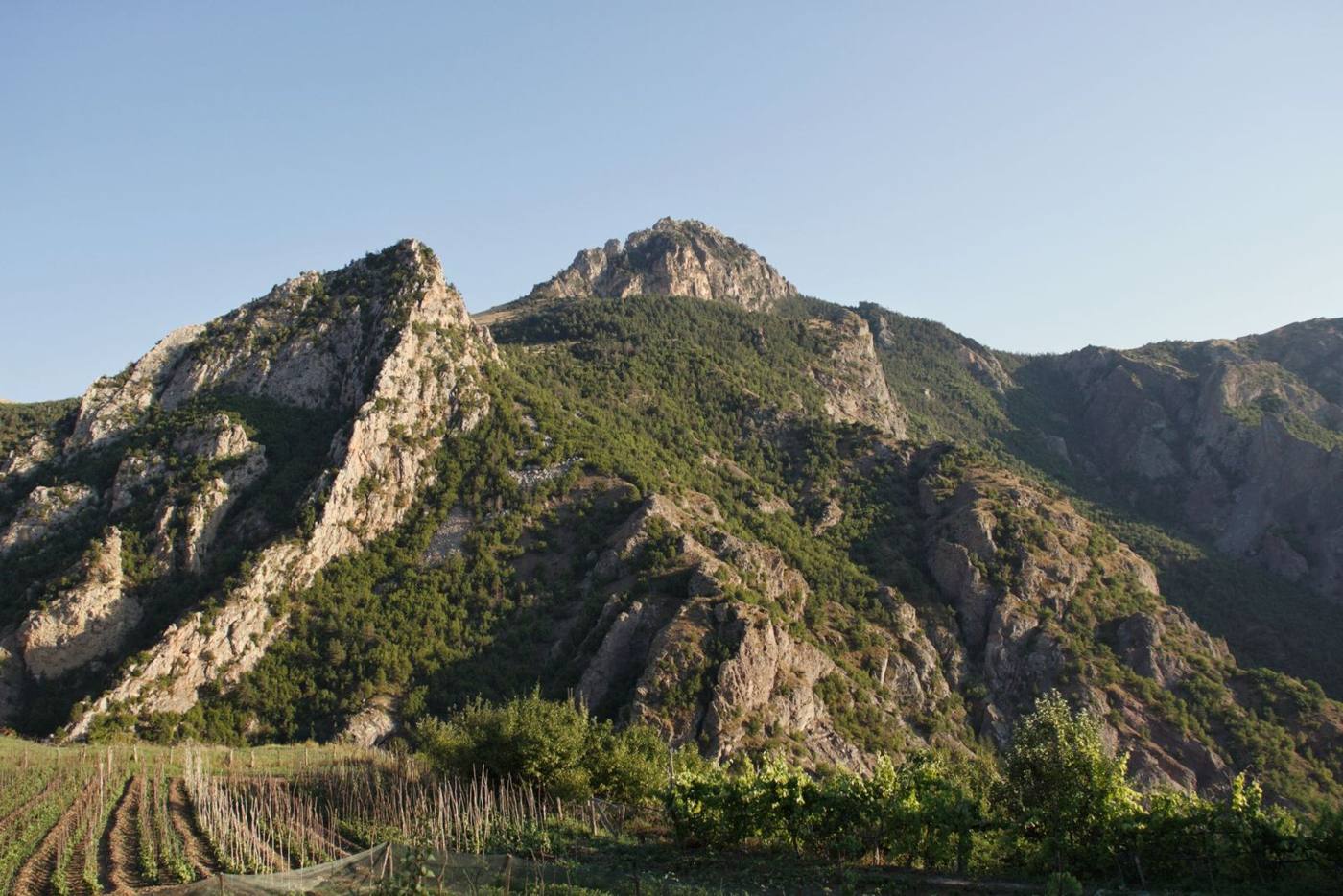
Tikveš wine country
The Macedonian wine region around Kavadarci and Negotino, the Roman ruins of Stobi, the Demir Kapija gorge and the red vranec grape.
 3 daysEasy
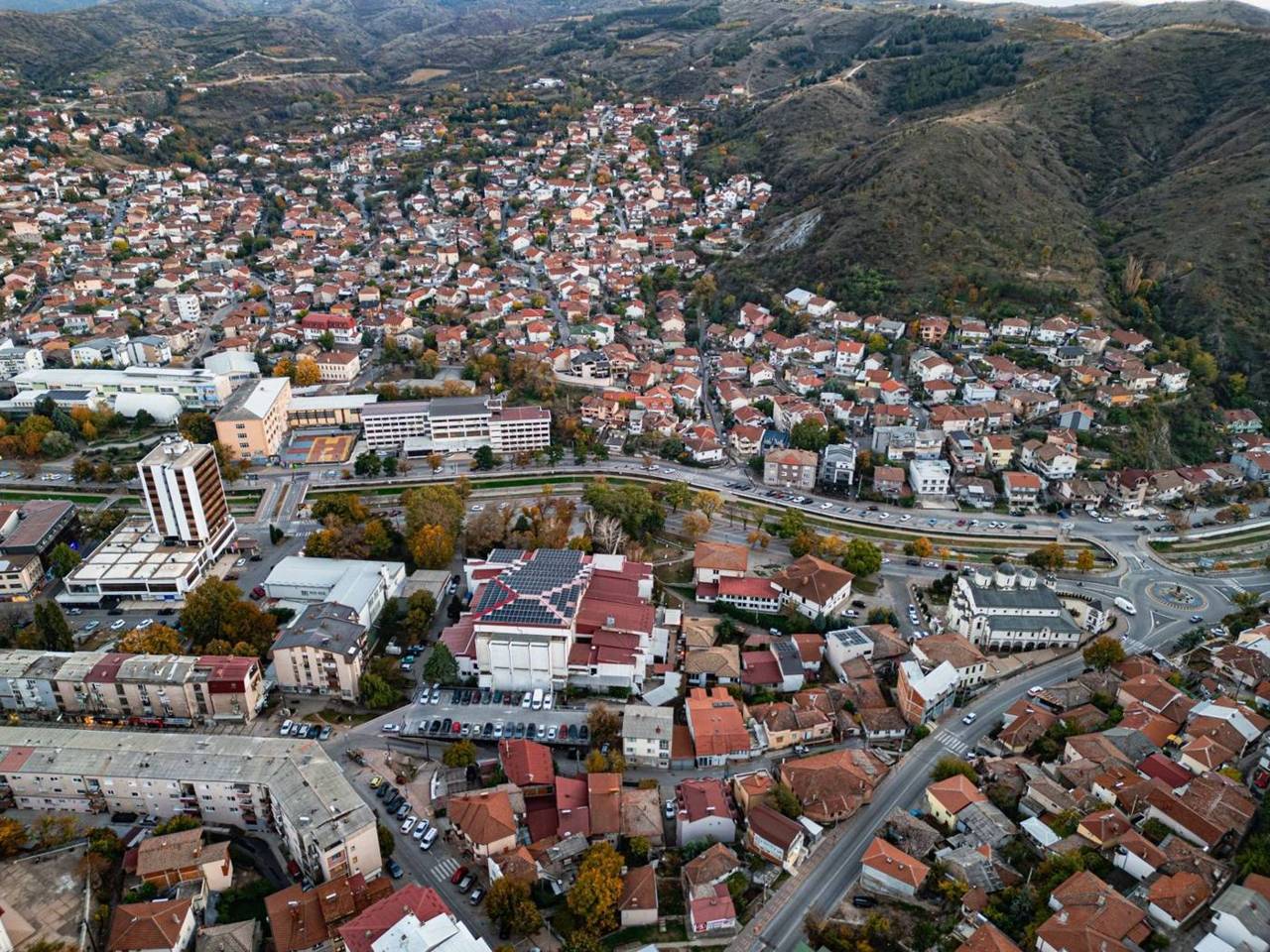
Kratovo and Kokino
The town of Kratovo inside a volcanic crater with its medieval bridges and towers, the megalithic observatory of Kokino and the 'stone dolls' of Kuklica.
 3 daysEasy
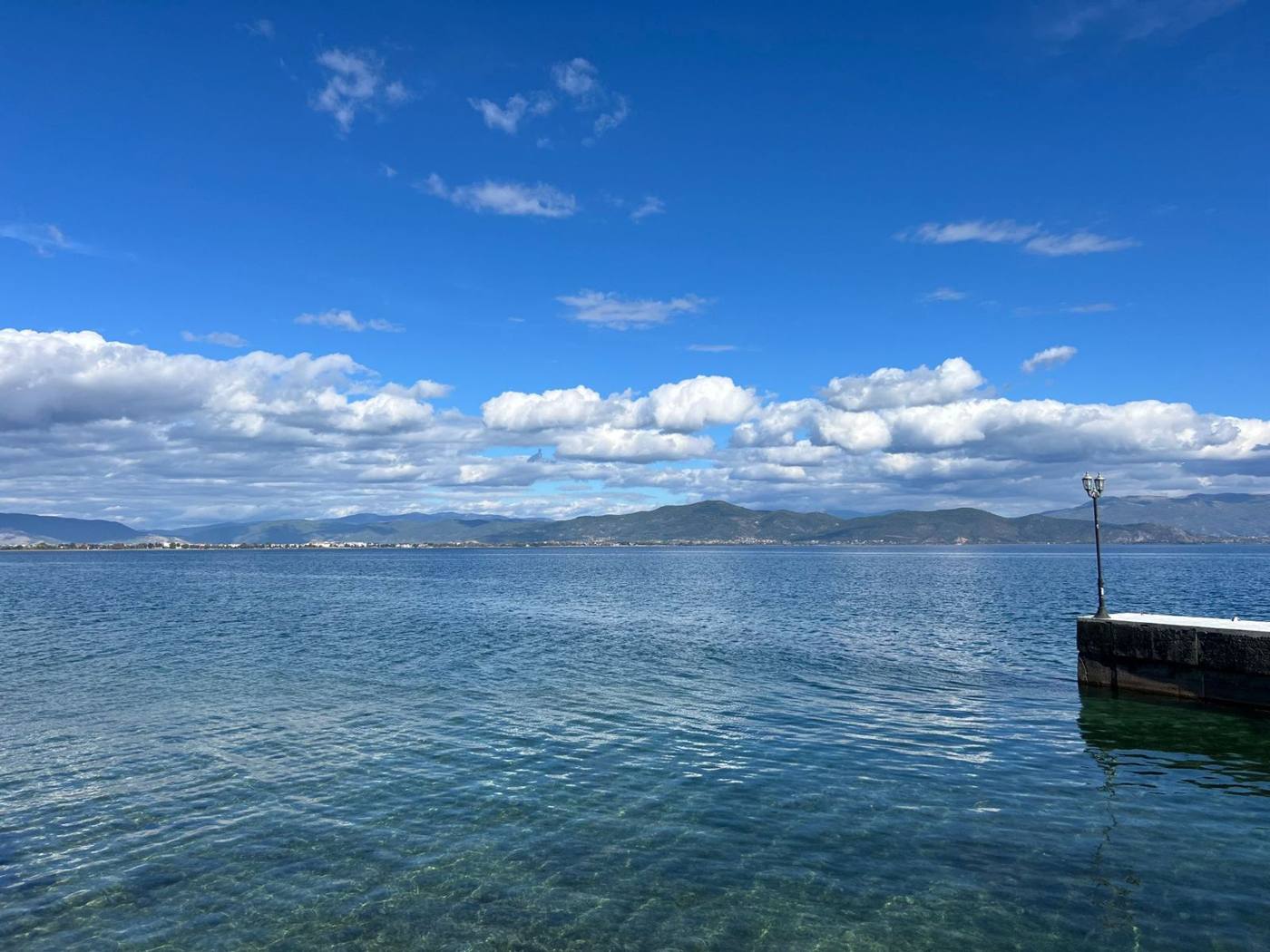
Struga and Vevčani
Struga where the Black Drin leaves Lake Ohrid, Vevčani village with its springs and its tongue-in-cheek 'republic', and the Vevčani carnival in January.