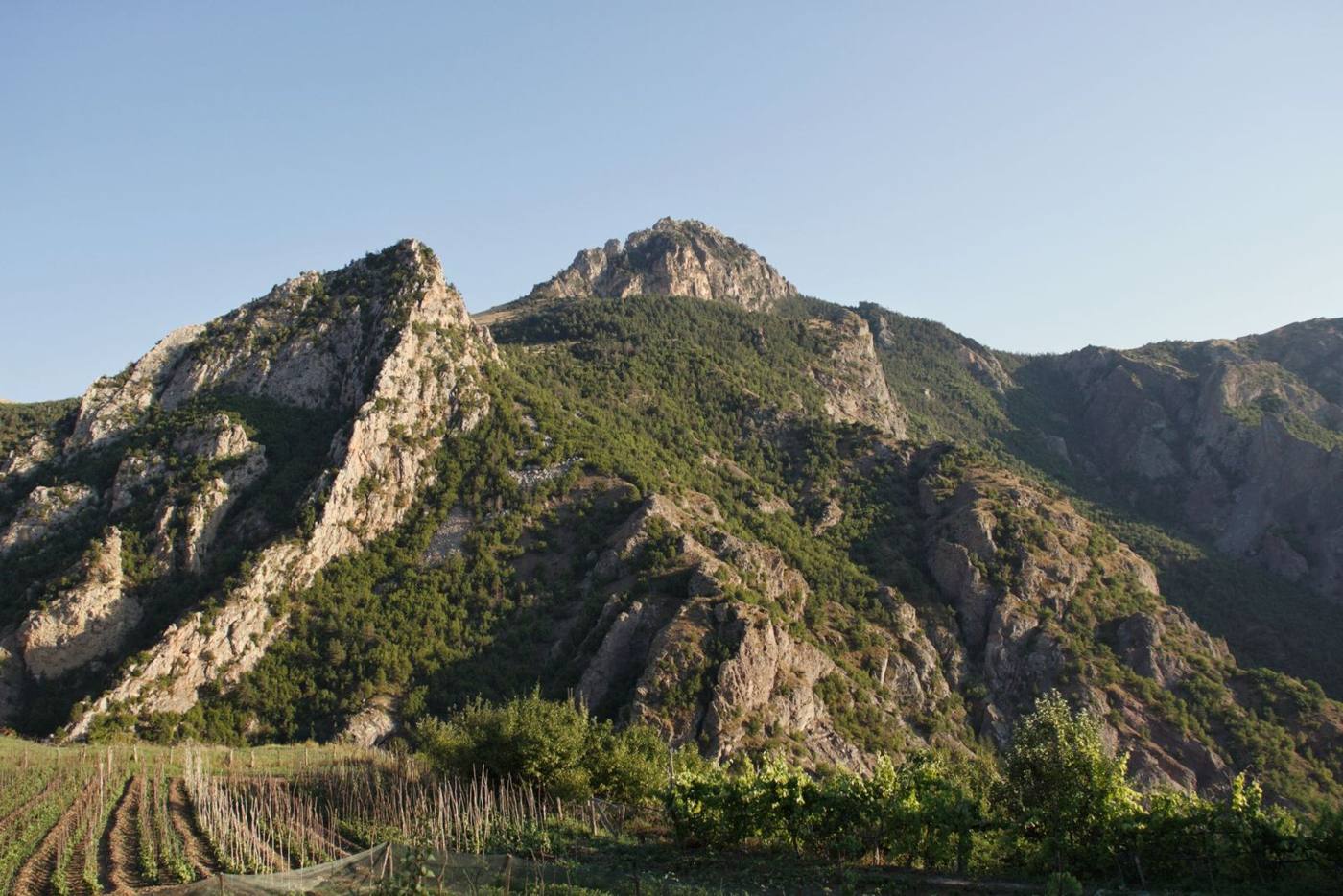
Tikveš wine country
The Macedonian wine region around Kavadarci and Negotino, the Roman ruins of Stobi, the Demir Kapija gorge and the red vranec grape.
- Stobi
- Kavadarci
- Negotino
- Demir Kapija
Day by day
- Day 1
The ruins of Stobi and Negotino
This trip takes you to Tikveš, the main wine region of North Macedonia, about an hour from Skopje: the Roman ruins of Stobi with their mosaics, the wineries of Negotino and Kavadarci, the red vranec grape and the Demir Kapija canyon on the Vardar river. You travel by car or with a driver.
Before you go: Italian citizens can enter North Macedonia with an electronic identity card or a passport, with no visa needed, for stays of up to 90 days; bring a document with at least three months' remaining validity. The paper identity card has no longer been valid for foreign travel since 3 August 2026. Other nationalities should check their own rules. North Macedonia is not in the European Union: the EHIC is not valid and you need travel insurance. The currency is the denar. The country is calm for travellers; in summer the valleys are very hot and from April to October there are wildfires.
From Skopje drive south along the Vardar valley for about an hour to Stobi, where the Vardar meets the Crna river. A large Roman and then early Christian city stood here, on the road between the Danube and the Aegean Sea. Walk along the paved streets, through the theatre, the baths, the houses of the wealthy and the basilicas. The floor mosaics, with animals, flowers and geometric patterns, are the finest part. Check prices and times.
In the afternoon carry on for about twenty minutes to Negotino and visit a winery for your first tasting. Try vranec, the dark, full bodied red typical of the country, and temjanika, an aromatic white.
Practical tip: visit Stobi early in the morning, because there is little shade on the site and at midday in summer the heat is strong.
- Day 2
The wineries of Kavadarci
You spend the second day among the vineyards around Kavadarci, the heart of Tikveš.
In the morning drive through hills covered in vines, with rows reaching right up to the villages. Tikveš has hot, dry summers and cool winters, a climate well suited to red grapes. Wine has been made here for many centuries, and today next to the large historic wineries there are many small family estates. Book visits ahead: many open by appointment only.
At the first winery visit the vineyards and the ageing cellars, and taste vranec in different styles, young and aged in wood. Also try stanušina, a lighter local red grape, and smederevka, the most widespread white of the region. Pair the wine with cheeses, ajvar, the roasted red pepper spread, and warm bread.
In the afternoon visit a second, smaller winery, where it is often the owner who tells you about the wine. Then, if you have time, drive to Lake Tikveš, an artificial lake south of town, among bare hills and green water.
In the evening go back to Kavadarci and have dinner with grilled meat, stuffed peppers and tavče gravče, beans baked in an earthenware dish.
Practical tip: do not drive after tastings: choose a local driver or an organised visit, or spit out the wine as you taste, as the experts do.
- Day 3
The Demir Kapija canyon and the return
On the last day you see the most famous gorge on the Vardar and return to Skopje.
In the morning drive south east for about half an hour to Demir Kapija, which in Turkish means iron gate. Here the Vardar river has carved a narrow canyon between high limestone walls. Walk the path along the river, with sheer cliffs, caves and birds of prey flying above the gorge. The walls are popular with climbers, with many bolted routes.
There are vineyards and wineries around Demir Kapija too, if you want a last tasting before you leave.
In the early afternoon return to Skopje, about an hour and a half by road.
Trip summary: in three days you have seen the ruins and mosaics of Stobi, the wineries of Negotino and Kavadarci with vranec, temjanika and stanušina, Lake Tikveš and the Demir Kapija canyon. It is a region of full bodied red wines at low prices, an hour from Skopje.
When to go: from May to October. September is harvest month: Kavadarci holds its wine festival, with music, parades and tastings in the streets. July and August are very hot, often over 35 degrees: visit the wineries in the morning and evening.
Practical tip: if you buy bottles to take home, remember that you are returning from a country outside the European Union: check the customs limits for alcohol.
Full-bodied red wines at low prices, an hour from Skopje. Stobi has beautiful mosaics. July and August are very hot.
Before you go
- Documents and visa
- EU citizens can enter with a valid identity card or passport, without a visa, for stays of up to 90 days in any 180. North Macedonia is not in the EU or the Schengen area. Other nationalities should check their own rules; British passports need at least three months' validity beyond the date you leave.
- Health and vaccines
- No vaccines required. The EHIC is not valid: take insurance covering medical costs and repatriation, and helicopter rescue if you hike in the mountains. Summers in the valleys are very hot: drink plenty of water. Emergencies: 112.
- Money and payments
- Macedonian denar. Cards work in cities and tourist areas; villages, markets and mountain guesthouses need cash. There are cash machines in every town.
- Power sockets
- Types C and F, 230 volts: you need an adapter for British plugs.
- Time zone
- Central European Time (UTC+1, summer UTC+2).
- Safety
- Attacks on foreign nationals are extremely rare, but there is pickpocketing and bag snatching in Skopje's shopping and nightlife areas, especially late at night. The UK says terrorist attacks cannot be ruled out and that organised crime groups are active in northern areas near the border with Kosovo. Wildfires are possible from April to October and the authorities often close forests in summer. Avoid driving after dark on unfamiliar rural roads. In the mountains the weather changes quickly and trails are not always marked: do not hike alone. Official advice: GOV.UK.
Information checked in November 2026 for Italian and EU citizens. Rules change: always check before you travel.
Variations
Shorter version: in one day from Skopje you see Stobi and a winery in Negotino.
Longer version: carry on south for two days to Lake Dojran and the Smolare waterfall.
Frequently asked questions
Do you need to book winery visits?
Yes, almost always. Many small wineries open by appointment only. Ask about prices and times when you book.
What is vranec?
It is the most typical red grape of North Macedonia, making a dark, full bodied, fruity wine. In Tikveš you find it young or aged in wood.
When is the Kavadarci wine festival?
Usually in September, during the harvest. Check the exact dates each year on the website of the municipality or the tourist board.
Indicative itinerary written by World Atlas. Before booking, check timetables, seasonal openings, documents and safety.
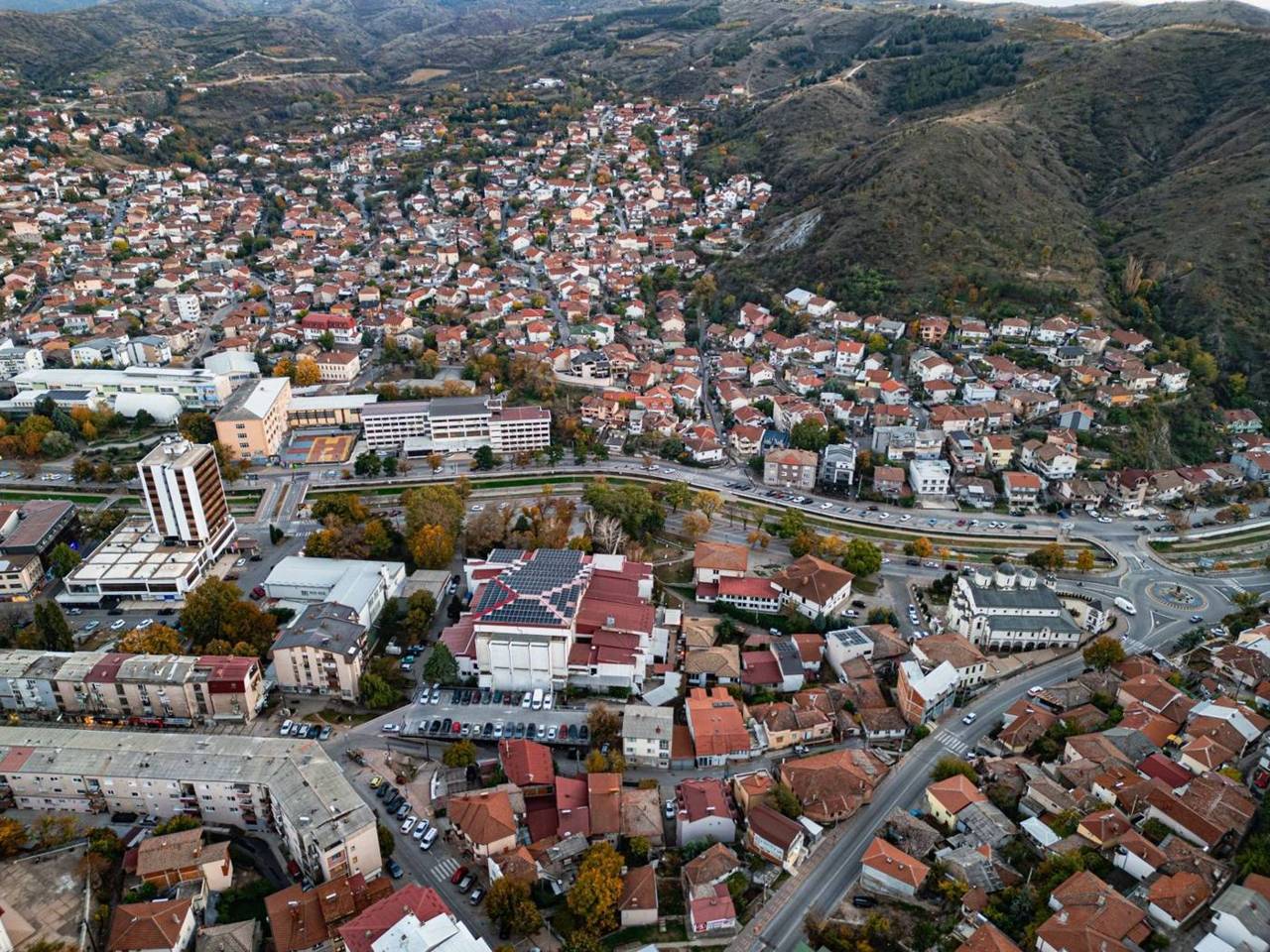 3 daysEasy
Kratovo and Kokino
The town of Kratovo inside a volcanic crater with its medieval bridges and towers, the megalithic observatory of Kokino and the 'stone dolls' of Kuklica.
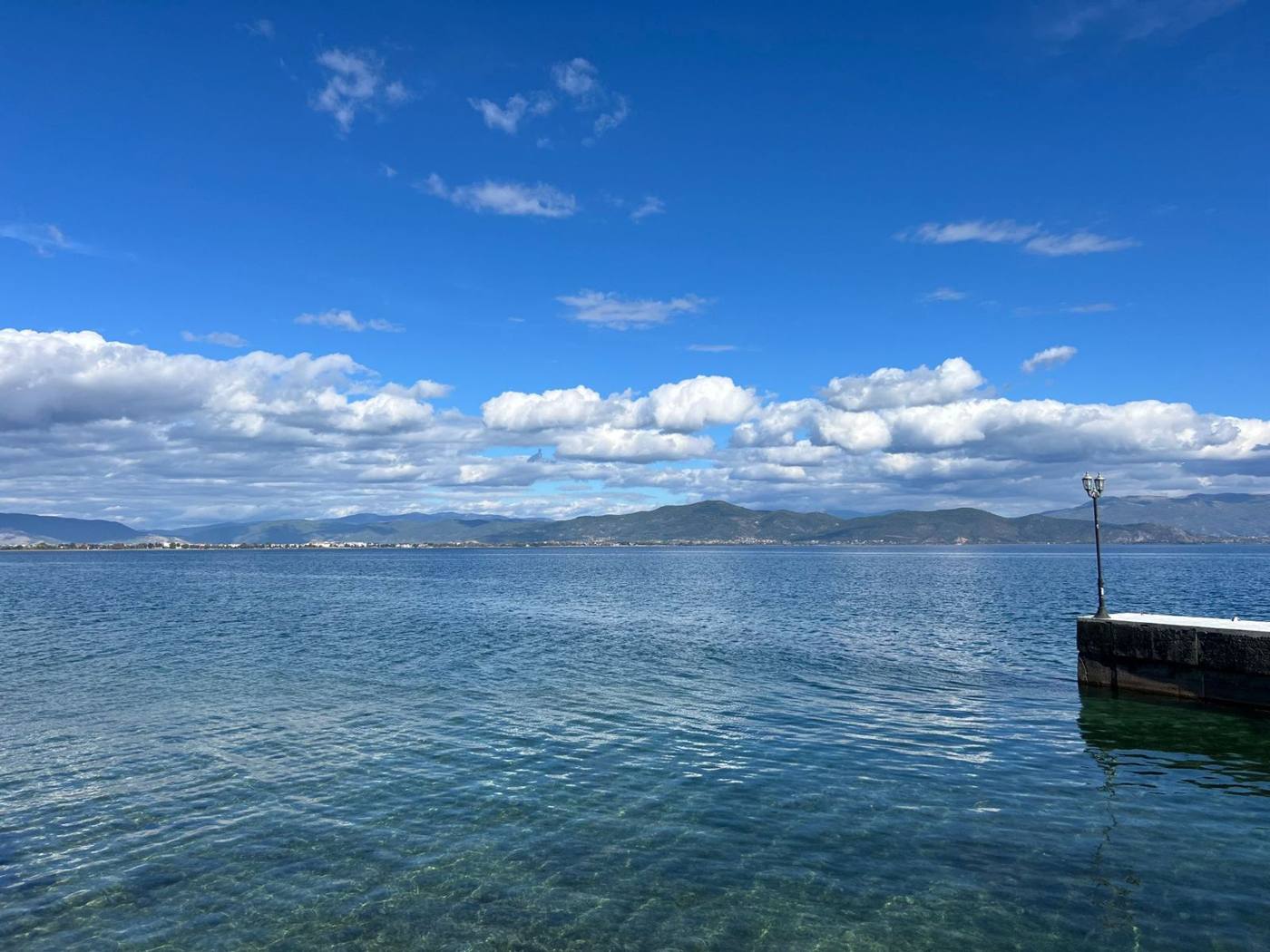 3 daysEasy
Struga and Vevčani
Struga where the Black Drin leaves Lake Ohrid, Vevčani village with its springs and its tongue-in-cheek 'republic', and the Vevčani carnival in January.
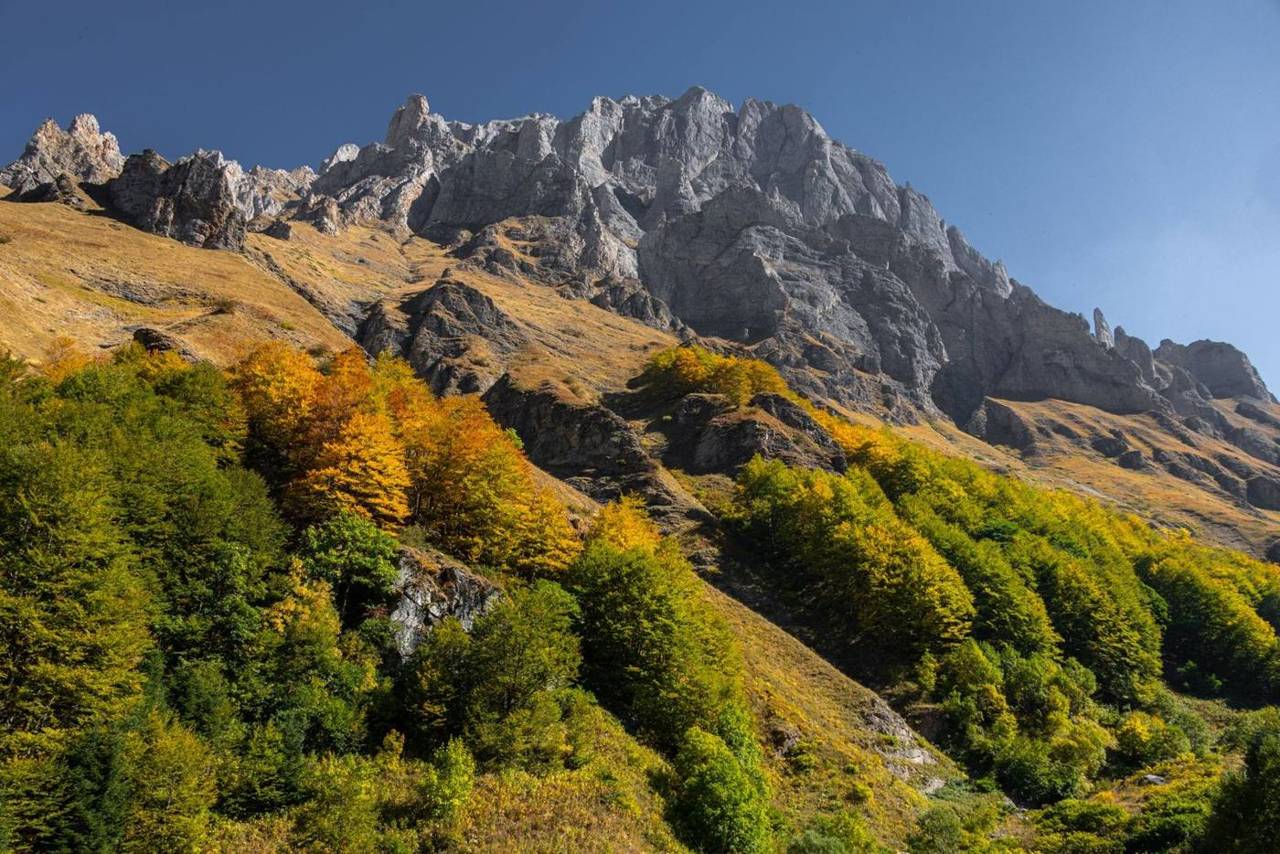 4 daysModerate
The Šar mountains
Tetovo with its painted mosque and the Arabati Baba dervish lodge, the ride up to Popova Šapka and hikes to the Šar glacial lakes up to Titov Vrv.