The Netherlands by bike
A week by bike from Amsterdam via the windmills, Utrecht, the rivers and dikes to Rotterdam, on paths separated from traffic.
- Amsterdam
- Weesp
- Utrecht
- Schoonhoven
- Kinderdijk
- Gouda
- Rotterdam
Day by day
- Day 1
Amsterdam and bike hire
This one-week trip takes you by bike from Amsterdam to Rotterdam, along the rivers Amstel, Vecht and Lek, through Utrecht, Schoonhoven, the windmills of Kinderdijk and Gouda. The Netherlands is the easiest country in the world for cycling: flat, with paths separated from traffic and signs everywhere. Stages are between thirty and sixty kilometres.
Before you go: the Netherlands is part of the European Union and the Schengen area and uses the euro. Italian citizens only need an electronic identity card valid for travel abroad or a passport; the paper identity card has not been valid for travel abroad since 3 August 2026. Other nationalities should check their own rules. Everyone aged 14 and over must be able to show ID to the police. Bicycle theft is very common: always lock your bike with two locks, one on the wheel and one to a post or rack.
You arrive in Amsterdam and spend the day in the centre: walk along the seventeenth century canals, a UNESCO World Heritage Site, and through the Jordaan. In the afternoon pick up the bike you have hired for the whole week: choose a touring bike with gears, panniers and two locks. Take a test ride in the Vondelpark to get used to it.
Go over the rules: ride on the red cycle paths, do not hold your phone, switch on your lights at night, obey the traffic lights and signal with your arm when you turn. Local cyclists are fast: keep right and let people overtake.
Sleep in Amsterdam.
Practical tip: download a map of the cycle junction network, the knooppunten: every junction has a number and you just follow the sequence of numbers so you never get lost.
- Day 2
Along the Amstel and the Vecht to Utrecht
Today is the longest stage, among rivers, villas and countryside, about sixty kilometres.
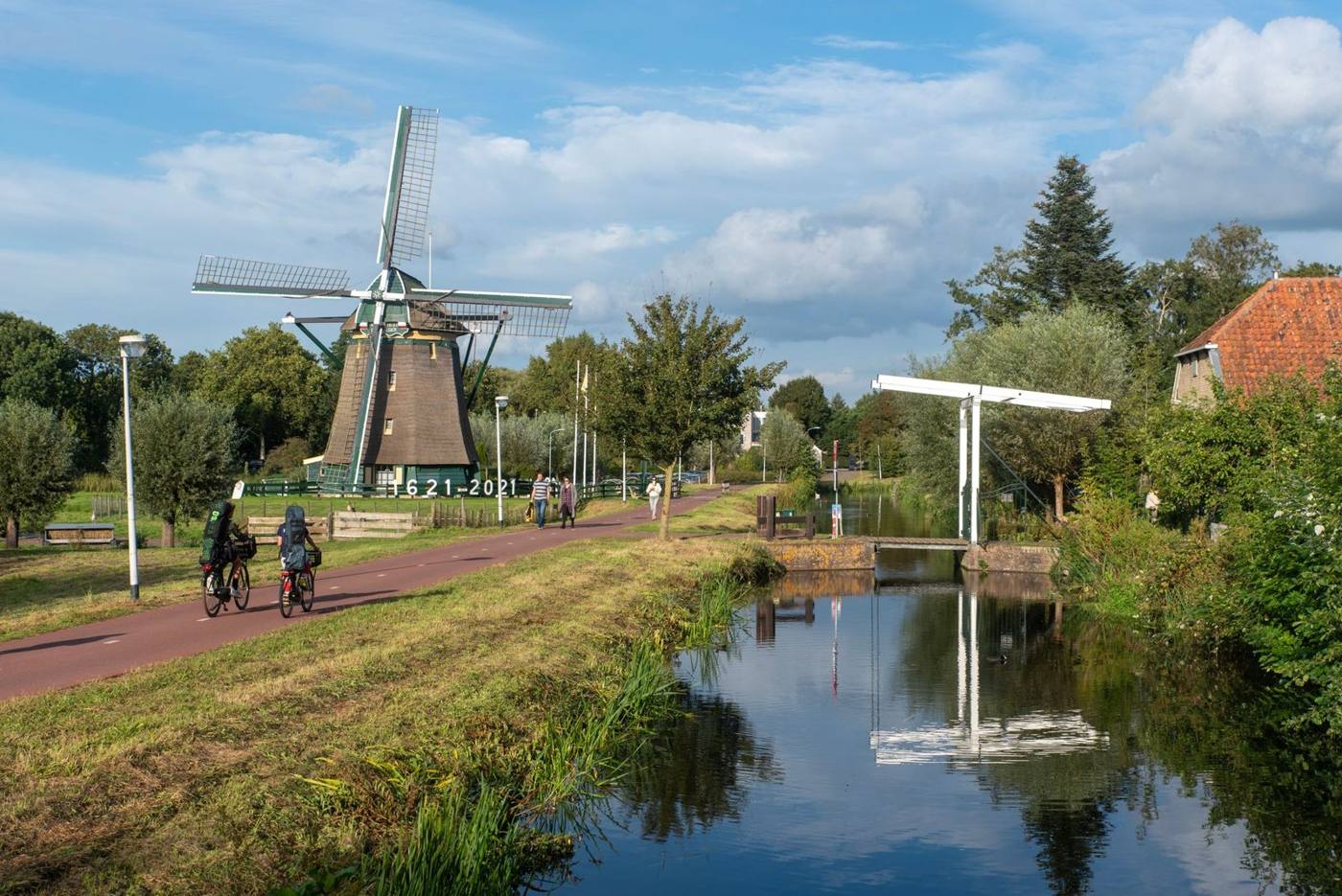
In the morning leave Amsterdam along the Amstel, the river that gave the city its name. Within a few kilometres you are among meadows, cows and windmills, as in the paintings of Rembrandt, who often drew these banks. Continue to Weesp, a small fortified town with canals, drawbridges and a windmill, now part of the municipality of Amsterdam. If you have time, make a detour of a few kilometres to the medieval castle of Muiden, with brick towers and a moat. Check prices and times.
From here follow the Vecht south. Along the river, in the seventeenth and eighteenth centuries, rich Amsterdam merchants built their country houses, with gardens and tea houses overlooking the water. Many can be seen from the path, behind their gates. Ride through the villages of Loenen and Breukelen, which gave its name to Brooklyn in New York.
In the afternoon stop in Maarssen, then ride into Utrecht along the Vecht, right to the centre.
In the evening walk along the Oudegracht, the main canal, lit up at night.
Sleep in Utrecht, for two nights.
Practical tip: a headwind can make even a flat stage tiring; check the wind direction the evening before and set off early if it is strong.
- Day 3
Utrecht and the canals with cellars on the water
Today the bike rests and you discover Utrecht, one of the oldest cities in the Netherlands.
In the morning climb the Dom Tower, about 112 metres high, the tallest church tower in the country. You climb with a guide, up more than four hundred steps, and on clear days you can see as far as Amsterdam from the top. The tower stands apart from the church because a storm in 1674 brought down the nave. Check prices and times.
Then walk along the Oudegracht, the medieval canal with two levels: above, the street; below, the quays with the old merchants' cellars dug under the road, the werfkelders, now turned into terraces on the water. Utrecht is the only Dutch city with a system like this.
In the afternoon visit the Rietveld Schröder House, built in 1924 by the architect Gerrit Rietveld, a UNESCO World Heritage Site: a small house with movable walls and the primary colours of the De Stijl movement. Entry is only with a booked time slot. Check prices and times.
Towards evening pass by Central Station to see the largest bicycle park in the world, underground, with thousands of spaces on several floors.
Sleep in Utrecht.
Practical tip: in Utrecht park your bike only in the guarded bike parks or in the racks: bikes left in the wrong place are removed.
- Day 4
The river Lek to Schoonhoven
Today you ride on the banks of one of the great Dutch rivers, about forty-five kilometres.
In the morning leave Utrecht heading south and reach the Lek, the branch of the Rhine that flows towards Rotterdam. The path runs along the top of the dyke: on one side the wide river with its barges, on the other the polders lying below the water level, with farms and orchards. You understand well why water here is always a matter of life.
Ride through Vianen and the small villages along the dyke. Along the river you find small ferries for pedestrians and bikes linking the two banks: they are part of everyday life and a pleasant way to change sides. Check prices and times.
In the afternoon you arrive in Schoonhoven, the silver town, with its walls, harbour and a central canal with bridges. Silversmiths have worked here for centuries and there is a school that trains goldsmiths and silversmiths. Visit the museum of precious crafts, with silver objects, clocks and jewellery, and the craftsmen's workshops. Check prices and times.
At sunset walk on the dyke facing the river.
Sleep in Schoonhoven.
Practical tip: there are almost no shops on the dykes: bring water, a snack and a puncture repair kit.
- Day 5
Kinderdijk and Gouda with its cheese
Today is the richest stage, with the most famous windmills and a cheese town, about fifty kilometres in all.
In the morning follow the Lek west to Kinderdijk. Here 19 eighteenth century windmills line the canals; they were used to pump water out of the polders and have been a UNESCO World Heritage Site since 1997. Ride along the path between the mills, reflected in the canals, and visit one of the museum mills, where you see how the miller's family lived. Check prices and times.
At midday head north again, through polders and small villages, to Gouda.
Gouda is the town of the cheese that bears its name. In the market square stands the fifteenth century Gothic town hall, with white stone façades and red and white shutters, one of the oldest in the Netherlands. Next to it is the cheese weighing house. On Thursday mornings in spring and summer the cheese market is held, with farmers and cheeses brought onto the square: check the dates.
Also visit Saint John's Church, the longest in the country, with its great sixteenth century stained glass windows. Check prices and times.
In the evening try stroopwafels, which were born right here in Gouda.
Sleep in Gouda.
Practical tip: get to Kinderdijk before 10am, when the groups have not yet arrived and the light on the mills is at its best.
- Day 6
From Gouda to Rotterdam
Today you reach the great modern city, with a short stage of about twenty-five kilometres.
In the morning leave Gouda and cycle along the river Hollandse IJssel and through the polders to the edge of Rotterdam. On the way you pass the lowest point in the Netherlands, near Nieuwerkerk aan den IJssel, almost seven metres below sea level. Further on, at Krimpen aan den IJssel, you pass the storm surge barrier on the Hollandse IJssel, the first of the great Delta Works, built after the flood of 1953.
At midday you enter Rotterdam, the city rebuilt after the bombing of 14 May 1940. Leave your bags at your accommodation and visit the Markthal, the arch-shaped covered market with its ceiling painted with fruit and flowers, and opposite it Piet Blom's cube houses, yellow cubes tilted on pillars.
In the afternoon cycle along the Maas to the Erasmus Bridge, white and slender, which locals call the Swan. Cross it and reach Kop van Zuid, the old port turned into a district of skyscrapers.
In the evening walk along the river, with the lights of the bridges reflected in the water.
Sleep in Rotterdam, for one night.
Practical tip: many streets in Rotterdam have wide cycle paths but also complex junctions with trams; slow down and watch the cycle traffic lights carefully.
- Day 7
Rotterdam and departure
On the last day you see more of Rotterdam and return the bike.
In the morning cycle to Delfshaven, the small historic harbour that escaped the bombs, with seventeenth century houses, a windmill and the church from which the Pilgrim Fathers set off in 1620. Then visit the Depot Boijmans Van Beuningen, the mirror-clad art depot open to the public, with its rooftop garden. Check prices and times.
In the afternoon return the bike. If you hired it in Amsterdam and have to take it back there, you can put it on the train: you need a bike ticket, the Fietskaart Dal, which costs 8.50 euros, on top of your own ticket. On weekdays bikes are not allowed from 6.30am to 9am and from 4pm to 6.30pm; in July and August and at weekends they are allowed all day.
In short: in a week you have cycled along the Amstel and the Vecht, seen Utrecht and its cellars on the water, the dykes of the Lek, the silver town, the windmills of Kinderdijk, the cheese of Gouda and the architecture of Rotterdam.
When to go: from May to September, with long days and milder weather. April has the flowers, but it can be cold and rainy; in July and August the paths are busier but bikes can go on trains at any time.
Practical tip: many rental companies let you return the bike in another city; ask when you book, so you avoid the train journey back with the bike.
The easiest country in the world to travel by bike, flat and with paths everywhere. A headwind can make even short stages tiring. Trains take bikes outside rush hours with a special ticket. Always lock hire bikes with two locks: thefts are frequent.
Before you go
- Documents and visa
- EU citizens need a valid identity card or passport: the Netherlands is in the EU and the Schengen area. Everyone aged 14 and over must be able to show ID to the police, so always carry your document. Other nationalities should check the Schengen rules.
- Health and vaccines
- No vaccines required and healthcare is efficient. EU citizens should bring their EHIC; take insurance covering medical costs and repatriation. Emergencies: 112.
- Money and payments
- Euro. Cards are accepted almost everywhere, and some places and museums do not take cash.
- Power sockets
- Types C and F, 230 volts.
- Time zone
- Central European Time (UTC+1, summer UTC+2).
- Safety
- A safe country, but pickpocketing is common in Amsterdam, especially around Central Station, on trains and trams to Schiphol and in crowded places; bicycle theft is very common too. The terrorist threat is considered substantial and security checks are tighter at airports, stations and museums. Hard drugs are illegal and smoking cannabis in public places is not allowed. Watch out for cycle lanes when crossing the road. Official advice: GOV.UK.
Information checked in November 2026 for Italian and EU citizens. Rules change: always check before you travel.
Variations
In 5 days: from Utrecht to Rotterdam, reaching Utrecht by train.
In 10 days: add Delft, The Hague and Leiden, and return to Amsterdam along the coast.
Frequently asked questions
Can you take a bike on the train?
Yes, with the Fietskaart Dal, which costs 8.50 euros, on top of your own ticket. On weekdays bikes are not allowed from 6.30am to 9am and from 4pm to 6.30pm, except in July and August.
Do you need to be very fit?
No. The roads are flat and stages range from twenty-five to sixty kilometres. The real effort is the headwind: set off early and take frequent breaks.
What document do I need for the Netherlands?
Italian citizens only need an electronic identity card valid for travel abroad or a passport. Other nationalities should check their own rules.
Indicative itinerary written by World Atlas. Before booking, check timetables, seasonal openings, documents and safety.
 4 daysEasy
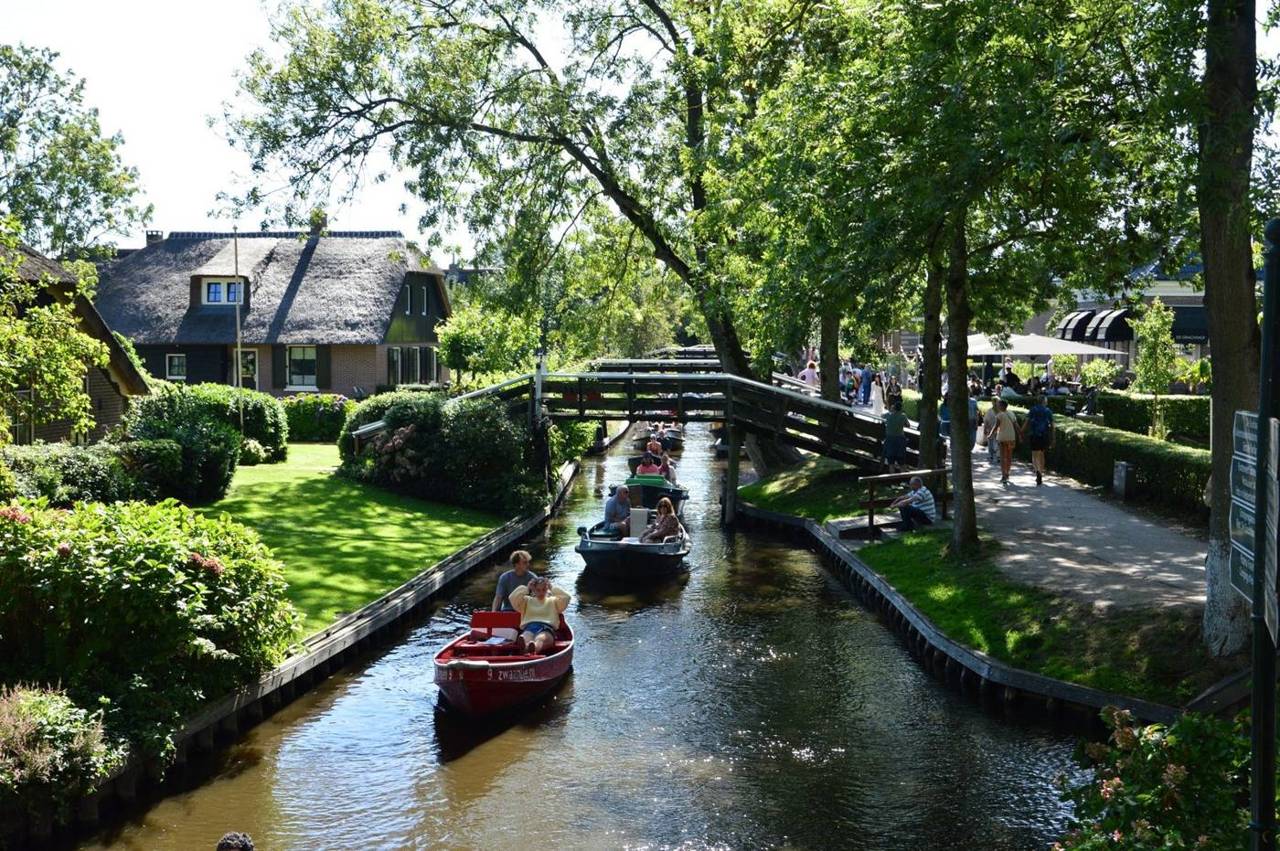
Giethoorn and Friesland
The clear of road village of Giethoorn, Weerribben-Wieden park by boat, the eleven cities of Friesland, Hindeloopen and the Afsluitdijk.
 4 daysEasy
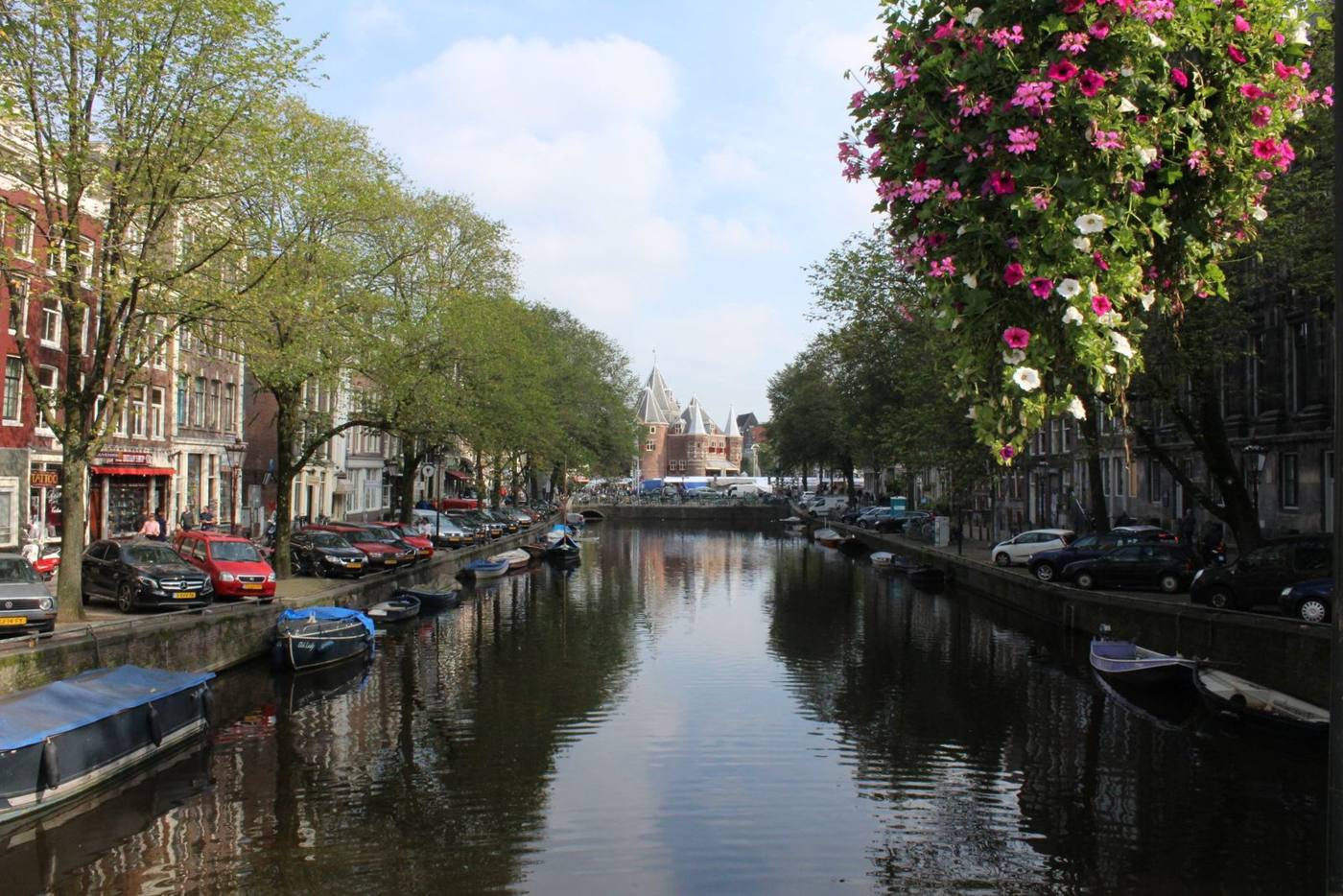
Amsterdam in four days
The UNESCO canals, the Rijksmuseum and Van Gogh Museum, the Anne Frank House, the Jordaan, Vondelpark and the north across the IJ.
 8 daysEasy
Classic Holland
Amsterdam, Haarlem, Leiden, The Hague with the Girl with a Pearl Earring, Delft and Rotterdam: art cities linked by trains every few minutes.