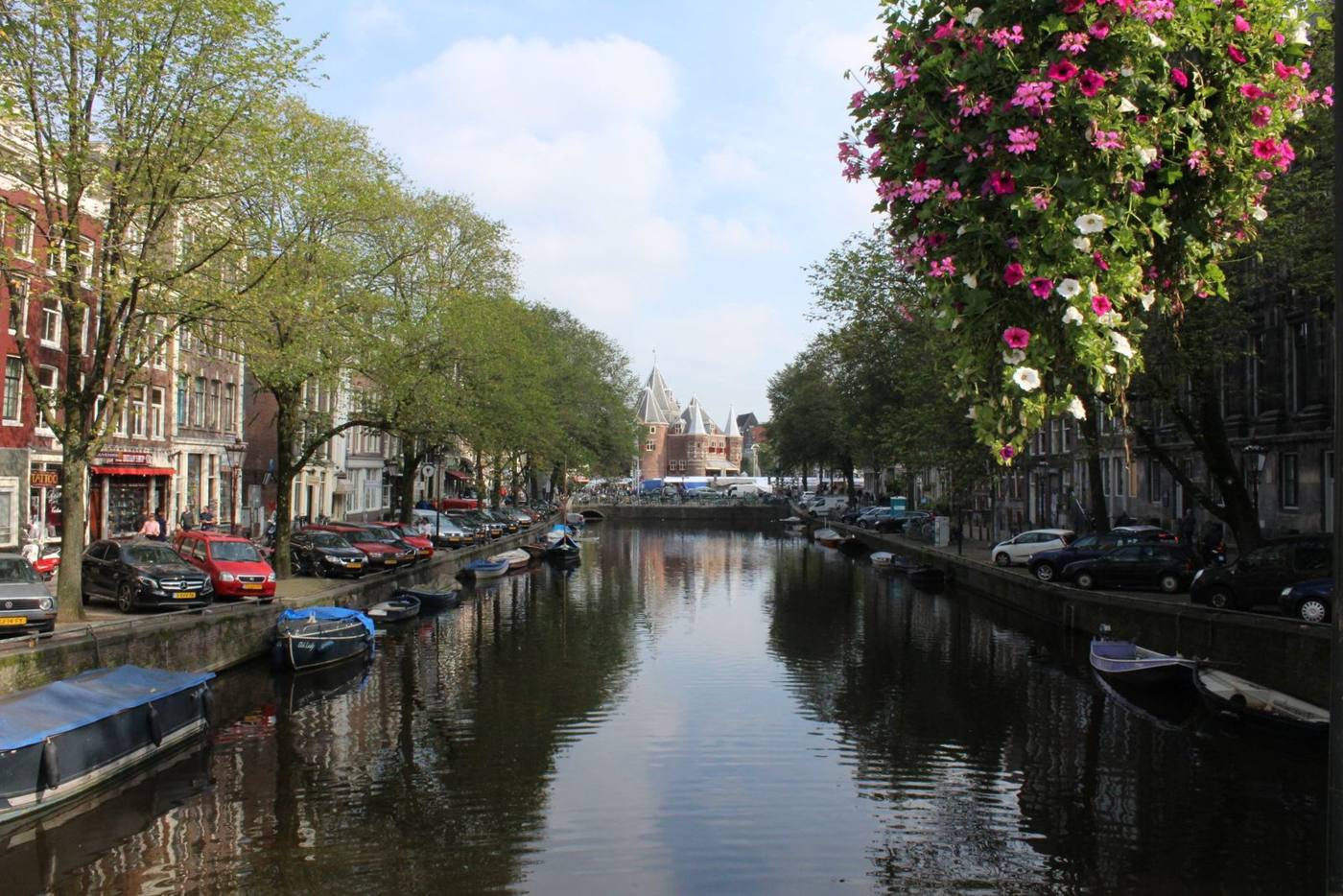
Amsterdam in four days
The UNESCO canals, the Rijksmuseum and Van Gogh Museum, the Anne Frank House, the Jordaan, Vondelpark and the north across the IJ.
- Centrum
- Jordaan
- Museumplein
- De Pijp
- Amsterdam-Noord
Day by day
- Day 1
The canals, the Jordaan and the Anne Frank House
This four-day trip shows you Amsterdam on foot, by bike and by boat: the seventeenth century canals, the great museums, the Jordaan and De Pijp districts and the north bank across the river IJ.
Before you go: the Netherlands is part of the European Union and the Schengen area and uses the euro. Italian citizens only need an electronic identity card valid for travel abroad or a passport; the paper identity card has not been valid for travel abroad since 3 August 2026. Other nationalities should check their own rules. Everyone aged 14 and over must be able to show ID to the police. Pickpocketing is common around Central Station and on trains to Schiphol. Amsterdam's tourist tax is a percentage of the price of your night: 12.5% in 2026 and 16% from 2027. Private flats can be rented to tourists for only 30 nights a year and for no more than four guests: avoid listings that break these rules.
In the morning walk along the canal ring, a UNESCO World Heritage Site dug in the seventeenth century: Herengracht, Keizersgracht and Prinsengracht, with the tall, narrow merchants' houses and the hooks under the roofs for hoisting furniture.
In the afternoon wander through the Jordaan, the former working-class district with hidden courtyards, narrow streets and small markets.
At your booked time go into the Anne Frank House, at 263 Prinsengracht, where the girl hid with her family from 1942 to 1944 and wrote her diary. Tickets are sold only online, for a set date and time; from 2027 a full ticket costs 17 euros, including the booking fee.
Sleep in Amsterdam, for four nights.
Practical tip: Anne Frank House tickets are released every Tuesday at 10am for visits six weeks later; log on right on time.
- Day 2
Rijksmuseum, Van Gogh Museum and the Vondelpark by bike
Today is the day of the great museums, all around the Museumplein.
In the morning go into the Rijksmuseum, the national museum, with Rembrandt's Night Watch, Vermeer's Milkmaid and the galleries of the Dutch Golden Age, with model ships, Delft porcelain and doll's houses. Booking an entry time is compulsory for everyone. A full ticket costs 25 euros, rising to 26.50 euros from 2027; under 18s do not pay. It is open every day from 9am to 5pm.
In the early afternoon cross the square to the Van Gogh Museum, with the largest collection of the painter's work in the world, from The Potato Eaters to the Sunflowers and the wheat fields of his last months. Here too tickets have an entry time and must be bought online in advance: check prices and times.
In the late afternoon hire a bike and ride through the Vondelpark, the large English-style park with ponds and lawns. When cycling in Amsterdam follow these rules: use the red cycle paths and never the pavements; do not hold your phone while riding, it is illegal; at night switch on front and rear lights; obey the traffic lights. Lock your bike only in the racks, because the city removes badly parked bikes and to get yours back you have to go to the depot and pay.
Sleep in Amsterdam.
Practical tip: cross tram tracks at a right angle, because thin wheels easily get stuck in the rails.
- Day 3
De Pijp, the Albert Cuyp market and the canals by boat
Today you live the city like its residents, between markets, cafés and water.
In the morning go to De Pijp, the district south of the centre built at the end of the nineteenth century for workers and now full of places serving every cuisine. Walk through the Albert Cuyp market, one of the largest street markets in the Netherlands, open Monday to Saturday, with fruit, flowers, cheese and fabrics. Try warm stroopwafels, two thin wafers with caramel syrup, and raw herring with onion.
Then rest in the Sarphatipark, small and quiet.
In the afternoon take a boat trip on the canals, about an hour long. From the water you see the façades, the humpback bridges and the houseboats better. Choose a small open boat if the weather is good. Check prices and times.
Towards evening pass by the flower market on the Singel, with its tulip bulbs, and by Dam Square with the Royal Palace. Avoid the red-light district in the evening if it does not interest you: it is crowded, photographing the people in the windows is not allowed, and the city has banned smoking cannabis in the street in that area.
In the evening have dinner in an Indonesian place with rijsttafel, the rice table of many small dishes, a legacy of the colonial past.
Sleep in Amsterdam.
Practical tip: do not lean over the canal edges at night and do not go into the water: there are drownings every year and swimming in the canals is fined.
- Day 4
Amsterdam-Noord and the EYE Film Museum
On the last day you cross the river IJ to the north of the city.
In the morning go behind Central Station and take one of the municipal ferries to Amsterdam-Noord: they run constantly, carry bikes too and need no ticket. In a few minutes you reach the EYE Film Museum, a white, angular building on the bank, with exhibitions, cinemas and a terrace over the river. Check prices and times.
Then take another ferry to the former NDSM shipyard, an industrial area turned into a space for artists, with huge sheds, murals, cranes and second-hand markets at weekends.
In the afternoon go back to the centre for a last walk along the canals, or go up the viewing tower next to the EYE to see the city from above. Then leave.
In short: in four days you have seen the UNESCO canals, the Anne Frank House, the Rijksmuseum and the Van Gogh Museum, the Jordaan, De Pijp, the Vondelpark and the north across the river. Amsterdam is beautiful but crowded and expensive: book museums and accommodation early and get around by bike or on foot.
When to go: from April to September, with long days and open terraces. April is the month of tulips and of King's Day, on 27 April, when the city dresses in orange and is packed. Winter is grey and rainy but quieter, with the museums always open.
Practical tip: to get to Schiphol airport take the train from Central Station, fast and frequent; keep your backpack in front of you.
A beautiful city to enjoy by bike, but crowded and expensive. The Anne Frank House can only be booked online, usually six weeks ahead, and places go immediately. The Van Gogh Museum must be booked too. The city is curbing mass tourism, with high tourist taxes and strict rules in the red-light district.
Before you go
- Documents and visa
- EU citizens need a valid identity card or passport: the Netherlands is in the EU and the Schengen area. Everyone aged 14 and over must be able to show ID to the police, so always carry your document. Other nationalities should check the Schengen rules.
- Health and vaccines
- No vaccines required and healthcare is efficient. EU citizens should bring their EHIC; take insurance covering medical costs and repatriation. Emergencies: 112.
- Money and payments
- Euro. Cards are accepted almost everywhere, and some places and museums do not take cash.
- Power sockets
- Types C and F, 230 volts.
- Time zone
- Central European Time (UTC+1, summer UTC+2).
- Safety
- A safe country, but pickpocketing is common in Amsterdam, especially around Central Station, on trains and trams to Schiphol and in crowded places; bicycle theft is very common too. The terrorist threat is considered substantial and security checks are tighter at airports, stations and museums. Hard drugs are illegal and smoking cannabis in public places is not allowed. Watch out for cycle lanes when crossing the road. Official advice: GOV.UK.
Information checked in November 2026 for Italian and EU citizens. Rules change: always check before you travel.
Variations
In 3 days: combine De Pijp and Noord in a single day.
In 6 days: add a trip to the windmills of Zaanse Schans and one to Haarlem.
Frequently asked questions
How do you book Anne Frank House tickets?
Only on the official website: every Tuesday at 10am tickets are released for visits six weeks later, and they sell out fast. No tickets are sold at the door.
How much is the tourist tax in Amsterdam?
It is a percentage of the price of your night: 12.5% in 2026 and 16% from 2027. The accommodation usually adds it to the bill.
What document do I need for the Netherlands?
Italian citizens only need an electronic identity card valid for travel abroad or a passport. Other nationalities should check their own rules.
Indicative itinerary written by World Atlas. Before booking, check timetables, seasonal openings, documents and safety.
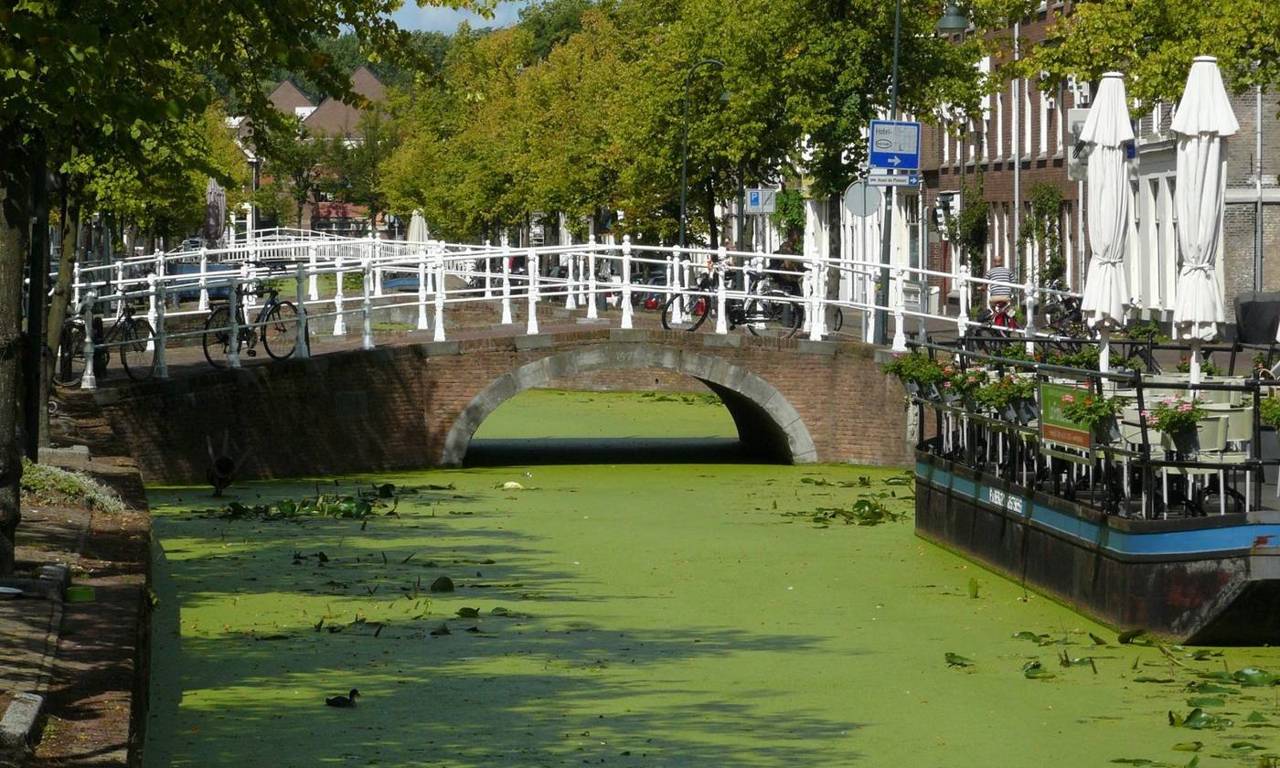 8 daysEasy
Classic Holland
Amsterdam, Haarlem, Leiden, The Hague with the Girl with a Pearl Earring, Delft and Rotterdam: art cities linked by trains every few minutes.
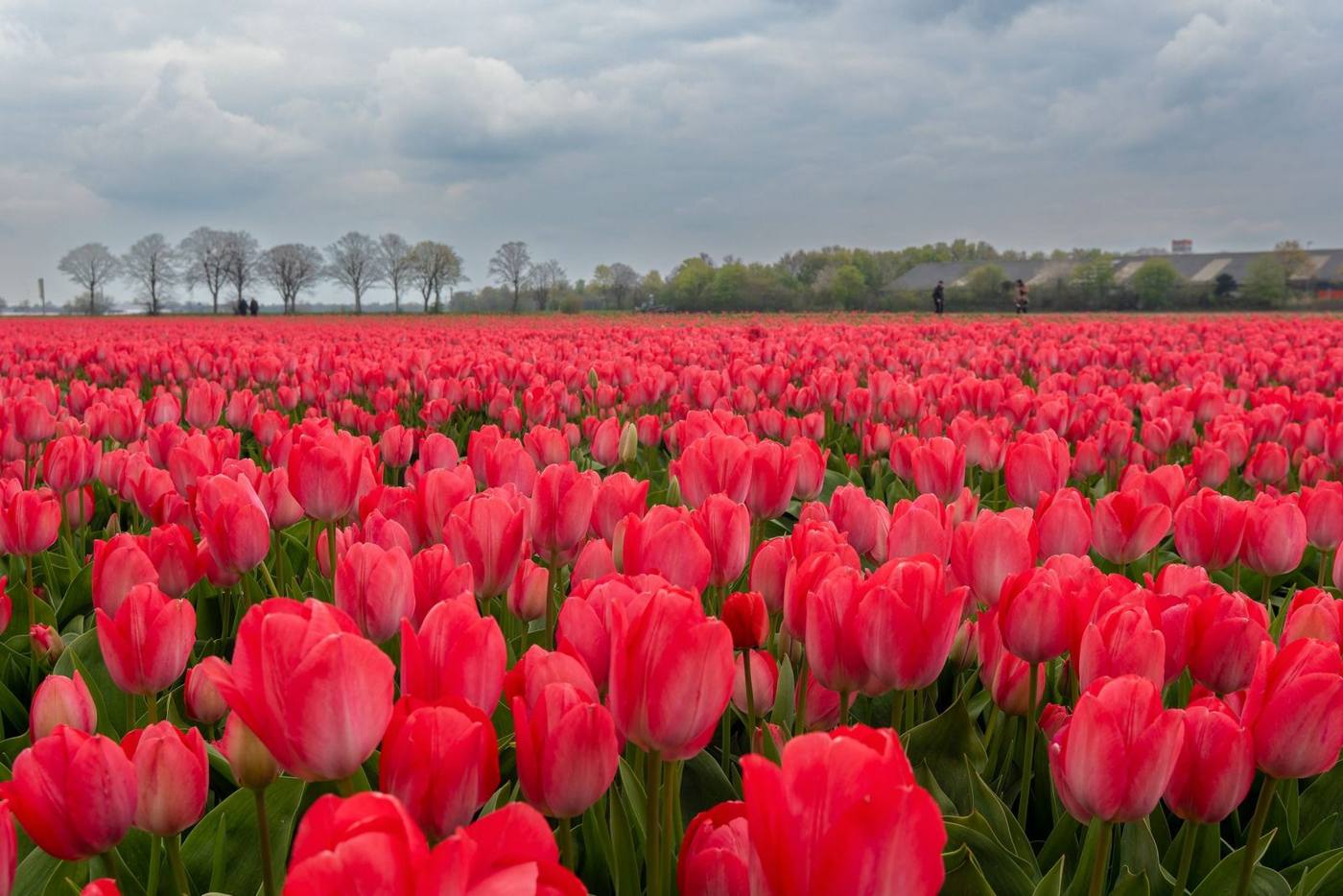 4 daysEasy
The tulips and Keukenhof
Dutch spring: Keukenhof park, the bulb fields by bike between Lisse and Noordwijk, the flower auction and Haarlem.
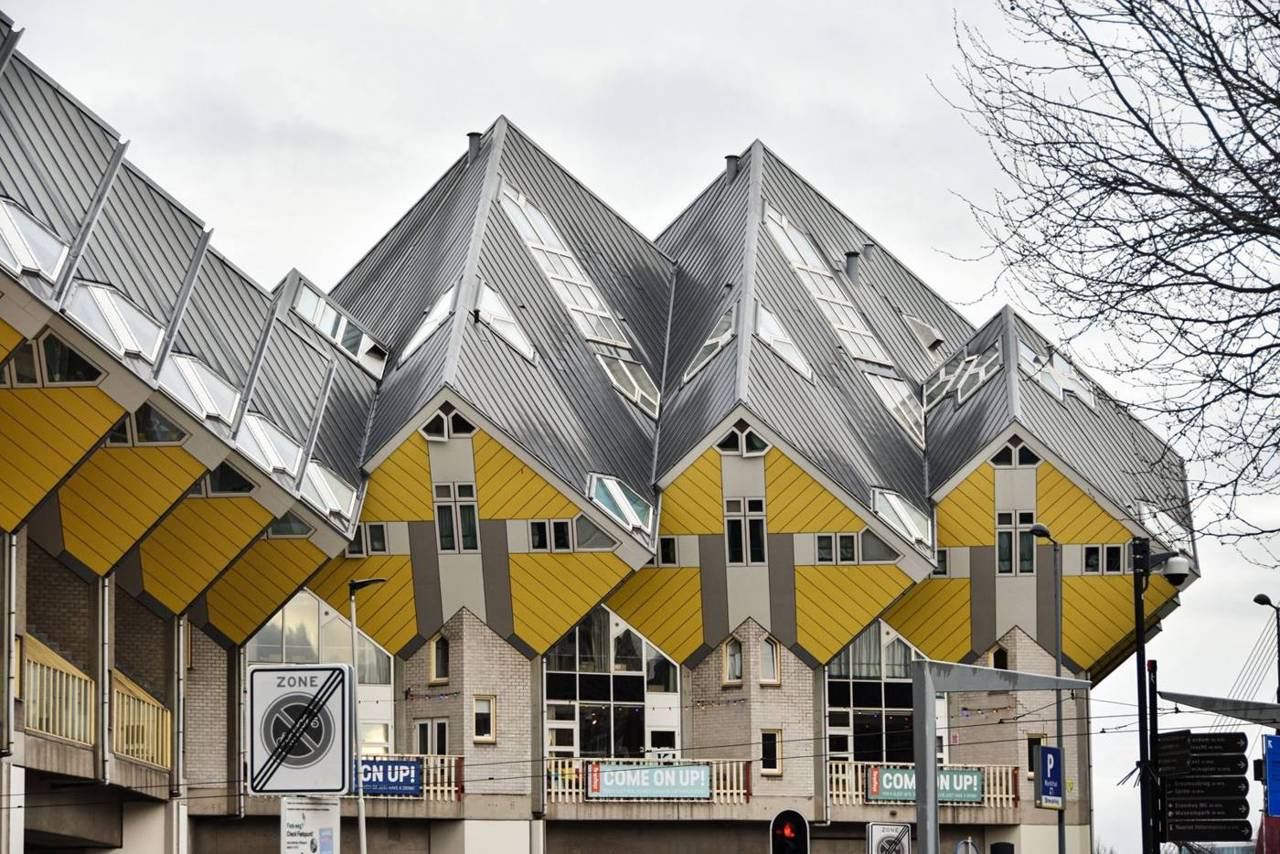 3 daysEasy
Rotterdam and its architecture
The city rebuilt after 1940: the Cube Houses, the Markthal, the Boijmans art depot, the Erasmus Bridge, the port and Kinderdijk.