Giethoorn and Friesland
The clear of road village of Giethoorn, Weerribben-Wieden park by boat, the eleven cities of Friesland, Hindeloopen and the Afsluitdijk.
- Giethoorn
- Weerribben-Wieden
- Sneek
- Hindeloopen
- Harlingen
- Afsluitdijk
Day by day
- Day 1
Giethoorn by electric boat
This four-day trip takes you to the Holland of water and countryside, far from the big cities: the village of Giethoorn, Weerribben-Wieden National Park, the towns of Friesland and the great Afsluitdijk dam. You need a car, or time and patience for the regional buses.
Before you go: the Netherlands is part of the European Union and the Schengen area and uses the euro. Italian citizens only need an electronic identity card valid for travel abroad or a passport; the paper identity card has not been valid for travel abroad since 3 August 2026. Other nationalities should check their own rules. Everyone aged 14 and over must be able to show ID to the police. In the countryside the main risk is bicycle theft: always lock your bike.
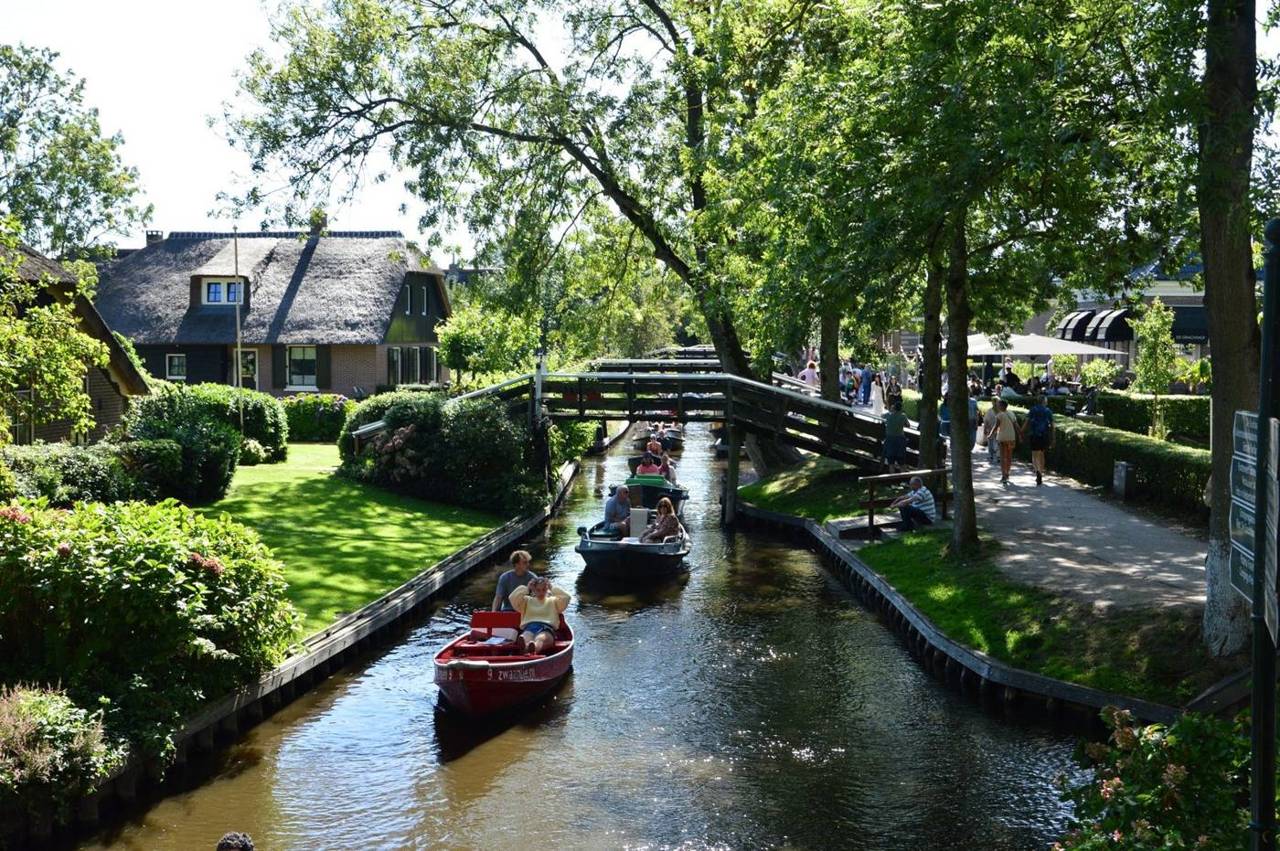
From Amsterdam you reach Giethoorn in about an hour and a half by car. In the heart of the old village there are no roads for cars: only canals, footpaths and dozens of little wooden bridges. The houses are old farmhouses with thatched roofs, surrounded by neat gardens. The canals were dug by the villagers to carry peat.
Hire a quiet electric boat, which you can steer without a licence, and explore the canals early in the morning, when the water is smooth and the groups have not yet arrived. Then walk along the main path and visit the small museum in an old farmhouse, which shows life in the past. Check prices and times.
In the evening go back onto the canals: after six the village empties and falls silent.
Sleep in or near Giethoorn, for two nights.
Practical tip: in the middle of the day the main canals fill with boats; use those hours to head out to the lakes around the village.
- Day 2
Weerribben-Wieden by canoe
Today you explore the national park around Giethoorn, the best way to escape the crowds.
Weerribben-Wieden is the largest lowland peat marsh in north-west Europe: a maze of canals, lakes, reed beds and wet woodland created by peat digging over past centuries. In the morning hire a canoe or kayak and follow one of the signposted routes on the water. You paddle through tall reeds, under willows, and past old isolated farms that can only be reached by boat.
Keep your eyes open: otters, reintroduced in the park, live here, along with purple herons, marsh harriers and many rare dragonflies and butterflies. The first hours of the day are the quietest.
At midday reach the visitor centre at Ossenzijl, in the Weerribben part of the park, which explains how reed was cut for thatched roofs and how peat was dug. Walking and cycling trails also start from there.
In the afternoon cycle along the paths between the villages of Wanneperveen and Belt-Schutsloot, with houses on the water and private jetties.
In the evening have dinner with lake fish or a bowl of erwtensoep, the thick Dutch pea soup.
Sleep in Giethoorn.
Practical tip: bring water, sunscreen and mosquito repellent; there is no shade among the reeds and in summer the insects are many.
- Day 3
Friesland: Sneek, Hindeloopen and Harlingen
Today you enter Friesland, the province with its own language, Frisian, written on the signs next to Dutch.
In the morning drive north to Sneek, about an hour away. The symbol of the town is the Waterpoort, a water gate from 1613 with two turrets, which guarded the entrance from the canal. Sneek is one of the eleven cities of Friesland, linked by the Elfstedentocht, the legendary skating race of almost two hundred kilometres on frozen canals, held only when the ice is thick enough: the last time was in 1997.
At midday reach Hindeloopen, on the shore of the IJsselmeer, a village of fishermen and sailors with wooden houses, a small harbour and a tradition of furniture hand-painted with colourful flowers. Wander through the lanes and along the dyke.
In the afternoon arrive in Harlingen, the port on the Wadden Sea, with canals, merchants' houses and old sailing boats moored along the quays. Ferries leave from here for the islands of Terschelling and Vlieland. At sunset climb the dyke and watch the tide over the sandbanks.
In the evening try suikerbrood, the sweet Frisian bread with sugar, and fresh fish from the port.
Sleep in Harlingen.
Practical tip: in Friesland places often have two names, Dutch and Frisian; bear this in mind when using your satnav.
- Day 4
The Afsluitdijk and back to Amsterdam
On the last day you cross one of the most famous works in the Netherlands.
In the morning drive from Harlingen to the Afsluitdijk, the dam about 32 kilometres long completed in 1932, which closed off the old Zuiderzee bay and turned it into the freshwater lake IJsselmeer. On one side you see the calm lake, on the other the Wadden Sea with its tides. The road runs straight along the dam, next to a cycle path.
Stop at the visitor centre devoted to the Wadden Sea and the dam, near the locks at Kornwerderzand, and then at the monument built at the spot where the dam was closed, with its observation tower. Check prices and times.
In the afternoon continue south and return to Amsterdam, in about an hour and a half, and leave.
In short: in four days you have seen the roadless village of Giethoorn, the Weerribben-Wieden marshes by canoe, the towns of Friesland with their language and ports, and the great dam that separates the lake from the sea.
When to go: from May to September, when boats and canoes can be hired and the days are long. April and October are quieter, but it is chilly on the water. In winter many services close; if a long frost sets in, the canals fill with skaters.
Practical tip: the wind on the Afsluitdijk is almost always strong; if you cross it by bike, check the wind direction before setting off.
The Holland of water and countryside, far from the big cities. Giethoorn is beautiful but busy with groups at midday: go early or in the evening and head out into the park. Frisian is also spoken in Friesland. A car or time for regional buses is needed.
Before you go
- Documents and visa
- EU citizens need a valid identity card or passport: the Netherlands is in the EU and the Schengen area. Everyone aged 14 and over must be able to show ID to the police, so always carry your document. Other nationalities should check the Schengen rules.
- Health and vaccines
- No vaccines required and healthcare is efficient. EU citizens should bring their EHIC; take insurance covering medical costs and repatriation. Emergencies: 112.
- Money and payments
- Euro. Cards are accepted almost everywhere, and some places and museums do not take cash.
- Power sockets
- Types C and F, 230 volts.
- Time zone
- Central European Time (UTC+1, summer UTC+2).
- Safety
- A safe country, but pickpocketing is common in Amsterdam, especially around Central Station, on trains and trams to Schiphol and in crowded places; bicycle theft is very common too. The terrorist threat is considered substantial and security checks are tighter at airports, stations and museums. Hard drugs are illegal and smoking cannabis in public places is not allowed. Watch out for cycle lanes when crossing the road. Official advice: GOV.UK.
Information checked in November 2026 for Italian and EU citizens. Rules change: always check before you travel.
Variations
In 3 days: Giethoorn, the park by canoe and Friesland, without stopping on the Afsluitdijk.
In 6 days: add the ferry from Harlingen to Terschelling, in the Wadden Sea.
Frequently asked questions
Is Giethoorn very crowded?
Yes, many groups arrive in the middle of the day. Visit early in the morning or in the evening, and spend the central hours exploring Weerribben-Wieden National Park.
Do you need a car for this trip?
It is very useful, because regional buses are infrequent. Without a car, allow plenty of time and check the timetables, or do the trip by bike.
What document do I need for the Netherlands?
Italian citizens only need an electronic identity card valid for travel abroad or a passport. Other nationalities should check their own rules.
Indicative itinerary written by World Atlas. Before booking, check timetables, seasonal openings, documents and safety.
 4 daysEasy
Amsterdam in four days
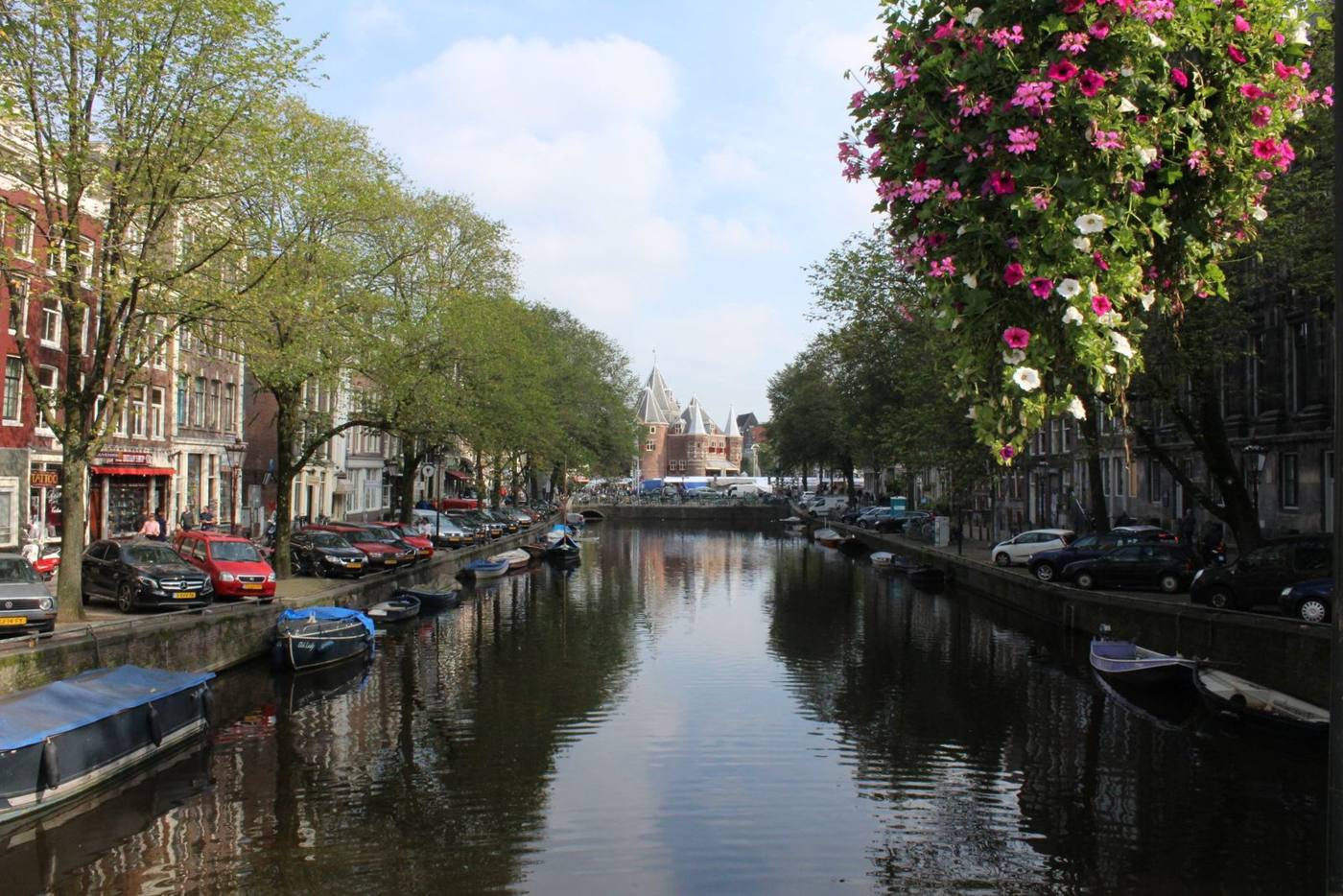
The UNESCO canals, the Rijksmuseum and Van Gogh Museum, the Anne Frank House, the Jordaan, Vondelpark and the north across the IJ.
 8 daysEasy
Classic Holland
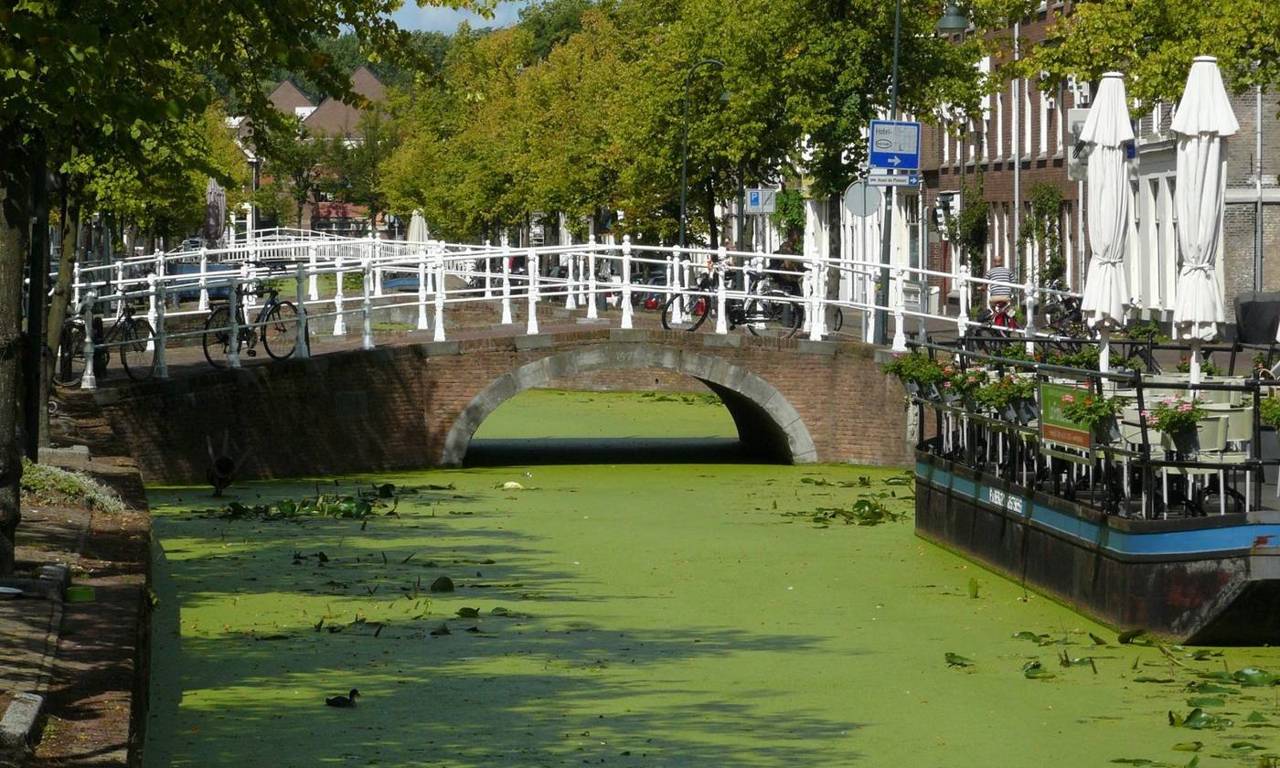
Amsterdam, Haarlem, Leiden, The Hague with the Girl with a Pearl Earring, Delft and Rotterdam: art cities linked by trains every few minutes.
 4 daysEasy
The tulips and Keukenhof
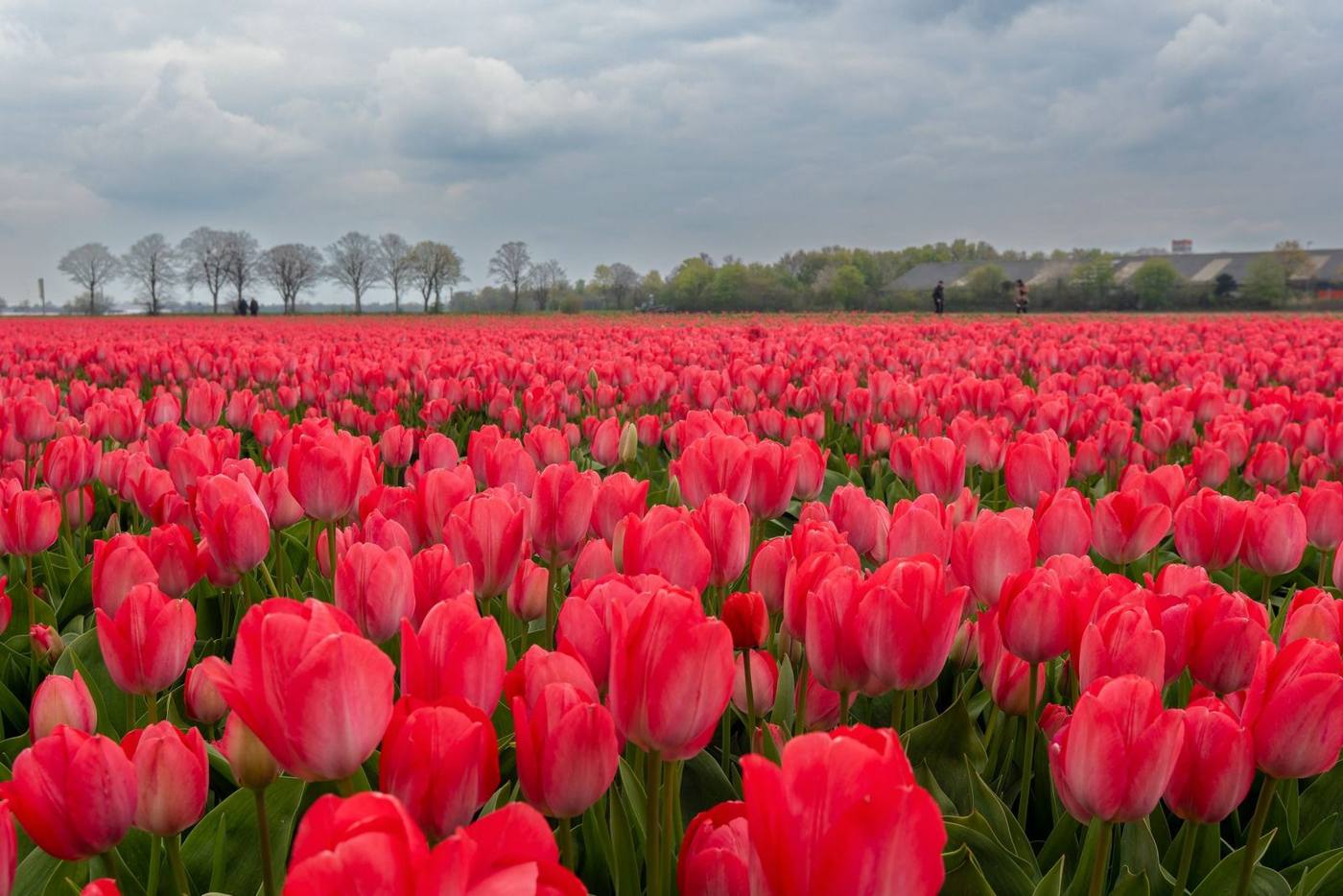
Dutch spring: Keukenhof park, the bulb fields by bike between Lisse and Noordwijk, the flower auction and Haarlem.