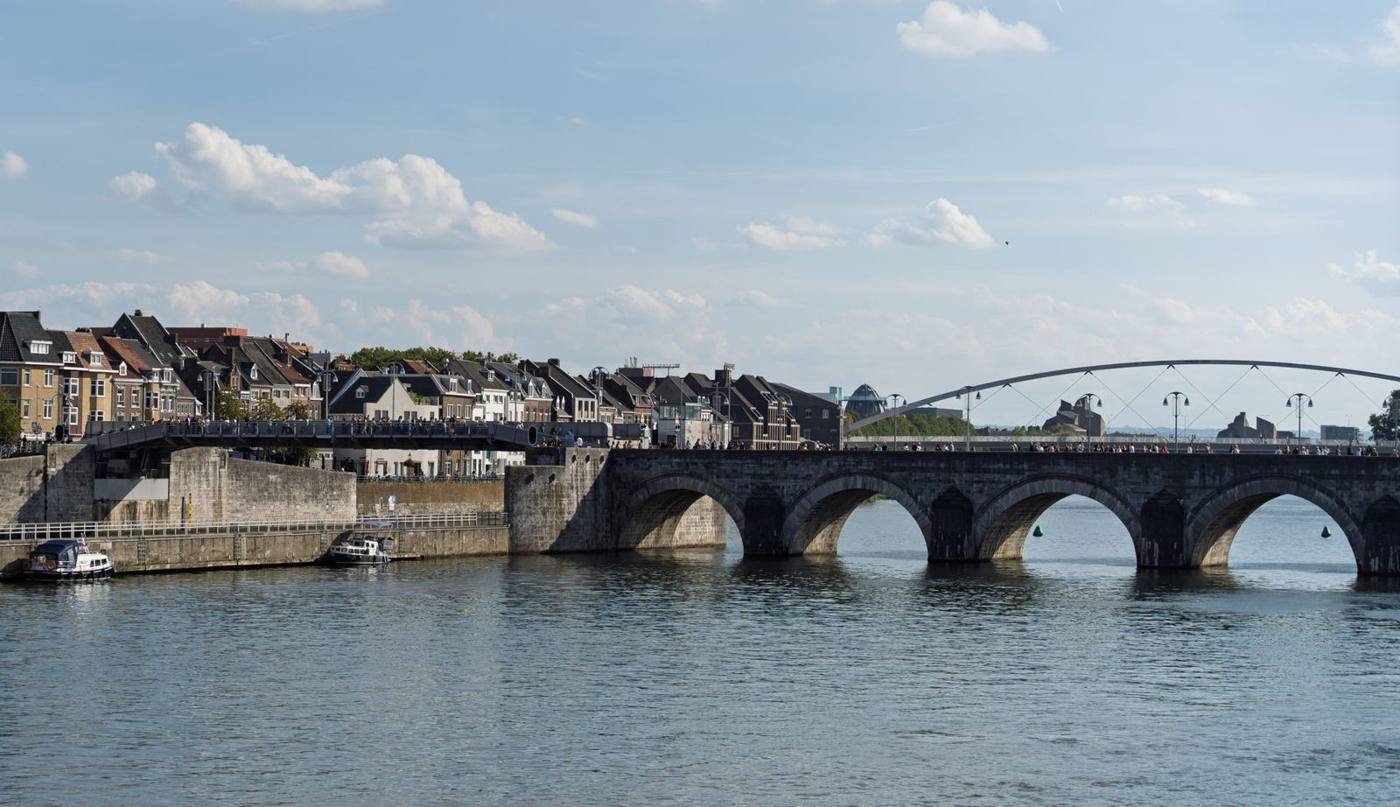
Maastricht and Limburg
The most southern and Burgundian city in the Netherlands: the bookshop in the Dominican church, the Sint-Pietersberg caves, the vineyards and hills of Limburg.
- Maastricht
- Sint-Pietersberg
- Valkenburg
- Vaals
Day by day
- Day 1
Maastricht, the Vrijthof and the church of books
This three-day trip takes you to Limburg, the southern tip of the Netherlands, squeezed between Belgium and Germany: Maastricht, the caves of Sint-Pietersberg, the vineyards along the Maas, Valkenburg and the three-country point at Vaals.
Before you go: the Netherlands is part of the European Union and the Schengen area and uses the euro. Italian citizens only need an electronic identity card valid for travel abroad or a passport; the paper identity card has not been valid for travel abroad since 3 August 2026. Other nationalities should check their own rules. Everyone aged 14 and over must be able to show ID to the police. Italian travel advice lists Maastricht among the cities with frequent pickpocketing: keep an eye on your bag and phone.
In the morning start from the Vrijthof, the city's great square, with the Basilica of Saint Servatius, where the city's first bishop is buried, and Saint John's Church with its red-painted tower. Check prices and times for the basilica's treasury.
Then go into the Gothic Dominican church, from the thirteenth century, deconsecrated and now turned into a bookshop, with shelves beneath the frescoed vaults.
In the afternoon walk along the medieval walls to the Helpoort, the oldest surviving city gate in the Netherlands, and cross the Saint Servatius Bridge over the Maas. Then sit in the Onze Lieve Vrouweplein, in the shade of the trees.
In the evening try vlaai, the fruit tart of Limburg, and zuurvlees, the sweet and sour beef stew.
Sleep in Maastricht, for three nights.
Practical tip: Maastricht is easy to explore on foot; leave the car in a car park outside the centre.
- Day 2
The caves of Sint-Pietersberg and the Maas vineyards
Today you discover the hill south of the city and the countryside along the river.
In the morning climb the Sint-Pietersberg, the marl hill just outside the centre, half an hour away on foot or by bike. For centuries the locals quarried the soft pale stone used for their houses here, creating kilometres of underground passages. The caves can only be visited with a guide: the light comes from lanterns, and the walls are covered with drawings and signatures left by the quarrymen and by people who hid here during the wars. Inside, the temperature stays cool all year, so bring a jumper. Check prices and times.
Near the caves you can also visit Fort Sint Pieter, from the early eighteenth century, with its defensive passages, and look down over the Maas valley.
In the afternoon walk or cycle along the Jeker valley and the Maas, among fields, water mills and vineyards. Limburg is one of the areas where the Netherlands produces wine, mostly fresh whites and sparkling wines. Many wineries offer tastings by appointment.
In the evening go back into town for dinner and walk along the riverside, when the lights are reflected in the water.
Sleep in Maastricht.
Practical tip: book the cave tours a few days ahead, especially at weekends and in summer, because groups are limited in size.
- Day 3
Valkenburg and the three-country point
On the last day you leave Maastricht for the hills of Limburg.
In the morning take the train to Valkenburg, about a quarter of an hour away. It is a tourist town with the ruins of a medieval castle on top of a hill, the only hilltop castle in the Netherlands, and more caves dug into the marl. In December the caves host an underground Christmas market. Check prices and times.
In the early afternoon reach Vaals by bus or by car. Above the village, on the Vaalserberg, just over 320 metres high and the highest point of the European Netherlands, three borders meet: the Netherlands, Belgium and Germany. A marker shows the exact spot and you can walk around it, passing from one country to another in a few steps. From here you can also see Aachen, in Germany.
In the late afternoon return to Maastricht and leave.
In short: in three days you have seen the most elegant and southern city in the Netherlands, caves dug by hand, the vineyards of the Maas and a corner of Europe where you change country with every step.
When to go: from April to October for walking and cycling in the hills; December for the Christmas markets and the caves of Valkenburg. During Carnival, in February or March, and during TEFAF, the great art fair in March, the city fills up and accommodation becomes expensive: book well ahead.
Practical tip: Maastricht is close to Belgium and Germany; if you have a car, you can add Liège or Aachen in half a day.
An elegant, foodie city, different from the rest of Holland, with an almost Belgian soul. It is under two hours from Luxembourg. The caves can only be visited with a guide. During Carnival and TEFAF, the March art fair, hotels are full.
Before you go
- Documents and visa
- EU citizens need a valid identity card or passport: the Netherlands is in the EU and the Schengen area. Everyone aged 14 and over must be able to show ID to the police, so always carry your document. Other nationalities should check the Schengen rules.
- Health and vaccines
- No vaccines required and healthcare is efficient. EU citizens should bring their EHIC; take insurance covering medical costs and repatriation. Emergencies: 112.
- Money and payments
- Euro. Cards are accepted almost everywhere, and some places and museums do not take cash.
- Power sockets
- Types C and F, 230 volts.
- Time zone
- Central European Time (UTC+1, summer UTC+2).
- Safety
- A safe country, but pickpocketing is common in Amsterdam, especially around Central Station, on trains and trams to Schiphol and in crowded places; bicycle theft is very common too. The terrorist threat is considered substantial and security checks are tighter at airports, stations and museums. Hard drugs are illegal and smoking cannabis in public places is not allowed. Watch out for cycle lanes when crossing the road. Official advice: GOV.UK.
Information checked in November 2026 for Italian and EU citizens. Rules change: always check before you travel.
Variations
In 2 days: Maastricht and the caves of Sint-Pietersberg, without Valkenburg and Vaals.
In 5 days: add Aachen in Germany and Liège in Belgium, both less than an hour away.
Frequently asked questions
Can you visit the Sint-Pietersberg caves on your own?
No, only with a guide, because the passages are long and dark. Book a few days ahead and bring a jumper. Check prices and times.
When is it best to avoid Maastricht?
During Carnival and TEFAF, the art fair in March, accommodation is full and expensive. If you want to go on those dates, book well in advance.
What document do I need for the Netherlands?
Italian citizens only need an electronic identity card valid for travel abroad or a passport. Other nationalities should check their own rules.
Indicative itinerary written by World Atlas. Before booking, check timetables, seasonal openings, documents and safety.
 3 daysEasy
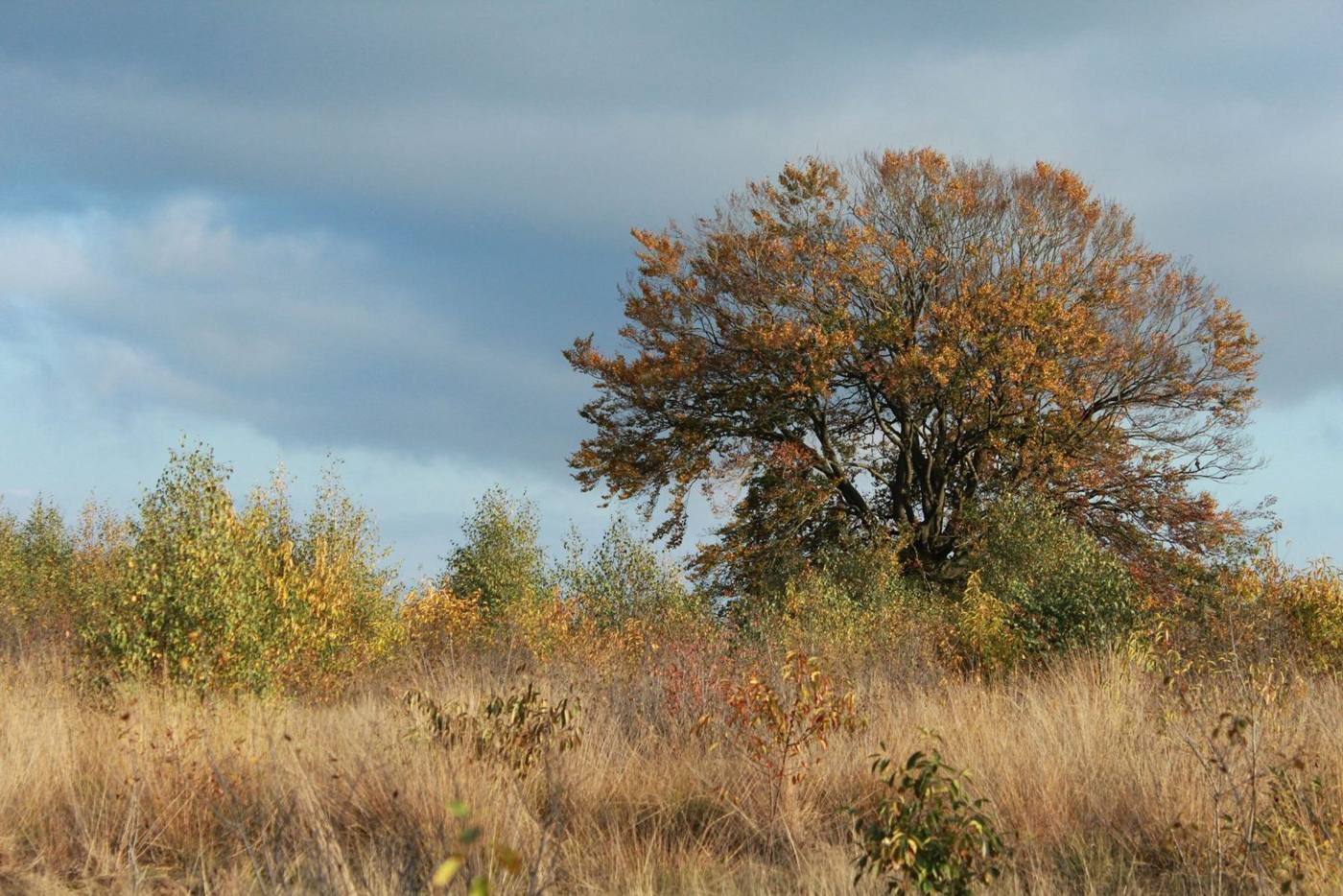
Hoge Veluwe and the Kröller-Müller
A national park of heath, woods and dunes explored on no-cost white bikes, and inside it the Kröller-Müller Museum with the world's second-largest Van Gogh collection.
 7 daysEasy
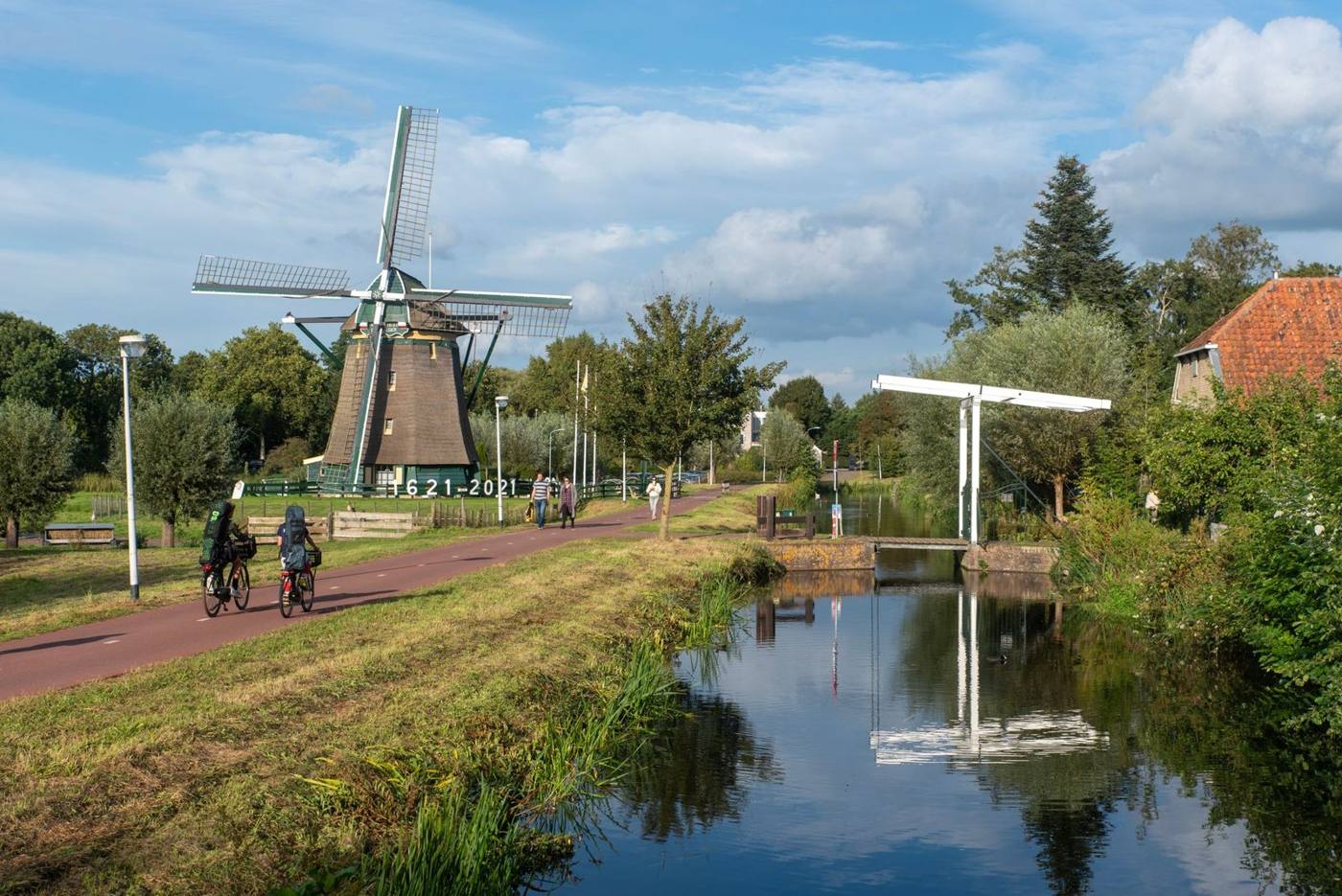
The Netherlands by bike
A week by bike from Amsterdam via the windmills, Utrecht, the rivers and dikes to Rotterdam, on paths separated from traffic.
 4 daysEasy
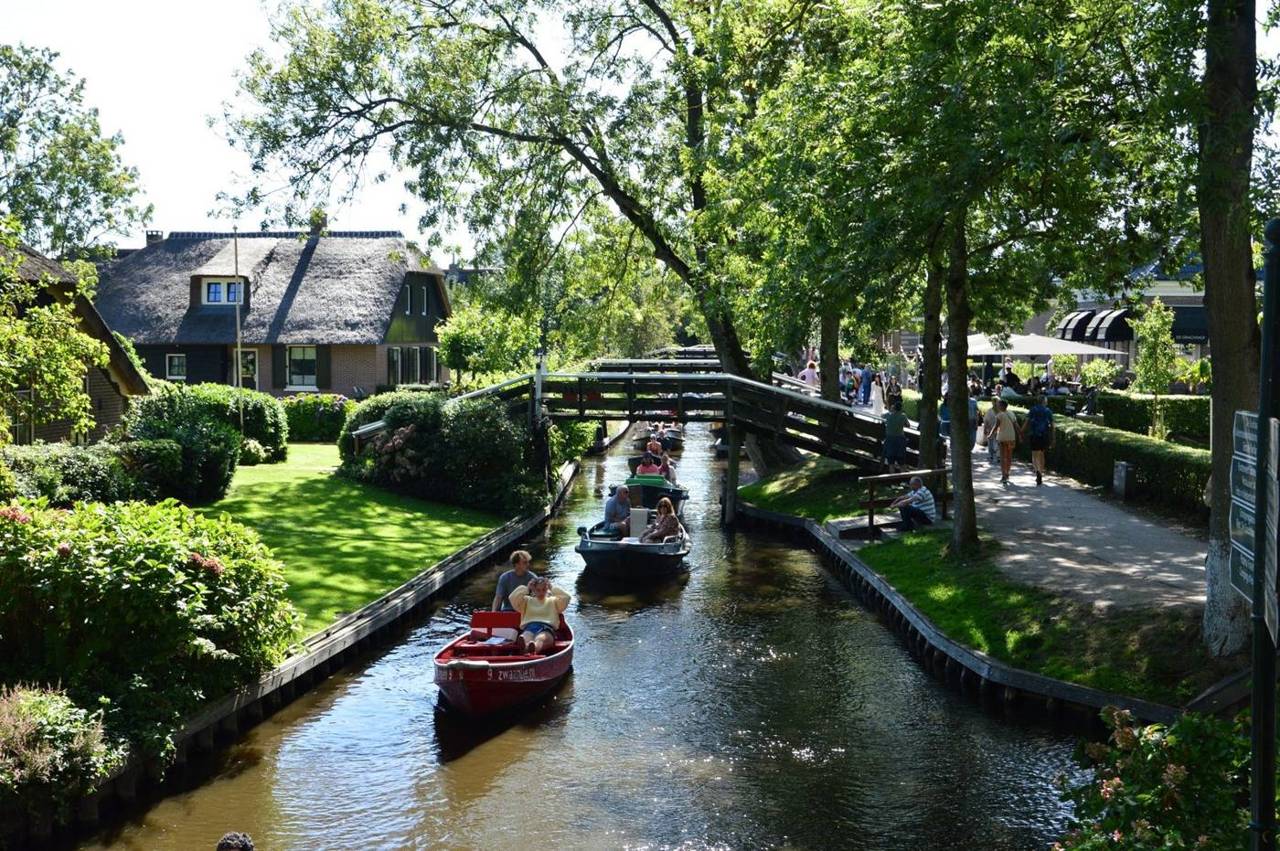
Giethoorn and Friesland
The clear of road village of Giethoorn, Weerribben-Wieden park by boat, the eleven cities of Friesland, Hindeloopen and the Afsluitdijk.