The Dades, Todra and Draa valleys on foot
The great south on foot: red canyons, palm groves, kasbahs and two days walking among the Erg Chebbi dunes.
- Marrakech
- Ouarzazate
- Dades
- Todra
- Merzouga
- Erg Chebbi
- Draa Valley
Day by day
- Day 1
Arrival in Marrakech
This trip crosses southern Morocco on foot, one valley after another: the Dades and Todra gorges, the Erg Chebbi dunes with dromedaries carrying the bags, the palm groves of the Draa valley. You walk for a few hours every day, sleep in kasbahs and in a desert camp, and the long transfers are by car with a driver.
Before you leave: Italian citizens need a valid passport; tourist stays without a visa are up to 90 days. Other nationalities should check their own rules. The United States rates Morocco at level 2, meaning increased caution, mainly for the risk of terrorism; Canada advises against the 20 km strip along the border with Algeria. The walks in this trip should be done with a local guide.
You fly into Marrakech airport, about twenty minutes from the medina by taxi. Agree the price before getting in or have your lodging pick you up.
In the late afternoon go to Jemaa el-Fna square, the centre of the medina. At sunset it fills with stalls cooking in the open, musicians, storytellers and orange juice sellers. Climb to a terrace around the square to see it from above as the light changes.
Dinner with harira, the soup of pulses and tomato, and grilled skewers.
Sleep in a riad in the medina, a traditional house with an inner courtyard.
Practical tip: change some dirhams on arrival. In the valley villages cards are hardly used and cash machines are rare.
- Day 2
Across the Atlas to Aït Ben Haddou
Today you leave Marrakech and cross the High Atlas towards the south.
The road climbs to the Tizi n'Tichka pass, at over 2,200 metres, with hairpin bends, red earth villages clinging to the slopes and views of peaks that are snowy in winter. Check the road conditions first: it can close with snow or landslides. It takes about four hours to Aït Ben Haddou, with stops.
Aït Ben Haddou is a ksar, a fortified village of raw earth, built on a hill above the river. It is a UNESCO World Heritage site and has been used as the set of many films. You cross the river on a bridge or on stepping stones and climb between the houses of clay and straw to the granary at the top, with views over the valley.
In the afternoon continue to Ouarzazate, the town at the gates of the desert. There is the Taourirt kasbah, the old residence of a great southern family, with decorated rooms and courtyards. Around the town there are also film studios you can visit.
Dinner with a lamb and prune tagine.
Sleep in Ouarzazate or Aït Ben Haddou.
Practical tip: at Aït Ben Haddou many young men offer themselves as guides. If you do not need one, decline politely and walk on.
- Day 3
The Valley of Roses and the Dades gorges
Today you reach the Dades valley and take the first walk of the trip.
From Ouarzazate the road heads east across an arid plain with the Saghro mountains to the south and the Atlas to the north. You pass Skoura, a palm oasis with old earth kasbahs, and then Kelaat M'Gouna, the town of the Valley of Roses. In spring, around May, the hedges of damask roses bloom and rose water is made from them. The rest of the year you find the products in shops.
At Boumalne Dades you leave the main road and climb into the Dades valley. The road follows the river between villages, green fields and rock walls.
In the afternoon, with the guide, you walk among the rocks called monkey fingers: conglomerate formations eroded by wind and water, with rounded shapes and narrow cracks. The path enters small canyons where you sometimes pass sideways. It is two or three hours of walking, not difficult but on uneven ground.
Sleep in a kasbah in the valley, with a terrace over the river.
Practical tip: wear hiking shoes with a good sole. In the narrow canyons the rock is smooth and slippery. After a storm do not enter the gorges: the water rises quickly.
- Day 4
Walking in the Dades valley
Today you stay in the Dades valley and walk between the villages.
In the morning you set off on foot from the kasbah with the guide. The path follows the river and then climbs the slopes, between fields of wheat, almond and walnut trees. The villages are made of earth and stone, the same colour as the mountain. Women work in the fields and carry bundles of grass on their backs. Always greet people and ask before photographing them.
The path climbs to a viewpoint above the valley, where you see the road famous for its tight hairpins climbing the canyon wall, near Tissadrine. Higher up the gorge narrows between vertical walls.
At midday a packed lunch or lunch in a village house, if the guide arranges it: bread baked in the earth oven, olive oil, eggs and mint tea.
In the afternoon you return to the kasbah by another way, through the fields along the river. It is five or six hours of walking in all.
In the evening, if there is some, listen to Berber music with drums and singing.
Sleep in the Dades valley.
Practical tip: between November and February nights in the valleys are very cold. Kasbahs do not always have heating: ask for extra blankets.
- Day 5
The Todra gorges
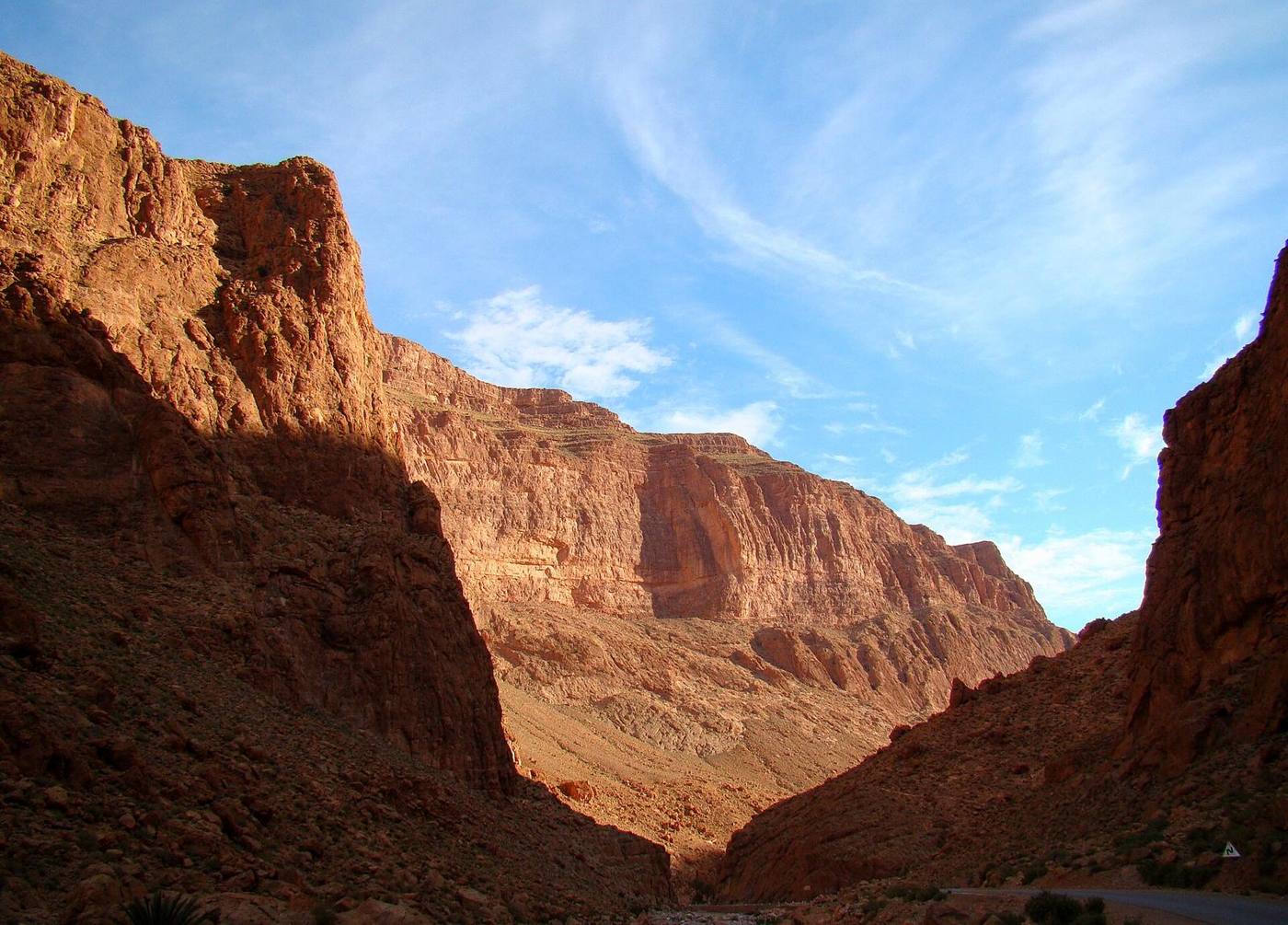
Today you move to the next valley and walk in the Todra gorges, the most spectacular in the south.
From Boumalne the road heads east to Tinghir, a red earth town with a large palm grove along the river. From here you climb north for a few kilometres to the gorges.
At the narrowest point the rock walls rise almost 300 metres and the canyon is only about twenty metres wide, with the river and the road at the bottom. Early in the morning the light comes from above and lights up a single wall. Climbers are often seen here.
With the guide you set off on a path climbing the sides of the gorge. You climb between junipers and rocks to a plateau above the canyon, where nomads graze their flocks. With some luck you meet a family living in tents or caves during the grazing season. Then you descend to a mountain village and return to the gorge.
It is four or five hours of walking, with a demanding climb at the start.
In the afternoon walk in the Tinghir palm grove, among vegetable gardens and water channels.
Sleep near the gorges or in Tinghir.
Practical tip: in the gorges the bottom stays in shade and the temperature drops fast. Bring a jacket even on warm days.
- Day 6
To Erg Chebbi and the first day in the dunes
Today you reach the desert and begin walking among the dunes.
From Tinghir the road heads east through Tinejdad and Erfoud, across plains of black stones and oases. In about four hours you reach the edge of Erg Chebbi, the great dune field near Merzouga. The dunes are up to 150 metres high and change colour with the light, from yellow to orange to pink.
Here you meet the camel driver with the dromedaries. In this trip the dromedaries carry the bags, water and food, while you walk beside them. It is the nomads' way. If you are tired you can ride a dromedary for a stretch.
You set off in the afternoon, when the sun is less strong. Walking on sand is tiring: you follow the crest of the dunes, where the sand is firmer, and go down their flanks. After two or three hours you reach the camp, in a hollow between the dunes.
At sunset climb a high dune to see the desert turn red. In the evening dinner under the stars, with bread baked in the sand.
Sleep in a tent at the camp.
Practical tip: Erg Chebbi is near the border with Algeria. Stay with the guide on the agreed tracks and do not go east beyond the dunes.
- Day 7
A day on foot in Erg Chebbi
Today you stay in the desert and walk among the dunes all day.
At dawn climb a dune again to see the sun rise over the sand. It is the coolest and quietest moment of the day. Then breakfast at the camp with tea and pancakes.
You set off on foot with the caravan towards another part of the dune field. The landscape changes: tall and steep dunes, small seasonal lakes after the rains, bushes where birds and small animals hide. The guide explains how nomads find their way and where they find water.
In the hottest hours you stop in the shade of a tent or a tree. A simple lunch with salad, sardines, bread and dried fruit.
In the afternoon you reach Khamlia, a village at the edge of the dunes inhabited by families of sub-Saharan origin. Here you listen to Gnawa music, with drums, metal castanets and traditional songs. An offering for the musicians is usually left.
In the evening you return to the camp or sleep in another camp nearby.
Sleep in a tent in the desert.
Practical tip: cover your head and neck with a scarf and wear sunglasses. The glare from the sand is strong even in winter.
- Day 8
Rissani and the road to the Draa valley
Today you leave the desert and cross the south to the Draa valley. It is the longest day by car.
In the morning you reach Rissani, the old caravan town of the Tafilalet. On market days, ask the guide which they are, the souk fills with farmers and nomads from the area: dates of every kind, spices, fabrics, tools, and an enclosure where donkeys, goats and sheep are sold. It is one of the most authentic markets in the south.
Near the town are the ruins of Sijilmassa, the medieval city from which caravans left for the Sahara.
Then the road heads west, along the foot of the Saghro mountains. You pass Alnif, a village known for fossils: trilobites and ammonites sold along the road. Further on, the road crosses plains of black stones and small villages to N'Kob, with its earth kasbahs.
In the evening you reach the Draa valley, the longest river in Morocco, with the palm grove following its course for over a hundred kilometres.
Sleep in a kasbah in the valley.
Practical tip: buy fossils only in shops that explain where they come from. Many pieces along the road are reconstructed or fake. Bring water and snacks: there are few services between villages.
- Day 9
The Draa palm groves, Agdz and Tamnougalt
Today you walk in the palm groves of the Draa valley and visit its kasbahs.
In the morning you set off on foot with the guide into the palm grove. Under the date palms are vegetable gardens divided by low walls: wheat, alfalfa, vegetables, pomegranate and fig trees. The water arrives through irrigation channels, the seguias, which families share by precise turns. In autumn you see the date harvest.
The path passes fortified earth villages, the ksour, some still inhabited and others abandoned and in ruins.
You reach Tamnougalt, one of the largest fortified villages in the valley, with the kasbah of an old local chief. It is visited with a guide from the village, who shows the rooms, courtyards and painted wooden ceilings. Entry is paid, ask the price on site.
In the afternoon go to Agdz, the valley town below Mount Kissane, a mountain shaped like a table. Walk through the market and along the palm grove.
It is four or five hours of walking in all, all on the flat.
Sleep in the Draa valley.
Practical tip: in the palm groves walk on the paths and walls shown by the guide. The gardens are private property and water is precious.
- Day 10
Return to Marrakech
Today you return to Marrakech across the Atlas.
From Agdz the road climbs between the Saghro and Anti-Atlas mountains to Ouarzazate. Then you cross the High Atlas again by the Tizi n'Tichka pass. It takes six or seven hours with stops. Check the road conditions before leaving.
A possible detour along the way is the Telouet kasbah, in the valley behind the pass: the old residence of a great southern family, partly in ruins but with halls decorated with painted wood and tiles. The road is narrow, but the valley is beautiful.
In the late afternoon you reach Marrakech.
In the evening walk through the souks of the medina: the dyers' souk with skeins of coloured wool hanging up, the blacksmiths' souk, the slipper souk and the spice souk. It is easy to get lost, but that is part of the game: the main streets always lead back towards Jemaa el-Fna square.
Dinner with a pastilla, the sweet and savoury filo pie, or a couscous.
Sleep in Marrakech.
Practical tip: in the souks you bargain for almost everything. Decide beforehand how much you want to spend and do not feel obliged to buy if you enter a shop. Politely refuse anyone offering to walk you around.
- Day 11
Marrakech and departure
The last day is in Marrakech, before the flight.
Early in the morning go to the Koutoubia mosque, with its great twelfth century minaret: the interior is open only to Muslims, but the garden around it is open to all.
Then visit the Saadian tombs, the mausoleums of a sixteenth century dynasty with marble columns and carved wooden ceilings, or the Bahia palace, with its nineteenth century courtyards and gardens.
If you have time, go to the Majorelle garden, in the new town, with its exotic plants and blue villa. Entry is booked online for a set time: check beforehand.
For the last lunch try tanjia, meat cooked slowly in a clay pot in the ashes of the public bath furnaces.
Marrakech airport is about twenty minutes from the medina by taxi.
What to take home: argan oil, rose water from the Dades valley, dates from the Tafilalet, a Berber rug, spices such as ras el hanout.
This trip shows southern Morocco slowly and on foot, the Morocco of cultivated valleys, earth kasbahs and desert, away from the busiest roads.
Practical tip: arrive at the airport well in advance. Exit checks can be long. Keep your passport and boarding pass at hand.
The same stops as the classic southern loop, but experienced on foot instead of through a car window: the difference is huge. Walks last 3-5 hours, fine for anyone reasonably fit. Avoid July and August: the desert goes above 45 °C.
Before you go
- Documents and visa
- EU visitors need a passport valid for the whole stay; identity cards are not accepted. No visa is needed for tourist stays of up to 90 days.
- Health and vaccines
- No vaccines required. Drink bottled water and take out travel health insurance: public healthcare is limited and private clinics charge. Emergencies: 19 police, 15 ambulance.
- Money and payments
- Moroccan dirham, which cannot be exported beyond a small sum: change a little at a time and keep the receipts. Cash is needed everywhere in medinas and villages.
- Power sockets
- Types C and E, 220 volts.
- Time zone
- UTC+1 for most of the year; Morocco changes its clocks during Ramadan, so check before travelling.
- Safety
- The main risk named by governments is terrorism; avoid the 20 km strip along the closed Algerian border and the frontier areas of Western Sahara. Official advice: GOV.UK.
Information checked in November 2026 for Italian and EU citizens. Rules change: always check before you travel.
Variations
In 8 days: only the Dades, the Todra and one night in Erg Chebbi, returning to Marrakech without the Draa valley.
In 14 days: add three days of trekking in the Jbel Saghro between the Dades and the Draa, or Fes after the desert.
Frequently asked questions
What document do I need?
Italian citizens need a valid passport; tourist stays without a visa are up to 90 days. Other nationalities should check their own rules.
Is it safe to walk in the south?
The United States rates Morocco at level 2, mainly for the risk of terrorism. Canada advises against the 20 km along the border with Algeria: in Erg Chebbi stay with the guide on the agreed tracks.
When is the best time?
Spring and autumn. In summer the desert is too hot for walking, in winter nights in the valleys and the desert are freezing.
Indicative itinerary written by World Atlas. Before booking, check timetables, seasonal openings, documents and safety.
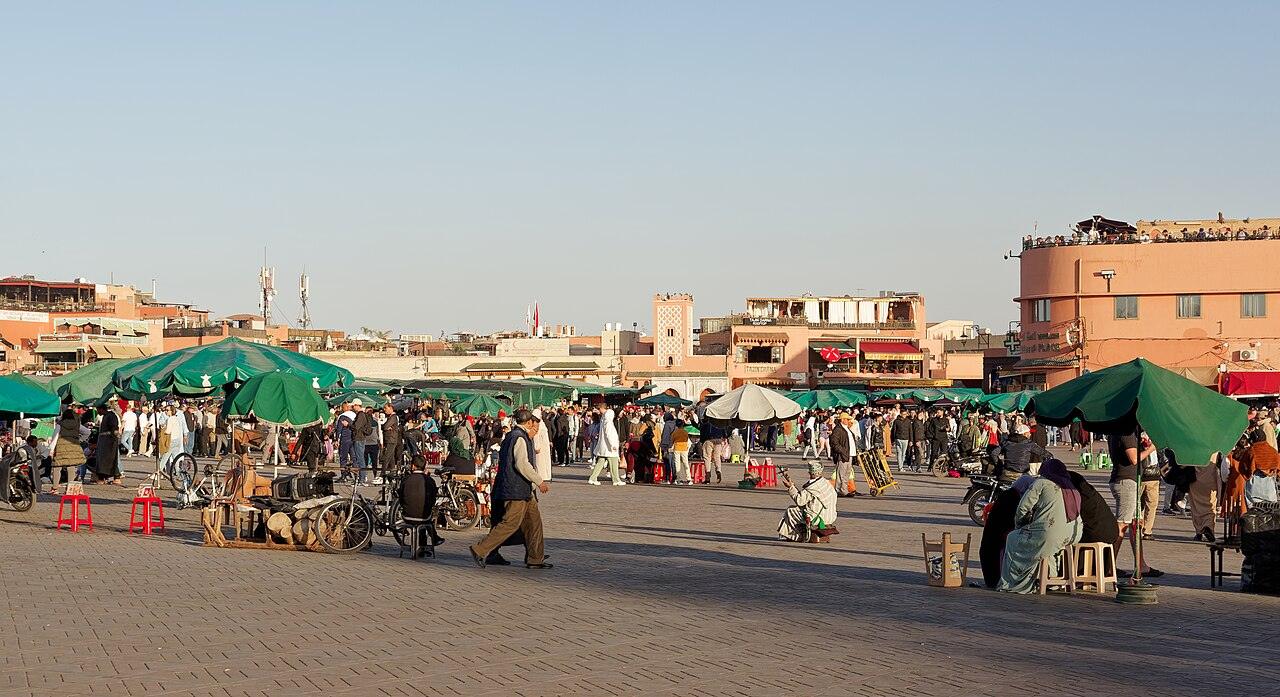 7 daysEasy
Marrakech and the Sahara
From Jemaa el-Fna square to the Erg Chebbi dunes, across the Atlas, past kasbahs and gorges.
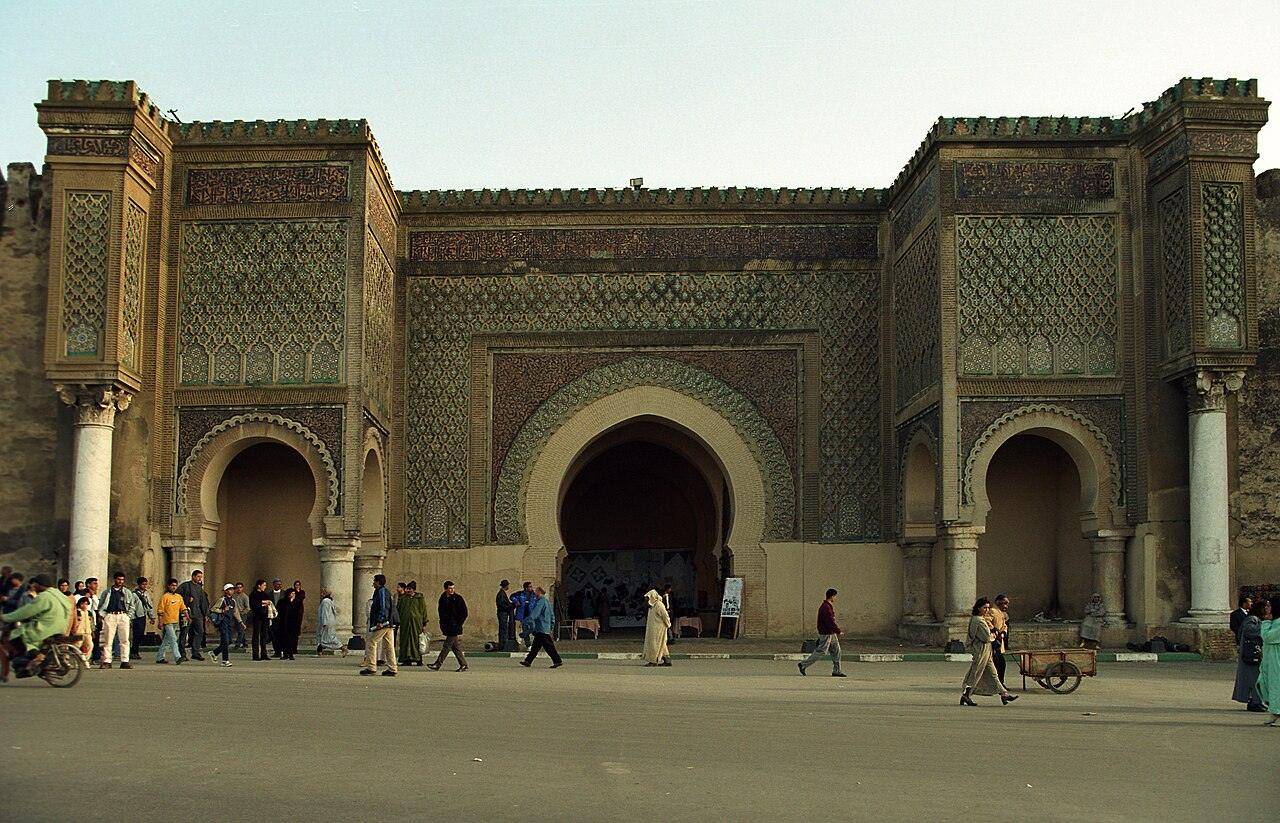 15 daysModerate
Imperial cities, Chefchaouen and the desert
The full circuit: Fez and Meknes, the blue town in the Rif, the Sahara, the gorges and a finale between Marrakech and Essaouira.
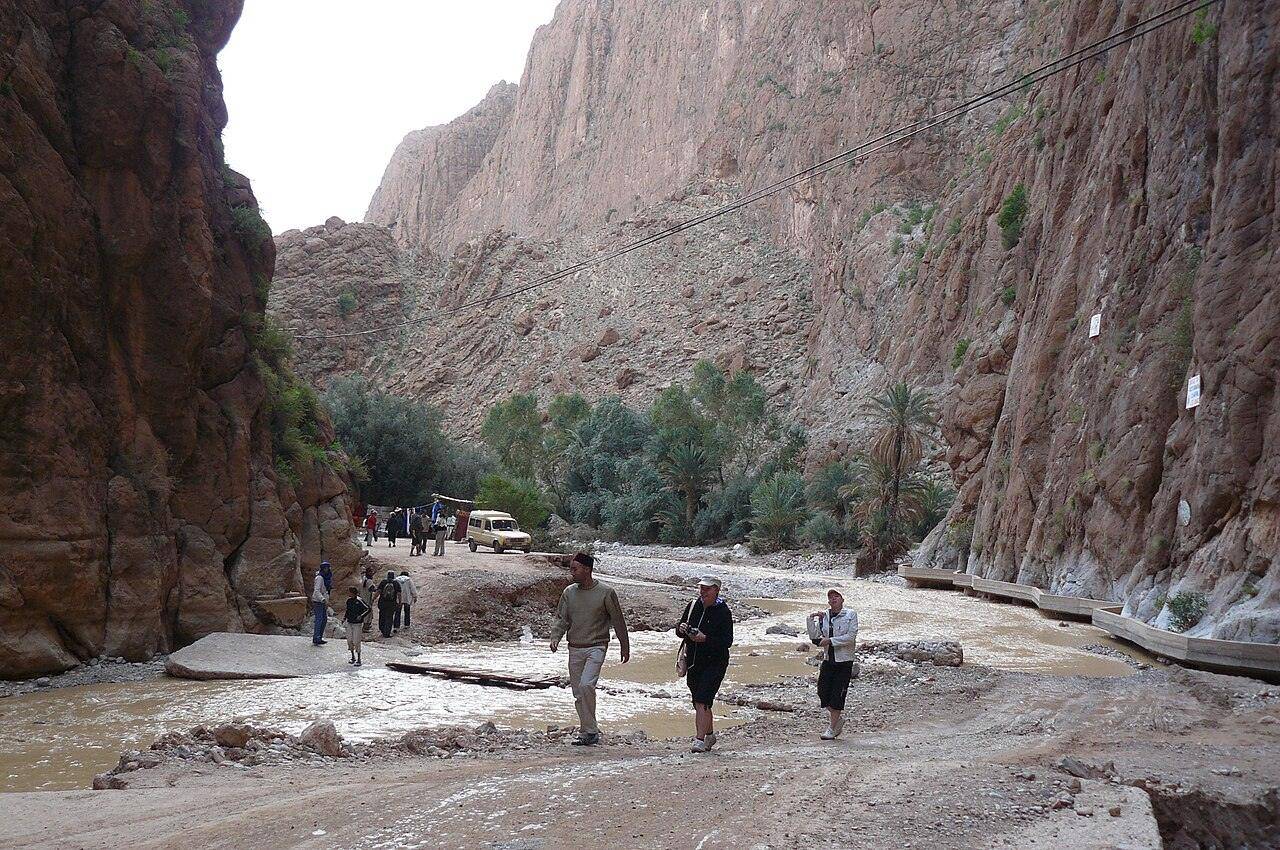 8 daysEasy
Marrakech to Fès by way of the Sahara
The classic crossing: the High Atlas, the kasbahs of Ouarzazate, the Dades gorges and a night in the Merzouga dunes, ending in the medina of Fès.