Surfing in Taghazout and Imsouane
The wave coast north of Agadir: the villages of Taghazout and Tamraght with spots for every level, the long wave in the bay at Imsouane, ideal for learning and longboarding, Paradise Valley among the palms and sunsets over the Atlantic.
- Agadir
- Tamraght
- Taghazout
- Paradise Valley
- Imsouane
Day by day
- Day 1
Arrival in Agadir and transfer to Tamraght
This trip is a week of surfing on Morocco's Atlantic coast, north of Agadir. Here the ocean brings regular waves for much of the year, especially in autumn and winter, with beaches and breaks suitable for both beginners and experienced surfers. The fishing villages of Tamraght, Taghazout and Imsouane have become one of the best known surf destinations in Europe and North Africa, yet keep a simple atmosphere.
You arrive at Agadir airport, with direct flights from many European cities. Italian and most European citizens do not need a visa for tourist stays of up to 90 days.
From the airport take a taxi or transfer to Tamraght, a village on the coast about forty minutes north of Agadir. Tamraght is quieter than Taghazout, with white and blue houses on the hill above the sea, small surf houses and cafés with terraces over the ocean.
In the afternoon walk on the beach and watch the waves. If you have never surfed, watch how surfers move, where they paddle out and where the waves break.
At sunset go up to a terrace and watch the sun sink into the Atlantic.
In the evening have fish tagine or couscous, with mint tea.
Spend the night in Tamraght.
Practical tip: the United States has Morocco at level 2 for terrorism. The surf coast is popular with foreigners and quiet, but always stay alert in crowded places. Away from the beaches, dress respectfully.
- Day 2
First surf lesson at the beginner breaks
Today the surfing begins. In the morning go with an instructor from a surf school to one of the area's beginner beaches, with soft waves breaking over a sandy bottom. The most used are the beach in front of Tamraght and other nearby bays, chosen each day according to the waves and tide.
The lesson starts on the sand: the instructor explains how to lie on the board, how to paddle with your arms, how to stand up in one movement and how to fall safely. Then you go into waist deep water and try your first waves, already broken and slow, with the instructor pushing the board at the right moment.
At first you fall almost every time, but many people manage to stand up on the first day. It is tiring for the arms and shoulders.
Lunch is on the beach or in a café, with Moroccan salad, bread, eggs and fresh orange juice.
In the afternoon, if you still have energy, do a second, shorter session. Otherwise rest and do some stretching or yoga, which many surf houses offer in the evening.
Spend the night in Tamraght.
Practical tip: the Atlantic is cool here even in summer, and cold in winter: you need a wetsuit, which schools usually provide. Use water resistant sunscreen on your face. Respect the rules of priority in the water and do not go out at expert breaks.
- Day 3
Surfing at Taghazout and sunset on the cliff
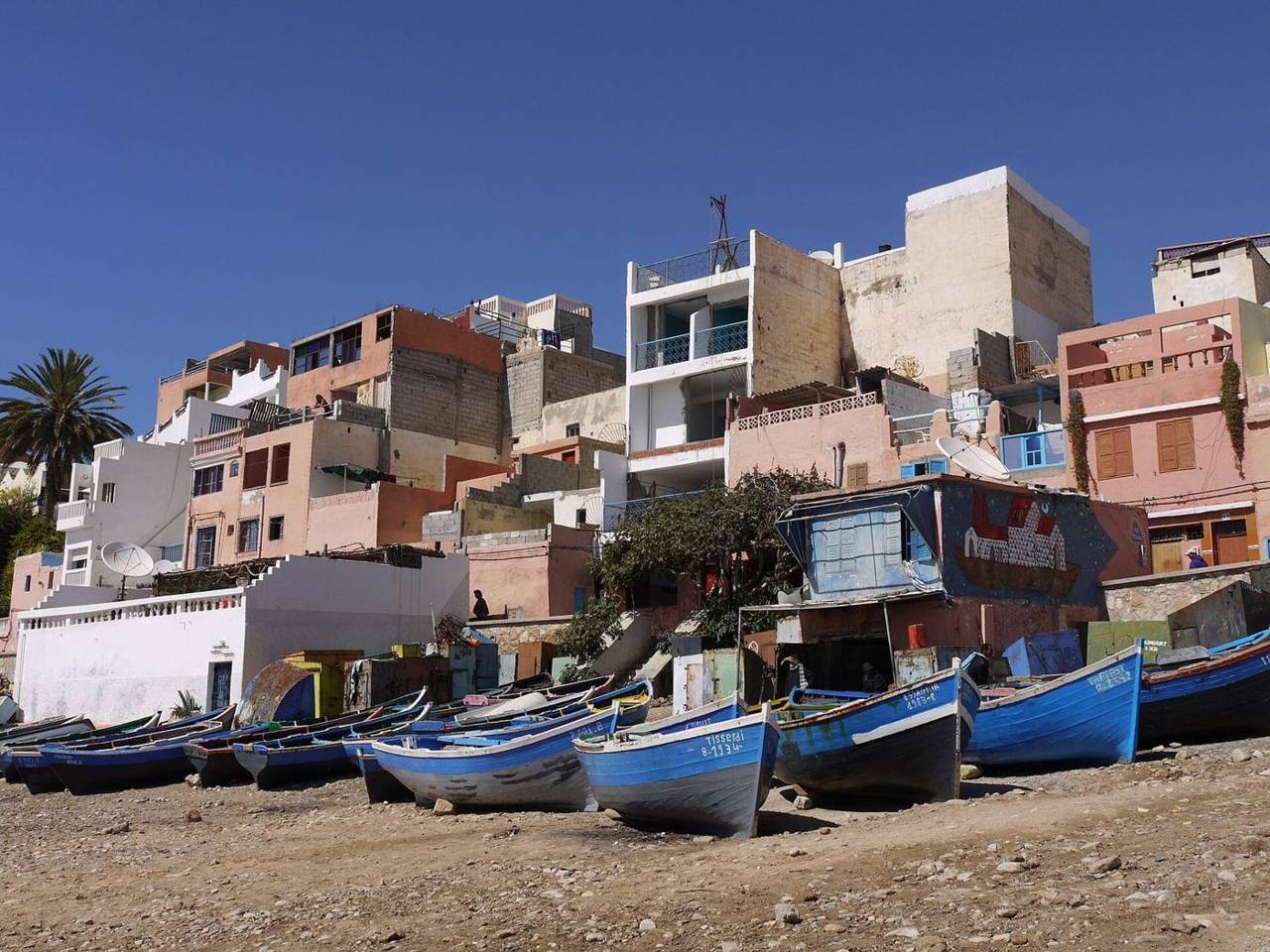
Today spend the day in Taghazout, the coast's most famous fishing village, a few minutes north of Tamraght. The village is built on a hill above a small bay, with colourful houses, narrow lanes, blue fishing boats on the beach and many cafés and surf shops.
Around Taghazout are some of Morocco's most famous breaks, such as Anchor Point, a long right hand wave breaking along a rocky point, considered one of the best waves in Africa. It is a break for experts, over rock: from the shore you can watch the surfers, a superb sight on big wave days.
In the morning have your lesson or session at a break suited to your level, chosen by the instructor according to conditions.
In the afternoon walk around the village. At the harbour you see fishermen hauling their boats ashore and selling the day's catch, especially sardines, which you can eat grilled at small places by the port.
At sunset climb the cliff above the village, with a view of the coast stretching north and the sun setting over the ocean. Many surfers stop here to watch the day's last waves.
Spend the night in Tamraght or Taghazout.
Practical tip: Taghazout has grown a lot in recent years, with new hotels and a large tourist zone to the south. For a quieter atmosphere, choose places in the old part of the village or in Tamraght.
- Day 4
A break: Paradise Valley and its pools
Today is a rest day from surfing, because after three days your shoulders are tired. It is the right time to explore inland.
In the morning go to Paradise Valley, a valley in the western High Atlas, about an hour's drive inland from Taghazout towards the town of Imouzzer. The road climbs through dry hills, palms, argan trees and Berber villages.
The valley is a narrow gorge carved by a river, with red rock walls, palms, oleanders and a series of clear green pools linked by small waterfalls. You walk along the river on an easy path among the rocks and stop in the pools to swim. In some places young people jump from the rocks.
Along the way there are small open air cafés where you can drink mint tea or eat a tagine in the shade of the palms.
On the way back, stop at a women's cooperative producing argan oil, the typical oil of this region, made from the seeds of the argan tree, which grows only in Morocco. The women show how the seeds are cracked by hand and ground.
In the evening return to the coast.
Spend the night in Tamraght or Taghazout.
Practical tip: at weekends and in summer the valley is crowded. After heavy rain the river can rise: do not enter the gorges in bad weather. Jump only where the water is deep, and check first.
- Day 5
Transfer to Imsouane and its bay
Today you leave the Taghazout area for Imsouane, a small fishing village further north, about an hour and a half along the coast, past cliffs, empty beaches and argan trees where goats are sometimes seen perched in the branches.
Imsouane is a quiet village, with a fishing harbour where blue boats are hauled ashore and a small fish market. Surfers come here for the bay, known as The Bay, where one of Morocco's longest waves forms: a soft right hander that breaks along the coast and runs for hundreds of metres. On good days you can ride the same wave for a very long time. It suits improving beginners and intermediate surfers, and longboards.
In the afternoon, as soon as you arrive, walk on the cliff above the harbour and watch the waves in the bay. Then go down to the harbour to watch the fishermen come back.
In the evening have freshly caught grilled fish at one of the village's simple places. At sunset the golden light on the bay and boats is very beautiful.
Spend the night in Imsouane.
Practical tip: Imsouane has few shops and cash machines. Bring enough cash in dirhams. Respect the fishermen at the harbour and do not go into the water where they work with their boats.
- Day 6
Surfing in Imsouane bay
Today spend the whole day surfing in Imsouane bay.
Early in the morning, when the wind is light and the water glassy, go out with your instructor or, if you are now independent, on your own in the area suited to your level. The bay wave is long and regular, perfect for improving: you learn to turn the board, follow the face of the wave and choose the right waves.
One advantage of the bay is that after catching a wave you can return to the take off point by walking along the beach or rocks, without long paddles.
At midday rest with a light lunch on a café terrace, watching the other surfers. In the afternoon, depending on the tide, do a second session or try the village's second wave, called Cathedral, more powerful and suited to more experienced surfers.
Towards evening, when the light turns golden, have a last sunset session, one of the finest moments of the day.
In the evening have tagine and celebrate your week of surfing.
Spend the night in Imsouane.
Practical tip: the bay is often crowded, especially at weekends. Respect the rules of priority: the wave belongs to the surfer closest to where it breaks. Do not drop in on other surfers.
- Day 7
Back to Agadir and departure
On the last day return to Agadir, about two hours by road from Imsouane, for your flight.
If you have time before leaving, stop in Agadir. The city was almost completely destroyed by an earthquake in 1960 and rebuilt in modern style, with a long promenade and a large beach. On the hill above the city are the remains of the old kasbah, Agadir Oufella, now restored, with a wide view over the bay and the port. On the hillside a large Arabic inscription reads God, Country, King.
Alternatively, visit Souk El Had market, one of the largest in Morocco, with thousands of stalls of fruit, vegetables, spices, olives, crafts and clothes.
Before leaving, buy some souvenirs: argan oil, amlou, a spread of almonds, argan oil and honey, or ceramics and textiles.
Agadir airport is about half an hour by road from the centre. Allow extra time on the coastal road, as traffic around Agadir can be heavy in the late afternoon and at weekends.
Practical tip: always agree the taxi fare before getting in, or ask your accommodation to book one. If you bring your own surfboard, check the airline's rules and charges for special baggage. Arrive at the airport early, as checks can take a long time.
The best waves come in autumn and winter; in summer the sea is calmer, good for learning. The water is cool all year: a wetsuit is needed. The best-known reef and point spots are for experienced surfers. EU citizens enter without a visa for up to 90 days with a passport. The border with Algeria is closed: keep away from the border strip.
Before you go
- Documents and visa
- EU visitors need a passport valid for the whole stay; identity cards are not accepted. No visa is needed for tourist stays of up to 90 days.
- Health and vaccines
- No vaccines required. Drink bottled water and take out travel health insurance: public healthcare is limited and private clinics charge. Emergencies: 19 police, 15 ambulance.
- Money and payments
- Moroccan dirham, which cannot be exported beyond a small sum: change a little at a time and keep the receipts. Cash is needed everywhere in medinas and villages.
- Power sockets
- Types C and E, 220 volts.
- Time zone
- UTC+1 for most of the year; Morocco changes its clocks during Ramadan, so check before travelling.
- Safety
- The main risk named by governments is terrorism; avoid the 20 km strip along the closed Algerian border and the frontier areas of Western Sahara. Official advice: GOV.UK.
Information checked in November 2026 for Italian and EU citizens. Rules change: always check before you travel.
Variations
In 4 days: just Tamraght and Taghazout, with three days of lessons.
In 10 days: add Essaouira, the city on the ocean, and a few days at Sidi Kaouki.
Frequently asked questions
When is the best time to go?
October to April, with the best waves. In summer the waves are smaller, suitable for beginners, and it is hot.
Do I need experience?
No. There are beginner breaks with schools and instructors. Rocky breaks such as Anchor Point are for experts only.
Do I need a wetsuit?
Yes, the water is cool all year. Schools usually lend or hire them.
Indicative itinerary written by World Atlas. Before booking, check timetables, seasonal openings, documents and safety.
 4 daysEasy
Asilah, Larache, Lixus and Moulay Bousselham
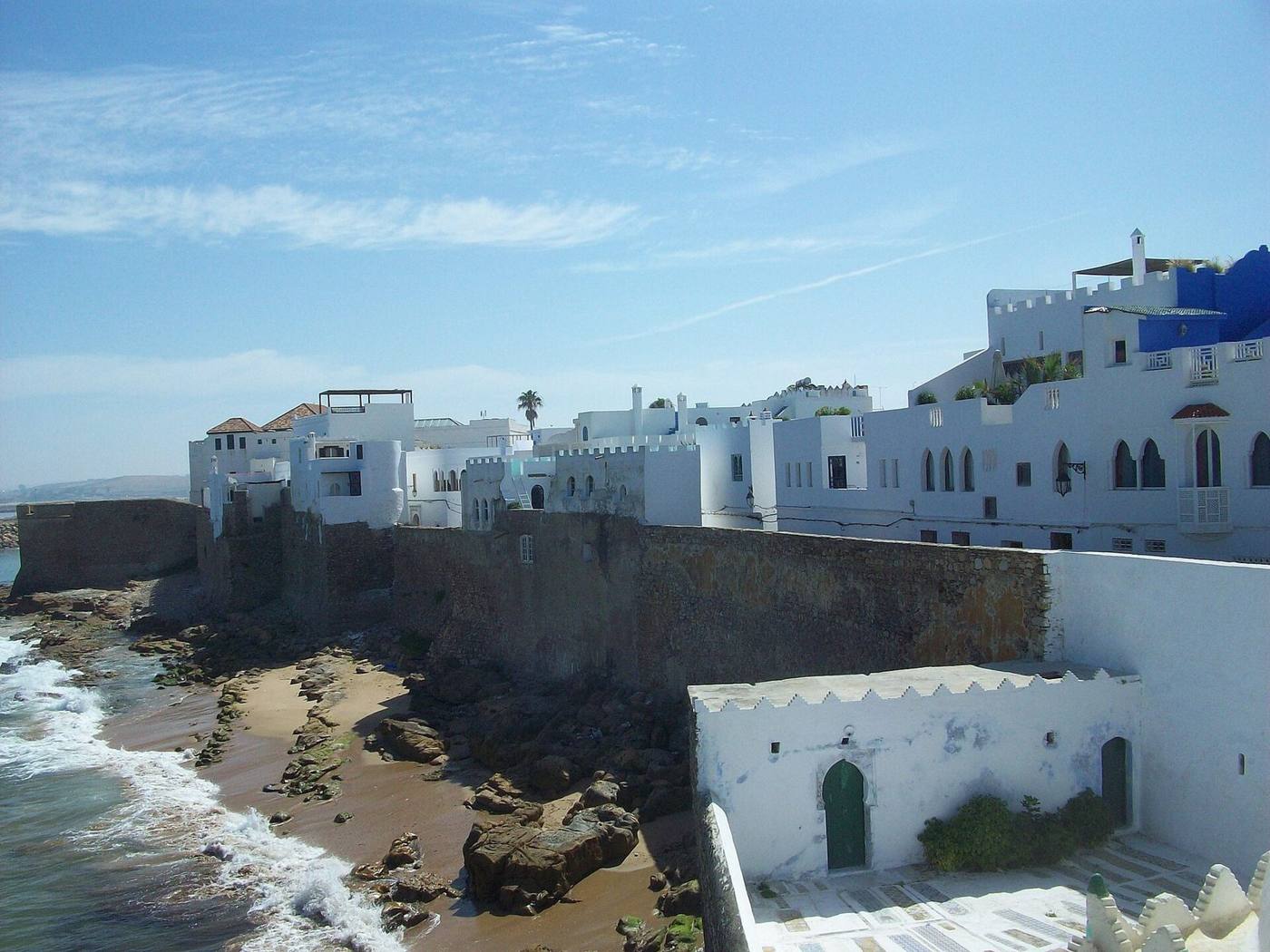
The northern Atlantic coast: Asilah with its ramparts and murals, Larache with its Spanish past, the Phoenician and Roman ruins of Lixus on the hill above the river and the Merja Zerga lagoon at Moulay Bousselham, with flamingos and birds seen by boat.
 4 daysEasy
The Middle Atlas: Ifrane, Azrou and the lakes
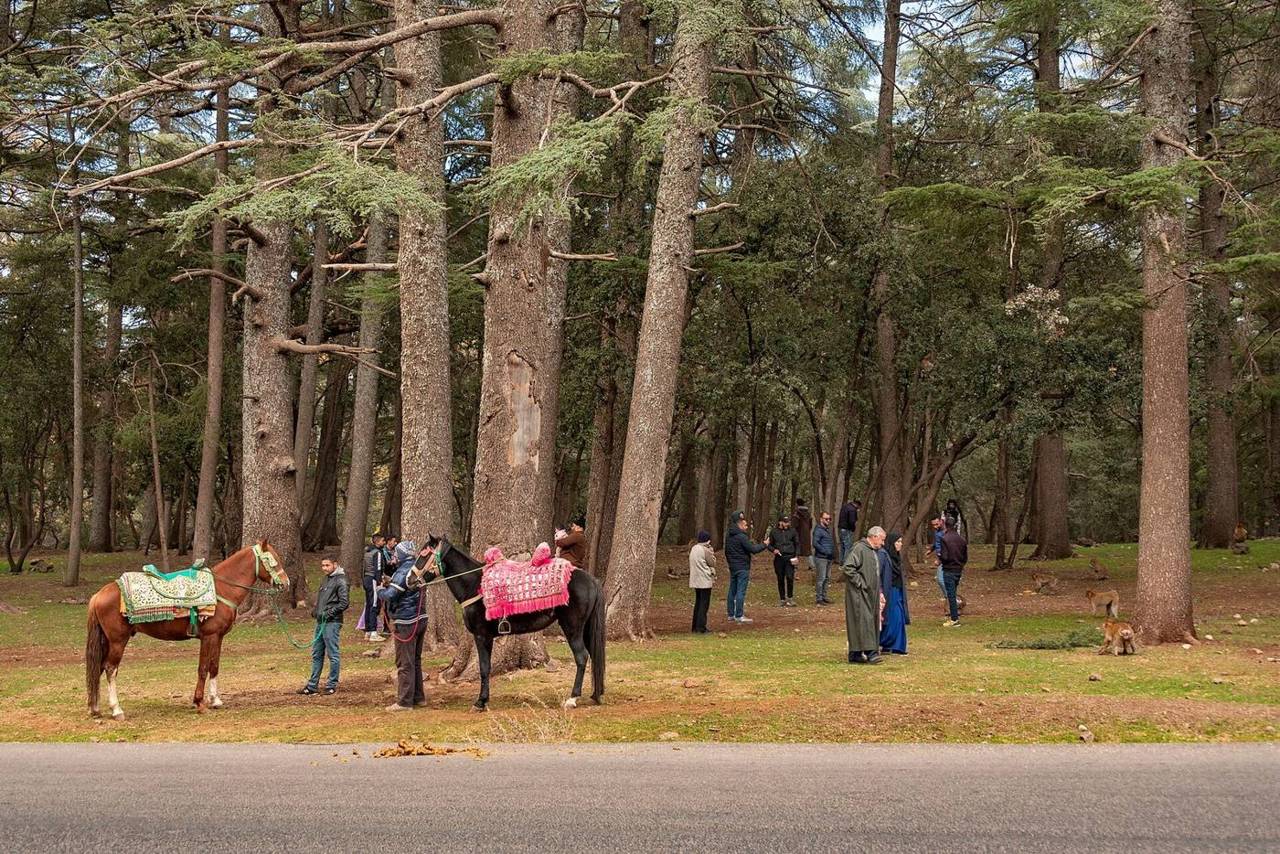
Morocco's forests: Ifrane, an alpine-style town with steep roofs, the cedar forests of Ifrane National Park and their Barbary macaques, the lakes of Dayet Aoua and Aguelmam Azigza, the springs of the Oum Er-Rbia and walks across the shepherds' pastures.
 4 daysModerate
The Ounila valley: Telouet and Aït Ben Haddou on foot
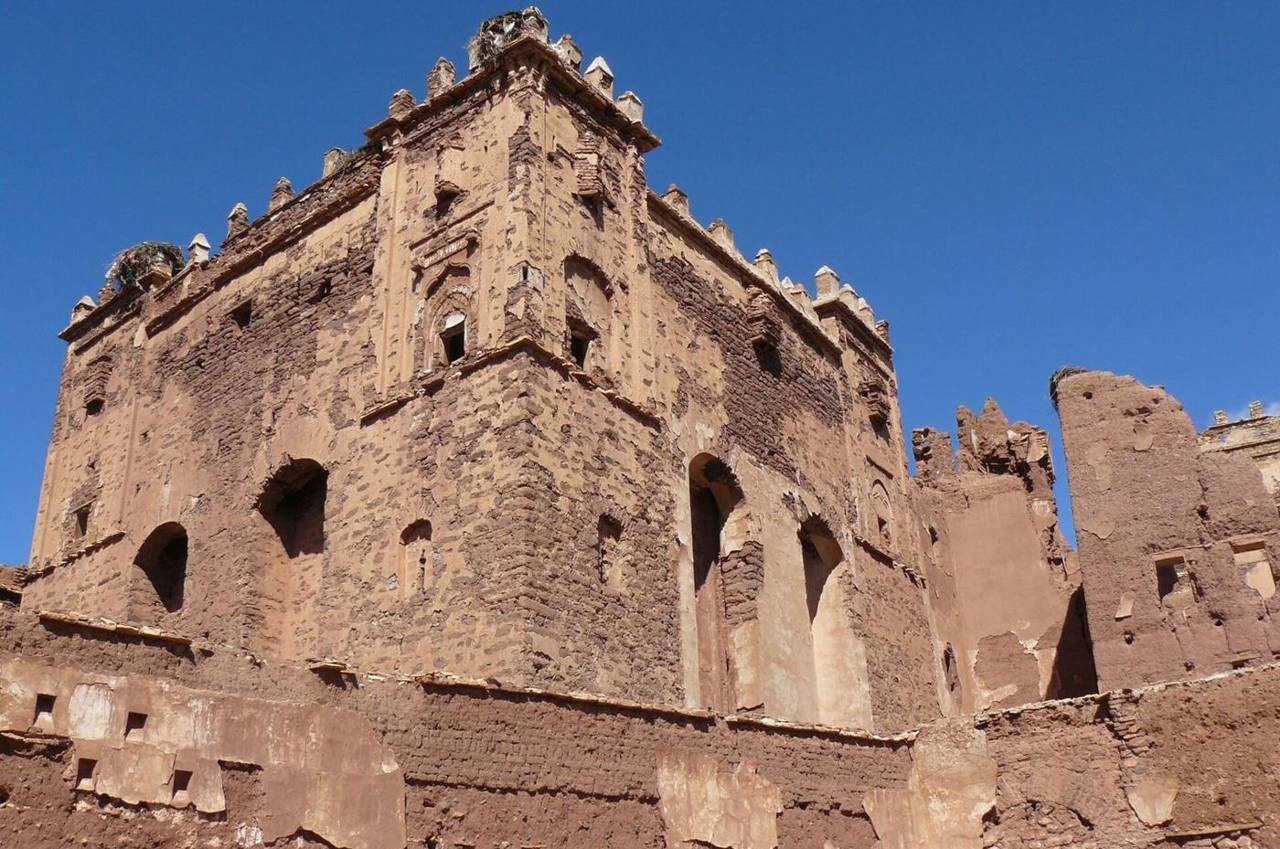
The old caravan route over the Tizi n'Tichka pass: the Glaoui kasbah at Telouet with its decorated halls, the Ounila valley between earthen villages, palm groves and coloured rocks, walking to the ksar of Aït Ben Haddou, a UNESCO site.