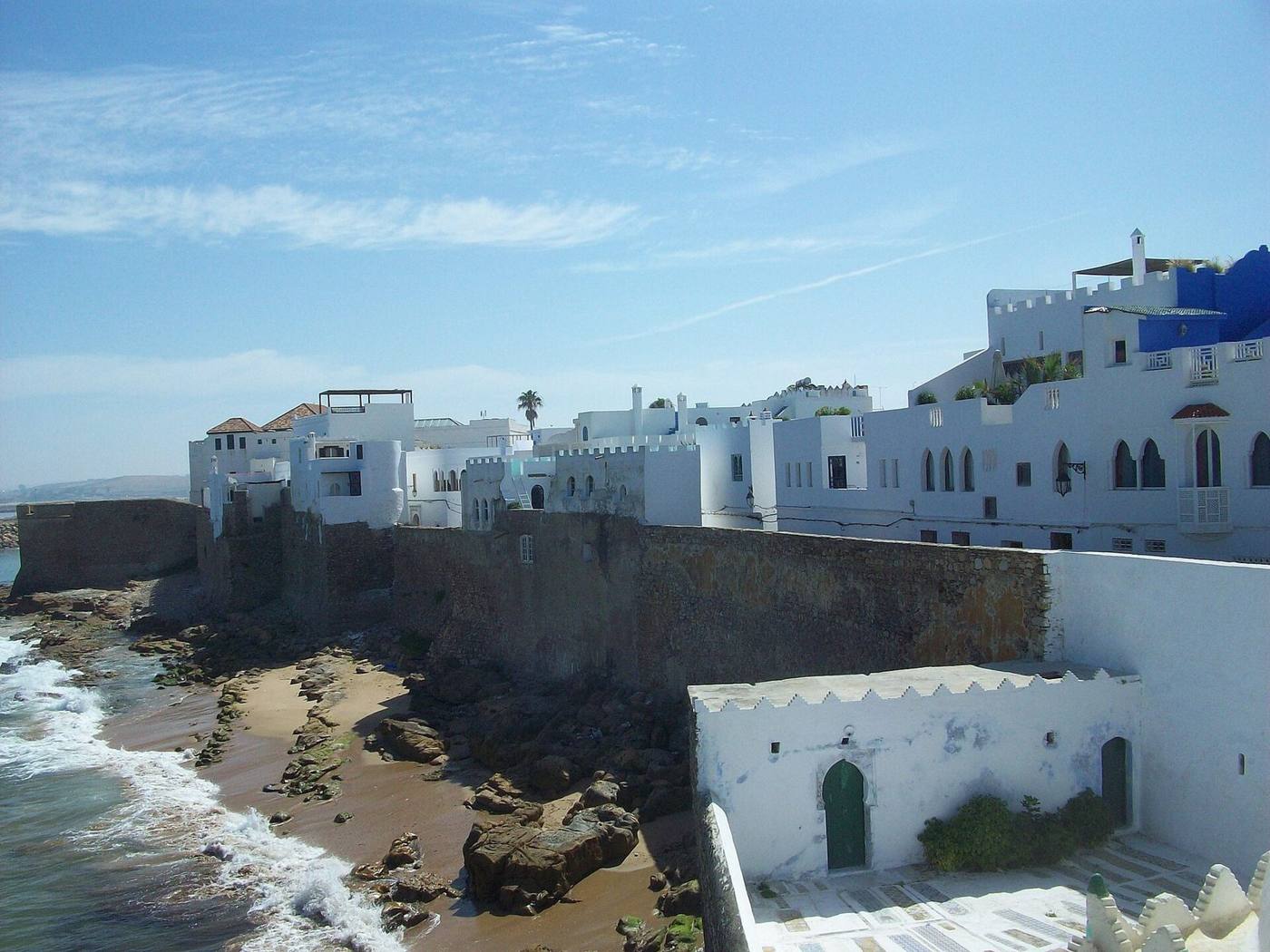
Asilah, Larache, Lixus and Moulay Bousselham
The northern Atlantic coast: Asilah with its ramparts and murals, Larache with its Spanish past, the Phoenician and Roman ruins of Lixus on the hill above the river and the Merja Zerga lagoon at Moulay Bousselham, with flamingos and birds seen by boat.
- Tangier
- Asilah
- Larache
- Lixus
- Moulay Bousselham
Day by day
- Day 1
From Tangier to Asilah, the Portuguese ramparts and the white medina
The Atlantic coast between Tangier and Kenitra is Morocco at its calmest and least known: small towns with white and blue medinas, Portuguese and Spanish fortresses, Phoenician and Roman ruins, lagoons full of birds and long ocean beaches. Italian citizens can enter Morocco without a visa for tourism for up to 90 days with a valid passport.
In the morning leave Tangier heading south along the coast, about forty-five minutes by car or train, to Asilah, a small fishing town on the ocean. Asilah was occupied by the Portuguese in the fifteenth and sixteenth centuries, who built the great walls and ramparts that still surround the medina, with gates and towers over the sea.
Enter the medina, one of the cleanest and best kept in Morocco, with white houses, blue or green doors and windows, paved lanes and small squares. On the walls you see colourful murals painted by artists invited each summer to the Asilah cultural festival, which since 1978 has turned the town into an open-air gallery; the murals change every year.
In the afternoon walk along the ramparts to the Krikia, a headland above the waves, to watch the sunset over the Atlantic, and see from outside the Raissouni Palace, built on the sea in the early twentieth century by a local chief.
In the evening eat freshly caught grilled fish, sardines and squid, at the small places near the harbour.
Practical tip: Morocco is at level 2 in US travel advisories; in the medinas watch out for pickpockets and politely decline unofficial guides.
- Day 2
Larache, the Spanish town, and the ruins of Lixus
In the morning drive south to Larache, about forty minutes, a town at the mouth of the Loukkos river that was the capital of the Spanish protectorate in the western part of northern Morocco. It still shows in the architecture: the large circular square with white and blue arcades, once called the plaza de España, Spanish-style buildings, signs and churches. Behind the square, through a gate, you enter the small medina with its covered market.
On the headland above the sea stands the ruined Kebibat fortress, and nearby the old Christian cemetery overlooking the ocean, where the French writer Jean Genet, who lived in Larache in his last years, is buried.
In the afternoon visit the ruins of Lixus, about four kilometres from town, on a hill above the Loukkos valley, which winds through marshes to the sea. Lixus was founded by the Phoenicians, perhaps as early as the eighth century BC, and is one of the oldest sites in Morocco; it later became a Roman town. You see the tanks of the great factories of salted fish and garum, the Romans' fish sauce, a small theatre-amphitheatre, baths and temples on the acropolis at the top of the hill. Legend places the Garden of the Hesperides here, where Hercules picked the golden apples.
In the evening return to Larache and stroll along the seafront.
Practical tip: there is little shade and few services at Lixus; bring water and a hat.
- Day 3
Moulay Bousselham and a boat on the Merja Zerga lagoon
In the morning drive south to Moulay Bousselham, about an hour, a small fishing village built on a hill between the ocean and a large lagoon, the Merja Zerga. The village is named after a tenth-century Sufi saint whose white domed tomb stands on the dunes above the sea; a large pilgrimage takes place here every summer.
The Merja Zerga, meaning blue lagoon, is one of Morocco's most important wetlands, protected under the international Ramsar convention. In winter its shallow waters, channels and marshes host tens of thousands of migratory birds arriving from Europe: pink flamingos, spoonbills, herons, storks, gulls and many species of waders, small birds that feed in the mud.
The best way to see them is a rowing or motor boat trip with one of the village boatmen, who know the lagoon and its birds and take visitors through the channels for two or three hours. The best time is early morning or late afternoon, with the right tide. You also see fishermen gathering clams and farmers taking their cows to graze along the shore.
In the afternoon walk along the long ocean beach, with high waves and dunes.
In the evening eat the village's fish, cooked at the small places on the hill.
Practical tip: the best period for birds is November to February; bring binoculars. In the sea the currents are strong: only swim where other people are swimming.
- Day 4
The high-speed train from Kenitra or back to Tangier
In the morning, if you have not already, take a last boat trip on the lagoon at dawn, when the birds are most active and the light is finest, or walk along the lagoon shore to the observation points.
Then head off. You have two options. The first is to continue south to Kenitra, about an hour by car, and take the Al Boraq high-speed train, Africa's first high-speed train, opened in 2018: it links Tangier, Kenitra, Rabat and Casablanca, taking you from Kenitra to Rabat in a few minutes and to Casablanca in about an hour, or to Tangier in under an hour. This makes it easy to link the trip to an itinerary through the imperial cities or Casablanca.
The second is to return north to Tangier, about two hours by car, perhaps stopping again in Asilah for lunch. If you have time in Tangier, visit the Caves of Hercules and Cape Spartel, where the Atlantic meets the Mediterranean, or the kasbah with its museum and views over the Strait of Gibraltar.
Things to take home: painted ceramics, northern rugs and textiles, olive oil, black soap, spices and mint tea.
Practical tip: Al Boraq tickets can be bought online or at the station; at weekends and on public holidays it is best to book.
A short, quiet trip, good to add to Tangier or Rabat. Migratory birds are most numerous in winter. Signage at Lixus is sparse: a local guide helps make sense of the site. EU citizens enter without a visa for up to 90 days with a passport. The border with Algeria is closed: keep away from the border strip.
Before you go
- Documents and visa
- EU visitors need a passport valid for the whole stay; identity cards are not accepted. No visa is needed for tourist stays of up to 90 days.
- Health and vaccines
- No vaccines required. Drink bottled water and take out travel health insurance: public healthcare is limited and private clinics charge. Emergencies: 19 police, 15 ambulance.
- Money and payments
- Moroccan dirham, which cannot be exported beyond a small sum: change a little at a time and keep the receipts. Cash is needed everywhere in medinas and villages.
- Power sockets
- Types C and E, 220 volts.
- Time zone
- UTC+1 for most of the year; Morocco changes its clocks during Ramadan, so check before travelling.
- Safety
- The main risk named by governments is terrorism; avoid the 20 km strip along the closed Algerian border and the frontier areas of Western Sahara. Official advice: GOV.UK.
Information checked in November 2026 for Italian and EU citizens. Rules change: always check before you travel.
Variations
In 2 days from Tangier: Asilah on day one, Larache and Lixus on day two with return.
In 7 days: add Chefchaouen and Tétouan in the Rif mountains, or Rabat and Meknès by high-speed train.
Frequently asked questions
What documents do I need?
Italian citizens need only a valid passport, with no visa, for tourist stays of up to 90 days.
When is the best time to go?
April to June and September to October for the weather; November to February for the birds of Merja Zerga.
Do I need a car?
It is handy for Lixus and Moulay Bousselham; Asilah and Larache can also be reached by train and bus from Tangier.
Indicative itinerary written by World Atlas. Before booking, check timetables, seasonal openings, documents and safety.
 4 daysEasy
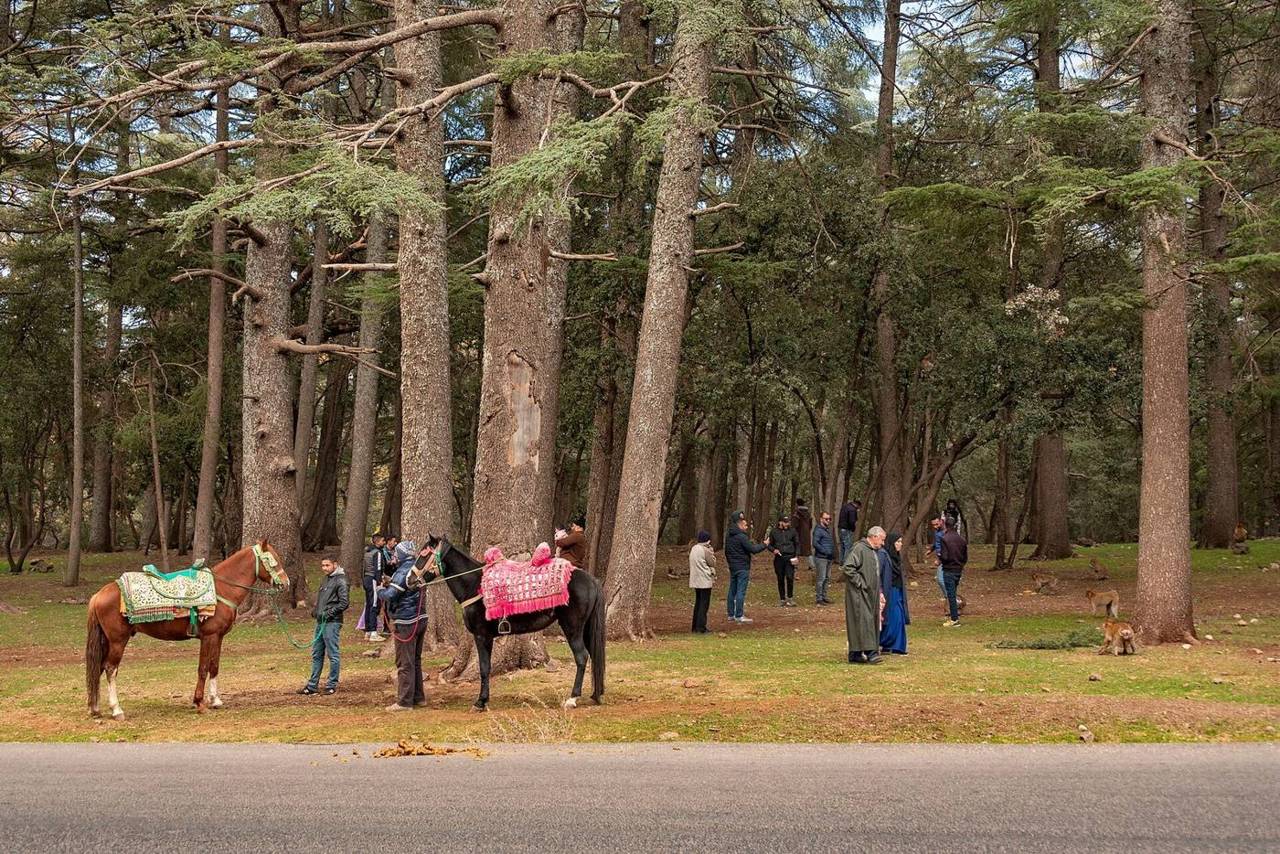
The Middle Atlas: Ifrane, Azrou and the lakes
Morocco's forests: Ifrane, an alpine-style town with steep roofs, the cedar forests of Ifrane National Park and their Barbary macaques, the lakes of Dayet Aoua and Aguelmam Azigza, the springs of the Oum Er-Rbia and walks across the shepherds' pastures.
 4 daysModerate
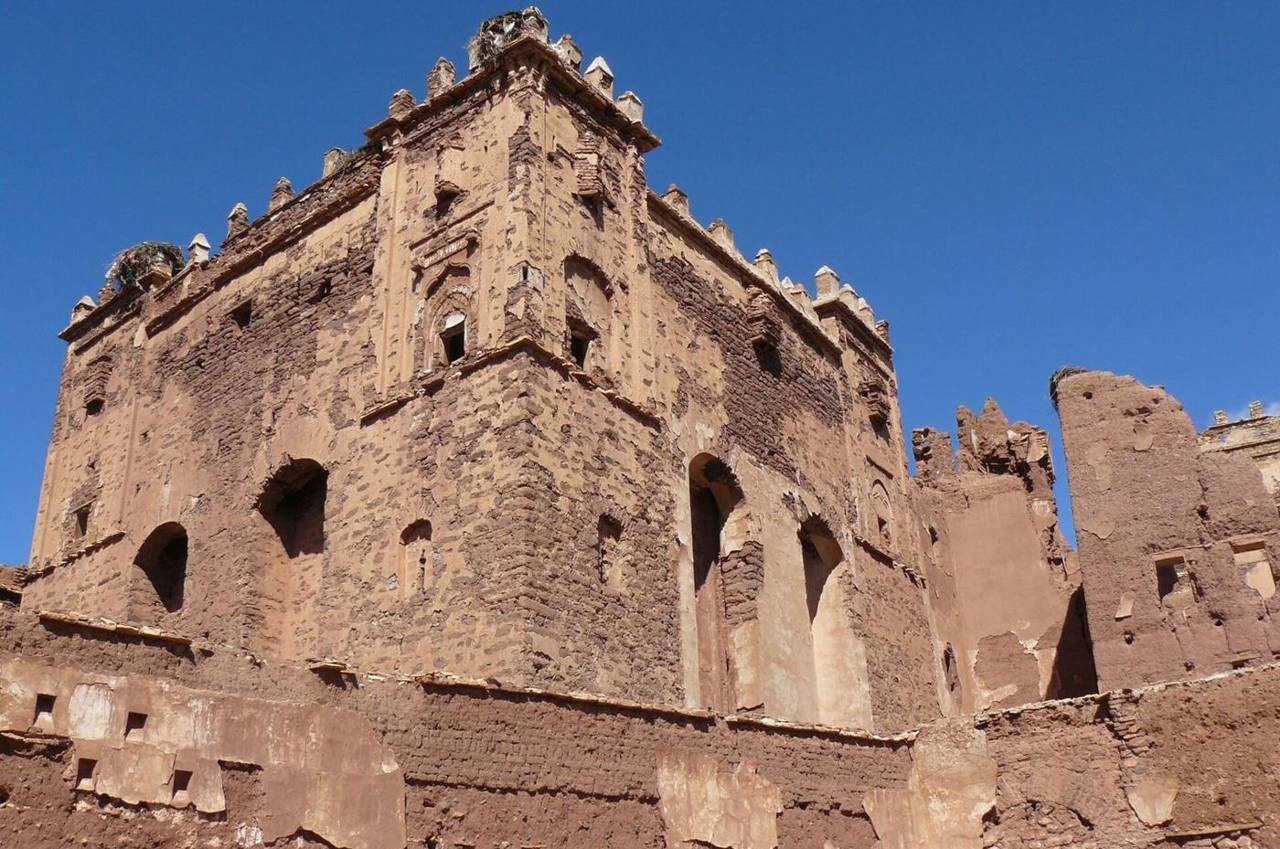
The Ounila valley: Telouet and Aït Ben Haddou on foot
The old caravan route over the Tizi n'Tichka pass: the Glaoui kasbah at Telouet with its decorated halls, the Ounila valley between earthen villages, palm groves and coloured rocks, walking to the ksar of Aït Ben Haddou, a UNESCO site.
 3 daysEasy
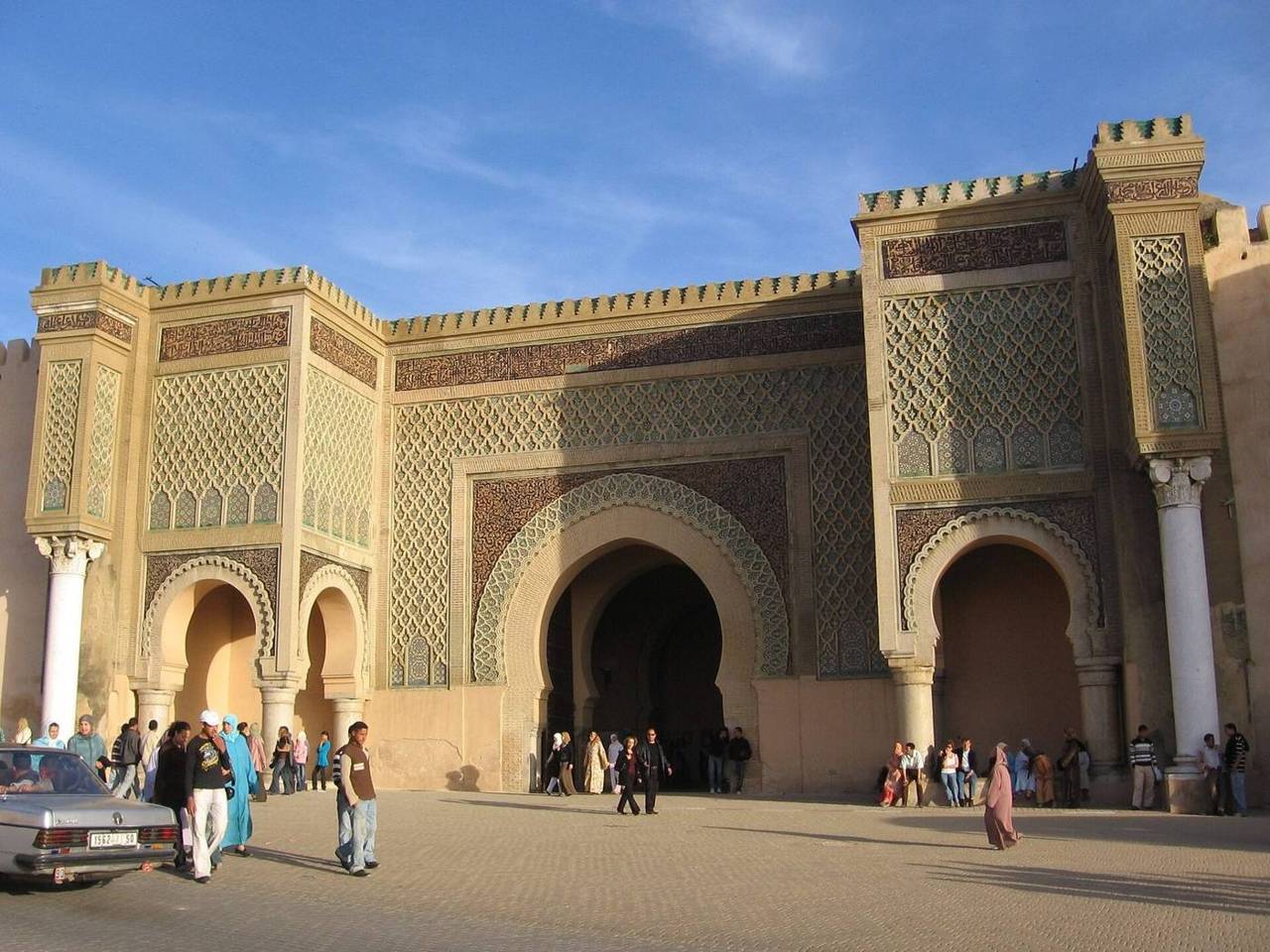
Meknes in depth and Moulay Idriss
Moulay Ismail's imperial city, a UNESCO site: the Bab Mansour gate, the granaries and stables of Heri es-Souani, the sultan's mausoleum, the medina and its souks, then the holy town of Moulay Idriss Zerhoun on its hill and the ruins of Volubilis at sunset.