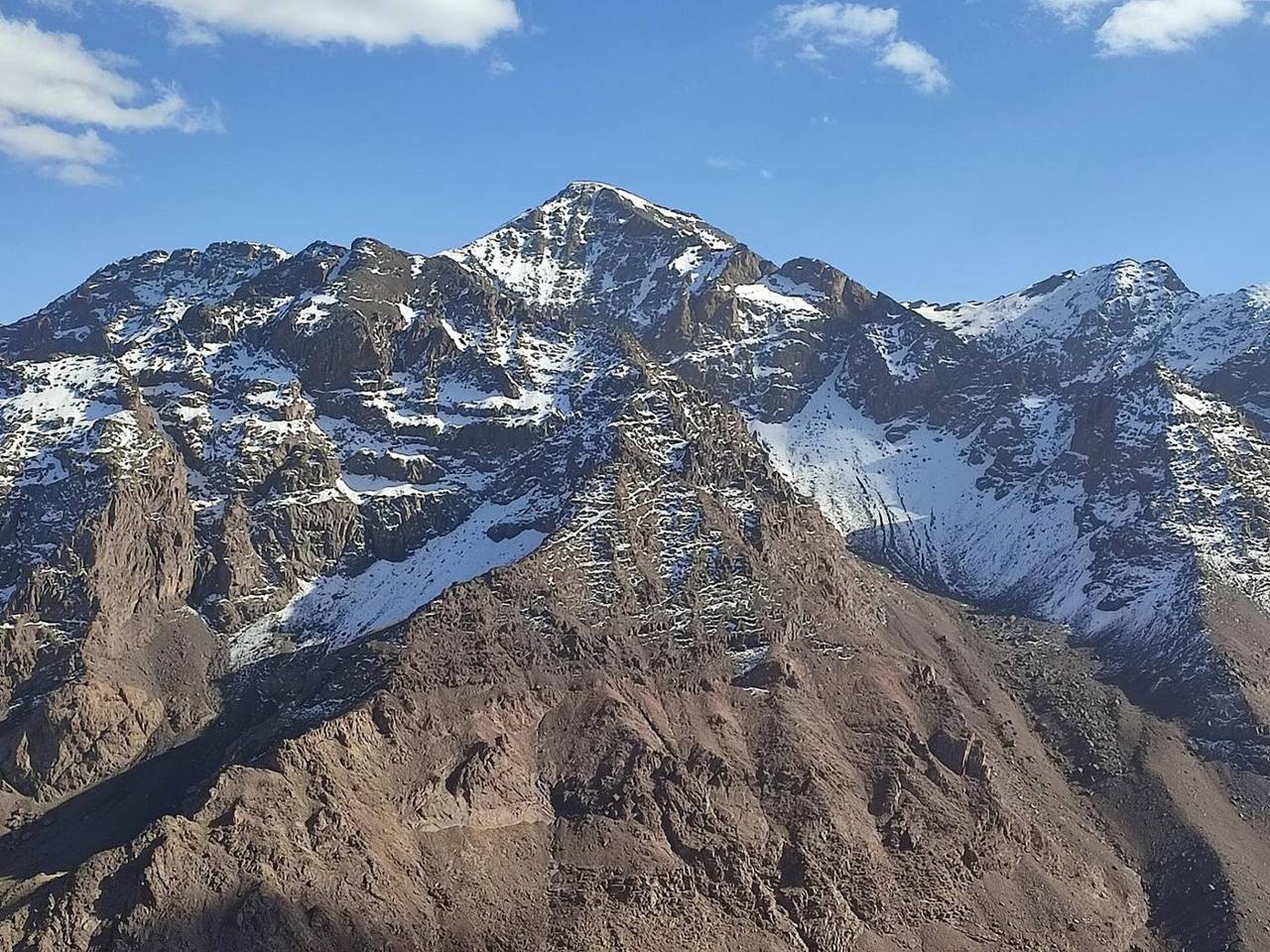
High Atlas: trekking and the Toubkal ascent
A week on foot among Berber villages and passes above 3,000 metres, up to the 4,167-metre summit of North Africa's highest peak.
- Marrakech
- Imlil
- Tizi n'Tamatert
- Azzaden
- Toubkal Refuge
- Toubkal
Day by day
- Day 1
Arrival in Marrakech
This trip takes you on foot into the High Atlas, the mountain range that separates Marrakech from the Sahara, with a week of trekking through Berber valleys, villages of earth and stone, high passes and the climb of Toubkal, the highest peak in North Africa at about four thousand one hundred and sixty seven metres, and ends with two days of rest in Marrakech.
Before you leave: Italian citizens can enter Morocco without a visa for up to ninety days with a valid passport; other nationalities should check their own rules. The United States government rates Morocco at level 2, meaning exercise increased caution, mainly because of the risk of terrorism: check the latest advice.
In September 2023 a strong earthquake struck the High Atlas south of Marrakech, damaging many villages. Rebuilding is under way and some trails and lodgings may have changed: check with your agency or guide before you leave.
You fly into Marrakech airport, about twenty minutes from the medina by taxi. In the afternoon rest and, when the heat drops, walk to Jemaa el Fna square, the heart of the city, with orange juice sellers, musicians, storytellers and, in the evening, dozens of grilled food stalls.
Sleep in Marrakech, in a riad in the medina.
Practical tip: the best time to climb Toubkal without snow equipment is June to September. In winter the climb requires crampons, an ice axe and experience.
- Day 2
Transfer to Imlil and a first walk
In the morning leave Marrakech by car or minibus arranged by your agency or guide, heading south, about an hour and a half. The road crosses the Haouz plain, then climbs the Rheraya river valley, past red earth villages, olive groves and walnut trees.
You reach Imlil, at about one thousand eight hundred metres, the village where almost all treks in the area begin, with small gear shops, stone houses and terraces planted with apple, walnut and cherry trees.
Here you meet your mountain guide and usually the muleteer with the mules that will carry the bags, tents or supplies during the trek. For some years now a licensed local guide has been mandatory to climb Toubkal: check the current rules.
In the afternoon take a first acclimatisation walk to nearby villages, such as Aroumd, a Berber village clinging to the mountainside with views of the Toubkal massif, or up to a small shrine above the valley.
In the evening have dinner with your host family or at the gîte, a simple mountain lodging: vegetable or chicken tajine, couscous, homemade bread and mint tea.
Sleep in Imlil.
Practical tip: in the villages dress with shoulders and knees covered, and always ask before photographing people.
- Day 3
The Tizi n'Tamatert pass
Today the real trek begins.
In the morning climb from Imlil to the Tizi n'Tamatert, a pass at about two thousand two hundred and fifty metres, on a path that zigzags up through juniper woods and cultivated terraces. From the pass you see the Imlil valley on one side and the Imenane valley on the other, with peaks still snow covered until late spring.
Then the path drops to the villages of the Imenane valley, earth and stone houses built one above another on the slope, with flat roofs where grain is spread and walnuts are dried.
In the afternoon continue on a contour path towards the Azzaden valley, over another pass and through shepherds' villages, with flocks of goats and sheep. The mules walk with you or ahead, led by the muleteer.
The stage is about five or six hours of walking.
In the evening sleep in a gîte, a Berber family home that hosts trekkers, with simple rooms, mattresses on the floor, sometimes a wood fired hammam, and dinner together on the carpets.
Sleep in a gîte in the Azzaden valley.
Practical tip: drink only bottled, boiled or filtered water. Stream water looks clean but passes near villages and pastures.
- Day 4
The Azzaden valley
Today you explore the Azzaden valley, one of the most beautiful and greenest in the High Atlas.
In the morning walk along the valley floor among terraced fields of barley and maize, giant walnut trees and hand dug irrigation channels that bring stream water to the fields on a rota decided by the community. Women work in the fields and carry bundles of grass and firewood on their backs; children herd the goats.
Pass through the villages of Tizi Oussem and Tagadirt, with their ochre earth houses, and see how people live in the mountains, without paved roads in many places, with mules as transport.
In the afternoon climb to the summer pasture of Azib Tamsoult, a grassy plateau at about two thousand two hundred and fifty metres beneath the mountain walls, where in summer shepherds bring their flocks and sleep in stone huts.
The stage is shorter, about four or five hours, and helps with acclimatisation before the higher altitudes of the following days.
In the evening, if the sky is clear, look at the stars: in the mountains, far from lights, you see a great many.
Sleep in a gîte or refuge in the valley.
Practical tip: at altitude the nights are cold even in summer. Bring a suitable sleeping bag and warm layers.
- Day 5
The Ighouliden falls and the high passes
Today you climb towards the higher altitudes.
In the morning walk to the Ighouliden falls, a drop of several tens of metres falling from a rock wall into a gorge among boulders and moss. The path passes close to the falls and then climbs steeply above them, with some sections on rock where you also use your hands.
Then continue upwards among scree and high pastures, with views of the peaks of the Toubkal massif. The air grows thinner and you need to slow down.
In the afternoon reach a high pass at over three thousand metres, such as Tizi Mzik or another pass depending on the route chosen by your guide, with views over the valleys on both sides.
The stage is long, six or seven hours, with a lot of climbing. Walk at your own pace, drink often and eat small snacks during the day.
In the evening sleep in a refuge or a tented camp near the pass or in a valley below it.
Sleep in a refuge or tent.
Practical tip: if you have a bad headache, nausea or unusual tiredness, tell the guide at once. These are signs of altitude sickness and going down is the best cure.
- Day 6
To the Toubkal refuge
Today you reach the refuge below the summit of Toubkal.
In the morning descend from the pass and climb the valley leading to the Toubkal massif, among scree and streams. The landscape is almost treeless: red and grey rocks, scree slopes and small snowfields in the gullies until early summer.
The path then joins the main trail up from Imlil, passing the shrine of Sidi Chamharouch, a small village around a large white painted rock, a place of Muslim pilgrimage; the shrine itself is reserved for Muslims.
In the afternoon you reach the Toubkal refuges, at about three thousand two hundred metres, two large stone buildings at the head of the valley beneath the mountain walls, where you sleep in dormitories and eat together.
Rest, drink plenty and prepare everything for the next day's climb: head torch with new batteries, warm layers, windproof jacket, gloves, hat, water and something to eat.
In the evening the guide explains the route and the start time, usually very early to reach the summit at dawn.
Sleep at the Toubkal refuge.
Practical tip: the refuges are crowded in high season. Bring earplugs and an eye mask for sleeping. Keep your summit kit ready by your bed so you do not wake the others.
- Day 7
Toubkal summit at dawn
Today is summit day.
The alarm goes in the middle of the night and you set off by head torch, in line behind the guide. The path climbs steeply over scree and rock up a gully, reaches a saddle at about three thousand eight hundred metres and continues along the ridge to the summit. It takes about three or four hours, with more than nine hundred metres of ascent.
In summer the climb needs no technical equipment, but it is tiring because of the altitude and the loose ground. In spring and autumn there may be snow or ice: then crampons and an ice axe are needed and the guide decides whether you can go up.
From the summit, marked by a large metal pyramid structure, on clear days you see the Atlas ranges, the Marrakech plain to the north and, to the south, the mountains falling away towards the desert.
You stay on top only a few minutes because of the cold and wind, then descend carefully to the refuge, where you have breakfast and rest.
In the afternoon rest at the refuge or, if you feel well, start the descent towards the valley.
Sleep at the Toubkal refuge.
Practical tip: the descent on scree is hard on the knees. Trekking poles help a great deal.
- Day 8
Down to Imlil and back to Marrakech
In the morning walk down from the refuge to Imlil on the main trail, about five or six hours, passing Sidi Chamharouch again and then Aroumd, among walnut trees and terraced fields. The descent is long but not difficult.
Along the path there are small refreshment stops where you can drink freshly squeezed orange juice or mint tea.
In Imlil say goodbye to the guide and muleteer. It is customary to leave a tip for the guide, the muleteer and the cook, if there is one: ask your agency what amount is recommended.
In the afternoon return to Marrakech by car or minibus, about an hour and a half.
In the evening, after a week in the mountains, enjoy a hot shower, a comfortable bed and a quiet dinner in a riad or a restaurant in the medina, with lamb tajine with prunes, pastilla, the savoury pie with meat and almonds, or couscous.
Sleep in Marrakech.
Practical tip: after the trek your body is tired and somewhat dehydrated. Drink plenty of water and do not plan anything strenuous for the evening. If you have blisters or aches, treat them at once: Marrakech has pharmacies throughout the new town and near the medina. Wash and dry your gear before packing it away.
- Day 9
Rest in Marrakech: hammam and souks
Today you rest and discover Marrakech.
In the morning go to a hammam, the traditional steam bath: you go into a hot room, wash with black olive oil soap and are then scrubbed with a rough mitt that removes dead skin. It is the best way to loosen your muscles after the mountains. There are simple neighbourhood hammams and more comfortable ones for tourists. Check prices and rules.
In the afternoon enter the souks, the covered markets north of the square, a maze of alleys where each area has its own craft: dyers with skeins of coloured wool hung to dry, blacksmiths, leather workers, sellers of slippers, metal lamps, carpets, spices and ceramics. Bargain calmly and politely: it is part of the game.
Visit the Ben Youssef madrasa, a sixteenth century Quranic school with a courtyard decorated with stucco, carved cedar wood and tiles. Check opening hours and prices.
In the evening return to Jemaa el Fna square for the food stalls and the atmosphere.
Sleep in Marrakech.
Practical tip: in the souks someone will offer to show you the way. If you do not want a guide, decline politely and ask shopkeepers for directions. A map downloaded on your phone helps a lot in the maze of alleys.
- Day 10
Gardens and palaces of Marrakech
Today you visit the gardens and palaces of Marrakech.
In the morning go to the Majorelle Garden, created by the French painter Jacques Majorelle and later bought and restored by Yves Saint Laurent and Pierre Bergé, with cacti, bamboo, palms and the villa painted an intense blue. Next door is the Berber museum and, not far away, the museum devoted to Yves Saint Laurent. Entry is by timed ticket booked online: check.
In the afternoon visit the Bahia Palace, a nineteenth century residence with courtyards, fountains, painted wooden ceilings and tiles, and the Saadian Tombs, sixteenth century mausoleums decorated with marble and stucco, rediscovered in 1917. Check opening hours and prices.
Then walk through the Kasbah quarter and on to the Koutoubia mosque, whose twelfth century minaret is the symbol of the city. The interior of the mosque is reserved for Muslims.
At sunset go up to a café terrace above Jemaa el Fna and watch the square fill with smoke, lights and music.
Sleep in Marrakech.
Practical tip: at the most famous gardens and monuments arrive at opening time. Later the queues and the heat increase. In summer rest in the riad during the hottest hours and resume sightseeing in the late afternoon.
- Day 11
Departure
On the last day leave from Marrakech airport, about twenty minutes from the medina by taxi.
If your flight leaves in the afternoon, in the morning you can visit Le Jardin Secret, a garden restored in an old palace in the medina, or the Museum of Marrakech in the Mnebhi palace. Check opening hours and prices.
Before leaving buy something to take home: culinary or cosmetic argan oil bought from women's cooperatives, spices such as ras el hanout, leather slippers, pierced metal lamps, painted ceramics or a small Berber rug. For rugs ask for a receipt and compare prices.
This trip combines two worlds: a week on foot in the High Atlas, among Berber villages, families who host travellers, terraced valleys and the highest peak in North Africa, and two days in Morocco's most famous city, among souks, gardens and the liveliest square in the country.
Before a trek like this, prepare with long mountain walks with height gain and a pack.
Practical tip: arrive at the airport at least two and a half hours before your flight. Security checks in Marrakech can be slow, especially at holiday times. Keep your passport to hand and check the cabin baggage rules.
A real trek, not a stroll: you need trained legs and broken-in boots. The right season is May to October; in winter the summit is snowbound and you need crampons and an experienced guide. Toubkal is not technical, but you feel the altitude: the valley days before the summit are the best part, so don't cut them.
Before you go
- Documents and visa
- EU visitors need a passport valid for the whole stay; identity cards are not accepted. No visa is needed for tourist stays of up to 90 days.
- Health and vaccines
- No vaccines required. Drink bottled water and take out travel health insurance: public healthcare is limited and private clinics charge. Emergencies: 19 police, 15 ambulance.
- Money and payments
- Moroccan dirham, which cannot be exported beyond a small sum: change a little at a time and keep the receipts. Cash is needed everywhere in medinas and villages.
- Power sockets
- Types C and E, 220 volts.
- Time zone
- UTC+1 for most of the year; Morocco changes its clocks during Ramadan, so check before travelling.
- Safety
- The main risk named by governments is terrorism; avoid the 20 km strip along the closed Algerian border and the frontier areas of Western Sahara. Official advice: GOV.UK.
Information checked in November 2026 for Italian and EU citizens. Rules change: always check before you travel.
Variations
In 7 days: Imlil, a direct two day climb of Toubkal and back to Marrakech, without the valley circuit.
In 14 days: add the full Toubkal circuit, with Lake Ifni, or three days in the desert.
Frequently asked questions
Do I need a visa for Morocco?
No: Italian citizens can enter without a visa for up to ninety days with a valid passport. Other nationalities should check their own rules.
Do I need a guide for Toubkal?
Yes: for some years a licensed local guide has been mandatory to climb Toubkal. Check the current rules with your agency.
Is it a difficult climb?
In summer it is not technical, but it is tiring because of the altitude, over four thousand metres, and the loose ground. In winter you need crampons, an ice axe and experience.
Indicative itinerary written by World Atlas. Before booking, check timetables, seasonal openings, documents and safety.
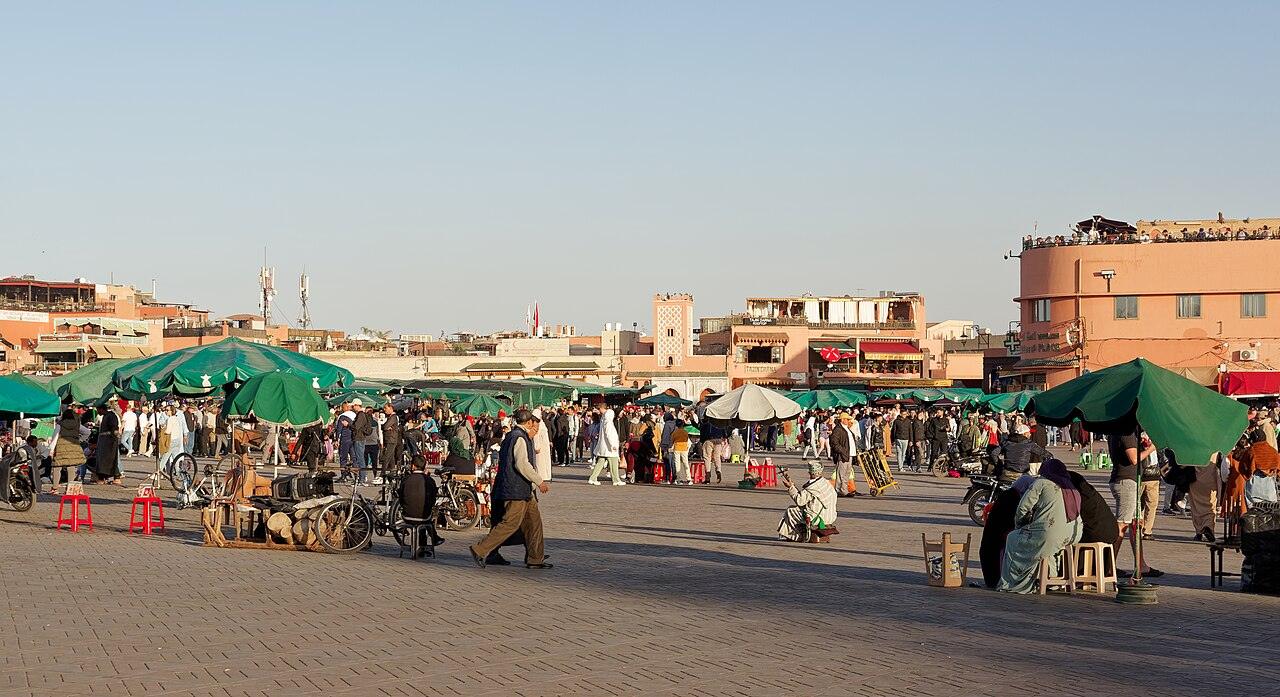 7 daysEasy
Marrakech and the Sahara
From Jemaa el-Fna square to the Erg Chebbi dunes, across the Atlas, past kasbahs and gorges.
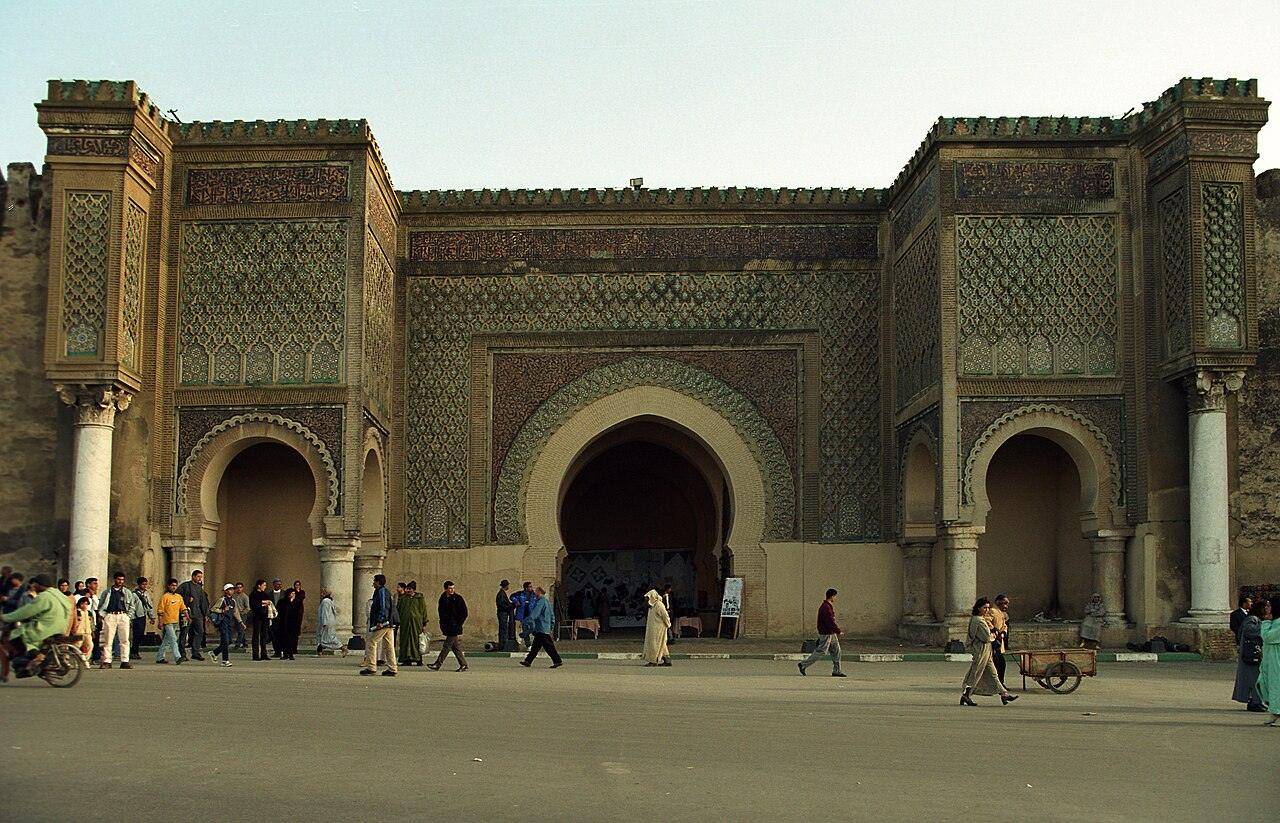 15 daysModerate
Imperial cities, Chefchaouen and the desert
The full circuit: Fez and Meknes, the blue town in the Rif, the Sahara, the gorges and a finale between Marrakech and Essaouira.
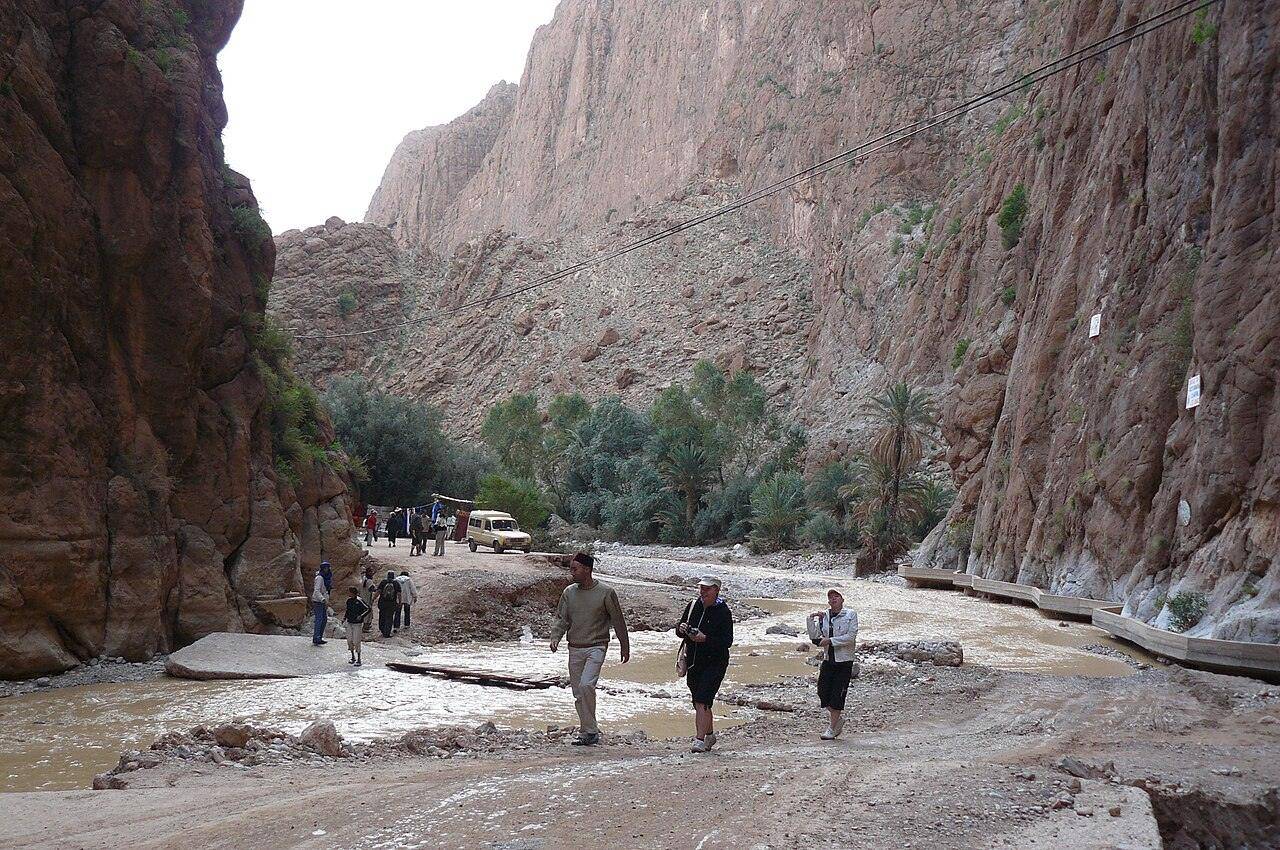 8 daysEasy
Marrakech to Fès by way of the Sahara
The classic crossing: the High Atlas, the kasbahs of Ouarzazate, the Dades gorges and a night in the Merzouga dunes, ending in the medina of Fès.