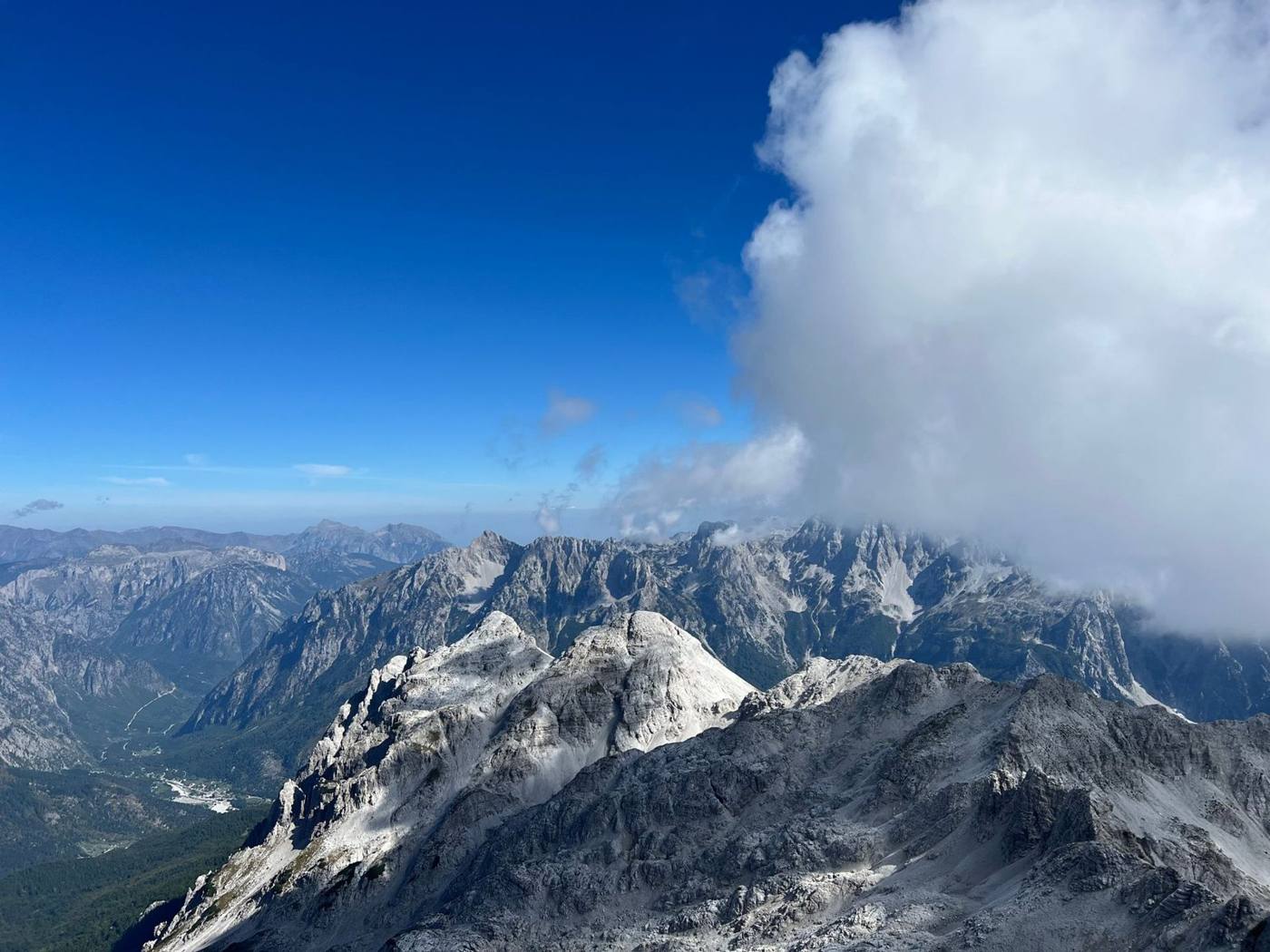
Peaks of the Balkans
The cross-border trek through Montenegro, Albania and Kosovo: ten stages in the Accursed Mountains, between Theth, Valbona and herders' villages.
- Plav
- Vusanje
- Theth
- Valbona
- Çerem
- Dobërdol
- Babino Polje
Day by day
- Day 1
Arrival in Plav, below the Accursed Mountains
This is a ten day circular trek in the Prokletije, the Accursed Mountains, across Montenegro, Albania and Kosovo. You start and finish in Plav, walk from one village to the next and sleep in shepherds' houses and simple guesthouses. The stages are long and the waymarking is poor in places: do it with a local guide.
Before you go: Italian citizens can enter Montenegro, Albania and Kosovo without a visa; in Montenegro the electronic identity card is valid for stays of up to 30 days. For this trek, bring your passport. Other nationalities should check their own rules. The trail crosses borders in the mountains, away from official crossings: each crossing needs a permit from that country's police, to be requested at least fifteen days in advance; without one you risk serious trouble. Print the permits and keep them with your passport. In Montenegro you must be registered within 48 hours and pay the tourist tax: ask your host. In the mountains between Kosovo, Albania and Montenegro, mines and unexploded weapons from the 1999 war remain: walk only on marked paths and never touch metal objects. Some areas on this trip are close to borders or places where the situation changes often: check your government's travel advice before booking and again before you leave. Take insurance that covers mountain rescue.
Reach Plav from Podgorica, by car or by bus. The small town lies on a glacial lake surrounded by meadows and mountains. Walk along the shore and meet your guide to check permits, rucksack and plan.
Overnight in Plav.
Practical tip: carry cash, euros for Montenegro and Kosovo and lek for Albania, because there are no cash machines along the trail.
- Day 2
Gusinje, the springs and the Vusanje valley
The first stage is a warm up: from Lake Plav you head towards Gusinje and the Vusanje valley, inside Prokletije National Park, where the real mountains begin.
You can walk along country roads or cover the first part by car. In Gusinje, stop at the Ali Pasha springs, Alipašini izvori: clear water flows out from under the rock and forms a small pool among the meadows, in a park under beech trees. The town has mosques and stone houses, and a long history as a border place.
In the afternoon, carry on to Vusanje, a scattered village among the fields. Near the village, visit the Grlja gorge, where the stream squeezes into a narrow crack and falls as a waterfall, and Oko Skakavice, a deep spring with green and blue water. These are short walks on easy paths, good for loosening your legs after the journey.
Ahead of you opens the Ropojana valley, with the pale walls of the Prokletije: that is tomorrow's route.
In the evening, eat in the village houses: cheese, sour cream, cornbread and slow cooked meat.
Overnight in Vusanje.
Practical tip: pack your rucksack tonight for tomorrow's long stage, with at least two litres of water, food, a waterproof jacket, and your permits and passport close at hand.
- Day 3
The Peja Pass and the descent to Theth
Today is one of the longest and finest stages of the trek: you leave Montenegro, cross a mountain pass and drop into Albania, into the Theth valley.
Set off at dawn and walk up the Ropojana valley, wide and flat, among meadows, beech woods and limestone walls. Then the path starts climbing over stones and dwarf pines to the Peja Pass, Qafa e Pejës, on the border. From the top you see the Montenegrin valleys on one side and, on the other, the Albanian peaks that surround Theth.
The descent is long, steep and on loose stones: go slowly and use your poles. When you reach the first trees and fields of Theth, the day changes: streams, stone houses, wooden fences.
Theth is a mountain village that was isolated for centuries and is often cut off by snow in winter. In the middle stands the small stone church with its bell tower, the symbol of the valley. If you still have energy, visit the kulla, the tower where in the past men caught up in blood feuds shut themselves in, according to the Kanun, the traditional code of the mountains. Check prices and times.
Overnight in Theth.
Practical tip: on the pass the weather changes quickly; if you see storms coming, do not go up, wait with your guide and choose the safest time.
- Day 4
The Valbona Pass
Today you walk the most famous stage in the western Balkans, from Theth to Valbona, over the pass that divides two very different valleys.
Set off early, before the sun reaches the slope. The path climbs through beech woods with many zigzags, then comes out onto slopes of scree and rock. Along the climb there are small seasonal stops where shepherds sell water, coffee and juice. At the Valbona Pass the view is wide: behind you the Theth valley, ahead the walls that close the Valbona valley, protected as a national park.
The descent runs through woods and dry stream beds down to the valley floor. This section is busy: in summer you meet many hikers and, sometimes, the mules that carry luggage.
Valbona is a string of hamlets along the river, with meadows, houses of wood and stone and high mountains all around. In the afternoon, rest, dip your feet in the cold river water and watch the peaks at sunset.
In the evening, try flija, a pie of thin layers cooked slowly under a lid covered with embers, a typical dish of the north.
Overnight in Valbona.
Practical tip: on the descent to Valbona the path disappears at times on the stream bed; follow the red and white marks and stay close to your guide.
- Day 5
From Valbona to Çerem
Today you leave the busy valley and start the wildest part of the trek, towards the shepherds' villages near the border with Kosovo.
The path climbs from the Valbona valley floor through beech and fir woods, then crosses clearings, pastures and small groups of houses lived in only in summer. You meet few people: a shepherd or two, guard dogs, cows grazing. Always say hello and ask your guide how to behave with the dogs, which protect the flocks.
Higher up the view opens onto the ranges of northern Albania, one after another, towards Kosovo and Montenegro. Stop for a packed lunch in a meadow, where there is spring water.
In the afternoon you reach Çerem, a village of scattered houses among the pastures, below rock walls. Here life follows the seasons: families come up in summer with their animals and go down to the valley in autumn. Accommodation is simple, with shared rooms and dinner cooked by the family.
In the evening, eat what the house produces: cheese, butter, yoghurt, vegetables from the garden and freshly baked bread.
Overnight in Çerem.
Practical tip: in the shepherds' villages the phone signal is weak or absent; let people at home know your plans before leaving Valbona and bring a spare battery.
- Day 6
Dobërdol, the border pastures
Today you walk high up, on the border pastures between Albania and Kosovo, to Dobërdol, one of the most remote places on the trek.
From Çerem the path climbs through open woods and then comes out onto wide grasslands. In places the route follows the line of the border: this is where you should follow the marks and your guide most carefully, without cutting across the meadows. In this area the marked paths are the only way to go.
Along the way you see small lakes, springs and the flocks of sheep that come up here in summer. On clear days you look towards the Kosovo plateau and the highest peaks of the area, on the border between the three countries.
You reach Dobërdol in the afternoon. It is a cluster of huts and shepherds' houses in a green hollow, lived in only in the warm months. There are no shops and no tarmac roads, electricity may be limited and a hot shower is not guaranteed: you sleep in simple rooms or huts with basic facilities.
In the evening, if the sky is clear, look at the stars: here the lights of the cities are far away.
Overnight in Dobërdol.
Practical tip: even in summer, nights up here are cold; bring a light sleeping bag or a sleeping bag liner, a warm layer and a hat.
- Day 7
Into Kosovo, towards Milishevc
Today you cross into Kosovo and walk along the ridges to Milishevc, another summer shepherds' village.
From Dobërdol you climb towards the border on grassy slopes. Here you need the permit to enter Kosovo, requested in advance: keep it ready with your passport, because you may meet patrols in the mountains. The path follows the ridge for a long way, with views over the Albanian valleys on one side and the Kosovo plateau on the other.
According to the British government, mines and unexploded weapons from the 1999 war remain in this mountain area. Always stay on the marked path and never pick up metal or suspicious objects: if you see one, report it to the police.
In the afternoon you go down to Milishevc, a hollow of meadows with wooden huts and fences. Families come up here in summer with their cows and sheep, and welcome hikers with simple, generous meals.
In the evening, taste the homemade bread, the white cheese and kos, the local yoghurt. After dinner, if the sky is clear, step outside to look at the ridges in the moonlight and the distant fires of the other huts.
Overnight in Milishevc.
Practical tip: Kosovo uses the euro; carry small notes, because in the shepherds' huts it is hard to get change.
- Day 8
The valleys of Rugova
Today you go down into the valleys of Rugova, the heart of the Kosovo mountains, with woods, scattered villages and limestone peaks.
From Milishevc the path crosses pastures and woods, then drops towards the villages of the Rugova area, such as Reka e Allagës and Drelaj. Here there are more houses, linked by dirt roads, and you may find a small village shop to stock up on fruit, biscuits and water.
The Rugova valley is famous for the gorge that leads towards the town of Peja: towering walls, a rushing river and a road cut into the rock. The trek stays high and does not go down into the gorge, but the views show you why this is the mountain area Kosovars love most.
In the afternoon, rest. The people of Rugova have their own costumes and traditions, tied to shepherd life: in some houses you still see handmade woollen rugs and socks.
In the evening, eat mountain food: slow cooked meat, vegetables, cornbread and pite, a pie of thin pastry with a filling.
Overnight in the Drelaj area.
Practical tip: today's stage is shorter; use the time to wash your socks, check your feet and treat any blisters straight away, before the last two stages uphill.
- Day 9
Back into Montenegro at Babino Polje
Today you leave Kosovo, cross another mountain pass and come back into Montenegro, in the Babino Polje area.
The climb from Drelaj is long and steady, through beech woods and then open pastures. Before you reach the border, check with your guide that you have the permit to leave Kosovo and the one to enter Montenegro: they are separate documents, requested from the police of each country.
Up high you walk along broad ridges with wide views over the mountains you have crossed in the past days. If the weather is good and you still have energy, a detour takes you to Lake Hrid, a glacial lake among pines and rocks above Babino Polje. Decide on the detour with your guide, based on the weather and how tired you are, because it adds a lot to an already full day.
Then go down to Babino Polje, a hollow of meadows with scattered houses and wooden huts, inside Prokletije National Park on the Montenegrin side.
In the evening, celebrate your last night in the mountains with a simple dinner and a glass of rakija, the fruit brandy served across the region.
Overnight in Babino Polje.
Practical tip: keep your permits until the end of the trip, with your passport: you may need them at checks in Montenegro after you return.
- Day 10
Plav and departure
Last day: an easier descent towards Lake Plav, where you started, and then the journey home.
The path goes down through woods and meadows, past small villages and the first tarmac roads. By mid morning you see Lake Plav again, smooth, with the mountains reflected in it. Once in town, take a last walk along the shore and then your transfer to Podgorica, a few hours away by road.
To sum up, in ten days you have walked a full loop in the Accursed Mountains: Plav and Gusinje, the Vusanje valley, the Peja Pass and Theth, the Valbona Pass, the shepherds' villages of Çerem and Dobërdol, the ridges and Milishevc in Kosovo, the valleys of Rugova and the return from Babino Polje.
When to go: from late June to September. Earlier there can be a lot of snow on the passes; from October the shepherds' villages empty and the weather becomes unsettled. Before booking, check the permits and the travel advice for all three countries.
Remember that many mountain houses open only in the summer months: book your accommodation through your guide, well in advance, especially in July and August.
Practical tip: keep a spare day before your flight, because a storm or a postponed stage can shift the whole plan.
One of Europe's wildest treks, still little walked. Crossing borders in the mountains requires permits from each of the three countries, requested weeks ahead: without them you risk serious trouble. Stages are long and waymarking patchy in places, so a local guide is best. You sleep in shepherds' houses and simple guesthouses.
Before you go
- Documents and visa
- EU citizens can enter with an identity card for stays of up to 30 days or a passport for up to 90 days, with no visa. British visitors need a passport. You must be registered within 48 hours of arrival and pay the tourist tax: hotels and campsites do it for you, in private accommodation ask the owner.
- Health and vaccines
- No compulsory vaccinations. Healthcare is poorly equipped and often asks for payment in cash: bring your own medicines and take insurance covering medical costs and repatriation. Tap water is generally safe to drink. Emergencies: 112, police 122, ambulance 124.
- Money and payments
- Euro, even though Montenegro is not in the European Union. Cards work in towns and on the coast; in mountain villages you need cash.
- Power sockets
- Types C and F, 230 volts: you need an adapter for British plugs.
- Time zone
- UTC+1, UTC+2 in summer, one hour ahead of the UK.
- Safety
- No particular risks overall; watch for theft on the coast in summer. Mountain roads are narrow and can freeze in winter; there are wildfires in summer. In the mountains stay on marked paths, carry your passport if you walk near the Albanian or Kosovo border, and check the weather. Official advice: GOV.UK.
Information checked in November 2026 for Italian and EU citizens. Rules change: always check before you travel.
Variations
In six days you can do only the Albanian and Montenegrin part, from Vusanje to Theth and Valbona, and return towards Shkodër on the Lake Koman ferry.
With two more days, add a climb to a peak near Dobërdol or a rest day in Theth, which also works as a spare day for bad weather.
Frequently asked questions
Do I really need a permit to cross the borders?
Yes. The trail crosses the borders away from official crossings and each crossing needs a permit from that country's police, requested at least fifteen days in advance. Local guides and tourist offices can help you apply.
Can I do it without a guide?
It is possible for very experienced hikers, but the waymarking is poor in places, the stages are long and in some areas war ordnance remains. A local guide knows the trail, the permits and the families who host walkers.
How is luggage carried?
On some stages families and guides arrange luggage transport by mule or four wheel drive. Elsewhere you carry everything in your rucksack: travel light, with what you need for ten days.
Indicative itinerary written by World Atlas. Before booking, check timetables, seasonal openings, documents and safety.
 4 daysEasy
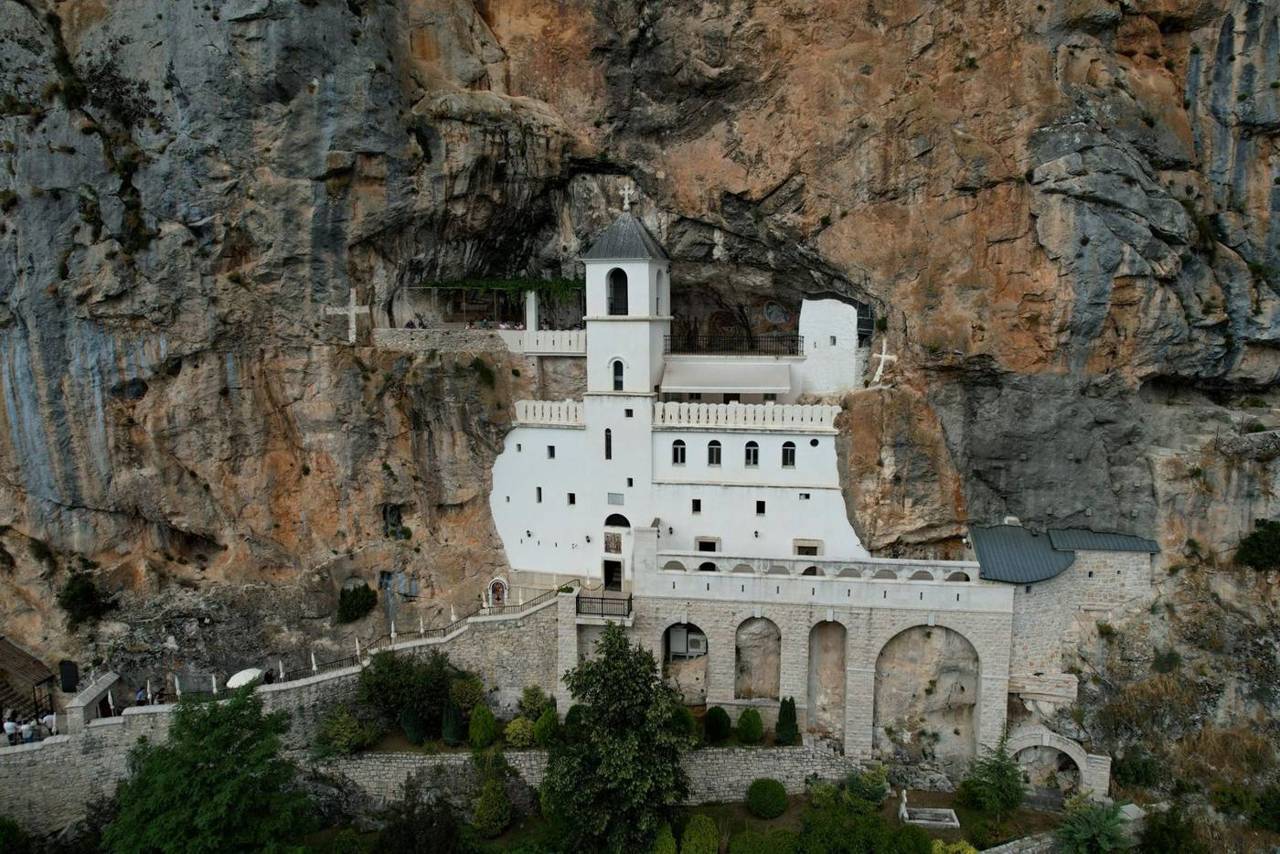
Ostrog and the Piva canyon
Ostrog Monastery set into the cliff face, Piva Monastery, the lake and canyon with tunnels carved into the rock, up to the Bosnian border.
 5 daysEasy
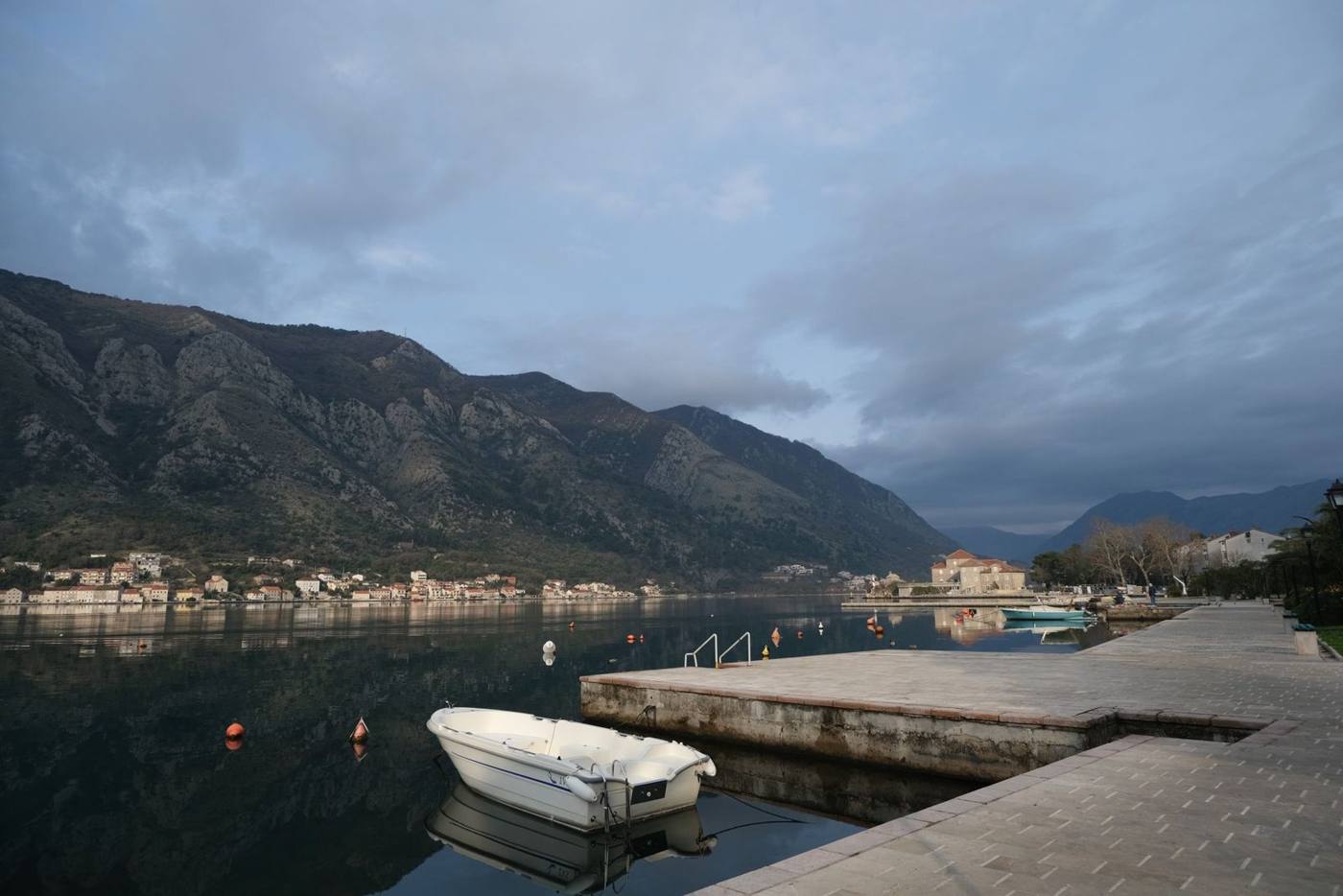
The Bay of Kotor
The fjord of the Mediterranean: the walled town of Kotor and the climb to its fortress, Perast and Our Lady of the Rocks, Herceg Novi and the Luštica peninsula.
 5 daysModerate
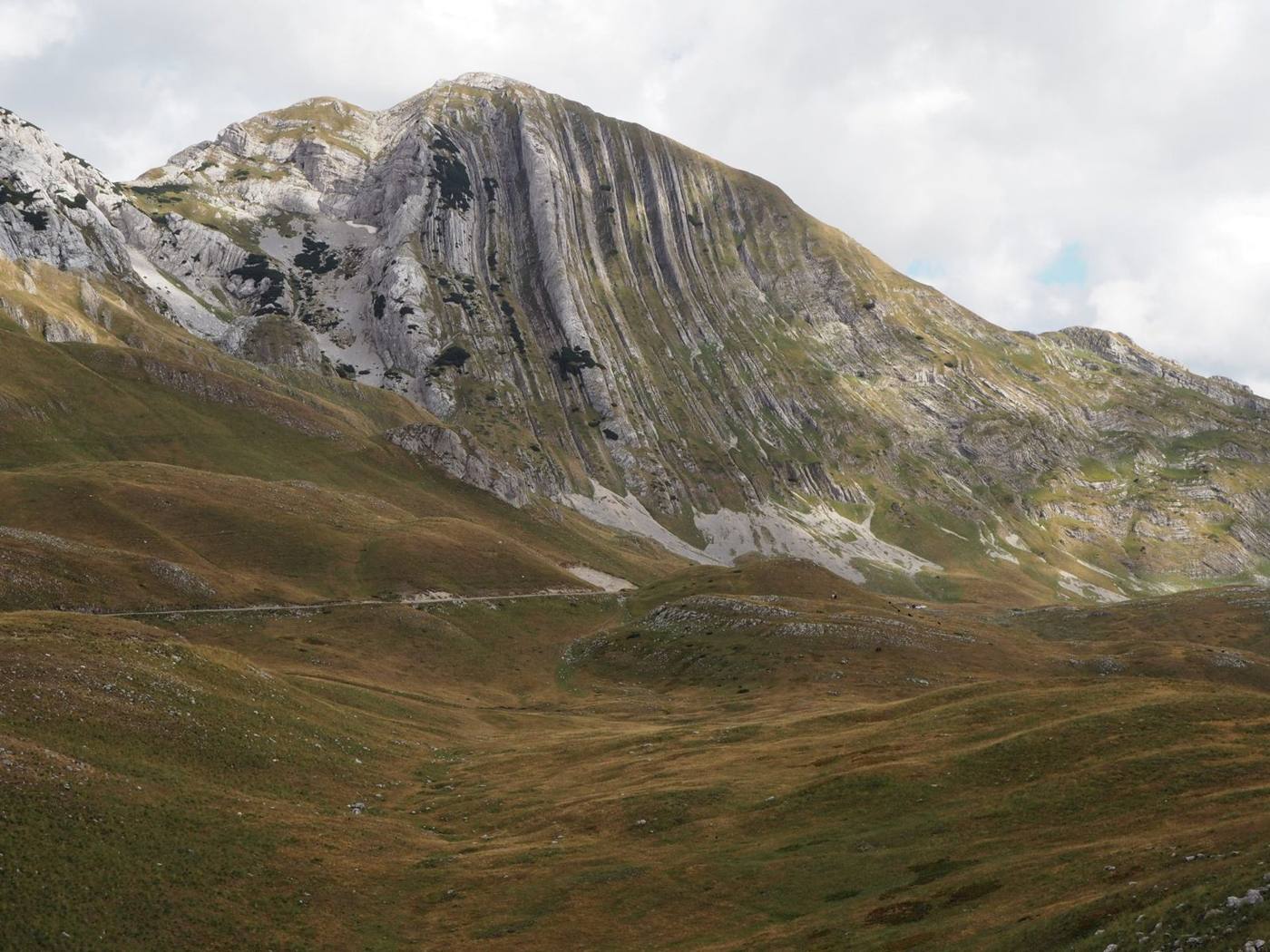
Durmitor and the Tara canyon
Europe's deepest canyon with the Đurđevića bridge and rafting, the Black Lake, the climb up Bobotov Kuk and the Durmitor panoramic road.