Ostrog and the Piva canyon
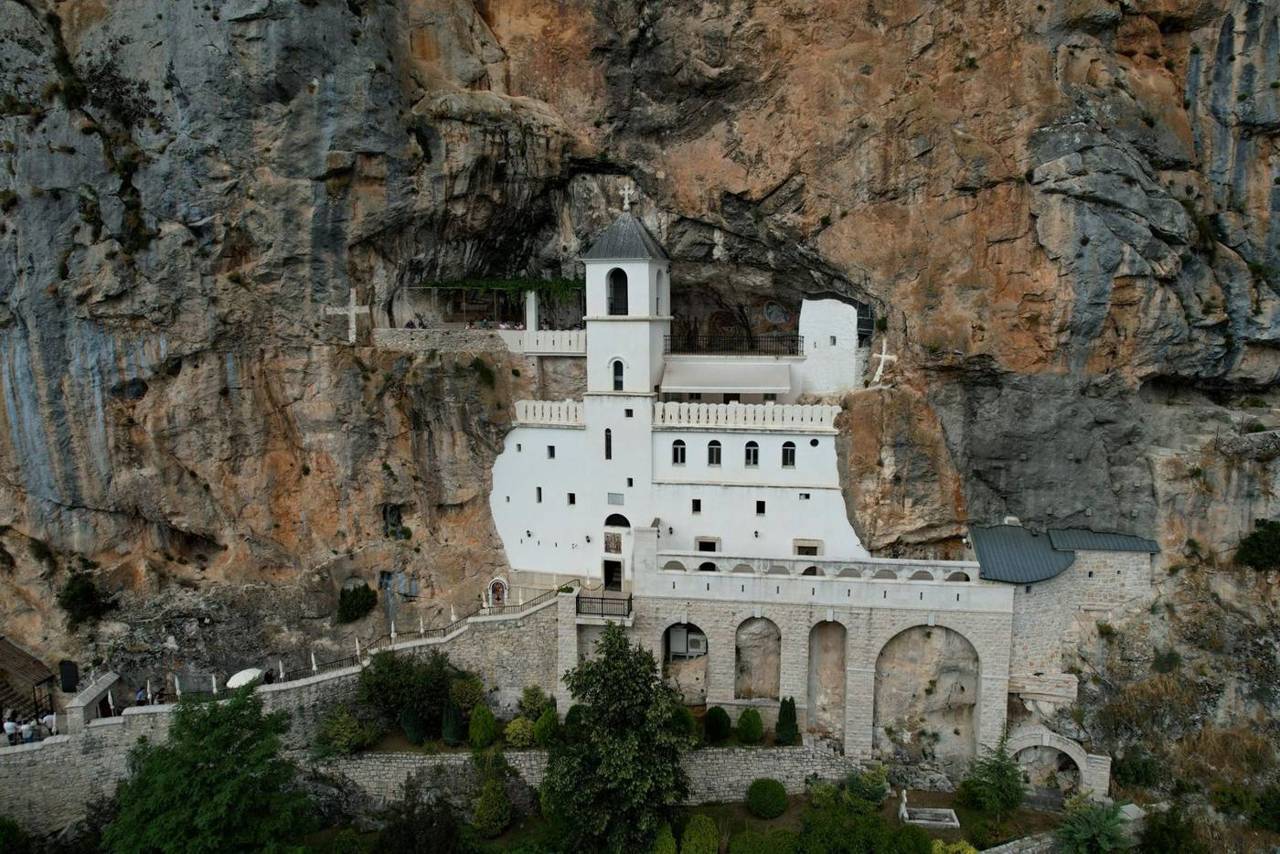
Ostrog Monastery set into the cliff face, Piva Monastery, the lake and canyon with tunnels carved into the rock, up to the Bosnian border.
- Podgorica
- Ostrog
- Nikšić
- Plužine
- Piva Lake
- Šćepan Polje
Day by day
- Day 1
From Podgorica to Ostrog Monastery
This trip takes you into inland Montenegro, between Orthodox spirituality and powerful landscapes: Ostrog Monastery set into a rock face, the town of Nikšić, the Piva Monastery, the Piva lake and canyon with its tunnels carved into the rock, all the way to Šćepan Polje, on the border with Bosnia. You travel by rental car.
Before you go: Italian citizens can enter Montenegro without a visa with an electronic identity card, for stays of up to 30 days, or with a passport, for up to 90 days. Other nationalities should check their own rules. Within 48 hours of arrival you must be registered and pay the tourist tax: hotels do it for you, in private accommodation ask the owner.
You land at Podgorica airport, pick up the car and drive north-west for about an hour, up the valley of the river Zeta. Then a narrow road full of hairpin bends climbs the mountain to Ostrog Monastery.
The upper monastery, brilliant white, is built into a vertical cliff, at about nine hundred metres. It was founded in the seventeenth century by Saint Basil of Ostrog, whose relics are kept in a small chapel cut into the rock. It is the most important place of pilgrimage in the country, visited by Orthodox Christians, Catholics and Muslims. You go in silently, in a queue, to pray or look for a few moments. Check times and rules.
Then go down to the lower monastery, with the Church of the Holy Trinity, on foot along a woodland path or by car.
In the evening, continue to Nikšić, about half an hour away.
Overnight in Nikšić.
Practical tip: at Ostrog you need covering clothes, shoulders and legs; women must wear a skirt and a headscarf, often available at the entrance. Keep your voice low and do not take photos inside the chapels.
- Day 2
Nikšić, the road to Plužine and the Piva Monastery
Today you cross the high plateaus and reach the Piva lake.
In the morning, walk around the centre of Nikšić, the second city of Montenegro, with its large square, tree-lined avenues and the stone Orthodox Church of Saint Basil of Ostrog, on the hill. If you have time, climb to the old fortress on the hill, called Bedem, with views over the town and the plain.
Then take the road north, which climbs onto the Piva plateau among pastures, woods and scattered villages. The landscape becomes wilder and wilder, with limestone mountains and very few houses.
In the early afternoon, stop at the Piva Monastery, one of the most beautiful in the country. The sixteenth-century church keeps colourful frescoes covering walls and vaults, and a gilded iconostasis. Its story is unique: when the dam that created the Piva lake was built in the 1970s, the monastery was in danger of ending up under water. It was taken apart stone by stone, with the frescoes removed in pieces, and rebuilt on higher ground. The work took many years. Check times and rules.
In the evening you reach Plužine, the small town on the lake, with houses looking over the emerald water, enclosed by rock walls.
In the evening, have slow-cooked lamb and mountain cheese for dinner.
Overnight in Plužine, for two nights.
Practical tip: fill up with fuel in Nikšić, because between Nikšić and Plužine, and on to the border, there are very few petrol stations.
- Day 3
Kayaking on the Piva lake and the canyon road
Today you experience the Piva lake and canyon, the most spectacular part of the trip.
In the morning, rent a kayak in Plužine or set off with a local guide. The Piva lake, created by the dam, is long and narrow, with emerald green water and rock walls dropping sheer into it. Paddle close to the shore, where the water is calm and you can watch the waterfalls that run down from the mountains after rain. Check prices and times.
In the afternoon, take the car and follow the canyon road north. You cross over the great dam, then the road runs along the lake and the canyon, with dozens of tunnels cut straight into the rock and short open stretches high above the water. It is one of the most spectacular roads in the Balkans.
You reach Šćepan Polje, on the border with Bosnia and Herzegovina, where the Piva and the Tara meet and form the Drina. Stop to look at the confluence from the bridge or the viewpoints, then return along the same road. If you want to cross into Bosnia, bring your documents and check the crossing first.
In the evening, return to Plužine and have river trout and baked potatoes for dinner.
Overnight in Plužine.
Practical tip: the canyon tunnels are narrow, single-lane and unlit: turn on your headlights, drive slowly, sound your horn before entering and give way to lorries and coaches.
- Day 4
The return and departure
Today you head back towards Podgorica, with a last look at the high plateaus.
In the morning, have a slow breakfast in Plužine and look at the lake in the morning light, when the water is still and the mountains are reflected in it.
Then drive south again, on the Piva plateau road. Along the way, stop in villages to buy cheese, honey and kajmak, the thick salted cream typical of Montenegro, from shepherds or small stalls.
Stop in Nikšić for lunch, then continue to Podgorica and the airport, in about an hour. If you have time, walk around the centre of Podgorica, across the bridge over the river Morača and in the old quarter with its clock tower.
In short, in four days you have seen inland Montenegro: Ostrog Monastery in the rock, Nikšić, the Piva Monastery rebuilt stone by stone, the emerald lake and the canyon with its tunnels, all the way to the confluence at Šćepan Polje.
When to go: from May to October. In May and June the waterfalls are full and the meadows in flower; in September and October the weather is mild and the woods turn colour. In winter the mountain roads can be covered in snow and ice.
This trip combines well with the Durmitor massif, north-east of Plužine, and with Sarajevo, in Bosnia, beyond the border at Šćepan Polje.
Practical tip: do not drive at night on the mountain roads, which are narrow, unlit and have animals grazing on the road.
A short trip into inland Montenegro, between Orthodox spirituality and powerful landscapes. At Ostrog modest dress and silence are required. The Piva canyon road has narrow, unlit tunnels. It combines well with Durmitor and with Sarajevo in Bosnia.
Before you go
- Documents and visa
- EU citizens can enter with an identity card for stays of up to 30 days or a passport for up to 90 days, with no visa. British visitors need a passport. You must be registered within 48 hours of arrival and pay the tourist tax: hotels and campsites do it for you, in private accommodation ask the owner.
- Health and vaccines
- No compulsory vaccinations. Healthcare is poorly equipped and often asks for payment in cash: bring your own medicines and take insurance covering medical costs and repatriation. Tap water is generally safe to drink. Emergencies: 112, police 122, ambulance 124.
- Money and payments
- Euro, even though Montenegro is not in the European Union. Cards work in towns and on the coast; in mountain villages you need cash.
- Power sockets
- Types C and F, 230 volts: you need an adapter for British plugs.
- Time zone
- UTC+1, UTC+2 in summer, one hour ahead of the UK.
- Safety
- No particular risks overall; watch for theft on the coast in summer. Mountain roads are narrow and can freeze in winter; there are wildfires in summer. In the mountains stay on marked paths, carry your passport if you walk near the Albanian or Kosovo border, and check the weather. Official advice: GOV.UK.
Information checked in November 2026 for Italian and EU citizens. Rules change: always check before you travel.
Variations
With three days, visit Ostrog, the Piva Monastery and the canyon, returning to Podgorica on the evening of the third day.
With two extra days, add Durmitor, with Žabljak and the Black Lake, north-east of Plužine.
Frequently asked questions
How should I dress for Ostrog?
Shoulders and legs covered for everyone; women in a skirt and headscarf, often available at the entrance. Inside, keep silent and do not take photos.
Is the Piva canyon road difficult?
It is paved but narrow, with many single-lane, unlit tunnels. Drive slowly, with headlights on, and do not drive it at night.
Can you continue into Bosnia?
Yes, at Šćepan Polje there is a crossing into Bosnia and Herzegovina, towards Foča and Sarajevo. Bring your documents and check the crossing first.
Indicative itinerary written by World Atlas. Before booking, check timetables, seasonal openings, documents and safety.
 5 daysEasy
The Bay of Kotor
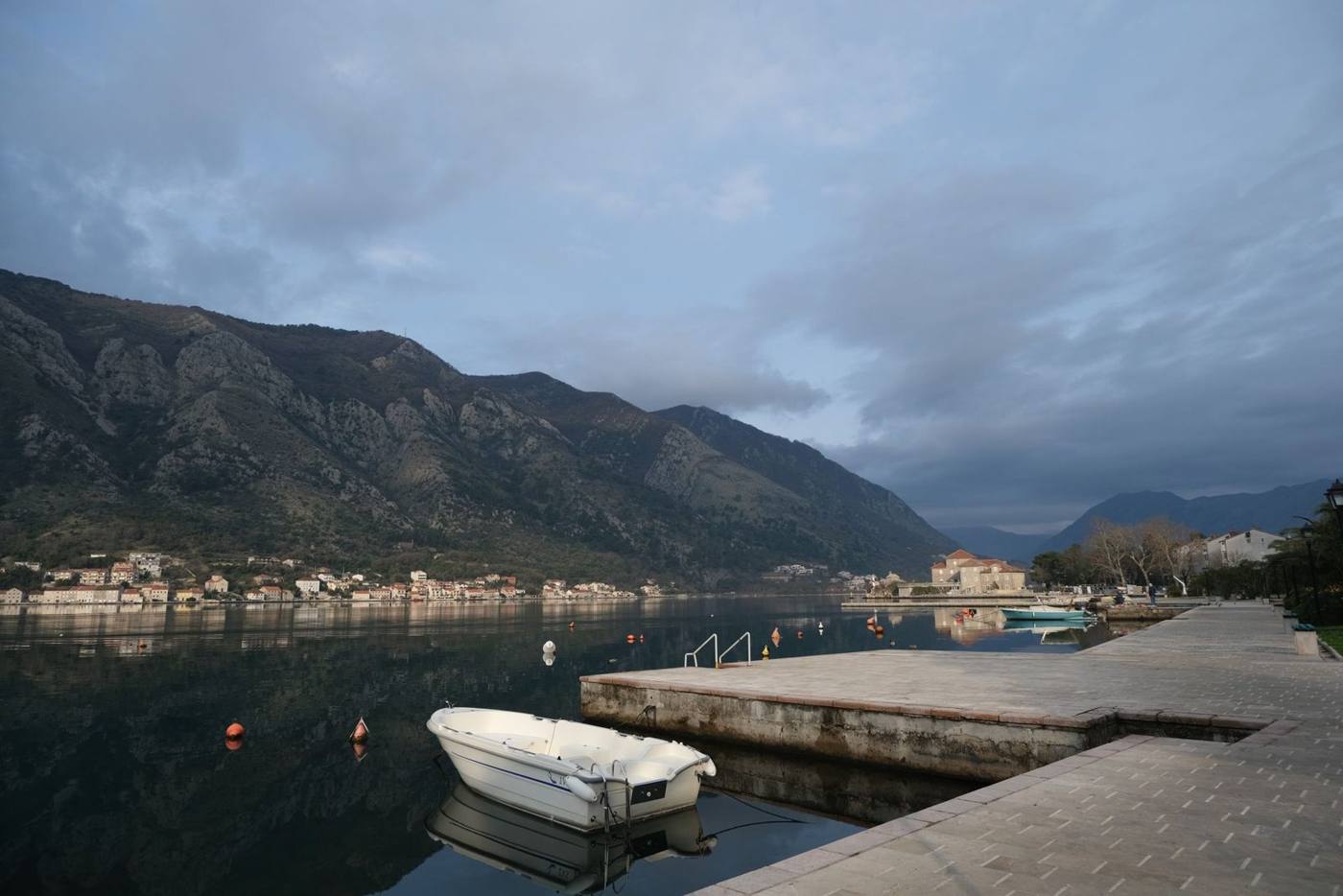
The fjord of the Mediterranean: the walled town of Kotor and the climb to its fortress, Perast and Our Lady of the Rocks, Herceg Novi and the Luštica peninsula.
 5 daysModerate
Durmitor and the Tara canyon
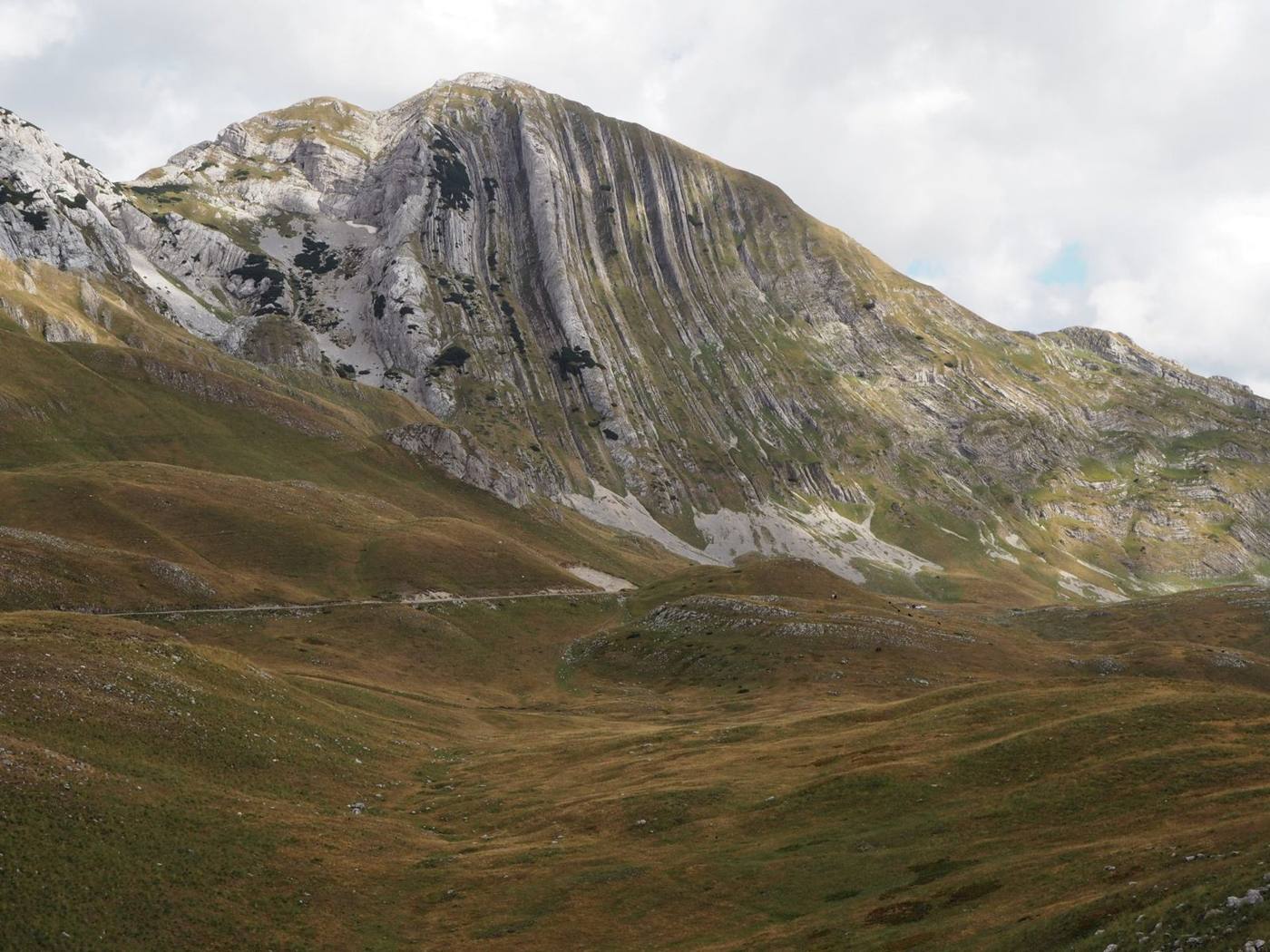
Europe's deepest canyon with the Đurđevića bridge and rafting, the Black Lake, the climb up Bobotov Kuk and the Durmitor panoramic road.
 9 daysEasy
The complete Montenegro
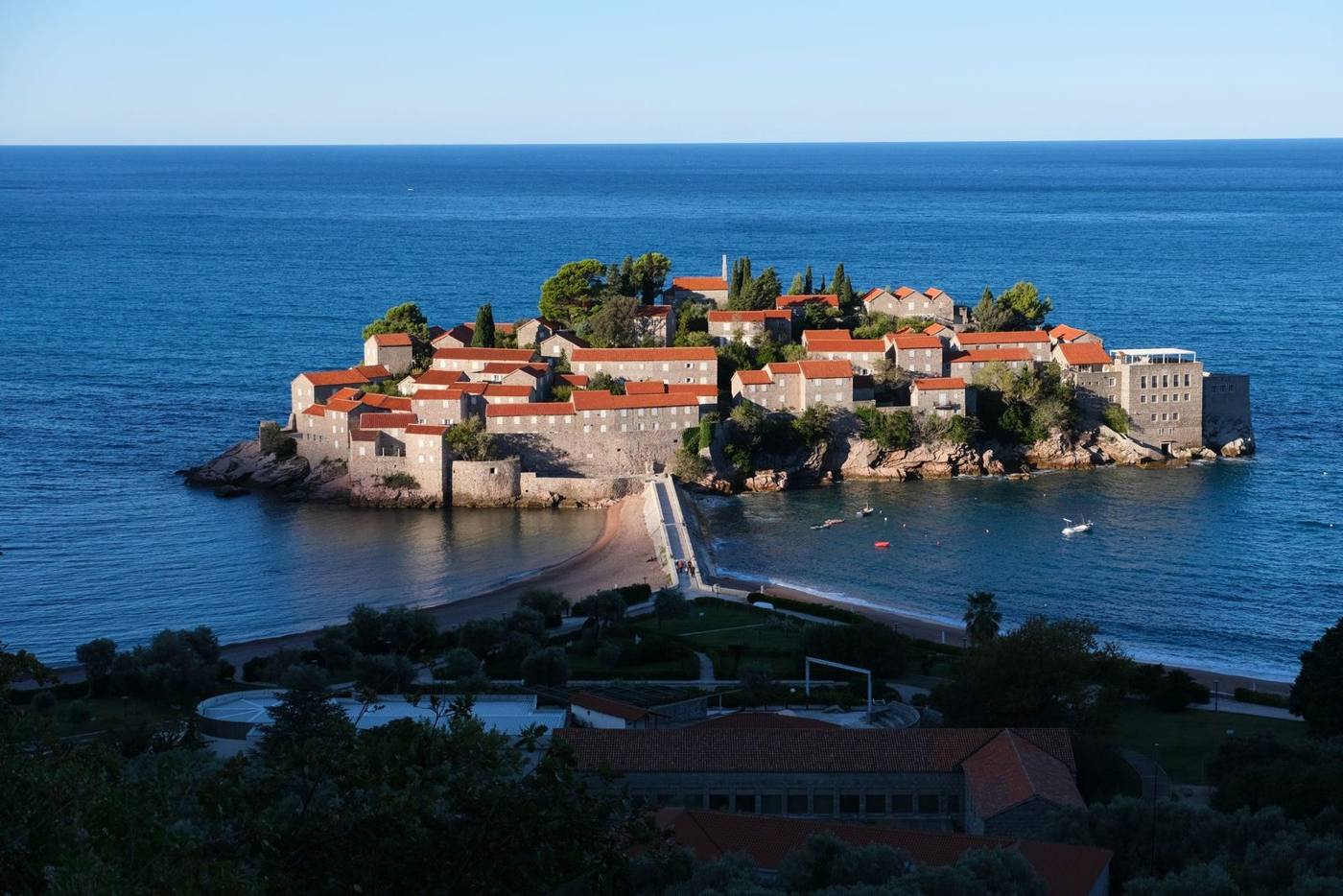
The whole country in nine days: the Bay of Kotor, Budva and Sveti Stefan, Lake Skadar, Ostrog Monastery, Durmitor and Lovćen.