The complete Montenegro
The whole country in nine days: the Bay of Kotor, Budva and Sveti Stefan, Lake Skadar, Ostrog Monastery, Durmitor and Lovćen.
- Kotor
- Perast
- Budva
- Sveti Stefan
- Virpazar
- Ostrog
- Žabljak
- Cetinje
- Lovćen
Day by day
- Day 1
Arrival in Tivat and Kotor old town
This trip takes you across the whole of Montenegro in nine days: the Bay of Kotor with Kotor and Perast, Budva and Sveti Stefan, Lake Skadar, Ostrog Monastery, Durmitor with the Tara canyon, Cetinje and the Lovćen mausoleum. It is a small country, with sea, lakes, canyons and mountains a few hours from one another. You need a car.
Before you go: Italian citizens can enter Montenegro without a visa with an electronic identity card, for stays of up to 30 days, or with a passport, for up to 90 days. Other nationalities should check their own rules. Within 48 hours of arrival you must be registered and pay the tourist tax: hotels do it for you, in private accommodation ask the owner. From April to October there is a risk of wildfires; in the mountains stay on marked paths.
You land in Tivat, pick up the car and in about twenty minutes you are in Kotor. In the afternoon enter the old town, a UNESCO World Heritage Site, through the Sea Gate. Walk among stone lanes, small squares and churches, to Saint Tryphon's Cathedral, from the twelfth century, with its two bell towers. Check prices and times.
Everywhere you see the cats, the symbol of the town, sleeping on steps and windowsills.
In the evening, when the cruise ships have left, the town empties and the squares become peaceful.
Practical tip: stay in Dobrota or Perast, quieter than Kotor, and leave the car in the car parks outside the walls, because you cannot drive inside.
- Day 2
Kotor fortress and Perast
Today you climb the walls of Kotor early in the morning and spend the afternoon in the most elegant village on the bay.
At dawn take the stairway that climbs the town walls, about 1,350 steps up to the fortress of Saint John. Halfway up you pass the little Church of Our Lady of Remedy. From the top you see the whole bay, the red roofs and the mountains. Pay for your ticket at the entrance: check prices and times.
Come down before it gets hot and drive for about twenty minutes to Perast. The village has a single street along the sea, with Baroque palaces of old seafaring families and the bell tower of the Church of Saint Nicholas.
From the quay take a boat to the islet of Our Lady of the Rocks, in a few minutes. Check prices and times. The islet is man made: according to tradition, sailors began throwing stones onto the rock where they had found an icon of the Virgin, and every year, on 22 July, the Fašinada renews this custom with a procession of boats. In the church you see sailors' votive paintings and a small museum.
Next to it is the island of Saint George, with an old monastery among the cypresses, which can only be seen from outside.
In the evening swim from one of the stone jetties and have dinner with fish or mussels from the bay.
Practical tip: for the fortress set off before eight or after five in the afternoon in summer, with water and shoes with a good sole; the climb is steep and has no shade.
- Day 3
Budva and Sveti Stefan
Today you leave the Bay of Kotor and go down to the open coast, between an old town by the sea and the most famous islet in the country.
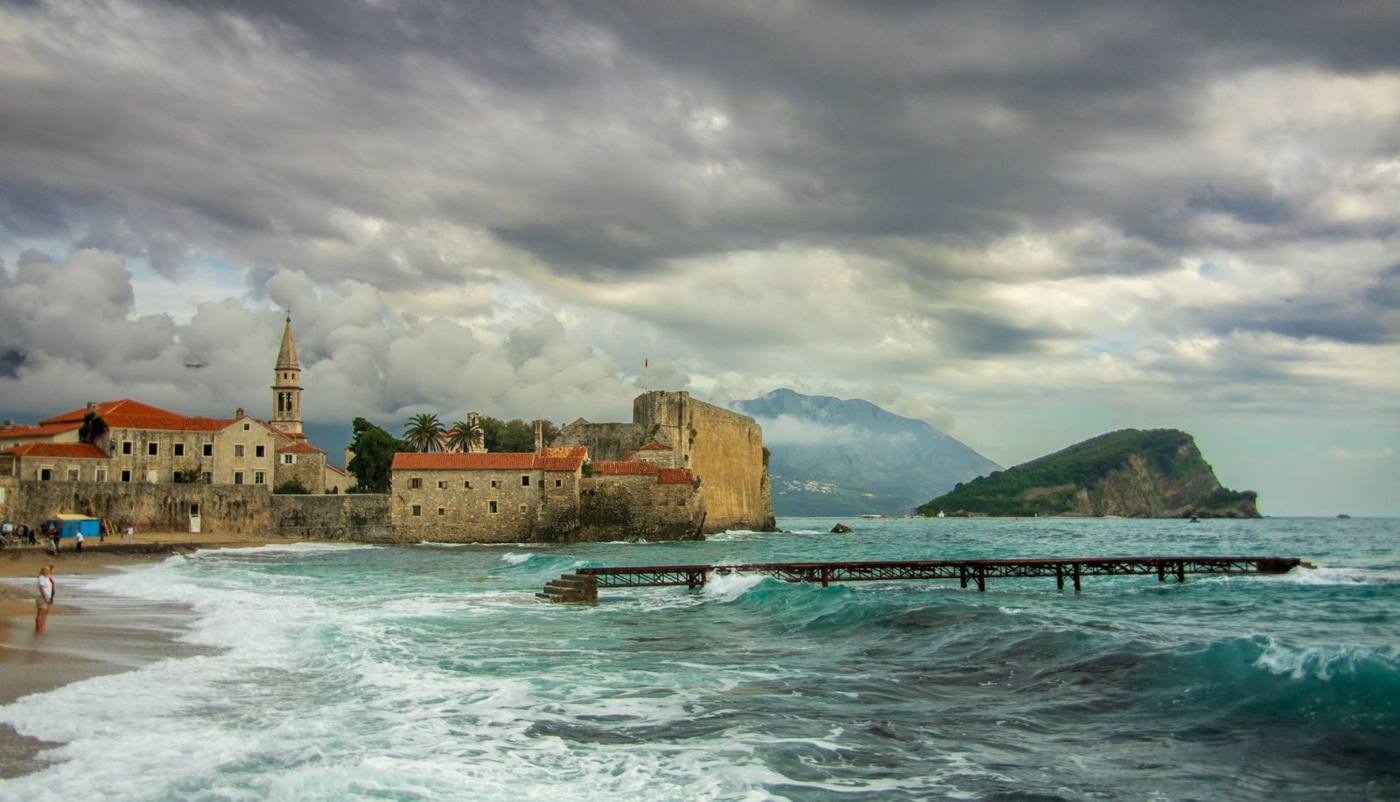
In the morning drive to Budva, in about forty minutes via Tivat. Enter the old town, on a small peninsula enclosed by walls, carefully rebuilt after the earthquake of 1979. Walk among lanes and small squares, see the Orthodox Church of the Holy Trinity, with its facade in pale and red stripes, and climb up to the citadel for the view of the sea. Check prices and times.
Then take the seaside path that runs below the rocks to Mogren beach, two small beaches of fine shingle. Along the way you see the statue of the dancer.
For lunch try black risotto, made with cuttlefish ink.
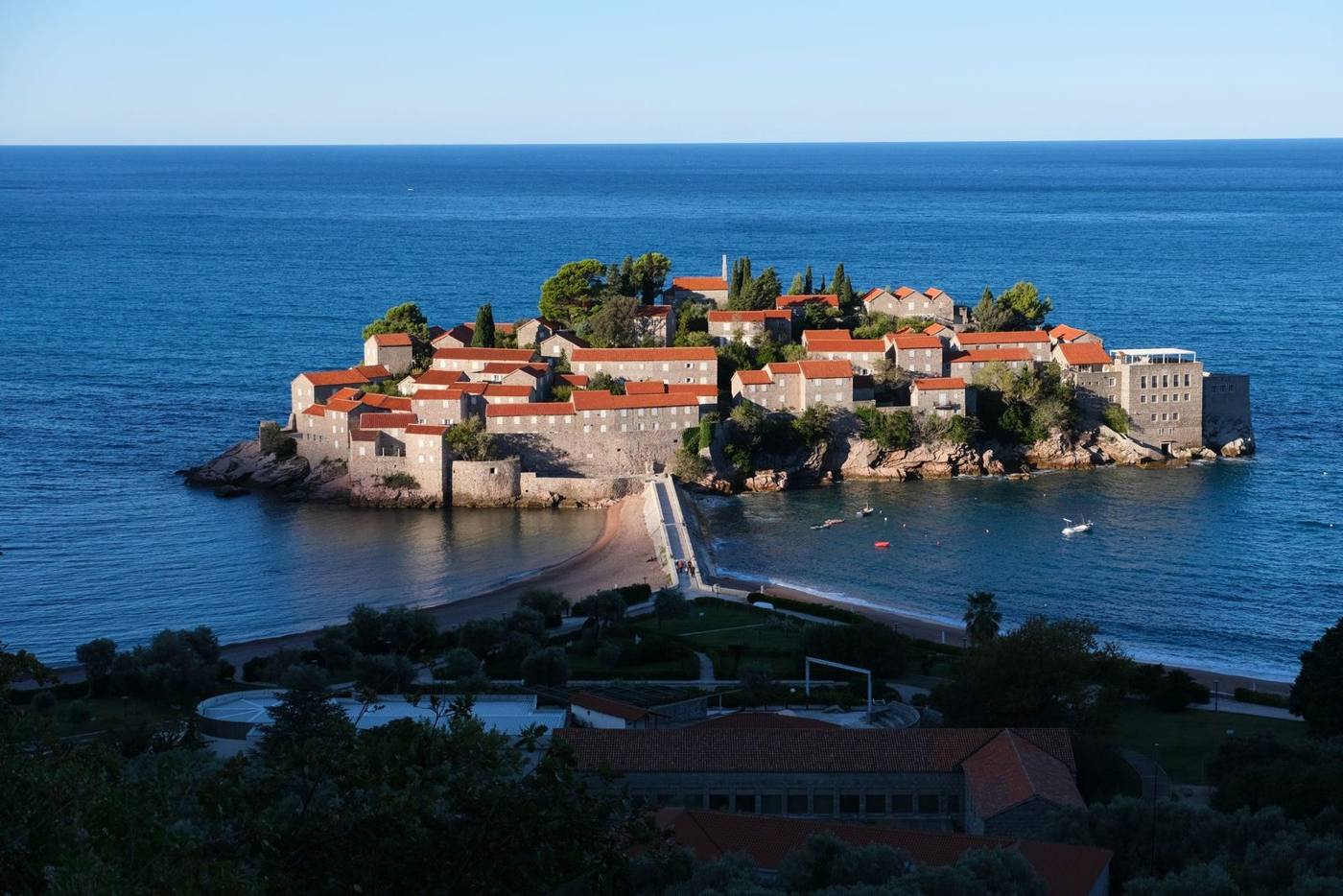
In the afternoon drive a quarter of an hour south to Sveti Stefan. The islet, joined to the mainland by a strip of sand, was a fortified fishing village. Today it is a private resort and can only be seen from outside. Stop at the viewpoint on the road, then go down to the public beach next to it, on the village side, and swim with the islet in front of you.
In the evening head inland and spend the night in Virpazar, on Lake Skadar, about an hour away.
Practical tip: the coast between Budva and Bar is heavily built up and in summer traffic is slow; the real charm of the trip lies in the Bay of Kotor and inland, so do not linger too long here.
- Day 4
Lake Skadar by boat from Virpazar
Today you sail on the largest lake in the Balkans, shared between Montenegro and Albania, among water lilies, reed beds and birds.
In the morning go down to the quay in Virpazar, a small town on the river that flows into the lake. This is where the fishermen's boats leave for trips on the lake, usually of two or three hours. Check prices and times. The lake is part of a national park: pay for the park ticket too.
The boat glides through channels in the reeds and wide expanses of white and yellow water lilies, which cover the water in summer. You see herons, cormorants and, with a bit of luck, Dalmatian pelicans, which nest on the lake. You pass islets with old monasteries and small fortresses, and fishing villages on the shores.
For lunch try fish from the lake, such as carp or smoked bleak, with a glass of vranac, the local red wine.
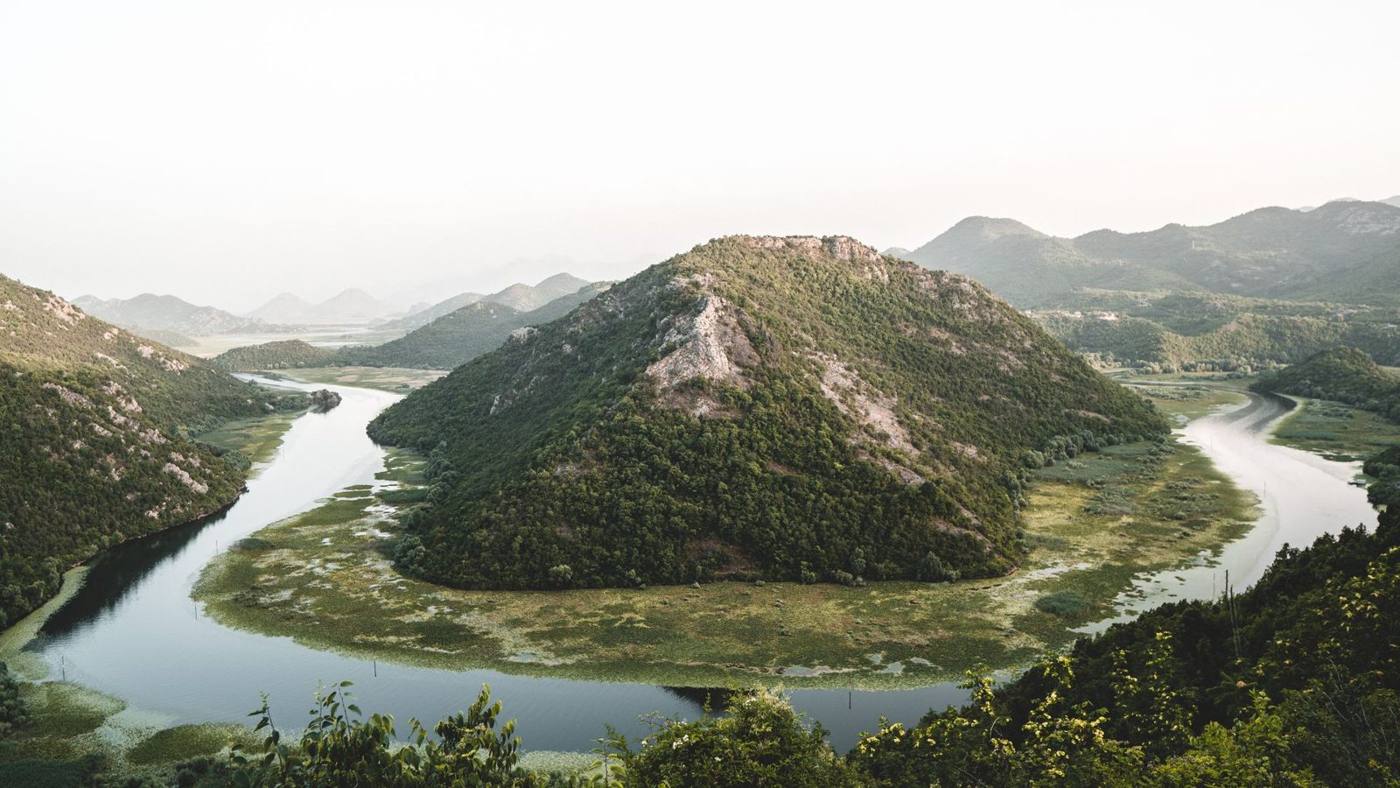
In the afternoon drive to Rijeka Crnojevića, a village on a calm river that flows into the lake, with an old arched stone bridge. Then go up to the Pavlova Strana viewpoint, from where you see the bend of the river curving round a green hill.
In the evening go back to Virpazar.
Practical tip: take the boat trip early in the morning or in the late afternoon, when the light is best and the birds are most active; bring a hat, sun cream and binoculars.
- Day 5
Ostrog Monastery, carved into the rock
Today you visit the holiest place in Montenegro and then climb towards the mountains of the north.
In the morning leave Virpazar and drive towards Podgorica, then north west into the valley of the river Zeta. In about an hour and a half you reach the narrow road full of hairpin bends that climbs to Ostrog Monastery.
The upper monastery, gleaming white, is built into a vertical rock face, at about nine hundred metres above sea level. It was founded in the seventeenth century by Saint Basil of Ostrog, whose relics are kept in a small chapel cut into the rock. It is the most important place of pilgrimage in the country, visited by Orthodox Christians, Catholics and Muslims. You go in silently, in a queue, for a few moments. Check opening times and rules.
Then go down to the lower monastery, with the Church of the Holy Trinity, on foot along a path through the woods or by car.
In the afternoon carry on north, through Nikšić and Šavnik, on mountain roads among forests and pastures. In about two and a half hours you reach Žabljak, the highest town in the Balkans, at about 1,450 metres, at the foot of Durmitor.
The evening is cool even in summer: have dinner with kačamak, the mountain polenta with cheese and cream.
Practical tip: at Ostrog you need clothes that cover shoulders and legs; women should wear a skirt and a headscarf, which are often available at the entrance. Do not take photos inside the chapels.
- Day 6
Durmitor and the Black Lake
Today you walk in Durmitor National Park, a UNESCO World Heritage Site, among glacial lakes, fir forests and rocky peaks.
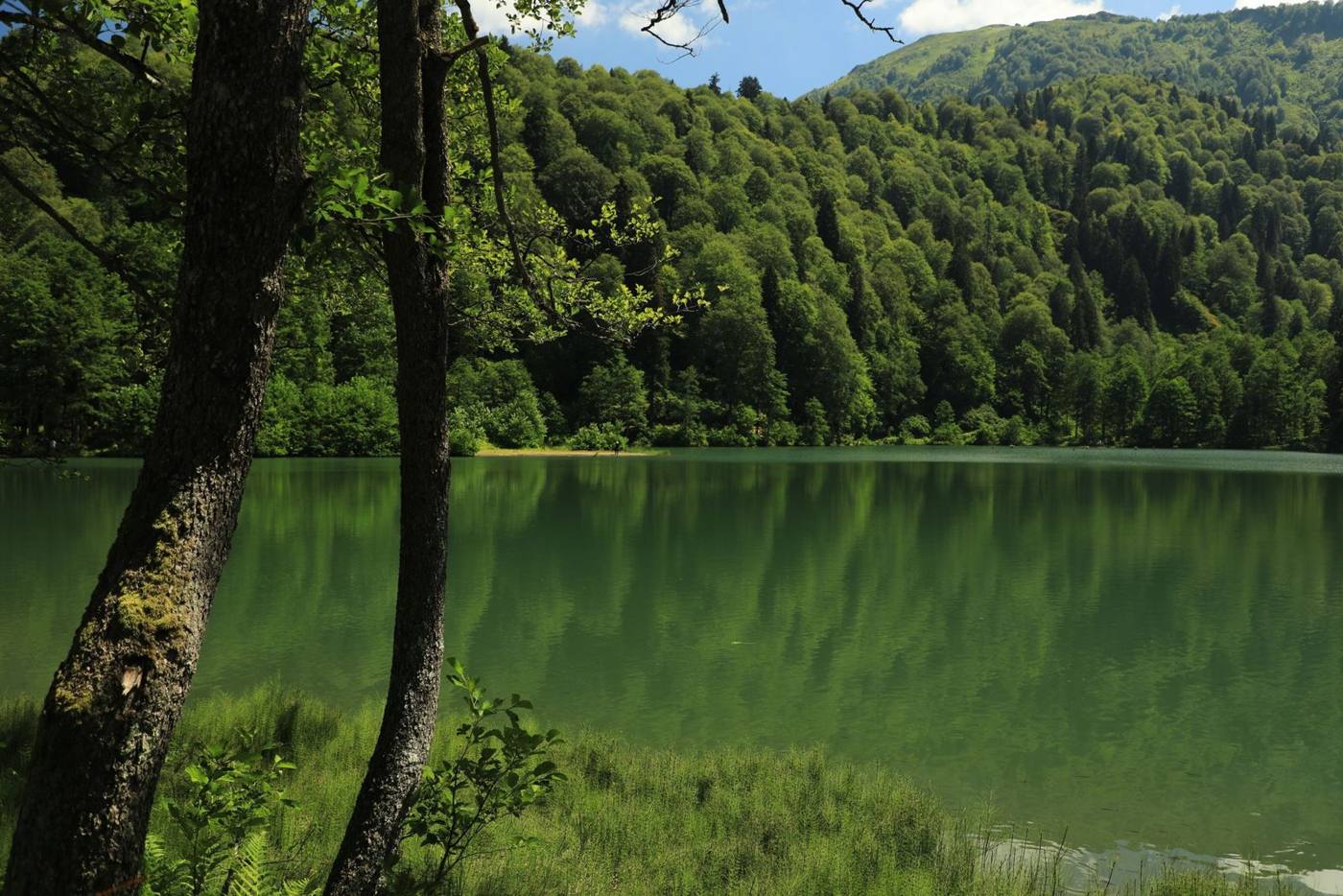
In the morning walk to the park entrance, a few minutes from the centre of Žabljak. Pay for your ticket: check prices and times. Then reach the Black Lake, below the rocky outline of Međed. There are in fact two lakes, joined by a narrow channel. Walk all the way round on an easy path of about four kilometres, among black pines and firs, with the mountains reflected in the water.
In the afternoon take the car and drive the Durmitor panoramic road, which climbs to the Sedlo pass, at about 1,900 metres. You cross a plateau of pastures, limestone rocks and small lakes, with the summit of Bobotov Kuk, 2,523 metres, in the background. Stop in the lay-bys and walk a little on the paths that start from the pass, among flocks and shepherds' huts.
If you have mountain experience and want to climb Bobotov Kuk, give the whole day to this climb, leaving Sedlo at dawn: it takes six or seven hours there and back.
In the evening go back to Žabljak and eat lamb cooked under the sač, the iron bell covered with embers.
Practical tip: the panoramic road is narrow and in places has no barriers; drive slowly and watch out for cows on the road. In summer thunderstorms often arrive in the afternoon.
- Day 7
The Tara canyon
Today you see the deepest canyon in Europe, from high up on its most famous bridge and, if you like, from the water.
In the morning drive east from Žabljak for about half an hour to the Đurđevića Tara bridge. Built between 1937 and 1940, it is 365 metres long, with five white arches, about 170 metres above the river. During the Second World War one arch was blown up to stop the enemy advance, and it was later rebuilt. Walk along the pavement and look down at the green water of the Tara.
If you want to try rafting, drive to the lower part of the canyon, where the trips start. Choose a licensed operator, with experienced guides, helmets, life jackets and wetsuits in good condition. You float for a few hours between towering walls and small waterfalls. In summer the river is calmer; in May it is wilder.
If you prefer to stay on land, walk one of the marked paths around Žabljak to the viewpoints over the canyon, from where you see the walls plunge down to the river.
In the evening go back to Žabljak and rest: tomorrow a long drive south awaits you.
Practical tip: the water of the Tara is very cold even in summer; bring dry clothes and a towel, and during the descent always follow your guide's instructions.
- Day 8
Cetinje and the Lovćen mausoleum
Today you head back south and visit the old royal capital, then climb the sacred mountain of the Montenegrins.
Leave Žabljak early and drive south, through Nikšić and Podgorica. In about three and a half hours you reach Cetinje, the old capital of Montenegro, a quiet town in a hollow among the mountains.
Visit Cetinje Monastery, the spiritual heart of the country, and the palace of King Nikola, now a museum, with furniture, portraits and weapons of the court. Check prices and times. Walk along the main street, among the old foreign embassies, low houses and gardens.
In the afternoon drive up into Lovćen National Park, on a narrow road through woods and rocks. From the car park below the summit, a tunnel with 461 steps leads to the mausoleum of Njegoš, the prince bishop and poet most loved by Montenegrins, buried on top of Mount Jezerski vrh. Check prices and times.
From the circular terrace the view is immense: you see the Bay of Kotor, Lake Skadar and the mountains to the horizon.
Go down to Njeguši, the mountain village famous for its smoked ham and cheese, and spend the night here or in Cetinje.
Practical tip: today you drive for many hours; take breaks, do not drive when tired and do not drink alcohol, because the drink driving limit is very low.
- Day 9
The Kotor serpentine and departure from Tivat
On the last day you come down from the mountain to the sea on the most spectacular road in Montenegro, then you leave.
Early in the morning, from Njeguši, take the old road to Kotor, the famous serpentine: twenty five tight hairpin bends, cut into the mountain, coming down above the bay. At every bend the view opens up over the Bay of Kotor, with Kotor and the ships below you. Stop in the lay-bys for photos.
At the bottom, take a last stroll in Kotor or Dobrota, with a coffee on the seafront, then drive to Tivat airport, about twenty minutes away.
Trip summary: in nine days you have seen Kotor and its fortress, Perast and the islet of Our Lady of the Rocks, Budva and Sveti Stefan, Lake Skadar by boat, Ostrog Monastery, Durmitor with the Black Lake and the panoramic road, the Tara bridge and canyon, Cetinje, the Lovćen mausoleum and the Kotor serpentine.
When to go: in May, June and September, when the sea is already warm, the mountain roads are open and there are fewer tourists. Prices remain lower than in neighbouring Croatia.
Practical tip: on the serpentine drive slowly, leave early to avoid the coaches and sound your horn before blind bends; going up or down, give way to larger vehicles.
A small country with sea, lakes, canyons and mountains a few hours apart. A car is needed. The coast between Budva and Bar is heavily built up and crowded in summer: the real charm lies in the Bay of Kotor and the interior. Prices remain lower than in neighbouring Croatia.
Before you go
- Documents and visa
- EU citizens can enter with an identity card for stays of up to 30 days or a passport for up to 90 days, with no visa. British visitors need a passport. You must be registered within 48 hours of arrival and pay the tourist tax: hotels and campsites do it for you, in private accommodation ask the owner.
- Health and vaccines
- No compulsory vaccinations. Healthcare is poorly equipped and often asks for payment in cash: bring your own medicines and take insurance covering medical costs and repatriation. Tap water is generally safe to drink. Emergencies: 112, police 122, ambulance 124.
- Money and payments
- Euro, even though Montenegro is not in the European Union. Cards work in towns and on the coast; in mountain villages you need cash.
- Power sockets
- Types C and F, 230 volts: you need an adapter for British plugs.
- Time zone
- UTC+1, UTC+2 in summer, one hour ahead of the UK.
- Safety
- No particular risks overall; watch for theft on the coast in summer. Mountain roads are narrow and can freeze in winter; there are wildfires in summer. In the mountains stay on marked paths, carry your passport if you walk near the Albanian or Kosovo border, and check the weather. Official advice: GOV.UK.
Information checked in November 2026 for Italian and EU citizens. Rules change: always check before you travel.
Variations
Shorter: six days, with the Bay of Kotor, Lake Skadar, Ostrog and Durmitor, leaving out Budva and Cetinje.
Longer: add two days in Biogradska Gora National Park, near Kolašin, with one of the last virgin forests in Europe.
Frequently asked questions
Do I really need a car?
Yes. Buses link the main towns, but for Ostrog, Durmitor, Lovćen and the serpentine a car is essential. On mountain roads drive only in daylight.
Can you do the trip in reverse?
Yes, but starting on the coast lets you finish by driving down the serpentine, the finest view of the Bay of Kotor. Just check that you can return the car in Tivat.
How much driving is there each day?
Usually one to three hours. The longest day is the eighth, from Žabljak to Cetinje, with about three and a half hours on the road.
Indicative itinerary written by World Atlas. Before booking, check timetables, seasonal openings, documents and safety.
 6 daysEasy
The coast from Budva to Ulcinj
Old Budva, the islet of Sveti Stefan, the beaches of Petrovac, ancient Bar with its two-thousand-year-old olive tree and Ulcinj with its 12 km beach.
 3 daysEasy
Lake Skadar
The largest lake in the Balkans: boating among water lilies and pelicans, island monasteries, the village of Virpazar and the Vranac wines of the Crmnica region.
 5 daysModerate
Biogradska Gora and Prokletije
One of Europe's last virgin forests around Lake Biograd, then the Accursed Mountains of Prokletije with the Grbaja valley.