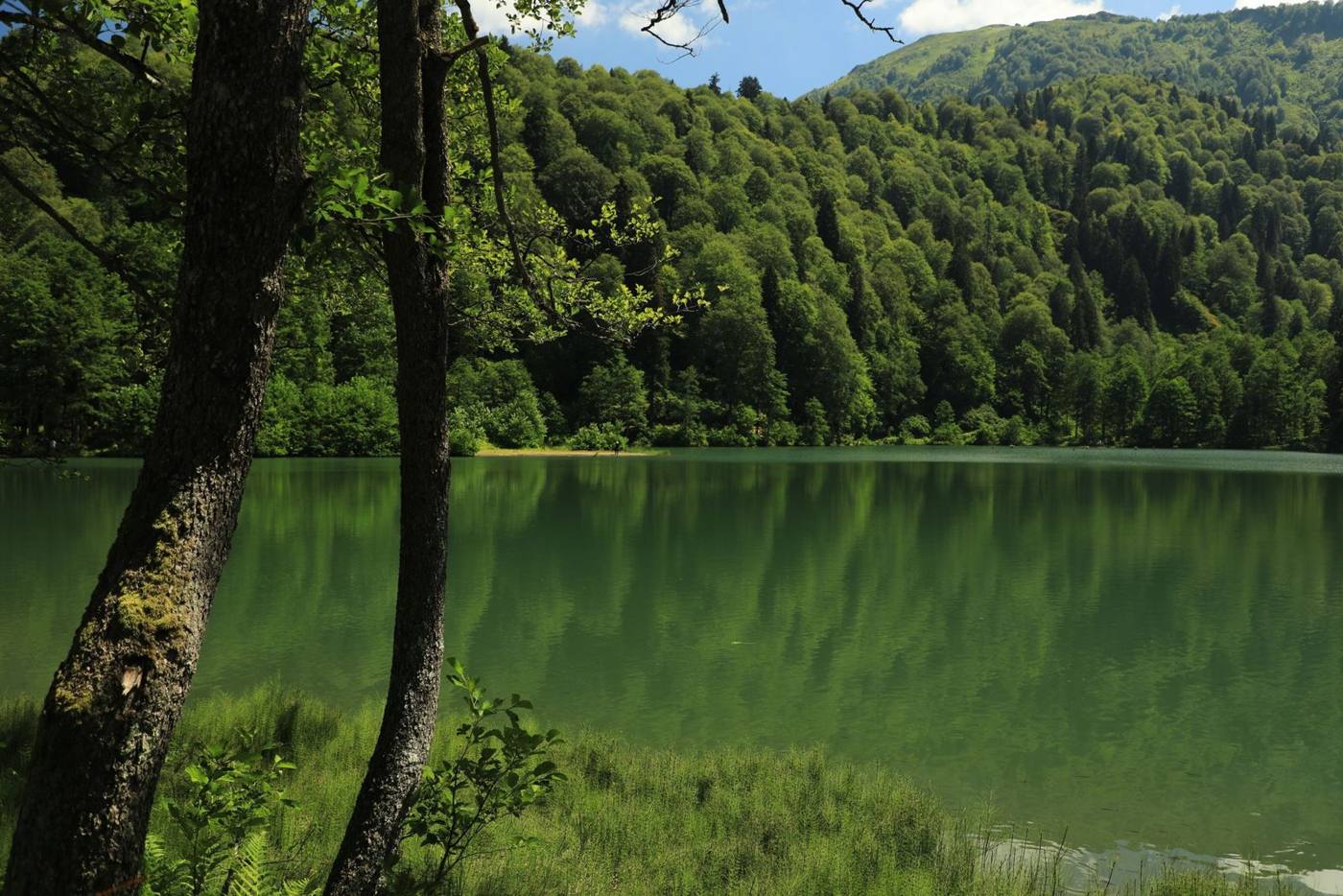
Biogradska Gora and Prokletije
One of Europe's last virgin forests around Lake Biograd, then the Accursed Mountains of Prokletije with the Grbaja valley.
- Kolašin
- Biogradsko jezero
- Plav
- Gusinje
- Grbaja
- Prokletije
Day by day
- Day 1
Kolašin and Lake Biograd in the virgin forest
This trip takes you to the most remote part of Montenegro, among rugged mountains and very few tourists: the virgin forest of Biogradska Gora around Lake Biograd, the summer pastures of the Bjelasica mountains, Plav and Gusinje, and the Accursed Mountains of Prokletije with the Grbaja valley. You travel by rental car and on foot, with a mountain guide on the hiking days.
Before you go: Italian citizens can enter Montenegro without a visa with an electronic identity card, for stays of up to 30 days, or with a passport, for up to 90 days. Other nationalities should check their own rules. Some areas on this trip are close to borders or places where the situation changes often: check your government's travel advice before booking and again before you leave. Within 48 hours of arrival you must be registered and pay the tourist tax: ask your accommodation.
You arrive in Podgorica and drive north for about an hour and a half through the Morača canyon, on a narrow road between rock walls, to Kolašin, a mountain town with houses of wood and stone.
In the afternoon, enter Biogradska Gora National Park, one of the oldest in the country and one of the last virgin forests in Europe. Walk around Lake Biograd, a glacial lake surrounded by giant beeches, firs and maples, many of them centuries old. The path is easy and flat, and takes about an hour and a half. Check prices and times.
In the evening, have kačamak, polenta with cheese and cream, and lamb for dinner in Kolašin.
Overnight in Kolašin, for two nights.
Practical tip: drive calmly in the Morača canyon, where the road is narrow, busy with lorries and dangerous in rain or ice.
- Day 2
A hike in the Bjelasica mountains among the shepherds' katuns
Today you climb to the summer pastures above the forest, into the world of the shepherds.
Early in the morning, set off with a guide or follow a marked path from Lake Biograd or the surroundings of Kolašin towards the Bjelasica mountains. The route climbs through beech and fir woods, then comes out onto open pastures, with grassy summits over two thousand metres and views over half of Montenegro.
On the way you meet the katuns, the shepherds' summer settlements: small wooden huts where families come up in summer with their sheep and cows. At many katuns you can stop, taste fresh cheese, kajmak, the thick salted cream, and sour milk, and sometimes have a simple lunch. Always ask before approaching the houses and be careful of the sheepdogs.
The full loop takes six to eight hours, depending on the route you choose. Bring water, food, a waterproof jacket and sun cream: at altitude the sun is strong and storms arrive quickly in the afternoon. Check the park's prices and times.
In the late afternoon, walk down towards Kolašin and rest.
In the evening, have grilled meat and garden vegetables for dinner.
Overnight in Kolašin.
Practical tip: stay on marked paths and check the weather the evening before: people who leave the paths in Montenegro get lost easily, and in the mountains your phone does not always have a signal.
- Day 3
The road to Plav and Gusinje
Today you cross the mountains to the far east of the country.
In the morning, leave Kolašin and drive east for about two and a half hours, through the valley of the river Lim and Andrijevica. The road is good but slow, with many bends among woods, villages and hay meadows.
You reach Plav, a quiet small town on the lake of the same name, at the foot of the mountains, with mosques and stone tower houses, the kulas, typical of this area where Orthodox and Muslim communities live side by side. Walk along the lakeside, among reeds and wooden jetties, with the peaks still snowy in early summer.
In the afternoon, continue for about twenty minutes to Gusinje, a small town at the gateway to Prokletije National Park. Visit the Ali Pasha springs, where crystal-clear water flows out of the rock and forms small pools and streams among the meadows, a place local families love for picnics.
In the evening, settle into a family guesthouse, simple and welcoming, where dinner is often made with home produce: cheese, honey, fresh bread and lamb.
Overnight in Gusinje, for two nights.
Practical tip: take out cash at the machines in Plav and Gusinje, because in the park valleys and the guesthouses cards are hardly ever used.
- Day 4
The Grbaja valley and the climb towards Volušnica
Today you walk in the heart of the Accursed Mountains.
In the morning, drive from Gusinje to the Grbaja valley, half an hour on a narrow road. The valley is closed in by tall, sheer limestone walls, with green meadows, beech woods and streams: it is one of the finest alpine landscapes in the Balkans. Here you meet your mountain guide.
Follow the path that climbs towards Volušnica, a viewpoint summit above the valley. The route is steep, first in the woods and then on high meadows, and takes a few hours up and down. From the top you see the great walls of Prokletije, the Grbaja and Ropojana valleys and, in the distance, the Albanian mountains. Check the park's prices and times.
The border with Albania is very close and often not marked on the ground, and Kosovo is a little further east. Always stay on marked paths: leftover wartime ordnance has been reported in the border mountains, especially towards Kosovo. If you want to walk across the border, carry your passport, follow the border rules and find out beforehand.
In the afternoon, walk down to the valley and return to Gusinje.
In the evening, have dinner at the guesthouse and look at the starry sky, very clear far from the cities.
Overnight in Gusinje.
Practical tip: set off early, before nine: in the mountains storms often arrive in the early afternoon, and the way back from the top is long. Bring a waterproof jacket and hiking boots.
- Day 5
Back to Podgorica and departure
Today you leave the mountains and head back towards the capital.
In the morning, have a slow breakfast in Gusinje, with warm bread, cheese and honey from the guesthouse, then drive towards Plav, Andrijevica and the Lim valley.
The road to Podgorica takes about three and a half hours, via Kolašin and the Morača canyon. On the way, stop at the Morača Monastery, from the thirteenth century, in a small green valley above the river, with old frescoes and a peaceful garden. Check times and rules.
For lunch, stop at a roadside inn and try river trout or kačamak.
In the afternoon you reach Podgorica and head to the airport.
In short, in five days you have seen the wildest side of Montenegro: the virgin forest and lake of Biogradska Gora, the shepherds' katuns on Bjelasica, the lake and springs of Plav and Gusinje, and the walls of the Grbaja valley in the Accursed Mountains. Accommodation is in simple family guesthouses, and without a car there are few connections.
When to go: from June to September. In June the meadows are in flower and there is still snow on the peaks; July and August are the best months for high-level paths; in September come the autumn colours. Out of season many paths and guesthouses are closed.
Practical tip: if you travel in summer, book the guesthouses in Gusinje and the mountain guides in advance: places are few and the number of hikers grows every year.
Montenegro at its most remote, with rugged mountains and very few tourists. Lodging is in simple, welcoming family guesthouses. The Albanian border is close: anyone walking across must carry a passport and follow border rules. Without a car connections are few.
Before you go
- Documents and visa
- EU citizens can enter with an identity card for stays of up to 30 days or a passport for up to 90 days, with no visa. British visitors need a passport. You must be registered within 48 hours of arrival and pay the tourist tax: hotels and campsites do it for you, in private accommodation ask the owner.
- Health and vaccines
- No compulsory vaccinations. Healthcare is poorly equipped and often asks for payment in cash: bring your own medicines and take insurance covering medical costs and repatriation. Tap water is generally safe to drink. Emergencies: 112, police 122, ambulance 124.
- Money and payments
- Euro, even though Montenegro is not in the European Union. Cards work in towns and on the coast; in mountain villages you need cash.
- Power sockets
- Types C and F, 230 volts: you need an adapter for British plugs.
- Time zone
- UTC+1, UTC+2 in summer, one hour ahead of the UK.
- Safety
- No particular risks overall; watch for theft on the coast in summer. Mountain roads are narrow and can freeze in winter; there are wildfires in summer. In the mountains stay on marked paths, carry your passport if you walk near the Albanian or Kosovo border, and check the weather. Official advice: GOV.UK.
Information checked in November 2026 for Italian and EU citizens. Rules change: always check before you travel.
Variations
With three days, visit Biogradska Gora and Bjelasica, skipping Plav, Gusinje and Prokletije.
With two extra days, add Durmitor, with Žabljak, the Black Lake and the Tara canyon.
Frequently asked questions
Do I need a mountain guide?
For Prokletije, yes, it is strongly recommended: the paths are long, the Albanian border is close and often unmarked, and the weather changes quickly.
Can you walk into Albania?
Some paths cross the border, but you must carry your passport and follow the border rules. Find out beforehand and walk with a guide.
Is there public transport?
Very little: there are buses between Podgorica, Kolašin and Plav, but for the park valleys you need a car or a transfer arranged by your guesthouse.
Indicative itinerary written by World Atlas. Before booking, check timetables, seasonal openings, documents and safety.
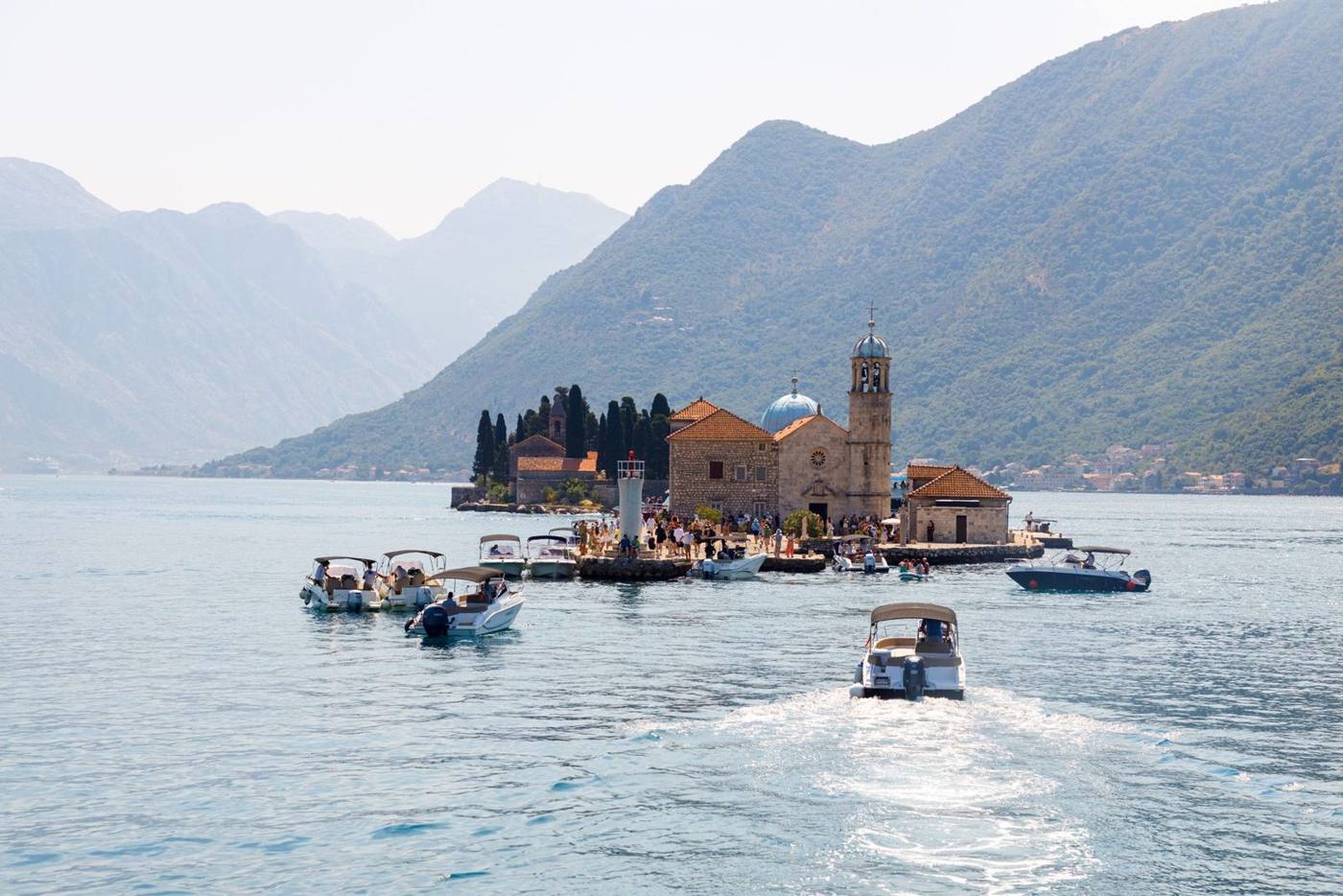 10 daysEasy
Montenegro and Albania
From the Bay of Kotor to Shkodër, then Tirana, Berat and the Albanian Riviera down to Saranda and Butrint.
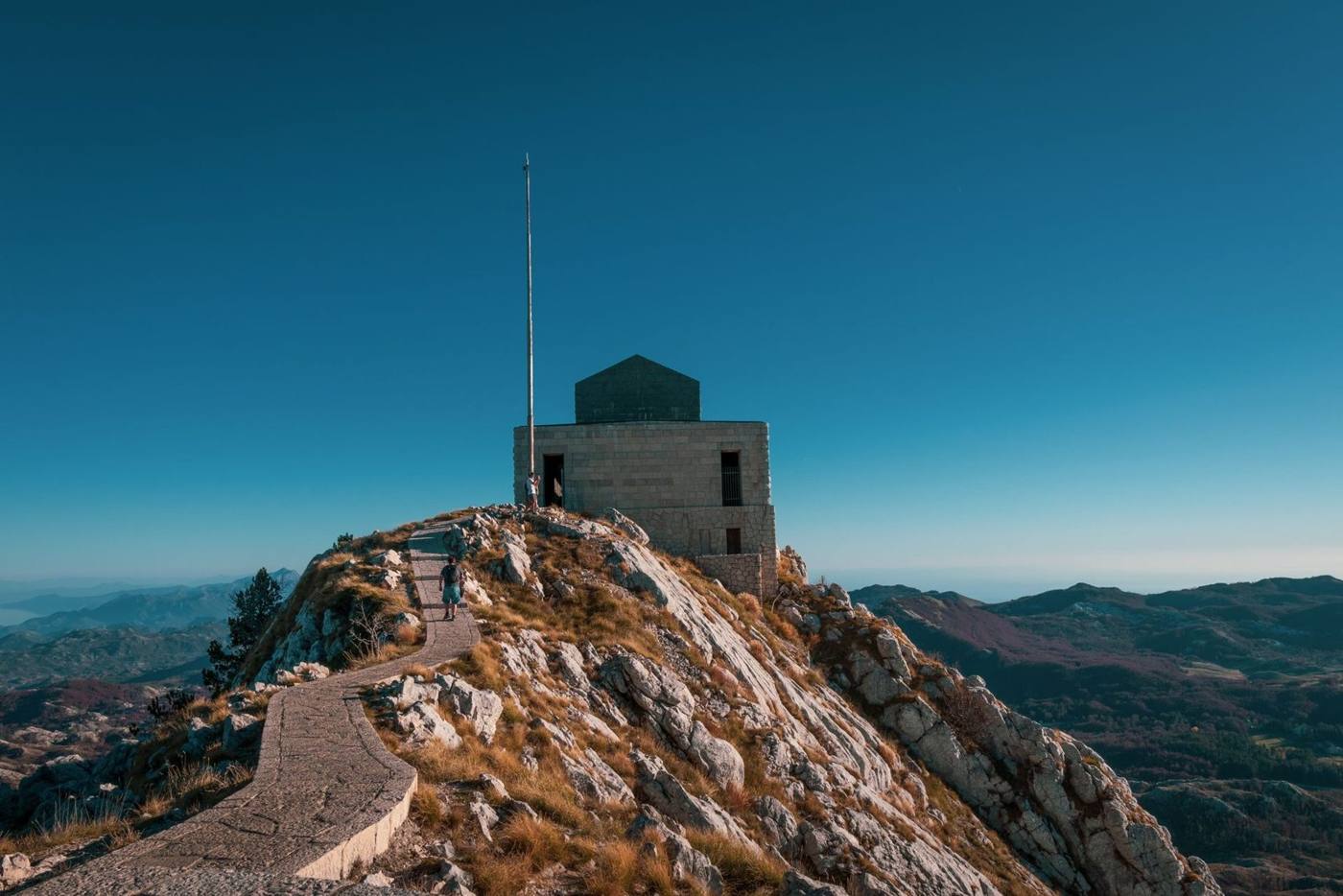 3 daysEasy
Cetinje and Lovćen
The Kotor serpentine, the ham villages of Njeguši, Njegoš's mausoleum on the summit of Lovćen and the old royal capital of Cetinje.
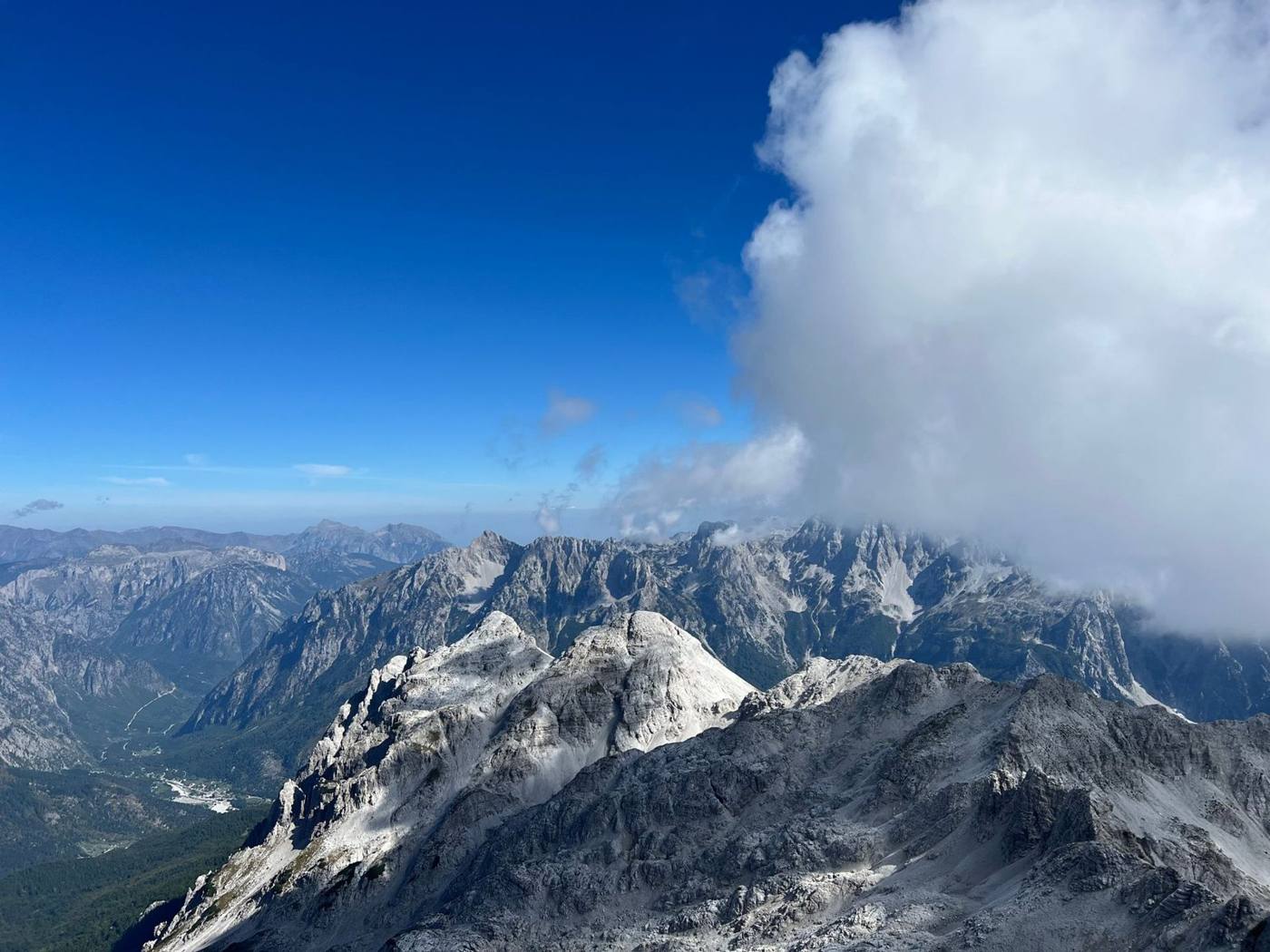 10 daysChallenging
Peaks of the Balkans
The cross-border trek through Montenegro, Albania and Kosovo: ten stages in the Accursed Mountains, between Theth, Valbona and herders' villages.