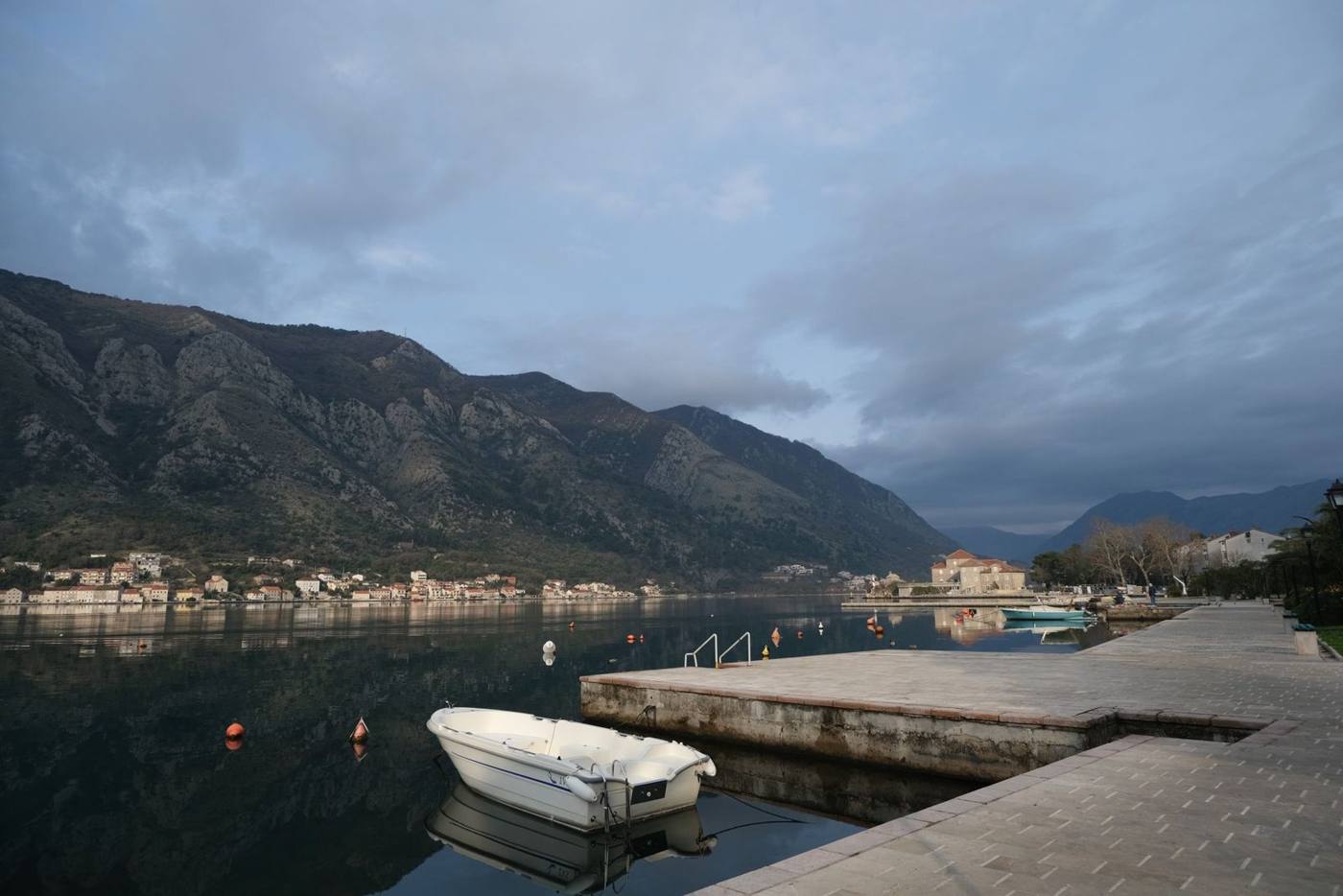
The Bay of Kotor
The fjord of the Mediterranean: the walled town of Kotor and the climb to its fortress, Perast and Our Lady of the Rocks, Herceg Novi and the Luštica peninsula.
- Tivat
- Kotor
- Perast
- Herceg Novi
- Luštica
Day by day
- Day 1
Kotor: the old town and its cats
This trip takes you to the Bay of Kotor, the great bay among the mountains that looks like a northern fjord in the heart of the Mediterranean. You see Kotor and its fortress, Perast with the islet of Our Lady of the Rocks, Herceg Novi and the Luštica peninsula. You fly in and out of Tivat airport.
Before you go: Italian citizens can enter Montenegro without a visa with an electronic identity card, for stays of up to 30 days, or with a passport, for up to 90 days. Other nationalities should check their own rules. Within 48 hours of arrival you must be registered and pay the tourist tax: hotels do it for you, in private accommodation ask the owner. In tourist areas watch out for pickpockets and use only licensed taxis.
From Tivat airport you reach Kotor in about twenty minutes. Enter the old town, a UNESCO World Heritage Site, through the Sea Gate. Inside the Venetian walls you find a maze of stone lanes, small squares and churches.
Visit Saint Tryphon's Cathedral, from the twelfth century, with its two bell towers and the frescoes inside. Check prices and times. Then look for the small Church of Saint Luke, also from the twelfth century, used over the centuries by both Catholics and Orthodox.
Kotor is famous for its cats: you see them sleeping on steps, on windowsills and outside the shops. They are the symbol of the town.
In the evening go back to the centre, when the cruise ships have left and the squares empty out.
Practical tip: in the middle of the day Kotor fills up with cruise passengers; visit the town early in the morning and in the evening, and check the ship arrivals online.
- Day 2
Dobrota and the 1,350 steps to the fortress
Today you walk along the bay and in the evening you climb the walls to the fortress of Saint John, for the finest sunset in the Bay of Kotor.
In the morning stroll along the sea towards Dobrota, north of Kotor. It is a village of old sea captains, with stone mansions, gardens and small jetties where you can swim. The water of the bay is calm and cool, because in some places mountain springs flow into it.
For lunch try the seafood of the bay, such as mussels buzara style, with white wine, garlic and parsley.
In the late afternoon go back to the old town and take the stairway that climbs the walls, behind the square. There are about 1,350 steps, with walls and bastions scrambling up the mountain. Halfway up you come to the little Church of Our Lady of Remedy, from where the view is already very fine. Pay for your ticket at the entrance to the walls: check prices and times.
At the top you reach the fortress of Saint John. From here you see the whole bay, the red roofs of Kotor, the ships and the mountains closing in on the sea. At sunset the light turns golden and then pink.
Come down slowly before it gets dark, because the steps are uneven.
Practical tip: the climb is steep and has no shade; set off after five in the afternoon in summer, bring water and a torch, and wear shoes with a good sole, not sandals.
- Day 3
Perast and Our Lady of the Rocks
Today you visit the most elegant village on the bay and two islets that seem to float on the water.
In the morning go to Perast, about twenty minutes from Kotor. The village has a single street along the sea, with Baroque palaces of old seafaring families, churches and a tall bell tower. Climb the bell tower of the Church of Saint Nicholas, if it is open, for the view of the islets. Check prices and times.
From the quay take one of the boats that shuttle to the islet of Our Lady of the Rocks, in a few minutes. Check prices and times. The islet is man made: according to tradition it was born after some sailors found an icon of the Virgin on a rock, and since then the inhabitants have thrown stones and old ships there to enlarge it. Every year, on 22 July, this custom is renewed with a procession of boats, the Fašinada.
In the church you see dozens of votive paintings by sailors and a small museum, with a famous embroidery made over many years by a local woman, who also used her own hair.
Next to it is the island of Saint George, with an old monastery among the cypresses, which can only be seen from outside.
In the afternoon stop at Risan, not far away, for the mosaics of a Roman villa. Check prices and times.
Practical tip: sleep in Perast or Dobrota rather than in Kotor; in the evening the bay is silent and the light on the islets is beautiful.
- Day 4
Herceg Novi and the Luštica peninsula
Today you go to the entrance of the bay, between a town of stairways and a peninsula of olive trees and sea caves.
In the morning drive to Lepetane and take the ferry to Kamenari, which crosses the narrowest strait of the bay in a few minutes. Check prices and times. Then carry on to Herceg Novi.
Herceg Novi is built on a slope, with stairways instead of streets, gardens full of flowers and palm trees. Visit the clock tower, the square and the Kanli Kula fortress, above the town, from where you see the open sea. Check prices and times. Then walk along the seafront promenade, which runs for kilometres close to the water.
At midday take a boat from the harbour of Herceg Novi to the Luštica peninsula. You pass the island of Mamula, with its round fort, and reach the Blue Cave, Plava špilja. The boat goes into a large cave where the water, lit by the sun, turns a bright blue. You can often swim. Check prices and times.
In the afternoon stop at the small fishing village of Rose, at the tip of the peninsula, with stone houses and a quiet jetty.
In the evening go back towards Perast or Kotor on the ferry.
Practical tip: in August the bay road is very busy and the ferry has long queues; leave early in the morning or choose May, June, September and October.
- Day 5
Tivat and departure
On the last day you enjoy the bay at an easy pace before your flight from Tivat.
In the morning, if you are staying in Perast or Dobrota, take a walk along the sea and a last swim from one of the small stone jetties. Then drive to Prčanj, another captains' village, with a large Baroque church above the shore.
Arrive in Tivat, a more modern town, with a long palm lined promenade and a large marina. Life here is quiet and the beaches are better for families. Before leaving eat something on the seafront: grilled fish, or ham and cheese from Njeguši, the mountain village above Kotor.
Tivat airport is a few minutes from the centre.
Trip summary: in five days you have seen Kotor with Saint Tryphon's Cathedral, its lanes and its cats, climbed the 1,350 steps to the fortress of Saint John at sunset, visited Perast and the islet of Our Lady of the Rocks, Risan with its Roman mosaics, Herceg Novi, the Blue Cave of Luštica and the village of Rose.
When to go: in May and June, and from September to October, when the sea is warm and there are fewer tourists. In August the bay is packed and traffic is heavy.
Practical tip: Montenegro uses the euro even though it is not in the European Union; still bring some cash, because in the villages and on the boats you cannot always pay by card.
One of Europe's most beautiful coastal landscapes, an hour's flight from Italy. Kotor is overrun by cruise ships at midday: visit early morning and evening, and stay in Perast or Dobrota. Montenegro uses the euro although it is not in the EU. In August traffic on the bay road is heavy.
Before you go
- Documents and visa
- EU citizens can enter with an identity card for stays of up to 30 days or a passport for up to 90 days, with no visa. British visitors need a passport. You must be registered within 48 hours of arrival and pay the tourist tax: hotels and campsites do it for you, in private accommodation ask the owner.
- Health and vaccines
- No compulsory vaccinations. Healthcare is poorly equipped and often asks for payment in cash: bring your own medicines and take insurance covering medical costs and repatriation. Tap water is generally safe to drink. Emergencies: 112, police 122, ambulance 124.
- Money and payments
- Euro, even though Montenegro is not in the European Union. Cards work in towns and on the coast; in mountain villages you need cash.
- Power sockets
- Types C and F, 230 volts: you need an adapter for British plugs.
- Time zone
- UTC+1, UTC+2 in summer, one hour ahead of the UK.
- Safety
- No particular risks overall; watch for theft on the coast in summer. Mountain roads are narrow and can freeze in winter; there are wildfires in summer. In the mountains stay on marked paths, carry your passport if you walk near the Albanian or Kosovo border, and check the weather. Official advice: GOV.UK.
Information checked in November 2026 for Italian and EU citizens. Rules change: always check before you travel.
Variations
Shorter: three days, with Kotor and the fortress on the first, Perast on the second and Tivat on the third.
Longer: add two days for the Kotor serpentine, Lovćen and Cetinje.
Frequently asked questions
How tiring is the climb to the fortress?
There are about 1,350 steps, steep and without shade. At an easy pace it takes about an hour to go up. Set off early in the morning or in the late afternoon.
Where is it best to stay?
In Perast or Dobrota, quieter than Kotor. From there you reach the old town in a few minutes, early in the morning and in the evening, when the ships have gone.
Can you swim in the bay?
Yes, from small stone jetties and little beaches. The water is calm and clean, sometimes cooler because of the mountain springs. There are few sandy beaches.
Indicative itinerary written by World Atlas. Before booking, check timetables, seasonal openings, documents and safety.
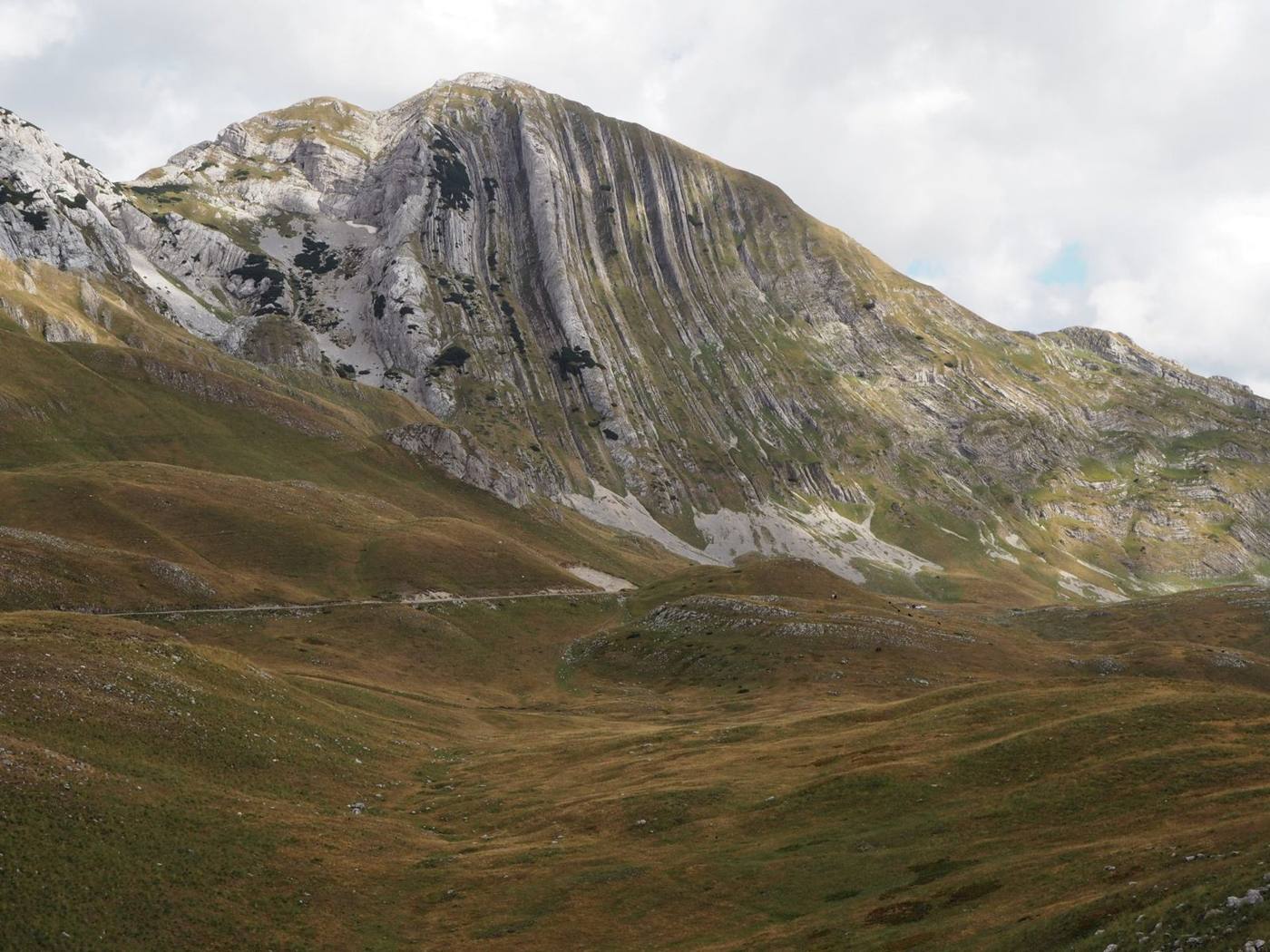 5 daysModerate
Durmitor and the Tara canyon
Europe's deepest canyon with the Đurđevića bridge and rafting, the Black Lake, the climb up Bobotov Kuk and the Durmitor panoramic road.
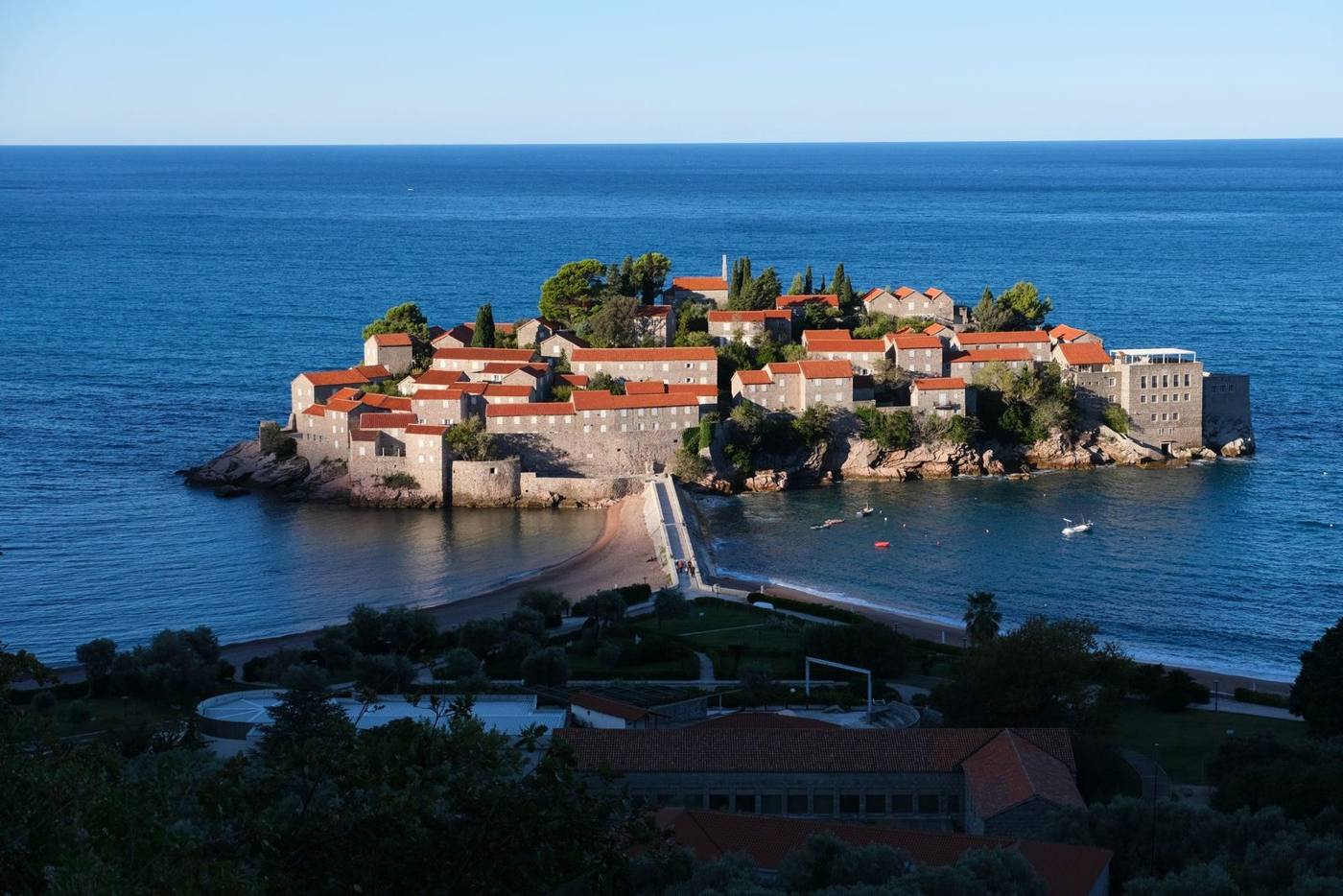 9 daysEasy
The complete Montenegro
The whole country in nine days: the Bay of Kotor, Budva and Sveti Stefan, Lake Skadar, Ostrog Monastery, Durmitor and Lovćen.
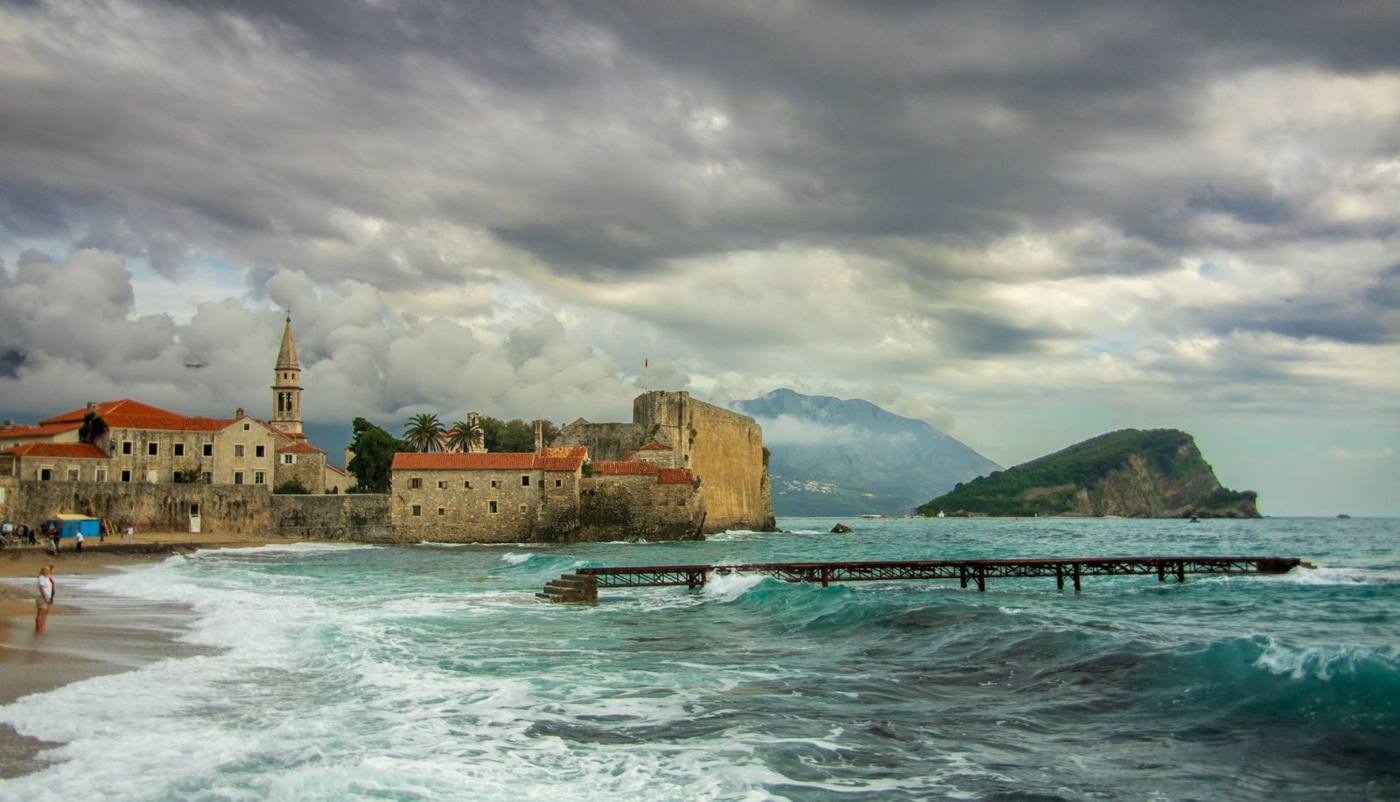 6 daysEasy
The coast from Budva to Ulcinj
Old Budva, the islet of Sveti Stefan, the beaches of Petrovac, ancient Bar with its two-thousand-year-old olive tree and Ulcinj with its 12 km beach.