Cetinje and Lovćen
The Kotor serpentine, the ham villages of Njeguši, Njegoš's mausoleum on the summit of Lovćen and the old royal capital of Cetinje.
- Kotor
- Serpentina
- Njeguši
- Lovćen
- Cetinje
Day by day
- Day 1
The serpentine above Kotor and Njeguši
This trip takes you from the Bay of Kotor up to the mountains of Montenegrin history: the road of twenty-five hairpin bends above Kotor, the ham villages of Njeguši, the mausoleum of Njegoš on top of Lovćen and the old royal capital of Cetinje. You travel by rental car.
Before you go: Italian citizens can enter Montenegro without a visa with an electronic identity card, for stays of up to 30 days, or with a passport, for up to 90 days. Other nationalities should check their own rules. Within 48 hours of arrival you must be registered and pay the tourist tax: hotels do it for you, in private accommodation ask the owner.
Early in the morning, leave Kotor and take the old road to Cetinje, the famous serpentine: twenty-five tight bends, cut into the mountain, climbing above the bay. Stop in the lay-bys to look down at the walls of Kotor, the ships and the blue water of the bay, which looks like a fjord.
At the top you reach the Njeguši plateau, with meadows, stone walls and low houses. It is the home village of the Petrović-Njegoš dynasty, which ruled Montenegro for two centuries, and it is famous for njeguški pršut, ham smoked and cured in the mountain air, and for its cheese. Visit the birthplace of the prince and poet Njegoš, now a small museum. Check prices and times.
For lunch, taste the ham, the cheese and homemade bread, with a glass of vranac, the country's red wine.
Overnight in the Njeguši area or in Cetinje, for two nights.
Practical tip: the serpentine is narrow and busy with coaches: set off early, drive slowly and sound your horn before blind bends.
- Day 2
The mausoleum of Njegoš and the 461 steps
Today you climb the mountain that is the symbol of Montenegro.
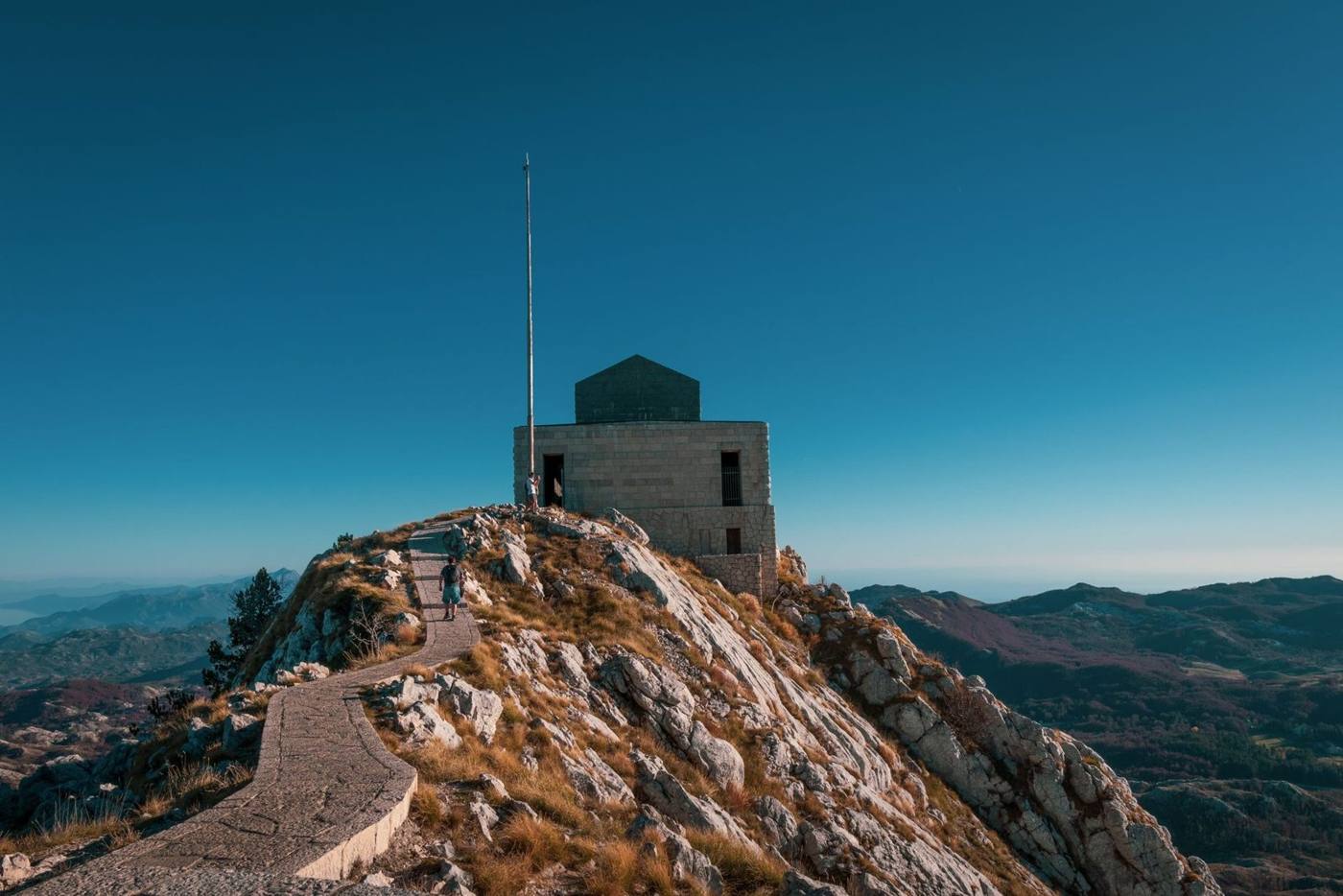
In the morning, drive into Lovćen National Park, through beech woods and pastures, to the car park below Jezerski vrh, one of the two main summits. From here a tunnel with 461 steps leads to the top, where stands the mausoleum of Petar II Petrović-Njegoš, the nineteenth-century prince, bishop and poet, author of the epic poem The Mountain Wreath.
The mausoleum, at about 1,660 metres, was completed in 1974 to a design by the sculptor Ivan Meštrović. Inside you find a large granite statue of the poet, watched over by two female figures, and the crypt with the tomb. The mausoleum is usually open from April to mid-November; an adult ticket costs 8 euros. Check the times.
Behind the mausoleum, a path leads to a circular viewpoint on the edge of the mountain. On clear days you see the Bay of Kotor, Lake Skadar, the mountains of the interior and, with great luck, the Italian coast on the horizon.
In the afternoon, take a walk on one of the park's marked trails, among beeches and limestone rocks. Check the park's prices and times.
In the evening, go back to Cetinje or Njeguši and have grilled meat and kačamak, a polenta with cheese and cream, for dinner.
Overnight in the Njeguši area or in Cetinje.
Practical tip: at the top of Lovćen it is much cooler than on the coast and the weather changes quickly: bring a jacket even in summer and go up early, before the clouds arrive.
- Day 3
Cetinje: the monastery, King Nikola's palace and the old embassies
Today you visit the old royal capital of Montenegro before leaving.
Cetinje, in a green hollow among the mountains, was for centuries the political and religious centre of the country, and the capital until the end of the First World War. Today it is a quiet small town, full of museums and historic buildings.
In the morning, visit the Cetinje Monastery, the most important in the country, founded in the fifteenth century and rebuilt several times after wars. It holds relics and treasures deeply revered by Orthodox believers. Go in with your shoulders and legs covered. Check times and rules.
Then visit the palace of King Nikola, the last ruler of Montenegro, now a museum, with its rooms, furniture, weapons and portraits of the royal family. Nearby is the Biljarda, Njegoš's residence, named after the billiard table the prince had carried all the way up here. Check prices and times.
In the afternoon, walk the streets of the centre and look at the buildings of the old embassies, built in the nineteenth and early twentieth centuries by countries such as Russia, France, the United Kingdom and Italy, when Cetinje was a small European capital.
In short, in three days you have seen the history of Montenegro: the serpentine above the bay, Njeguši and its ham, the mausoleum of Njegoš on Lovćen and Cetinje with its monastery and palaces.
When to go: from May to October. In winter Lovćen can be covered in snow and the mausoleum closes.
Practical tip: buy a combined ticket for the national museums of Cetinje if you want to see more than one: it saves money and also covers the mausoleum.
A short excursion into Montenegro's history, easy to add to a stay in Kotor. The serpentine road is narrow and busy with coaches, so set off early. On clear days you can see Albania and Italy from Lovćen.
Before you go
- Documents and visa
- EU citizens can enter with an identity card for stays of up to 30 days or a passport for up to 90 days, with no visa. British visitors need a passport. You must be registered within 48 hours of arrival and pay the tourist tax: hotels and campsites do it for you, in private accommodation ask the owner.
- Health and vaccines
- No compulsory vaccinations. Healthcare is poorly equipped and often asks for payment in cash: bring your own medicines and take insurance covering medical costs and repatriation. Tap water is generally safe to drink. Emergencies: 112, police 122, ambulance 124.
- Money and payments
- Euro, even though Montenegro is not in the European Union. Cards work in towns and on the coast; in mountain villages you need cash.
- Power sockets
- Types C and F, 230 volts: you need an adapter for British plugs.
- Time zone
- UTC+1, UTC+2 in summer, one hour ahead of the UK.
- Safety
- No particular risks overall; watch for theft on the coast in summer. Mountain roads are narrow and can freeze in winter; there are wildfires in summer. In the mountains stay on marked paths, carry your passport if you walk near the Albanian or Kosovo border, and check the weather. Official advice: GOV.UK.
Information checked in November 2026 for Italian and EU citizens. Rules change: always check before you travel.
Variations
With just one day, starting from Kotor, drive the serpentine, visit Lovćen and Cetinje and return to the coast in the evening.
With two extra days, add Lake Skadar, with Virpazar and Rijeka Crnojevića, less than an hour from Cetinje.
Frequently asked questions
Is the Kotor serpentine dangerous?
It is narrow and full of bends, but paved. Drive slowly, set off early to avoid the coaches and sound your horn before blind bends.
How many steps are there to the mausoleum?
There are 461, in a tunnel that climbs from the car park to the top. Taken slowly, they take about fifteen minutes.
Can you see Italy from Lovćen?
Only on very clear days and with great luck. You almost always get a good view of the Bay of Kotor, Lake Skadar and the mountains.
Indicative itinerary written by World Atlas. Before booking, check timetables, seasonal openings, documents and safety.
 10 daysChallenging
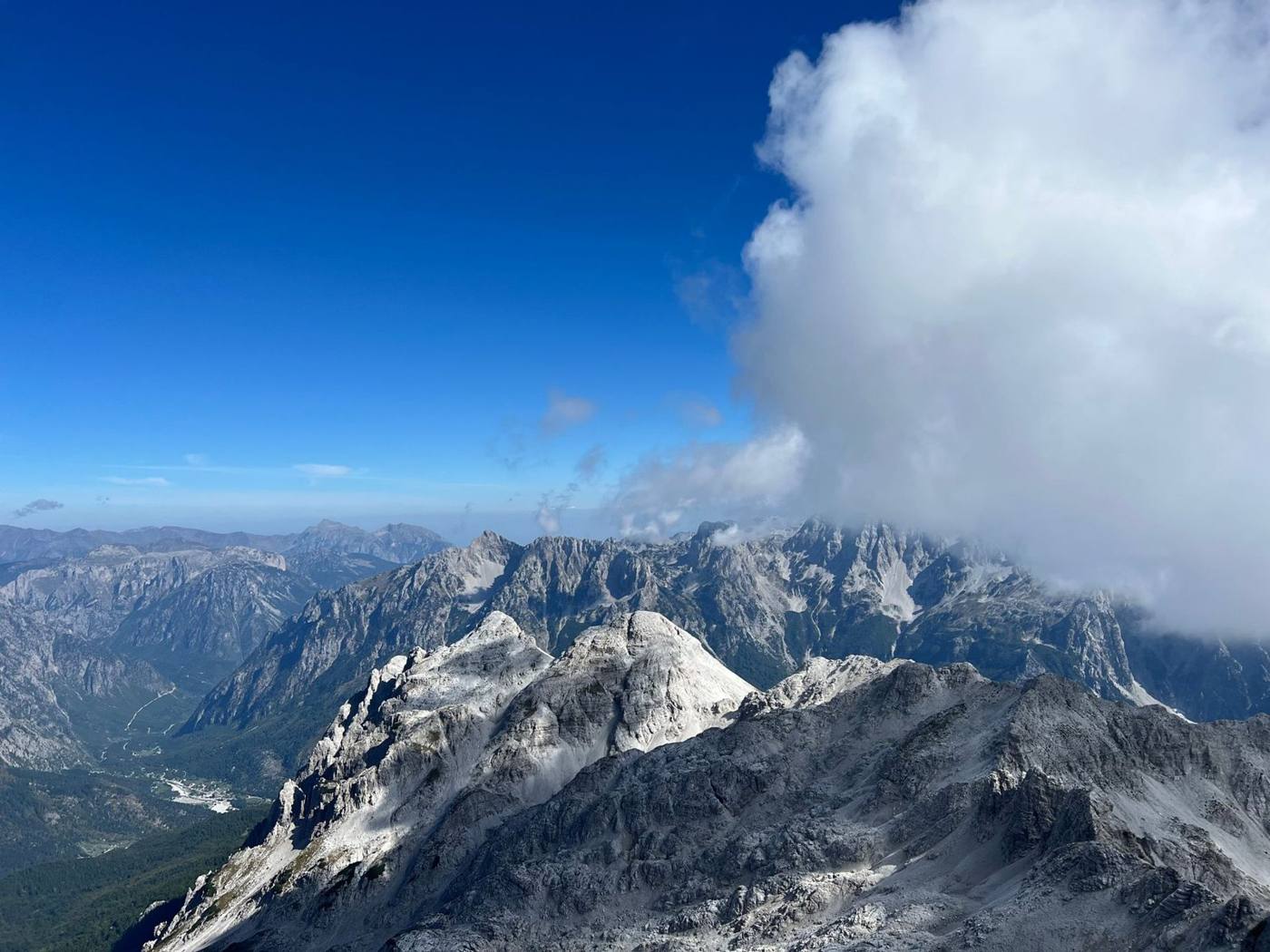
Peaks of the Balkans
The cross-border trek through Montenegro, Albania and Kosovo: ten stages in the Accursed Mountains, between Theth, Valbona and herders' villages.
 4 daysEasy
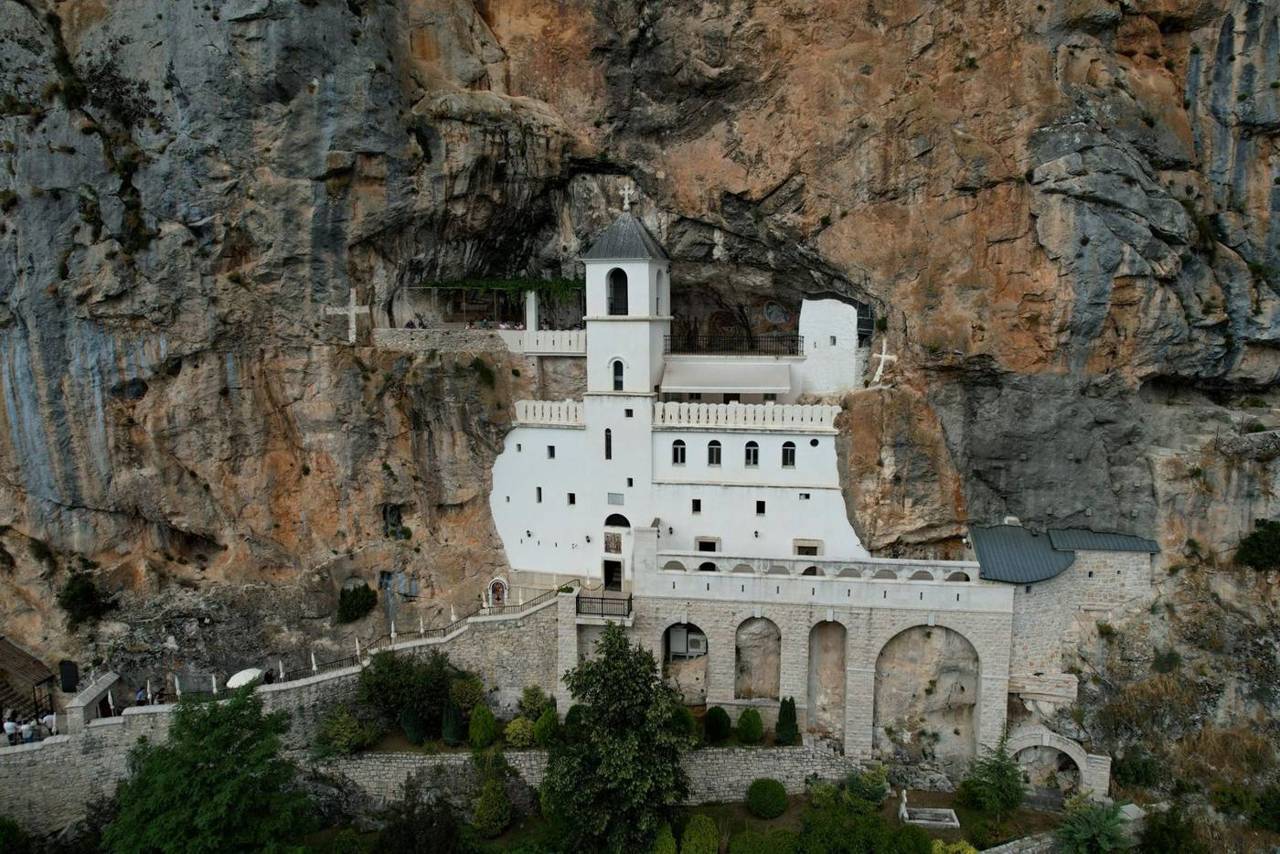
Ostrog and the Piva canyon
Ostrog Monastery set into the cliff face, Piva Monastery, the lake and canyon with tunnels carved into the rock, up to the Bosnian border.
 5 daysEasy
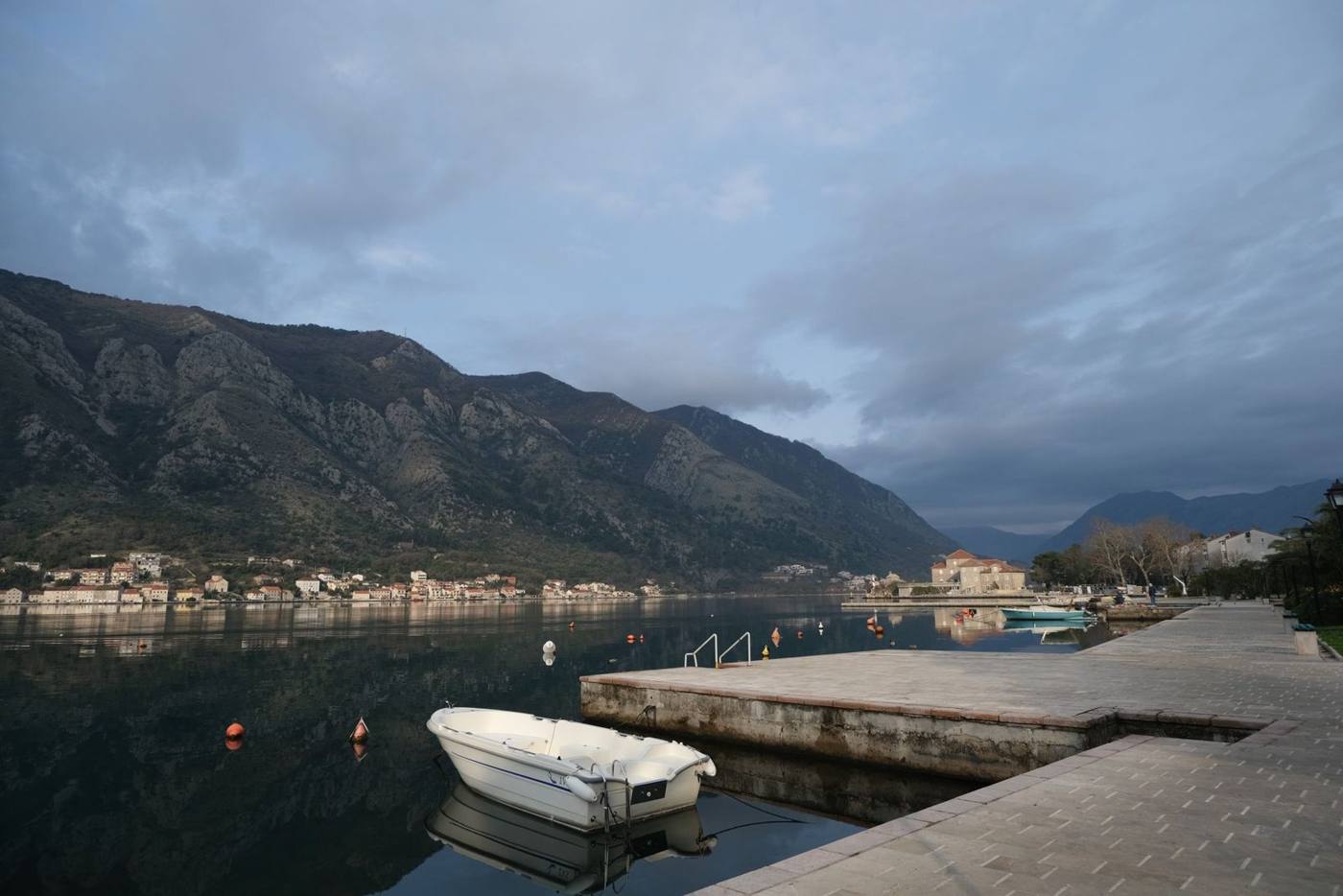
The Bay of Kotor
The fjord of the Mediterranean: the walled town of Kotor and the climb to its fortress, Perast and Our Lady of the Rocks, Herceg Novi and the Luštica peninsula.