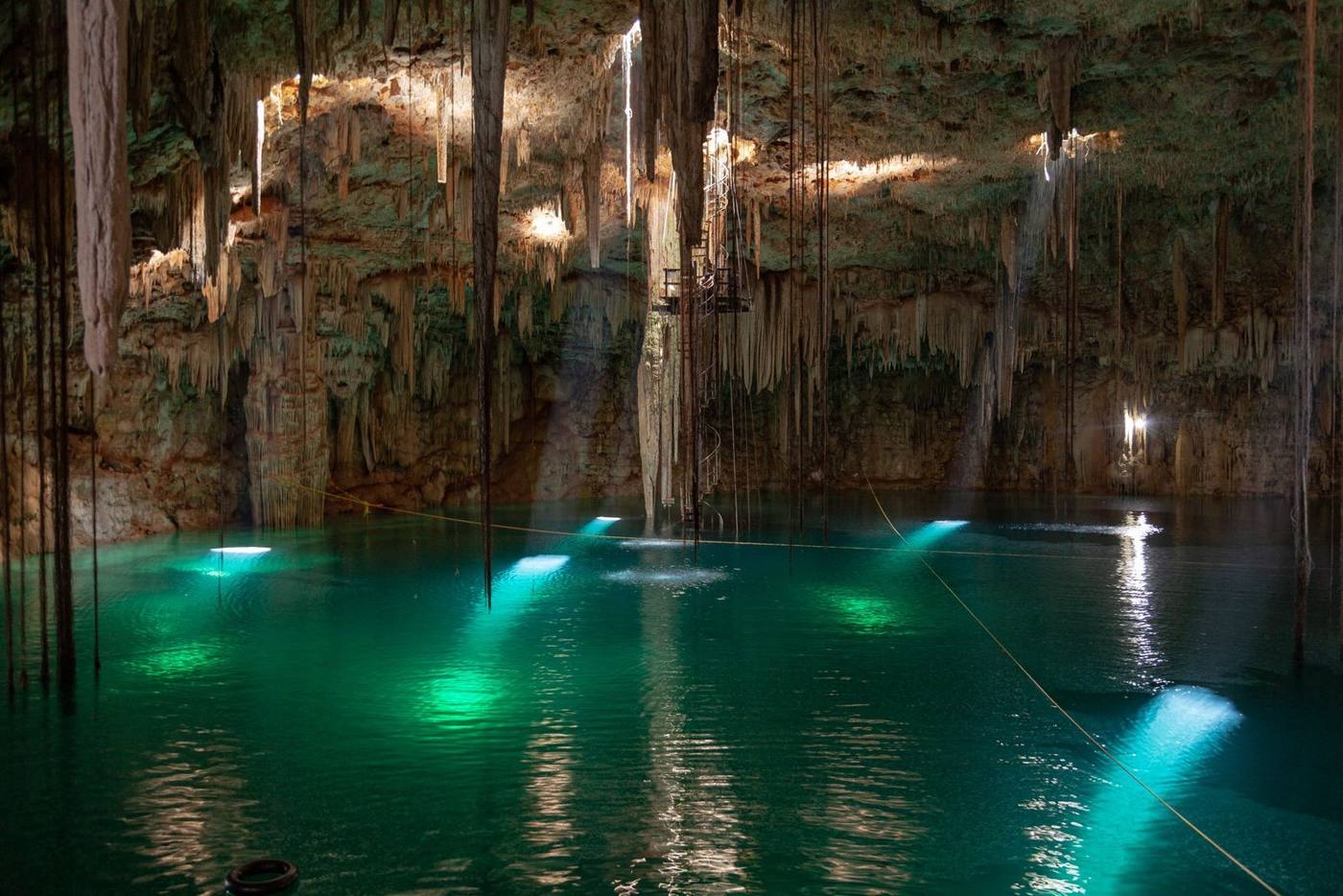
Diving in Cozumel and the cenotes
Two underwater worlds: the coral walls of Cozumel with drift dives among turtles and rays, then the cenotes of the Yucatán peninsula, crystal-clear freshwater caves with shafts of light, such as Dos Ojos, Gran Cenote and Angelita.
- Cancún
- Playa del Carmen
- Cozumel
- Dos Ojos
- Gran Cenote
- Tulum
Day by day
- Day 1
From Cancún to Playa del Carmen and the ferry to Cozumel
This trip is designed for divers. It combines two very different worlds of the Yucatán Peninsula: the coral walls of Cozumel, in the Caribbean, among the world's most famous for drift diving, and the cenotes, natural freshwater sinkholes where you swim and dive in caves full of stalactites, in unreal light.
You arrive at Cancún airport, with direct flights from many European cities. Check the documents required to enter Mexico as a tourist before you leave. The United States has the state of Quintana Roo, home to Cancún, Playa del Carmen, Cozumel and Tulum, at level 2.
From the airport take a bus or transfer to Playa del Carmen, about an hour away. Fast ferries leave from here for Cozumel, crossing the strait in about forty minutes.
Cozumel is Mexico's largest inhabited island. The main town, San Miguel, has a seafront with shops and bars, the main square and the cruise ship port. The rest of the island is almost all wild, with low jungle and beaches.
Once on the island, settle in and prepare your gear for the following days. In the evening have dinner on the seafront at sunset.
Spend the night on Cozumel.
Practical tip: between May and October large amounts of sargassum, a brown seaweed, often wash up on Riviera Maya beaches. It does not affect offshore dives, but it can make some beaches unpleasant. Check the bulletins before you go.
- Day 2
Cozumel: Palancar reef
Today the diving begins. The boat leaves the harbour in the morning and heads down the island's sheltered west coast to the reef marine park, which protects most of the island's reefs.
The first dive is usually on Palancar reef, one of Cozumel's most famous. Here the coral forms great towers and pinnacles rising from the sandy bottom, separated by channels, canyons and arches, with huge sponges, gorgonians and black corals. You swim among the formations as if through a coral city.
In Cozumel dives are almost always drift dives: the boat drops divers at one point and follows them on the surface while the current carries them along the reef with little need to fin. It is a relaxing way to dive, but it requires good buoyancy control.
You see turtles, eagle rays, green moray eels, lobsters, groupers, barracuda, angelfish and the splendid toadfish, found only in this area, which hides under the coral.
The second dive is on a shallower reef.
In the afternoon rest.
Spend the night on Cozumel.
Practical tip: entry to the marine park is paid, usually with a wristband: check the amount with your dive centre. Do not touch the coral and use a reef safe sunscreen.
- Day 3
Columbia wall and the big fish
Today the dives are further south, on Columbia reef, one of the island's deepest and most spectacular.
Columbia is made of huge coral pinnacles rising from the bottom, with caves, tunnels and channels that take you inside the reef. The edge of the wall drops vertically into the blue to great depths. The current here often brings the larger fish: turtles, groups of eagle rays, sometimes nurse sharks resting on the bottom, big groupers and barracuda.
Deep dives like this require suitable certification and good depth control. The guides explain the dive profile during the briefing.
The second dive is often on a shallower reef with sandy bottoms, where you see rays, crabs, octopus and small colourful fish.
In the afternoon, after diving, hire a bike or scooter and ride along the island's east coast, wild and windswept, with empty beaches and waves. Swimming is not advised here because of strong currents.
In the evening return to San Miguel and have grilled fish or fish tacos with spicy sauces and lime.
Spend the night on Cozumel.
Practical tip: after several days of diving, drink plenty of water, respect surface intervals and do not make too many deep dives in a row. A dive computer is essential.
- Day 4
Santa Rosa Wall on the drift and Punta Sur park
In the morning make what is perhaps Cozumel's most famous dive: Santa Rosa Wall, a long, steep vertical wall covered in giant sponges, gorgonians, lettuce coral and tunnels. The current here is often strong, and you fly along the wall as if on a conveyor belt, with the blue below and the reef beside you.
In the folds of the wall you see sleeping turtles, big groupers, moray eels and sometimes eagle rays passing in the blue.
The second dive is on a nearby, calmer reef.
In the afternoon visit Punta Sur park, at the southern tip of the island. It is a nature reserve with a lagoon home to crocodiles, herons and flamingos, a lookout tower, a lighthouse with a small navigation museum and white sand beaches where you snorkel on the reef close to shore. In summer sea turtles nest on the park's beaches.
At sunset head back towards San Miguel.
In the evening pack your bag: the next day you leave the island. Remember not to do more deep dives if your flight is close, even though you continue here with shallow cenote dives.
Spend the night on Cozumel.
Practical tip: check Punta Sur park's opening hours and entry fee. In turtle nesting season some beaches have special rules: respect the protected areas.
- Day 5
Back to the mainland and Dos Ojos cenote
In the morning take the ferry to Playa del Carmen and drive south along the coast to the Tulum area, about an hour away.
The Yucatán Peninsula is a large limestone platform with no surface rivers. Water flows underground in a vast system of caves and underground rivers, among the longest in the world. Where cave ceilings have collapsed, cenotes have formed, wells of crystal clear fresh water. For the Maya they were sacred places, gateways to the underworld.
In the afternoon go to Dos Ojos cenote, the two eyes, named for its two neighbouring pools linked by a cave. It is the entrance to one of the longest underwater cave systems in the world.
Here you dive in the cavern zone, where daylight is always visible. You swim among stalactites and stalagmites, rock columns and shafts of light entering from above and turning the water blue. The water is so clear it feels like flying. Even non divers can snorkel in the two pools.
In the evening stay in Tulum or nearby.
Spend the night in Tulum.
Practical tip: cenote dives are made only with guides specialised in caverns. Never go beyond the daylight zone without cave certification. Check the entry prices and hours of the cenotes, which are run by local communities or private owners.
- Day 6
Gran Cenote and Angelita with its cloud
In the morning go to Gran Cenote, near Tulum, one of the most beautiful and easiest cenotes, with clear water, small freshwater turtles, fish, stalactites and a passage between two pools under a rock vault. It is excellent for snorkelling and for an easy cavern dive.
In the afternoon make a special dive at Angelita cenote, south of Tulum, in the middle of the jungle. Angelita is a deep sinkhole surrounded by trees. Descending, at around thirty metres you reach a layer of salt water beneath the fresh water, and above it forms a white, milky cloud of hydrogen sulphide produced by decomposing leaves and branches. The cloud looks like an underground river, with tree trunks sticking out like a drowned forest. It is one of the strangest underwater landscapes in the world.
This dive is deep and requires advanced certification and good experience. It is made with guides who know the cenote.
In the evening return to Tulum and have Yucatecan food such as cochinita pibil, pork marinated in achiote and slow cooked.
Spend the night in Tulum.
Practical tip: after deep dives respect the time before flying: at least 18 to 24 hours, as diving agencies recommend. That is why the last dive is today, and tomorrow you stay on the surface.
- Day 7
Tulum, the ruins by the sea, and departure
On the last day visit the ruins of Tulum, the Maya city built on a cliff above the Caribbean. It was inhabited mainly between the thirteenth and fifteenth centuries and was an important port for coastal trade. It is one of the few walled Maya cities.
The site's symbol is El Castillo, a building on top of the cliff that looked out to sea and may also have served as a lighthouse for canoes. Around it are temples, palaces and the Temple of the Frescoes, with remains of paintings. Below the cliff is a small white sand beach, sometimes open for swimming.
The site opens early in the morning: arriving at opening time helps you avoid the heat and crowds. Entry costs 210 pesos.
In the afternoon continue to Cancún airport, about two hours by road from Tulum. There is also an airport at Tulum, with flights to some Mexican and US cities.
If you have time, stop for a last swim in a cenote along the road, or in Playa del Carmen for a stroll along Quinta Avenida, the pedestrian street full of shops.
Practical tip: at Tulum do not climb the ruins and keep to the marked paths. Bring water, a hat and sunscreen. For the return, allow for traffic between Tulum and Cancún and arrive at the airport early.
For certified divers: Cozumel's currents are strong; in the cenotes only cavern dives with a specialised guide, never cave diving without proper training. No flying within 24 hours of the last dive. Sunscreen is banned in the cenotes. The United States places this state at level 2 (increased caution): no road travel at night, taxis only via apps or official ranks. Italian citizens need no visa for tourism.
Before you go
- Documents and visa
- Passport valid for the whole stay; no visa is needed for tourism. On arrival the officer sets the number of days granted. Quintana Roo state charges foreign visitors a tax, the Visitax, payable online.
- Health and vaccines
- No compulsory vaccines. Drink only bottled water and use mosquito repellent against dengue and other diseases. Emergencies: 911.
- Money and payments
- Mexican peso. Cards are accepted in cities and tourist areas; in markets, villages and on local transport you need cash.
- Power sockets
- Types A and B, 127 volts: you need a flat-pin adapter.
- Time zone
- Mexico City is UTC-6; Quintana Roo is UTC-5. Mexico no longer uses daylight saving time, except in some border areas.
- Safety
- The situation varies greatly between states: the United States rates some, such as Guerrero, Michoacán and Sinaloa, at level 4, while Yucatán and Campeche are at level 1. Official advice: GOV.UK.
Information checked in November 2026 for Italian and EU citizens. Rules change: always check before you travel.
Variations
Without diving: snorkelling on Cozumel and in the cenotes, with a day at Chichén Itzá.
In 10 days: add Holbox and the whale sharks, from June to September.
Frequently asked questions
What certification do I need?
For Cozumel a basic certification is enough, but for the deep walls and Angelita you need an advanced one. In cenotes you stay in the daylight zone, with specialised guides.
When is the best time to go?
November to April, with calmer seas and less heat. June to November is hurricane season.
Can I snorkel without certification?
Yes, both on Cozumel and in cenotes such as Dos Ojos and Gran Cenote, with mask and fins.
Indicative itinerary written by World Atlas. Before booking, check timetables, seasonal openings, documents and safety.
 6 daysEasy
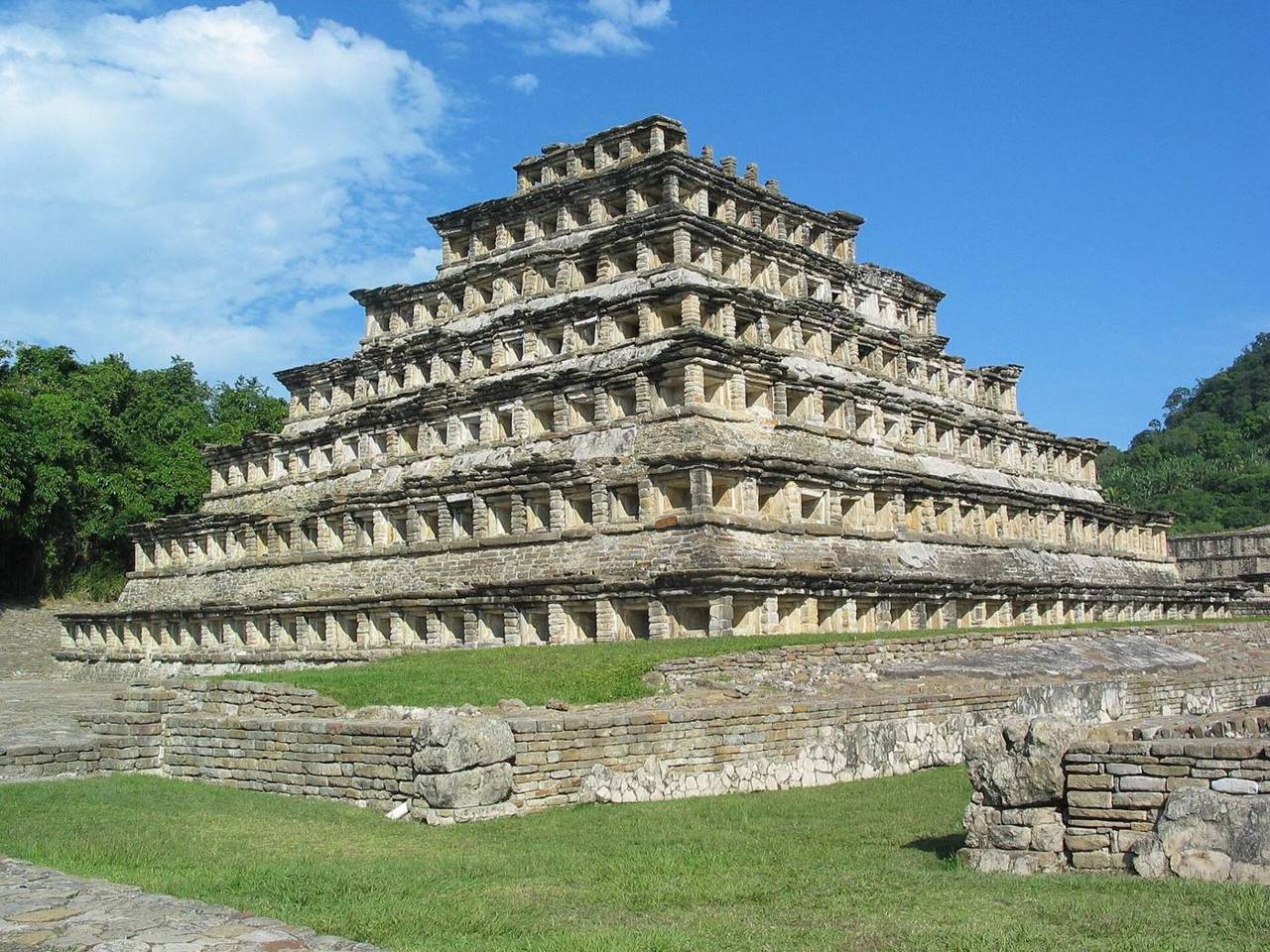
Veracruz: Xalapa and El Tajín
The state of coffee and vanilla: Xalapa with its great anthropology museum and Olmec heads, the mountain towns of Coatepec and Xico among plantations and waterfalls, then Papantla, the Pyramid of the Niches at El Tajín, a UNESCO World Heritage site, and the Voladores who launch themselves from a pole.
 5 daysEasy
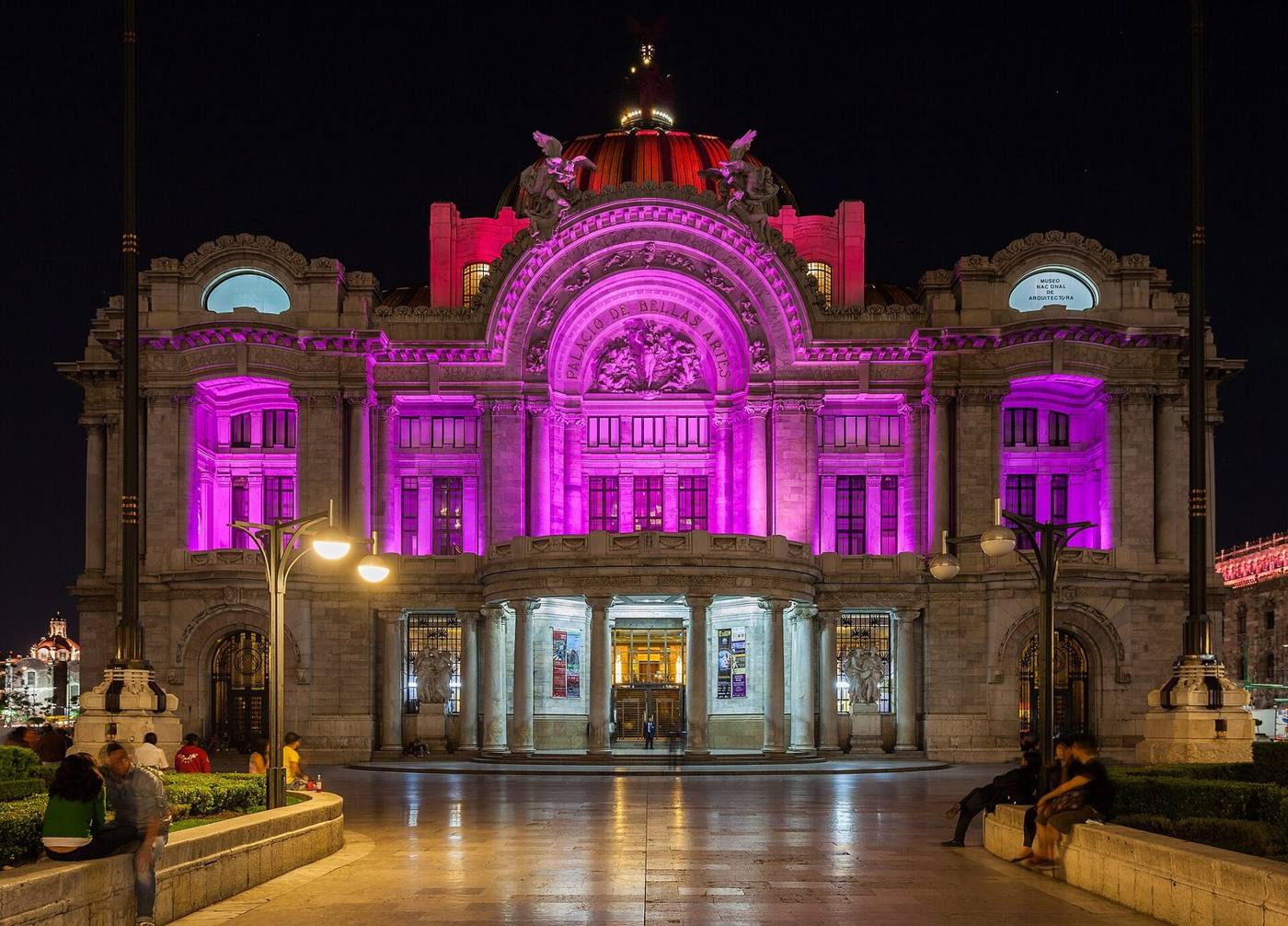
Mexico City in depth
One of the world's great capitals at a gentle pace: the historic centre with the Zócalo and the Templo Mayor, the National Museum of Anthropology, the Roma, Condesa and Coyoacán districts with Frida Kahlo's house, the colourful boats of Xochimilco and the pyramids of Teotihuacán at dawn.
 6 daysEasy
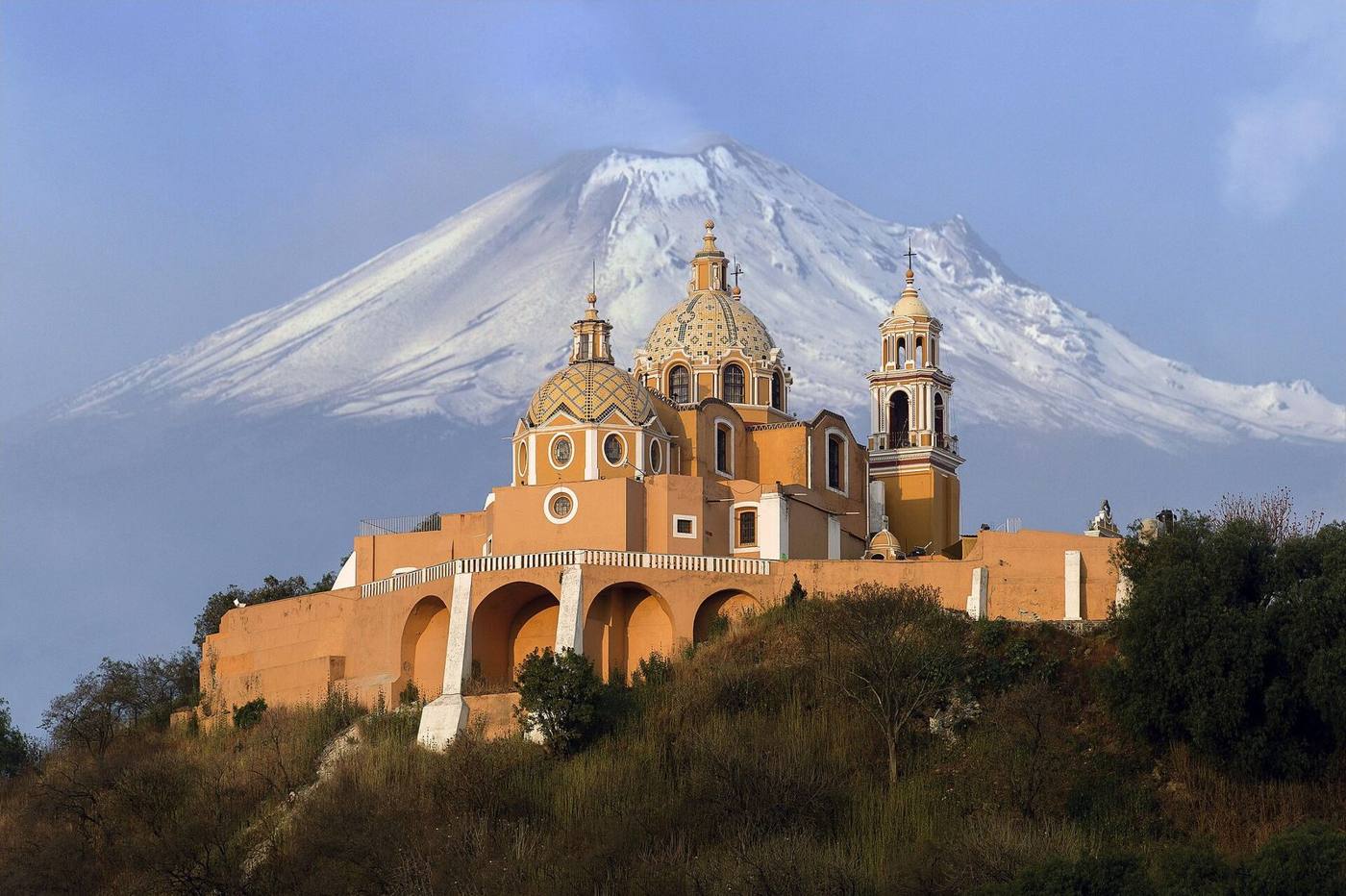
Puebla, Cholula and Cuetzalan
Colonial Mexico of talavera pottery and mole poblano: Puebla with its UNESCO-listed centre, the church on top of the world's largest pyramid at Cholula, the baroque churches of Tonantzintla, the Mayan murals of Cacaxtla and the town of Cuetzalan in the cloud forest of the Sierra Norte.