Veracruz: Xalapa and El Tajín
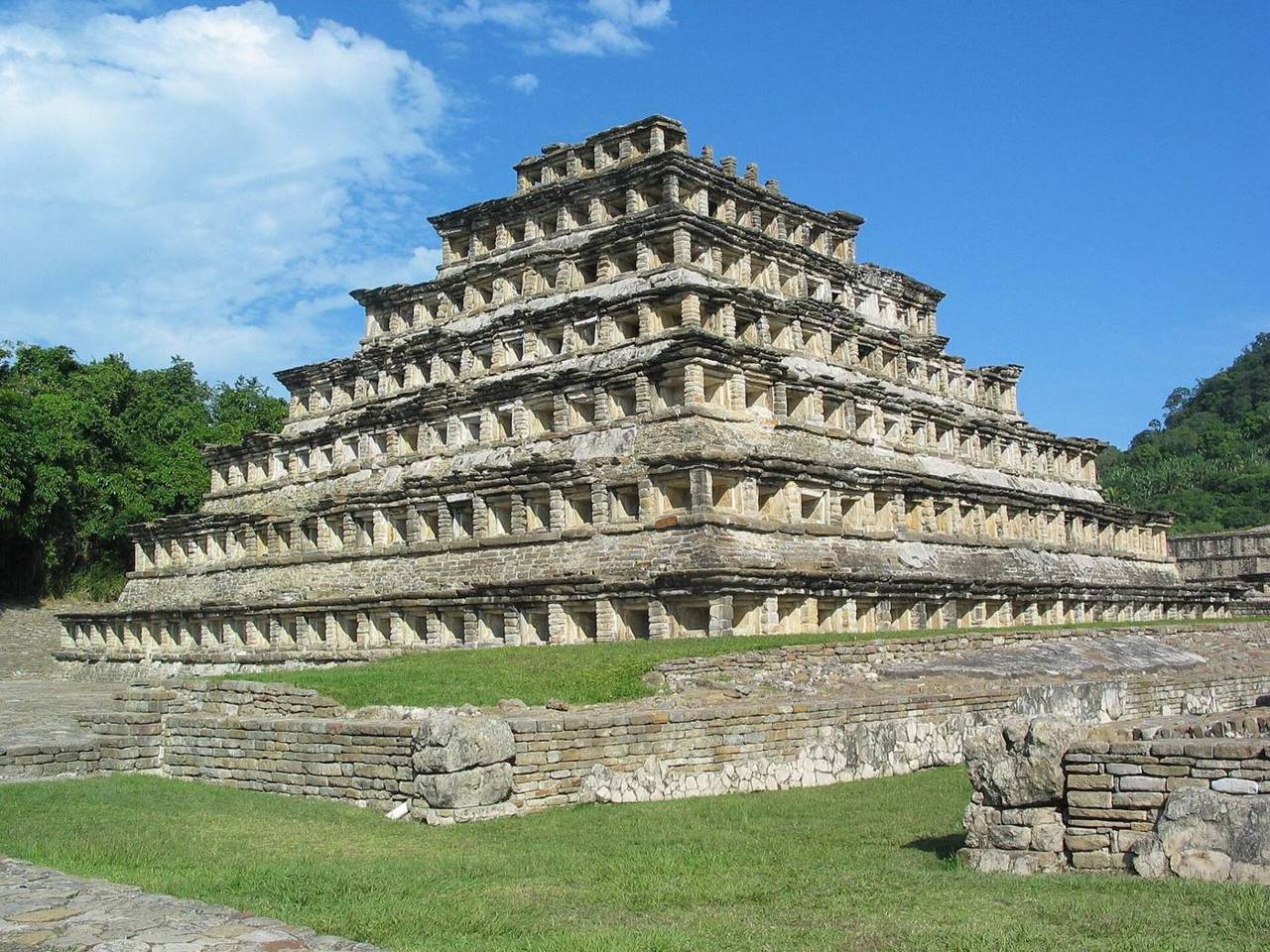
The state of coffee and vanilla: Xalapa with its great anthropology museum and Olmec heads, the mountain towns of Coatepec and Xico among plantations and waterfalls, then Papantla, the Pyramid of the Niches at El Tajín, a UNESCO World Heritage site, and the Voladores who launch themselves from a pole.
- Veracruz
- Xalapa
- Coatepec
- Xico
- Papantla
- El Tajín
Day by day
- Day 1
The port of Veracruz and the fortress of San Juan de Ulúa
The state of Veracruz, on Mexico's Gulf coast, is a region of history, music and coffee, little visited by foreign travellers. Hernán Cortés landed here in 1519, here indigenous, Spanish and African cultures met, and from here come son jarocho, the music played with harp and small guitars, and danzón, the couples' dance in the squares. Inland are the coffee mountains, colonial towns, the great museum of ancient cultures and the pre-Hispanic city of El Tajín. In six days you travel from the coast to the mountains and the forest.
Veracruz can be reached by air from Mexico City, in about an hour, or by bus in about five and a half hours.
In the morning, visit the fortress of San Juan de Ulúa, on the island in front of the port, now linked to the mainland. Built by the Spanish from the sixteenth century to defend the port against pirates, it later became a feared prison, and was the last place in Mexico to remain in Spanish hands after independence, until 1825.
In the afternoon, walk along the malecón, the harbour promenade, with its ships, stalls and coconut sweet sellers, then on to the zócalo, the main square, with the cathedral and town hall.
In the evening, on the zócalo, watch couples dancing danzón to the sound of orchestras, a tradition that came from Cuba in the nineteenth century. Have a lechero, coffee with milk poured from a height: to order one, you tap your spoon on the glass.
Practical tip: Veracruz is hot and humid all year. Drink plenty of bottled water and walk in the cooler hours.
- Day 2
Xalapa and the anthropology museum with the Olmec heads
In the morning, go up by bus or car from Veracruz to Xalapa, in about an hour and a half. Xalapa is the state capital, a university city on green hills at about one thousand four hundred metres, with a cool, often misty climate, full of parks, gardens and steep streets. The jalapeño pepper takes its name from this city.
Visit the Xalapa Museum of Anthropology, considered Mexico's second most important archaeological museum after the one in Mexico City. The museum, designed as a series of halls stepping down the hillside among gardens, tells the story of the three great ancient cultures of the Gulf: the Olmecs, the Totonacs and the Huastecs.
The most famous works are the colossal Olmec heads, huge basalt heads up to almost three metres high, carved about three thousand years ago, with strong-featured faces and helmets. The Olmecs are considered Mexico's first great civilisation. In the museum you also see the Totonac smiling figures, clay statues with laughing faces, and Huastec sculptures.
In the afternoon, walk through the centre of Xalapa, in Parque Juárez, with views of the mountains, and in the old quarter, with colonial houses and cobbled streets.
In the evening, try Veracruz cooking: fish a la veracruzana, cooked with tomato, olives and capers, and chilpachole, a spicy crab soup.
Practical tip: in Xalapa it often rains and the mist rolls in quickly. Bring an umbrella and a jacket even in summer.
- Day 3
Coatepec, the coffee fincas and the Texolo waterfall
In the morning, go to Coatepec, about twenty minutes from Xalapa, a colonial town among coffee hills, with colourful houses, arcades and a large square. Coatepec is famous for shade-grown coffee, grown on mountain slopes above a thousand metres, producing a highly regarded high-altitude coffee.
Visit one of the fincas, the coffee farms, where you see coffee plants under banana and avocado trees, learn about picking, processing, drying and roasting, and taste coffee prepared in various ways. Many fincas also make coffee liqueurs and sweets. In the town centre, small roasters sell freshly roasted beans, and the smell of coffee fills the streets. Coatepec is also known for its orchids, which grow wild in the damp forests around the town.
In the afternoon, continue to Xico, about a quarter of an hour away, another mountain town with cobbled streets, famous for mole xiqueño, a dark, sweet sauce made with chocolate and chillies. Near Xico is the Texolo waterfall, dropping into a green gorge in the cloud forest, with a suspension bridge and a path to the bottom, where a pool forms.
In the evening, return to Xalapa or sleep in Coatepec.
Practical tip: in July Xico celebrates the feast of Saint Mary Magdalene, with streets covered in carpets of flowers and coloured sawdust. The towns are very crowded then.
- Day 4
Papantla, the vanilla town
In the morning, head north to Papantla, in about four hours by car or bus, through the hills and tropical plains of the northern Veracruz coast.
Papantla is called the city that perfumes the world, because it is the home of vanilla. Vanilla is an orchid native to this region, grown by the Totonacs for centuries, long before the Spanish arrived and took it to Europe. The flowers open only one day a year and must be pollinated by hand, one by one; then the pods are dried in the sun and left to cure for months.
In the afternoon, visit a vanilla plantation or one of the local cooperatives, where you see how it is grown and processed, and can buy pods, extracts and small objects woven with vanilla. In the centre of Papantla, walk around the main square, with the church and the large mural telling the history of the Totonac people, and climb to the volador monument, a large statue at the top of the hill, with views over the town.
In the evening, if the season is right, watch the traditional dances in the square, and try Papantla tamales, cooked in banana leaves.
Practical tip: in June Papantla celebrates Corpus Christi with the voladores and other Totonac dances. The best vanilla is bought directly from the growers.
- Day 5
El Tajín and the voladores
Early in the morning, before the heat, go to El Tajín, about a quarter of an hour from Papantla, one of the most important pre-Hispanic cities in Mexico and a UNESCO site since 1992. The city flourished between the ninth and thirteenth centuries AD and was a major political and religious centre of the Gulf coast.
The most famous monument is the Pyramid of the Niches, a six-tiered pyramid with three hundred and sixty-five niches cut into its walls, one for each day of the year according to a common interpretation. The niches create a play of light and shadow unique in Mexico's ancient architecture.
Around it are dozens of buildings, plazas and at least twenty ball courts, more than in any other ancient city. On the walls of the south ball court are carved scenes of the game and its rituals. The small museum at the entrance displays carved columns and objects found in the excavations.
In front of the site entrance, several times a day, the voladores of Papantla perform. Four men climb a pole about thirty metres high and, tied by a rope at their feet, launch themselves head down into the void, circling the pole thirteen times each, while a fifth man plays the flute and drum at the top. It is an ancient ritual for fertility and rain, UNESCO intangible cultural heritage since 2009.
Practical tip: there is little shade at El Tajín. Bring water, a hat, sunscreen and repellent.
- Day 6
Back to Veracruz or Mexico City
On your last morning, before leaving, visit Papantla market, with tropical fruit, chillies, vanilla and the traditional white clothing of the Totonacs, or the centre of Poza Rica, about half an hour away, the oil town.
Then set off. From Poza Rica there are flights to Mexico City, or direct buses in about five or six hours across the Sierra Madre Oriental. Alternatively, return to Veracruz, in about four hours, for your flight.
If you have a few more days, along the road to Mexico City are the pueblos mágicos of the Sierra Norte de Puebla, such as Cuetzalan, with its Sunday indigenous market, waterfalls and caves, or Zacatlán, the town of apples and clocks.
To the south of Veracruz you can continue to Tlacotalpan, a small colonial town on the Papaloapan river, a UNESCO site, with arcaded houses painted in bright colours, the home of son jarocho. Further south, Catemaco has a lake among hills and the Los Tuxtlas forest.
Practical tip: Italian citizens do not need a visa for tourism, but check the entry requirements before you leave. The US government rates the state of Veracruz level 2 of 4, exercise increased caution: avoid road travel at night and use taxis from official stands or apps.
An authentic Mexico, still little touristed. The Xalapa museum alone is worth the trip. In March, around the equinox, El Tajín hosts the Cumbre Tajín festival, with big crowds. Travel by day on main roads. The United States places this state at level 2 (increased caution): no road travel at night, taxis only via apps or official ranks. Italian citizens need no visa for tourism.
Before you go
- Documents and visa
- Passport valid for the whole stay; no visa is needed for tourism. On arrival the officer sets the number of days granted. Quintana Roo state charges foreign visitors a tax, the Visitax, payable online.
- Health and vaccines
- No compulsory vaccines. Drink only bottled water and use mosquito repellent against dengue and other diseases. Emergencies: 911.
- Money and payments
- Mexican peso. Cards are accepted in cities and tourist areas; in markets, villages and on local transport you need cash.
- Power sockets
- Types A and B, 127 volts: you need a flat-pin adapter.
- Time zone
- Mexico City is UTC-6; Quintana Roo is UTC-5. Mexico no longer uses daylight saving time, except in some border areas.
- Safety
- The situation varies greatly between states: the United States rates some, such as Guerrero, Michoacán and Sinaloa, at level 4, while Yucatán and Campeche are at level 1. Official advice: GOV.UK.
Information checked in November 2026 for Italian and EU citizens. Rules change: always check before you travel.
Variations
In 3 days: Veracruz, Xalapa and Coatepec, starting from Mexico City.
In 9 days: add Tlacotalpan and Lake Catemaco, south of Veracruz.
Frequently asked questions
When is the best time to go?
From November to April, with less rain. In summer the coast is very hot, and June to November is hurricane season.
Is it safe?
The US government rates the state of Veracruz level 2 of 4. Avoid road travel at night and use official taxis or apps.
What documents do I need?
A passport. Italian citizens do not need a visa for tourism, but check the entry requirements before you leave.
Indicative itinerary written by World Atlas. Before booking, check timetables, seasonal openings, documents and safety.
 5 daysEasy
Mexico City in depth
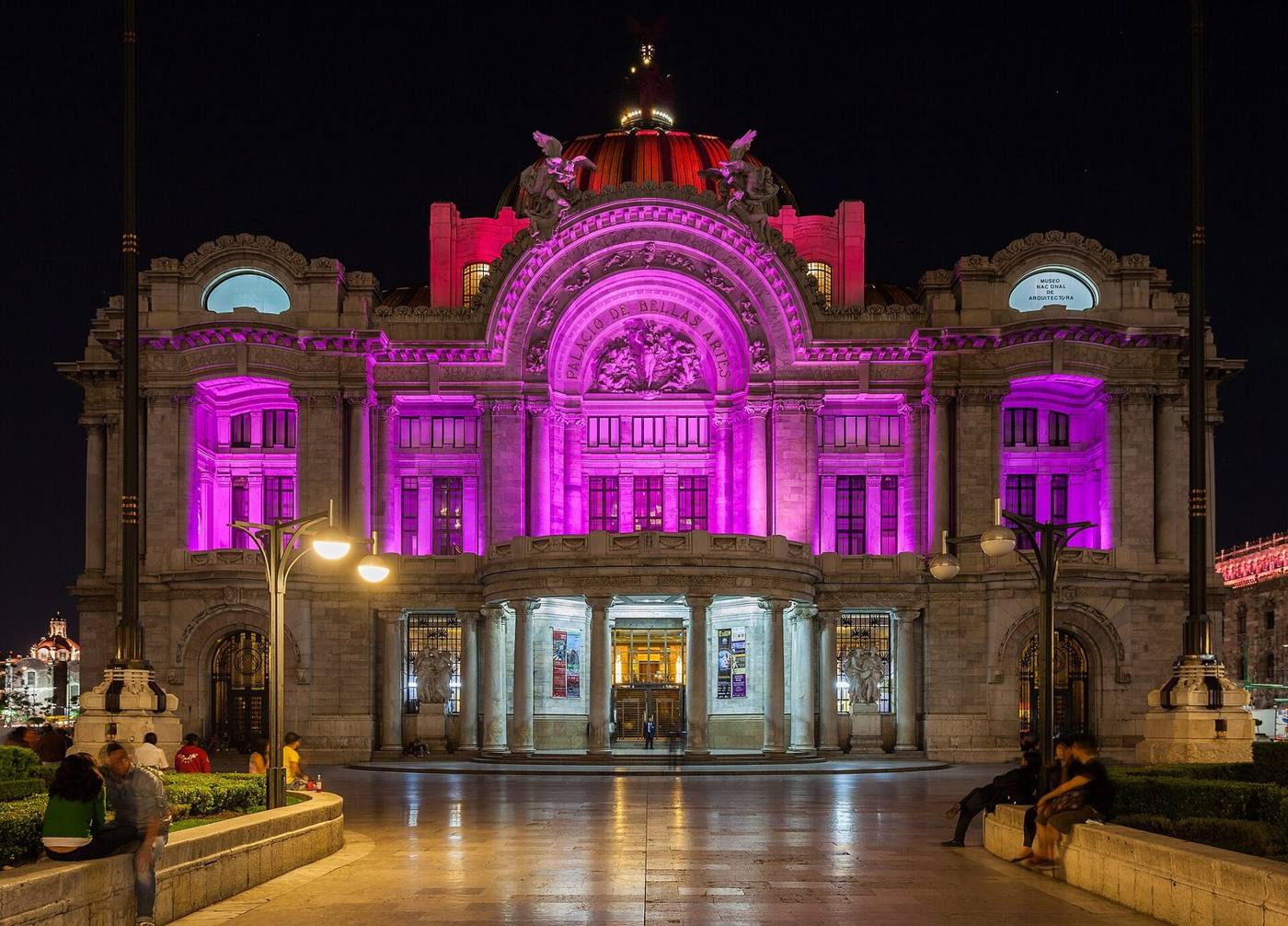
One of the world's great capitals at a gentle pace: the historic centre with the Zócalo and the Templo Mayor, the National Museum of Anthropology, the Roma, Condesa and Coyoacán districts with Frida Kahlo's house, the colourful boats of Xochimilco and the pyramids of Teotihuacán at dawn.
 6 daysEasy
Puebla, Cholula and Cuetzalan
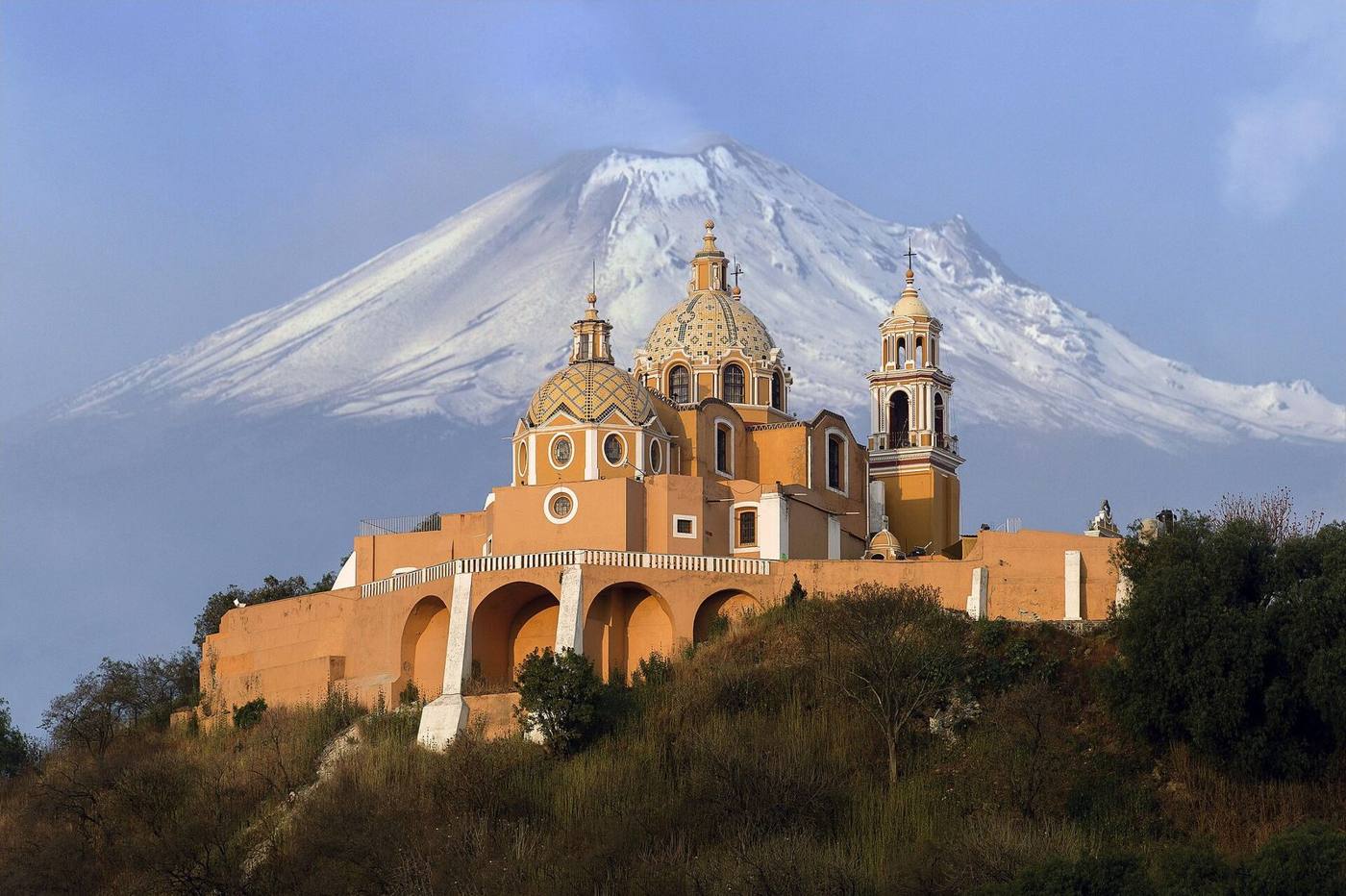
Colonial Mexico of talavera pottery and mole poblano: Puebla with its UNESCO-listed centre, the church on top of the world's largest pyramid at Cholula, the baroque churches of Tonantzintla, the Mayan murals of Cacaxtla and the town of Cuetzalan in the cloud forest of the Sierra Norte.
 6 daysEasy
Querétaro, the Sierra Gorda and Peña de Bernal
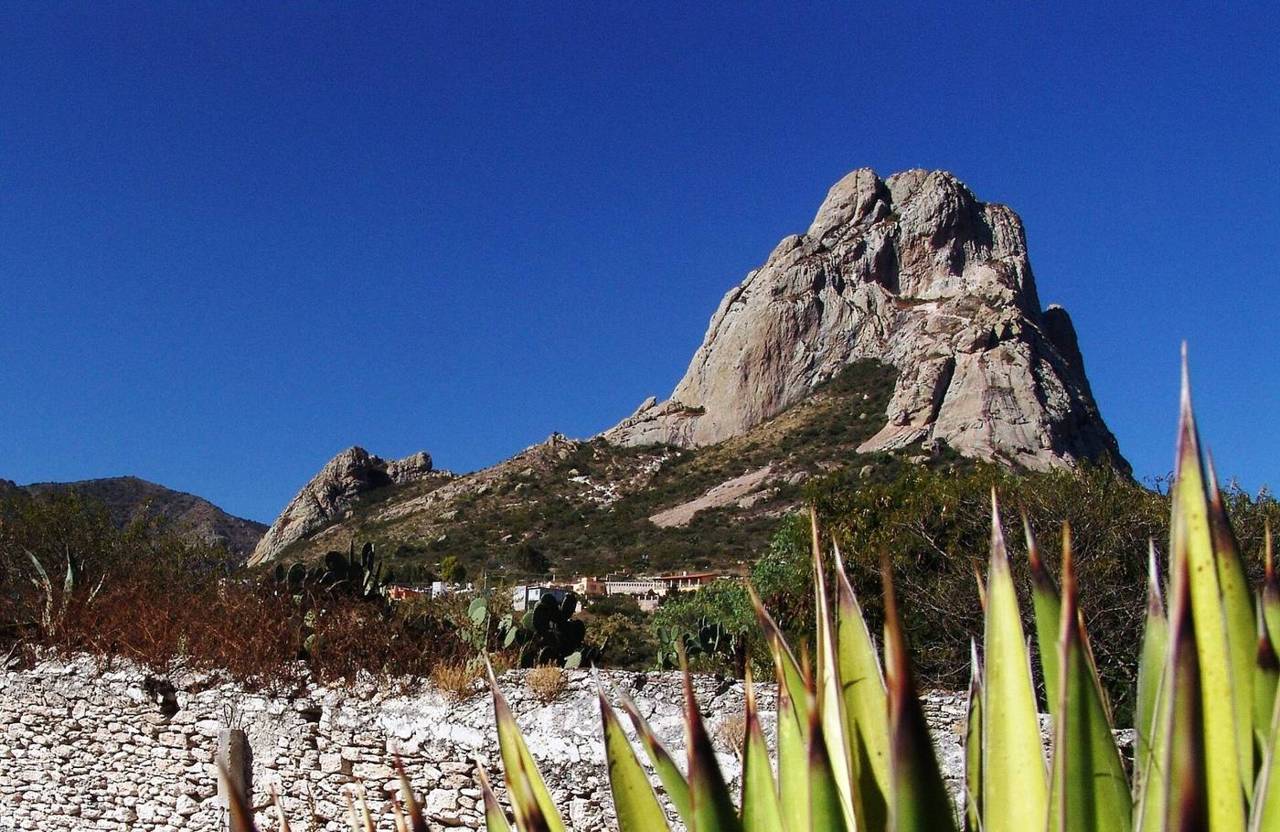
The colonial city of Querétaro with its aqueduct and squares, the wineries and cheeses of the wine route, the Peña de Bernal monolith and, in the Sierra Gorda mountains, the five Franciscan missions with their carved facades, a UNESCO World Heritage site.