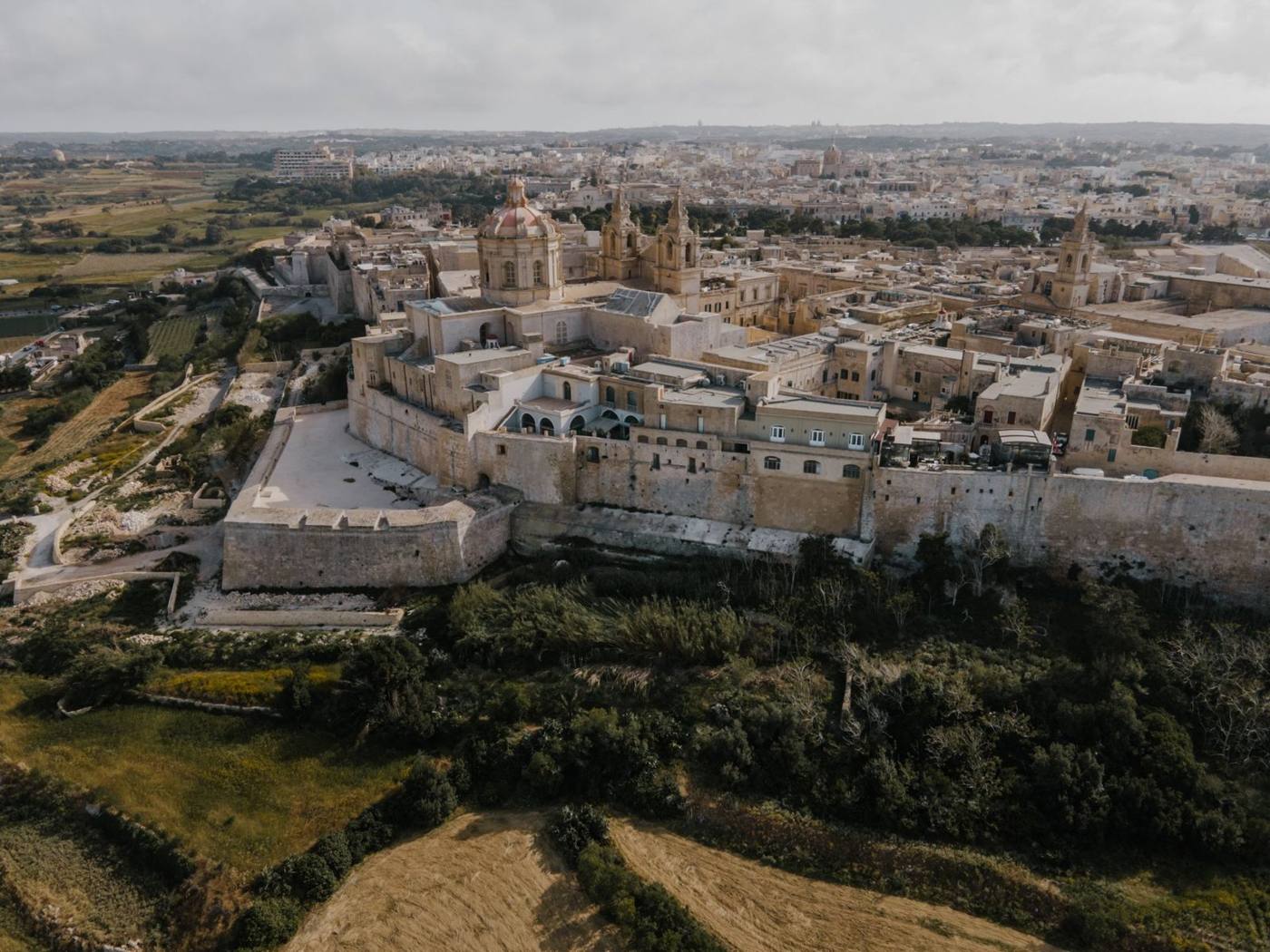
Mdina and Rabat
Mdina, the 'silent city', with its walls and St Paul's Cathedral, the Rabat catacombs, St Paul's Grotto and San Anton Gardens.
- Mdina
- Rabat
- St Paul's Catacombs
- San Anton
Day by day
- Day 1
Mdina early in the morning and the cathedral
This trip takes you to the heart of Malta, to Mdina, the old capital known as the silent city, and to Rabat, the town just outside its walls: Saint Paul's Cathedral, the catacombs, Saint Paul's Grotto and the San Anton Gardens. You get around on foot and by bus.
Before you go: Italian citizens only need an electronic identity card valid for travel abroad or a passport, with no visa: Malta is in the European Union and the Schengen area. Other nationalities should check their own rules. The country is safe and crime is low; in summer watch out for pickpockets on crowded buses. Traffic drives on the left and sockets are the British type.
Early in the morning enter Mdina through the main gate, Baroque, from the eighteenth century, across the bridge over the dry moat. Before the groups arrive the narrow streets are empty: you hear only your own footsteps on the honey coloured stone, among noble palaces with closed doors and wooden windows.
Reach Saint Paul's Cathedral, rebuilt at the end of the seventeenth century after a great earthquake, with its dome and Baroque facade. Inside you see the floor of coloured marble tombstones and the painted ceiling. Next door is the cathedral museum, with paintings, silverware and engravings. Check prices and times.
In the afternoon go up onto the ramparts, in Bastion Square, for the view over half the island, all the way to the sea and the dome of Mosta.
In the evening go back to Mdina once the visitors have left: with the lanterns lit the city is at its best.
Practical tip: Mdina is a quiet, lived-in place; speak softly, respect the signs and do not go into private courtyards.
- Day 2
Rabat: catacombs and Saint Paul's Grotto
Today you go underground, into the catacombs of the early Christians, and discover the Rabat of markets and churches.
In the morning visit Saint Paul's Catacombs, the largest complex of catacombs in Malta, with hundreds of tombs cut into the rock between the third and fourth centuries. You see canopied tombs, niches for children and the round stone tables where families held funeral banquets. The galleries are low and narrow, with uneven steps. Check prices and times.
Not far away are Saint Agatha's Catacombs, with old frescoes and a small museum.
At midday go to the Church of Saint Paul and down into Saint Paul's Grotto, beneath the church. According to tradition, the apostle Paul lived here after the shipwreck on Malta described in the Acts of the Apostles. Pope Benedict XVI visited it in 2010.
Have lunch with a hot pastizz, the flaky pastry filled with ricotta or peas, from one of the little shops in the centre of Rabat.
In the afternoon visit the Domus Romana, between Rabat and Mdina, with the floor mosaics of a wealthy Roman house. Check prices and times.
At sunset go to the Dingli Cliffs, a few kilometres away, high above the open sea, with the islet of Filfla on the horizon.
Practical tip: in the catacombs there are passages where you have to stoop and walk on worn steps; wear shoes with a good grip and, if you suffer from claustrophobia, stay in the larger chambers.
- Day 3
The San Anton Gardens and departure
On the last day you stroll through a historic garden and see one of the largest churches on the island, before leaving.
In the morning go to Attard, a few kilometres from Mdina, to the San Anton Gardens, next to San Anton Palace, built in the seventeenth century by a Grand Master of the Knights and now the official residence of the President of the Republic. The palace cannot be visited, but the gardens are open to the public: shady avenues, orange trees, palms, pools, fountains and centuries old trees. Check the opening times.
Then go to Mosta, near Attard, and visit the Rotunda, the church with one of the largest domes in Europe. In 1942, during the war, a bomb pierced the dome and fell into the church during Mass without exploding: in the sacristy you see a replica. Check prices and times.
At midday have lunch with Maltese dishes: rabbit stew, the national dish, or a ftira with a topping.
In the afternoon head to the airport, about twenty minutes away.
Trip summary: in three days you have seen Mdina early in the morning and in the evening, Saint Paul's Cathedral, the ramparts, the catacombs of Saint Paul and Saint Agatha, Saint Paul's Grotto, the Domus Romana, the Dingli Cliffs, the San Anton Gardens and the Mosta Rotunda.
When to go: from October to May, when it is less hot and walking through the stone streets is a pleasure.
Practical tip: if you can, spend a night inside the walls of Mdina; you will see the city empty in the morning and evening, when it is at its most beautiful.
The old capital, perfect in the evening when the groups leave. Sleeping inside the walls in a small historic hotel is an experience in itself. The catacombs are low and narrow.
Before you go
- Documents and visa
- EU citizens need a valid identity card or passport, with no visa: Malta is in the European Union and the Schengen area. Traffic drives on the left. Other nationalities should check their own rules.
- Health and vaccines
- No vaccines required. EU citizens can use public healthcare with their EHIC; insurance with medical cover and repatriation is still advised. In summer the sun and heat are strong: drink plenty and protect yourself. Emergencies: 112.
- Money and payments
- Euro. Cards are accepted almost everywhere; carry a little cash for markets and kiosks.
- Power sockets
- Type G, 230 volts: the same plugs as in the UK.
- Time zone
- Central European Time (UTC+1, summer UTC+2).
- Safety
- A safe country with low crime. In summer there is pickpocketing on crowded buses and in nightlife areas such as Paceville: never leave your drink unattended. The sea can have strong currents and hidden rocks: respect red flags and do not dive where you do not know the depth. In spring and autumn bird hunting takes place in the countryside. Official advice: GOV.UK.
Information checked in November 2026 for Italian and EU citizens. Rules change: always check before you travel.
Variations
Shorter: two days, with Mdina on the first day and Rabat with the catacombs on the second.
Longer: add a day in Valletta, with Saint John's Co-Cathedral.
Frequently asked questions
Are the catacombs suitable for everyone?
They are low and narrow, with uneven steps. They are not comfortable for people with walking difficulties or claustrophobia.
When is the best time to visit Mdina?
Early in the morning or in the evening, when the groups have gone and the city is silent.
How do you get to Mdina?
By bus from Valletta in about half an hour, or by taxi or car. Inside the walls you walk.
Indicative itinerary written by World Atlas. Before booking, check timetables, seasonal openings, documents and safety.
 4 daysEasy
Easter and Carnival
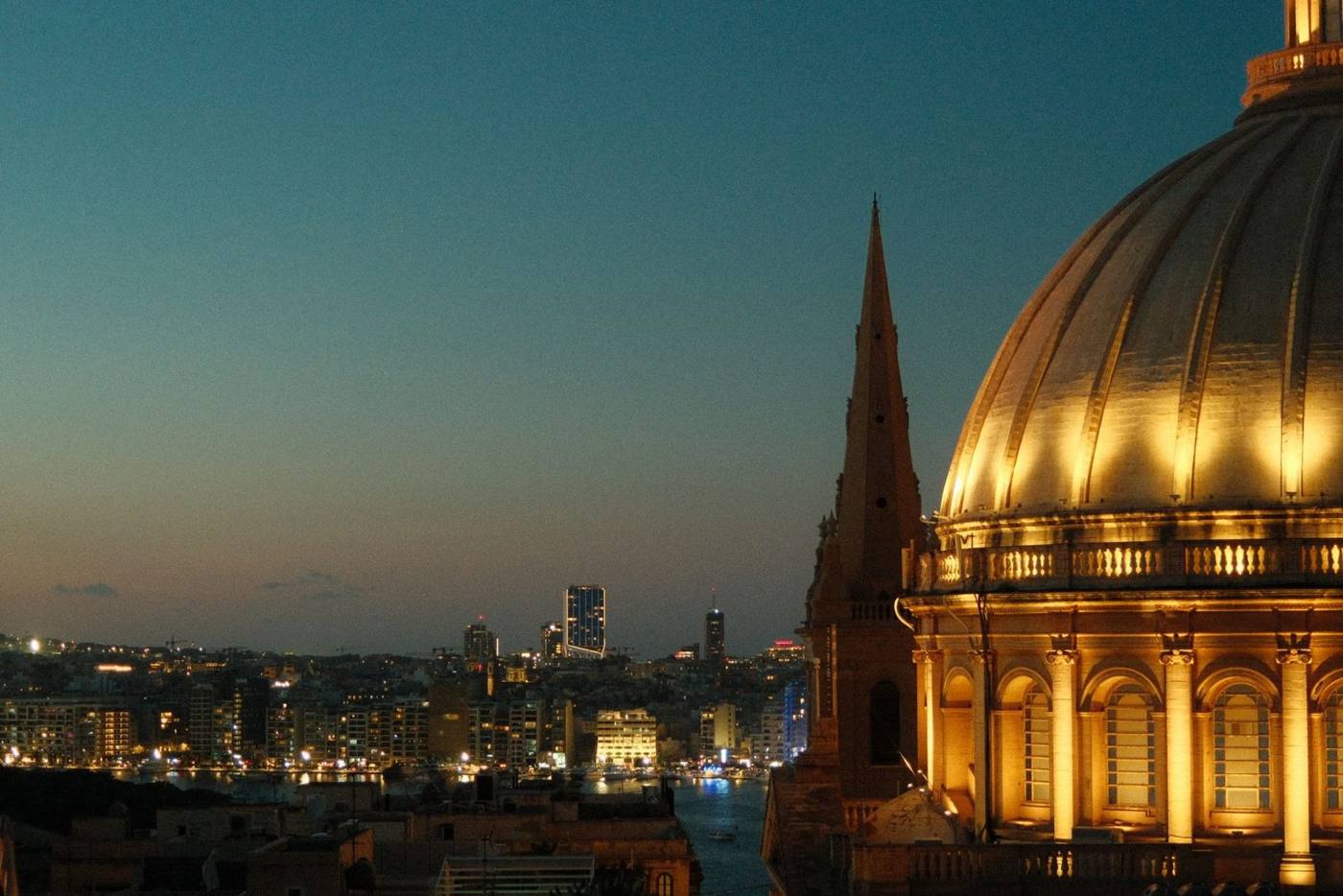
Malta out of season: the Carnival of Valletta and Nadur on Gozo in February, the Good Friday processions and the risen Christ statues carried at a run at Easter.
 4 daysEasy
On Malta's film sets
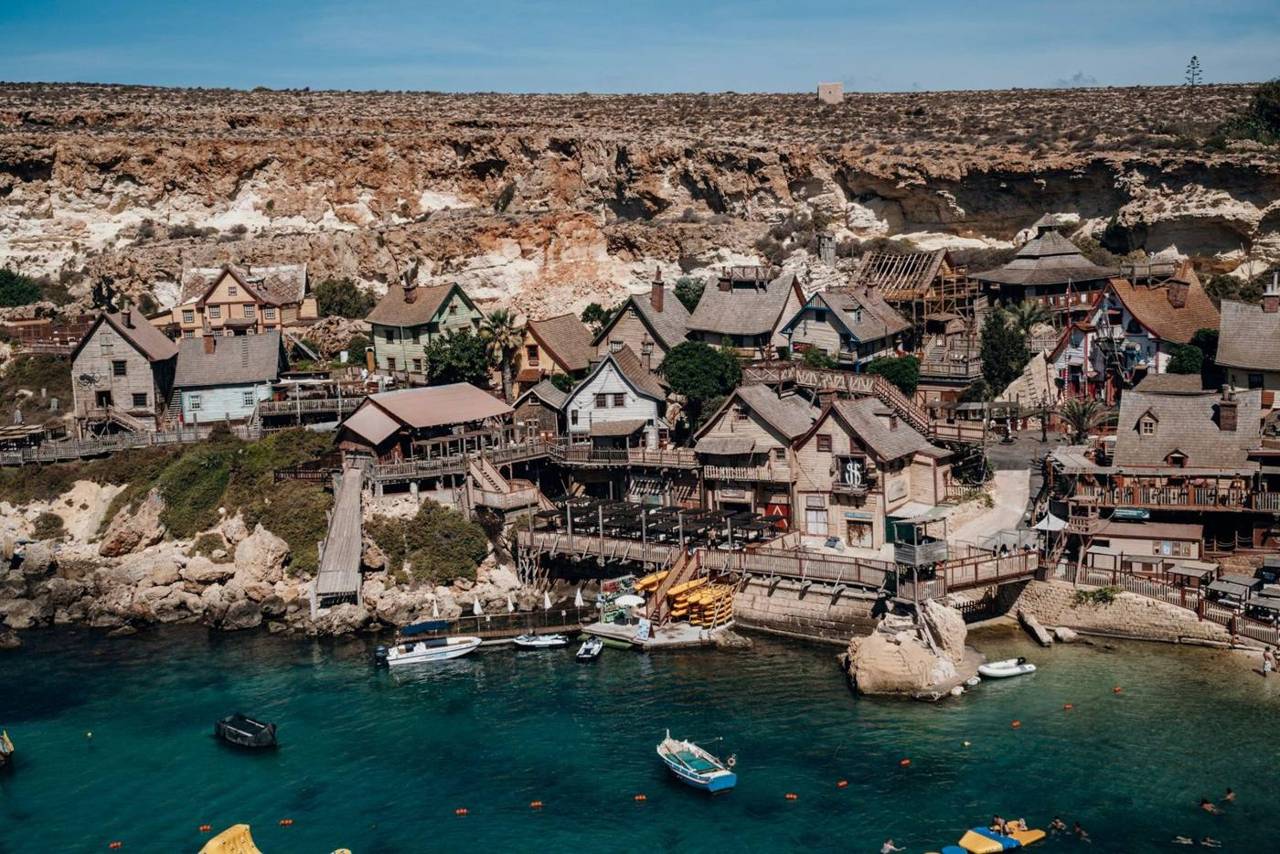
Film locations around Malta: Popeye Village at Anchor Bay, Fort Ricasoli, Mdina and Valletta used in series and historical films, and the water tanks of the Mediterranean studios.
 4 daysEasy
Valletta and the Three Cities
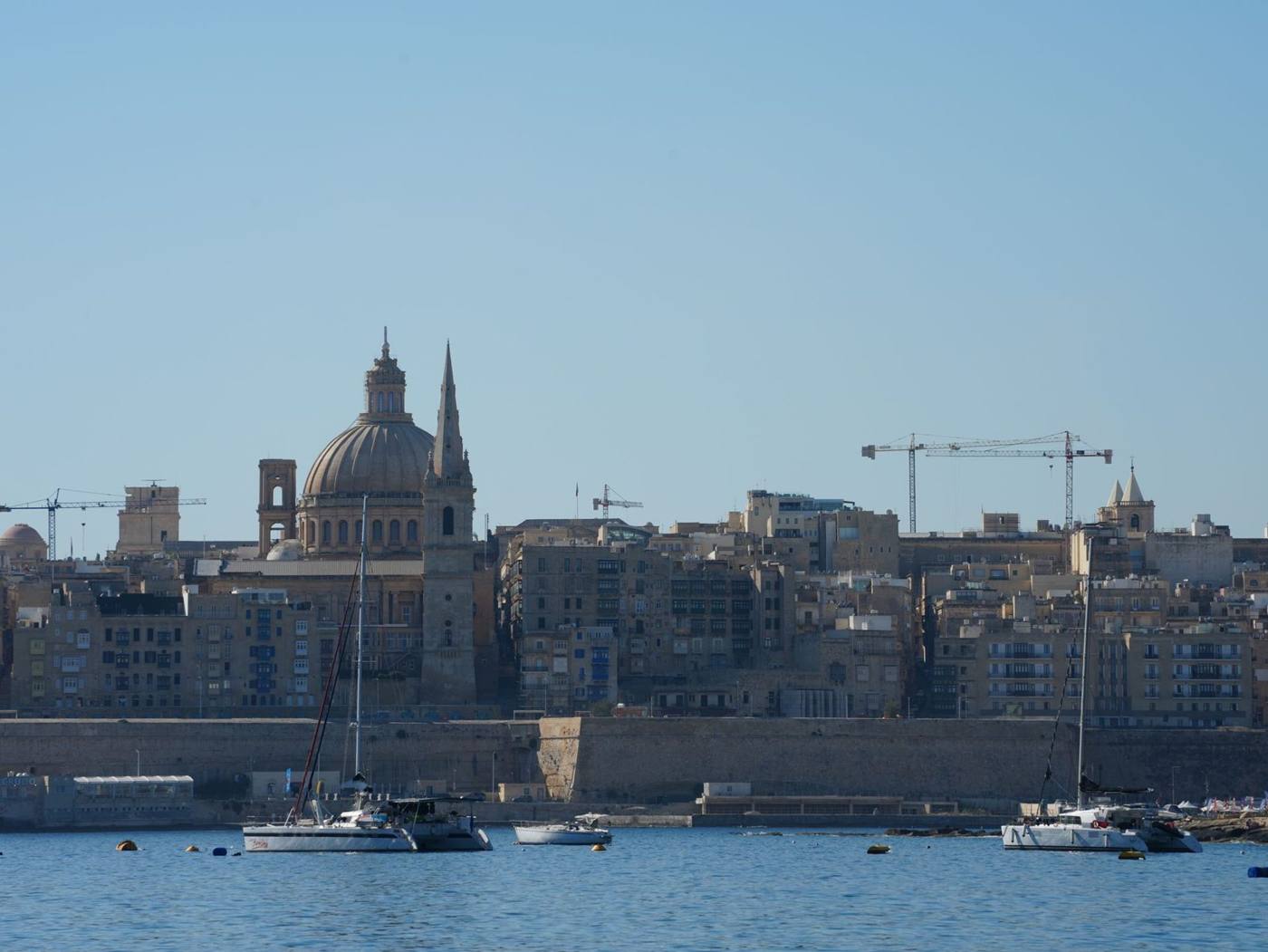
The Knights' capital with St John's Co-Cathedral and its Caravaggios, the Three Cities by dghajsa, Mdina and the Ħal Saflieni Hypogeum.