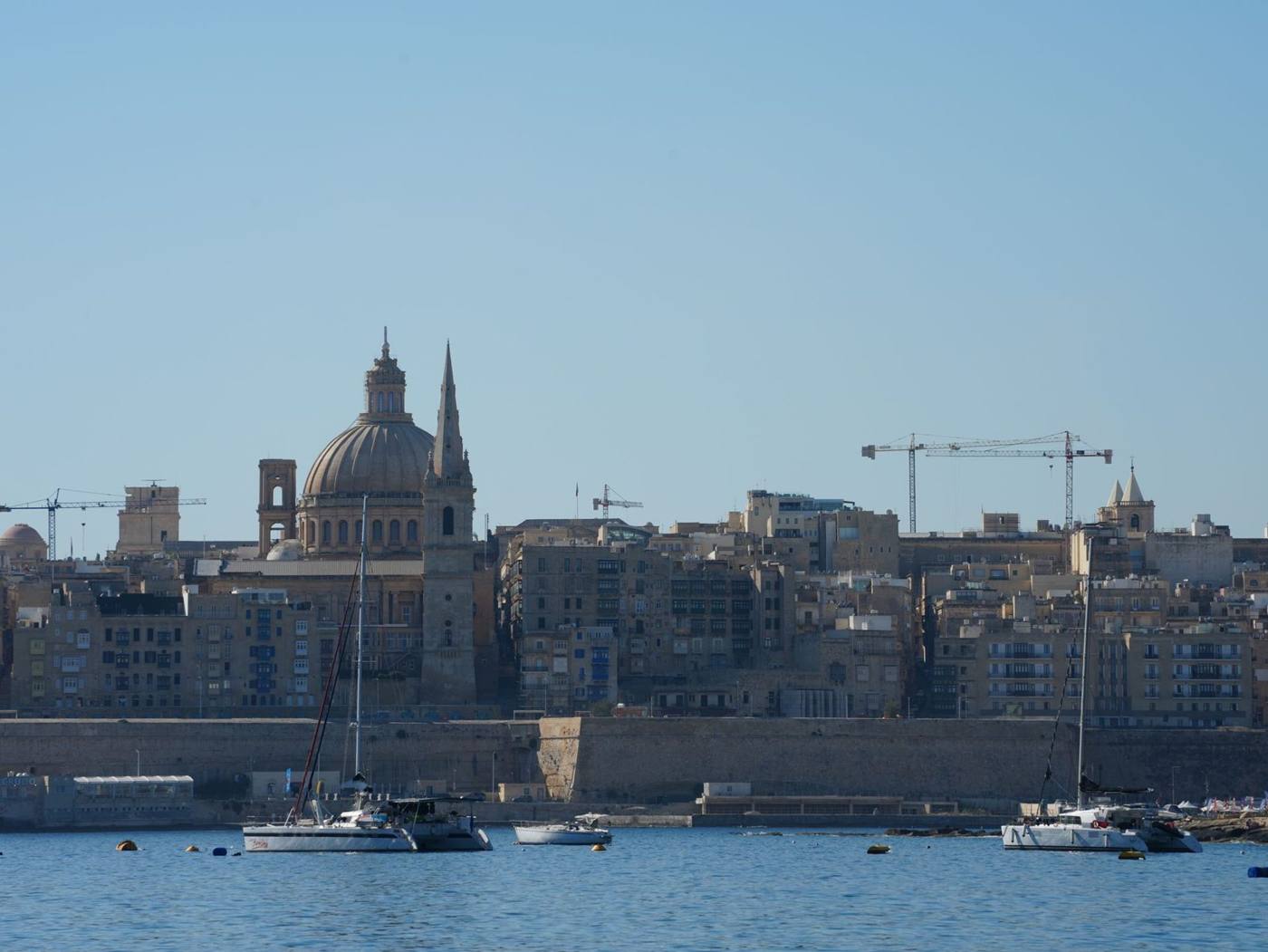
Valletta and the Three Cities
The Knights' capital with St John's Co-Cathedral and its Caravaggios, the Three Cities by dghajsa, Mdina and the Ħal Saflieni Hypogeum.
- Valletta
- Birgu
- Senglea
- Paola
- Mdina
- Rabat
Day by day
- Day 1
Valletta: Saint John's and the Upper Barrakka
This trip takes you to the capital of the Knights of Saint John and to the Three Cities across the Grand Harbour, then underground into the Ħal Saflieni Hypogeum, to Mdina and finally to the market at Marsaxlokk. You get around on foot, by boat and by bus.
Before you go: Italian citizens only need an electronic identity card valid for travel abroad or a passport, with no visa: Malta is in the European Union and the Schengen area. Other nationalities should check their own rules. The country is safe and crime is low; in summer watch out for pickpockets on crowded buses. Traffic drives on the left and sockets are the British type.
Enter Valletta through City Gate and walk down Republic Street, the main street, as straight as every street in the city, which was built on a grid plan in the sixteenth century after the Great Siege.
In mid morning visit Saint John's Co-Cathedral. The facade is plain, but inside everything is gold, marble and Baroque painting. The floor is made of the Knights' coloured tombstones. In the oratory you see Caravaggio's Beheading of Saint John the Baptist, the only work the painter ever signed. Check prices and times.
Just before noon go up to the Upper Barrakka Gardens. From the terrace you see the whole harbour and the Three Cities. Below you, the Saluting Battery fires the noon gun.
In the afternoon stroll to Fort Saint Elmo, at the tip of the peninsula, and come back along the walls.
Practical tip: in the Co-Cathedral shoulders and knees must be covered and stiletto heels are not allowed, to protect the tombstones on the floor.
- Day 2
The Three Cities by dghajsa
Today you cross the Grand Harbour as the Maltese did for centuries and discover the Three Cities, older than Valletta and far less crowded.
In the morning go down to the quay below the Upper Barrakka, using the panoramic lift, and look for the dghajsa, the traditional wooden boats painted in bright colours, with a high prow. In a few minutes you cross the harbour and land at Birgu, also called Vittoriosa. Alternatively there is the scheduled ferry. Check prices and times.
The Knights settled in Birgu before building Valletta. Visit Fort Saint Angelo, at the tip of the peninsula, with its walls rising from the sea and views of the capital. Check prices and times. Then lose yourself in the Collachio, the old quarter of the Knights, with narrow lanes, wooden balconies and small chapels.
For lunch try a ftira, the round Maltese bread, filled with tuna, capers, olives and tomato.
In the afternoon move on to Senglea, also called L-Isla, the neighbouring peninsula. Walk to the Gardjola Gardens at its tip. The stone lookout has an eye and an ear carved on it, symbols of the watch kept over the harbour. From here Valletta is right in front of you.
At sunset go back to Birgu and walk along the marina, between the yachts and the old facades.
Practical tip: agree the price of the dghajsa before you get in, and if the sea is rough choose the ferry, which is bigger and steadier.
- Day 3
The Hypogeum, Tarxien and an afternoon in Mdina
This is the day of prehistory: you go down into a sanctuary cut into the rock five thousand years ago, then climb up to the silent city.
In the morning go to Paola, a few kilometres from Valletta, for the Ħal Saflieni Hypogeum, a UNESCO World Heritage Site. It is an underground complex on three levels, carved out of limestone, used as a burial place and a place of worship. You see chambers with smooth walls, spirals painted in red ochre and the famous room known as the Holy of Holies. The figurine of the Sleeping Lady was found here; today it is in the National Museum of Archaeology in Valletta.
You can only go in small groups of no more than ten people, with few visits a day, to protect the microclimate. You must book in advance with Heritage Malta, often weeks ahead. Check prices and times.
A few minutes away on foot, visit the Tarxien Temples, with altars decorated with spirals and the remains of a large female statue. Check prices and times.
In the afternoon take the bus or a taxi to Mdina, the old capital. Pass through the Baroque gate, walk among the honey coloured noble palaces and climb onto the bastions for the view over half the island. Before dinner go down to Rabat, just outside the walls, and try a hot pastizz.
Practical tip: photos are not allowed in the Hypogeum and bags cannot be taken in; arrive early and leave your backpack at your hotel.
- Day 4
Marsaxlokk and departure
You spend the last day in a fishing village, among colourful boats and stalls, before heading to the airport.
In the morning go to Marsaxlokk, in the south east of the island, about twenty minutes from Valletta by bus. The bay is full of luzzu, the fishing boats painted blue, yellow, red and green, with the eye of Osiris on the prow, which according to tradition protects the fishermen.
On Sunday morning there is the fish market on the seafront: you see swordfish, lampuki in autumn, octopus, prawns and oily fish just brought ashore, next to stalls with honey, small goat's cheeses and souvenirs. Arrive early, because by noon it is packed. On other days there is a smaller market, mostly souvenirs.
For lunch choose the catch of the day grilled or a fish soup, in one of the places on the harbour.
In the early afternoon go to the airport, which is close, less than half an hour away.
Trip summary: in four days you have seen Valletta with Saint John's Co-Cathedral and the Caravaggio, the Upper Barrakka and the noon gun, the Three Cities reached by dghajsa with Fort Saint Angelo and the Gardjola, the Hypogeum and the Tarxien Temples, Mdina and Rabat, and the market at Marsaxlokk.
When to go: from April to June and from September to November, when it is warm but not too hot and the towns are less crowded.
Practical tip: plan the trip so that the last day is a Sunday, so you see the fish market at its best.
A concentration of history in a few kilometres, with English spoken everywhere. The Hypogeum admits very few visitors a day and must be booked weeks ahead. Traffic is heavy: buses, ferries and taxis beat a car, not least because you drive on the left.
Before you go
- Documents and visa
- EU citizens need a valid identity card or passport, with no visa: Malta is in the European Union and the Schengen area. Traffic drives on the left. Other nationalities should check their own rules.
- Health and vaccines
- No vaccines required. EU citizens can use public healthcare with their EHIC; insurance with medical cover and repatriation is still advised. In summer the sun and heat are strong: drink plenty and protect yourself. Emergencies: 112.
- Money and payments
- Euro. Cards are accepted almost everywhere; carry a little cash for markets and kiosks.
- Power sockets
- Type G, 230 volts: the same plugs as in the UK.
- Time zone
- Central European Time (UTC+1, summer UTC+2).
- Safety
- A safe country with low crime. In summer there is pickpocketing on crowded buses and in nightlife areas such as Paceville: never leave your drink unattended. The sea can have strong currents and hidden rocks: respect red flags and do not dive where you do not know the depth. In spring and autumn bird hunting takes place in the countryside. Official advice: GOV.UK.
Information checked in November 2026 for Italian and EU citizens. Rules change: always check before you travel.
Variations
Shorter: three days, with Valletta and the Three Cities on the same day, the Hypogeum on the second and Marsaxlokk on the third.
Longer: add two days on Gozo, with the Citadel of Victoria and the Ġgantija Temples.
Frequently asked questions
How do you book the Hypogeum?
Only with Heritage Malta, on its official website. Groups are of no more than ten people and places sell out weeks ahead: book as soon as you know your dates.
Do I need a car?
No. Traffic is heavy and you drive on the left. Between Valletta, the Three Cities, Paola, Mdina and Marsaxlokk you get around well by bus, boat and taxi.
What time is the Upper Barrakka gun fired?
At noon, and usually also at four in the afternoon. Arrive a few minutes early to find a spot on the terrace.
Indicative itinerary written by World Atlas. Before booking, check timetables, seasonal openings, documents and safety.
 4 daysEasy
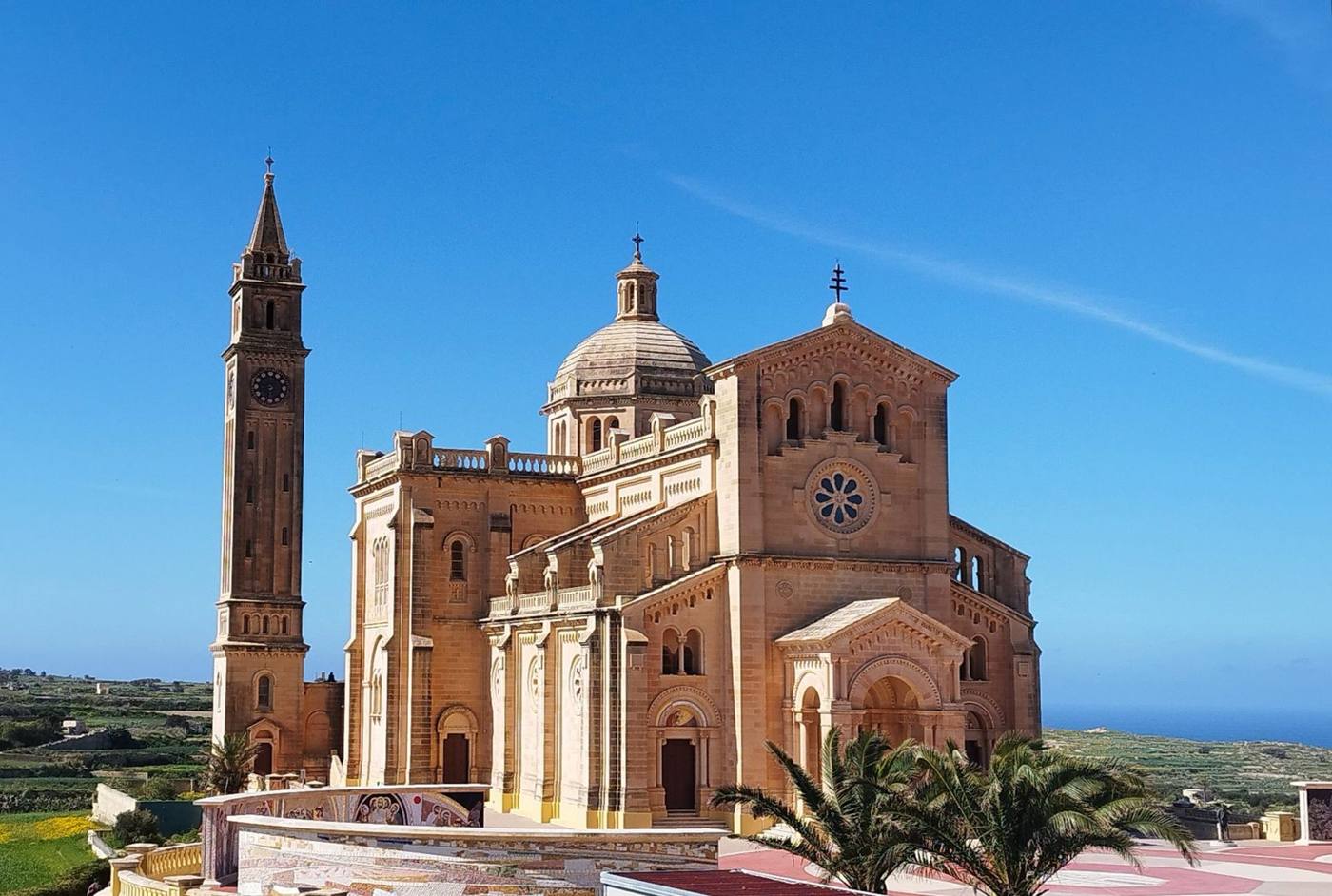
Gozo and Comino
Green Gozo with Victoria's Citadel, the Ġgantija temples, diving at Dwejra and the Blue Lagoon of Comino.
 5 daysModerate
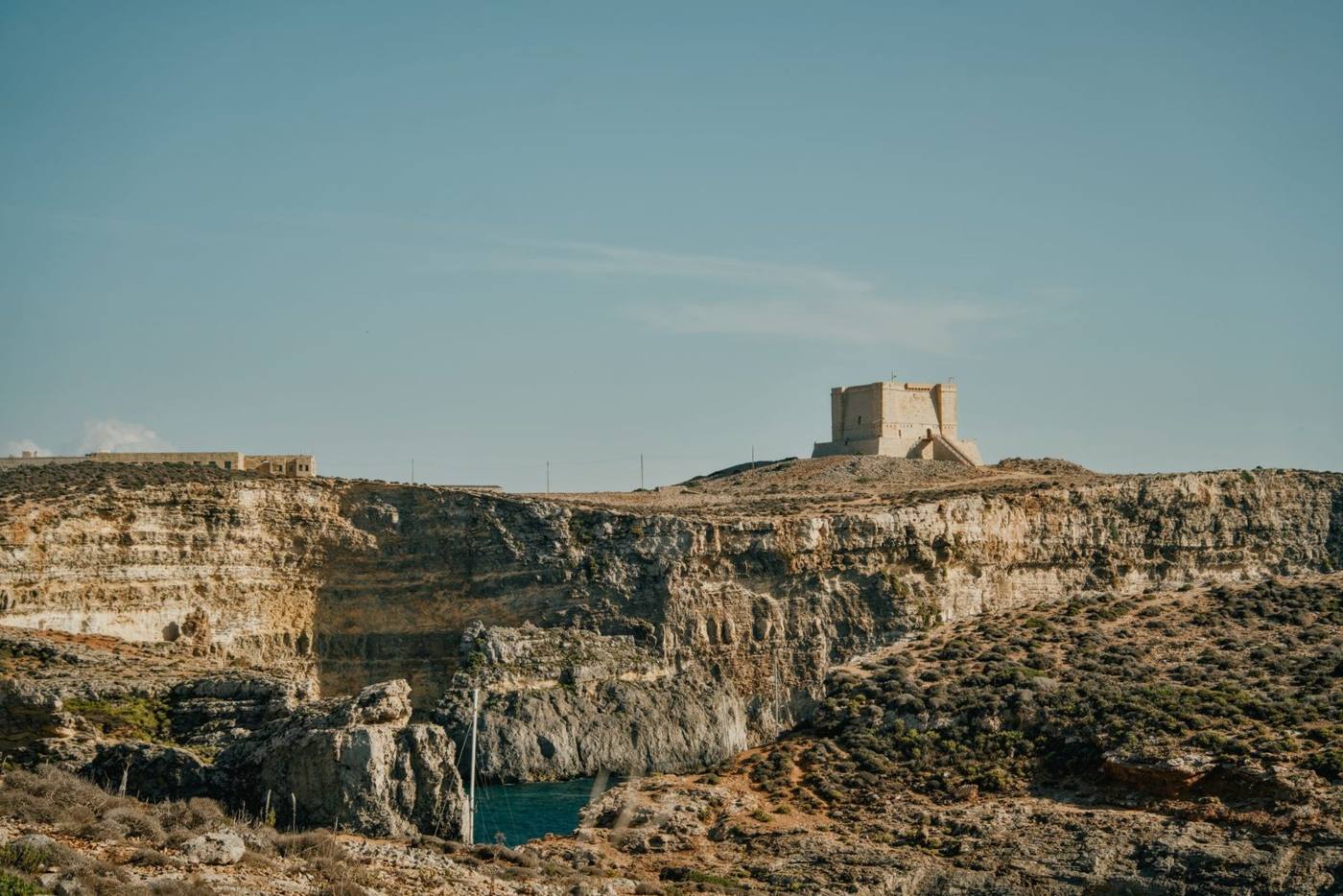
Malta's trails and cliffs
Walking along the Dingli cliffs, the Blue Grotto, the beaches of Għajn Tuffieħa and Golden Bay and the inland villages.
 5 daysModerate
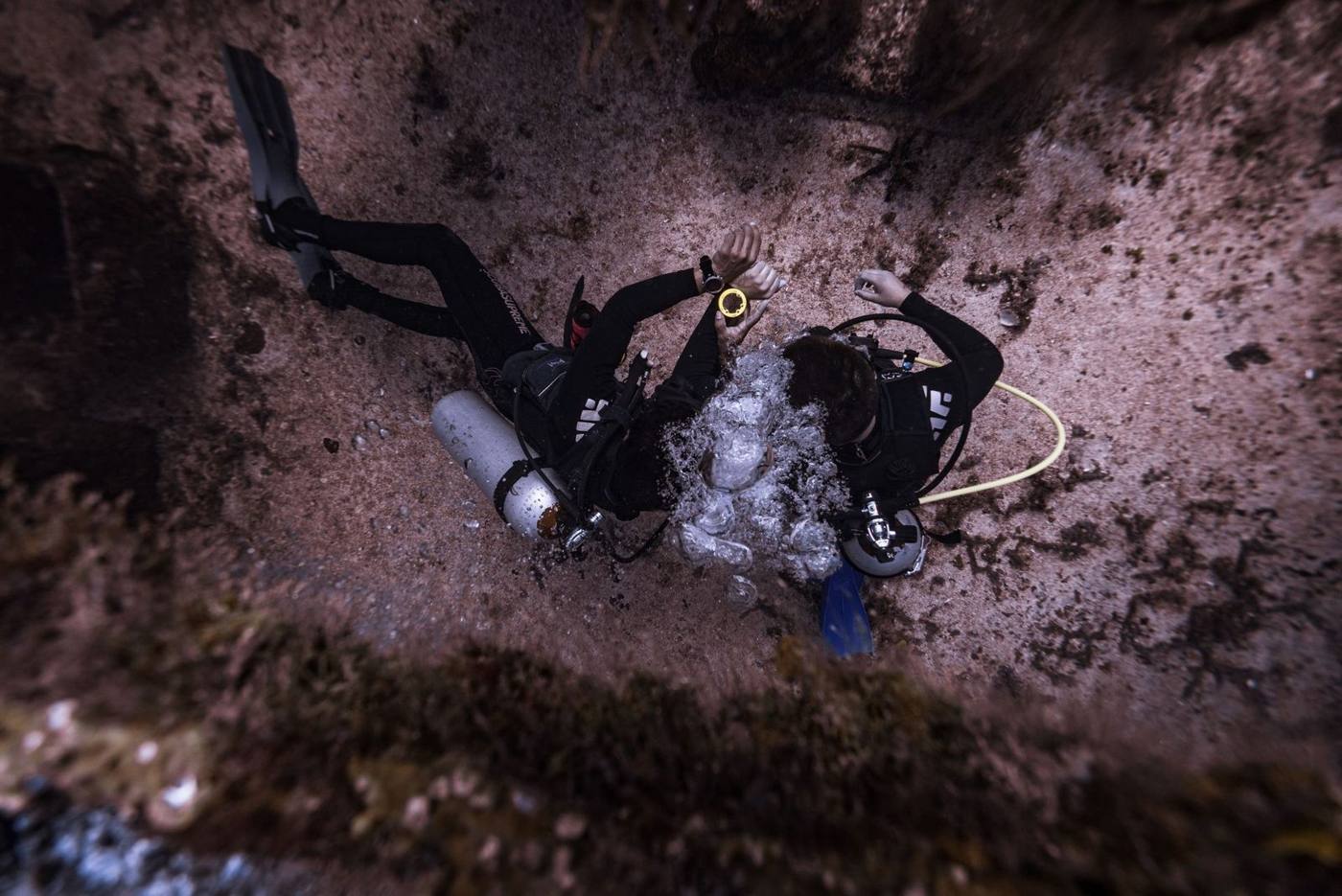
Wreck diving
Malta's clear waters with the wrecks of Um El Faroud, P29 and Rozi at Ċirkewwa, the Ċirkewwa arch and the caves of Gozo.