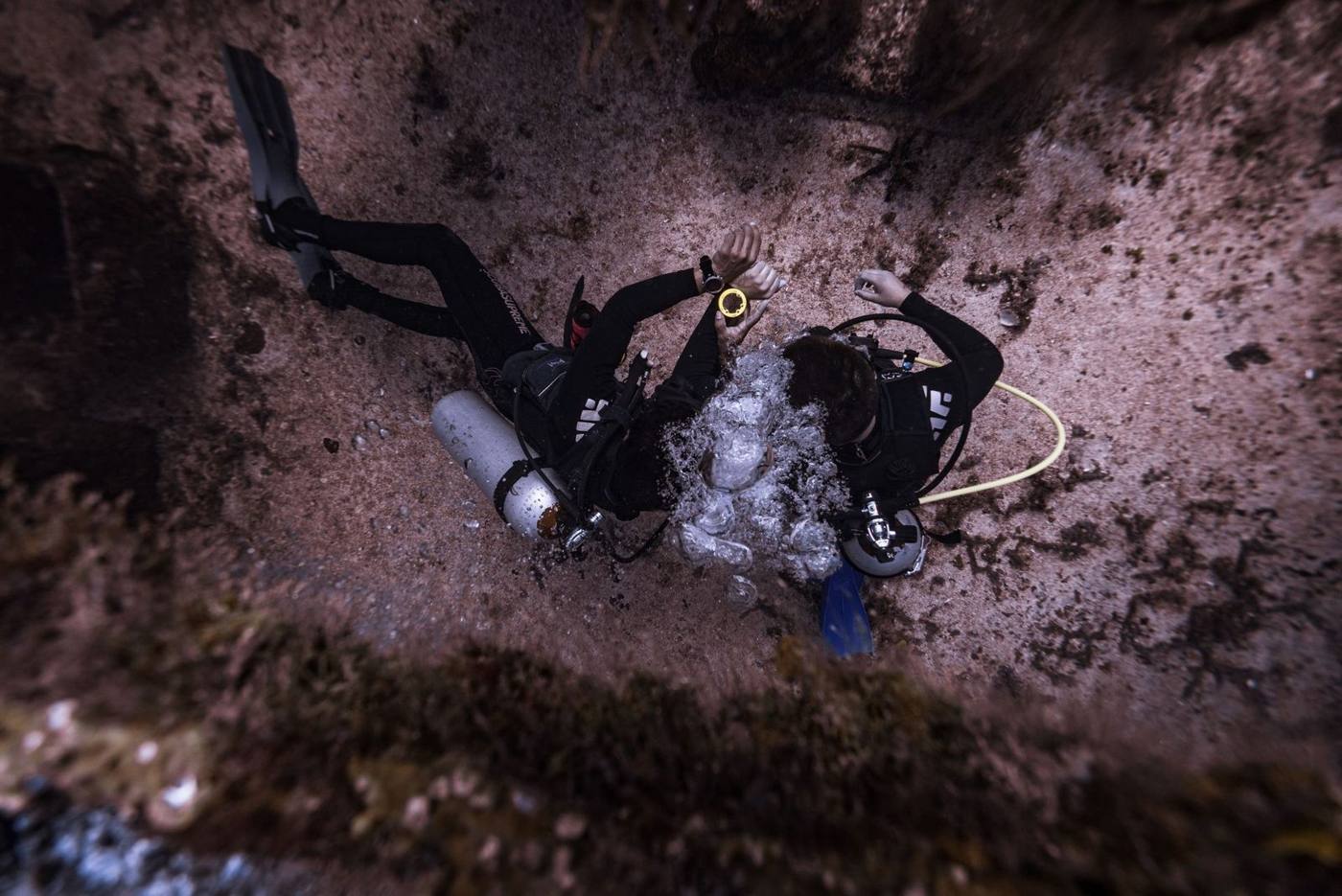
Wreck diving
Malta's clear waters with the wrecks of Um El Faroud, P29 and Rozi at Ċirkewwa, the Ċirkewwa arch and the caves of Gozo.
- St Julian's
- Wied iż-Żurrieq
- Ċirkewwa
- Gozo
Day by day
- Day 1
Arrival in St Julian's and a check dive
This trip is designed for certified divers and takes you to the most famous wrecks of Malta, in the clear water of the Mediterranean: Um El Faroud at Wied iż-Żurrieq, the P29 and the Rozi at Ċirkewwa, then the Inland Sea and the Blue Hole on Gozo. Almost all the dives start from the shore. Your base is St Julian's, on the coast north of Valletta.
Before you go: Italian citizens only need an electronic identity card valid for travel abroad or a passport, with no visa: Malta is in the European Union and the Schengen area. Other nationalities should check their own rules. The country is safe and crime is low; in summer watch out for pickpockets on crowded buses. Traffic drives on the left and sockets are the British type. Bring your certification card, your logbook and a medical certificate for diving, which many centres ask for.
After you arrive, choose a dive centre licensed by the Maltese tourism authority, with qualified instructors and well maintained equipment. For the deep wrecks you need at least an advanced certification; if you do not have one, you can complete it here.
In the afternoon do your check dive, from the shore, on a shallow site near St Julian's. It lets you check your weights and gear and get used to the water again after months.
In the evening stroll along Spinola Bay, with its fishing boats, and go to bed early.
Practical tip: even in summer the water at depth stays cool; a wetsuit of at least five millimetres is the most comfortable choice for the wrecks.
- Day 2
Um El Faroud at Wied iż-Żurrieq
Today you dive the most famous wreck in Malta, a large tanker scuttled on purpose to create a dive site.
In the morning go down to Wied iż-Żurrieq, a small narrow inlet between the cliffs on the south coast. You enter the water from the shore, from the stone steps of the little harbour, then swim on the surface to the descent point.
Um El Faroud was an oil tanker about 115 metres long. In 1995, while she was in dry dock in Valletta, an explosion killed nine shipyard workers. A few years later the ship was towed here and scuttled, and today she sits upright on a seabed about 36 metres deep. The deck and the bridge are higher up, so with an advanced certification you see the funnel, the bridge and the huge propeller at the stern. Visibility is often very good and the wreck appears whole from above.
Do a second dive on the same day on a shallower site in the area, along the wall.
In the afternoon, on land, look at the Blue Grotto from the viewpoint above the road, with its rock arches over the sea. By boat, if the sea is calm, you go into the caves where the water turns deep shades of blue.
Practical tip: Um El Faroud is a deep wreck; plan the dive with your guide, check your air carefully and do not go inside unless you hold a specific wreck certification.
- Day 3
Ċirkewwa: the P29, the Rozi and the arch
Today you head to the north of the island, to Ċirkewwa, one of the richest sites in Malta, with two wrecks and a rock arch on the same stretch of coast.
In the morning go to Ċirkewwa, next to the ferry harbour for Gozo. You enter the water from the shore, from the rocks, using ladders.
The first dive is on the Rozi, a tugboat scuttled on purpose in 1992 for divers. She sits upright on the sand, more than 30 metres down, and is surrounded by fish that use her as shelter.
The second dive, after a good surface interval, is on the P29, a patrol boat scuttled in 2007, also upright and almost intact, more than 30 metres down. You see the bridge, the gun mountings and the slender outline of the hull.
If you prefer a shallower dive, choose the Ċirkewwa arch, an underwater rock passage along the wall, with groupers, octopus, moray eels and shoals of damselfish. Here the light comes in from above and makes for very good photos.
In the afternoon rest on the nearby beaches, such as Għadira, the sandy bay of Mellieħa.
Practical tip: at Ċirkewwa currents can change quickly and there is ferry traffic; always follow your guide, surface with a buoy and do not swim on the surface towards the harbour.
- Day 4
Gozo: the Inland Sea and the Blue Hole
Today you cross to Gozo for two of the finest dives in the Mediterranean, in the bay of Dwejra.
Early in the morning take the ferry from Ċirkewwa to Mġarr, on Gozo, with your gear: the crossing takes about twenty five minutes. Check prices and times. Then go to Dwejra, on the west coast.
The first dive is at the Inland Sea, a lagoon enclosed by rocks and linked to the open sea by a natural tunnel. You go in from the small fishermen's landing, swim through the tunnel as the light turns ever bluer and come out into the deep blue, along a wall that drops away steeply.
The second dive is at the Blue Hole, a vertical rock chimney close to the shore, which underwater opens to the sea through a large arch. From inside you see the circle of light above you. Not far away, on the seabed, lie the blocks of the Azure Window, the rock arch that collapsed in 2017.
In the afternoon, on land, go up to the Citadel of Victoria. Check prices and times.
In the evening go back to Malta by ferry, or spend the night on Gozo.
Practical tip: at the Blue Hole getting in and out of the water means crossing sharp, slippery rocks; wear boots, walk slowly and, if there is a heavy sea from the north west, put the dive off.
- Day 5
A day without diving and departure
On the last day you do not dive: after diving your body needs time before you get on a plane.
In the morning go to Valletta, a few kilometres from St Julian's, by bus or by ferry from Sliema. Visit Saint John's Co-Cathedral, with Caravaggio's Beheading of Saint John the Baptist. Check prices and times. Then go up to the Upper Barrakka Gardens for the view of the Grand Harbour, the harbour with the docks where Um El Faroud suffered the explosion of 1995.
For lunch try lampuki, the typical autumn fish, or a ftira with tuna and capers.
In the afternoon go to the airport, about twenty minutes from Valletta.
Trip summary: in five days you have done a check dive at St Julian's, gone down to the tanker Um El Faroud at Wied iż-Żurrieq, explored the Rozi, the P29 and the arch at Ċirkewwa, swum through the Inland Sea tunnel and the Blue Hole on Gozo, and finished with Valletta.
When to go: from May to November, when the water is warmer and visibility is often over 30 metres. Marine life is less rich than in the tropics, but the wrecks and caves make up for it.
Practical tip: do not fly within 24 hours of your last dive, as many centres advise. Malta has a hyperbaric chamber at Mater Dei Hospital: make sure your insurance covers diving.
One of the Mediterranean's best dive destinations, with visibility often over 30 metres. Most dives are from the shore, which keeps them cheap. Marine life is less abundant than in the tropics.
Before you go
- Documents and visa
- EU citizens need a valid identity card or passport, with no visa: Malta is in the European Union and the Schengen area. Traffic drives on the left. Other nationalities should check their own rules.
- Health and vaccines
- No vaccines required. EU citizens can use public healthcare with their EHIC; insurance with medical cover and repatriation is still advised. In summer the sun and heat are strong: drink plenty and protect yourself. Emergencies: 112.
- Money and payments
- Euro. Cards are accepted almost everywhere; carry a little cash for markets and kiosks.
- Power sockets
- Type G, 230 volts: the same plugs as in the UK.
- Time zone
- Central European Time (UTC+1, summer UTC+2).
- Safety
- A safe country with low crime. In summer there is pickpocketing on crowded buses and in nightlife areas such as Paceville: never leave your drink unattended. The sea can have strong currents and hidden rocks: respect red flags and do not dive where you do not know the depth. In spring and autumn bird hunting takes place in the countryside. Official advice: GOV.UK.
Information checked in November 2026 for Italian and EU citizens. Rules change: always check before you travel.
Variations
Shorter: four days, leaving out Gozo and diving Um El Faroud and Ċirkewwa.
Longer: add two days on Gozo, with the dives at Xlendi and the wreck at Xatt l-Aħmar.
Frequently asked questions
Do I need an advanced certification?
For Um El Faroud, the P29 and the Rozi, yes, because you go below 30 metres. With a basic certification you can dive the Ċirkewwa arch, the Inland Sea and the Blue Hole.
Are the dives from the shore or from a boat?
Almost all from the shore, with entries over rocks or ladders. This makes them cheaper, but you have to walk with your gear on.
How long should I wait before flying?
Many centres advise at least 24 hours after the last dive. That is why the last day of the trip has no diving.
Indicative itinerary written by World Atlas. Before booking, check timetables, seasonal openings, documents and safety.
 3 daysEasy
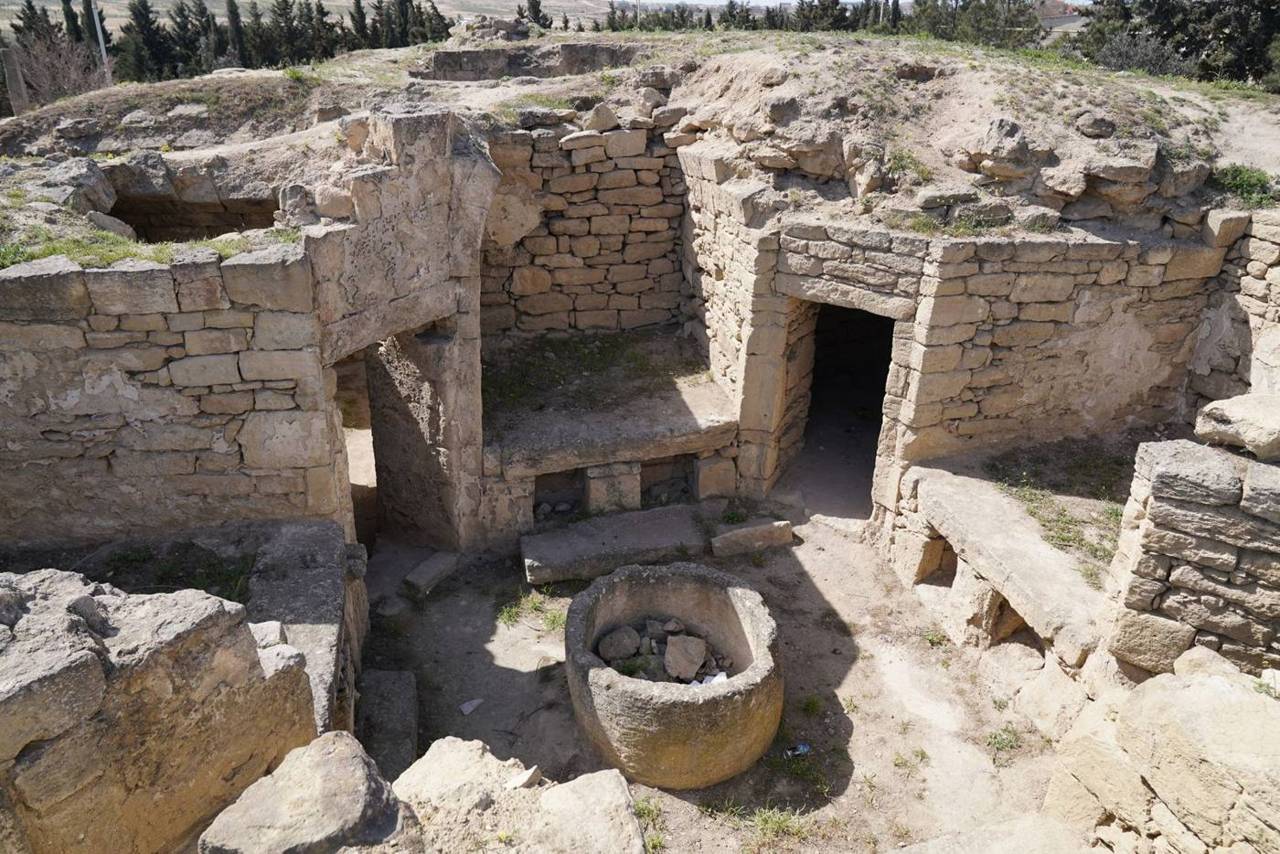
The megalithic temples
Temples older than the pyramids: Ħaġar Qim and Mnajdra by the sea, Tarxien, Ta' Ħaġrat, Skorba and the prehistoric cave of Għar Dalam.
 4 daysEasy
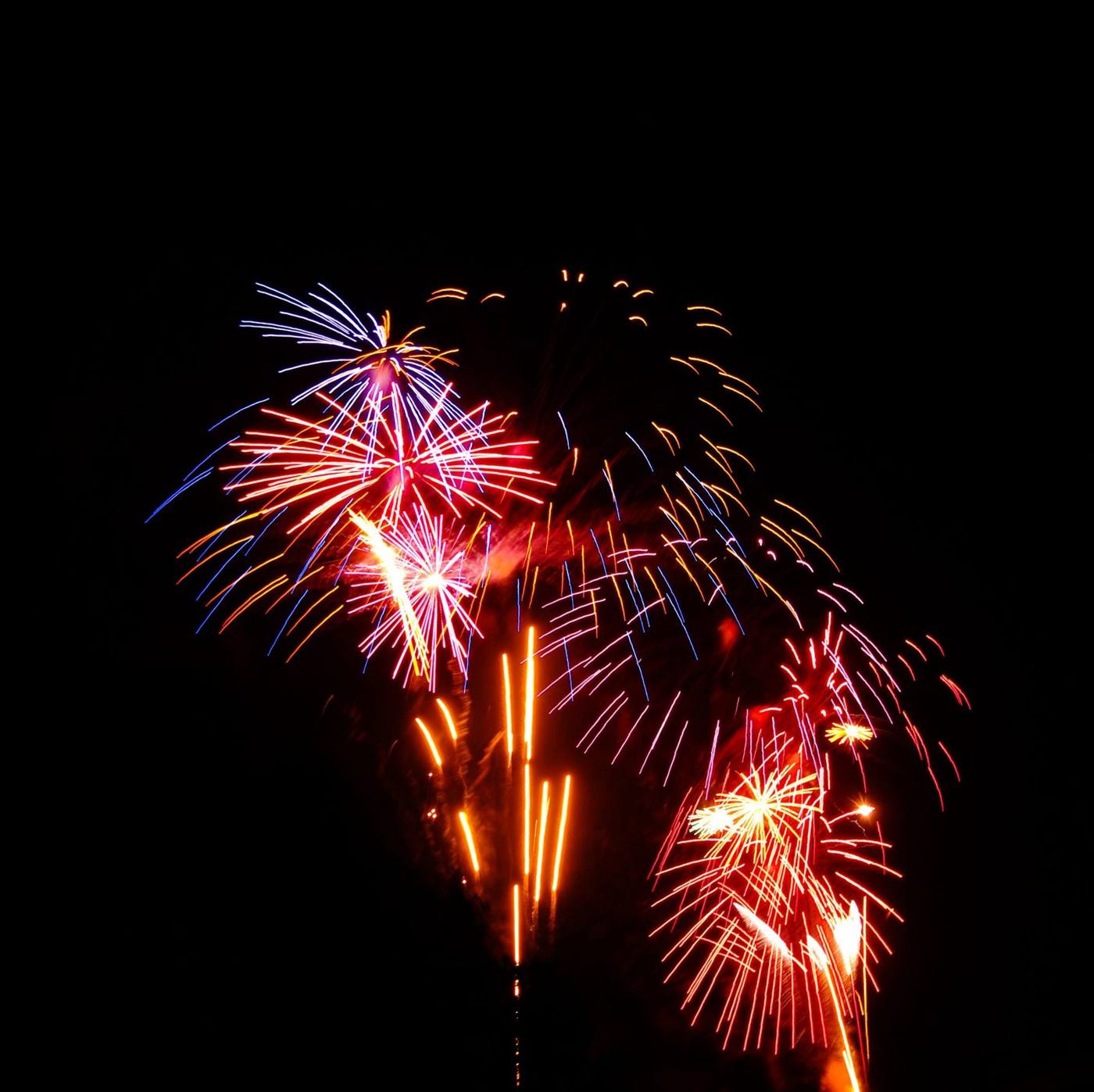
The village feasts
The Maltese summer of festas: patron saint processions, brass bands, huge fireworks, pastizzi and the feast of Santa Maria on 15 August.
 3 daysEasy
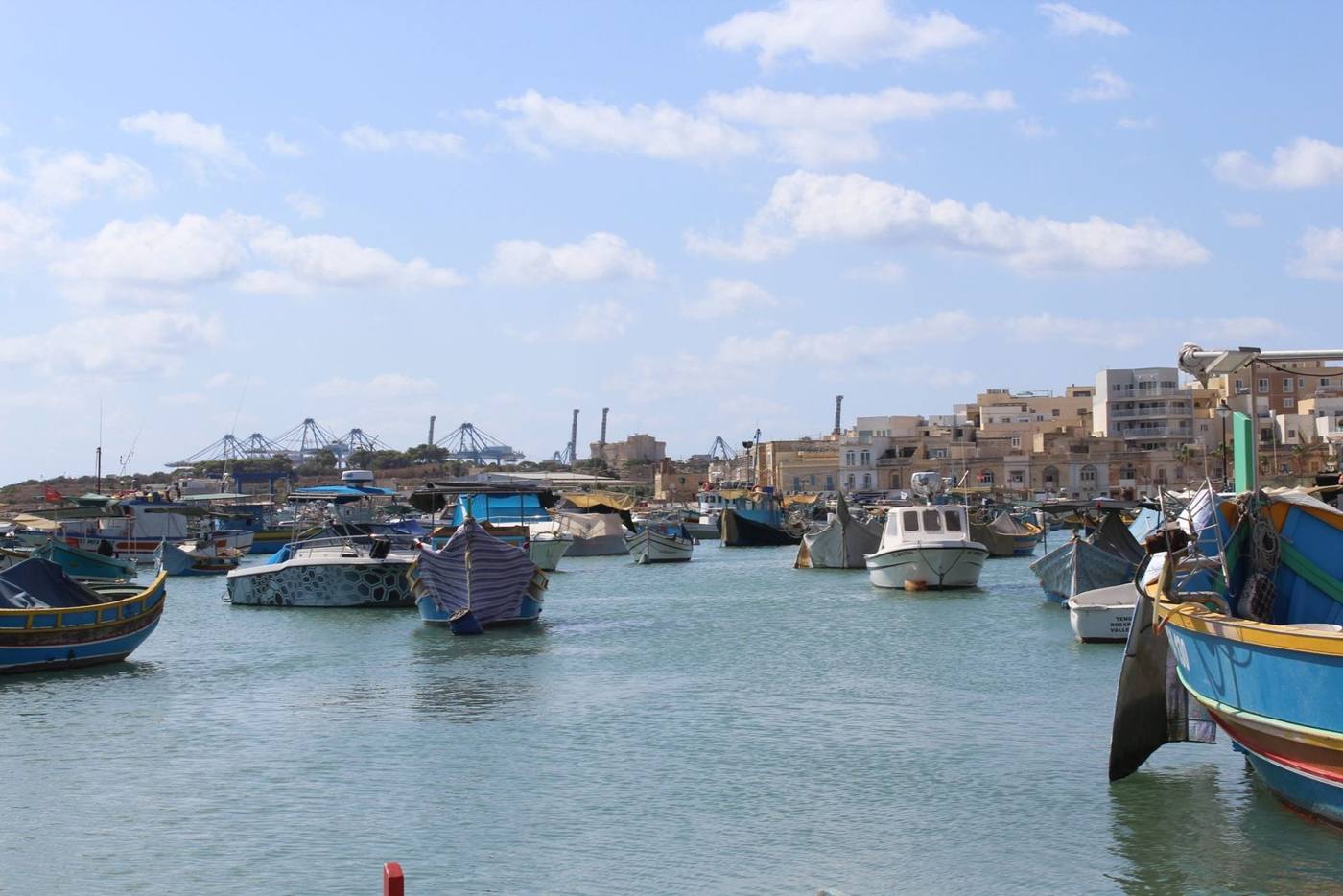
The south-east and Marsaxlokk
The colourful luzzu boats of Marsaxlokk and the Sunday fish market, the natural pool of St Peter's Pool and Delimara bay.