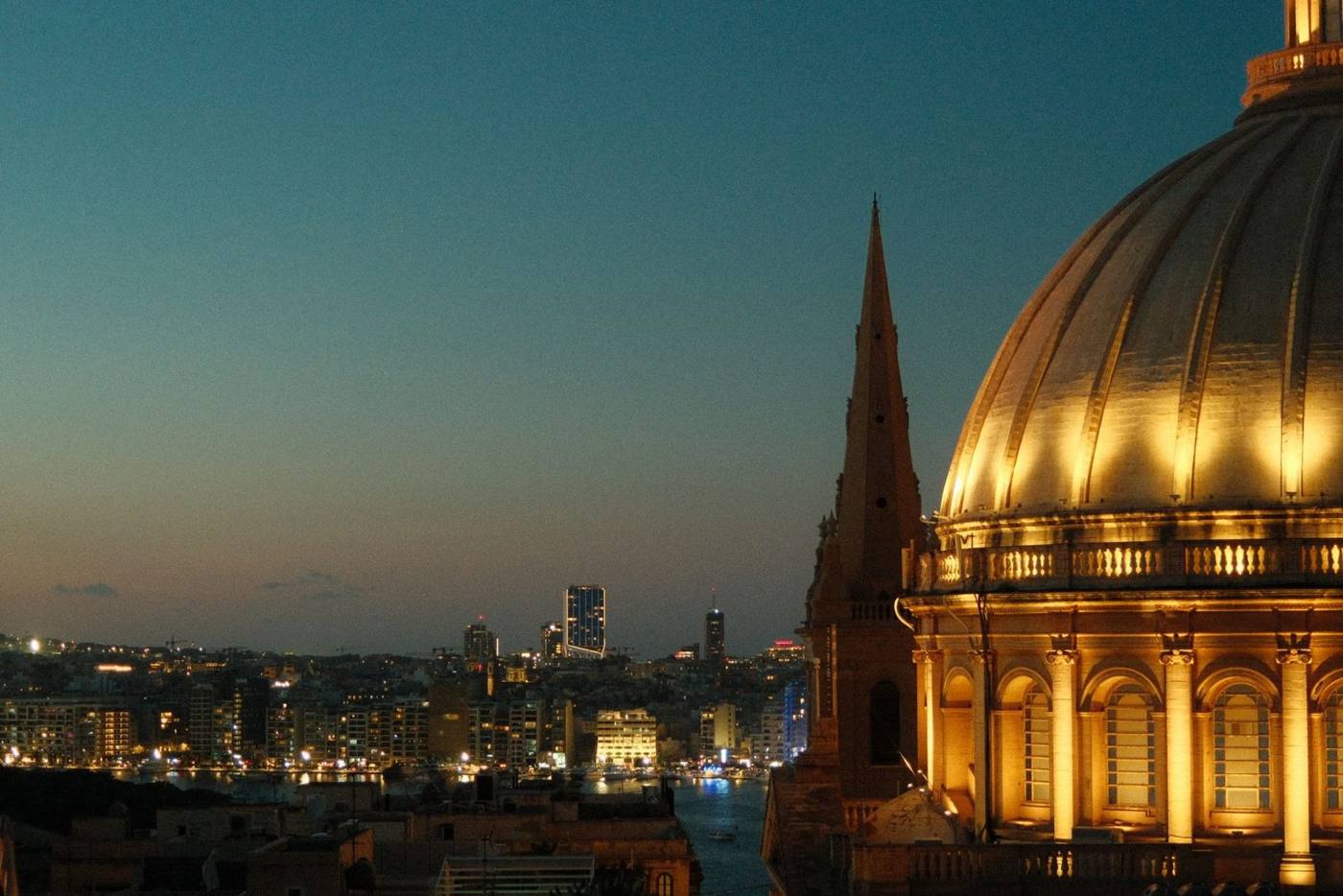
Easter and Carnival
Malta out of season: the Carnival of Valletta and Nadur on Gozo in February, the Good Friday processions and the risen Christ statues carried at a run at Easter.
- Valletta
- Birgu
- Nadur
- Żejtun
Day by day
- Day 1
Valletta: carnival floats or Holy Week churches
This trip shows you Malta out of season, with two deeply felt traditions: Carnival, in February, and Easter, between March and April. Choose your period before booking, because the dates change every year according to the church calendar. The route takes in Valletta, Birgu, Nadur on Gozo and Żejtun.
Before you go: Italian citizens only need an electronic identity card valid for travel abroad or a passport, with no visa: Malta is in the European Union and the Schengen area. Other nationalities should check their own rules. The country is safe and crime is low; in summer watch out for pickpockets on crowded buses. Traffic drives on the left and sockets are the British type.
If you travel at Carnival, which is celebrated in the days before Ash Wednesday, spend the afternoon between Valletta and Floriana. You see large papier mâché floats parade past, groups in costume and dance schools. The streets are full of families and children in fancy dress. Try prinjolata, the Carnival cake, a dome of sponge and cream with pine nuts and glacé cherries.
If you travel at Easter, visit Saint John's Co-Cathedral in the morning, check prices and times, then go into the other churches in the city, already draped in purple for Lent. In many parishes you find exhibitions of Passion statues and small re-enactments.
Practical tip: at Carnival accommodation in Valletta fills up early; book a few weeks ahead and bring a light jacket, because the evenings are cool.
- Day 2
Birgu, city of the Knights and of Easter
Today you cross the Grand Harbour and spend the day in Birgu, one of the Three Cities, closely tied to the rites of Holy Week.
In the morning take the ferry or a dghajsa, the traditional boat, from the quay below the Upper Barrakka. In a few minutes you are in Birgu, also called Vittoriosa. Check prices and times. Visit Fort Saint Angelo, at the tip of the peninsula, where the Knights held out during the Great Siege of 1565. Check prices and times.
Then walk through the Collachio, the Knights' quarter, among narrow lanes, closed wooden balconies and old doorways. Stop in Victory Square and at the Church of Saint Lawrence, on the harbour.
If you are here in Holy Week, on Maundy Thursday follow the tradition of the seven visits: the Maltese walk round seven churches, where the altars of repose are set up, full of flowers and candles. In the bakeries and pastry shops the figolla appears, the Easter shortcrust pastry filled with almond paste, shaped like a lamb, a heart or a fish.
If you are here at Carnival, Birgu is quiet and gives you a break from the noise of Valletta. In the evening go back across the harbour for the masked dances and the last parade of the day.
Practical tip: on Maundy Thursday the churches stay open until late, but they are crowded; dress soberly, with shoulders and knees covered, and speak quietly.
- Day 3
Carnival in Nadur or Good Friday in Żejtun
Today you see the strongest version of the tradition you have chosen: the spontaneous Carnival on Gozo or the Good Friday processions.
If you travel at Carnival, take the ferry from Ċirkewwa to Mġarr, on Gozo, in about twenty five minutes, then go up to Nadur, a town on a hill. Check ferry prices and times. The Nadur Carnival is different from Valletta's: there are no big floats, but people in strange disguises, sometimes macabre or satirical, with rags, sheets and home made masks. The best time is late in the evening, when the streets fill up. Many Maltese come over specially from Malta.
If you travel at Easter, on Good Friday go to Żejtun, in the south of the island, or to one of the other towns that hold a procession. In the afternoon the Passion statues leave the church and cross the town, accompanied by funeral marches played by the band. You see people dressed as Roman soldiers and biblical figures, and hooded penitents, sometimes barefoot or with chains on their feet. The silence of the crowd is very powerful.
In your spare hours explore the surroundings: on Gozo the Citadel of Victoria, on Malta nearby Marsaxlokk with its colourful boats.
Practical tip: in Nadur the last ferry back to Malta is at night and crowded; if you can, sleep on Gozo. During the procession do not use flash and do not cross the line of the procession.
- Day 4
Easter Sunday and departure
On the last day you see the most joyful moment of the Maltese Easter, the run of the Risen Christ, then you leave.
If you travel at Easter, on Sunday morning go back to Birgu, or go to nearby Cospicua or Senglea. Here the statue of the Risen Christ comes out of the church carried on men's shoulders and, at a certain point on the route, the bearers run with the statue down the street, amid applause and shouts. It is a gesture of joy and strength, much loved by families. After the procession people eat figolla at home and give chocolate eggs.
If you travel at Carnival, spend the morning in Valletta for the last day of parades, which close the celebrations before Ash Wednesday.
In the afternoon go to the airport, less than half an hour from Birgu and Valletta.
Trip summary: in four days you have seen Valletta in festive mood, Birgu and Fort Saint Angelo, the spontaneous Carnival in Nadur or the Good Friday processions in Żejtun, and the run of the Risen Christ at Easter. You have tasted prinjolata or figolla, depending on the season.
When to go: in February for Carnival, between March and April for Easter. The climate is mild and the days are often sunny, but the sea is still cold for swimming.
Practical tip: check the time of the Risen Christ procession on the parish website or the official tourism website, because it is usually early in the morning and does not last long.
Malta without the summer crowds, with deeply felt traditions. Dates change every year according to the church calendar. The climate is mild but the sea is cold.
Before you go
- Documents and visa
- EU citizens need a valid identity card or passport, with no visa: Malta is in the European Union and the Schengen area. Traffic drives on the left. Other nationalities should check their own rules.
- Health and vaccines
- No vaccines required. EU citizens can use public healthcare with their EHIC; insurance with medical cover and repatriation is still advised. In summer the sun and heat are strong: drink plenty and protect yourself. Emergencies: 112.
- Money and payments
- Euro. Cards are accepted almost everywhere; carry a little cash for markets and kiosks.
- Power sockets
- Type G, 230 volts: the same plugs as in the UK.
- Time zone
- Central European Time (UTC+1, summer UTC+2).
- Safety
- A safe country with low crime. In summer there is pickpocketing on crowded buses and in nightlife areas such as Paceville: never leave your drink unattended. The sea can have strong currents and hidden rocks: respect red flags and do not dive where you do not know the depth. In spring and autumn bird hunting takes place in the countryside. Official advice: GOV.UK.
Information checked in November 2026 for Italian and EU citizens. Rules change: always check before you travel.
Variations
Shorter: three days, with Valletta, Birgu and only the Good Friday procession or only the evening in Nadur.
Longer: add two days on Gozo, with the Citadel of Victoria and the Ġgantija Temples.
Frequently asked questions
When is Carnival in Malta?
In the days before Ash Wednesday, so usually in February. The date changes every year with the Easter calendar: check it on the official tourism website.
Can you swim at Easter?
The climate is mild, but the sea is still cold for most people. Bring comfortable shoes and a jacket for the evenings anyway.
Are the processions suitable for everyone?
Yes, but they are long and very crowded. Arrive early to find a spot on the route and stay silent on Good Friday.
Indicative itinerary written by World Atlas. Before booking, check timetables, seasonal openings, documents and safety.
 4 daysEasy
On Malta's film sets
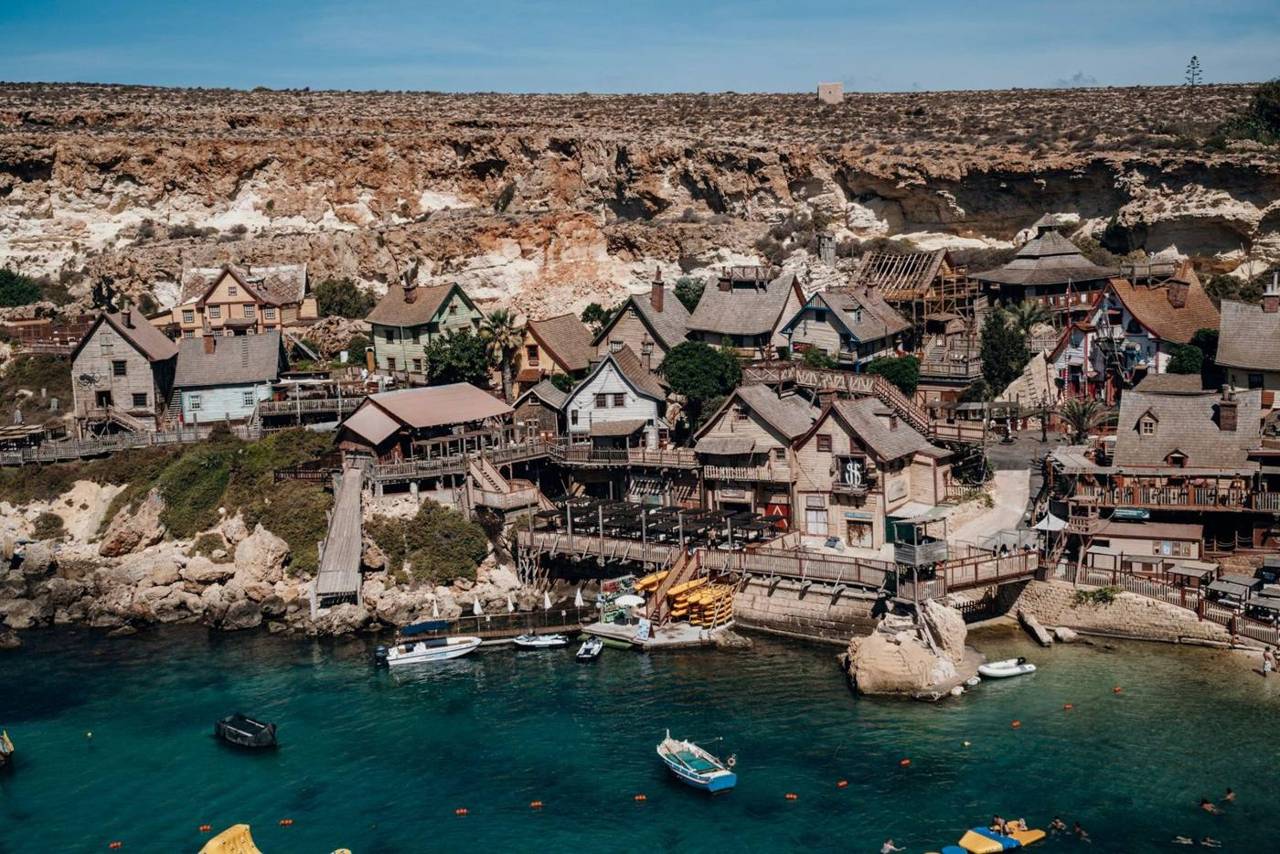
Film locations around Malta: Popeye Village at Anchor Bay, Fort Ricasoli, Mdina and Valletta used in series and historical films, and the water tanks of the Mediterranean studios.
 4 daysEasy
Valletta and the Three Cities
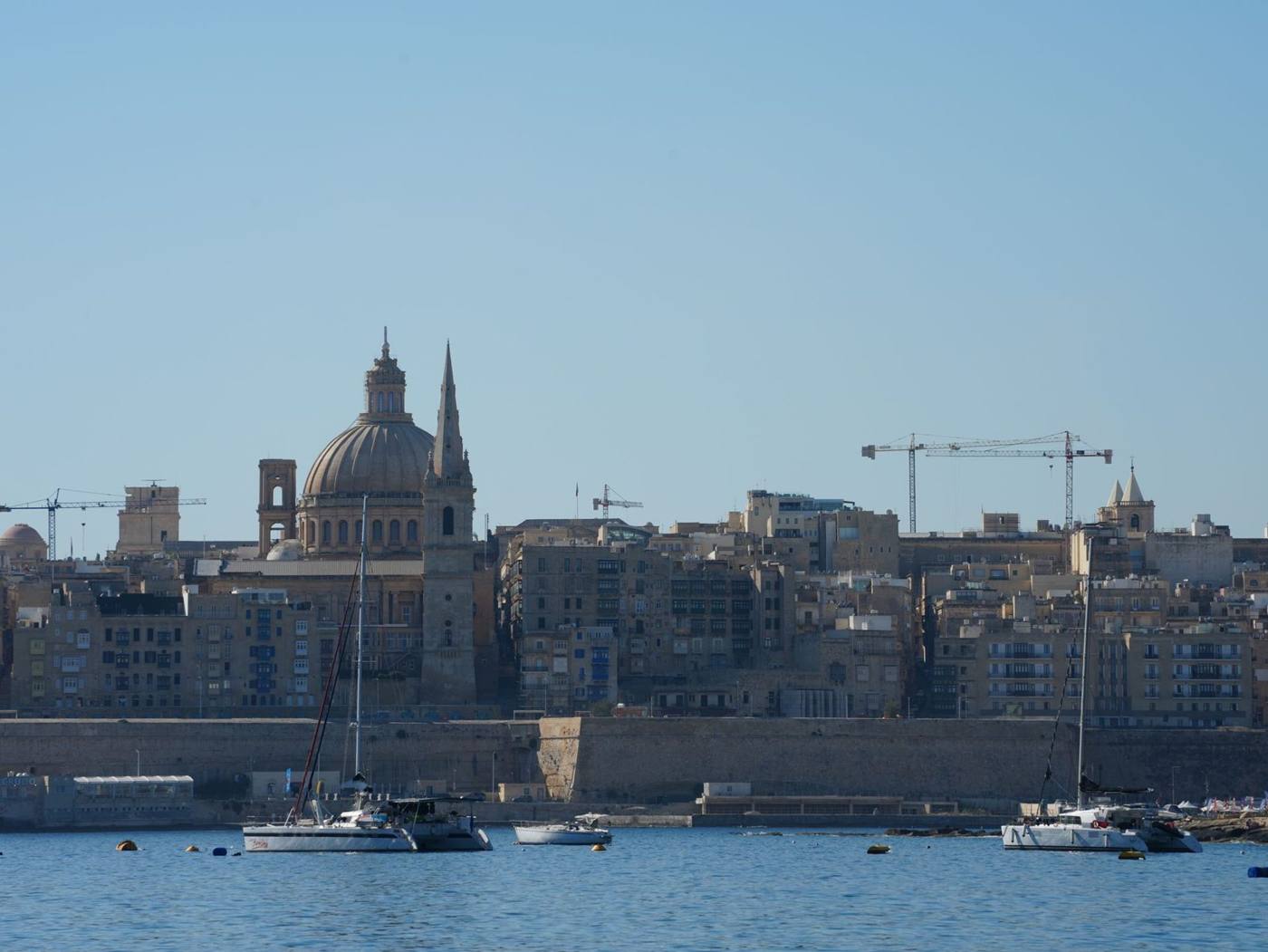
The Knights' capital with St John's Co-Cathedral and its Caravaggios, the Three Cities by dghajsa, Mdina and the Ħal Saflieni Hypogeum.
 4 daysEasy
Gozo and Comino
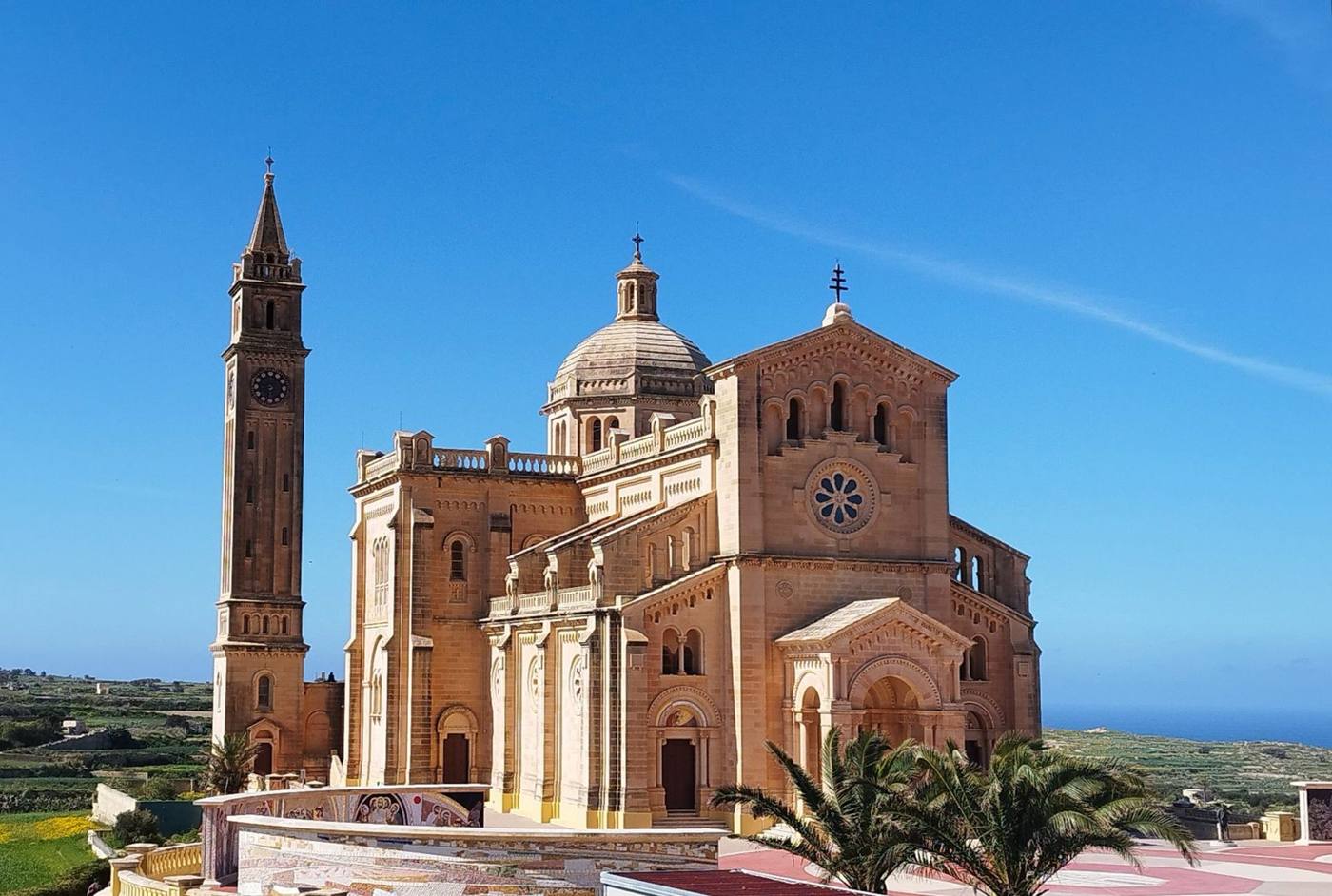
Green Gozo with Victoria's Citadel, the Ġgantija temples, diving at Dwejra and the Blue Lagoon of Comino.