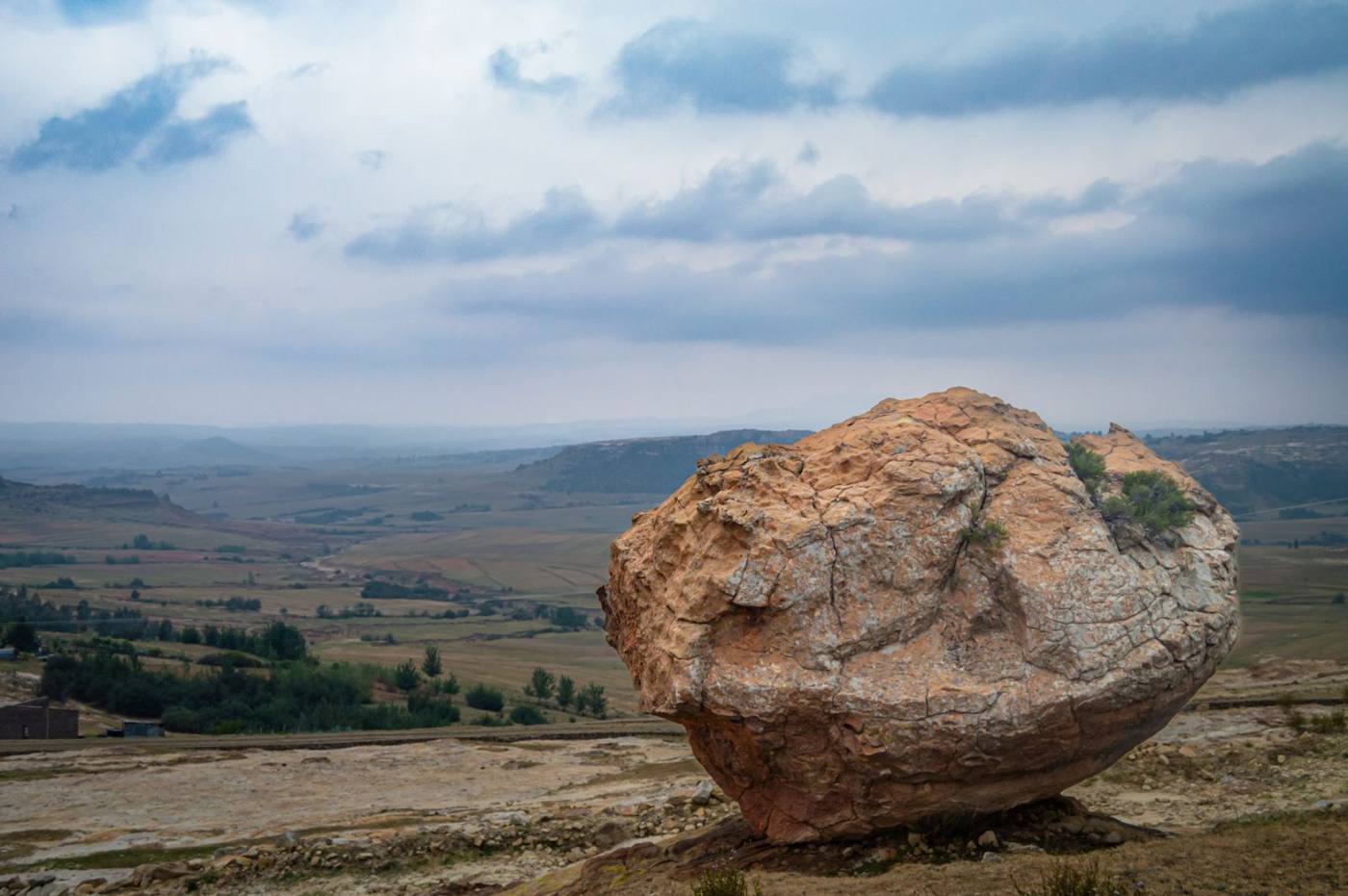
The mountain kingdom
Sani Pass by 4x4 with Africa's highest pub, Basotho villages, the Maletsunyane falls and pony trekking in Semonkong.
- Underberg
- Sani Pass
- Mokhotlong
- Thaba-Tseka
- Maseru
- Semonkong
- Maletsunyane
Day by day
- Day 1
Up the Sani Pass from South Africa
This six-day trip crosses Lesotho, the kingdom in the mountains, from east to west: the Sani Pass by 4x4, with the highest pub in Africa, the plateau and Mokhotlong, the long mountain road to Maseru, the Maletsunyane Falls and the pony treks of Semonkong.
Before you go: Italian citizens enter Lesotho without a visa for tourism for up to 90 days, with a valid passport. You always pass through South Africa, so its rules apply too: keep several blank pages, because both countries stamp your passport. To drive a rental car you need an international driving permit. Other nationalities should check their own rules. The British government does not advise against any part of the country; drive only in daylight, avoid shared minibus taxis and do not give lifts.
In the morning, set off from Underberg, in the South African Drakensberg, and reach the South African border post at the foot of the Sani Pass. The border posts have limited hours: check them on the official website of the South African Department of Home Affairs.
After the South African border post a 4x4 is compulsory: the track climbs with very tight hairpins between basalt walls, up to 2,876 metres. If you have no experience of 4x4 driving, go up on an organised tour or with a local driver.
At Sani Top you pass the Lesotho border post. Stop at the highest pub in Africa and watch the sunset over the valleys of South Africa.
Overnight at Sani Top.
Practical tip: rent a real 4x4 with low-range gears and check that the contract allows you to take it into Lesotho.
- Day 2
Across the plateau to Mokhotlong
Today you cross the highest plateau in southern Africa and go down to Mokhotlong.
Early in the morning, with a guide from Sani Top, visit a herders' village near the pass. You see round stone huts, enclosures and herders wrapped in the Basotho blanket. Greet people with «Lumela» and always ask permission before taking photos.
Then set off west. The road crosses treeless high meadows, with small lakes, streams and grazing sheep, and a few isolated herders' huts on the slopes. It crosses passes above 3,000 metres, among the highest roads on the continent. Not far away is Thabana Ntlenyana, 3,482 metres, the highest peak in southern Africa.
The bearded vulture and other large raptors live in these mountains: watch the sky above the ridges.
In the afternoon, drop down to Mokhotlong, a mountain town on the Senqu River, the upper course of the Orange River, which from here crosses the whole of southern Africa to the Atlantic. Mokhotlong is a market centre for the villages of the area, with shops, a fuel station and herders on horseback arriving from the valleys.
Overnight in Mokhotlong, for two nights.
Practical tip: drive slowly: on mountain roads there are flocks, horses and pedestrians around every bend.
- Day 3
Mokhotlong and the Senqu valley
Today you stay in Mokhotlong to discover life in the highlands.
In the morning, set off with a local guide on a pony trek, on small Basotho ponies, along the valley of the Senqu River. They are calm horses used to steep paths: even people with no experience can go at a walk. You cross villages, fields of wheat and maize, and pastures where boys look after the flocks for weeks, living in small stone shelters.
At midday, have a packed lunch by the river. Ask your guide before swimming: Lesotho's fresh water carries a risk of bilharzia.
In the afternoon, walk around Mokhotlong and its market. You see herders selling wool and mohair, Basotho blankets and straw hats. Lesotho is one of the great producers of mohair, the wool of the angora goats you see grazing everywhere.
If you are invited into a home, taste papa, the white maize porridge, with vegetables and sour milk, and home-made sorghum beer.
In the evening, with a clear sky, look at the Milky Way: at altitude and far from towns the stars are extraordinarily bright.
Overnight in Mokhotlong.
Practical tip: fill up in Mokhotlong and carry a spare jerrycan for tomorrow: the road to Thaba-Tseka is long and fuel stations are rare.
- Day 4
The mountain road to Maseru
Today is the longest day's drive of the trip, through the mountainous heart of Lesotho to the capital.
In the morning, leave Mokhotlong very early heading south-west. The road follows the valleys and crosses high passes, among immense, silent mountains, isolated villages and herders on horseback. Some stretches can be slow or in poor condition: ask locally about the state of the road before setting off.
Around midday you reach Thaba-Tseka, a small highland town, where you can take a break and stock up.
Then continue to Maseru on the paved mountain road, with its passes above 2,000 metres. You cross Molimo Nthuse, whose name means roughly «God, help me», and then drop down on long hairpins to the farmed hills and the capital.
If the day seems too long, sleep in Thaba-Tseka and reach Maseru the next day. Never drive after dark: animals, pedestrians and vehicles without lights make the roads very dangerous at night.
You reach Maseru in the late afternoon. In the evening stay at your accommodation and do not walk in town after sunset: in Maseru theft and bag snatching are rising.
Overnight in Maseru.
Practical tip: carry water, food, warm clothes and a spare wheel in good condition, because hours pass between one village and the next.
- Day 5
Semonkong and the Maletsunyane Falls on horseback
Today you go to Semonkong to see the Maletsunyane Falls, one of the highest single-drop waterfalls in Africa.
Early in the morning, leave Maseru heading south-east, passing Roma, the university town that grew up around a Catholic mission. Then the road climbs into the mountains to the Semonkong plateau, at over 2,000 metres. Semonkong means «the place of smoke», for the cloud of spray rising from the falls.
In Semonkong, mount a Basotho pony with a local guide and set off towards the falls, through meadows and villages. You reach the edge of the gorge and see the river plunge in a single drop of almost 200 metres into an amphitheatre of basalt, with a rainbow in the spray on sunny days.
Look at the falls from the viewpoints, but stay away from the edge: the rocks are slippery and there are no barriers.
For the bravest there is the abseil beside the falls, one of the longest in the world, only with a specialist local operator: ask locally about conditions and prices.
Back in the evening, rest by the fire: it is cold on the plateau all year round.
Overnight in Semonkong.
Practical tip: wear long trousers for riding and bring a waterproof cover for your phone, because near the falls the spray soaks everything.
- Day 6
Back to South Africa
Today you leave the mountains and return to South Africa.
In the morning, if you have time, look at the falls again in the low light, or stop at the Semonkong market, where herders arrive on horseback wrapped in their blankets. Then set off calmly for Maseru on the mountain road.
In Maseru, if you like, buy a Basotho blanket or a mokorotlo straw hat, the finest souvenirs of Lesotho. Then cross the Maseru Bridge border into South Africa in good time, never after dark.
Trip summary: in six days you have crossed Lesotho from east to west. You have climbed the Sani Pass by 4x4, seen the plateau and Mokhotlong, in the Senqu valley, driven the long mountain road to Maseru and reached the Maletsunyane Falls at Semonkong on horseback. It is a country entirely above 1,000 metres, ideal to combine with a trip to South Africa.
When to go: the best period is from September to April, with green meadows and full waterfalls, although in summer afternoon thunderstorms are frequent. In winter snow can close the Sani Pass and nights at altitude are freezing; even in summer it is cold at night.
Practical tip: if you have to return the car in Johannesburg or Durban, plan your timings carefully: from the border it takes several hours' driving.
A country lying entirely above 1,000 metres, excellent to combine with South Africa. Sani Pass needs a real 4x4 and may close for snow in winter. Nights at altitude are cold all year.
Before you go
- Documents and visa
- Valid passport; Italian citizens enter without a visa for tourism for up to 90 days. You always arrive through South Africa, so its rules apply too: keep several blank pages, because both countries stamp your passport. To drive a rental car you need an international driving permit.
- Health and vaccines
- There is no malaria. Rivers and lakes carry a risk of bilharzia: do not swim in fresh water. HIV is very common. Health facilities are poor and serious cases go to South Africa: you need insurance covering medical costs and repatriation. Emergencies: 123 police, 121 or 124 ambulance.
- Money and payments
- Loti, pegged to the South African rand, which is used everywhere. Bring cash for the mountains and a reserve of fuel.
- Power sockets
- Type M, 220 volts, as in South Africa: you need an adapter.
- Time zone
- UTC+2 all year.
- Safety
- The British government does not advise against any area. Theft and robbery are rising, especially in Maseru: do not walk alone in the evening or in isolated areas and do not give lifts. Drive only in daylight, with a 4x4 on mountain roads, and avoid shared minibus taxis. Avoid demonstrations. Official advice: GOV.UK.
Information checked in November 2026 for Italian and EU citizens. Rules change: always check before you travel.
Variations
Shorter version: four days, with the Sani Pass, Mokhotlong and the return by the same road.
Longer version: add two days at Katse and one day at Malealea, to see almost the whole country.
Frequently asked questions
Do I need a 4x4 for this trip?
Yes. On the South African side of the Sani Pass a 4x4 is compulsory, and it is also very useful on the highland roads.
Can you do it all in six days?
Yes, but day 4 is very long. If you prefer, sleep in Thaba-Tseka and reach Maseru the next day, taking a day out elsewhere.
Is the Sani Pass open all year?
In winter snow and ice can close it. The border posts have limited hours: check them on the official South African government website.
Indicative itinerary written by World Atlas. Before booking, check timetables, seasonal openings, documents and safety.
 4 daysEasy
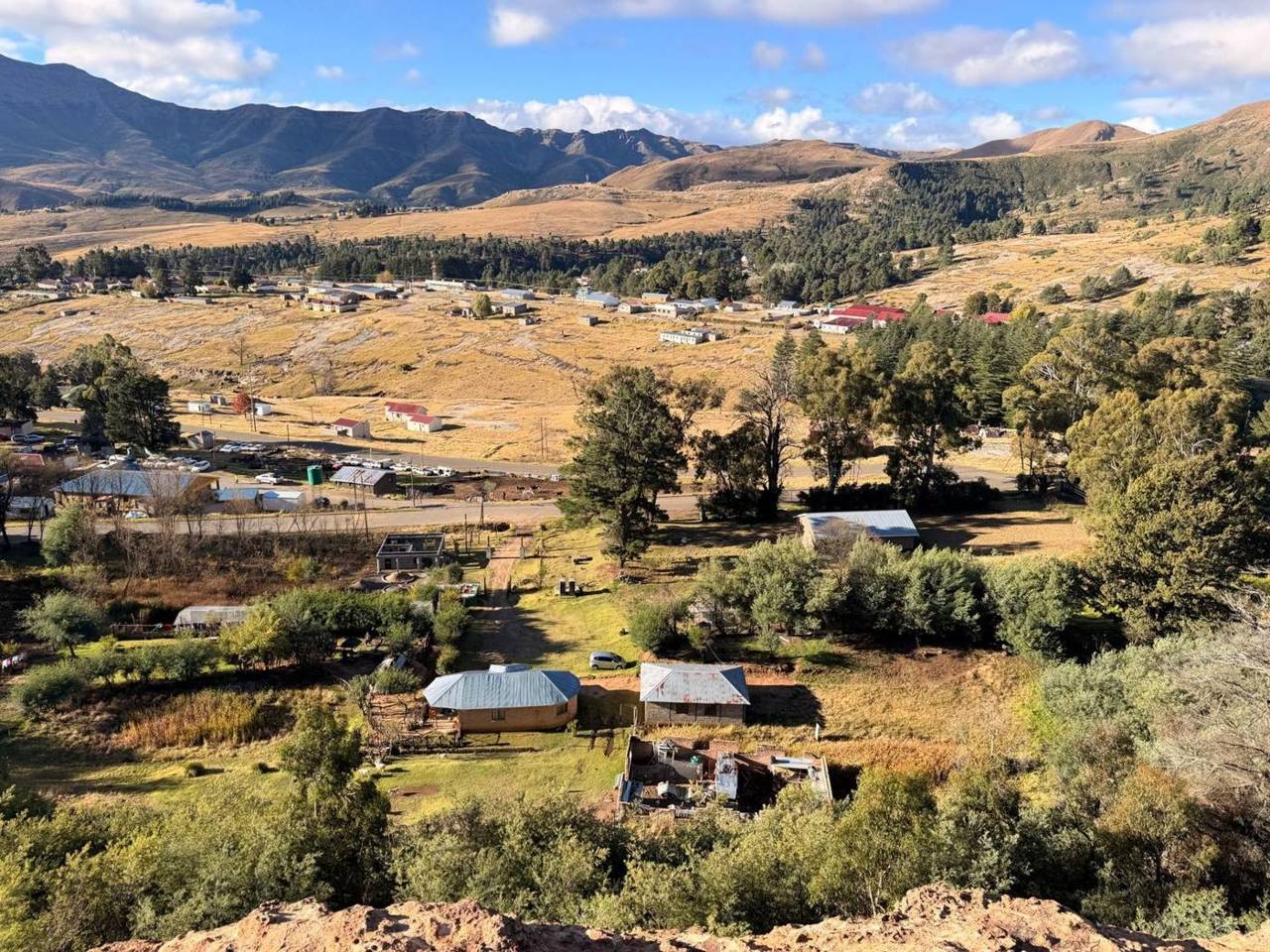
Malealea and the south
The Malealea community with its walks and pony treks, San rock art and the Gates of Paradise pass.
 2 daysModerate
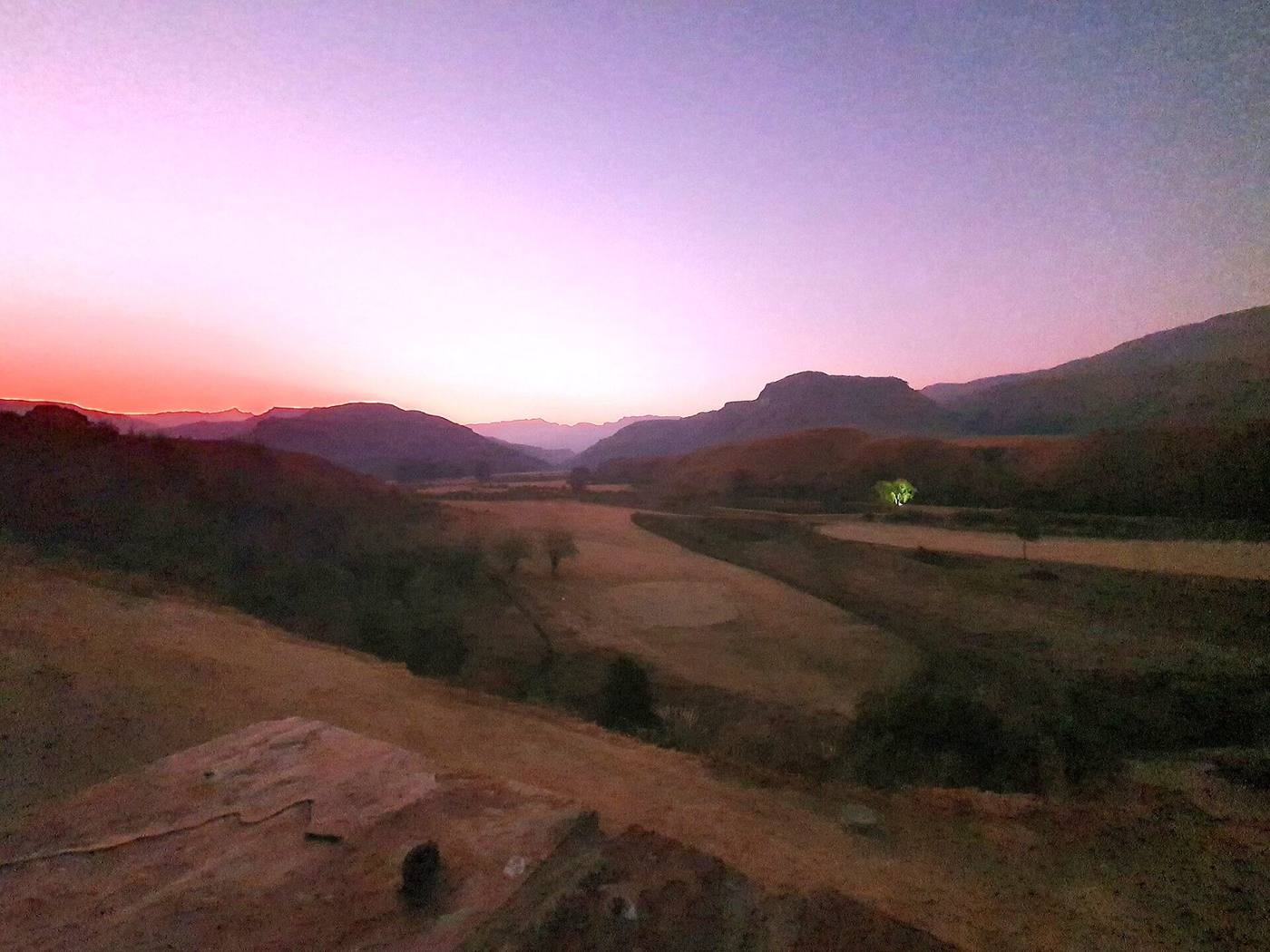
Sani Pass
Southern Africa's most spectacular mountain road, from South Africa up to 2,876 metres, with the continent's highest pub and Basotho herders' villages.
 3 daysEasy
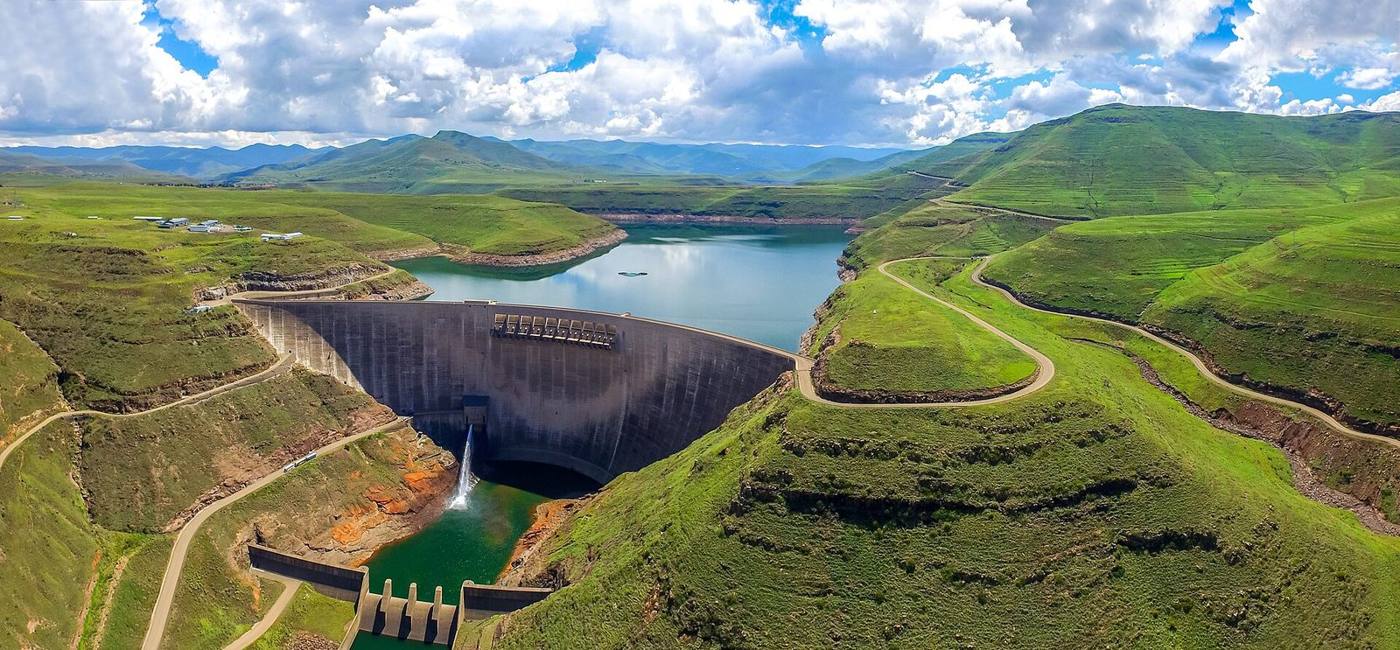
Katse and the highlands
The great Katse dam among the mountains, passes above 3,000 metres, the mountain botanical garden and herders on horseback wrapped in Basotho blankets.