Katse and the highlands
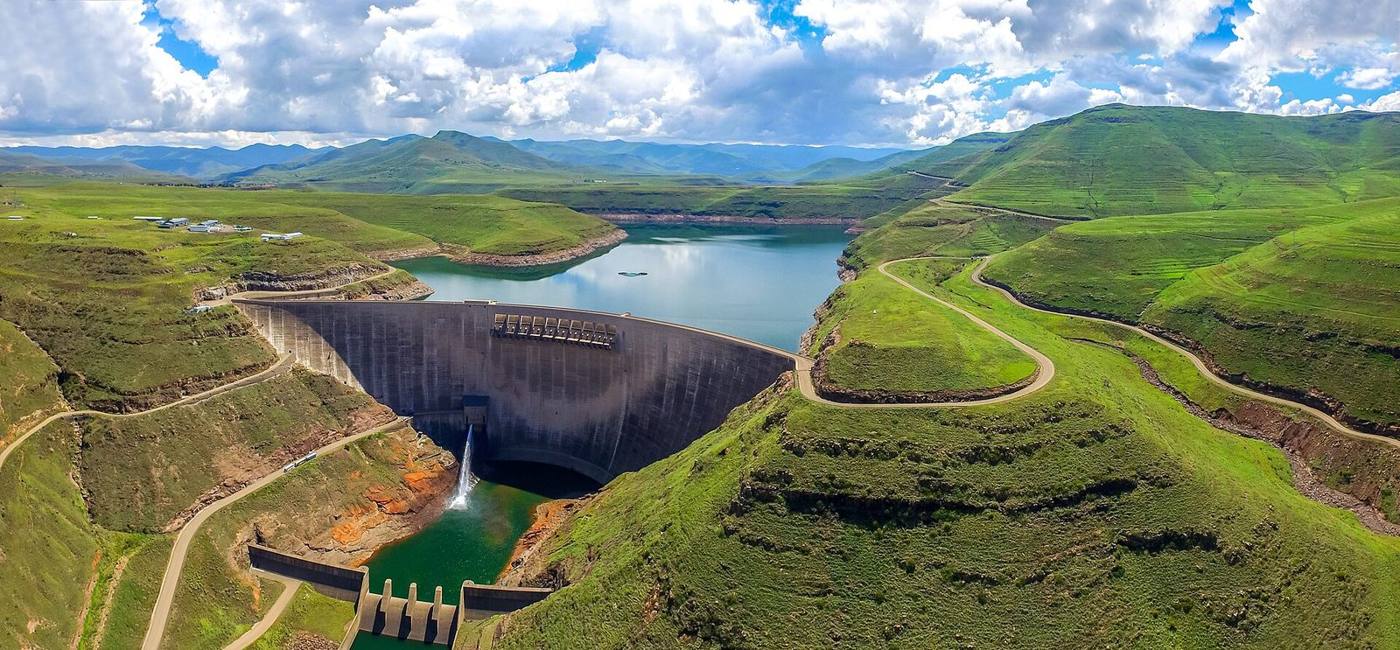
The great Katse dam among the mountains, passes above 3,000 metres, the mountain botanical garden and herders on horseback wrapped in Basotho blankets.
- Maseru
- Thaba-Tseka
- Katse
Day by day
- Day 1
From Maseru to the highlands
This three-day trip takes you to the mountainous heart of Lesotho: the mountain passes from Maseru to Thaba-Tseka, the great Katse Dam among the mountains, the mountain botanical garden and herders on horseback wrapped in Basotho blankets.
Before you go: Italian citizens enter Lesotho without a visa for tourism for up to 90 days, with a valid passport. You always arrive through South Africa, so its rules apply too: keep several blank pages, because both countries stamp your passport. To drive a rental car you need an international driving permit. Other nationalities should check their own rules. The British government does not advise against any part of the country; drive only in daylight, because animals and pedestrians on the road are a hazard.
In the morning, leave Maseru heading east. After the farmed hills, the road starts to climb with hairpins and steep gradients. You cross Molimo Nthuse, whose name means roughly «God, help me», a reminder of the days when the climb was made on horseback, and then other passes above 2,000 metres, with huge views over treeless valleys and mountains.
Along the road you see villages of round huts, maize fields and herders on horseback, with blankets over their shoulders and balaclavas against the wind. Stop at the viewpoints, but only where there is room to park safely.
In the afternoon you reach Thaba-Tseka, a small highland town and market centre for the villages of the area.
Overnight in Thaba-Tseka, or continue to Katse if you have time before dark.
Practical tip: fill up in Maseru and carry a spare jerrycan, because there are few fuel stations in the mountains.
- Day 2
Katse Dam and the botanical garden
Today you visit Katse Dam, one of the most impressive works in southern Africa.
In the morning, reach Katse on a mountain road through the valleys. Then, suddenly, you see the lake: a long, dark blue reservoir filling the valleys between the mountains, at about 2,000 metres above sea level.
The dam, completed in the 1990s, is a double-curvature concrete arch 185 metres high, one of the highest in Africa. It is part of the Lesotho Highlands Water Project, the great scheme that carries water from Lesotho's mountains towards the Johannesburg region and produces hydroelectric power for the country. Join the guided tour, with a presentation and a walk on the dam wall: check prices and times and book in advance.
From the crest, look down into the deep river gorge and then at the lake stretching away between the mountains.
In the afternoon, visit the Katse botanical garden, in the village, which brings together mountain plants of Lesotho. The most famous is the spiral aloe, the plant symbol of the country, with its leaves arranged in a perfect spiral. Check prices and times.
At sunset, walk along the lake, when the golden light colours the mountains.
Overnight in Katse.
Practical tip: bring warm clothes: even in summer, at night, it is cold in the highlands and the wind is strong.
- Day 3
The Mafika-Lisiu Pass and the return
Today you head back towards the lowlands, along one of the highest roads in the country.
In the morning, leave Katse heading north. The road climbs to the Mafika-Lisiu Pass, at over 3,000 metres, one of the highest passes in the country. From the top you look back towards Katse lake and ahead towards the northern lowlands, with the Maluti mountains all around. The air is thin and cold, and in winter there may be snow beside the road.
Then drop down on long hairpins towards Leribe, a small town on the northern plains. From here continue south to Maseru, on an easier road, among fields, villages and sandstone hills.
Along the way, stop to watch the herders with their flocks and the children walking home from school, often for many kilometres.
Trip summary: in three days you have crossed the mountain passes from Maseru to Thaba-Tseka, visited Katse Dam and its botanical garden with the spiral aloe, and returned over the Mafika-Lisiu Pass. These are huge, silent landscapes, on paved roads but with sharp bends and steep gradients.
When to go: the best period is from October to April, when the pastures are green and the lake is fuller. In winter the nights are freezing and snow can close the passes.
Practical tip: start early and plan your timings carefully, because mountain roads are slow and you should never drive after dark.
Huge, silent landscapes. Paved but very winding and steep roads: drive in daylight. Nights are cold even in summer.
Before you go
- Documents and visa
- Valid passport; Italian citizens enter without a visa for tourism for up to 90 days. You always arrive through South Africa, so its rules apply too: keep several blank pages, because both countries stamp your passport. To drive a rental car you need an international driving permit.
- Health and vaccines
- There is no malaria. Rivers and lakes carry a risk of bilharzia: do not swim in fresh water. HIV is very common. Health facilities are poor and serious cases go to South Africa: you need insurance covering medical costs and repatriation. Emergencies: 123 police, 121 or 124 ambulance.
- Money and payments
- Loti, pegged to the South African rand, which is used everywhere. Bring cash for the mountains and a reserve of fuel.
- Power sockets
- Type M, 220 volts, as in South Africa: you need an adapter.
- Time zone
- UTC+2 all year.
- Safety
- The British government does not advise against any area. Theft and robbery are rising, especially in Maseru: do not walk alone in the evening or in isolated areas and do not give lifts. Drive only in daylight, with a 4x4 on mountain roads, and avoid shared minibus taxis. Avoid demonstrations. Official advice: GOV.UK.
Information checked in November 2026 for Italian and EU citizens. Rules change: always check before you travel.
Variations
Shorter version: two days, from Maseru to Katse and back by the same road.
Longer version: add two days at Ts'ehlanyane, in the north, or continue towards Mokhotlong and the Sani Pass.
Frequently asked questions
Can you visit inside Katse Dam?
Yes, there are guided tours with a presentation and a walk on the dam wall. Check prices and times and book in advance.
Are the roads paved?
Yes, the main roads are paved, but with tight bends and steep gradients. Drive only in daylight and take your time.
Is it cold in the highlands?
Yes, even in summer the nights are cold, and in winter temperatures drop below zero. Bring warm clothes.
Indicative itinerary written by World Atlas. Before booking, check timetables, seasonal openings, documents and safety.
 3 daysModerate
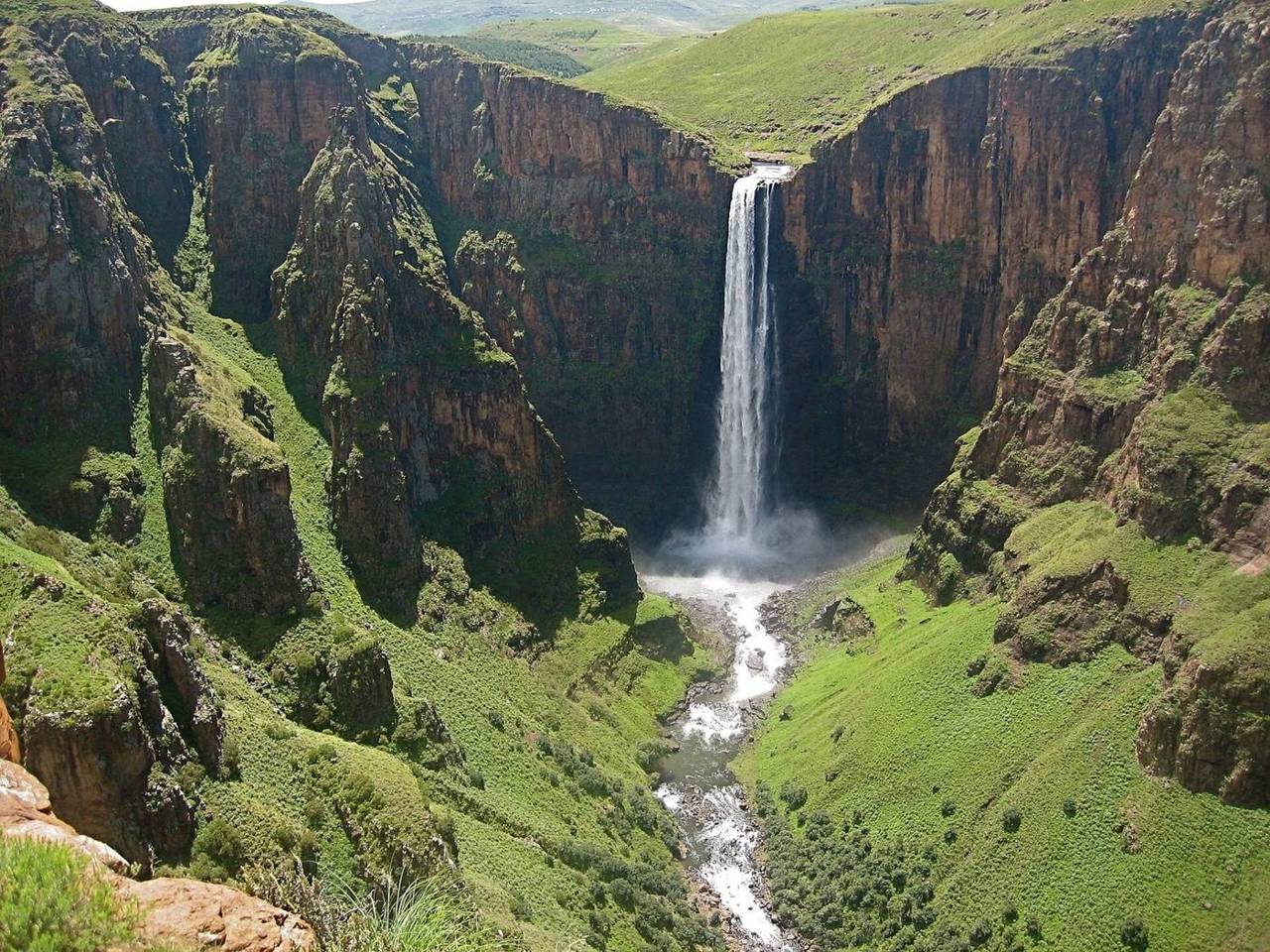
Semonkong and Maletsunyane Falls
One of Africa's highest single-drop waterfalls, almost 200 metres, with walks and pony treks with Basotho guides and, for the brave, the abseil down.
 2 daysEasy
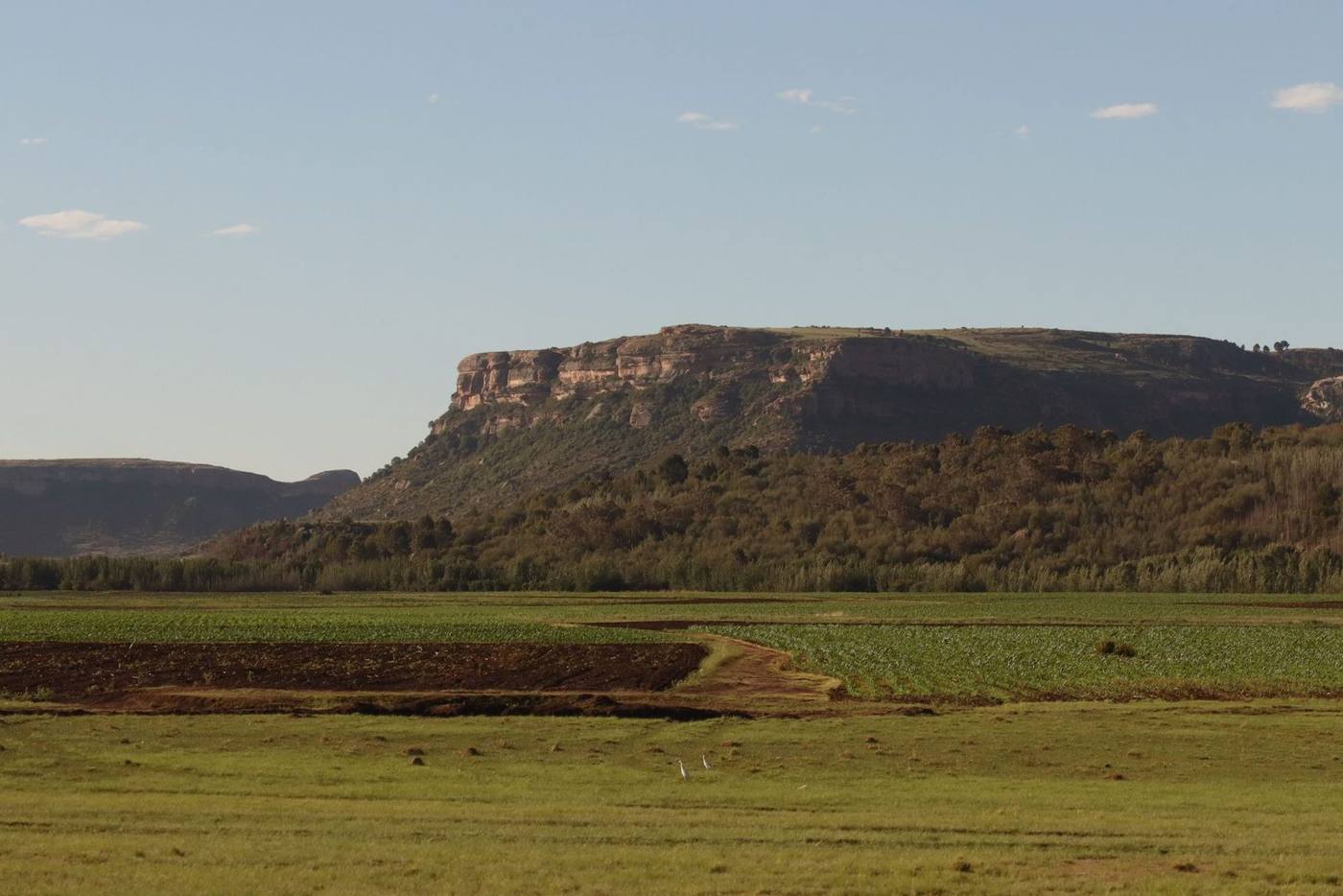
Ts'ehlanyane
The northern national park with the country's only mountain forest, ouhout woodland, riverside trails and chalets in the forest.
 2 daysEasy
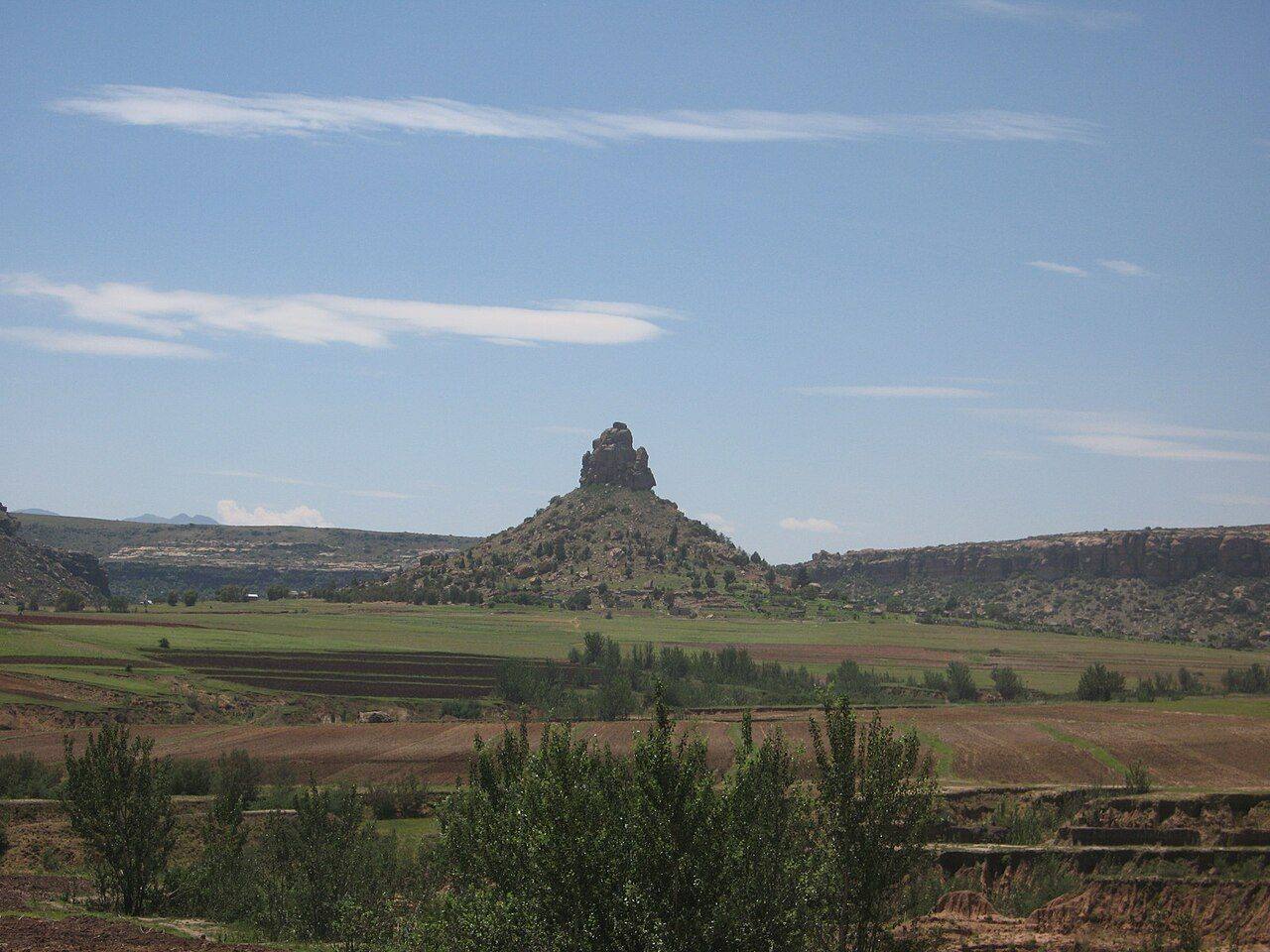
Maseru and Thaba-Bosiu
The mountain fortress of King Moshoeshoe I, cradle of the Basotho nation, the cultural centre with traditional huts and Maseru's blanket and hat markets.