Malealea and the south
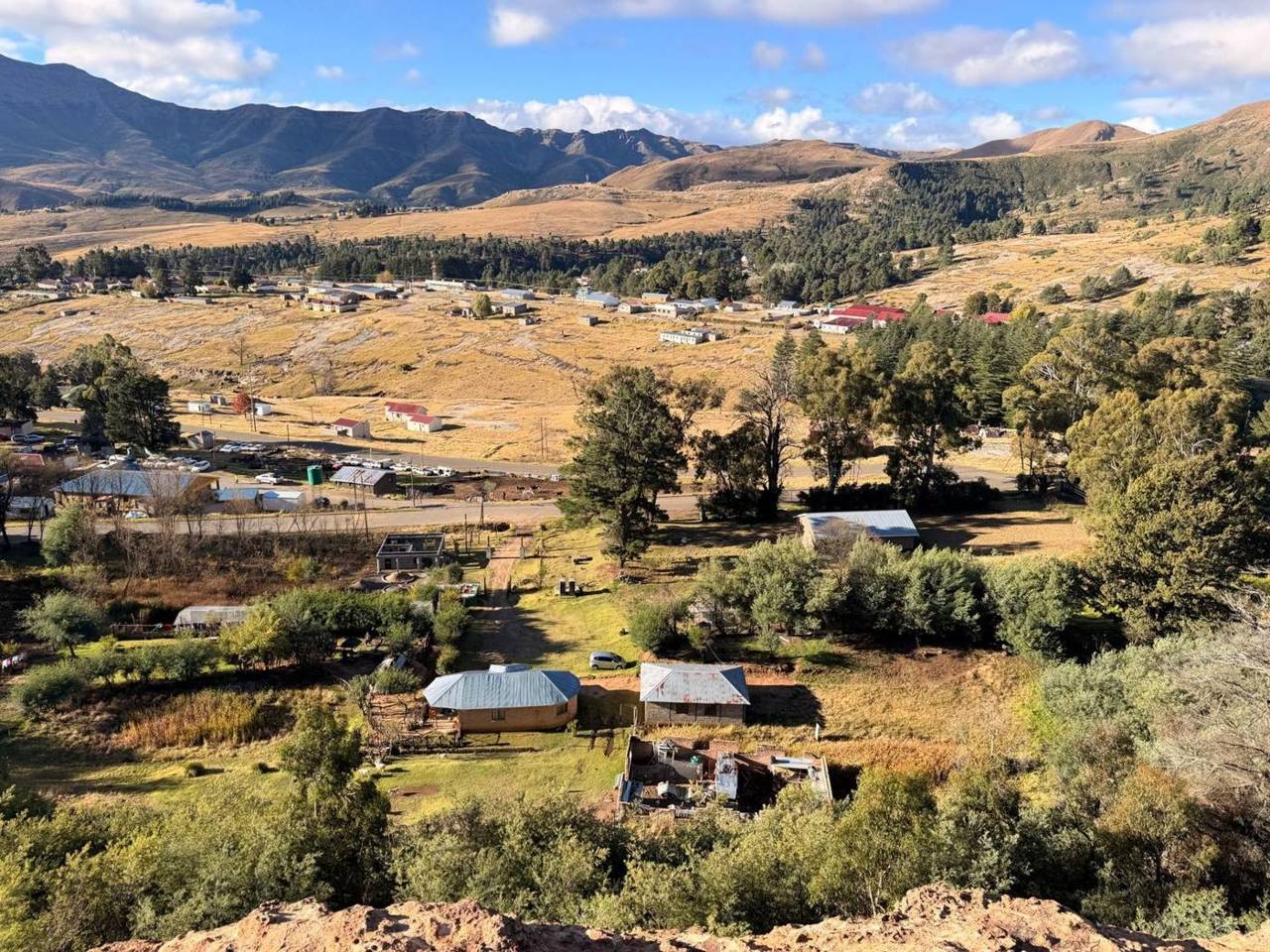
The Malealea community with its walks and pony treks, San rock art and the Gates of Paradise pass.
- Maseru
- Morija
- Gates of Paradise
- Malealea
Day by day
- Day 1
Maseru and the Morija Museum
This four-day trip takes you to south-west Lesotho: Morija, with its museum, the Gates of Paradise Pass and the community of Malealea, with walks and pony treks, San rock paintings and village choirs.
Before you go: Italian citizens enter Lesotho without a visa for tourism for up to 90 days, with a valid passport. You always arrive through South Africa, so its rules apply too: keep several blank pages, because both countries stamp your passport. To drive a rental car you need an international driving permit. Other nationalities should check their own rules. The British government does not advise against any part of the country, but in Maseru theft and bag snatching are rising: do not walk in the evening and drive only in daylight.
In the morning, enter Lesotho at the Maseru Bridge border and cross the capital. Then take the road south. In less than an hour you reach Morija, a small town among sandstone hills, where in 1833 French Protestant missionaries founded the country's first mission, at the invitation of King Moshoeshoe I.
Visit the Morija Museum and Archives, the most important in Lesotho for Basotho history and culture. You see traditional objects, documents of the first missionaries, historical photographs and a geology section with fossils. Check prices and times.
In the afternoon, walk around the village, with its old stone church and missionary houses, and climb the hill for the view over the valley.
Overnight in Morija.
Practical tip: ask at the museum for a guide to see the dinosaur footprints on the rocks near Morija.
- Day 2
The Gates of Paradise and Malealea
Today you reach Malealea, one of the best-known villages in Lesotho for community tourism.
In the morning, leave Morija heading south and then take the mountain road towards Malealea. The road climbs to the Gates of Paradise Pass, where a plaque invites the traveller to stop and look. You are right to do so: in front of you opens a huge valley, with layered mountains, villages of round huts and the river far below, one of the finest views in the country.
Then go down to Malealea, a village among the mountains with huts, fields and pastures. Here a community tourism centre organises all activities with the people of the village: guides, horses, music and visits. Settle into a simple hut in Basotho style.
In the afternoon, take a walk with a village guide to a nearby waterfall, along a path among sandstone rocks and small gorges. Along the way you see women washing clothes, children carrying water and herders with their flocks.
In the evening, listen to the village choir, with songs in several voices, or the small band of musicians with home-made instruments, such as guitars made from old oil cans.
Overnight in Malealea, for two nights.
Practical tip: bring cash in small notes: guides, horses and music are paid directly to the community.
- Day 3
On horseback and the rock paintings
Today you explore the area around Malealea on horseback and discover the art of the region's first inhabitants.
In the morning, set off on a pony trek with a village guide, on Basotho ponies. They are small, sure-footed horses used to steep paths: even people who have never ridden can do it at a walk. You cross meadows, villages and small valleys, with constant views of the mountains.
You reach a gorge where, under overhanging sandstone rocks, there are San rock paintings, left by the hunter-gatherer people who lived in these mountains before the Basotho arrived. You see figures of antelopes, such as the eland, hunting scenes and human figures, painted in red, ochre and white. Never touch the paintings and never wet them to photograph them: they are extremely fragile.
At midday, have a packed lunch by a stream, in the shade of the rocks.
In the afternoon, return to Malealea and visit the village with a guide: you go into a home, see how maize is ground and how papa, the white porridge, is prepared, and meet the village chief, if he is there. Always ask before taking photos.
In the evening, watch the sunset over the mountains and the sky full of stars.
Overnight in Malealea.
Practical tip: wear long trousers, sun cream and a hat with a strap: in the saddle you are exposed to sun and wind for many hours.
- Day 4
Back to Maseru
Today you return to Maseru and end the trip.
Early in the morning, if you like, take a last short walk around the village, when the light is soft and the herders are taking the animals to pasture.
Then set off along the mountain road, passing the Gates of Paradise again, and drop down to the lowlands. Drive calmly: if it has rained, the unpaved stretches can be muddy and slippery.
Once in Maseru, if you have time, look for a Basotho blanket or a mokorotlo straw hat, the finest souvenirs of Lesotho. Then cross the border into South Africa in good time, never after dark.
Trip summary: in four days you have seen the Morija Museum, the country's first mission, the view from the Gates of Paradise and the community of Malealea, with its walks, pony treks, San rock paintings and village choirs. It is a simple, authentic community tourism experience, in which the money you spend stays with the people of the village.
When to go: the best period is from September to April, with green meadows and long days, although in summer afternoon thunderstorms are frequent. In winter the nights are very cold.
Practical tip: after heavy rain, ask locally about the state of the unpaved roads before setting off, because they can become difficult.
A simple, genuine community tourism experience. Malealea Lodge is the hub for all activities. Dirt roads become difficult after rain.
Before you go
- Documents and visa
- Valid passport; Italian citizens enter without a visa for tourism for up to 90 days. You always arrive through South Africa, so its rules apply too: keep several blank pages, because both countries stamp your passport. To drive a rental car you need an international driving permit.
- Health and vaccines
- There is no malaria. Rivers and lakes carry a risk of bilharzia: do not swim in fresh water. HIV is very common. Health facilities are poor and serious cases go to South Africa: you need insurance covering medical costs and repatriation. Emergencies: 123 police, 121 or 124 ambulance.
- Money and payments
- Loti, pegged to the South African rand, which is used everywhere. Bring cash for the mountains and a reserve of fuel.
- Power sockets
- Type M, 220 volts, as in South Africa: you need an adapter.
- Time zone
- UTC+2 all year.
- Safety
- The British government does not advise against any area. Theft and robbery are rising, especially in Maseru: do not walk alone in the evening or in isolated areas and do not give lifts. Drive only in daylight, with a 4x4 on mountain roads, and avoid shared minibus taxis. Avoid demonstrations. Official advice: GOV.UK.
Information checked in November 2026 for Italian and EU citizens. Rules change: always check before you travel.
Variations
Shorter version: three days, with Morija on the way and two nights at Malealea.
Longer version: add a pony trek of several days from Malealea, with nights in villages, or three days at Semonkong.
Frequently asked questions
Do I need to know how to ride at Malealea?
No, Basotho ponies go at a walk and the village guides also take people with no experience.
What are the San rock paintings?
Paintings on rock left by the San, hunter-gatherers who lived in these mountains before the Basotho, with animals and hunting scenes.
Are the roads to Malealea difficult?
The main road is good, but some unpaved stretches become difficult after rain. Drive only in daylight.
Indicative itinerary written by World Atlas. Before booking, check timetables, seasonal openings, documents and safety.
 2 daysModerate
Sani Pass
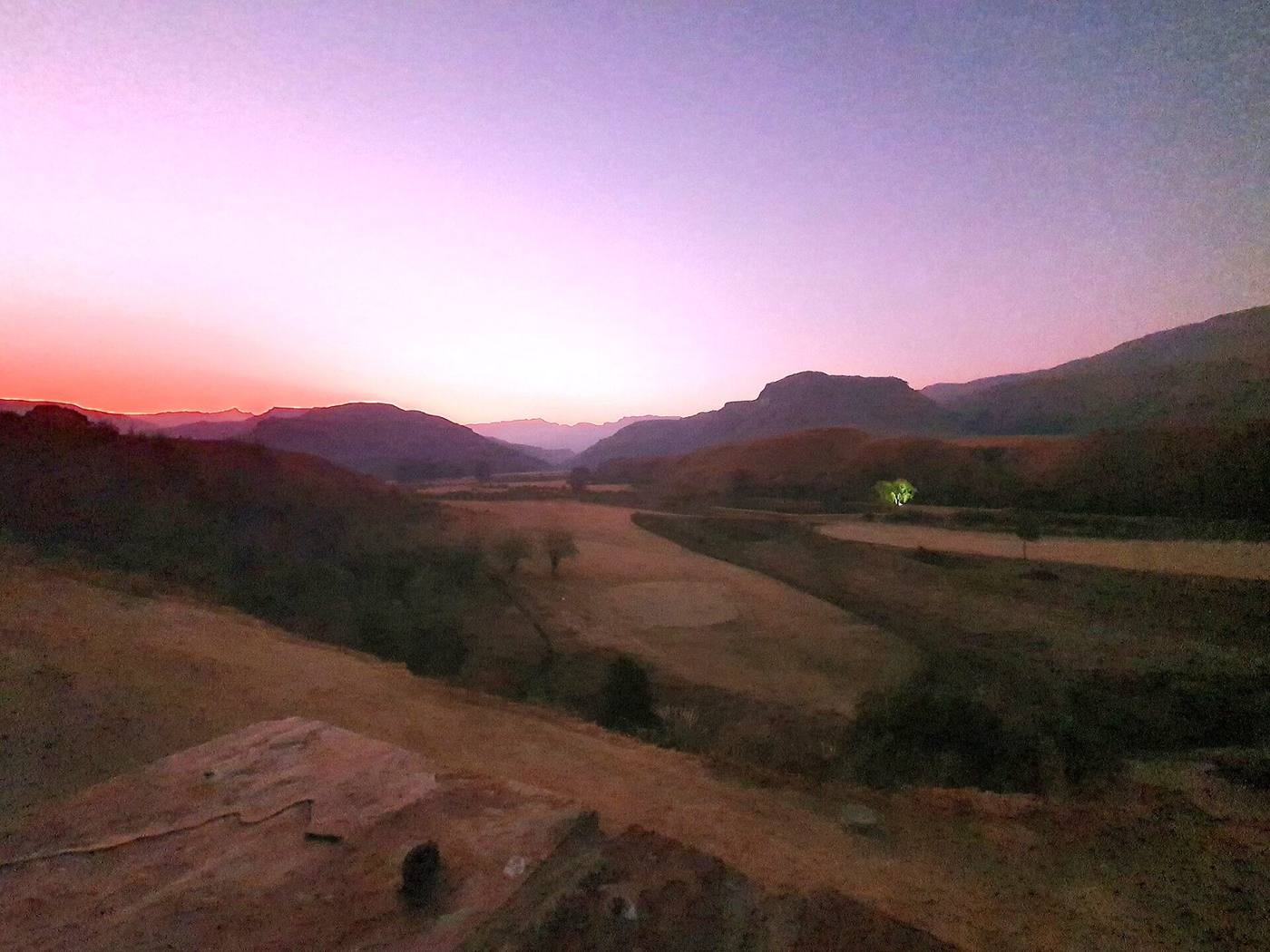
Southern Africa's most spectacular mountain road, from South Africa up to 2,876 metres, with the continent's highest pub and Basotho herders' villages.
 3 daysEasy
Katse and the highlands
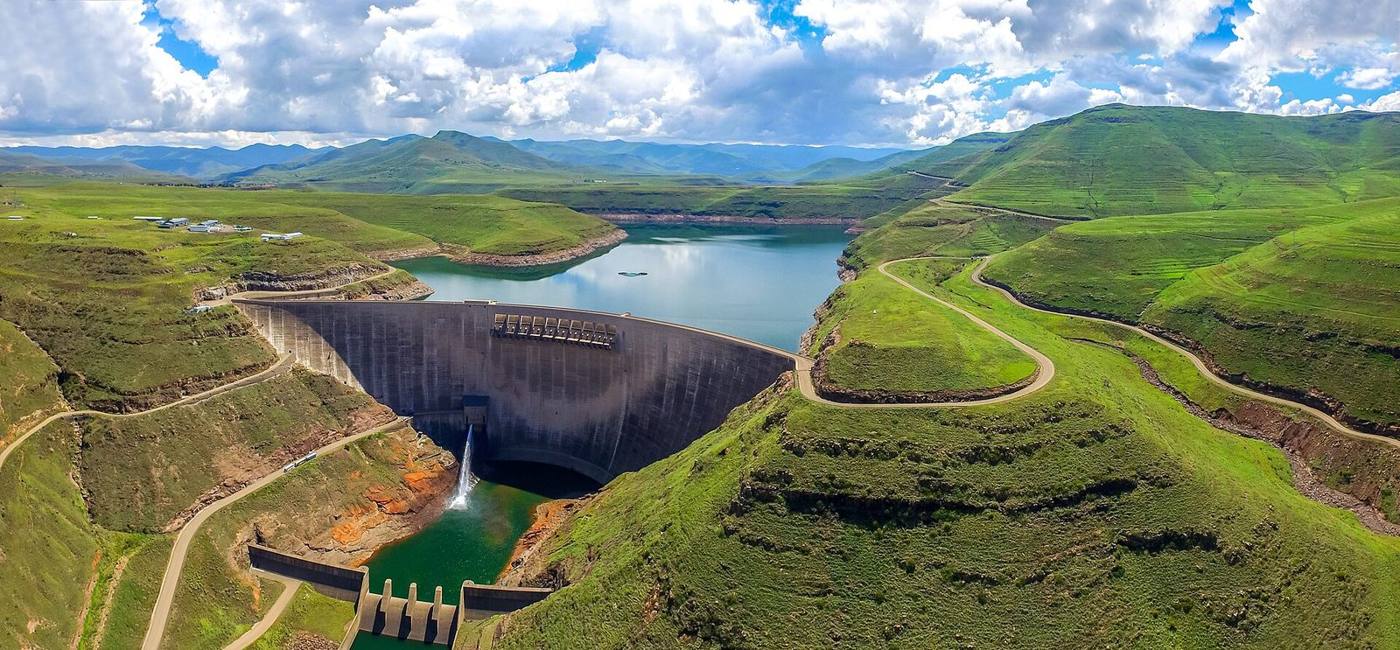
The great Katse dam among the mountains, passes above 3,000 metres, the mountain botanical garden and herders on horseback wrapped in Basotho blankets.
 3 daysModerate
Semonkong and Maletsunyane Falls
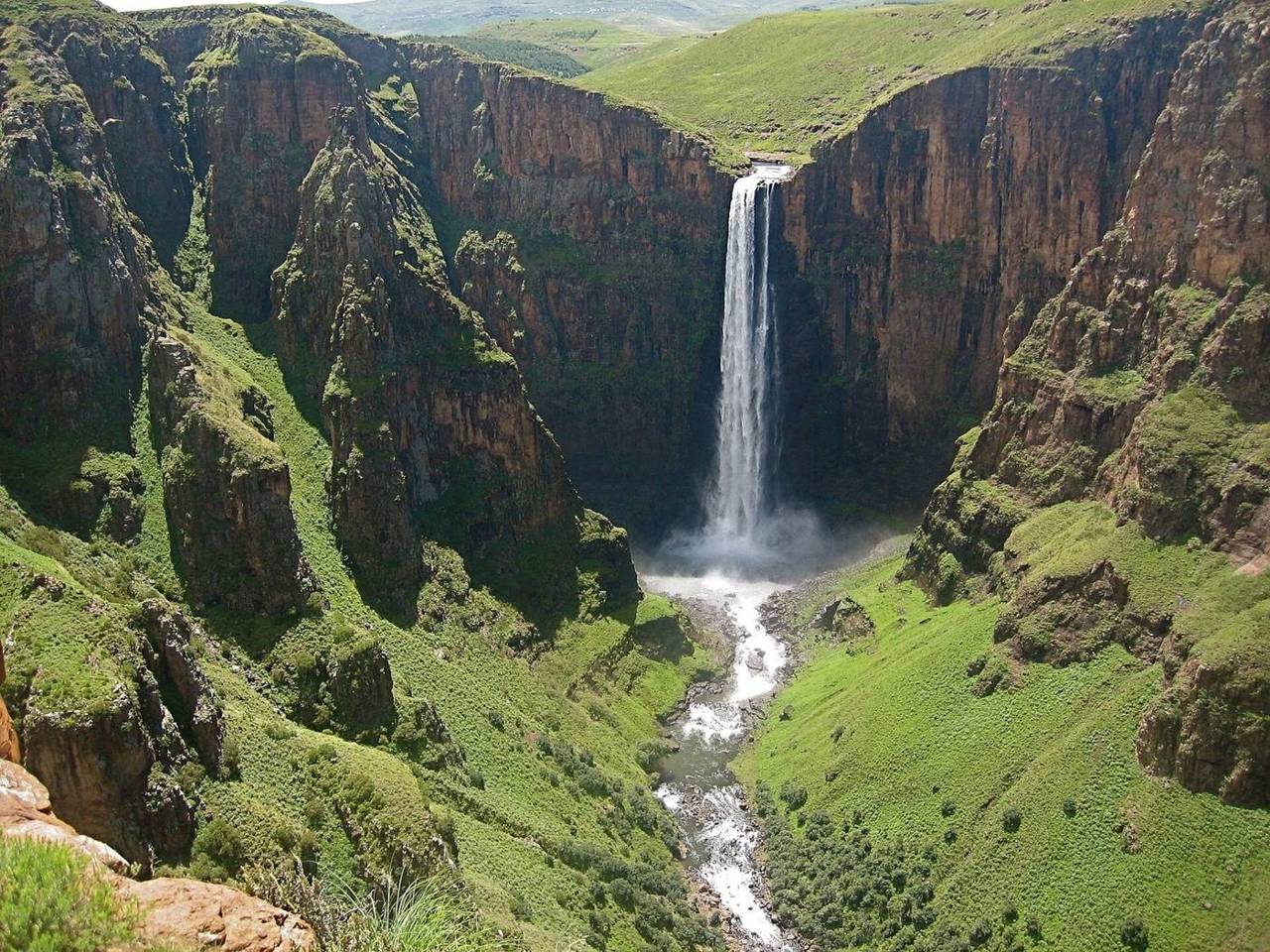
One of Africa's highest single-drop waterfalls, almost 200 metres, with walks and pony treks with Basotho guides and, for the brave, the abseil down.