The Gauja and Sigulda
The 'Latvian Switzerland': Gauja National Park, Turaida castle, sandstone caves and the medieval town of Cēsis.
- Riga
- Sigulda
- Turaida
- Gutmaņa ala
- Līgatne
- Cēsis
Day by day
- Day 1
Sigulda, the cable car and Turaida Castle
This trip takes you to Gauja National Park, the green valley that Latvians call, with a little exaggeration, the Latvian Switzerland: medieval castles, sandstone caves, a canoe trip on the river, a secret Soviet bunker and the medieval town of Cēsis. You travel by train, by bus, on foot and by canoe.
Before you go: Italian citizens can enter Latvia with an electronic identity card or a passport, with no visa needed. Latvia is in the European Union and the Schengen area, and the currency is the euro. Other nationalities should check their own rules. The country is safe; in Riga and at stations watch out for pickpockets. The borders with Russia and Belarus are closed or heavily restricted, but the Gauja valley is far from them. In the forests, from spring to autumn, there are ticks.
From Riga take the train to Sigulda: the journey takes just over an hour. In town visit the ruins of the medieval castle of the Livonian Order, next to the new castle, and look down over the valley.
Then take the cable car that crosses the Gauja valley to Krimulda: from the cabin you see the river, the forests and the red sandstone cliffs. Check prices and times, because it only runs in some seasons. From Krimulda walk down to the river and back up towards Turaida.
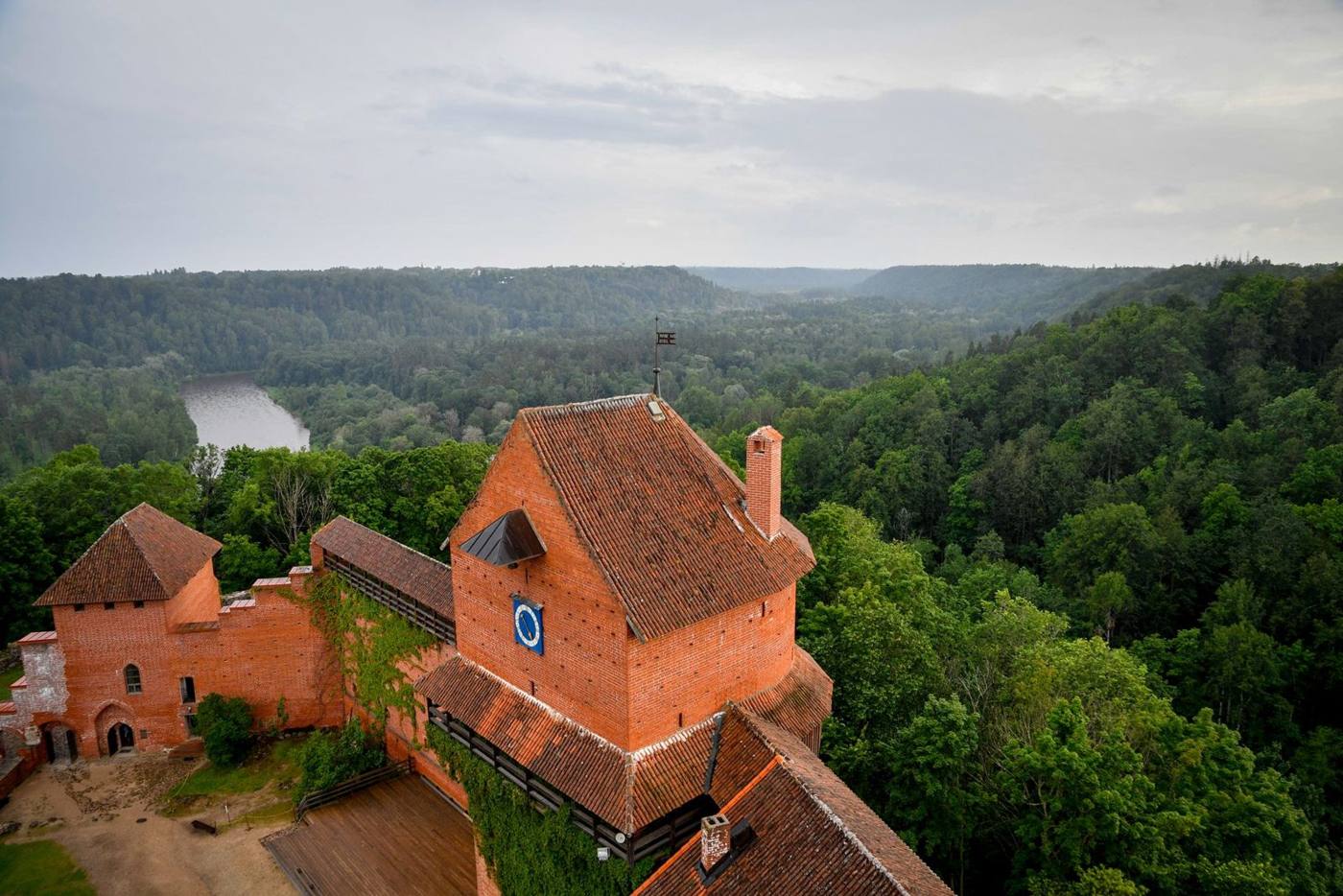
Turaida Castle, in red brick, was founded in 1214 by the Archbishop of Riga. Climb the tower for the view, then walk through the grounds to the grave of the Rose of Turaida under a lime tree and to the Folk Song Hill, with its stone sculptures. Check prices and times.
Practical tip: arrive at Turaida early in the morning or in the late afternoon, when the coach groups from Riga have already left.
- Day 2
Gutmanis Cave and canoeing on the Gauja
You spend the second day on the river, the heart of the park.
In the morning walk to Gutmanis Cave, below Turaida Castle, a few minutes from the road. It is the largest cave in the Baltic states, carved by water into the red sandstone. On the walls you see hundreds of inscriptions, names, dates and coats of arms carved by visitors over the centuries. A spring flows out of the cave: legend says its water heals, and that a healer called Gutmanis treated the sick here. Nearby there are other smaller caves, along well marked forest paths.
In the late morning hire a canoe or a kayak for a trip down the Gauja. In town there are several rental places that drive you upstream by van and let you float down with the current to Sigulda. The river is wide, the current is slow and there are no difficult rapids: it is a trip suitable for beginners too. Paddle between red sandstone banks, sandy beaches and forests of pine and birch. Stop for a picnic on one of the river beaches.
In the evening go back to Sigulda and have dinner with Latvian dishes: mushroom soup, meatballs, baked potatoes and kefir.
Practical tip: put your phone and documents in a dry bag and wear a life jacket, even if the river looks calm: in some stretches it is deep and the water is cold.
- Day 3
The secret bunker at Līgatne and Cēsis Castle
Today you discover two different sides of the valley: a Cold War secret and a medieval town.
In the morning go to Līgatne, half an hour from Sigulda. Under an old rehabilitation centre, hidden in the forest, there is a Soviet bunker built in the 1980s for the leaders of the Communist Party of Soviet Latvia in case of nuclear war. It stayed secret until the early 2000s. Today you visit it with a guide: you see the offices, the radio rooms, the telephones, the canteen and the ventilation systems, all left as they were. Entry is only by guided tour at fixed times: book and check prices and times.
After the visit, if you have time, take a walk through the old paper mill village of Līgatne, with its wooden workers' houses and cellars dug into the sandstone.
In the afternoon carry on to Cēsis, by train or by bus. The medieval castle was a seat of the Master of the Livonian Order. Climb the west tower with a lantern in your hand, up a dark, narrow staircase, and look out over the town's roofs. Then visit the new castle, with the history museum, and walk in the park.
In the evening stroll through the old town, between St John's Church, the square and the wooden houses.
Practical tip: inside the bunker it stays cool even in summer: bring a sweater.
- Day 4
A last morning in Cēsis and back to Riga
On the last day you enjoy Cēsis at a slow pace before returning to Riga.
In the morning walk along the path that leads down from the town into the Gauja valley, between sandstone rocks and forests. If you prefer to stay in town, visit the Victory Monument, which remembers the battle of 1919 in the War of Independence, and look round the market, with honey, cheeses, rye bread and berries.
Before lunch take the train to Riga, which follows the valley and reaches the city in a couple of hours. You have the afternoon for a walk in the old town or at the Central Market.
Trip summary: in four days you have seen the ruins of Sigulda Castle, the cable car over the valley, Turaida Castle and the Rose's grave, Gutmanis Cave, a canoe trip on the Gauja, the Soviet bunker at Līgatne and Cēsis Castle. It is an easy trip from Riga, with low hills, forests and rivers rather than real mountains. The name Latvian Switzerland is an exaggeration, but the valley is beautiful and peaceful.
When to go: from May to October. The best moment is early October, when the forests of birch, maple and oak turn yellow, orange and red. July and August are the best months for canoeing.
Practical tip: if you go in autumn, check the times of the cable car and the museums, because out of season they open on fewer days and close earlier.
An easy trip from Riga, especially pleasant in autumn with the colourful woods. The 'Switzerland' of the name is an exaggeration: it is a green valley with low hills. The Līgatne bunker is only visited on guided tours at set times.
Before you go
- Documents and visa
- EU citizens need a valid identity card or passport: Latvia is in the EU and the Schengen area. Other nationalities should check the Schengen rules and the Entry/Exit System.
- Health and vaccines
- No vaccines required. EU citizens should bring their EHIC, plus insurance covering medical costs and repatriation. Throughout the country, from spring to autumn, forests and meadows have ticks that can carry encephalitis: if you camp, canoe or hike, ask your doctor about the vaccine. Emergencies: 112.
- Money and payments
- Euro. Cards and phone payments are accepted almost everywhere; carry some cash for markets and small rest areas in the countryside.
- Power sockets
- Types C and F, 230 volts: you need an adapter for British plugs.
- Time zone
- Eastern European Time (UTC+2, summer UTC+3).
- Safety
- A safe country, with pickpocketing and bag snatching in Riga's Old Town, at the Central Market and at stations; watch your drinks and beware of card fraud. The border with Belarus is closed or heavily restricted, with closures at short notice, and the area within 2 km of it requires a special licence from the State Border Guard; crossings into Russia are also reduced. Do not try to cross these borders. Some Ukrainian drones aimed at Russia have crossed into Latvian airspace: follow official guidance. Official advice: GOV.UK.
Information checked in November 2026 for Italian and EU citizens. Rules change: always check before you travel.
Variations
Shorter version: in one day from Riga you see Sigulda, Turaida and Gutmanis Cave.
Longer version: add two days of canoeing from Valmiera to Sigulda, with nights at riverside campsites.
Frequently asked questions
Do you need a car for the Gauja valley?
No, the train links Riga with Sigulda and Cēsis, and local buses reach Līgatne and Turaida. A car gives you more flexibility with times.
Is canoeing on the Gauja difficult?
No, the river is wide and the current is slow, with no difficult rapids. It is suitable for beginners, but always wear a life jacket.
Can you visit the Līgatne bunker without a guide?
No, entry is only by guided tour at fixed times. Book ahead, especially in summer, and check prices and times.
Indicative itinerary written by World Atlas. Before booking, check timetables, seasonal openings, documents and safety.
 5 daysEasy
Courland and the coast
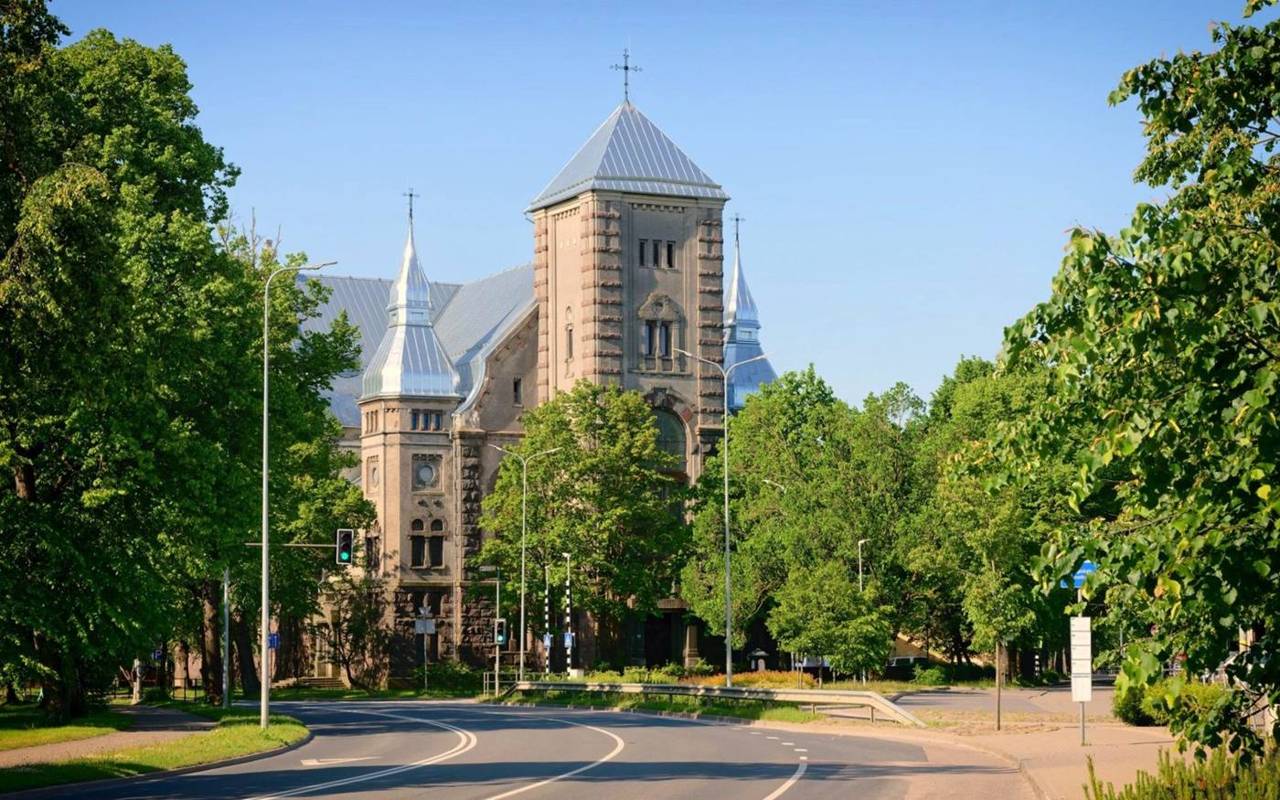
The baroque Rundāle Palace, Europe's widest waterfall at Kuldīga, Liepāja and Cape Kolka where the gulf meets the Baltic.
 5 daysEasy
Latgale and the lakes
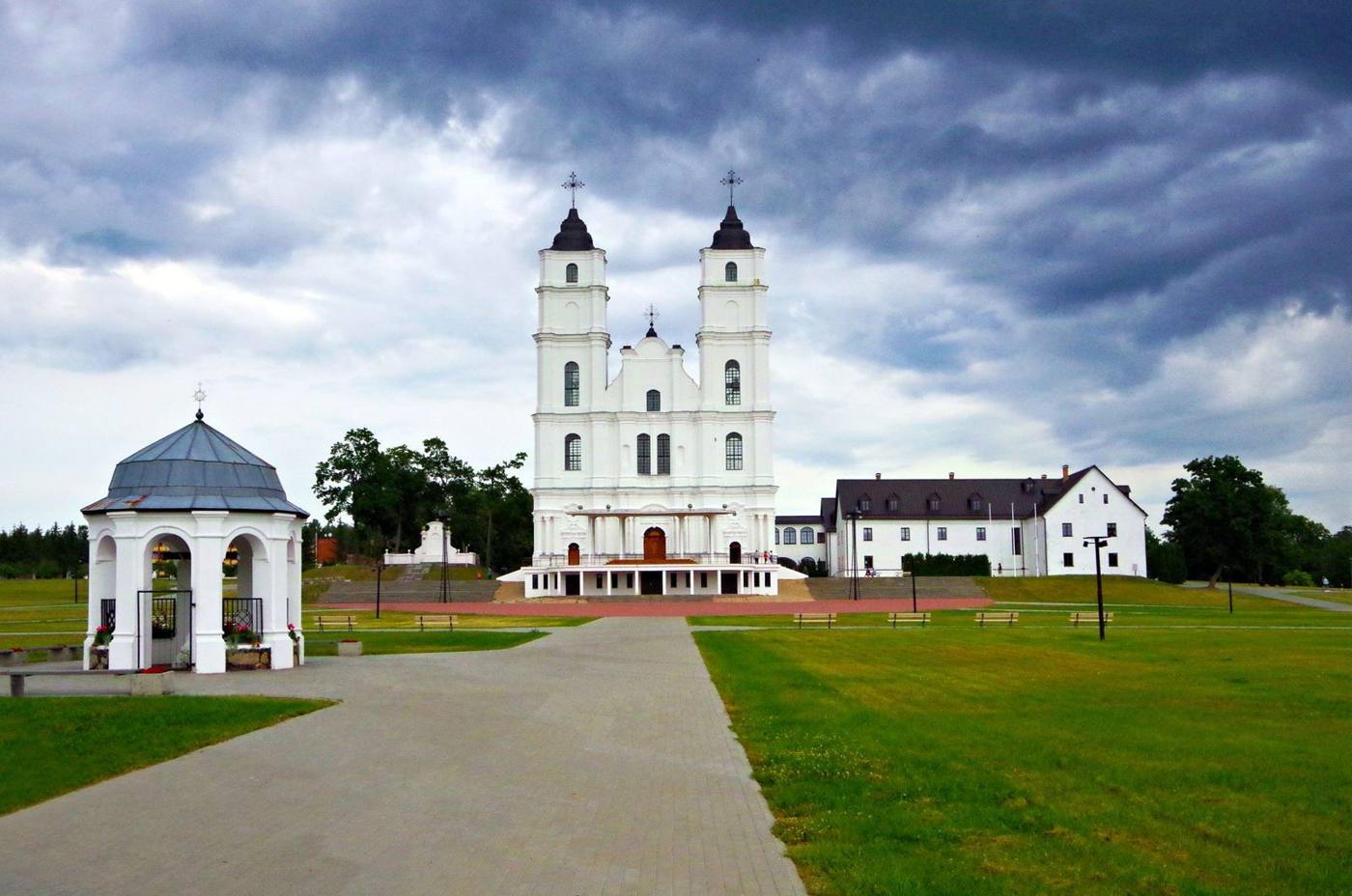
The land of blue lakes: Daugavpils with the Rothko Museum in the fortress, Aglona basilica, Lake Rāzna and Latgale ceramics.
 2 daysEasy
Ķemeri and the bog
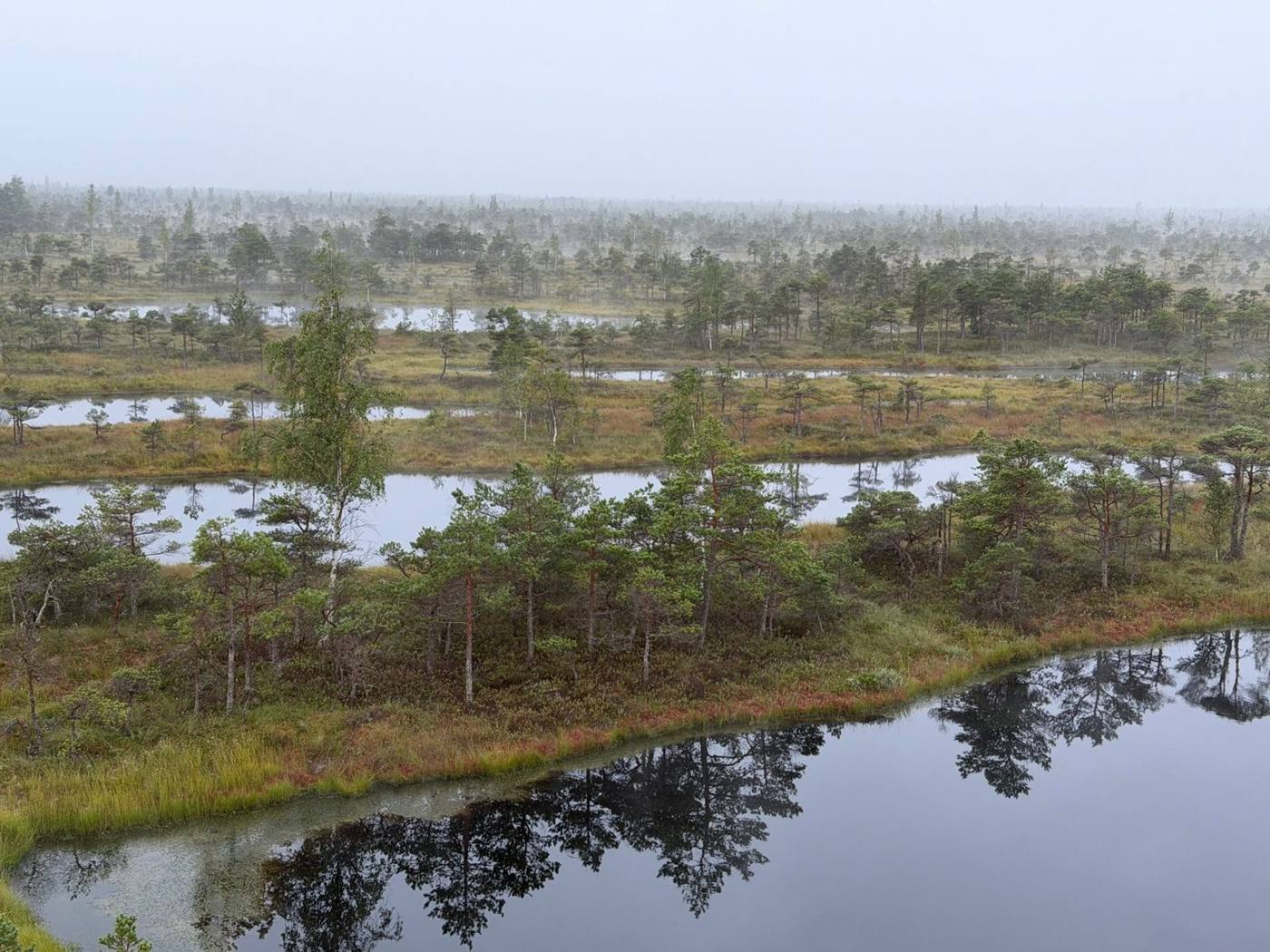
Ķemeri National Park half an hour from Riga: the boardwalk over the great bog at dawn, sulphur springs and the old spa building.