Latgale and the lakes
The land of blue lakes: Daugavpils with the Rothko Museum in the fortress, Aglona basilica, Lake Rāzna and Latgale ceramics.
- Daugavpils
- Aglona
- Rāzna
- Rēzekne
Day by day
- Day 1
Daugavpils, the fortress and the Rothko centre
This trip takes you to Latgale, the region of blue lakes in eastern Latvia: Daugavpils with its fortress and the art centre dedicated to Mark Rothko, the basilica of Aglona, Lake Rāzna, the hill of Mākoņkalns and the pottery of Rēzekne. It is the most rural and Catholic part of Latvia, little known to foreigners. You need a car.
Before you go: Italian citizens can enter Latvia with an electronic identity card or a passport, with no visa needed. Latvia is in the European Union and the Schengen area, and the currency is the euro. Other nationalities should check their own rules. The country is safe. The border with Belarus is closed or heavily restricted, and to enter the zone within 2 km of the border you need a permit from the State Border Guard; crossings into Russia are also reduced. Do not try to cross these borders. The stops on this route stay outside the border zone: Daugavpils is about 20 km from Belarus, Aglona about 30, Lake Rāzna about 20 from Belarus and between 10 and 20 from Russia. Do not follow back roads east or south beyond the stops, and respect the border zone signs.
From Riga drive for about three hours south east, along the Daugava, to Daugavpils, the country's second city. In the afternoon go into the fortress, built in the nineteenth century for the Russian Empire, with its bastions, barracks and monumental gates. In the old arsenal is the art centre dedicated to Mark Rothko, the great abstract painter born here in 1903 who emigrated to the United States as a child. You see some of his original canvases, lent by his family, and contemporary art exhibitions. Check prices and times.
Practical tip: in Daugavpils many people speak mainly Russian; learn a few greetings in Latvian and keep a translation app handy on your phone.
- Day 2
Church Hill and the bends of the Daugava
On the second day you discover the city of many faiths and the great river.
In the morning go up to Church Hill, in the Jaunbūve district. Within a few hundred metres you find four churches of four different faiths: the Lutheran cathedral, the Catholic church, the Orthodox cathedral of Saints Boris and Gleb, with its onion domes, and the church of the Old Believers, an Orthodox community that split from the Russian Church in the seventeenth century. It is a portrait of the history of Daugavpils, a city of Latvians, Russians, Poles, Belarusians and Jews.
Then walk through the centre, along the pedestrian Rīgas Street, with its nineteenth century red brick buildings, and visit the local history and art museum. Check prices and times.
In the afternoon drive for about twenty minutes east, on the north bank of the river, to the Daugava Bends nature park. Here the river traces great curves between hills and forests. From the Vasargelišķi viewpoint you see the bends from above, one of the best known views in Latvia. Walk the trails through meadows and pines, then visit the small museum at Naujene, about country life in Latgale.
In the evening go back to Daugavpils to sleep.
Practical tip: at the Daugava Bends park stay on the north bank and on the roads signposted for visitors; do not continue towards Krāslava and the border, which comes very close there.
- Day 3
Aglona, the basilica and its lakes
Today you enter the Catholic heart of Latgale, among forests and lakes.
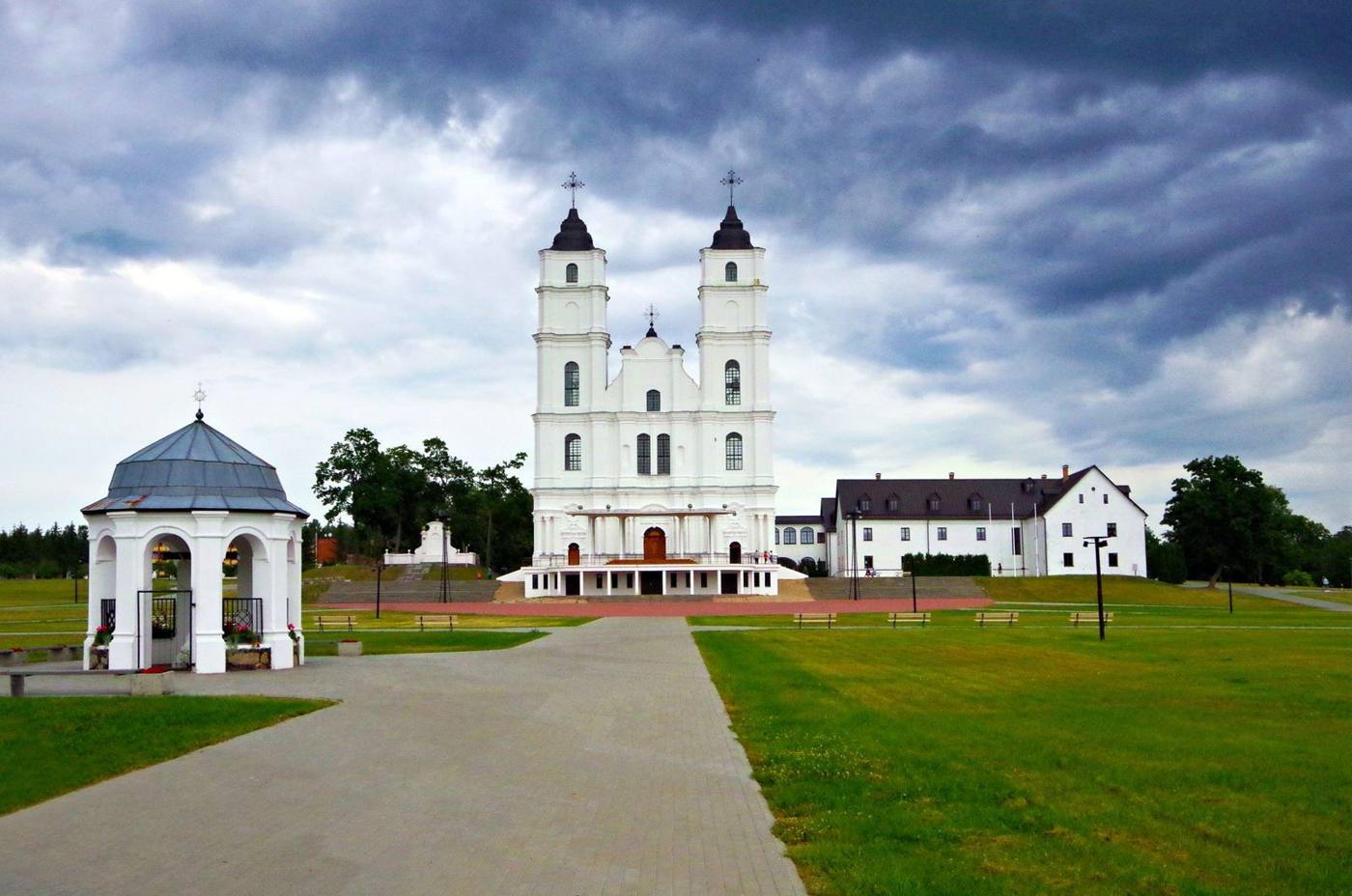
In the morning drive north east for about an hour to Aglona, a village between two lakes, Cirīšs and Egles. Here stands the Basilica of the Assumption, the most important Catholic shrine in the Baltic states. It was built in the eighteenth century, in Baroque style, with two white towers rising above the lawn. Inside you see the icon of Our Lady of Aglona, venerated for centuries. In 1993 Pope John Paul II came here on pilgrimage. Every 15 August, for the Assumption, tens of thousands of pilgrims arrive from all over the country and from neighbouring countries.
Visit the church, then walk across the great lawn to the spring, where pilgrims collect water.
In the afternoon take a walk round Lake Cirīšs, with its islands and forested shores. If it is hot, swim at one of the lake's beaches, where the water is clean and calm. In the village try rye bread baked in a wood fired oven, a Latgale tradition.
In the evening sleep in Aglona or nearby, in a country house by the lake.
Practical tip: if you want to go to Aglona on 15 August, book your accommodation months ahead and arrive early, because the roads fill up from the evening before.
- Day 4
Lake Rāzna and the hill of Mākoņkalns
You spend the fourth day in Rāzna National Park, among hills, forests and water.
In the morning drive north east to the hill of Mākoņkalns, the cloud hill, on the western side of Lake Rāzna. Walk up the path to the top, where the ruins of a medieval castle of the Livonian Order remain. From the top you see the lake, the forests and the hills of Latgale stretching to the horizon.
Then go down to the lake. Rāzna is one of the largest lakes in Latvia, so large that locals call it the sea of Latgale. It has clear water, sandy beaches and low shores with reed beds. Swim from one of the beaches on the west or north shore, hire a rowing boat or walk the park's trails, through pine forests and farms.
In the afternoon, for another view, climb the wooden tower on the hill of the Great Lime Tree, near the lake, from which you see the water and the islands. Then drive to Rēzekne, about half an hour away, where you sleep.
Practical tip: stay on the west and north shores of the lake and on the main roads; the east shore is the closest to the Russian border, and there is nothing there worth the risk of straying into a border zone by mistake.
- Day 5
Rēzekne, Latgale pottery and the return
On the last day you discover Rēzekne, the centre of Latgale culture, and return to Riga.
In the morning start at the monument of the Māra of Latgale, a female figure holding a cross, a symbol of the region's freedom. It was pulled down twice in the Soviet era and raised again in 1992. Then climb the castle hill, with the few ruins of a medieval fortress and a view over the river.
Then visit the Latgale Culture and History Museum, with a large collection of pottery. Latgale pottery is famous throughout Latvia: vases, jugs and many branched candlesticks, in dark clay or with green, yellow and brown glazes. If you like, visit a potter's workshop in town or in the nearby villages and buy a handmade piece. Check prices and times.
In the afternoon drive back to Riga, about three and a half hours on the road, or take the train.
Trip summary: in five days you have seen the Daugavpils fortress and the Rothko centre, Church Hill, the bends of the Daugava, the basilica of Aglona, Lake Rāzna and the castle of Mākoņkalns, and the pottery of Rēzekne. This is Latvia at its most rural, Catholic and peaceful. Speaking a little Russian or Latvian helps.
When to go: from June to September, for swimming in the lakes and long days. On 15 August there is the great pilgrimage to Aglona.
Practical tip: carry cash for markets, workshops and country houses, because in the villages cards are not always accepted.
Latvia at its most rural and Catholic, almost unknown to foreigners. The Rothko Museum shows original works by the painter born in Daugavpils, the only ones on permanent display in Eastern Europe. A car is needed and a little Russian or Latvian helps.
Before you go
- Documents and visa
- EU citizens need a valid identity card or passport: Latvia is in the EU and the Schengen area. Other nationalities should check the Schengen rules and the Entry/Exit System.
- Health and vaccines
- No vaccines required. EU citizens should bring their EHIC, plus insurance covering medical costs and repatriation. Throughout the country, from spring to autumn, forests and meadows have ticks that can carry encephalitis: if you camp, canoe or hike, ask your doctor about the vaccine. Emergencies: 112.
- Money and payments
- Euro. Cards and phone payments are accepted almost everywhere; carry some cash for markets and small rest areas in the countryside.
- Power sockets
- Types C and F, 230 volts: you need an adapter for British plugs.
- Time zone
- Eastern European Time (UTC+2, summer UTC+3).
- Safety
- A safe country, with pickpocketing and bag snatching in Riga's Old Town, at the Central Market and at stations; watch your drinks and beware of card fraud. The border with Belarus is closed or heavily restricted, with closures at short notice, and the area within 2 km of it requires a special licence from the State Border Guard; crossings into Russia are also reduced. Do not try to cross these borders. Some Ukrainian drones aimed at Russia have crossed into Latvian airspace: follow official guidance. Official advice: GOV.UK.
Information checked in November 2026 for Italian and EU citizens. Rules change: always check before you travel.
Variations
Shorter version: in three days you see Daugavpils, the Rothko centre and Aglona.
Longer version: add two days on the lakes of Rāzna National Park, staying in a country house by the water.
Frequently asked questions
Is a trip to Latgale safe, near the borders?
Yes, if you stay on the stops of this route, all outside the zone within 2 km of the border, where a permit is needed. Do not go near the borders with Belarus and Russia and do not try to cross them.
What can you see at the Rothko centre in Daugavpils?
Some original canvases by Mark Rothko, lent by his family, material about his life and contemporary art exhibitions. Check prices and times on the official website.
When is the Aglona pilgrimage?
On 15 August, for the Assumption. Tens of thousands of pilgrims arrive: book well in advance.
Indicative itinerary written by World Atlas. Before booking, check timetables, seasonal openings, documents and safety.
 2 daysEasy
Ķemeri and the bog
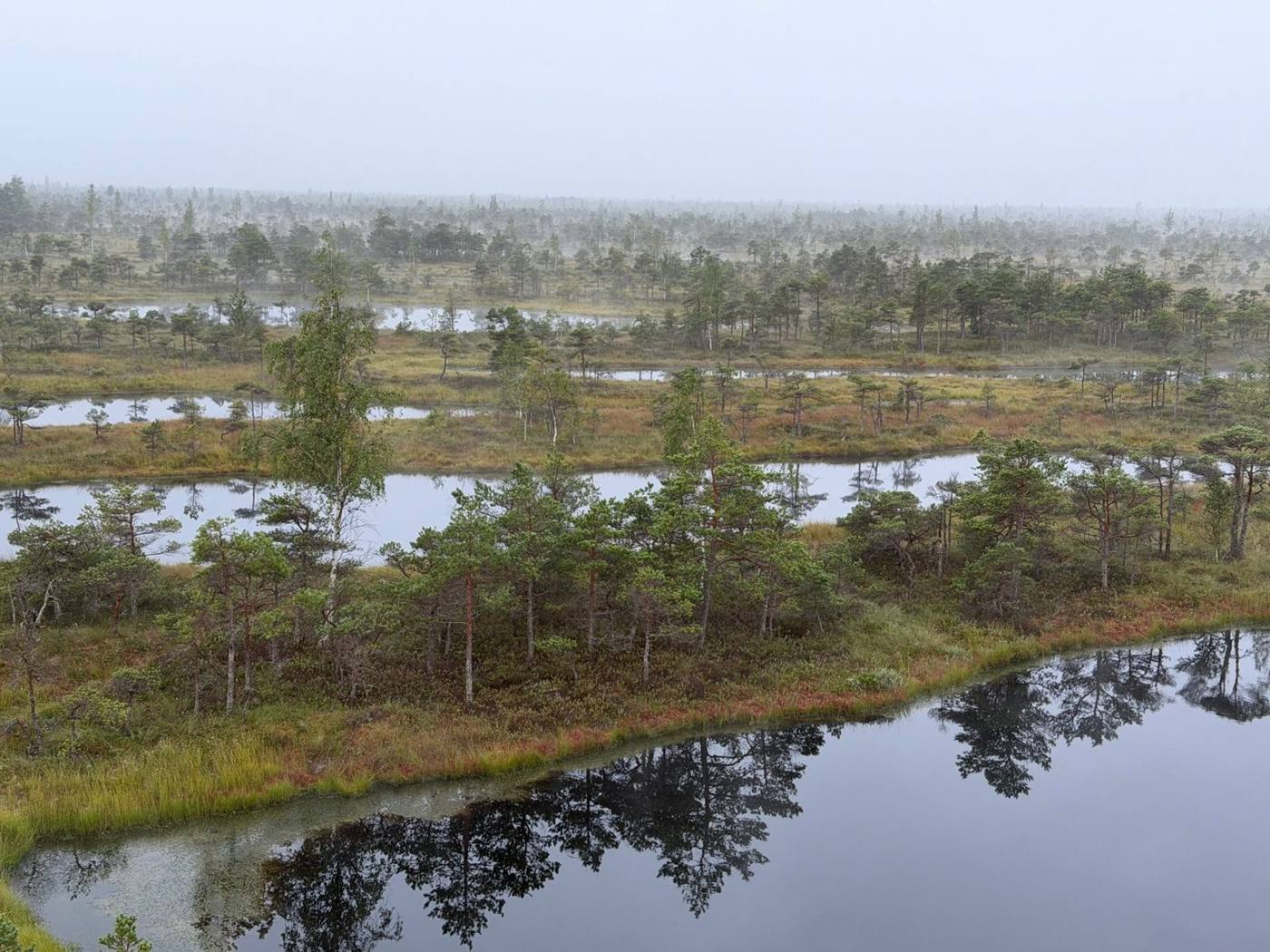
Ķemeri National Park half an hour from Riga: the boardwalk over the great bog at dawn, sulphur springs and the old spa building.
 4 daysEasy
The Vidzeme coast
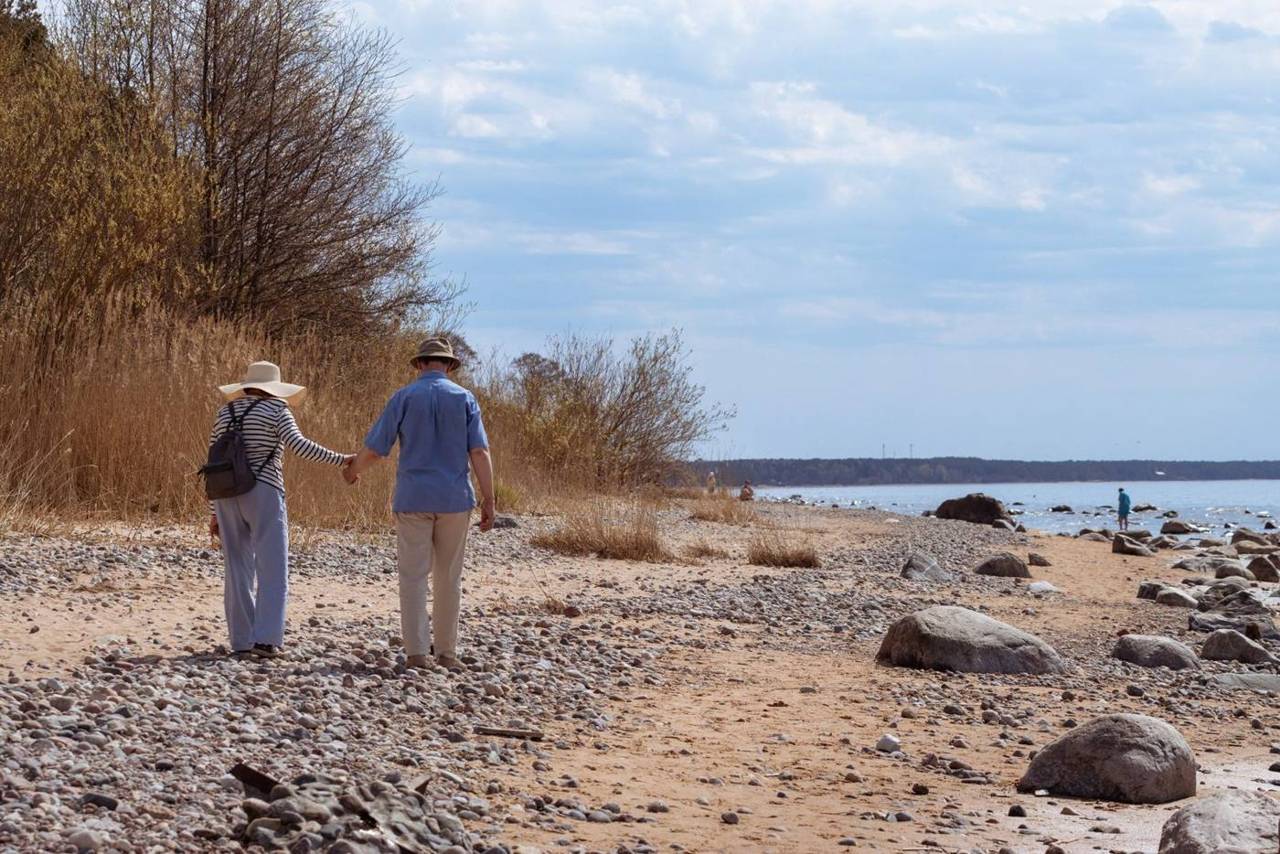
The red cliffs of Veczemji, the stony beaches of Tūja, the fishing village of Salacgrīva and the North Vidzeme bog, towards the Estonian border.
 3 daysEasy
Riga in winter
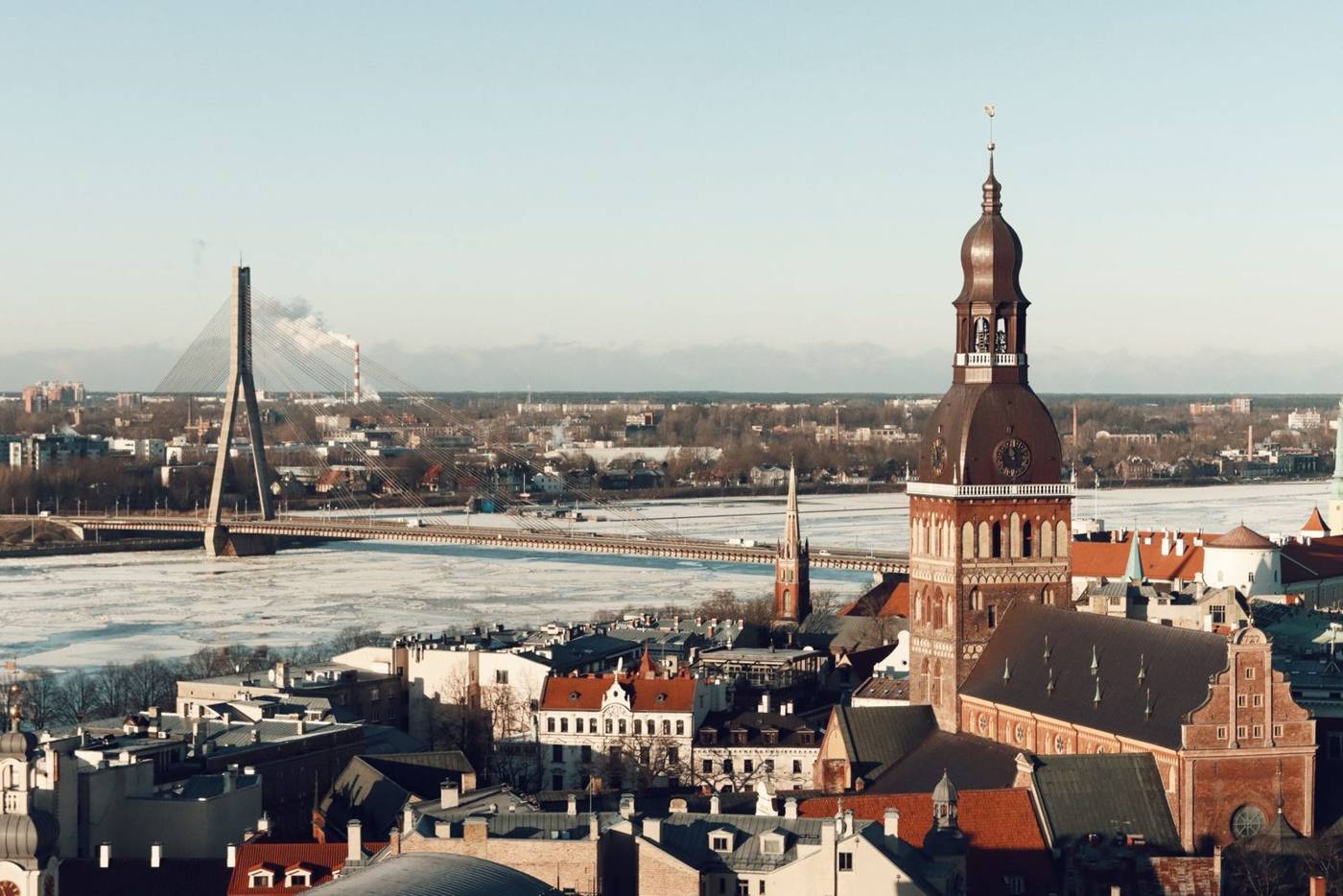
Riga under snow: the Christmas market at the Dome, the first decorated Christmas tree in history according to local tradition, hot Black Balsam and garden saunas.