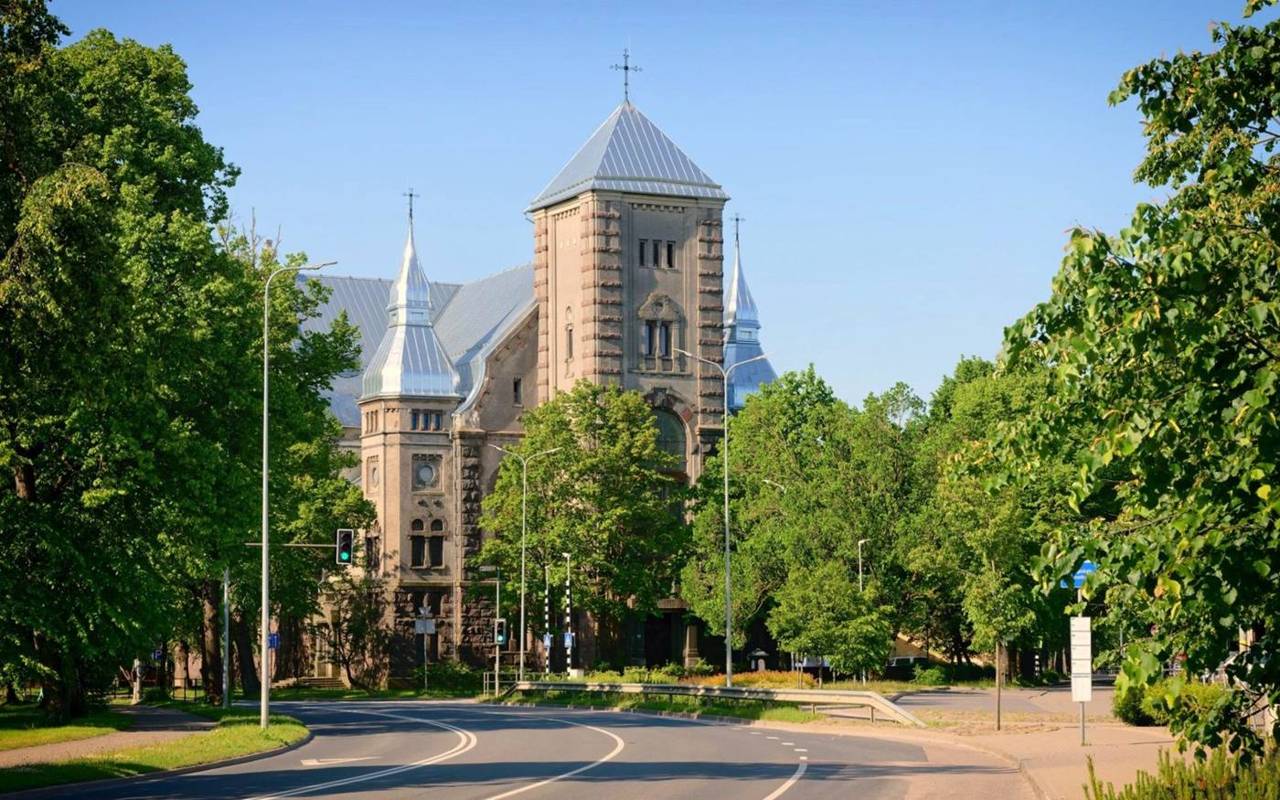
Courland and the coast
The baroque Rundāle Palace, Europe's widest waterfall at Kuldīga, Liepāja and Cape Kolka where the gulf meets the Baltic.
- Riga
- Rundāle
- Kuldīga
- Liepāja
- Pāvilosta
- Ventspils
- Kolka
Day by day
- Day 1
Rundāle Palace and its gardens
This trip takes you to western Latvia, Courland: the Baroque palace of Rundāle, the widest waterfall in Europe at Kuldīga, the seaside city of Liepāja with the old military prison of Karosta, the villages of the Baltic coast and Cape Kolka, where the Gulf of Riga meets the open sea. You travel by car, on good, quiet roads.
Before you go: Italian citizens can enter Latvia with an electronic identity card or a passport, with no visa needed. Latvia is in the European Union and the Schengen area, and the currency is the euro. Other nationalities should check their own rules. The country is safe; in Riga and at stations watch out for pickpockets. The borders with Russia and Belarus are closed or heavily restricted, but Courland is far from them. An Italian driving licence is valid; keep your headlights on during the day too, as Latvian law requires.
From Riga drive south for about an hour and a half to Rundāle. The palace was designed by the architect Bartolomeo Rastrelli, who also built the Winter Palace in St Petersburg, for Ernst Johann von Biron, Duke of Courland, starting in 1736. Visit the state rooms, with the Gold Hall, the White Hall with its stucco work and the Duke's apartments. Check prices and times.
Then walk in the French garden, with its avenues, geometric hedges and a large rose garden with hundreds of varieties, which blooms between June and August.
In the afternoon drive west, through the fields and forests of Courland, to Kuldīga, where you sleep.
Practical tip: buy the combined ticket for the palace and the garden, and arrive early: in summer the groups from Riga arrive around midday.
- Day 2
Kuldīga, the Ventas Rumba waterfall and the brick bridge
You spend the second day in Kuldīga, one of the prettiest small towns in Latvia.
In the morning go to the Ventas Rumba waterfall, on the Venta river. It is the widest waterfall in Europe, more than two hundred metres from bank to bank, but it is low, less than two metres. It does not impress with its height but with its setting: the wide river, the green banks and the old red brick bridge a little downstream. In spring, if you are lucky, you see fish leaping up the waterfall to swim upstream. In summer, when the water is low, many people walk carefully along the edge of the falls.
Then cross the brick bridge, built in 1874, one of the longest brick bridges in Europe. From the other side you see the waterfall and the town together.
In the afternoon walk through the historic centre, a UNESCO World Heritage Site since 2023, with wooden houses and tiled roofs along the Alekšupīte stream, which runs through the streets and courtyards. Follow the stream to its small waterfall, which is higher than the Ventas Rumba. Visit the Kuldīga museum, in a wooden villa near the river. Check prices and times.
In the evening eat dishes from Courland: rye bread, fish soup, potatoes with curd cheese and sour cream.
Practical tip: if you want to walk along the edge of the waterfall, do it only when the water is low, barefoot or in water shoes, and never alone: the rock is smooth and slippery.
- Day 3
Liepāja and the Karosta military prison
Today you reach the sea, in the windiest city in Latvia.
In the morning drive for about an hour and a half to Liepāja, on the Baltic coast. Start in the Karosta district, north of the centre: it was a naval port built at the end of the nineteenth century for the Tsar's fleet and later used by the Soviet army, closed to foreigners until 1991. You see the barracks, the Soviet apartment blocks and the great Orthodox Cathedral of St Nicholas, with its golden domes.
Visit the Karosta military prison, used by the Tsarist navy, the Soviet army and then the Latvian army until the 1990s. Today it is a museum: you see the cells, the corridors and the prisoners' writing on the walls. You can choose a classic tour or a tour with actors who treat you like a prisoner. Check prices and times.
In the afternoon walk to the northern pier and to the remains of the coastal forts, concrete blocks broken by the waves along the beach. Then go back to the centre and stroll through the seaside park and along Liepāja's wide white sand beach, one of the finest on the coast.
In the evening take a walk in the centre, with its wooden houses and the modern concert hall, made of amber coloured glass.
Practical tip: at the northern forts do not climb on the wet concrete blocks and do not go into the ruins, because they are unstable and the sea can be strong.
- Day 4
Pāvilosta, Ventspils and Cape Kolka
On the fourth day you travel up the whole Baltic coast, from the south to the northern tip of Courland.
In the morning drive north to Pāvilosta, a small fishing and surfing harbour, with low houses, a pier and a wide, windswept beach. Continue along the coast and stop at the cliffs of Jūrkalne, walls of sand and clay high above the sea, with wooden steps leading down to the beach.
At midday you reach Ventspils, a tidy, green port city. Visit the castle of the Livonian Order, one of the oldest in Latvia, now a museum. Then walk through the centre, among the colourful cow statues, and along the seafront to the pier. If you have time, go into the open air seaside museum, with fishermen's houses and boats. Check prices and times.
In the afternoon carry on north through the forests of Slītere National Park to Cape Kolka. Here Latvia ends in a spit of sand, where the waves of the Gulf of Riga and those of the Baltic meet. Offshore you see the old lighthouse, on an artificial island. Along the road you pass through the villages of the Livonian coast, home to a small people of fishermen with their own language.
In the evening sleep in Kolka or in the nearby villages.
Practical tip: at Cape Kolka do not swim off the tip: the currents where the two seas meet are strong and dangerous.
- Day 5
The gulf road and back to Riga
On the last day you return to Riga along the coast of the gulf, with forest on one side and the sea on the other.
In the morning walk one of the trails in Slītere National Park, among forested dunes, marshes and ancient shorelines. From the old Slītere lighthouse tower, inland, you see the forest stretching to the coast. Check prices and times.
Then take the road heading south along the Gulf of Riga. You pass through Roja, Mērsrags and Engure, small fishing villages with harbours, nets and smokehouses. Stop to taste freshly smoked fish, Baltic herring or eel. At Engure there is a coastal lake with a tower for watching birds.
In the afternoon you reach Riga, about three hours from Kolka without stops.
Trip summary: in five days you have seen Rundāle Palace and its rose garden, the Ventas Rumba waterfall and the brick bridge at Kuldīga, Karosta prison and the beach at Liepāja, the cliffs of Jūrkalne, the castle at Ventspils, Cape Kolka and the Livonian coast. This is Latvia at its quietest, with empty beaches and small towns. You need a car.
When to go: from June to September, when the days are long and the museums are open every day. In June the rose garden at Rundāle is in bloom.
Practical tip: fill up with fuel in Ventspils or Talsi before Kolka, because there are few petrol stations on the northern coast.
Latvia at its quietest, with empty beaches and small towns. The Kuldīga waterfall is wide but low, under two metres: it is beautiful for its setting, not its height. A car is needed; roads are good and quiet.
Before you go
- Documents and visa
- EU citizens need a valid identity card or passport: Latvia is in the EU and the Schengen area. Other nationalities should check the Schengen rules and the Entry/Exit System.
- Health and vaccines
- No vaccines required. EU citizens should bring their EHIC, plus insurance covering medical costs and repatriation. Throughout the country, from spring to autumn, forests and meadows have ticks that can carry encephalitis: if you camp, canoe or hike, ask your doctor about the vaccine. Emergencies: 112.
- Money and payments
- Euro. Cards and phone payments are accepted almost everywhere; carry some cash for markets and small rest areas in the countryside.
- Power sockets
- Types C and F, 230 volts: you need an adapter for British plugs.
- Time zone
- Eastern European Time (UTC+2, summer UTC+3).
- Safety
- A safe country, with pickpocketing and bag snatching in Riga's Old Town, at the Central Market and at stations; watch your drinks and beware of card fraud. The border with Belarus is closed or heavily restricted, with closures at short notice, and the area within 2 km of it requires a special licence from the State Border Guard; crossings into Russia are also reduced. Do not try to cross these borders. Some Ukrainian drones aimed at Russia have crossed into Latvian airspace: follow official guidance. Official advice: GOV.UK.
Information checked in November 2026 for Italian and EU citizens. Rules change: always check before you travel.
Variations
Shorter version: in three days from Riga you see Rundāle, Kuldīga and Liepāja.
Longer version: add two days in Ventspils and on the Livonian coast, to walk at a gentle pace in Slītere National Park.
Frequently asked questions
Do you need a car for Courland?
Yes, it is the best way. There are buses between the main towns, but for Rundāle, Jūrkalne and Cape Kolka a car is far more convenient.
Is the Kuldīga waterfall worth the trip?
Yes, but not for its height: it is more than two hundred metres wide and less than two metres high. It is beautiful for the river, the brick bridge and the historic town around it.
Can you sleep in Karosta prison?
The prison offers night experiences in the cells, which are very basic. Check prices, times and availability on the official website.
Indicative itinerary written by World Atlas. Before booking, check timetables, seasonal openings, documents and safety.
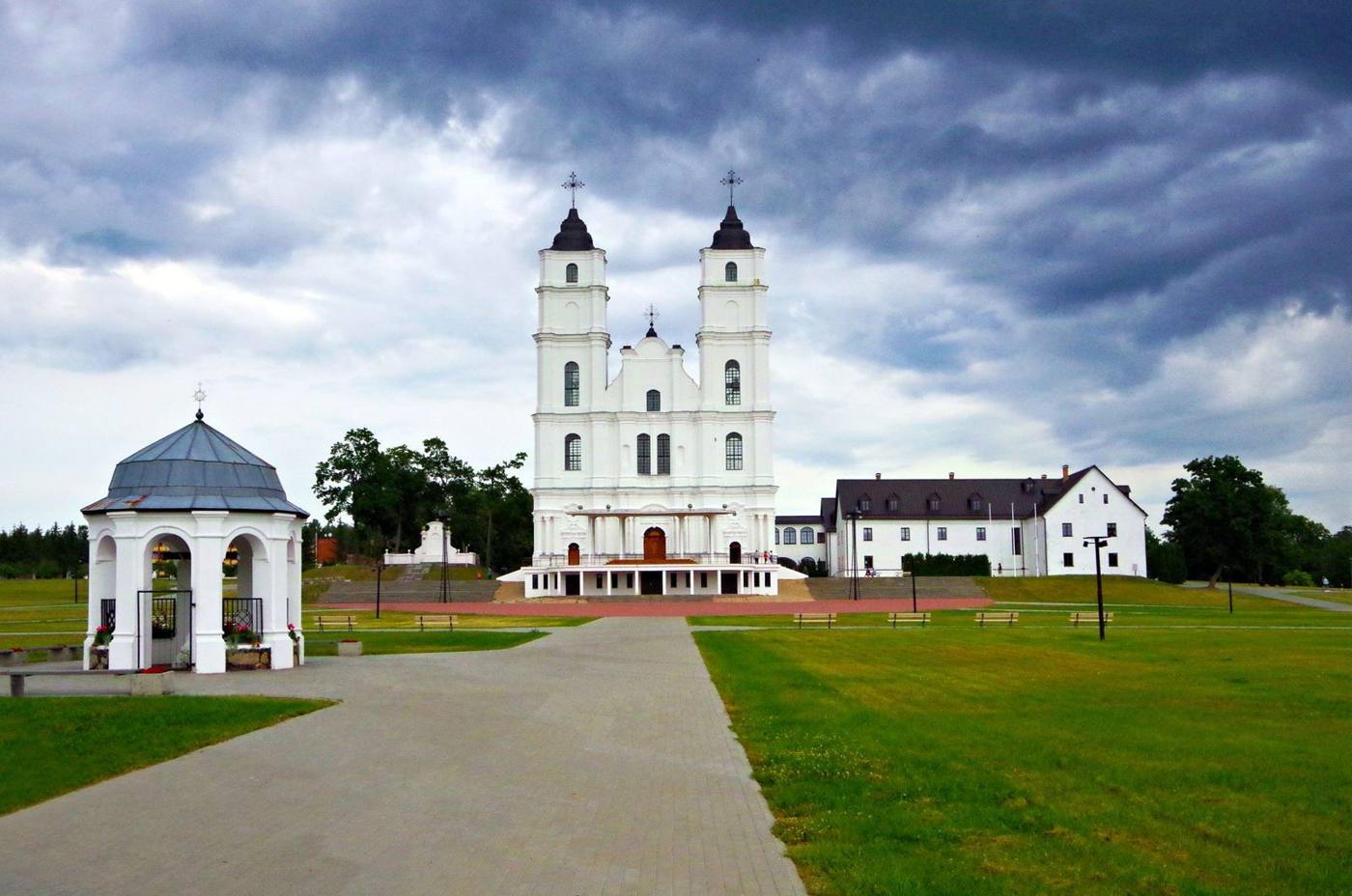 5 daysEasy
Latgale and the lakes
The land of blue lakes: Daugavpils with the Rothko Museum in the fortress, Aglona basilica, Lake Rāzna and Latgale ceramics.
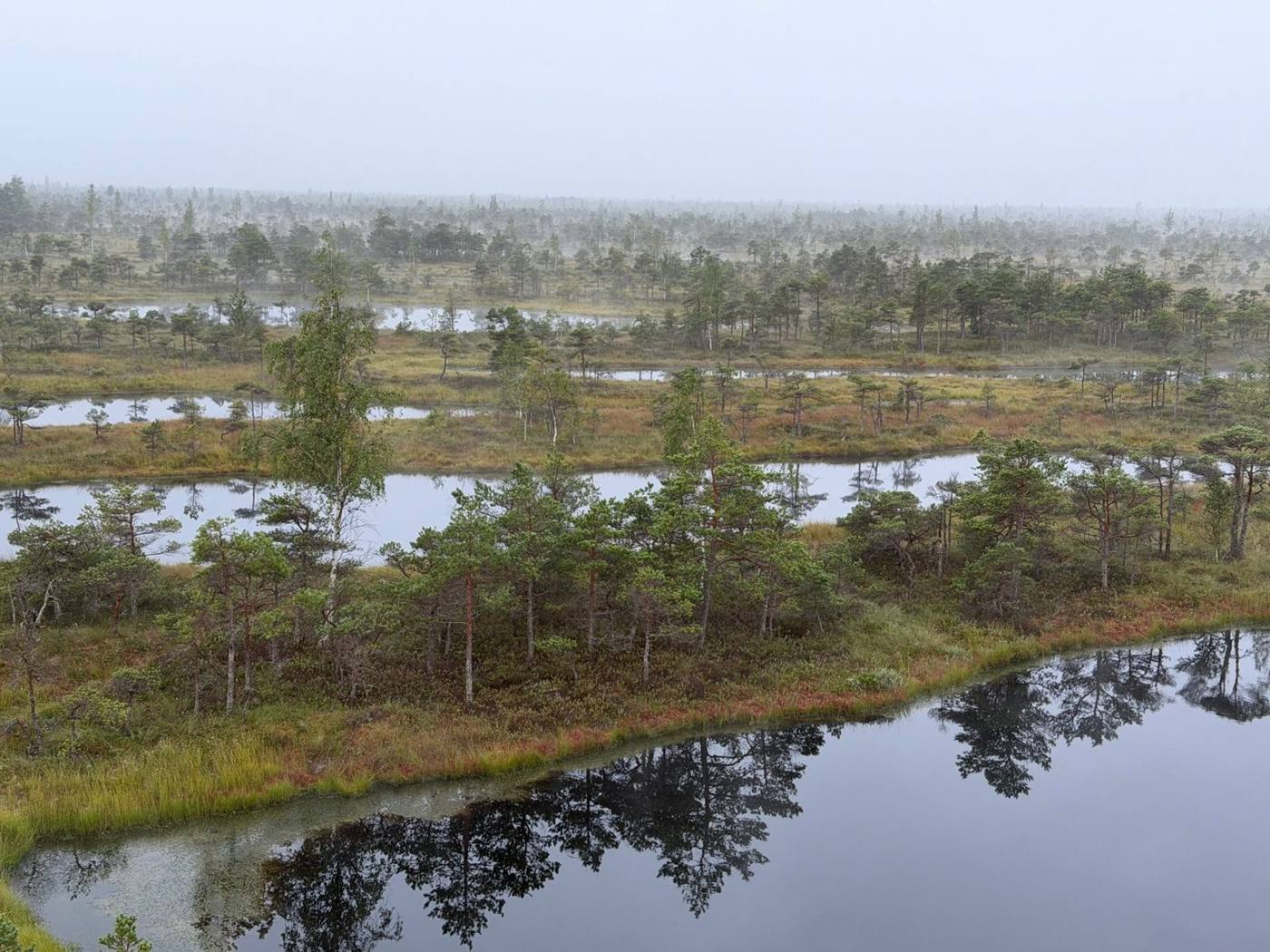 2 daysEasy
Ķemeri and the bog
Ķemeri National Park half an hour from Riga: the boardwalk over the great bog at dawn, sulphur springs and the old spa building.
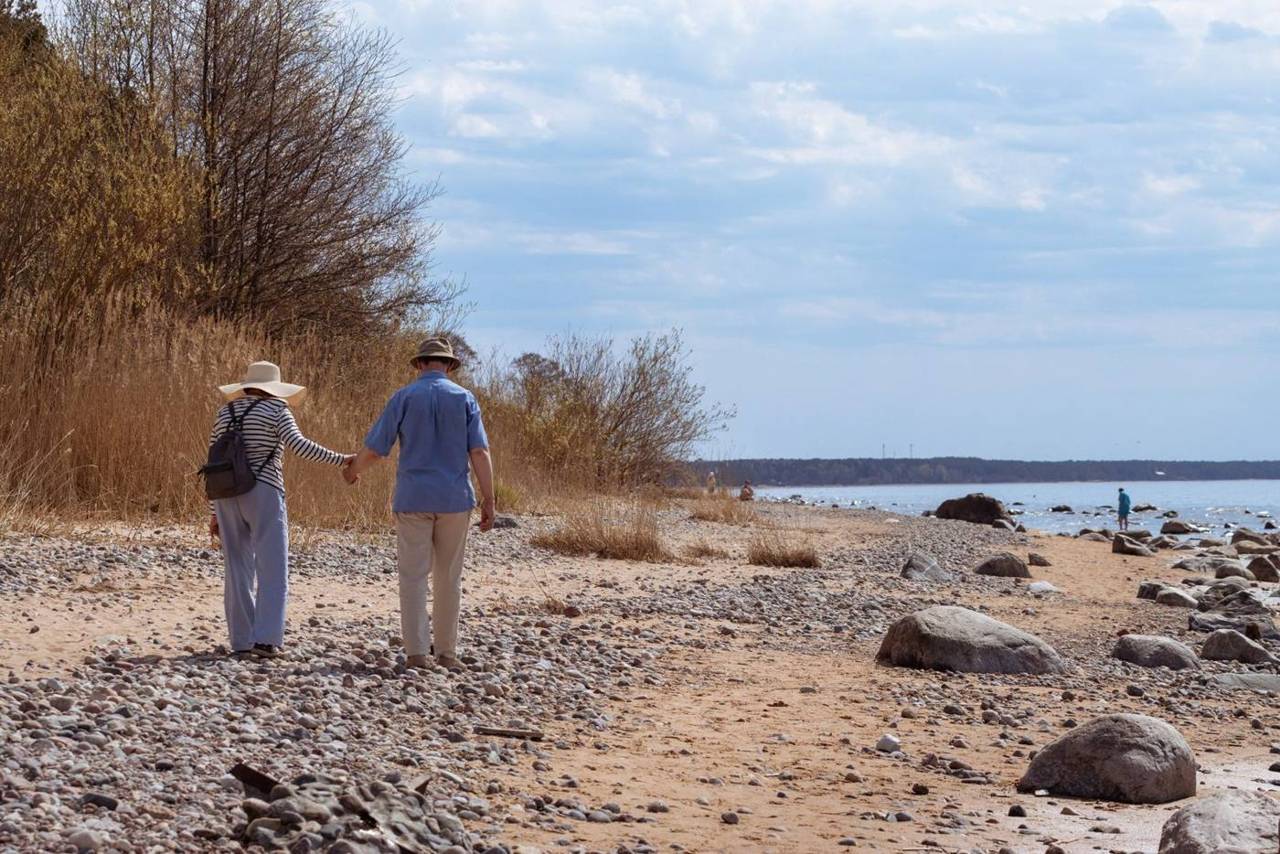 4 daysEasy
The Vidzeme coast
The red cliffs of Veczemji, the stony beaches of Tūja, the fishing village of Salacgrīva and the North Vidzeme bog, towards the Estonian border.