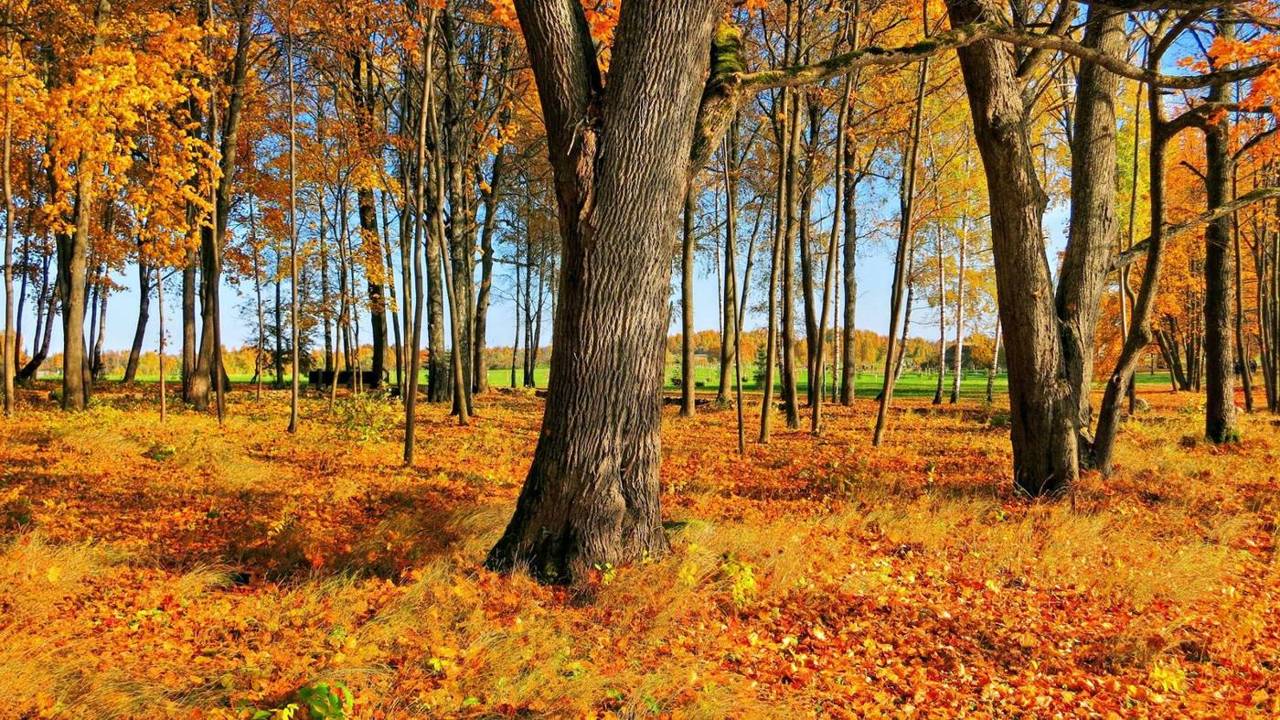
The Daugava valley
Along Latvia's great river: Koknese castle ruins, the Garden of Destinies, Aizkraukle and the town of Jēkabpils with its open-air museums.
- Riga
- Koknese
- Aizkraukle
- Jēkabpils
Day by day
- Day 1
Koknese and the Garden of Destiny
This short trip takes you along the Daugava, Latvia's great river, south-east of Riga: the ruins of Koknese castle, the Garden of Destiny, Aizkraukle with its ancient hill fort and the small town of Jēkabpils with Krustpils castle and the Selonian open-air museum. It is easiest by car.
Before you go: Italian citizens can enter Latvia with an electronic identity card or a passport, with no visa needed. Latvia is in the European Union and the Schengen area, and the currency is the euro. Other nationalities should check their own rules. The country is safe. The borders with Russia and Belarus are closed or heavily restricted, and the area near the Belarusian border requires a permit: this trip stays well away, and if you continue into Latgale do not go near the frontiers.
Leave Riga heading south-east, about an hour and a half by road to Koknese. The castle ruins stand on a headland above the river. It was built in the early thirteenth century, when German crusaders conquered these lands. Since the 1960s, with the dam of the Pļaviņas power station, the river has risen and today the water laps the walls. Walk among the stone remains and in the park around them, with old trees and benches by the water.
In the afternoon go to the Garden of Destiny, on an island in the river nearby. It is a memorial to all the people Latvia lost in the twentieth century, above all the victims of the Soviet deportations. A large grass amphitheatre runs down to the water, and an avenue of trees planted by families and donors leads the visitor. Walk in silence and read the panels. Check prices and times.
Practical tip: at the Garden of Destiny souvenirs are often cash only; bring a few euros.
- Day 2
Aizkraukle and Jēkabpils
On the second day you follow the river first downstream to Aizkraukle, then upstream to Jēkabpils.
In the morning drive about twenty minutes to Aizkraukle. On the hill above the Daugava are the remains of an ancient fortified settlement of the Baltic peoples who lived here before the German crusaders, and the ruins of a medieval castle. From the hill the view over the river is wide. Nearby you can see the dam of the Pļaviņas hydroelectric power station, which changed the landscape of the valley by forming a large lake. If you are interested in local history, visit the town's museum of history and art. Check prices and times.
In the afternoon drive about an hour east to Jēkabpils, a small town on both banks of the river. On the right bank is Krustpils castle, with its tower and courtyard, which now houses the town museum. On the left bank visit the Selonian farmstead, an open-air museum with wooden houses, barns, a sauna and farm tools, which tells the story of rural life in this historic region. Check prices and times.
In the evening stroll along the riverside, where the Daugava flows wide and fast, and look at the churches of different faiths in the centre, a sign of a mixed history of peoples and religions.
Practical tip: many provincial museums in Latvia close on Mondays and shorten their hours out of season; check before planning the day.
- Day 3
Back to Riga
On the last day you return to Riga, about two hours by road, with a few stops along the river.
Leave Jēkabpils in the morning and drive west on the road along the Daugava. Stop at Lielvārde, the land of Lāčplēsis, the hero of the Latvian national epic written by Andrejs Pumpurs in the nineteenth century. In the story, Lāčplēsis, «the bear slayer», defended his land against foreign knights and fell into the Daugava fighting the Black Knight. In the park by the river there are wooden sculptures, the ruins of a castle and a small museum devoted to the writer. Check prices and times.
Then carry on towards Ogre, a small town among the pines, and reach Riga in the early afternoon. If you still have time, walk through the old town along the river: it is the same Daugava you have followed for three days, here wide and calm before it reaches the sea.
Trip summary: in three days you have seen the ruins of Koknese castle on the water, the Garden of Destiny dedicated to the victims of the twentieth century, the hill fort of Aizkraukle and the Pļaviņas dam, Jēkabpils with Krustpils castle and the Selonian open-air museum, and finally Lielvārde, the land of the hero Lāčplēsis. It is a short, quiet journey through Latvian history.
When to go: from May to September, with long days and green parks. In June, around the solstice, Latvians celebrate Jāņi, the great midsummer festival, and many places close.
Practical tip: if you have no car, trains from Riga to Jēkabpils also stop at Lielvārde, Aizkraukle and Koknese; check prices and times.
A short, quiet trip through Latvian history. The Garden of Destinies commemorates the victims of Soviet deportations. It pairs well with Latgale.
Before you go
- Documents and visa
- EU citizens need a valid identity card or passport: Latvia is in the EU and the Schengen area. Other nationalities should check the Schengen rules and the Entry/Exit System.
- Health and vaccines
- No vaccines required. EU citizens should bring their EHIC, plus insurance covering medical costs and repatriation. Throughout the country, from spring to autumn, forests and meadows have ticks that can carry encephalitis: if you camp, canoe or hike, ask your doctor about the vaccine. Emergencies: 112.
- Money and payments
- Euro. Cards and phone payments are accepted almost everywhere; carry some cash for markets and small rest areas in the countryside.
- Power sockets
- Types C and F, 230 volts: you need an adapter for British plugs.
- Time zone
- Eastern European Time (UTC+2, summer UTC+3).
- Safety
- A safe country, with pickpocketing and bag snatching in Riga's Old Town, at the Central Market and at stations; watch your drinks and beware of card fraud. The border with Belarus is closed or heavily restricted, with closures at short notice, and the area within 2 km of it requires a special licence from the State Border Guard; crossings into Russia are also reduced. Do not try to cross these borders. Some Ukrainian drones aimed at Russia have crossed into Latvian airspace: follow official guidance. Official advice: GOV.UK.
Information checked in November 2026 for Italian and EU citizens. Rules change: always check before you travel.
Variations
In 1 day: from Riga to Koknese, with the castle ruins and the Garden of Destiny, back in the evening.
In 5 days: continue east to Daugavpils and the lakes of Latgale, keeping away from the border areas.
Frequently asked questions
What is the Garden of Destiny?
It is a memorial in Koknese to the people Latvia lost in the twentieth century, especially in the Soviet deportations. It has a grass amphitheatre by the river and avenues of trees planted by families and donors.
Do I need a car?
It is convenient but not essential: trains from Riga to Jēkabpils also stop at Lielvārde, Aizkraukle and Koknese. Some sites, though, are a few kilometres from the stations.
Can I combine it with Latgale?
Yes, by continuing east. But do not go near the borders with Russia and Belarus, which are closed or restricted, and check the official advice before you set off.
Indicative itinerary written by World Atlas. Before booking, check timetables, seasonal openings, documents and safety.
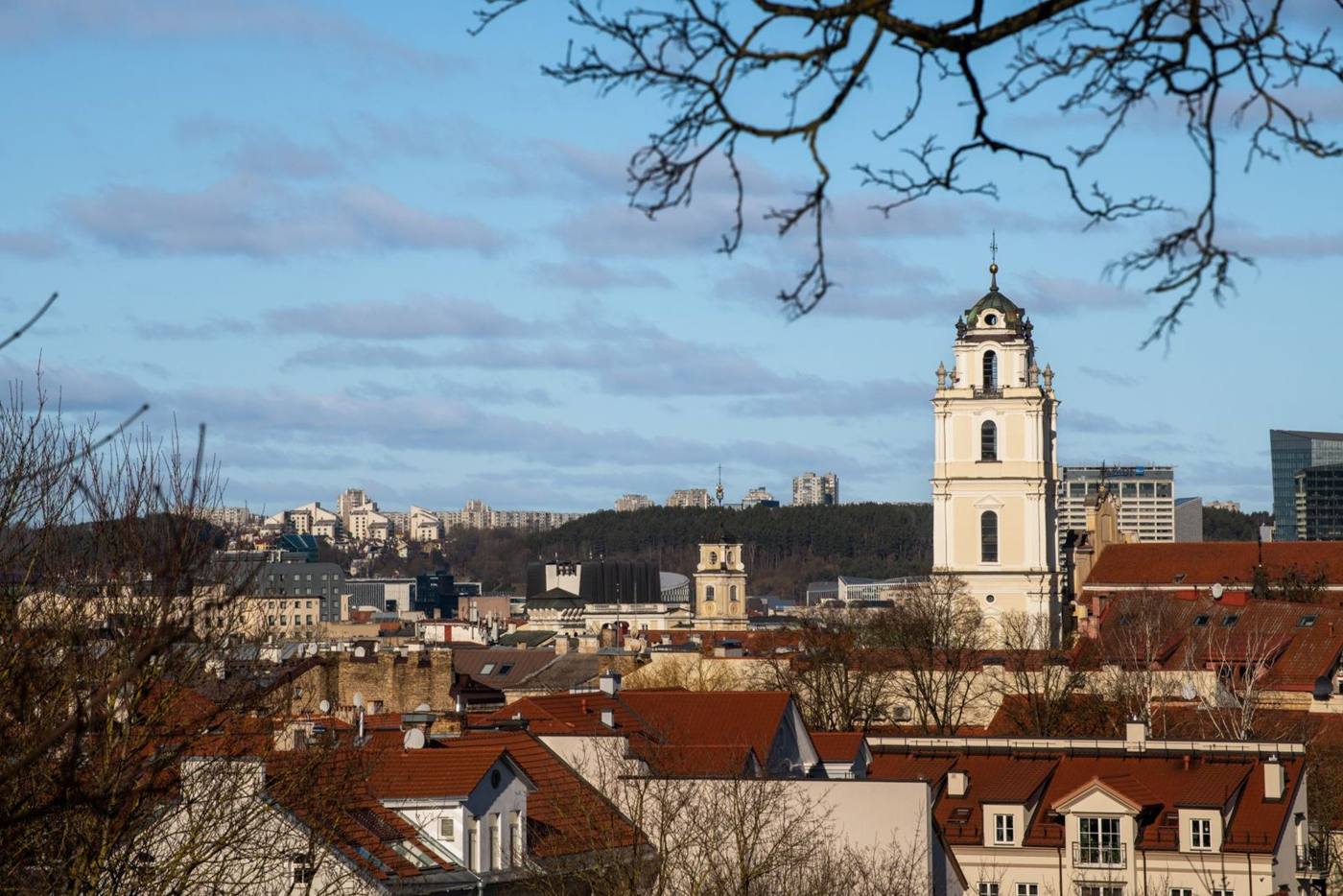 9 daysEasy
The three Baltic capitals
Vilnius, Riga and Tallinn in one trip by bus, with stops at the Hill of Crosses, Rundāle Palace and Sigulda.
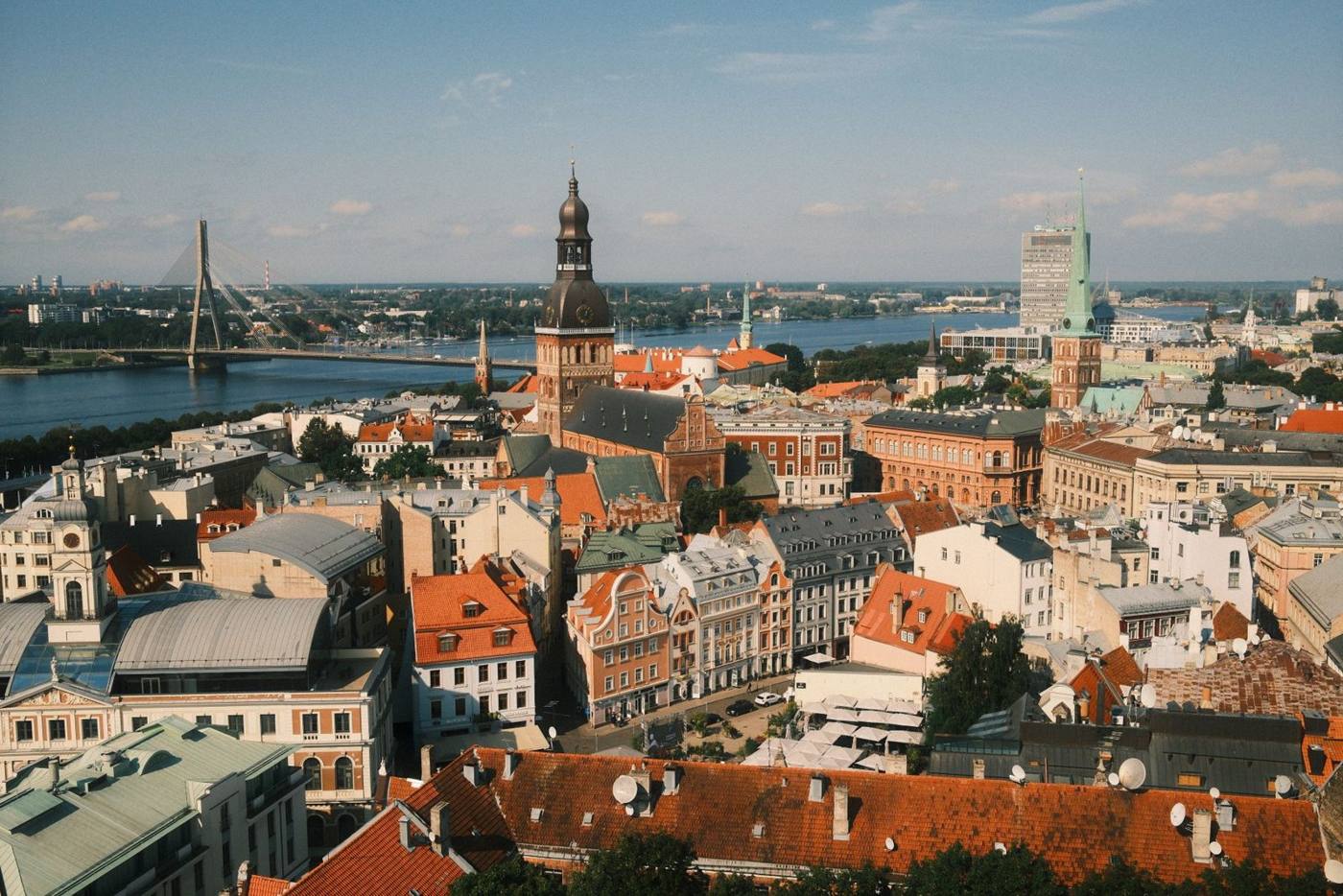 4 daysEasy
Riga and Jūrmala
The UNESCO old town, the Art Nouveau buildings of Alberta street, the central market in the zeppelin hangars and Jūrmala's beach with its wooden villas.
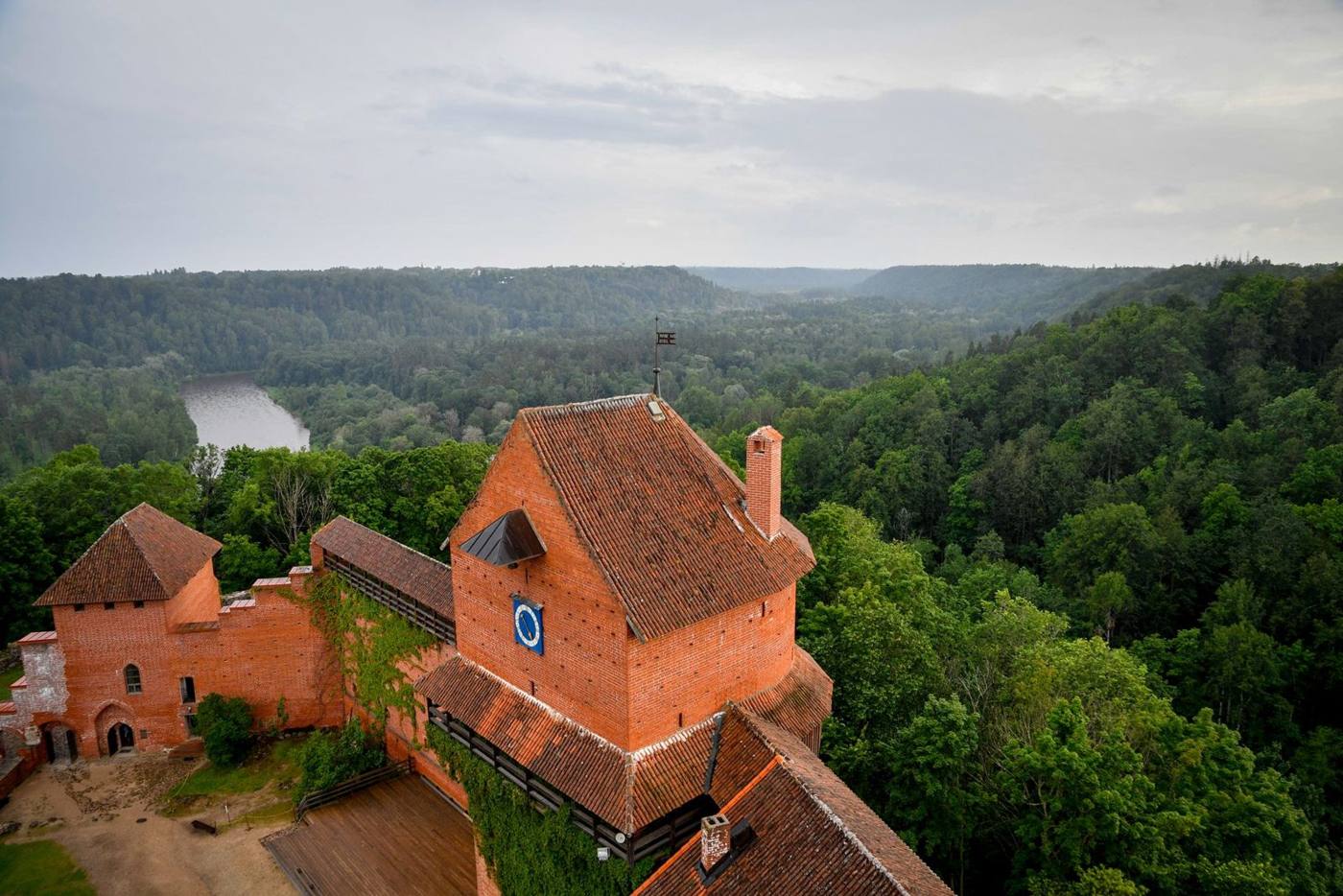 4 daysEasy
The Gauja and Sigulda
The 'Latvian Switzerland': Gauja National Park, Turaida castle, sandstone caves and the medieval town of Cēsis.