Riga and Jūrmala
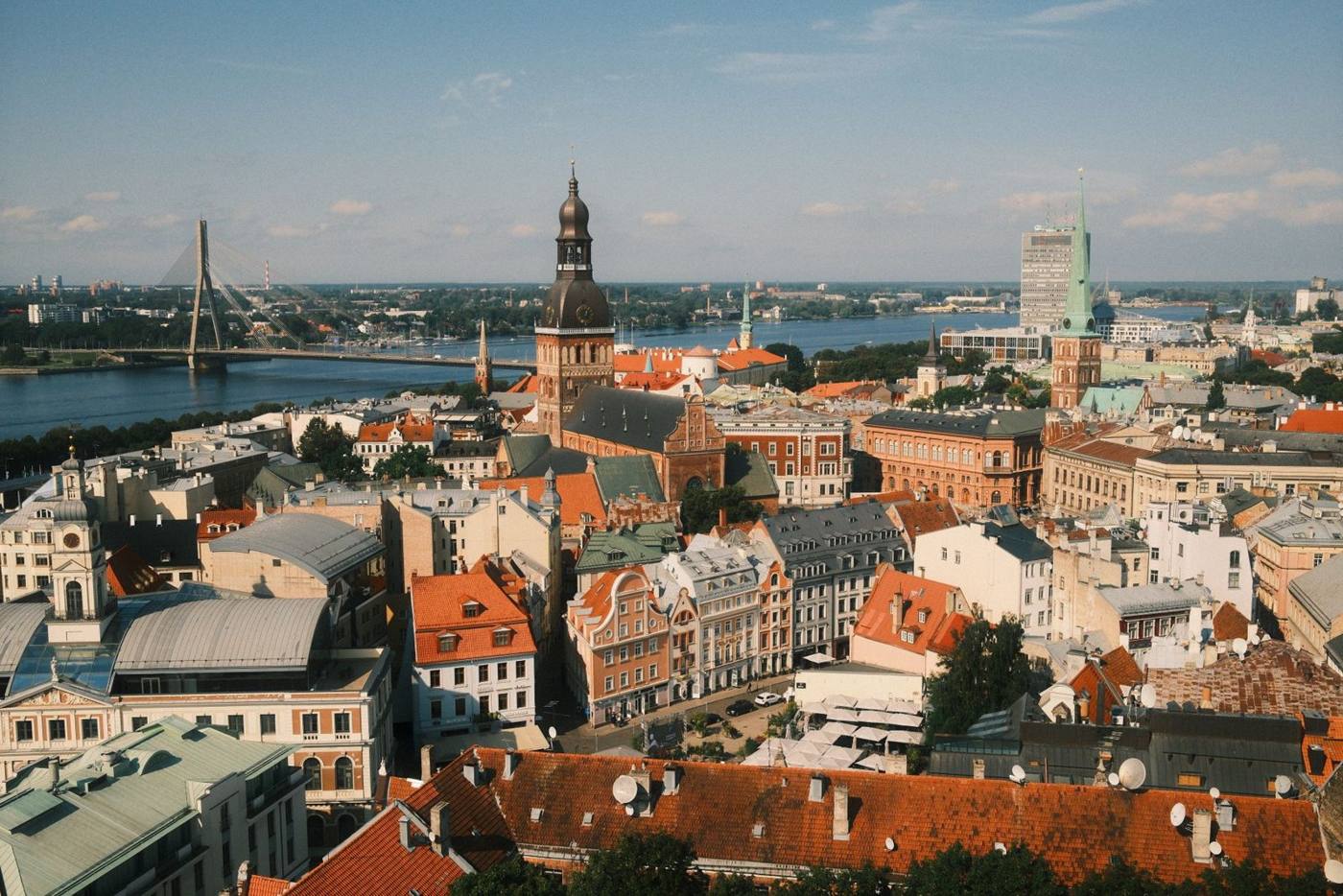
The UNESCO old town, the Art Nouveau buildings of Alberta street, the central market in the zeppelin hangars and Jūrmala's beach with its wooden villas.
- Riga
- Vecrīga
- Alberta iela
- Central Market
- Jūrmala
Day by day
- Day 1
Vecrīga, the old town
This trip takes you to Riga and its seaside: the old town, a UNESCO World Heritage Site, the Art Nouveau façades of Alberta Street, the Central Market in the zeppelin hangars, the wooden quarter of Kalnciems and the long beach of Jūrmala with its wooden villas. You get around on foot, by tram and by train.
Before you go: Italian citizens can enter Latvia with an electronic identity card or a passport, with no visa needed. Latvia is in the European Union and the Schengen area, and the currency is the euro. Other nationalities should check their own rules. The country is safe; in the old town, at the market and at stations watch out for pickpockets, and in bars never leave your glass unattended. The borders with Russia and Belarus are closed or heavily restricted, but Riga is far from them.
You land in Riga and reach the centre in half an hour by bus. Enter Vecrīga, the old town, and start from Town Hall Square, with the House of the Blackheads, destroyed in the Second World War and rebuilt in the 1990s with its red and gold façade.
Then walk to the Cathedral, the great Lutheran church, which has a monumental nineteenth century organ: if you can, listen to a short concert. Check prices and times. Carry on through the narrow lanes to the Three Brothers, three medieval houses side by side, the Swedish Gate and the Powder Tower.
In the late afternoon take the lift up the tower of St Peter's Church: from the top you see the roofs, the spires, the Daugava river and the modern districts. Check prices and times.
Practical tip: in the old town the places on the main squares are more expensive; move one or two streets away to eat for less.
- Day 2
The Art Nouveau district, the Central Market and Kalnciems
On the second day you discover the Riga of mansions, markets and wooden houses.
In the morning walk past the Freedom Monument, the symbol of Latvian independence, and cross the parks along the canal. Then go to the Art Nouveau district, north of the centre. Riga has the largest concentration of Art Nouveau buildings in Europe, built mostly in the early twentieth century. In Alberta Street look at the façades full of women's faces, masks, dragons, peacocks and floral patterns, many designed by the architect Mikhail Eisenstein. Visit the Art Nouveau museum, in a period flat with a beautiful painted spiral staircase. Check prices and times.
At midday go to the Central Market, near the station, in the great pavilions made from old airship hangars. Wander among the stalls of smoked fish, cheeses, honey, dark bread and sauerkraut, and have a simple lunch.
In the afternoon cross the Daugava by tram or on foot to the Kalnciems quarter, on the left bank. Here the old wooden houses have been restored and are home to small shops and cafés. On Saturdays there is a market of country produce and crafts.
In the evening go back to the bridge to see the old town lit up at sunset.
Practical tip: at the Central Market keep your wallet in a closed pocket, because there are pickpockets in the crowds.
- Day 3
Jūrmala, the beach and the wooden villas
Today you leave the city for the sea, half an hour away by train.
In the morning take the train to Jūrmala, the best known seaside resort in the Baltic states, a long strip of town between the Gulf of Riga and the Lielupe river. Get off at Majori, the centre, and walk along Jomas Street, the pedestrian street with shops, cafés and colourful villas.
Then go to the beach. The beach at Jūrmala is very long, with pale, fine sand, and dunes and pines behind it. The sea is shallow and often cool: you can walk a long way into the water before it gets deep. It is more a beach for walking than for swimming, but on hot days a swim is pleasant.
In the afternoon walk the streets between Majori, Dubulti and Dzintari, where you see hundreds of wooden villas built between the nineteenth and early twentieth centuries, with verandas, turrets, carvings and stained glass. Some are restored, others are still waiting for work. In Dzintari forest park climb the wooden viewing tower to see the sea and the tops of the pines.
In the evening stay for the sunset on the beach, then go back to Riga by train.
Practical tip: go by train, not by car: you pay a toll to enter Jūrmala with a vehicle, and in summer there are few parking spaces near the sea.
- Day 4
A last morning in Riga and departure
On the last day you have a morning to say goodbye to the city.
In the morning visit the Spīķeri quarter, the old red brick warehouses behind the Central Market, now renovated with art spaces and cafés. Nearby you see the Academy of Sciences, a Soviet era skyscraper in Stalinist style. If you prefer a museum, choose the Latvian National Museum of Art, near the park, with Latvian painting from the nineteenth and twentieth centuries. Check prices and times.
Before lunch walk one last time along the city canal, between the gardens and the little bridges, and stop for a coffee and a slice of rhubarb or apple cake.
In the afternoon take the bus to the airport.
Trip summary: in four days you have seen Riga's old town, with the House of the Blackheads, the Cathedral and the tower of St Peter's, the Art Nouveau façades of Alberta Street, the Central Market in the zeppelin hangars, the wooden quarter of Kalnciems and the beach at Jūrmala with its villas. Riga is an elegant capital, with lower prices than Tallinn. The sea at Jūrmala is shallow and cool, but the beach is perfect for walking.
When to go: from May to September, with long days and the beaches open. Late June is the time of the Midsummer festival, which is very important in Latvia.
Practical tip: buy public transport tickets in advance from the machines or with the app, because on board they cost more.
An elegant capital with Europe's largest concentration of Art Nouveau buildings. Prices are lower than Tallinn. The sea at Jūrmala is shallow and often cool, but the beach is beautiful for walking.
Before you go
- Documents and visa
- EU citizens need a valid identity card or passport: Latvia is in the EU and the Schengen area. Other nationalities should check the Schengen rules and the Entry/Exit System.
- Health and vaccines
- No vaccines required. EU citizens should bring their EHIC, plus insurance covering medical costs and repatriation. Throughout the country, from spring to autumn, forests and meadows have ticks that can carry encephalitis: if you camp, canoe or hike, ask your doctor about the vaccine. Emergencies: 112.
- Money and payments
- Euro. Cards and phone payments are accepted almost everywhere; carry some cash for markets and small rest areas in the countryside.
- Power sockets
- Types C and F, 230 volts: you need an adapter for British plugs.
- Time zone
- Eastern European Time (UTC+2, summer UTC+3).
- Safety
- A safe country, with pickpocketing and bag snatching in Riga's Old Town, at the Central Market and at stations; watch your drinks and beware of card fraud. The border with Belarus is closed or heavily restricted, with closures at short notice, and the area within 2 km of it requires a special licence from the State Border Guard; crossings into Russia are also reduced. Do not try to cross these borders. Some Ukrainian drones aimed at Russia have crossed into Latvian airspace: follow official guidance. Official advice: GOV.UK.
Information checked in November 2026 for Italian and EU citizens. Rules change: always check before you travel.
Variations
Shorter version: in three days you see the old town, the Art Nouveau district, the market and Jūrmala.
Longer version: add a day in Ķemeri National Park, with the boardwalk over the bog, and one in Sigulda.
Frequently asked questions
How many days do you need for Riga?
Two days are enough for the old town, the Art Nouveau district and the market. With a third day you can add Jūrmala or Sigulda.
How do you get to Jūrmala from Riga?
By train, in about half an hour, from the central station. Get off at Majori for the centre and the pedestrian street.
Can you swim at Jūrmala?
Yes, in summer, but the sea is shallow and often cool. Always check the flags and the water quality shown on the beaches.
Indicative itinerary written by World Atlas. Before booking, check timetables, seasonal openings, documents and safety.
 4 daysEasy
The Gauja and Sigulda
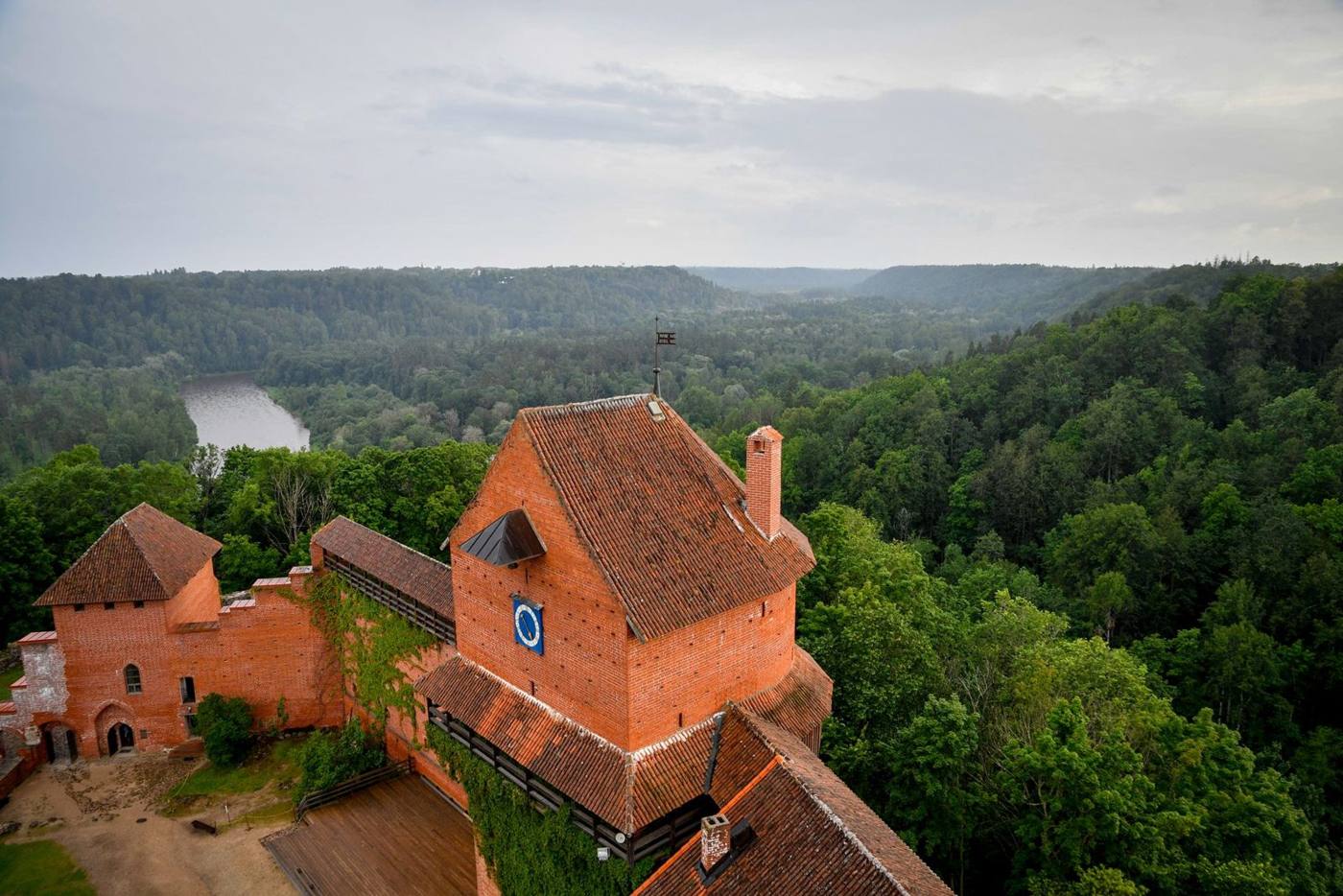
The 'Latvian Switzerland': Gauja National Park, Turaida castle, sandstone caves and the medieval town of Cēsis.
 5 daysEasy
Courland and the coast
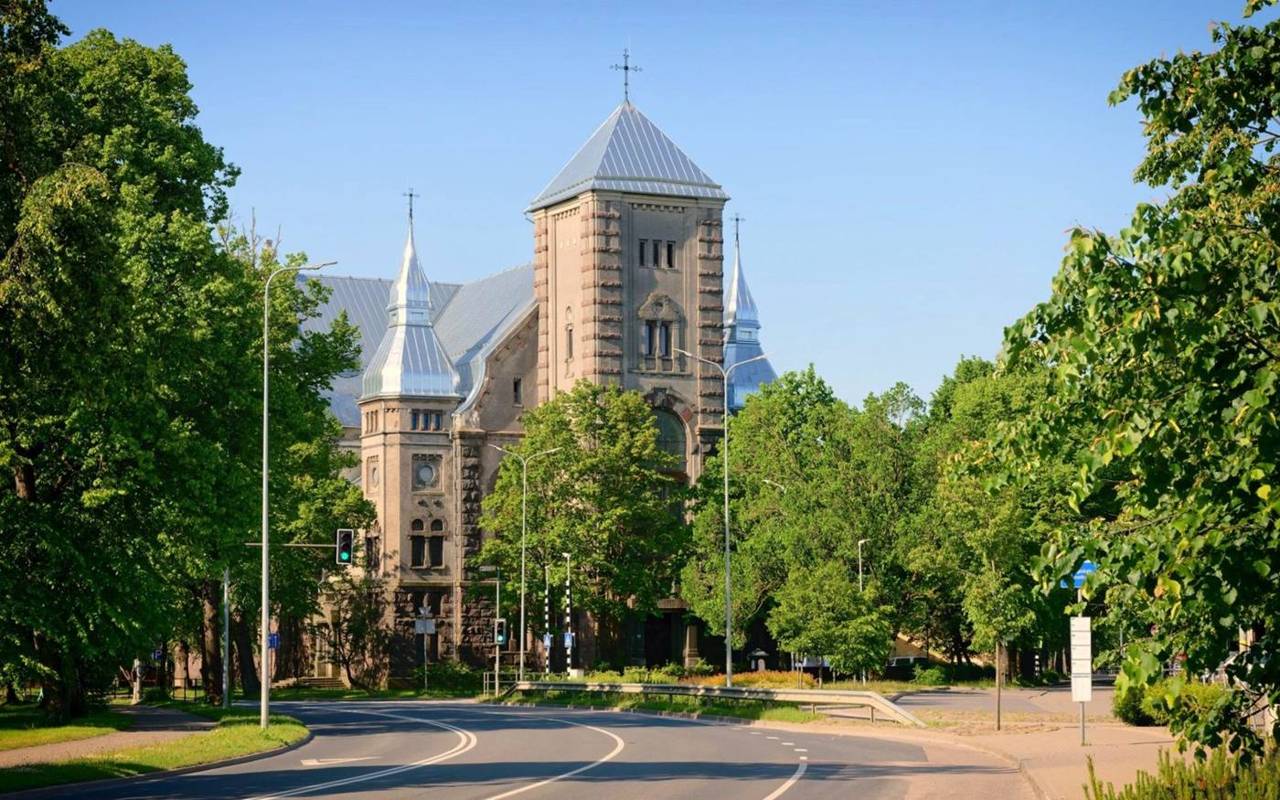
The baroque Rundāle Palace, Europe's widest waterfall at Kuldīga, Liepāja and Cape Kolka where the gulf meets the Baltic.
 5 daysEasy
Latgale and the lakes
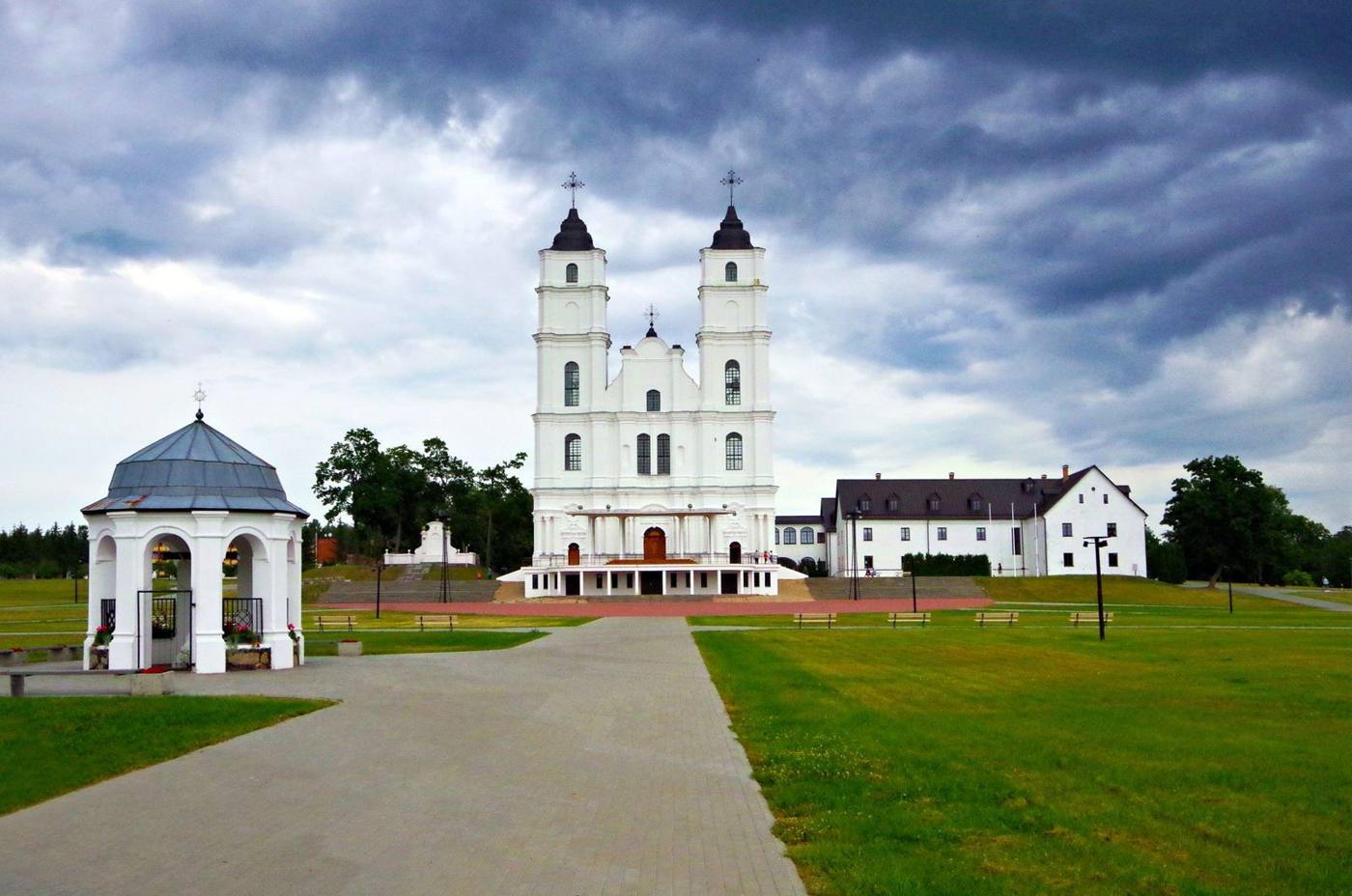
The land of blue lakes: Daugavpils with the Rothko Museum in the fortress, Aglona basilica, Lake Rāzna and Latgale ceramics.