Phongsaly and its tea
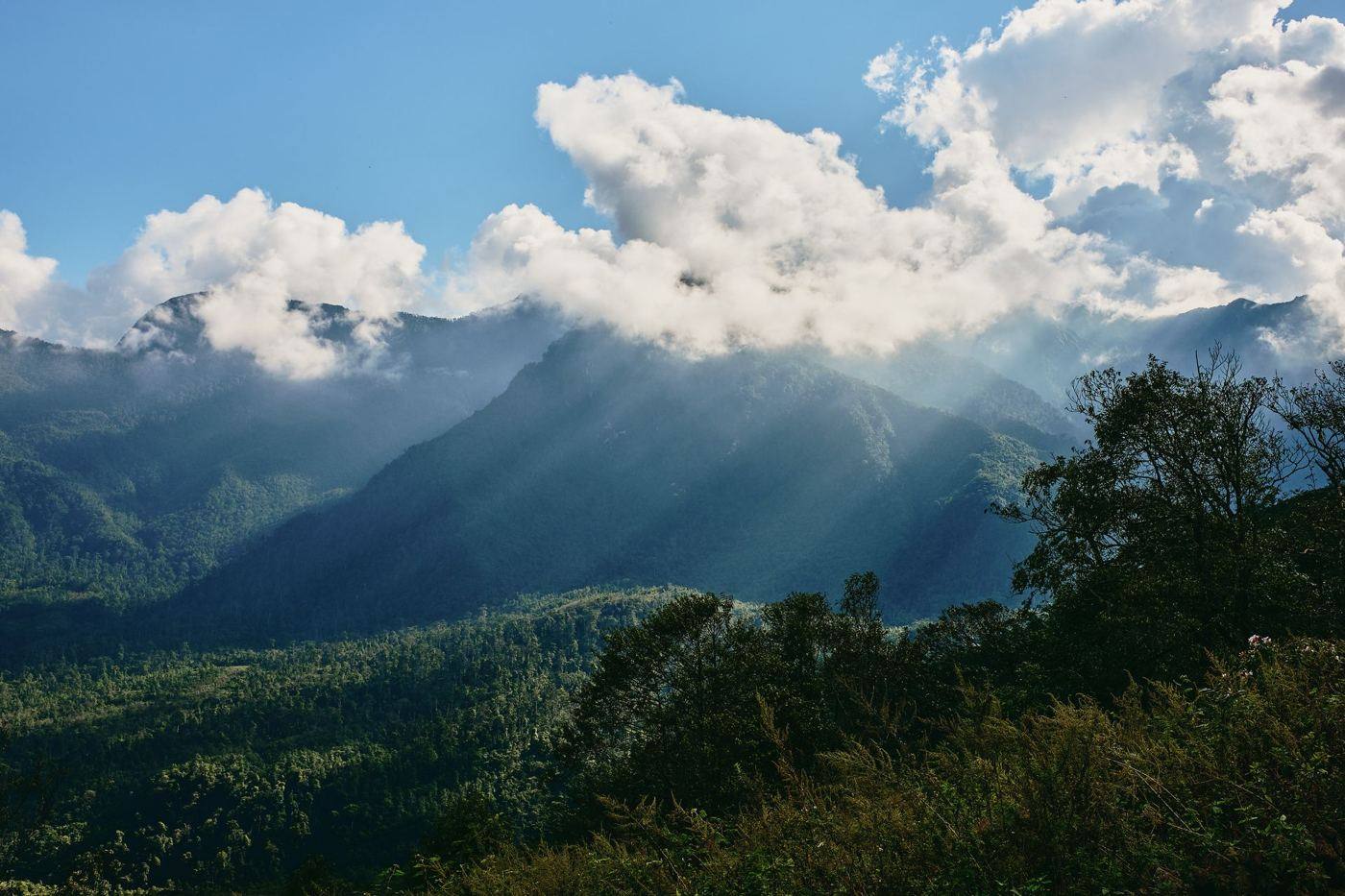
The northernmost province, among mountains and villages of different ethnic groups, with ancient tea trees, the houses of Phongsaly and trekking between villages.
- Oudomxay
- Phongsaly
- Ban Komaen
Day by day
- Day 1
The long journey to Phongsaly
This five day trip takes you to the northernmost province of Laos, squeezed between China and Vietnam: forested mountains, villages of different ethnic groups, the ancient tea trees of Ban Komaen and the small town of Phongsaly, perched on a ridge. It is the most remote Laos, for those who love slow and authentic travel.
Before you go: for Laos Italian citizens need a passport valid for at least six months from entry, with two blank pages, and a tourist visa. Apply for the eVisa only on the official website laoevisa.gov.la, at least five days ahead, or get a visa on arrival at the main airports. Also fill in the LDIF digital form within the three days before arrival. Other nationalities should check their own rules.
Safety: this is a border area. Do not approach the borders on your own, walk with a guide and only on well trodden paths, because unexploded ordnance may be present here too. Medical facilities are very limited: you need insurance with emergency transport.
The most common way to get there is the Laos-China railway to Oudomxay, then a bus or minivan north. The mountain road is long and winding, and takes most of the day. When there are flights to Phongsaly, the journey is much shorter: check them before you leave.
You reach Phongsaly in the late afternoon. The town stands at about 1,400 metres, and the air is cool and often misty. Have a noodle soup for dinner and go to bed early.
Practical tip: bring travel sickness tablets for the road from Oudomxay, and enough cash for the whole trip, because there are very few cash machines in the province.
- Day 2
The tea trees of Ban Komaen
Early in the morning climb Phou Fa, the hill that overlooks Phongsaly, with a long staircase leading to a stupa on top. From up there, when the mist clears, you see the town, the valleys and the mountain ranges fading towards China.
Then stop at the provincial tourism office to organise the trek for the next days with a guide: few people speak English and without help it is hard to get around the villages.
In the afternoon go to Ban Komaen, a Phou Noi village a short distance from town, famous for its ancient tea trees. They are not low bushes like in plantations, but real tall and twisted trees, some of them centuries old, from which families still pick the leaves by hand. Phongsaly tea is valued in China too. Ask to see how the leaves are dried and processed, and taste a cup of green or dark tea with the family hosting you.
Back in town, walk through the old quarter, with wood and brick houses and tiled roofs in the Chinese style of Yunnan, and around the market, where people from the villages arrive with vegetables, herbs and tea.
Practical tip: buy tea directly from the village families, in small packets, so the money stays with those who pick it.
- Day 3
Trekking to the mountain villages
Today you set off on a two day trek with your guide. Usually you drive to the start of the trail, then walk through forests, upland rice fields and small tea plantations.
The walk is of medium level, with climbs and descents that can be steep, but the landscape rewards the effort: ridges covered in bamboo, deep valleys, clouds rising from below. Along the way you meet farmers working in the fields and children walking home from school.
In the afternoon you reach an Akha or Phou Noi village, where you sleep in a family home. Akha women often wear embroidered black clothes and headdresses decorated with coins and beads. Life follows the rhythm of the fields: people cook on the fire, eat sitting on the floor and go to bed early.
Respect the village rules: ask before taking photos, do not touch sacred objects, dress modestly and follow your guide's advice on where you may enter.
In the evening the family may offer you a glass of home made rice spirit: drink it in moderation, or decline with a smile.
Practical tip: bring a light sleeping bag or a sleeping bag liner, because in winter the temperature drops a lot at night in the mountains.
- Day 4
Through the villages and back to Phongsaly
You wake to the sounds of the village: roosters, rice being pounded, smoke from the fires drifting out of the roofs. After breakfast say goodbye to the family and set off on foot to another village, dropping into the valley and climbing back up to the opposite ridge.
Your guide explains the traditions of the different ethnic groups, how upland rice is grown and which forest plants are used for healing and cooking. In the villages you often see women weaving or embroidering outside their houses, and men making bamboo baskets. If your guide agrees, stop for tea in a house and ask how village life changes between the dry season and the rains.
You have lunch on the trail with sticky rice and vegetables, then reach the point where the car is waiting to take you back to Phongsaly in the afternoon.
In the evening rest in town and treat yourself to a hot dinner: in winter Phongsaly can be really cold after sunset. Try dishes with a Chinese influence, such as stir fried noodles and steamed dumplings, which are more common here than in the rest of Laos.
Practical tip: leave the host family the payment your guide suggests, and bring a few small useful gifts, such as notebooks or soap, to give to the village chief.
- Day 5
The return
Last day. Early in the morning, if the sky is clear, take a last walk around the market to see people arriving from the villages and buy a little more tea. It is also the right moment to say goodbye to your guide and leave a tip, much appreciated after days of walking together.
Then set off on the long journey back to Oudomxay, on the same mountain road, and from there take the Laos-China train towards Luang Prabang or Vientiane. If there are flights from Phongsaly, the return is much faster.
In these five days you have seen Phongsaly, the northernmost province of Laos: the Chinese style old town, the viewpoint on Phou Fa, the ancient tea trees of Ban Komaen and two days of trekking among Akha and Phou Noi villages.
When to go: the best period is from November to February, with dry skies, walkable trails and clear days. It is cold, especially at night, so bring warm clothes. From March the smoke from farm fires covers the landscape. From May to October the rain makes the roads slow and sometimes blocked by landslides.
Practical tip: keep a spare day before your international flight home, because landslides, breakdowns and closed roads can delay the journey from Phongsaly.
Laos at its most remote, for lovers of long, authentic trips. Few speak English: a guide is needed. It is cold in winter.
Before you go
- Documents and visa
- Passport valid for at least six months from entry, with at least two blank pages, and a tourist visa: the eVisa, to be requested only on the official website laoevisa.gov.la (accepted at the main airports and at Friendship Bridges I and IV), or a visa on arrival at the main entry points. You must also fill in the LDIF digital immigration form within the three days before arrival and departure.
- Health and vaccines
- Malaria is present in rural areas and dengue cases are regular: use repellent. Medical facilities are poor even in the capital, so you need insurance covering medical costs and repatriation. Drink only bottled water. Emergencies: ambulance 1195, police 1191.
- Money and payments
- Lao kip. Tourist businesses often accept US dollars and Thai baht; cards work in towns, but carry cash in the countryside.
- Power sockets
- Types A, B and C, 230 volts: you need an adapter for British plugs.
- Time zone
- UTC+7 all year.
- Safety
- The British government advises against all travel to Xaisomboun province. Unexploded ordnance remains across the country: walk only on marked paths and never pick up metal objects. There have been fatal methanol poisonings from drinks served in tourist areas: avoid unsealed spirits. Drug penalties are extremely severe. Official advice: GOV.UK.
Information checked in November 2026 for Italian and EU citizens. Rules change: always check before you travel.
Variations
In four days: Phongsaly, Ban Komaen and a single day trek.
In seven days: add a third day of trekking and a night in Oudomxay, or continue towards Luang Namtha and the Nam Ha forest.
Frequently asked questions
How do you get to Phongsaly?
Usually on the Laos-China railway to Oudomxay and then by bus on a long mountain road. When there are flights, the journey is much shorter: check them before you leave.
Do I need a guide?
Yes. Few people speak English and the villages are far apart. Organise the trek with the provincial tourism office in Phongsaly.
Is it cold in Phongsaly?
Yes, the town is at about 1,400 metres. In winter the nights are cold and there is often mist: bring a fleece, a jacket and a sleeping bag liner.
Indicative itinerary written by World Atlas. Before booking, check timetables, seasonal openings, documents and safety.
 5 daysEasy
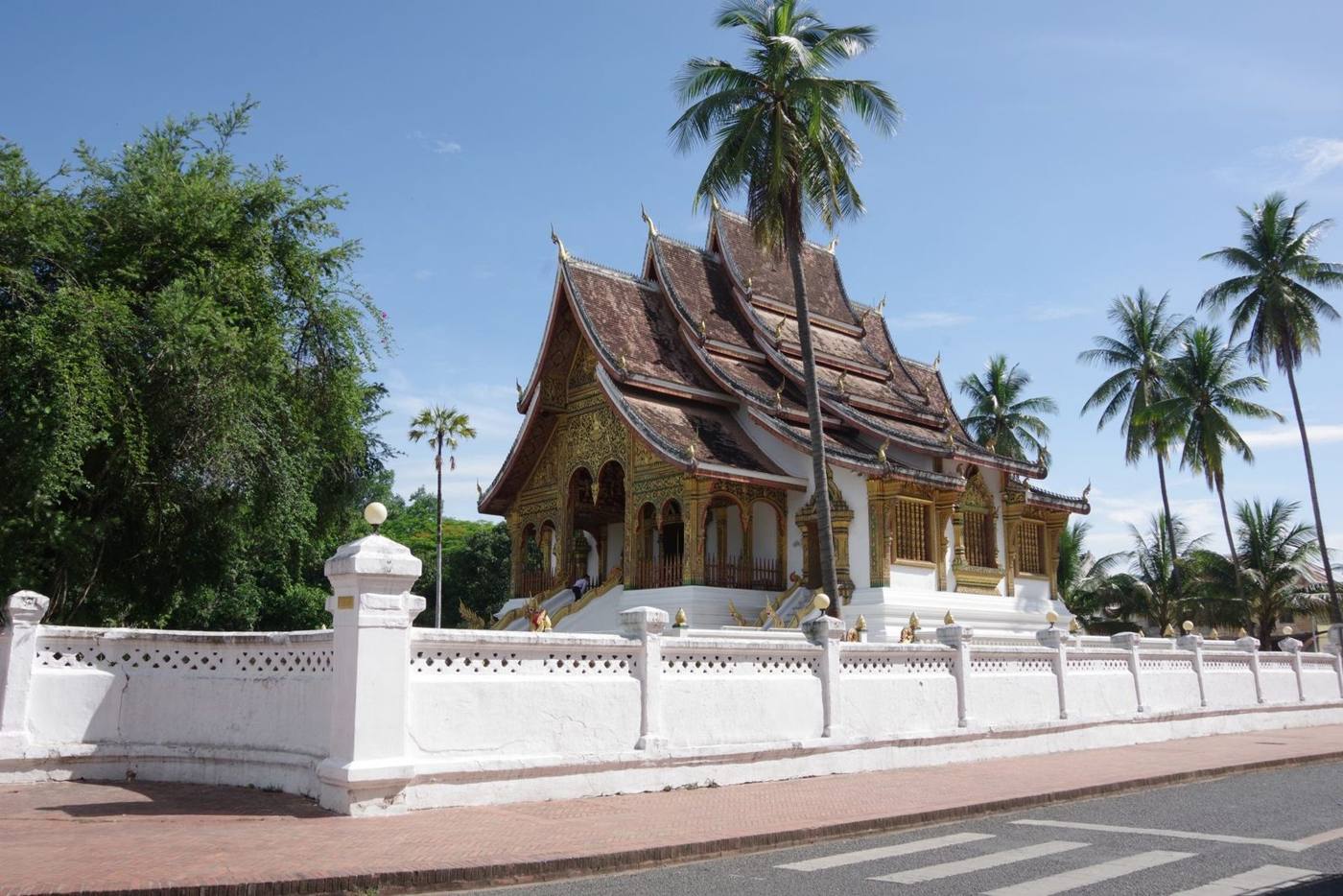
Luang Prabang
The UNESCO town of temples on the Mekong, the monks' alms round at dawn, the Kuang Si falls and the Pak Ou caves.
 5 daysEasy
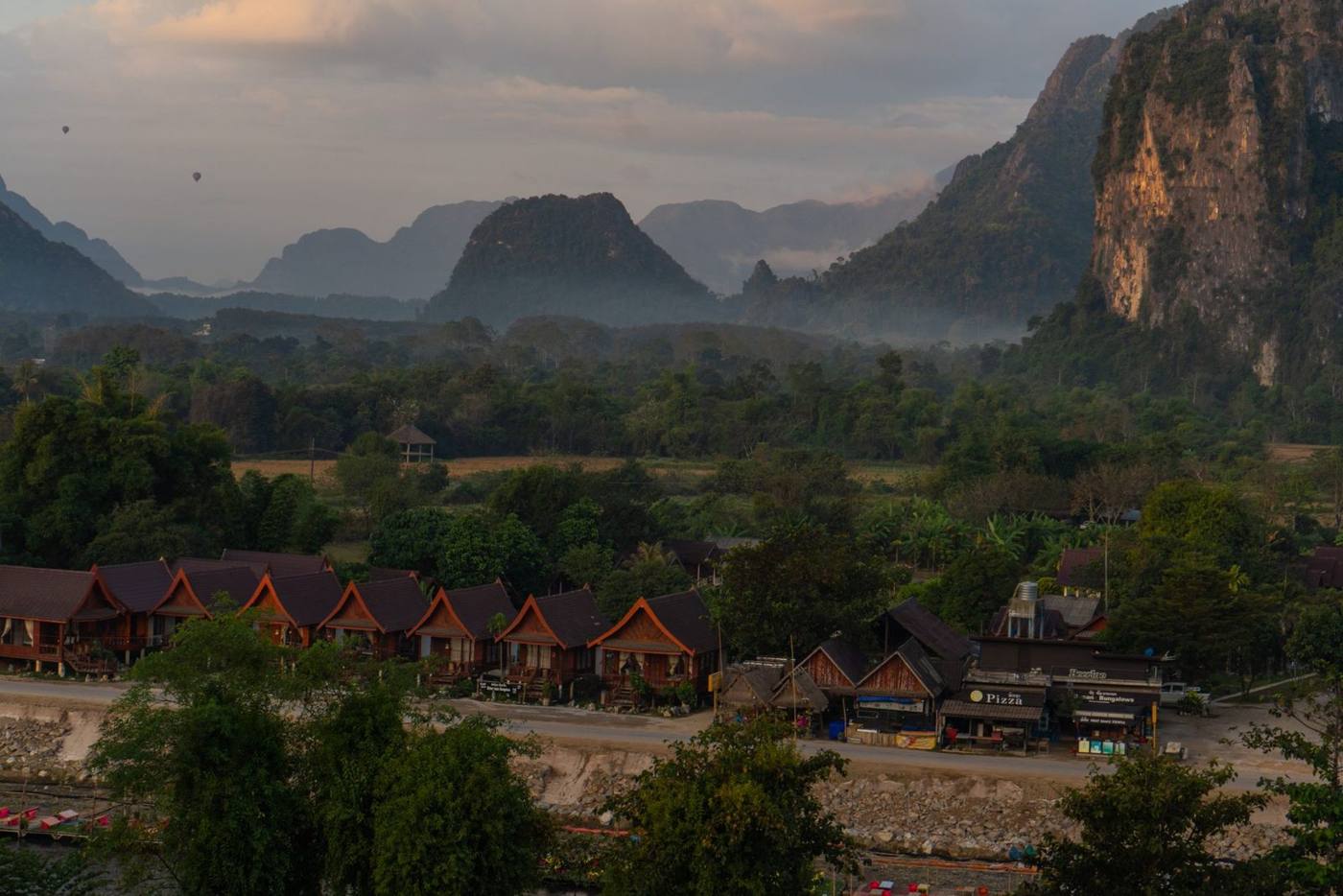
From Vientiane to Vang Vieng
The capital on the Mekong with That Luang, then the fast Laos-China railway to Vang Vieng among karst peaks, kayaks and blue lagoons.
 6 daysEasy
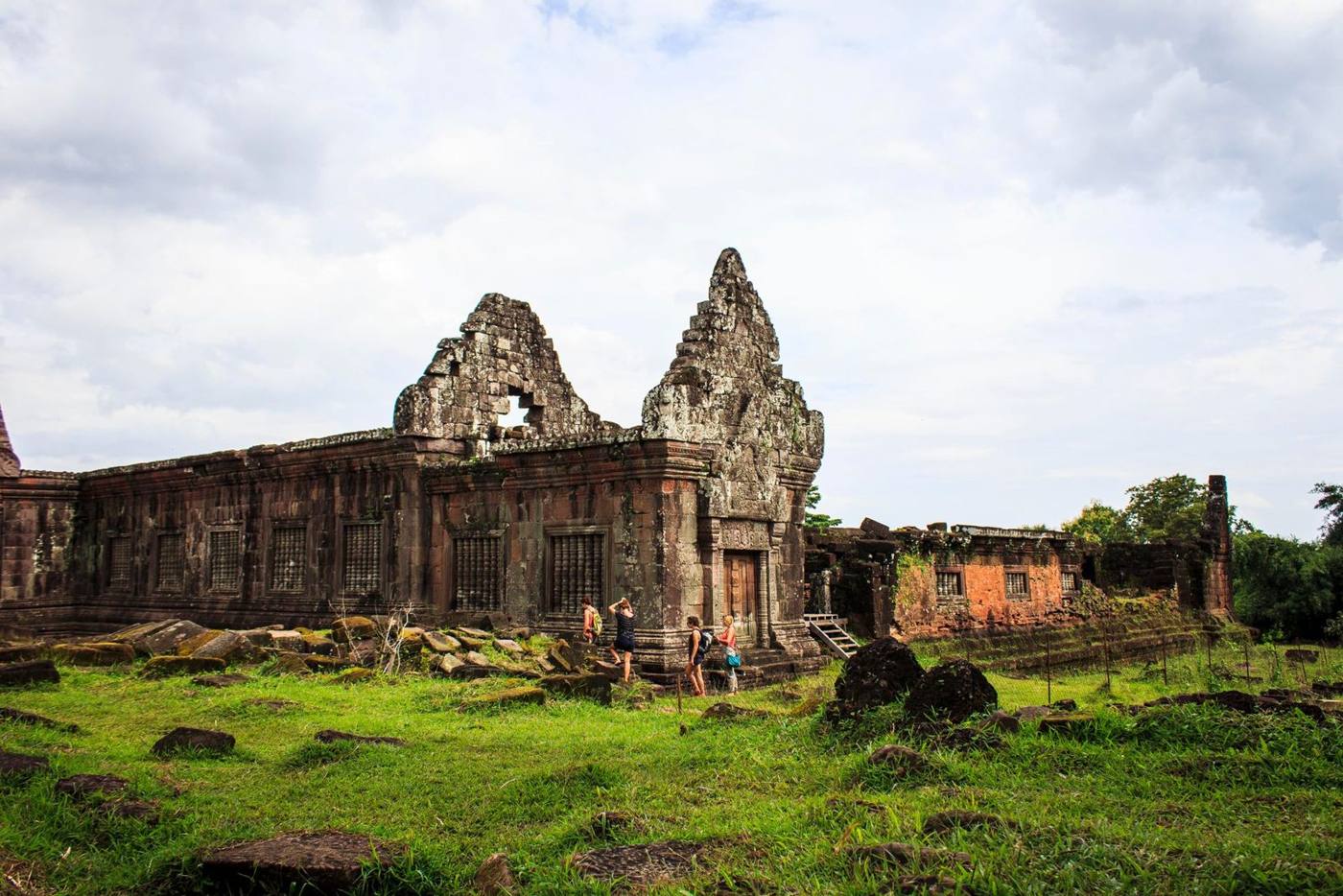
The south and the 4,000 Islands
Pakse, the pre-Angkor temple of Wat Phou, the Bolaven plateau with coffee and waterfalls, and Don Det and Don Khone on the Mekong.