The south and the 4,000 Islands
Pakse, the pre-Angkor temple of Wat Phou, the Bolaven plateau with coffee and waterfalls, and Don Det and Don Khone on the Mekong.
- Pakse
- Bolaven Plateau
- Champasak
- Wat Phou
- Don Khone
- Don Det
Day by day
- Day 1
Pakse and the climb to the Bolaven Plateau
This six day trip takes you to southern Laos, the slowest and most relaxed part of the country: Pakse on the Mekong, the Bolaven Plateau with its coffee and waterfalls, the Khmer sanctuary of Wat Phou at Champasak and the islands of Don Det and Don Khone, in the 4,000 islands archipelago, with the great Mekong rapids.
Before you go: for Laos Italian citizens need a passport valid for at least six months from entry, with two blank pages, and a tourist visa. Apply for the eVisa only on the official website laoevisa.gov.la, at least five days ahead, or get a visa on arrival at Pakse airport. Also fill in the LDIF digital form within the three days before arrival. Other nationalities should check their own rules.
Safety: in the countryside and on the plateau unexploded ordnance from the war remains: walk only on well trodden paths. If you ride a scooter, you need a licence valid for motorcycles, an International Driving Permit, a helmet and insurance covering motorbike accidents.
You arrive in Pakse by plane or bus. The town is a handy starting point, with a large market and a temple on the hill across the river. After lunch head east up to the Bolaven Plateau, at over a thousand metres: the air turns cool and the road runs through coffee plantations, tea fields and villages of the local ethnic groups. Stop at a farming family to see how the beans are picked, dried and roasted, and taste freshly made coffee.
Sleep on the plateau, in the Paksong area.
Practical tip: bring a sweatshirt, because in the evening the Bolaven is much cooler than Pakse.
- Day 2
The Bolaven waterfalls
Today is waterfall day, to enjoy slowly with a driver or a scooter. The plateau is crossed by rivers that plunge into deep valleys, forming some of the most beautiful waterfalls in Laos.
Start with Tad Fane, where twin falls drop from a rock wall into a forested gorge. The viewpoint offers a spectacular view, especially in the morning, when the mist rises from below. Then continue to Tad Yuang, lower and wider, where a path leads down to the foot of the falls among the ferns. At some of the plateau's waterfalls you can swim in the pools: ask on site and never go in near the drops. Check prices and times at each site.
In the afternoon visit a coffee growing village or take a short walk through the plantations with a local guide.
Then head back down to Pakse, where you spend the night. In the evening have grilled Mekong fish for dinner, with sticky rice and spicy sauces.
On the trails always stay on the trodden tracks, because here too the war left ordnance in the ground.
Practical tip: bring sandals with good grip and a change of clothes, because near the waterfalls the rocks are wet and slippery.
- Day 3
Champasak and Wat Phou
In the morning leave Pakse and travel down the Mekong to Champasak, a quiet small town of colonial houses and temples overlooking the river. Drop your bags and cycle or take a tuk-tuk to the sanctuary of Wat Phou, a UNESCO World Heritage Site.
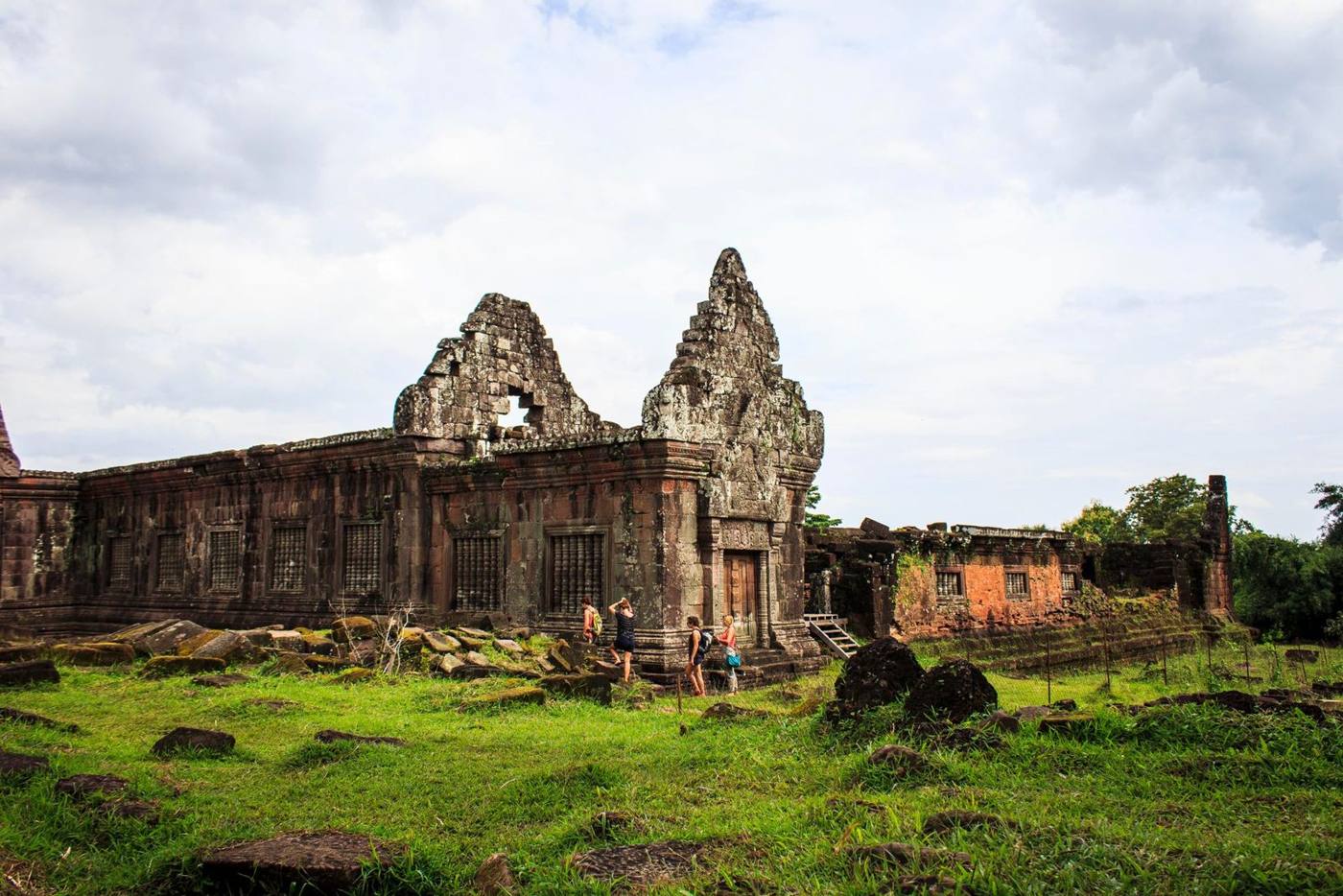
Wat Phou is a complex of Khmer temples whose origins are older than Angkor. Built at the foot of a sacred mountain with a peak that resembles a lingam, it follows a long axis that starts from the water basins on the plain, passes two sandstone palaces and climbs a steep staircase among frangipani trees to the sanctuary on the hill. From up there you see the Mekong plain, the rice fields and the ancient waterways. On the stones you will notice reliefs of Hindu deities and, behind the sanctuary, a sacred spring and carved rocks. Check prices and times and bring water, because it is hot.
Also visit the small museum at the entrance, with statues and lintels found on the site.
In the afternoon return to Champasak and enjoy the sunset over the Mekong. Sleep in Champasak. In the evening the town is silent: have dinner on the riverfront with fish soup and a papaya salad, and watch the lights of the boats on the river.
Practical tip: reach Wat Phou at opening time, because the morning light on the mountain is the most beautiful and the climb is cooler.
- Day 4
To the 4,000 islands and Don Det
Today you reach Si Phan Don, the 4,000 islands, where the Mekong widens up to fourteen kilometres and splits into hundreds of islands and islets before entering Cambodia. From Champasak take a minivan to Ban Nakasang, then a boat to Don Det.
Don Det is small and laid back, with stilt houses, hammocks overlooking the water, rice fields and buffalo. In the afternoon hire a bicycle and ride the path around the island, through palms and villages. Go to the old French railway bridge, which links Don Det and Don Khone: it is a remnant of the short railway built by the French between the late nineteenth and early twentieth centuries to move goods past the rapids, where the river could not be navigated. Next to the bridge you can still see an old locomotive and the tracks.
Sunset from Don Det is famous and brings travellers and locals together on the same bank: sit on the west shore and watch the sun go down behind the islands.
Safety: do not swim in the Mekong where there are currents or near the rapids, and for kayaking always wear a lifejacket.
Practical tip: withdraw cash before you leave, because on the islands cash machines are few or absent.
- Day 5
Don Khone, the Li Phi falls and the dolphins
Today you explore Don Khone, larger and quieter than Don Det. Cycle across the bridge and pay the ticket for the island; check prices and times.
Ride to the Li Phi falls, also called Somphamit: a long stretch of rapids and drops running between black rocks and forest. A path follows the rapids with several viewpoints. The name means roughly spirit trap, and it is linked to old beliefs about the river, because according to tradition the waters hold back the spirits of the dead.
Then continue south to the fishing village at the tip of the island, where boats used to leave to see the Irrawaddy dolphins. Sadly on the Lao side they have almost disappeared, and the chances of seeing them are minimal: if you are offered the trip, know that it is mainly a boat ride on the river.
In the afternoon, by tuk-tuk or minivan, reach the Khone Phapheng falls on the mainland, one of the largest waterfalls in South-East Asia by volume of water: the Mekong crashes down in a huge front of foaming rapids. Check prices and times.
Practical tip: set off on your bike early, because in the middle of the day the sun on the islands is strong and there are few shady stretches.
- Day 6
Back to Pakse or across to Cambodia
Last day. In the morning enjoy a Bolaven coffee in your hammock, watching the fishing boats come back to shore.
Then choose your direction. To return to Pakse take the boat to Ban Nakasang and a minivan north. To continue into Cambodia, the Nong Nok Khiene crossing lies south of the islands. For Cambodia Italian citizens need a visa: apply for the e-visa only on the official website evisa.gov.kh. The crossing is known for small requests for extra money: keep your documents and the exact money with you, ask for a receipt and stay polite.
In these six days you have seen southern Laos: Pakse, the coffee plantations and waterfalls of the Bolaven, Champasak and the sanctuary of Wat Phou, Don Det and Don Khone with the old railway bridge, the Li Phi falls and the Khone Phapheng falls.
When to go: the best period is from November to February, with dry weather and pleasant temperatures. From March to May it is very hot. From June to October it rains, the waterfalls are more powerful but some roads and trails become difficult.
Practical tip: if you go to Cambodia, buy a minivan ticket only to the border or to a nearby town, and check carefully what it includes before paying.
Laos at its slowest, with hammocks by the river and countryside. The Irrawaddy dolphins on the Lao side have almost disappeared. The Nong Nok Khiene border crossing to Cambodia is known for small extra cash demands.
Before you go
- Documents and visa
- Passport valid for at least six months from entry, with at least two blank pages, and a tourist visa: the eVisa, to be requested only on the official website laoevisa.gov.la (accepted at the main airports and at Friendship Bridges I and IV), or a visa on arrival at the main entry points. You must also fill in the LDIF digital immigration form within the three days before arrival and departure.
- Health and vaccines
- Malaria is present in rural areas and dengue cases are regular: use repellent. Medical facilities are poor even in the capital, so you need insurance covering medical costs and repatriation. Drink only bottled water. Emergencies: ambulance 1195, police 1191.
- Money and payments
- Lao kip. Tourist businesses often accept US dollars and Thai baht; cards work in towns, but carry cash in the countryside.
- Power sockets
- Types A, B and C, 230 volts: you need an adapter for British plugs.
- Time zone
- UTC+7 all year.
- Safety
- The British government advises against all travel to Xaisomboun province. Unexploded ordnance remains across the country: walk only on marked paths and never pick up metal objects. There have been fatal methanol poisonings from drinks served in tourist areas: avoid unsealed spirits. Drug penalties are extremely severe. Official advice: GOV.UK.
Information checked in November 2026 for Italian and EU citizens. Rules change: always check before you travel.
Variations
In four days: Pakse and the Bolaven in one day, Wat Phou on the second, then two days on the islands.
In eight days: add an extra night on the Bolaven and a rest day on the islands, with kayaking between the islands and another bike ride on Don Khone.
Frequently asked questions
Can you still see the Irrawaddy dolphins?
On the Lao side of the Mekong they have almost disappeared and the chances of seeing them are minimal. The boat trip is still lovely, but do not expect to meet them.
How do you get to Don Det?
By minivan to Ban Nakasang, on the mainland, then by boat to the island. The journey from Pakse takes a few hours.
What is the border crossing with Cambodia like?
The Nong Nok Khiene crossing is known for small requests for extra money. Apply in advance for the Cambodian e-visa on the official website evisa.gov.kh, keep your documents in order and always ask for a receipt.
Indicative itinerary written by World Atlas. Before booking, check timetables, seasonal openings, documents and safety.
 4 daysEasy
Nong Khiaw and Muang Ngoi
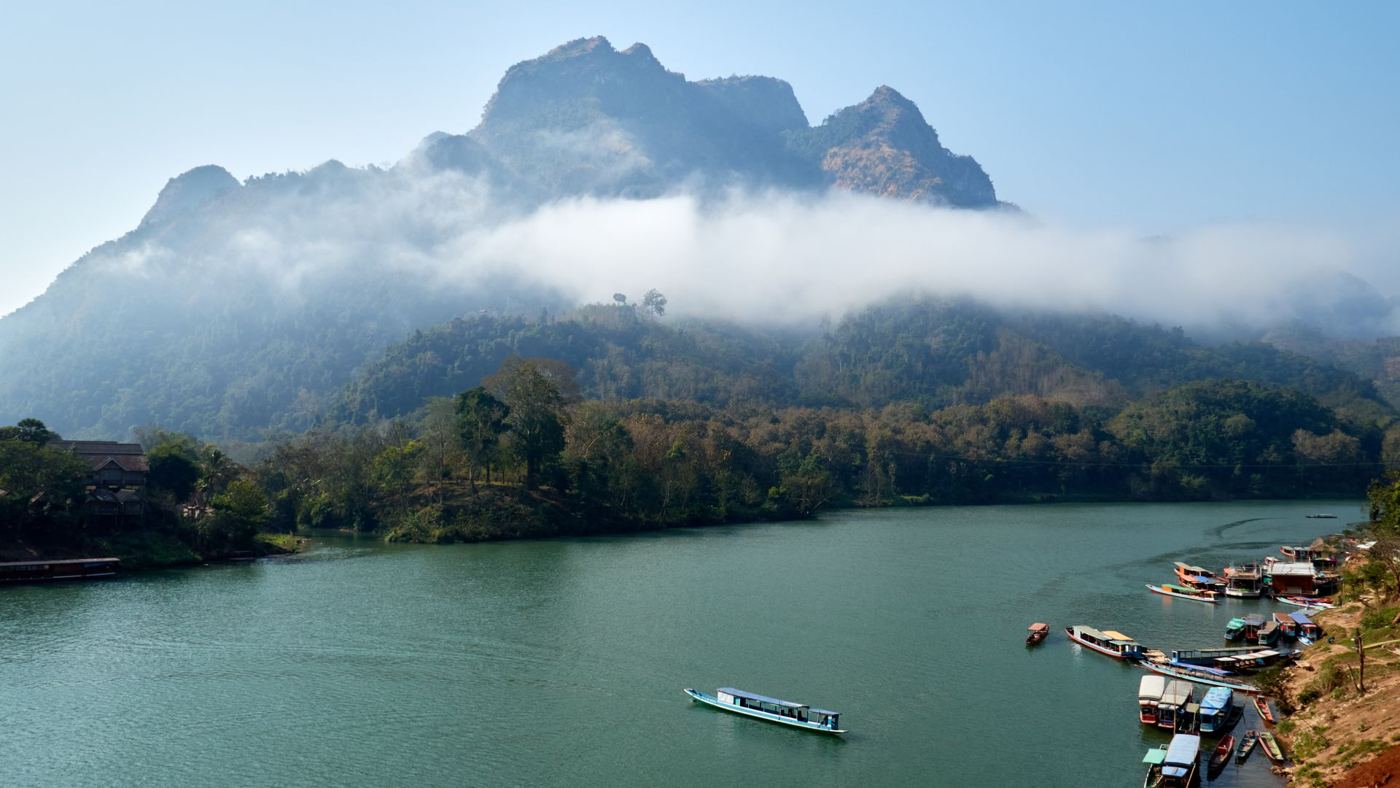
The karst peaks on the Nam Ou river: Pha Daeng viewpoint at Nong Khiaw, the boat to the roadless village of Muang Ngoi and walks among the rice fields.
 3 daysEasy
The Mekong slow boat
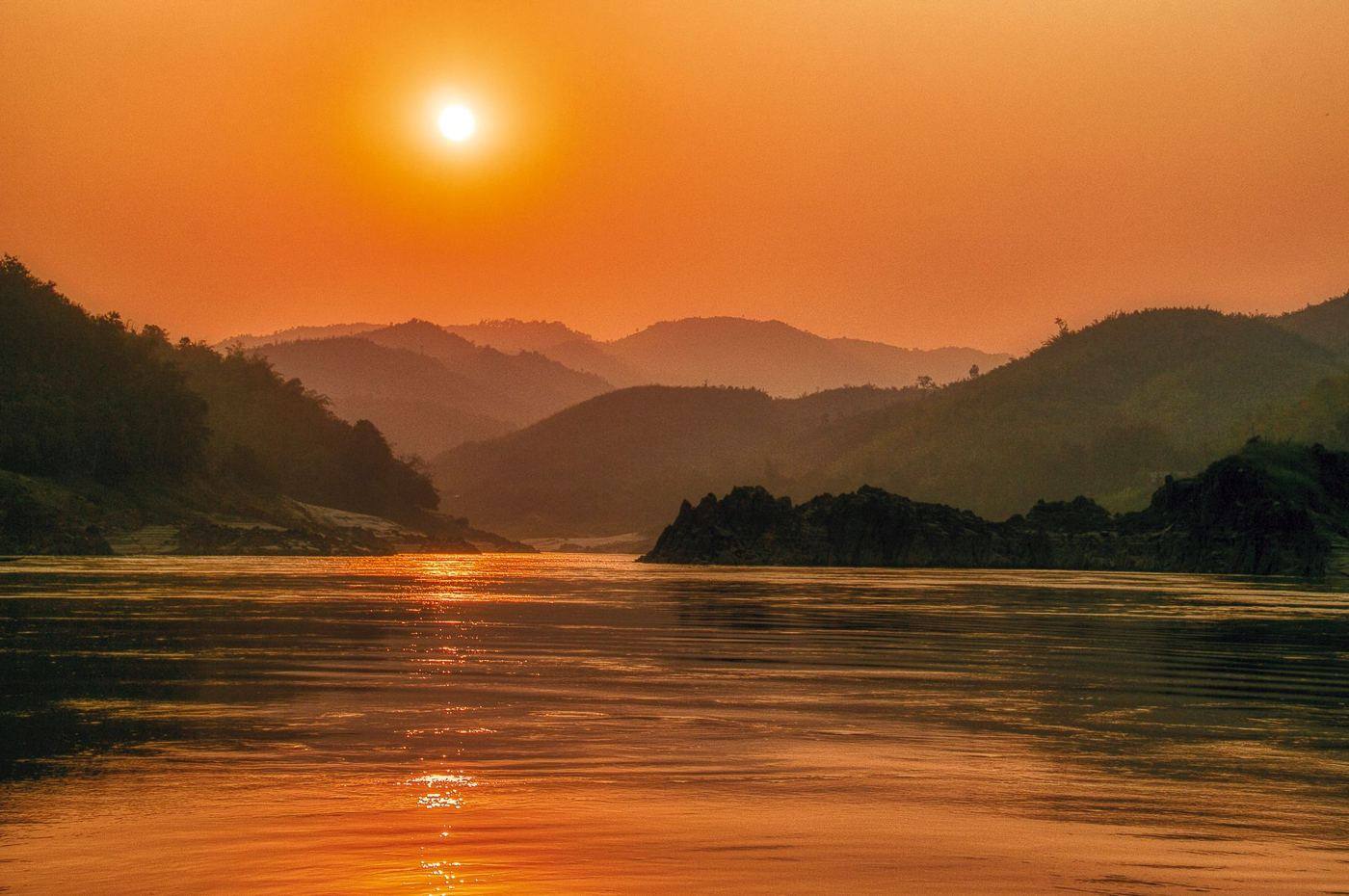
Two days by slow boat from the Thai border at Huay Xai to Luang Prabang, with a night in Pakbeng and the Pak Ou caves on arrival.
 4 daysModerate
The Thakhek loop
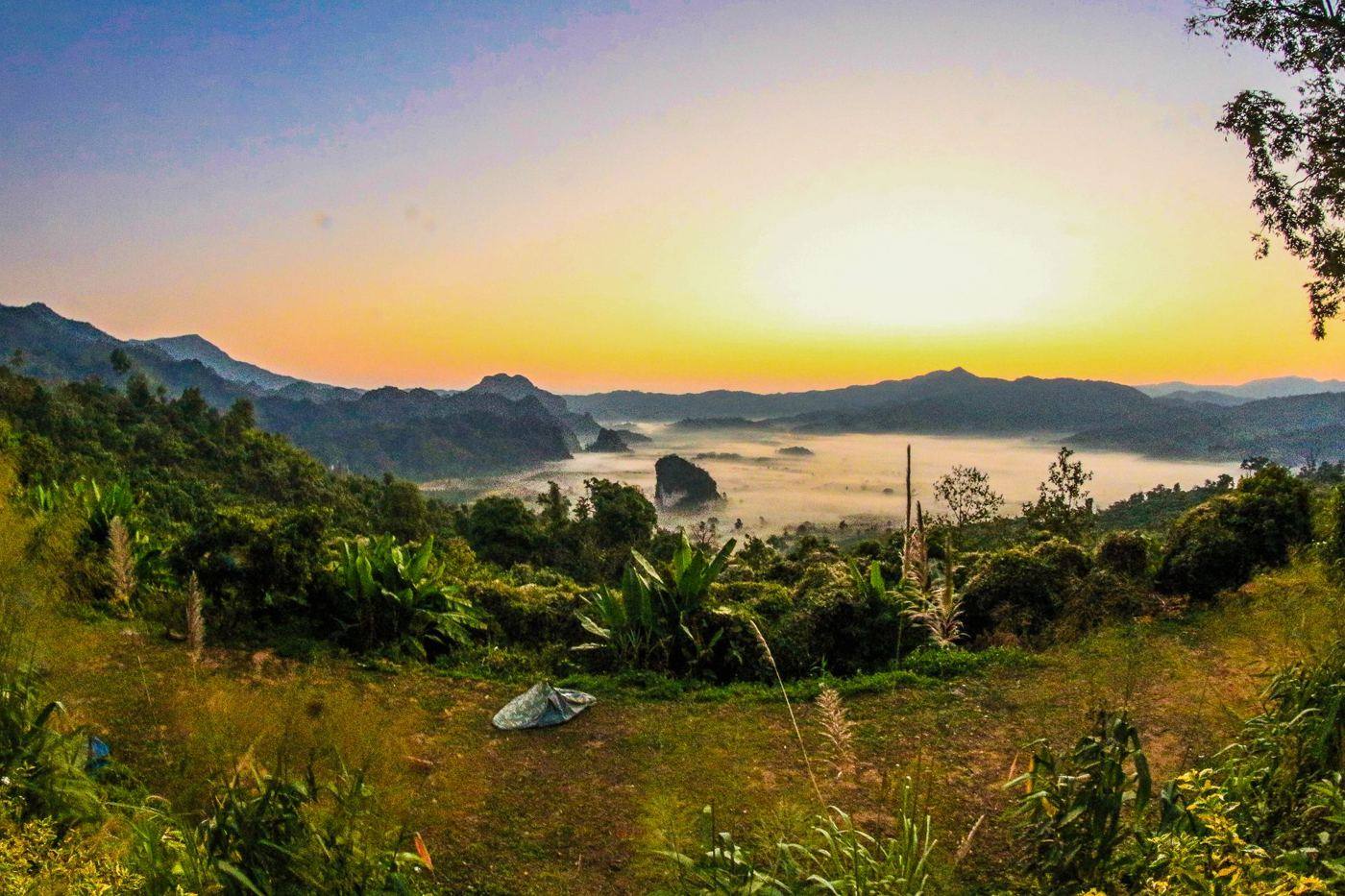
A loop by motorbike or car through the central karst mountains, with Kong Lor cave, crossed by the river for seven kilometres by boat.