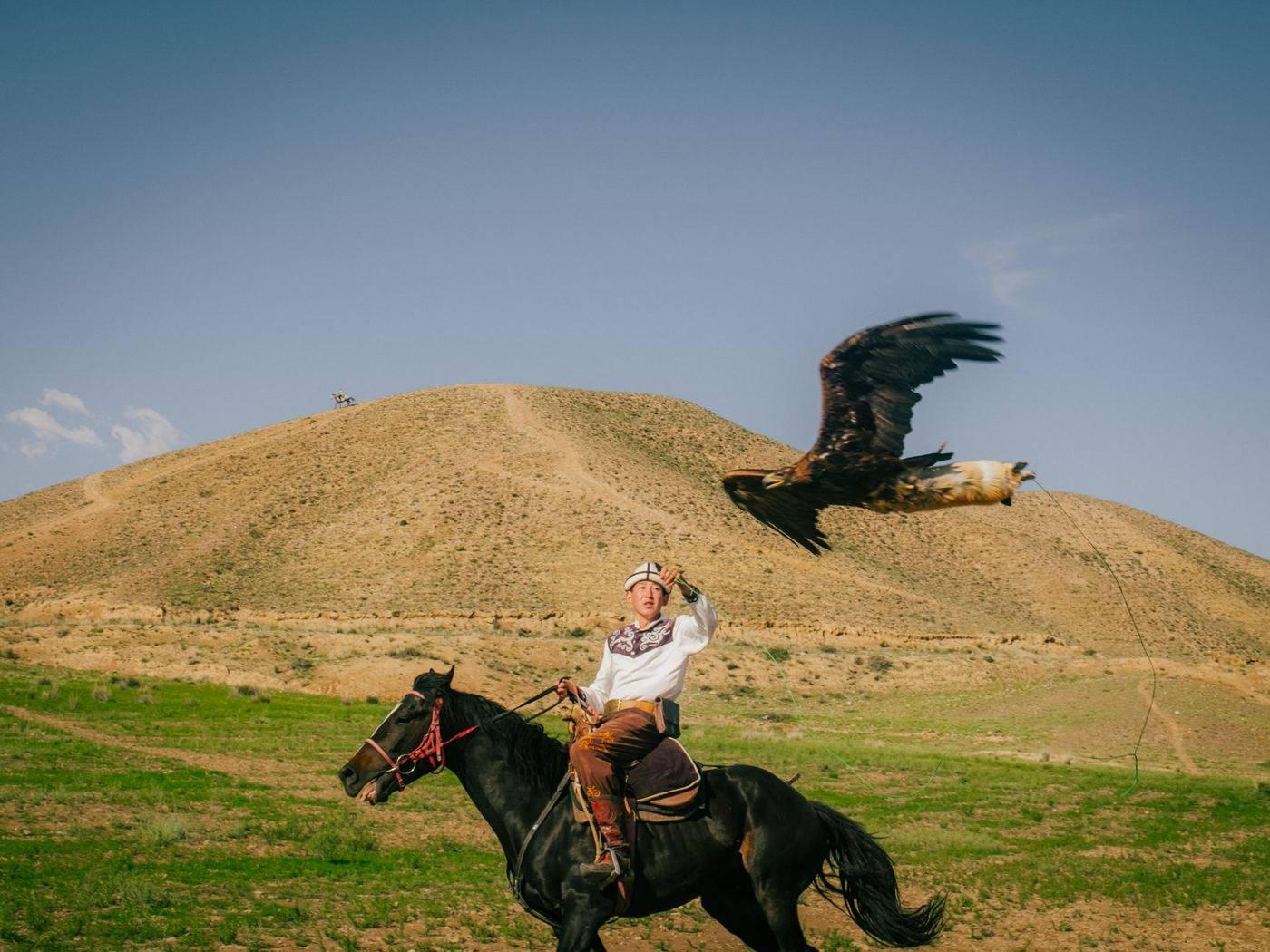
The eagles of Bokonbayevo
The south shore of Issyk-Kul: an eagle-hunting demonstration at Bokonbayevo, the Barskoon gorge and waterfalls, a night in a yurt and shyrdak felt-making.
- Balykchy
- Bokonbayevo
- Barskoon
- Tamga
Day by day
- Day 1
From Bishkek to Bokonbayevo
This trip follows the south shore of Lake Issyk-Kul, the quietest and wildest side: an eagle hunting demonstration near Bokonbayevo, a felt workshop, the Barskoon gorge with its waterfalls, a night in a yurt and the village of Tamga, before you reach Karakol.
Before you go: Italian citizens enter Kyrgyzstan without a visa for up to 30 days in every 60 days, with a passport valid for at least six months from arrival; the electronic identity card is not enough. Other nationalities should check their own rules. The country is generally calm; in Bishkek watch out for bag snatchers in markets. Roads outside the city are poorly lit and sometimes in bad condition: avoid travelling at night and choose a careful driver.
In the morning leave Bishkek heading east. The road follows the Chui valley, then enters the Boom gorge, narrow between red mountains, and climbs to Balykchy, the town at the western end of the lake. Here Issyk-Kul suddenly appears, blue and immense, closed in by the snowy peaks of the Tian Shan.
From Balykchy take the south shore road. The landscape is drier and emptier than on the north shore: ochre hills, apricot orchards, small villages and almost deserted pebble beaches. Stop for a break on the shore and touch the water: the lake is slightly salty and does not freeze in winter.
In the afternoon you arrive in Bokonbayevo, a village of low houses and vegetable gardens, between the lake and the mountains.
Sleep in Bokonbayevo for two nights.
Practical tip: bring cash in som from Bishkek. On the south shore there are few cash machines and they do not always work.
- Day 2
The eagle hunters and the felt workshop
Today you meet two traditions of nomadic Kyrgyzstan: hunting with eagles and handmade felt.
In the morning go up into the hills near the village for an eagle hunting demonstration. In this area some families still keep golden eagles and train them, a tradition handed down from father to son. The hunter arrives on horseback, with the eagle on his arm protected by a large leather glove and its head covered by a small hood. When he takes off the hood, the eagle looks around, then launches itself from the hill and glides over the valley.
The demonstrations are organised for visitors, but they are a way of keeping this culture alive. Listen to the hunter as he explains how a young eagle is taken, how it is trained and how, after many years, it is released again in the mountains. Keep your distance from the animals and ask before taking close-up photos. Check prices and times.
In the afternoon visit a felt workshop in the village. Here women make the shyrdak, the Kyrgyz felt carpet, with two colours cut in the same patterns and sewn together, like a mosaic. Watch how the wet wool is beaten and rolled to make felt, and have a go yourself.
In the evening have dinner with a family, with beshbarmak, noodles with boiled meat, and tea with milk.
Sleep in Bokonbayevo.
Practical tip: if you buy a shyrdak, ask for it to be rolled and tied well. A handmade carpet is heavy: check your airline's baggage allowance first.
- Day 3
The Barskoon gorge and the night in a yurt
Today you continue east along the south shore and climb into the Barskoon gorge, with its waterfalls and high pastures, for a night in a yurt.
In the morning stop at Fairy Tale Canyon, near the village of Tosor, a short way from the main road. Wind and water have carved the red, yellow and orange rock into strange shapes that look like castles, dragons and walls. Walk the paths between the ridges, with the blue lake in the background. Check prices and times.
Then reach the village of Barskoon and drive up its valley. The road is paved for the first stretch and crosses a fir forest along the river. On the way you find several waterfalls: the best known falls from a high wall in the forest and is a short walk away. Further on there is a small monument dedicated to Yuri Gagarin, the first man in space.
Large lorries heading for the high mountain mines often use the Barskoon road: walk well away from the carriageway.
In the afternoon you arrive at the yurt camp in the pastures of the valley. Around you there are horses, flocks and mountains. Go into the yurt and look at the wooden frame, the felts and the colourful carpets.
In the evening have dinner around the fire and taste kymyz, fermented mare's milk. The night is cool and the sky is full of stars.
Sleep in a yurt in the Barskoon valley.
Practical tip: in the yurt you sleep close together and the temperature drops a lot at night. Bring warm pyjamas, wool socks and a head torch.
- Day 4
Tamga and on to Karakol
Today you come down from the Barskoon valley, visit Tamga and continue to Karakol, at the eastern end of the lake.
In the morning, after breakfast in the yurt, take a short walk in the pastures, while the light is still soft. Then go back to the lakeshore and reach Tamga, a small village between the lake and the mountains.
Above the village, in a gorge, stands Tamga-Tash, a large boulder with a Buddhist inscription in Tibetan, the formula om mani padme hum, carved many centuries ago. You reach it with an uphill walk along the stream. It is a sign of the many cultures that passed around Issyk-Kul along the caravan routes.
In the early afternoon continue east along the south shore. The closer you get to Karakol, the greener the landscape becomes, with forests, orchards and the great mountains of the Terskey Ala-Too closer and closer.
In four days you have seen the south shore of Issyk-Kul, the eagle hunting demonstration and the shyrdak workshop at Bokonbayevo, Fairy Tale Canyon, the Barskoon waterfalls, a night in a yurt and the Tamga stone. It is a real encounter with nomadic culture, with families who still live from herding. It combines well with a trip to Song-Köl.
When to go: the best period is from June to September, when the pastures are green and the yurt camps are open. July and August are the warmest months on the lake.
Practical tip: in Karakol try ashlyan-fu, the cold noodle soup of the Dungan people, the typical dish of the town.
An encounter with genuine nomadic culture, with families still living from herding. The demonstrations are organised for visitors but respectful. It pairs with Song-Köl.
Before you go
- Documents and visa
- Passport valid for at least six months from the date of arrival. Since 31 December 2025, British and EU citizens can enter without a visa for up to 30 days in every 60 days, counted from the day of entry. For longer stays you must leave before the limit or register online within five days of arrival. Some areas near the borders, such as Kel-Suu lake, Chatyr-Kul lake and the approaches to Lenin Peak, need a border zone permit arranged in advance: you cannot buy it at the checkpoint.
- Health and vaccines
- No compulsory vaccinations for travellers from Europe: check which are recommended at least eight weeks before you go. In the mountains there is a risk of altitude sickness: climb gradually and talk to your doctor before you travel. Medical facilities are basic, especially outside Bishkek: take insurance covering medical costs and repatriation. Ambulance 103, police 102, fire 101.
- Money and payments
- Kyrgyz som. ATMs and cards are found in Bishkek, Osh and Karakol; in villages, valleys and yurt camps you need cash. Cash above the equivalent of 10,000 dollars must be declared.
- Power sockets
- Types C and F, 220 volts: you need an adapter for British plugs.
- Time zone
- A single time zone, UTC+6 all year: six hours ahead of the UK in winter, five in summer.
- Safety
- The country is generally calm, but there are bag snatchers and pickpockets in Bishkek, especially at Osh Bazaar. Since the 2025 border agreement with Tajikistan there have been no new clashes, but the situation can change quickly and there may be mines in the border areas of Batken region; the United States advises reconsidering travel within about 30 kilometres of the Tajik border. Do not photograph border posts, military sites or police stations. In the mountains there are avalanches, landslides and limited rescue: do not hike alone. The risk of earthquakes is high. Official advice: GOV.UK.
Information checked in November 2026 for Italian and EU citizens. Rules change: always check before you travel.
Variations
In 3 days: Bokonbayevo with the eagle and the felt, then Fairy Tale Canyon and Karakol.
In 6 days: add two nights at Song-Köl, the lake of pastures, before going down to Issyk-Kul.
Frequently asked questions
Are the eagle hunting demonstrations respectful of the animals?
They are organised for visitors by families who have kept eagles for generations. Keep your distance, follow the hunter's instructions and ask before taking close-up photos.
What is it like to sleep in a yurt?
It is simple and cosy: you sleep on mattresses and felt blankets, with the toilets outside. At night it is cold even in summer, so bring warm clothes and a head torch.
Can you swim in Issyk-Kul?
Yes, in summer many people swim, especially in July and August. The water is cool and slightly salty. On the south shore the beaches are pebbly and have few facilities.
Indicative itinerary written by World Atlas. Before booking, check timetables, seasonal openings, documents and safety.
 3 daysEasy
Chong-Kemin and Burana
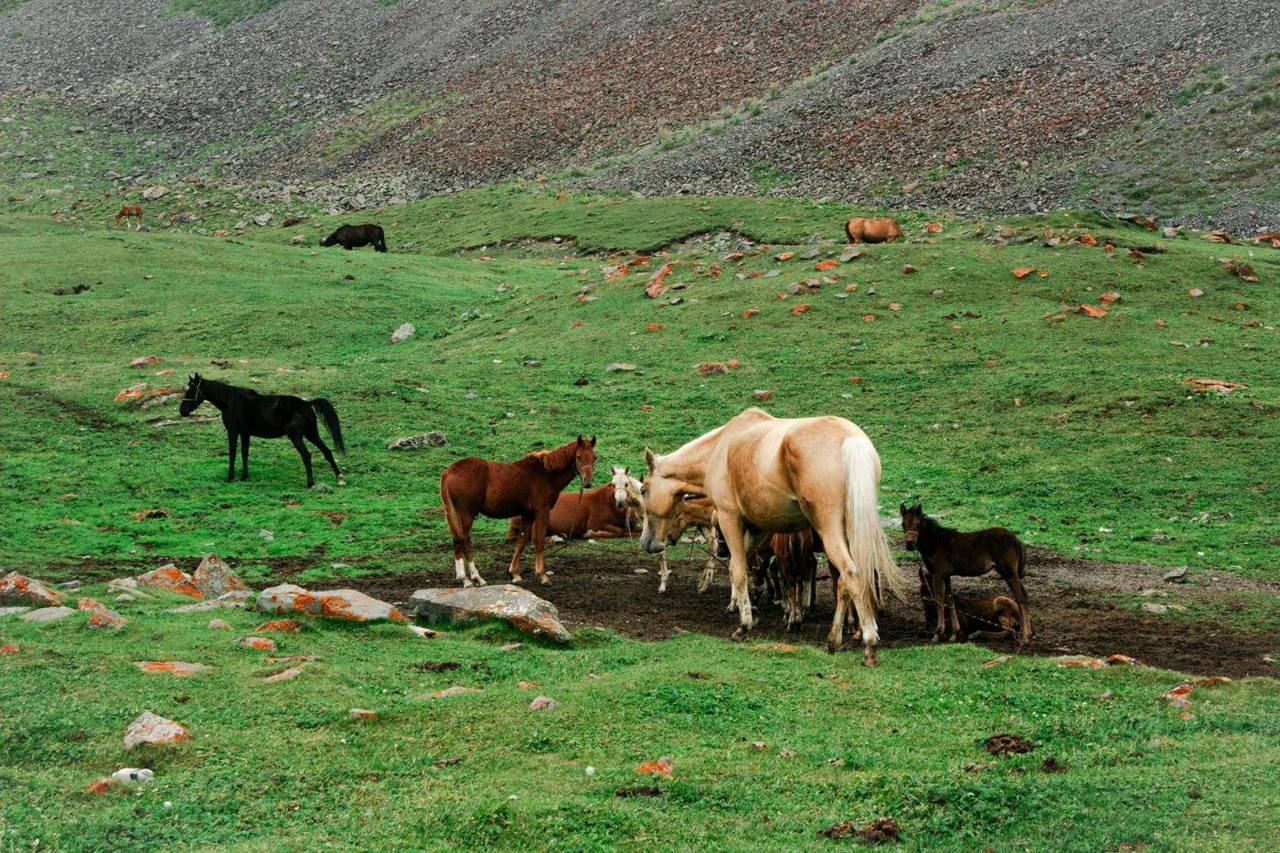
The Burana tower with its balbal Turkic grave stones, and the Chong-Kemin valley for riding among pastures and firs, staying on a farm.
 4 daysModerate
Kel-Suu
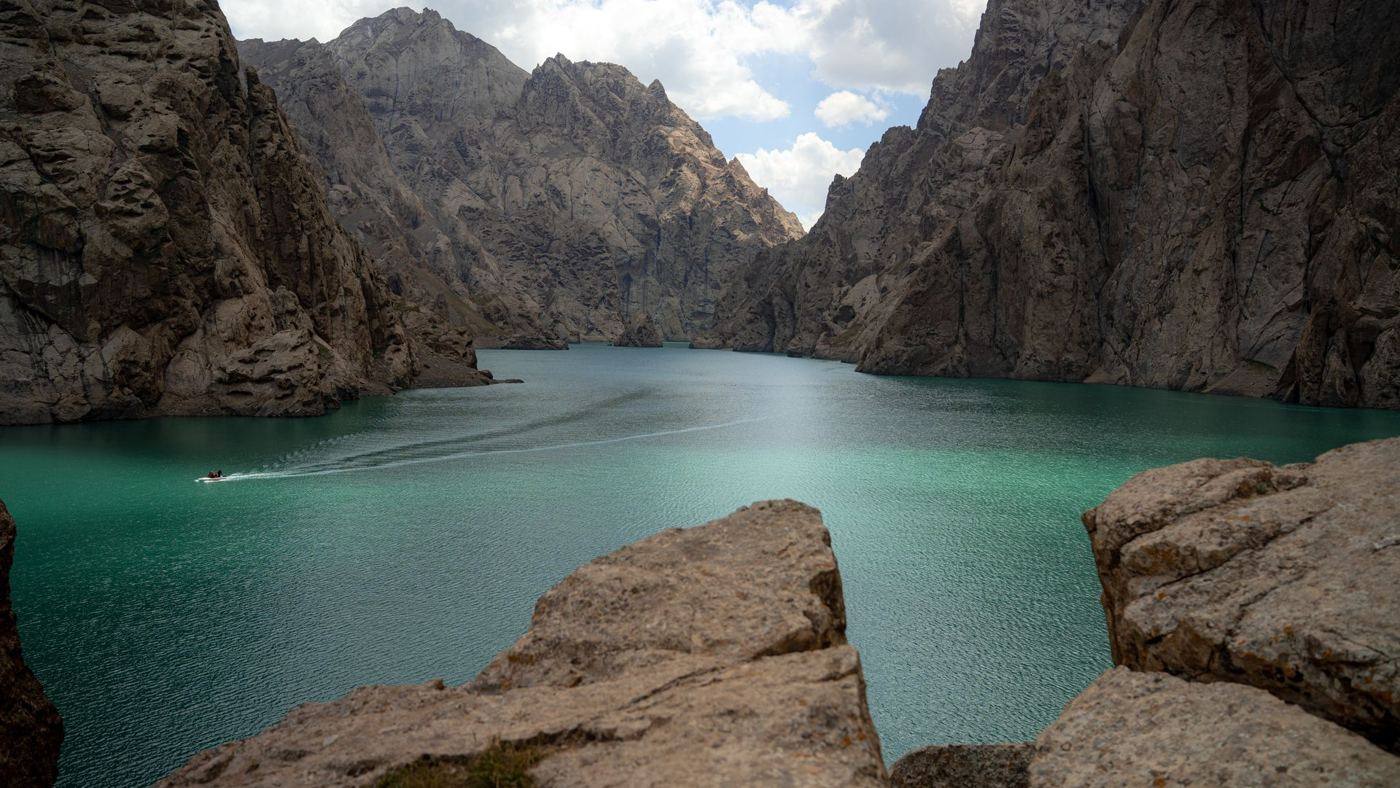
Lake Kel-Suu in the At-Bashy mountains near China, a turquoise lake between sheer walls reached by 4x4 and on foot or horseback.
 4 daysEasy
Skiing at Karakol
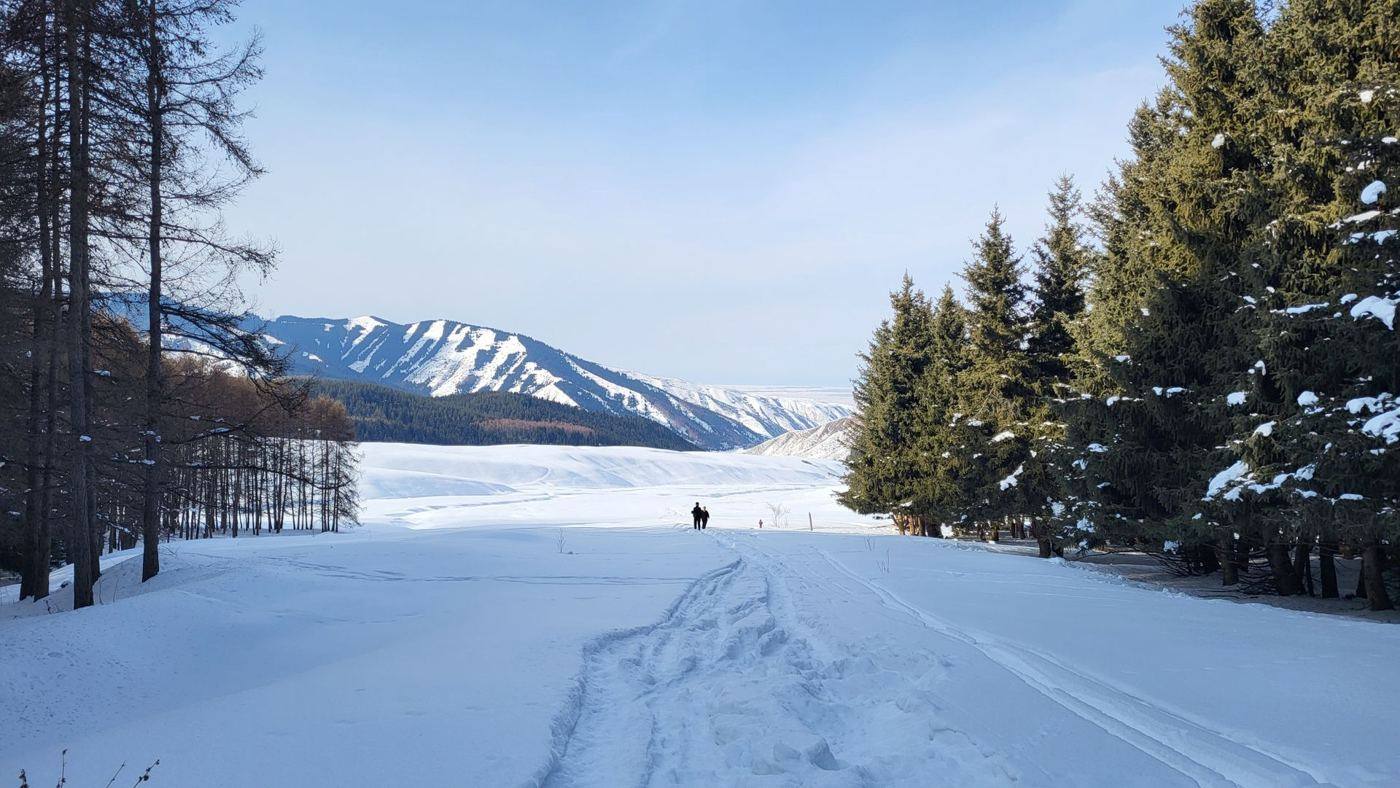
The ski resort among the pines at Karakol, with dry snow and low prices, Lake Issyk-Kul that never freezes and the hot springs.