Chong-Kemin and Burana
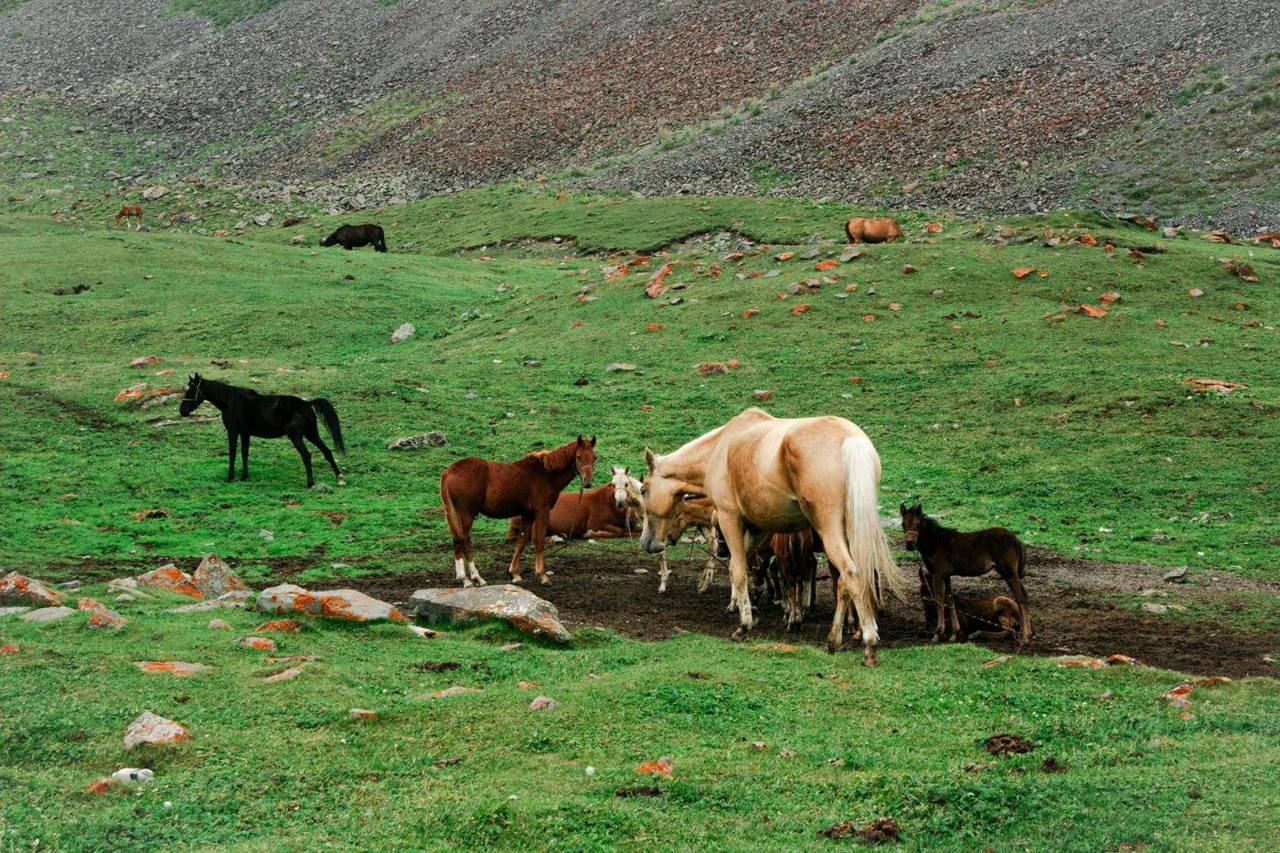
The Burana tower with its balbal Turkic grave stones, and the Chong-Kemin valley for riding among pastures and firs, staying on a farm.
- Bishkek
- Burana
- Chong-Kemin
Day by day
- Day 1
Burana Tower and the Chong-Kemin valley
This short trip, easy and close to Bishkek, combines the history of the Silk Road with a first experience on horseback in Kyrgyzstan: Burana Tower with the gravestones of the Turkic peoples, then the Chong-Kemin valley, among pastures and fir forests, with nights in a country house.
Before you go: Italian citizens enter Kyrgyzstan without a visa for up to 30 days in every 60 days, with a passport valid for at least six months from arrival; the electronic identity card is not enough. Other nationalities should check their own rules. The country is generally calm; in Bishkek watch out for bag snatchers in markets. Country roads are poorly lit: avoid driving at night.
In the morning leave Bishkek heading east. In about an hour and a half you reach Burana Tower, near the town of Tokmok. It is an eleventh-century brick minaret, the last remains of the city of Balasagun, once one of the capitals of the Karakhanids. Earthquakes have made it lower than it was, but you can still climb inside by a narrow, dark staircase. Check prices and times.
Around the tower, on the grass, the balbals are gathered: stones carved with human faces, placed on graves by the Turkic peoples of the steppe many centuries ago. In the small museum you see coins, pottery and objects found in the excavations.
In the afternoon continue east and enter the Chong-Kemin valley, wide and green, closed in by mountains covered with fir trees.
Sleep in a country house in the valley for two nights.
Practical tip: to climb the tower use your phone torch. The steps are high and uneven, and the staircase is very narrow.
- Day 2
On horseback in the Chong-Kemin valley
Today you spend the day on horseback, as Kyrgyz herders have always done, among pastures, streams and fir forests.
After breakfast you meet the guide who will lead the group. Kyrgyz horses are small, sturdy and calm, used to mountain trails: even those who have never been in the saddle can do a simple ride. Listen to the instructions, adjust your stirrups well and ask to start at a walk.
The route climbs from the valley floor towards the high pastures. You cross meadows full of flowers, ford small streams and pass the yurts of the herders, who in summer bring their flocks of sheep, their cows and horses up here. If you are invited in, take off your shoes and accept a cup of tea or kymyz, fermented mare's milk.
Around midday stop for a packed lunch at a viewpoint. From above you see the green valley, the river and the peaks still white with snow at the start of summer.
In the afternoon you ride back slowly. After a few hours in the saddle your legs will feel it: walk for a while leading the horse by the reins, if your guide allows it.
In the evening, at the house where you are staying, have dinner with soup, home-made bread, jam and honey from the valley.
Sleep in the Chong-Kemin valley.
Practical tip: bring warm and waterproof clothes even in summer, long trousers and closed shoes with a small heel. Always ask for a helmet before setting off and check that your insurance covers horse riding.
- Day 3
Back to Bishkek or on to Issyk-Kul
Today you leave the valley and choose your road: back to Bishkek or on to the east, to Lake Issyk-Kul.
In the morning, before leaving, take a walk along the Chong-Kemin river or on the paths near the village. The morning light on the mountains is the most beautiful, and you often see the herders taking their animals to pasture.
If you return to Bishkek, take the road west again. You can stop once more in Tokmok for a look at the market or, in the afternoon, in the centre of the capital, at Osh Bazaar or on Ala-Too Square with the statue of Manas.
If you want to go on, from the valley you reach the north shore of Issyk-Kul in a few hours, the great mountain lake that does not freeze in winter, surrounded by the peaks of the Tian Shan. It is a good starting point to continue your trip towards Karakol and the valleys south of the lake.
In three days you have seen Burana Tower and the balbals, traces of the Silk Road near Bishkek, and you have ridden in the Chong-Kemin valley, among pastures, herders' yurts and fir forests. It is a simple and authentic first taste of rural Kyrgyzstan.
When to go: the best period is from June to September, when the pastures are green and the herders are in the mountains. In June there are more flowers, in September the colours are warmer. Even in summer the nights in the valley are cool.
Practical tip: carry cash in som for the house where you stay and for your guide. In the valley cards are hardly used.
A first taste of Kyrgyz horse riding, easy and close to Bishkek. The horses are small and calm. Bring warm clothing even in summer.
Before you go
- Documents and visa
- Passport valid for at least six months from the date of arrival. Since 31 December 2025, British and EU citizens can enter without a visa for up to 30 days in every 60 days, counted from the day of entry. For longer stays you must leave before the limit or register online within five days of arrival. Some areas near the borders, such as Kel-Suu lake, Chatyr-Kul lake and the approaches to Lenin Peak, need a border zone permit arranged in advance: you cannot buy it at the checkpoint.
- Health and vaccines
- No compulsory vaccinations for travellers from Europe: check which are recommended at least eight weeks before you go. In the mountains there is a risk of altitude sickness: climb gradually and talk to your doctor before you travel. Medical facilities are basic, especially outside Bishkek: take insurance covering medical costs and repatriation. Ambulance 103, police 102, fire 101.
- Money and payments
- Kyrgyz som. ATMs and cards are found in Bishkek, Osh and Karakol; in villages, valleys and yurt camps you need cash. Cash above the equivalent of 10,000 dollars must be declared.
- Power sockets
- Types C and F, 220 volts: you need an adapter for British plugs.
- Time zone
- A single time zone, UTC+6 all year: six hours ahead of the UK in winter, five in summer.
- Safety
- The country is generally calm, but there are bag snatchers and pickpockets in Bishkek, especially at Osh Bazaar. Since the 2025 border agreement with Tajikistan there have been no new clashes, but the situation can change quickly and there may be mines in the border areas of Batken region; the United States advises reconsidering travel within about 30 kilometres of the Tajik border. Do not photograph border posts, military sites or police stations. In the mountains there are avalanches, landslides and limited rescue: do not hike alone. The risk of earthquakes is high. Official advice: GOV.UK.
Information checked in November 2026 for Italian and EU citizens. Rules change: always check before you travel.
Variations
In 2 days: Burana Tower and a night in the Chong-Kemin valley with a short ride.
In 5 days: add two days on the north shore of Issyk-Kul before continuing towards Karakol.
Frequently asked questions
Do you need experience to ride in Chong-Kemin?
No, Kyrgyz horses are small and calm and you mostly go at a walk, with a guide. Ask for a helmet and always say what your level is before you set off.
Can you climb Burana Tower?
Yes, inside there is a narrow, dark staircase to the top. Bring a torch and climb slowly. Check prices and times before your visit.
How far is Chong-Kemin from Bishkek?
The valley is east of the capital, a few hours by road. It combines well with Burana Tower, which lies on the way near Tokmok.
Indicative itinerary written by World Atlas. Before booking, check timetables, seasonal openings, documents and safety.
 4 daysModerate
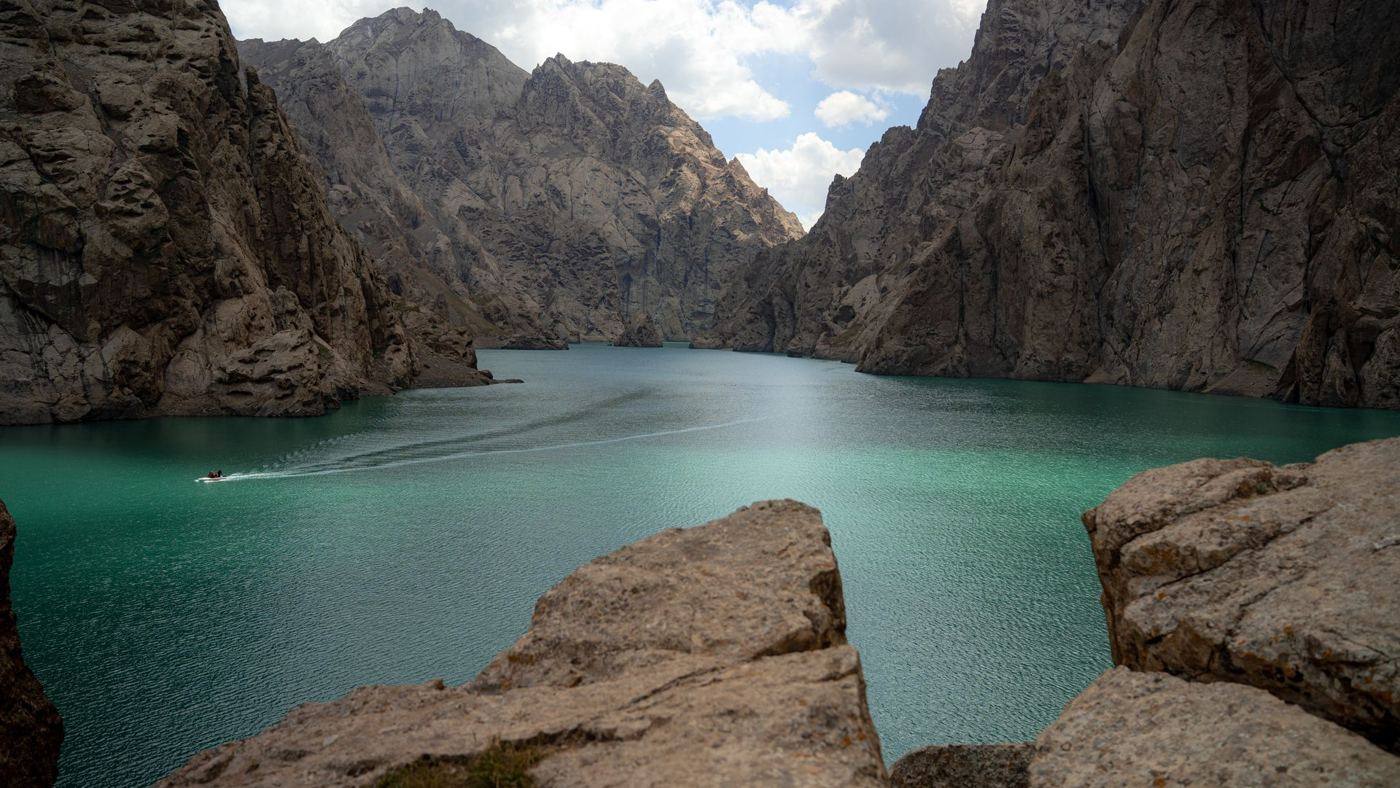
Kel-Suu
Lake Kel-Suu in the At-Bashy mountains near China, a turquoise lake between sheer walls reached by 4x4 and on foot or horseback.
 4 daysEasy
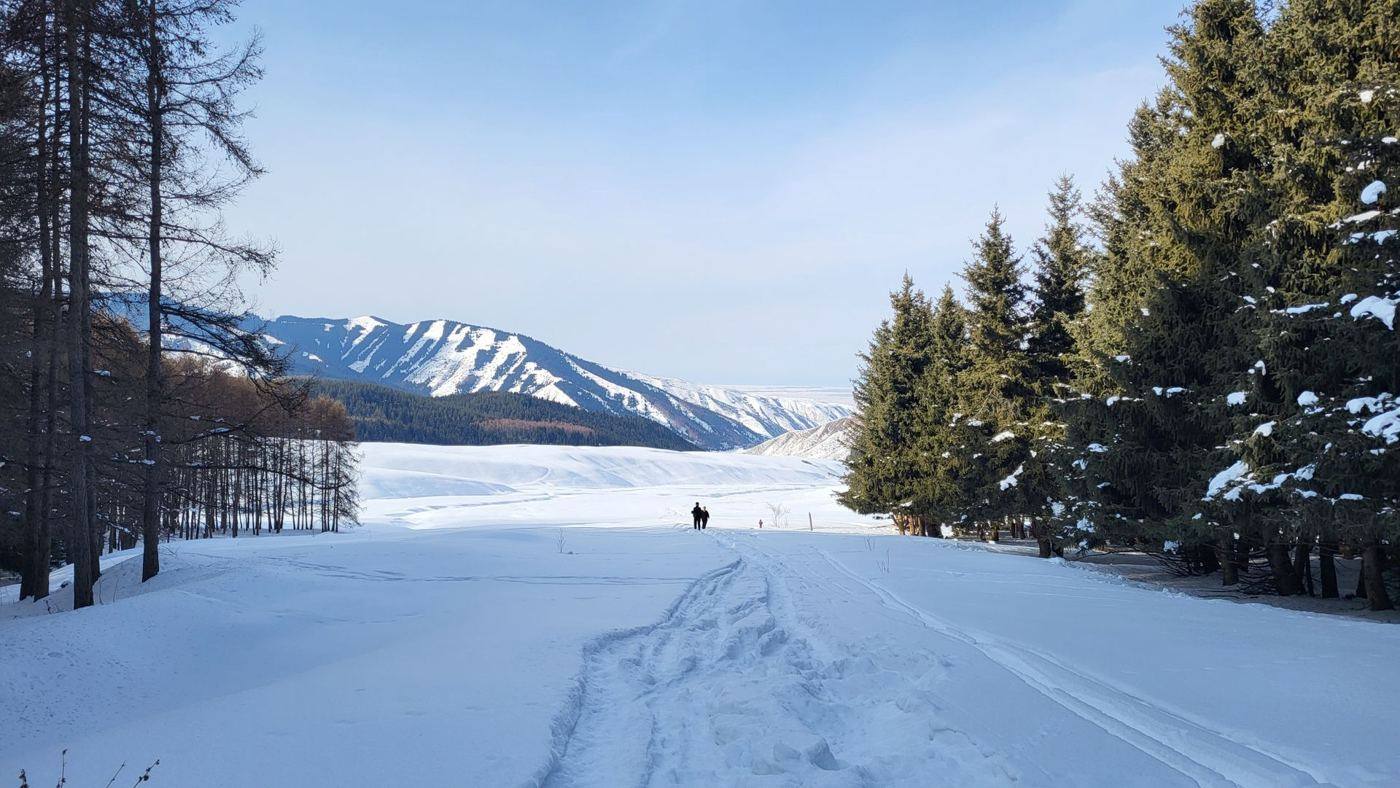
Skiing at Karakol
The ski resort among the pines at Karakol, with dry snow and low prices, Lake Issyk-Kul that never freezes and the hot springs.
 9 daysModerate
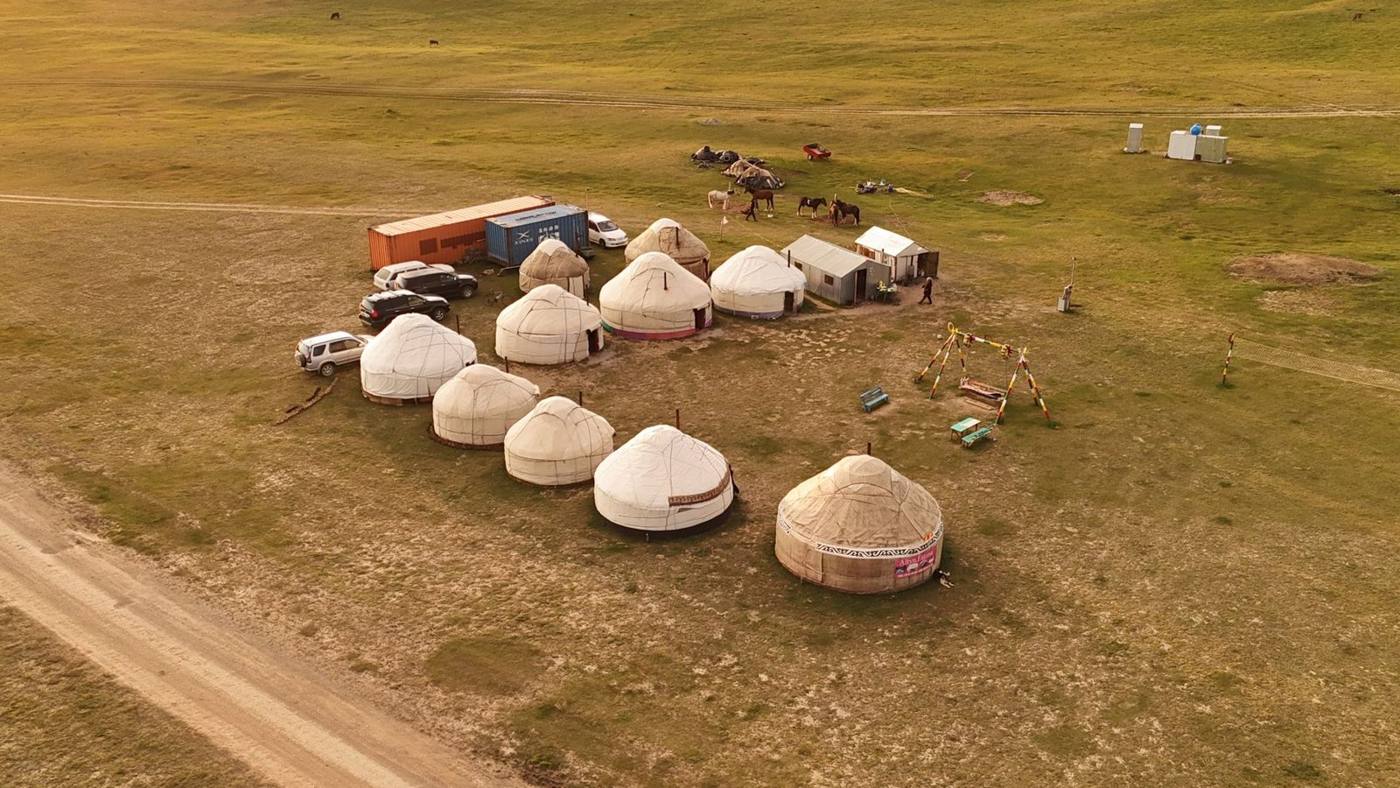
Issyk-Kul and Song-Köl
Lake Issyk-Kul, the Skazka fairy-tale canyon, Karakol and the Jeti-Ögüz valley, then the herders' yurts by the high lake of Song-Köl.