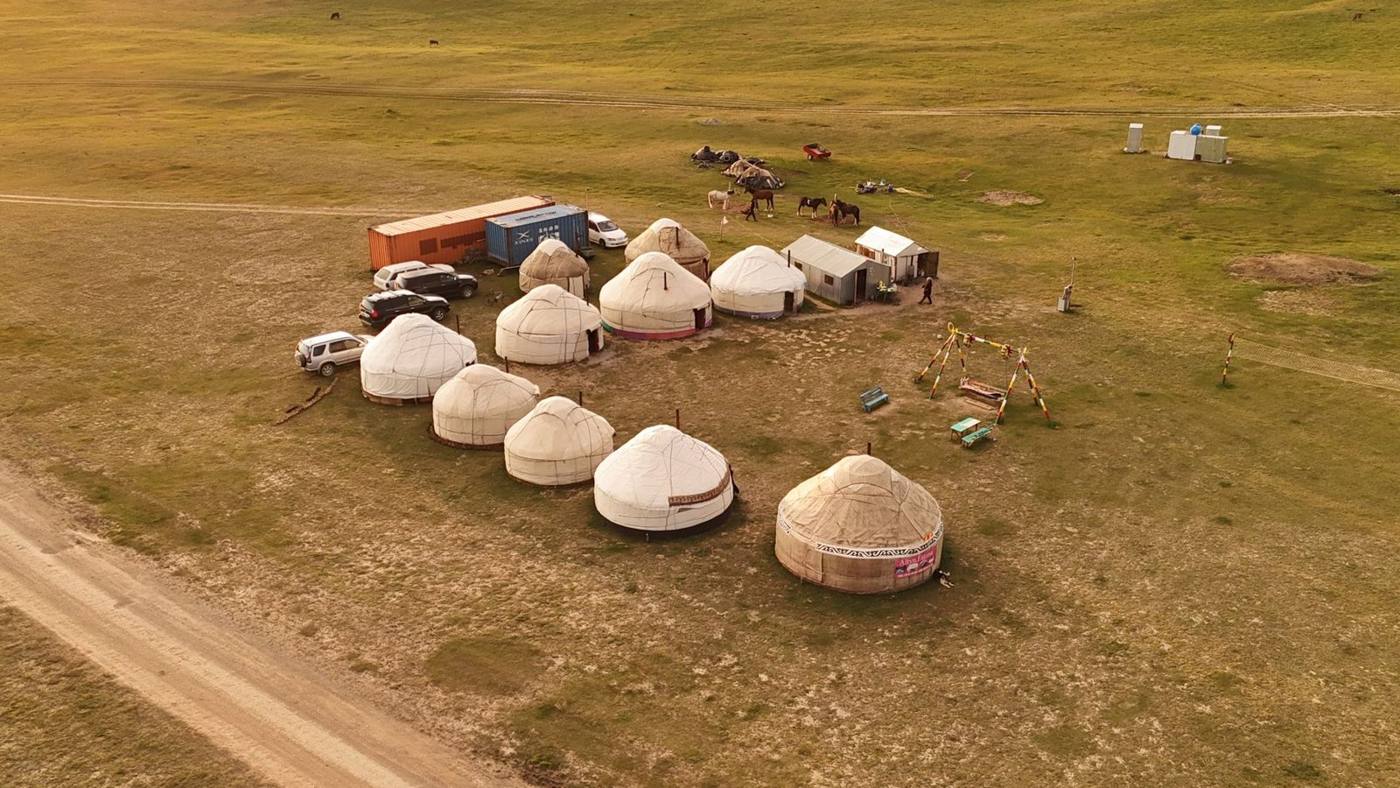
Issyk-Kul and Song-Köl
Lake Issyk-Kul, the Skazka fairy-tale canyon, Karakol and the Jeti-Ögüz valley, then the herders' yurts by the high lake of Song-Köl.
- Bishkek
- Cholpon-Ata
- Karakol
- Jeti-Ögüz
- Skazka
- Kochkor
- Song-Köl
Day by day
- Day 1
Bishkek, Osh Bazaar and the road to Cholpon-Ata
This nine day trip crosses the natural heart of Kyrgyzstan: the great lake of Issyk-Kul, the town of Karakol, the red valleys of Jeti-Ögüz, Skazka canyon and finally the shepherds' yurts on the high mountain lake of Song-Köl.
Before you go: Italian citizens enter Kyrgyzstan without a visa for up to 30 days in every 60 days, with a passport valid for at least six months from arrival; the electronic identity card is not enough. Other nationalities should check their own rules. The country is generally calm, but there are bag snatchers and pickpockets in Bishkek, especially at Osh Bazaar. Do not photograph police posts or military buildings. The risk of earthquakes is high. In the mountains the weather changes quickly and rescue is limited: do not walk alone.
You arrive at Manas airport and reach the centre of Bishkek. In the morning walk around Osh Bazaar, among dried fruit, nuts, round bread, kalpak felt hats and spice stalls. Buy something to eat on the road: dried apricots, almonds and kurut, the small balls of dry salted cheese.
Then head east. The road climbs through the Boom gorge, squeezed between rock walls, and comes out on the north shore of Issyk-Kul, with the snowy Kungey Ala-Too mountains behind. In all it takes about four hours.
In the evening you reach Cholpon-Ata, the main beach resort on the lake. Walk along the lakefront and watch the sunset over the water.
Practical tip: take out cash in Bishkek, because in the villages and yurt camps cards hardly work.
- Day 2
The carved stones of Cholpon-Ata and arrival in Karakol
In the morning visit the field of carved stones at Cholpon-Ata, an open-air museum above the town. Among large round boulders brought down by glaciers you find ancient carvings: mostly ibex with curved horns, but also deer, horses and hunting scenes. Walk among the stones slowly, in the cool of the morning, when the low light brings out the drawings. Check prices and times.
Issyk-Kul is one of the largest mountain lakes in the world and lies at about 1,600 metres. The water is slightly salty and the lake does not freeze in winter: that is why its name means warm lake. In summer the water is cool but people swim, from beaches of sand and pebbles.
Then continue east along the north shore. The road runs through villages of low houses, apple orchards and wheat fields, always with the mountain range on one side and the blue lake on the other. Stop for a swim or a picnic on a quiet beach.
In the afternoon you reach Karakol, the town at the eastern end of the lake and the base for the valleys of the Terskey Ala-Too. It is a small town with painted wooden houses, avenues of poplars and a big market.
In the evening taste ashlyamfu, a cold Dungan dish with noodles, starch jelly, egg and a sour, spicy broth: it is the speciality of Karakol.
Sleep in Karakol for three nights.
Practical tip: bring a swimsuit and a light towel, because along the north shore there are many places to stop for a swim.
- Day 3
Karakol, the Dungan mosque and the Jeti-Ögüz valley
Spend the morning in Karakol. Start with the Dungan mosque, built in wood at the beginning of the twentieth century by the Dungan Muslims, who came from China. It looks like a Chinese temple, with a pagoda roof and beams painted red, green and yellow, and it was fitted together without metal nails. Go in quietly, wearing clothes that cover your shoulders and legs. Check prices and times.
Then walk to the Orthodox Holy Trinity Cathedral, also made of wood, with onion domes and a park around it. The two buildings tell the story of the town's many communities well: Kyrgyz, Russian, Dungan and Uyghur.
Stop at the market for fruit, bread and cheese, then in the afternoon drive west to the Jeti-Ögüz valley, about half an hour away. At the entrance to the valley you see the Seven Bulls, a row of large red sandstone cliffs that give the valley its name: Jeti-Ögüz means seven bulls. A little further on is the Broken Heart, a red rock split in two, linked to a love legend.
Go up the valley on foot or on horseback to the meadows of the Valley of Flowers, with shepherds' yurts, grazing herds and fir woods on the slopes. At the far end you see peaks with snow even in summer.
In the evening return to Karakol.
Practical tip: if you want to ride, ask the shepherds in the valley or in the village, and agree on the price and the length of the ride before you set off.
- Day 4
On foot to the hot springs of Altyn-Arashan
Today is your mountain day. Leave Karakol early for the village of Ak-Suu, where the track to Altyn-Arashan begins: the valley of hot springs at about 2,600 metres.
The climb follows the stream up a narrow valley, through dark fir woods and meadows, then opens into a wide green basin. On foot it usually takes three or four hours to go up, with a big height gain: walk at your own pace and drink often. If you do not want to walk, you can ride up in the old Soviet four-wheel drives that use the very rough track, or on horseback.
At the top there is a small group of houses, yurts and wooden huts with pools of thermal water. Bathing outdoors, with the mountains all around and the Palatka peak at the head of the valley, is the reward of the day. Check prices and times for the pools.
After your bath and a simple lunch, walk down slowly to Ak-Suu. If you have more time, you can also sleep in the valley and come back the next day, but this itinerary has you back in Karakol in the evening.
Remember that the weather here changes quickly, even in summer, and that phone coverage is poor. Do not go alone, tell someone where you are going and carry water, food and a warm layer.
Practical tip: pack a waterproof jacket and hiking boots you have already worn in, because the track is muddy after rain.
- Day 5
The south shore of the lake and Skazka canyon
Leave Karakol and drive west along the south shore of Issyk-Kul. Here the landscape is wilder and less built up than on the north shore: empty beaches, dry hills, shepherds' villages and the great Terskey Ala-Too mountains on your left.
In the middle of the morning stop for a walk in one of the side valleys, such as Barskoon, with its waterfalls and pastures. Further on the road passes close to sandy beaches where you can swim.
In the early afternoon you reach Skazka canyon, near the village of Tosor. The name means fairy tale: wind and rain have carved the sandstone into towers, ridges and pinnacles in red, orange and yellow, which look like castles, dragons and walls. Walk along the ridges to see the blue lake beyond the coloured rocks. Check prices and times.
The best light is in the late afternoon, when the rocks turn almost fiery red. The ground is crumbly and has no railings: stay on the trodden paths and do not climb the rock faces.
In the evening sleep in a village on the south shore, in a family home or a yurt near the lake. At dinner try beshbarmak, wide noodles with boiled meat, and borsok, the fried bread.
Practical tip: there is no shade at Skazka, so bring a hat, sun cream and water. Shoes with a good sole help on the sand and crumbling rock.
- Day 6
Kochkor and the felt makers
Today you leave the lake and climb inland. You pass Balykchy, at the western end of Issyk-Kul, and take the road south. The landscape changes: bare hills, wide valleys and the first high pastures.
In the late morning you reach Kochkor, a country town with a livestock market and low houses. It is the most convenient starting point for Song-Köl and the centre of Kyrgyz felt.
Here the women of the villages work sheep's wool and make the shyrdak, the hand-stitched felt carpet with patterns of ram's horns, waves and flowers, in strong reds, blues and greens. Visit one of the women's craft cooperatives: you can see how the wool is beaten, soaked and rolled, and how the coloured pieces are cut and sewn. Often you can try making a small piece of felt yourself. Check prices and times.
If you buy a carpet or a felt object, you directly support the work of the village women. There are also slippers, bags and decorations, easy to fit in a suitcase.
In the afternoon get ready for the trip up to Song-Köl: in town you find guides from the community tourism network, who arrange transport, horses and nights in the shepherds' yurts.
Sleep in Kochkor, in a family home.
Practical tip: buy snacks, fruit and water in Kochkor for the next few days, because there are no shops at the lake.
- Day 7
Up to Song-Köl, at 3,000 metres
In the morning leave Kochkor for Song-Köl. The track climbs through many hairpin bends to a pass above 3,000 metres and then drops onto the plateau. The journey takes a few hours, on dirt roads. The road is only open in summer, when the snow has melted.
Suddenly you see the lake: a wide stretch of blue water in the middle of green grassland, with no trees, ringed by rounded mountains. Song-Köl lies at about 3,000 metres and is the jailoo, the summer pasture, of many Kyrgyz families. In summer they come up here with their herds of horses, sheep and cows and live in yurts.
You settle into a shepherds' yurt on the shore. The yurts are simple: felt rugs, heavy blankets, a stove in the middle. The toilets are dry latrines, outside. In the afternoon walk along the shore or over the hills, watching the herds, the marmots and the birds of prey.
In the evening the family offers you tea, home-made bread and kymyz, fermented mare's milk, a little sour and fizzy. Taste it out of courtesy, even just a sip.
With a clear sky the stars are dense, but at night it is cold even in August, often close to freezing.
At this altitude you may feel altitude sickness: move slowly on the first day and drink plenty.
Practical tip: bring a warm sleeping bag or a sleeping bag liner, a woolly hat and a head torch.
- Day 8
On horseback with the shepherds
Today you live a shepherd's day. After a breakfast of tea, cream, bread and jam, go out on horseback with a member of the family or a guide. Kyrgyz horses are small, sturdy and used to the pastures: even riders with little experience can go for a ride at walking pace, if the guide holds the rein.
Follow the lake shore or climb the hills around it, from where you see the whole Song-Köl basin, with the white yurts scattered over the meadows like dots. With a little luck you see the herds on the move, the shepherds steering them at a gallop and the eagles circling above the valleys.
In the afternoon, if you prefer, stay near the camp. Watch the women making kurut and butter, the children playing among the yurts and the men bringing the horses back. Many families are happy to show how a yurt is put up, with the wooden ring at the top and the felt panels.
Towards evening the wind drops and the light on the lake turns golden. It is the best time for photos, but always ask permission before photographing people.
Have dinner with the family, perhaps plov or a mutton soup, and spend a second night in the yurt.
Practical tip: for the ride wear long, sturdy trousers and shoes with a heel, and accept a helmet if the family or the guide offers one.
- Day 9
Back to Bishkek
In the morning say goodbye to the family and leave Song-Köl. Drive down from the plateau on the track with its hairpin bends, looking one last time at the blue lake among the meadows. Then take the tarmac road back towards Balykchy and the Boom gorge, as far as Bishkek. It is a long day in the car, with stops to stretch your legs and eat.
If you arrive early, in the evening take a walk in the centre, on Ala-Too Square and in the tree-lined avenues around it, and have dinner with lagman, the hand-pulled noodles. If your flight is the next day, sleep in Bishkek.
In these nine days you have seen the Kyrgyzstan of mountains and lakes: the road along Issyk-Kul, the carved stones of Cholpon-Ata, the wooden mosque of Karakol, the red rocks of Jeti-Ögüz, the hot baths of Altyn-Arashan, Skazka canyon, the felt of Kochkor and the nights in yurts with the shepherds of Song-Köl.
When to go: from late June to September. In this period the tracks to Song-Köl and the valleys are open, the families are on the pastures with their yurts and the days are warm, while the nights at altitude are cold. July and August are the safest months for the weather; in June there may still be snow on the passes and from late September the families move down to the valleys.
Practical tip: book your last night near Manas airport if your flight leaves at dawn, because it takes many hours to get from Song-Köl to Bishkek.
Central Asia's finest nature trip, among huge mountains and nomadic life. Song-Köl is reachable only in summer and nights are cold even in August. The CBT community tourism network makes it easy to find guides, horses and yurts.
Before you go
- Documents and visa
- Passport valid for at least six months from the date of arrival. Since 31 December 2025, British and EU citizens can enter without a visa for up to 30 days in every 60 days, counted from the day of entry. For longer stays you must leave before the limit or register online within five days of arrival. Some areas near the borders, such as Kel-Suu lake, Chatyr-Kul lake and the approaches to Lenin Peak, need a border zone permit arranged in advance: you cannot buy it at the checkpoint.
- Health and vaccines
- No compulsory vaccinations for travellers from Europe: check which are recommended at least eight weeks before you go. In the mountains there is a risk of altitude sickness: climb gradually and talk to your doctor before you travel. Medical facilities are basic, especially outside Bishkek: take insurance covering medical costs and repatriation. Ambulance 103, police 102, fire 101.
- Money and payments
- Kyrgyz som. ATMs and cards are found in Bishkek, Osh and Karakol; in villages, valleys and yurt camps you need cash. Cash above the equivalent of 10,000 dollars must be declared.
- Power sockets
- Types C and F, 220 volts: you need an adapter for British plugs.
- Time zone
- A single time zone, UTC+6 all year: six hours ahead of the UK in winter, five in summer.
- Safety
- The country is generally calm, but there are bag snatchers and pickpockets in Bishkek, especially at Osh Bazaar. Since the 2025 border agreement with Tajikistan there have been no new clashes, but the situation can change quickly and there may be mines in the border areas of Batken region; the United States advises reconsidering travel within about 30 kilometres of the Tajik border. Do not photograph border posts, military sites or police stations. In the mountains there are avalanches, landslides and limited rescue: do not hike alone. The risk of earthquakes is high. Official advice: GOV.UK.
Information checked in November 2026 for Italian and EU citizens. Rules change: always check before you travel.
Variations
In 6 days: leave out Song-Köl and stay around Issyk-Kul, with Karakol, Jeti-Ögüz, Altyn-Arashan and Skazka.
In 12 days: add the trek to Ala-Köl lake from Karakol and eagle hunting in Bokonbayevo, on the south shore.
Frequently asked questions
Do I need a visa for Kyrgyzstan?
Italian citizens enter without a visa for up to 30 days in every 60 days, with a passport valid for at least six months from arrival; the electronic identity card is not enough. Other nationalities should check their own rules.
Can you go to Song-Köl in any season?
No. The track to the lake is usually open from June to September, when the snow has melted and the families are on the pastures with their yurts. Out of season there are no camps and the road may be closed.
What are the nights in a yurt like?
Simple and cold: you sleep on felt mattresses with heavy blankets and a stove, and the toilets are dry latrines outside. Bring a warm sleeping bag, a head torch and a wool layer even in summer.
Indicative itinerary written by World Atlas. Before booking, check timetables, seasonal openings, documents and safety.
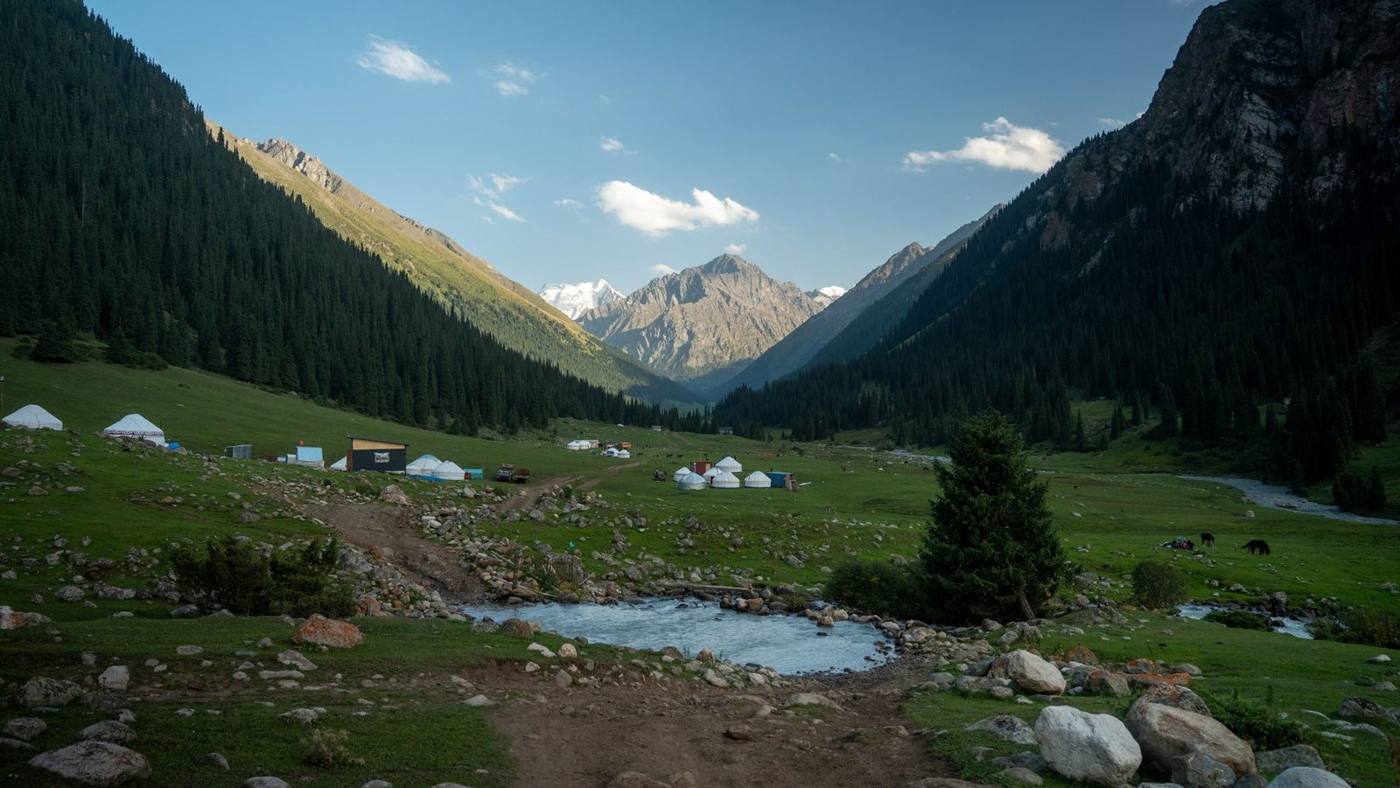 4 daysChallenging
Ala-Köl lake trek
The classic trek from Karakol: the Karakol valley, turquoise Ala-Köl lake at 3,500 metres, the pass at 3,900 and the descent to the hot springs of Altyn-Arashan.
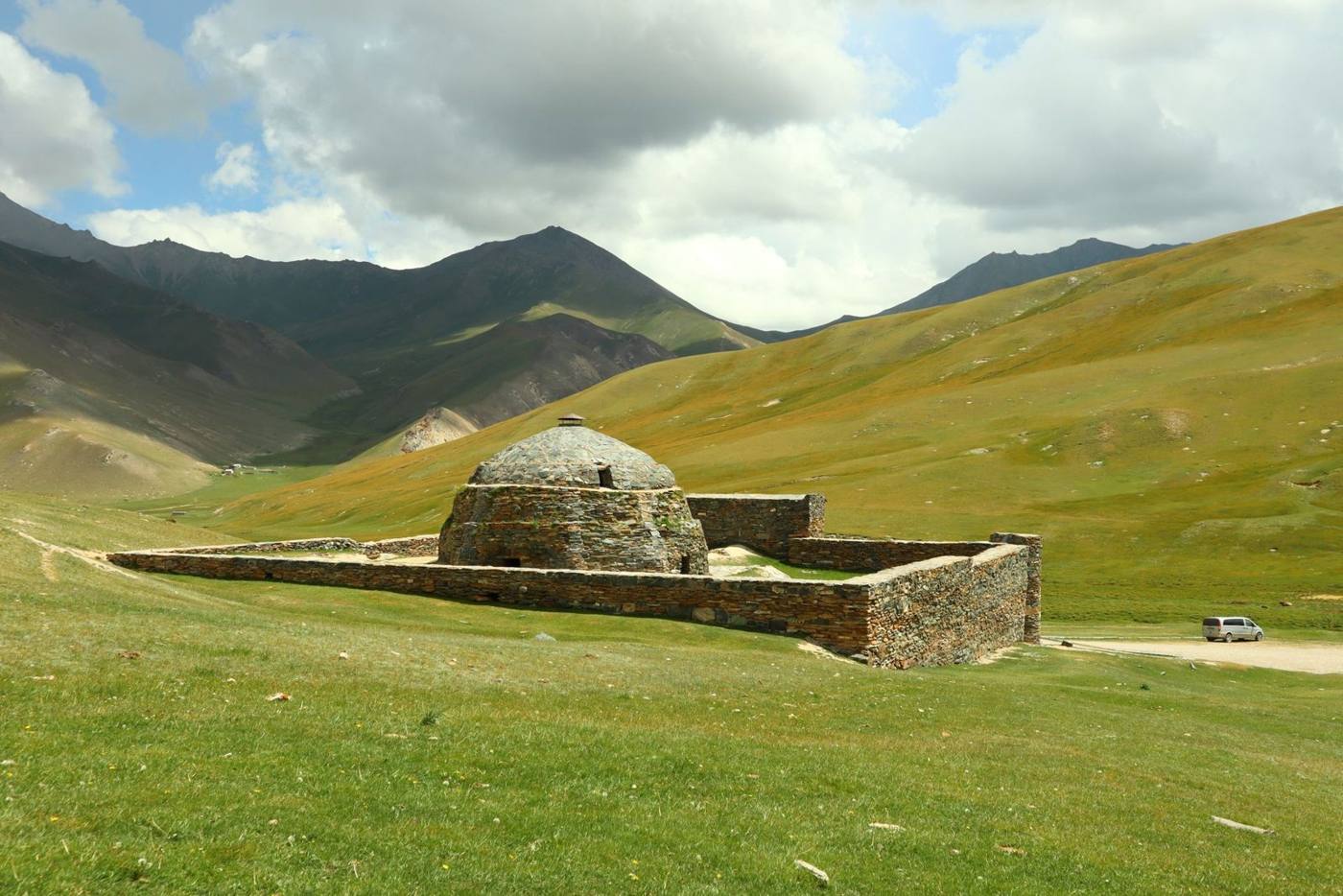 7 daysModerate
The south and Tash Rabat
The stone caravanserai of Tash Rabat on the Silk Road, Naryn, Osh with the sacred Sulaiman-Too mountain and the country's biggest bazaar.
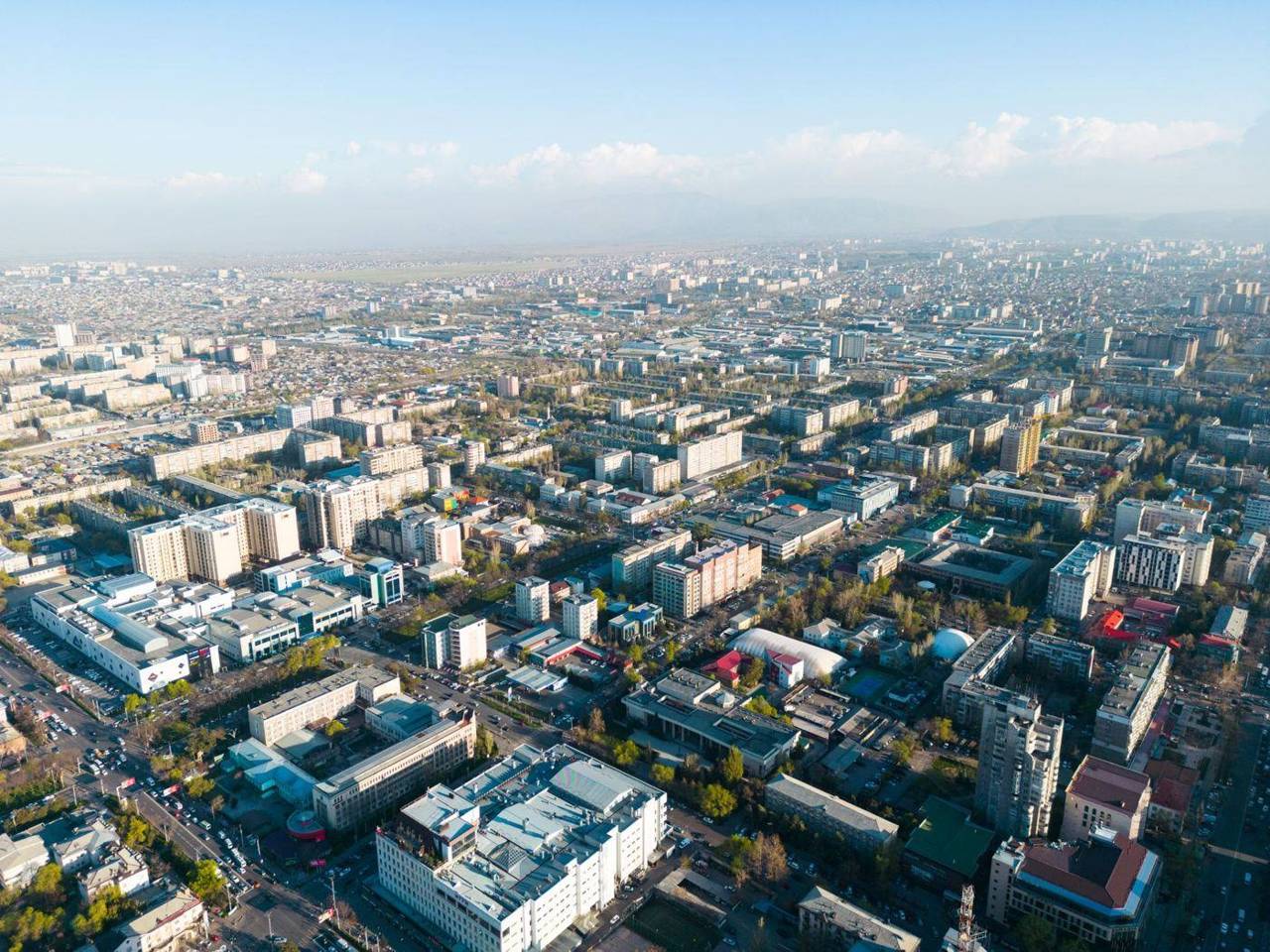 3 daysEasy
Bishkek and Ala-Archa
The green Soviet-era capital with the Osh bazaar, then Ala-Archa National Park 40 minutes away, with the walk to the waterfall or the Ratsek hut beneath the glaciers.