Ala-Köl lake trek
The classic trek from Karakol: the Karakol valley, turquoise Ala-Köl lake at 3,500 metres, the pass at 3,900 and the descent to the hot springs of Altyn-Arashan.
- Karakol
- Karakol Valley
- Sirota
- Ala-Köl
- Ala-Köl Pass
- Altyn-Arashan
Day by day
- Day 1
From the Karakol valley to Sirota camp
This is the classic trek from Karakol, one of the finest in Central Asia: the Karakol valley, the turquoise lake of Ala-Köl at about 3,500 metres, the pass at about 3,900 metres and the descent to the hot springs of Altyn-Arashan. It is a demanding route, with big climbs and high altitude: you need to be fit and to spend a few days acclimatising in Karakol before you set off.
Before you go: Italian citizens enter Kyrgyzstan without a visa for up to 30 days in every 60 days, with a passport valid for at least six months from arrival; the electronic identity card is not enough. Other nationalities should check their own rules. This trek does not need a border permit. In the mountains there are avalanches, landslides and rockfalls, the weather changes quickly and rescue is basic, with limited equipment: do not walk alone, take a guide or GPS tracks, and choose insurance that covers high-altitude trekking and rescue. Talk to your doctor before the trip.
In the morning a taxi takes you from Karakol to the entrance of the national park, in the Karakol valley. Check prices and times for entry.
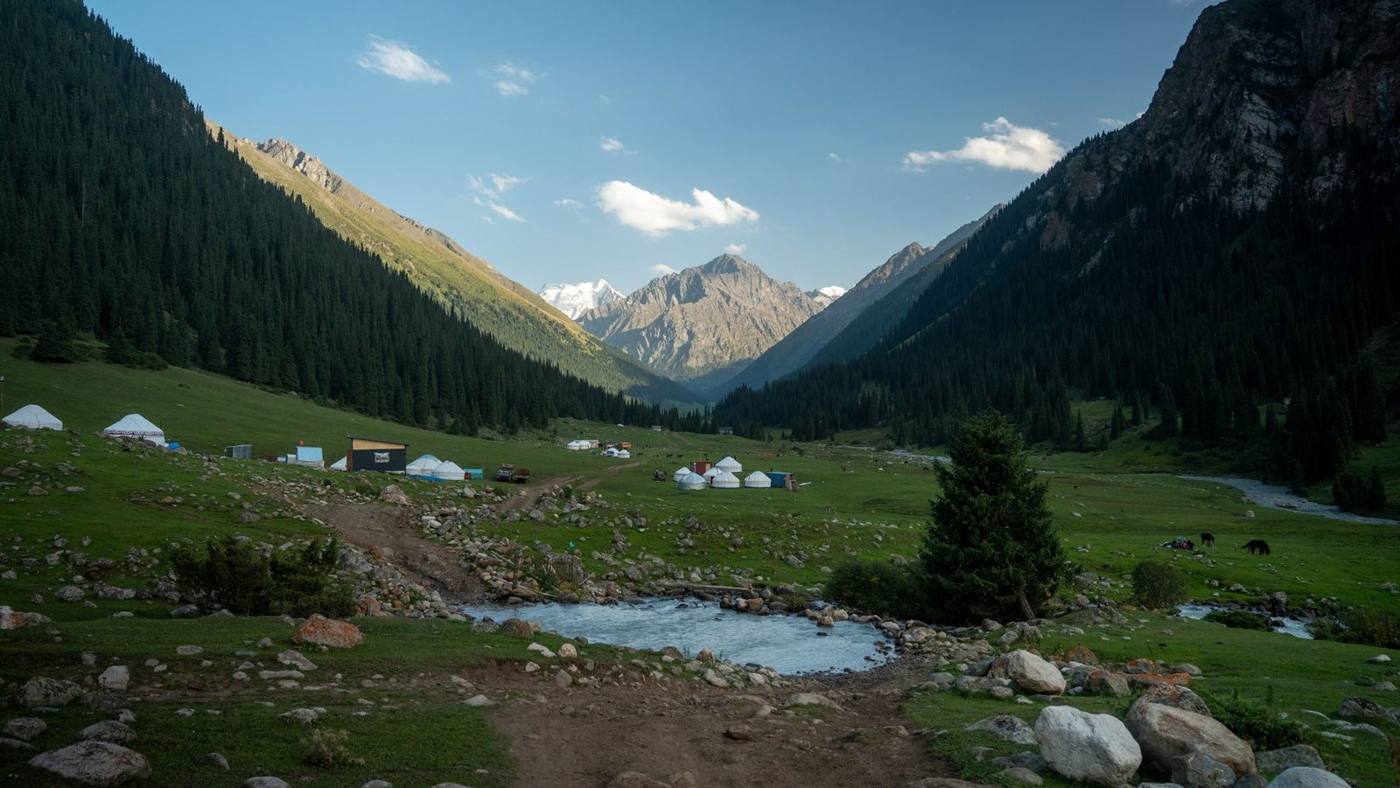
The path follows the river through the fir forest, with meadows, wooden bridges and a few fords. The climb is gentle but long. Now and then the valley opens and you see the snowy peaks at the end.
In the afternoon you reach Sirota camp, a clearing in the forest where you pitch your tent or sleep in a simple shelter.
Sleep at Sirota camp.
Practical tip: before leaving, buy food and gas for your stove in Karakol. Along the route you find very little, and prices up high are steeper.
- Day 2
The steep climb to Lake Ala-Köl
Today is the hardest day for your lungs: from Sirota camp you climb to Lake Ala-Köl, gaining a lot of height in a few hours.
Set off early, while it is still cool. The path leaves the valley and climbs straight up through the forest, with tight bends, roots and stones. Higher up the fir trees thin out and the path passes a long waterfall that comes down from the lake, among boulders and high meadows.
Walk slowly and at a steady pace, take short breaks and drink often. At this altitude it is normal to be short of breath, but if you feel a strong headache, nausea, dizziness or unusual tiredness, stop: these are signs of altitude sickness. If the symptoms do not pass, go down. Never climb faster than your body allows.
In the early afternoon you reach Lake Ala-Köl. The water is an intense turquoise, enclosed by rock walls and glaciers. The colour changes with the clouds, and the wind ripples the surface. Sit and watch it, rest and wrap up: it is cold here even in July.
Near the lake you can pitch your tent in a sheltered spot or sleep in one of the simple shelters open in season. At night the temperature can drop below zero.
Sleep near Lake Ala-Köl.
Practical tip: bring a sleeping bag rated below zero, an insulating mat, a hat and gloves. Even in summer the night at the lake is cold.
- Day 3
The pass and the descent to Altyn-Arashan
Today you cross the Ala-Köl pass, at about 3,900 metres, and go down into the Altyn-Arashan valley, with a soak in the hot springs.
Set off at dawn, because the weather up high is often better in the morning. The path runs along the lake, then climbs over slopes of stones and scree, steeper and steeper. Snow and ice are possible on the pass even in August: follow your guide or the GPS tracks, and turn back if there is fog, a storm or fresh snow.
From the pass you have the best view of the trek: on one side Lake Ala-Köl among the glaciers, on the other the Altyn-Arashan valley and the great peaks of the Terskey Ala-Too. Do not stay long at the top, the wind is strong.
The descent is long and steep on scree: go carefully, with poles if you have them. Lower down the path enters the meadows and forest of the valley.
In the afternoon you reach Altyn-Arashan, a green valley with wooden houses, grazing horses and hot springs. Take a bath in one of the pools: after three days of walking it is the reward of the trip. Check prices and times. Anyone with heart or blood pressure problems should ask their doctor first.
In the evening have a hot dinner and sleep well.
Sleep at Altyn-Arashan.
Practical tip: leave the lake with at least two litres of water and energy food. On the pass there are no safe water sources and the descent takes many hours.
- Day 4
Down the valley and back to Karakol
Today you go down from Altyn-Arashan along the valley and return to Karakol.
In the morning, if you like, have a last hot bath and a short walk in the meadows around the springs, with horses grazing and the peaks visible at the end of the valley.
Then set off down the valley. The track follows the river, crosses the forest and descends steadily to the village of Ak-Suu. It takes a few hours on foot. Alternatively you can go down in the four-wheel drives that run on the track, which is very rough: ask on the spot and check prices and times.
From the village take a taxi or a minibus to Karakol, a short distance away. In the afternoon rest and have a hot shower.
In four days you have walked the Karakol valley, climbed to the turquoise lake of Ala-Köl, crossed the pass at about 3,900 metres and come down to the springs of Altyn-Arashan. It is one of the finest treks in Central Asia, but with big climbs and high altitude: it needs preparation, a guide or GPS tracks, and respect for the mountains.
When to go: the best period is from July to September, when the path is usually clear of snow. Even in August, though, it can snow on the pass, and in September the nights are freezing. Out of season the pass is often closed by snow.
In the evening in Karakol celebrate with a plate of lagman or manti, and try ashlyan-fu, the cold soup of the Dungan people.
Practical tip: keep a spare day in your plan. In bad weather it is better to wait a day at the lake than to face the pass in snow or fog.
One of Central Asia's finest treks, but with big climbs and high altitude. You need fitness and a few days to acclimatise in Karakol. Snow is possible on the pass even in August: take a guide or GPS track.
Before you go
- Documents and visa
- Passport valid for at least six months from the date of arrival. Since 31 December 2025, British and EU citizens can enter without a visa for up to 30 days in every 60 days, counted from the day of entry. For longer stays you must leave before the limit or register online within five days of arrival. Some areas near the borders, such as Kel-Suu lake, Chatyr-Kul lake and the approaches to Lenin Peak, need a border zone permit arranged in advance: you cannot buy it at the checkpoint.
- Health and vaccines
- No compulsory vaccinations for travellers from Europe: check which are recommended at least eight weeks before you go. In the mountains there is a risk of altitude sickness: climb gradually and talk to your doctor before you travel. Medical facilities are basic, especially outside Bishkek: take insurance covering medical costs and repatriation. Ambulance 103, police 102, fire 101.
- Money and payments
- Kyrgyz som. ATMs and cards are found in Bishkek, Osh and Karakol; in villages, valleys and yurt camps you need cash. Cash above the equivalent of 10,000 dollars must be declared.
- Power sockets
- Types C and F, 220 volts: you need an adapter for British plugs.
- Time zone
- A single time zone, UTC+6 all year: six hours ahead of the UK in winter, five in summer.
- Safety
- The country is generally calm, but there are bag snatchers and pickpockets in Bishkek, especially at Osh Bazaar. Since the 2025 border agreement with Tajikistan there have been no new clashes, but the situation can change quickly and there may be mines in the border areas of Batken region; the United States advises reconsidering travel within about 30 kilometres of the Tajik border. Do not photograph border posts, military sites or police stations. In the mountains there are avalanches, landslides and limited rescue: do not hike alone. The risk of earthquakes is high. Official advice: GOV.UK.
Information checked in November 2026 for Italian and EU citizens. Rules change: always check before you travel.
Variations
In 3 days: from Ak-Suu to Altyn-Arashan and back, with the hot springs, without climbing to the lake.
In 6 days: add two days of acclimatisation in Karakol and an extra night at Lake Ala-Köl.
Frequently asked questions
Do you need a guide for the Ala-Köl trek?
It is not compulsory, but it is strongly advised, especially for the pass, where snow and fog can hide the path. Otherwise bring reliable GPS tracks and never walk alone.
Do you need a permit?
No border permit is needed, but you pay to enter the national park. Check prices and times at the entrance to the Karakol valley.
How do you prepare for the altitude?
Spend a few days in Karakol before setting off, climb slowly and drink plenty. If you have symptoms of altitude sickness that do not pass, go down. Talk to your doctor before the trip.
Indicative itinerary written by World Atlas. Before booking, check timetables, seasonal openings, documents and safety.
 7 daysModerate
The south and Tash Rabat
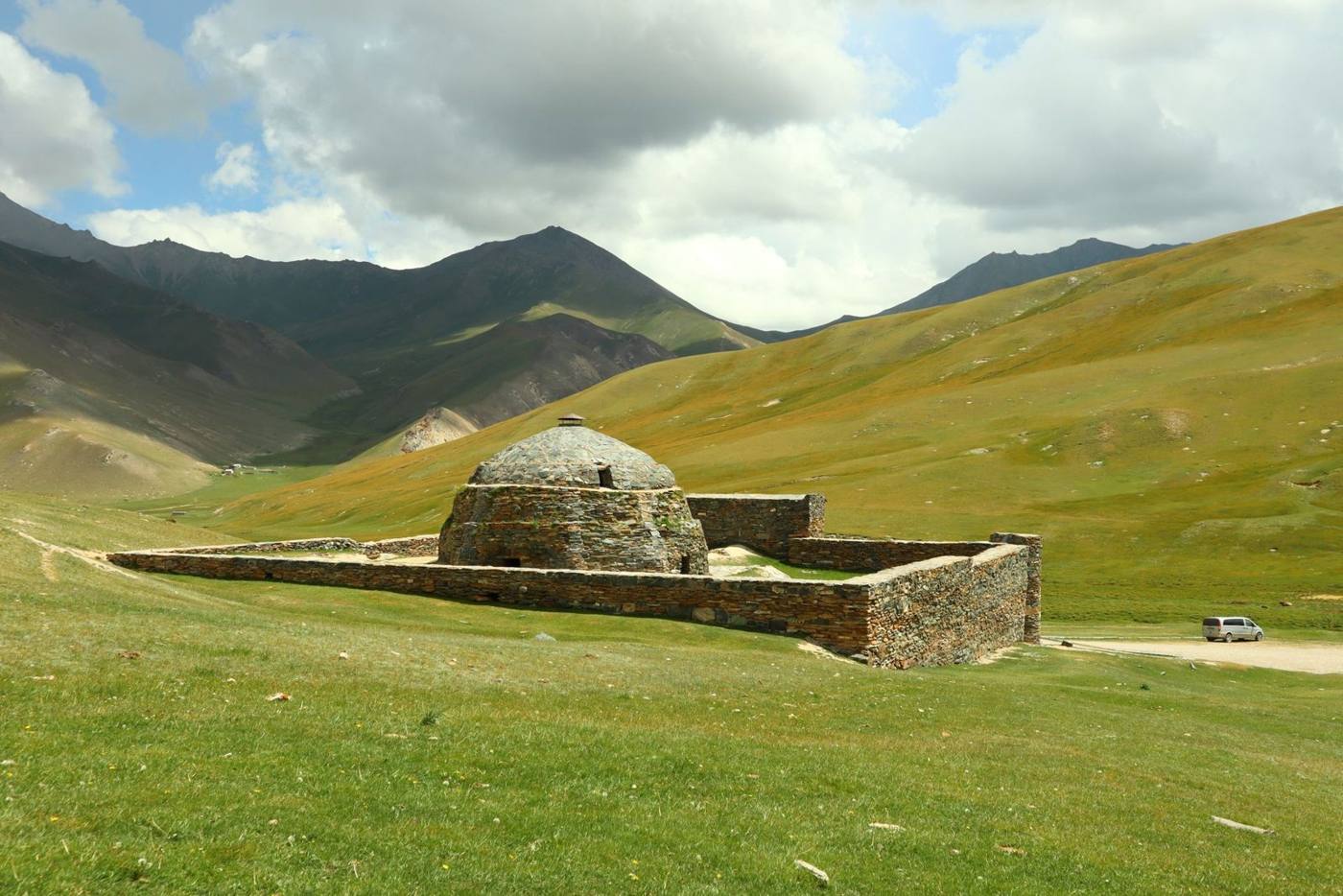
The stone caravanserai of Tash Rabat on the Silk Road, Naryn, Osh with the sacred Sulaiman-Too mountain and the country's biggest bazaar.
 3 daysEasy
Bishkek and Ala-Archa
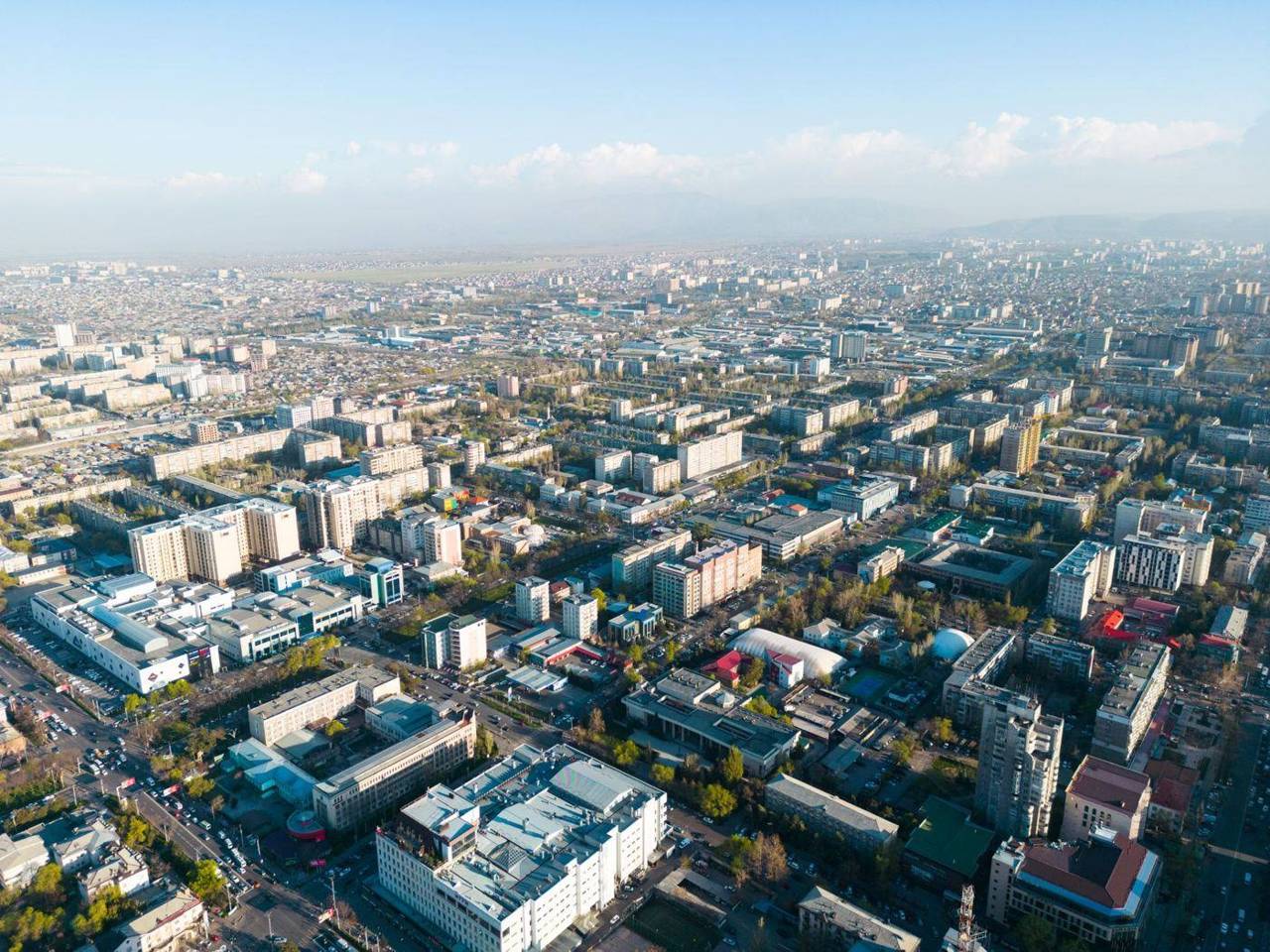
The green Soviet-era capital with the Osh bazaar, then Ala-Archa National Park 40 minutes away, with the walk to the waterfall or the Ratsek hut beneath the glaciers.
 5 daysModerate
Arslanbob and Sary-Chelek
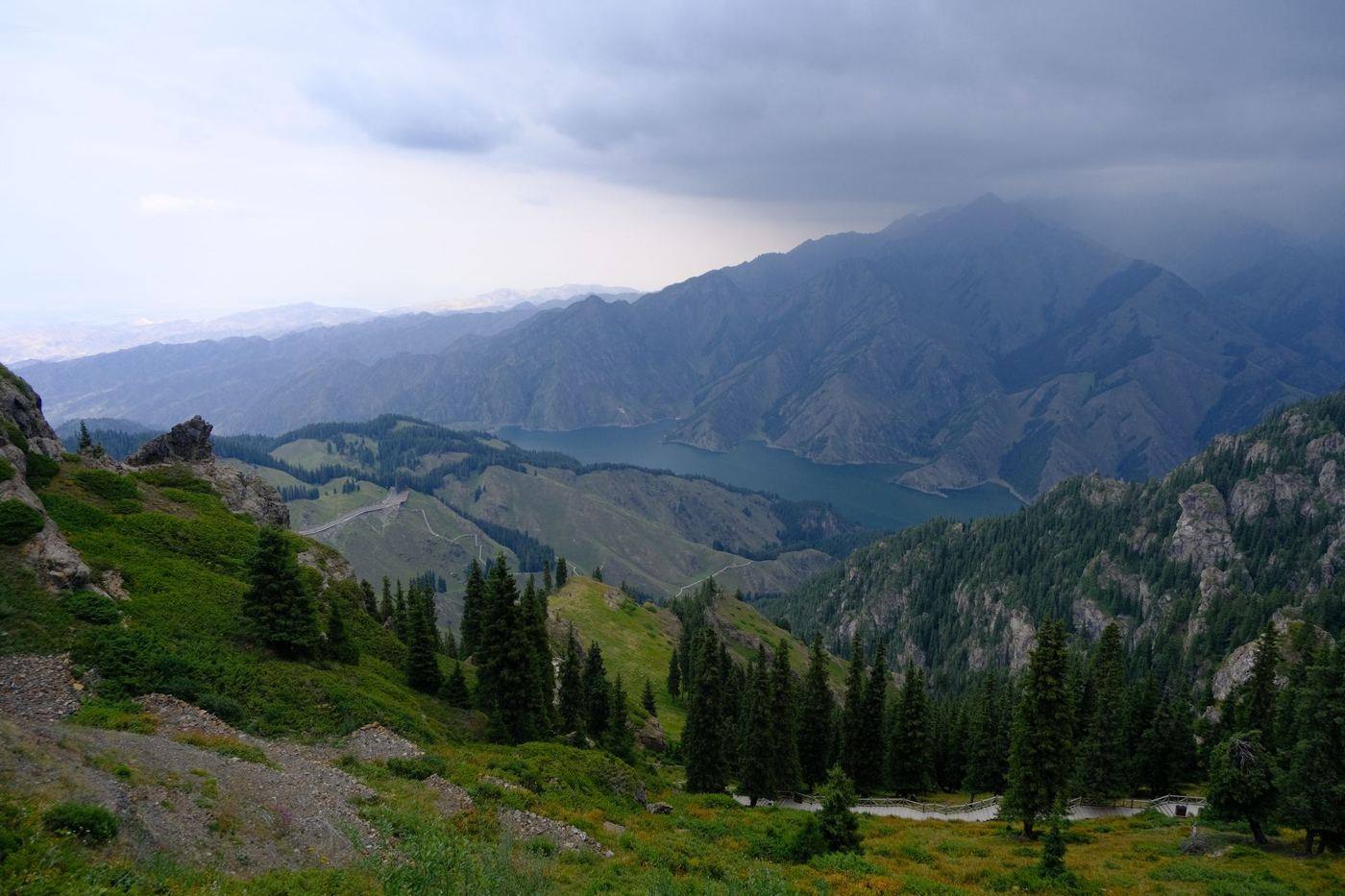
The world's largest walnut forest at Arslanbob, with its waterfalls and hosting Uzbek families, then Lake Sary-Chelek in its biosphere reserve.