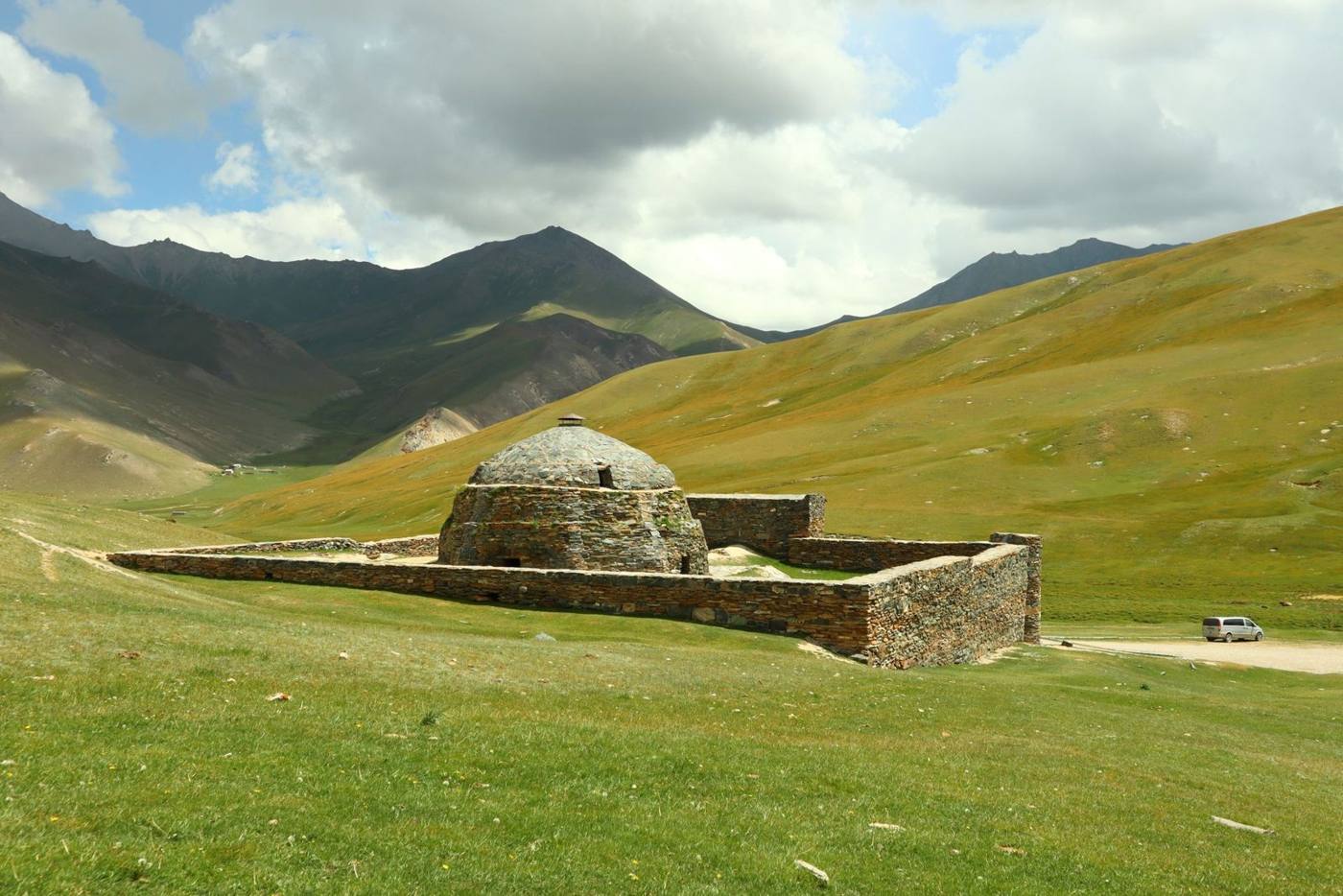
The south and Tash Rabat
The stone caravanserai of Tash Rabat on the Silk Road, Naryn, Osh with the sacred Sulaiman-Too mountain and the country's biggest bazaar.
- Bishkek
- Naryn
- Tash Rabat
- Kazarman
- Jalal-Abad
- Osh
Day by day
- Day 1
From Bishkek to Naryn
This is a long, adventurous trip through the heart of Kyrgyzstan: Naryn, the stone caravanserai of Tash Rabat on the Silk Road, the mountain road to Kazarman and Jalal-Abad, then Osh, with the sacred mountain of Sulaiman-Too and the biggest bazaar in the country. You need a four-wheel drive with a driver who knows the dirt roads.
Before you go: Italian citizens enter Kyrgyzstan without a visa for up to 30 days in every 60 days, with a passport valid for at least six months from arrival; the electronic identity card is not enough. Other nationalities should check their own rules. The route does not enter any border zones that need a permit and does not pass near the border with Tajikistan, where the United States advises reconsidering travel. Osh is close to the border with Uzbekistan: use only official crossings and stay on main roads, because there may be mines in uncontrolled border areas.
Leave Bishkek early in the morning heading east. You cross the Boom gorge and reach Balykchy, at the western tip of Lake Issyk-Kul. Then the road turns south and reaches Kochkor, a village famous for its shyrdak felt carpets. Stop to see a few in a workshop.
After Kochkor the road climbs to a high pass among pastures and mountains, then comes down into the valley of the Naryn river. In the late afternoon you arrive in Naryn, a long, narrow town enclosed by red hills.
In the evening have dinner with lagman or a meat soup.
Sleep in Naryn.
Practical tip: carry cash in som for the whole trip as far as Osh. Between Naryn and Jalal-Abad cash machines are extremely rare.
- Day 2
Tash Rabat and the night in a yurt
Today you climb into the At-Bashy valley and reach Tash Rabat, the stone caravanserai of the Silk Road, where you sleep in a yurt.
In the morning leave Naryn heading south. The road crosses a pass and comes down into the At-Bashy valley, wide and green, with villages, fields and snowy peaks in the background. It is the road that leads towards the Torugart pass and China, with many lorries.
Before the border you turn into a side valley, narrow and silent, that climbs through pastures. At the end Tash Rabat appears, a low building of grey stone with a dome in the middle, set against the mountain, above 3,000 metres. For centuries it gave shelter to merchants and caravans crossing these mountains. Go into the central corridor and discover the small dark rooms around the hall under the dome. Check prices and times.
In the afternoon walk up the path behind the building, towards a ridge with a view over the valley. Do not continue towards Chatyr-Kul lake without a permit: it is in a border zone.
At this altitude it is cold and you get short of breath. Move slowly, drink plenty and if you feel a strong headache or nausea, rest. Talk to your doctor before the trip.
In the evening sleep in one of the yurt camps in the valley and have dinner with soup, bread and kymyz, fermented mare's milk.
Sleep in a yurt at Tash Rabat.
Practical tip: in the yurt the temperature drops a lot at night. Bring warm clothes, a hat and a head torch.
- Day 3
The mountain road to Kazarman
Today you take on the wildest part of the trip: the mountain road from Naryn to Kazarman, in the centre of the country.
In the morning come down from Tash Rabat and return to Naryn. Then take the road west, along the valley of the Naryn river. The tarmac soon gives way to dirt, and the road crosses gorges, empty plateaus and mountain passes. For hours you meet only herders, flocks and the odd yurt.
The landscape is grand and deserted: red and purple hills, yellow pastures, the river flowing at the bottom of the gorges. Stop often for photos and to stretch your legs, but keep an eye on the time, because the road is slow.
In this area there is little phone signal and services are almost non-existent. Carry extra water, food and fuel, and do not set off if heavy rain is forecast: some sections can become difficult.
In the late afternoon you reach Kazarman, a small town in a valley among the mountains, with low houses and a market. From here, in high summer, people set off for the petroglyph site of Saimaluu-Tash, high up, which needs an extra day and a guide.
In the evening have a simple dinner at the house where you are staying, with tea, bread and a hot soup.
Sleep in Kazarman.
Practical tip: check the spare wheel and tools before leaving Naryn. Punctures are common on this road and garages are far away.
- Day 4
From Kazarman to Jalal-Abad
Today you cross the mountains between Kazarman and Jalal-Abad and come down into the Fergana valley, hot and green.
Set off early. The road climbs from Kazarman towards a high pass, with dirt hairpin bends and wide views over the mountain ranges. At the top the air is cool and it is often windy. Then the descent to the south is long, through pastures, walnut forests and the first villages.
The lower you go, the more the landscape changes: orchards appear, fields of cotton and maize, houses with courtyards and vine pergolas. You enter the south of Kyrgyzstan, where many Uzbek families live and life is warmer and noisier. Stop in a village along the road to buy fresh fruit: in summer apricots, cherries and melons are sold on every corner.
In the early afternoon you arrive in Jalal-Abad. Have a shower, rest and then stroll through the bazaar, among piles of dried apricots, melons, spices and round bread baked in a clay oven. Taste samsa and the plov of the south, cooked in large cast-iron pots.
In the evening the city comes alive: families go out into the parks and main streets to enjoy the cool air.
Sleep in Jalal-Abad.
Practical tip: in the south dress modestly, with shoulders and knees covered, and take off your shoes when you enter a home. If you are invited for tea, accept at least one cup.
- Day 5
Osh and the sacred mountain of Sulaiman-Too
Today you reach Osh, one of the oldest cities in Central Asia, and climb the sacred mountain of Sulaiman-Too.
In the morning leave Jalal-Abad and take the road south-east, through the Fergana valley, among fields and villages. In a few hours you arrive in Osh, the second city of the country.
In the afternoon climb Sulaiman-Too, the rocky mountain in the middle of the city, a UNESCO World Heritage Site. For centuries it has been a place of pilgrimage: people come to pray, to ask for health and children, and to touch the smooth rocks worn by hands. The path climbs with steps and walkways to the top, where there is a small prayer house linked to the figure of Babur, the prince who later founded the Mughal empire in India.
Inside the mountain, in a cave, there is a museum with archaeological finds, objects from the Silk Road and the history of the city. Check prices and times.
From the top you see the whole of Osh spread across the plain, with its roofs, minarets and the distant mountains of the south. At sunset the light turns golden.
In the evening have dinner with Osh plov, made with yellow rice, meat and carrots, and green tea.
Sleep in Osh for two nights.
Practical tip: Sulaiman-Too is a sacred place. Dress modestly, walk quietly near the places of prayer and ask before photographing people.
- Day 6
Jayma Bazaar and the old town of Osh
Today you discover Jayma Bazaar, the largest market in Kyrgyzstan, and the streets of Osh.
In the morning go to Jayma Bazaar, along the Ak-Buura river. It is a huge market that spreads over many streets: stalls of fruit, vegetables, spices, meat, bread, fabrics, kalpak hats, tools, horseshoes and everything a country family needs. The market is lively and noisy, with traders calling out, handcarts and the smell of freshly baked samsa.
Walk slowly, look at the blacksmiths' stalls and taste the dried fruit and nuts. Keep your wallet in a closed pocket: there are pickpockets in the crowd.
At midday have lunch in a teahouse near the market, with lagman, shashlyk, meat skewers, and fresh salads.
In the afternoon stroll through the old town and the centre, among the mosques, the streets of Uzbek houses with their closed courtyards, the great avenue with its Soviet-era statue of Lenin and the parks along the river.
Osh is also the starting point for the Pamir and the mountains of the south. Before heading towards the borders with Tajikistan, check the latest travel advice.
In the evening go back to a viewpoint on Sulaiman-Too, or take a walk in the parks of the centre.
Sleep in Osh.
Practical tip: at the bazaar bargain with a smile, without hurrying. Before buying ask the price and compare it with other stalls.
- Day 7
The flight from Osh to Bishkek
Today is the last day of the trip: after a morning in Osh, you take the flight to Bishkek.
In the morning, if you have time, go back to the bazaar for some last shopping, such as dried fruit, spices or a kalpak felt hat. Or walk along the Ak-Buura river and sit in a teahouse for one last cup.
Then go to Osh airport, a short distance from the centre. The flight to Bishkek is short and, on clear days, from the window you see the mountain ranges you crossed by car in the previous days.
In seven days you have crossed Kyrgyzstan from north to south: Bishkek, Lake Issyk-Kul seen from Balykchy, Kochkor with its felts, Naryn, the caravanserai of Tash Rabat on the Silk Road, the mountain road to Kazarman, the Fergana valley at Jalal-Abad and finally Osh, with Sulaiman-Too and Jayma Bazaar. It is a long, adventurous trip, with dirt roads, deserted landscapes and sincere hospitality.
When to go: the best period is from June to September, when the mountain roads are open. July and August are very hot in the Fergana valley, but cool at altitude. In June and September the climate in Osh is more pleasant. In winter the road to Kazarman can be closed by snow.
Practical tip: book your flight from Osh a few days ahead, especially in summer. Domestic flights fill up quickly.
A long, adventurous trip on dirt roads through empty landscapes. You need a driver with a 4x4. Osh is one of Central Asia's oldest cities and the starting point for the Pamirs.
Before you go
- Documents and visa
- Passport valid for at least six months from the date of arrival. Since 31 December 2025, British and EU citizens can enter without a visa for up to 30 days in every 60 days, counted from the day of entry. For longer stays you must leave before the limit or register online within five days of arrival. Some areas near the borders, such as Kel-Suu lake, Chatyr-Kul lake and the approaches to Lenin Peak, need a border zone permit arranged in advance: you cannot buy it at the checkpoint.
- Health and vaccines
- No compulsory vaccinations for travellers from Europe: check which are recommended at least eight weeks before you go. In the mountains there is a risk of altitude sickness: climb gradually and talk to your doctor before you travel. Medical facilities are basic, especially outside Bishkek: take insurance covering medical costs and repatriation. Ambulance 103, police 102, fire 101.
- Money and payments
- Kyrgyz som. ATMs and cards are found in Bishkek, Osh and Karakol; in villages, valleys and yurt camps you need cash. Cash above the equivalent of 10,000 dollars must be declared.
- Power sockets
- Types C and F, 220 volts: you need an adapter for British plugs.
- Time zone
- A single time zone, UTC+6 all year: six hours ahead of the UK in winter, five in summer.
- Safety
- The country is generally calm, but there are bag snatchers and pickpockets in Bishkek, especially at Osh Bazaar. Since the 2025 border agreement with Tajikistan there have been no new clashes, but the situation can change quickly and there may be mines in the border areas of Batken region; the United States advises reconsidering travel within about 30 kilometres of the Tajik border. Do not photograph border posts, military sites or police stations. In the mountains there are avalanches, landslides and limited rescue: do not hike alone. The risk of earthquakes is high. Official advice: GOV.UK.
Information checked in November 2026 for Italian and EU citizens. Rules change: always check before you travel.
Variations
In 5 days: Bishkek, Naryn and Tash Rabat, then back to Bishkek on the same road.
In 9 days: add two nights at Song-Köl after Kochkor, and the trip to the Saimaluu-Tash petroglyphs from Kazarman.
Frequently asked questions
Do you need a permit for this trip?
No, Tash Rabat, Kazarman and Osh do not need border permits. You do need one for Chatyr-Kul lake, near the border with China, which this trip does not visit.
Is the road to Kazarman difficult?
Yes, it is long, mostly unpaved and has high passes. You need a four-wheel drive with an experienced driver, supplies of water, food and fuel, and it is best to travel only by day.
Is Osh safe?
Generally yes, but there are pickpockets in the bazaar. The city is close to the border with Uzbekistan: use only official crossings. Before heading towards Tajikistan, check the travel advice.
Indicative itinerary written by World Atlas. Before booking, check timetables, seasonal openings, documents and safety.
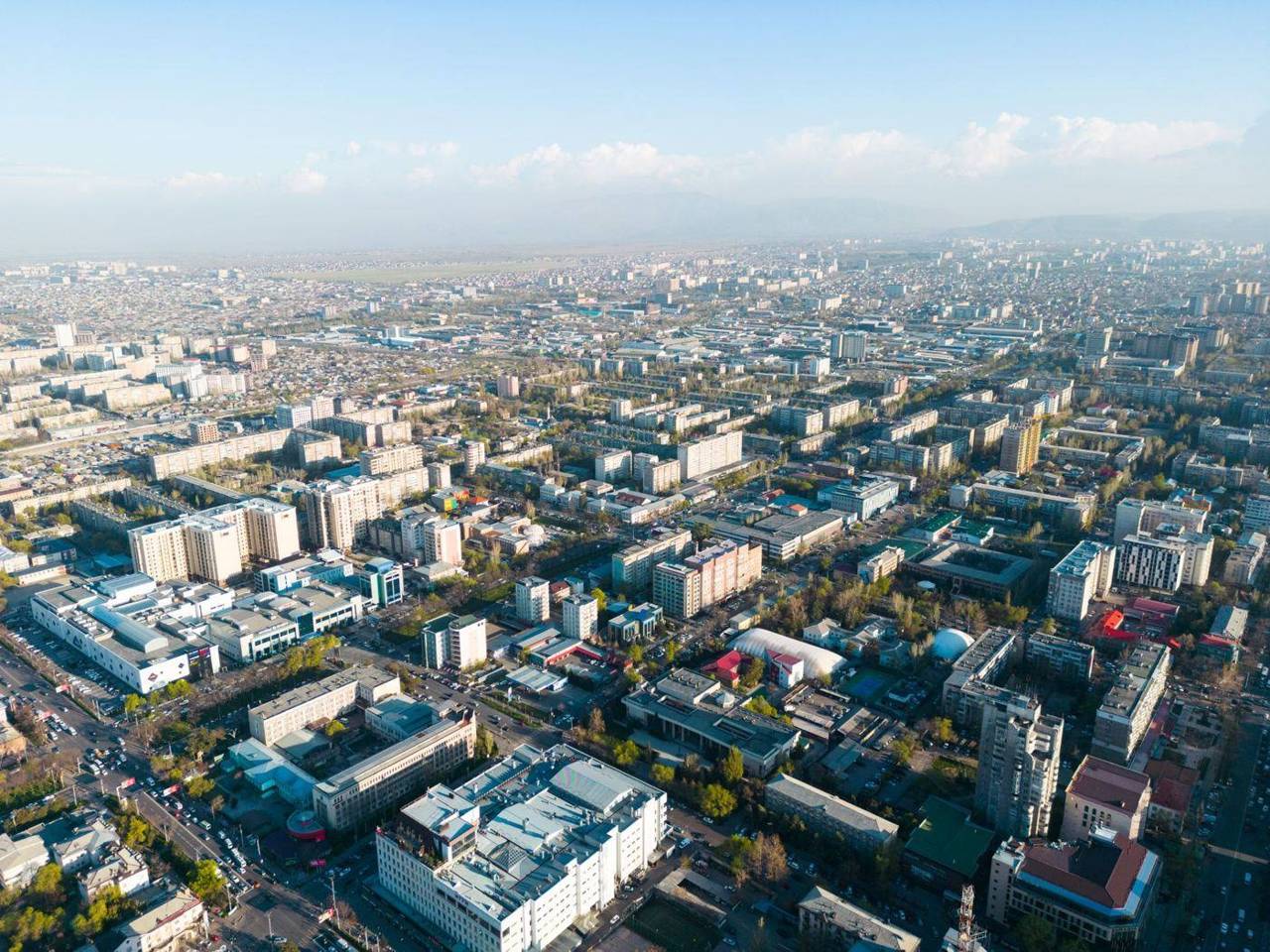 3 daysEasy
Bishkek and Ala-Archa
The green Soviet-era capital with the Osh bazaar, then Ala-Archa National Park 40 minutes away, with the walk to the waterfall or the Ratsek hut beneath the glaciers.
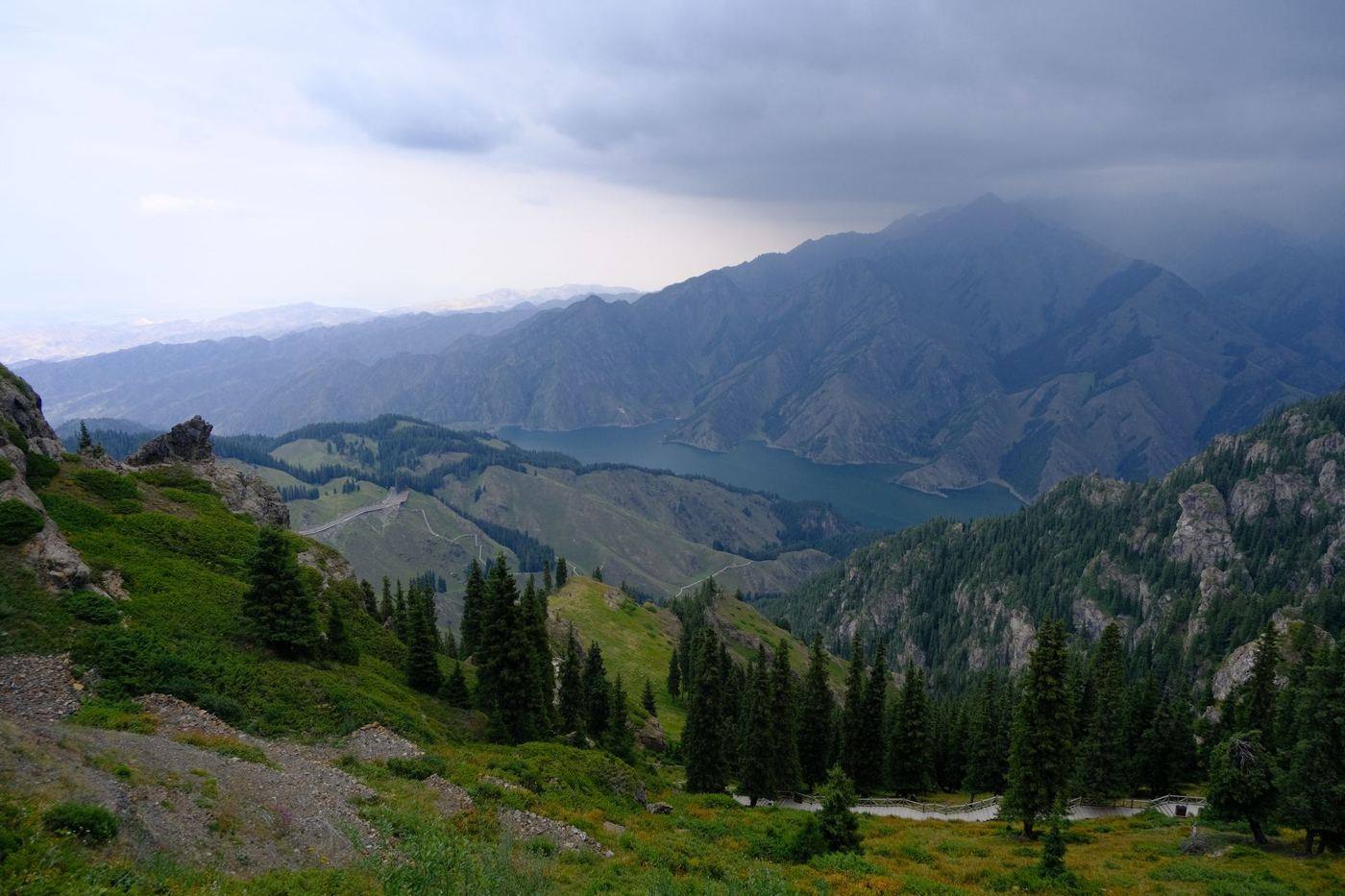 5 daysModerate
Arslanbob and Sary-Chelek
The world's largest walnut forest at Arslanbob, with its waterfalls and hosting Uzbek families, then Lake Sary-Chelek in its biosphere reserve.
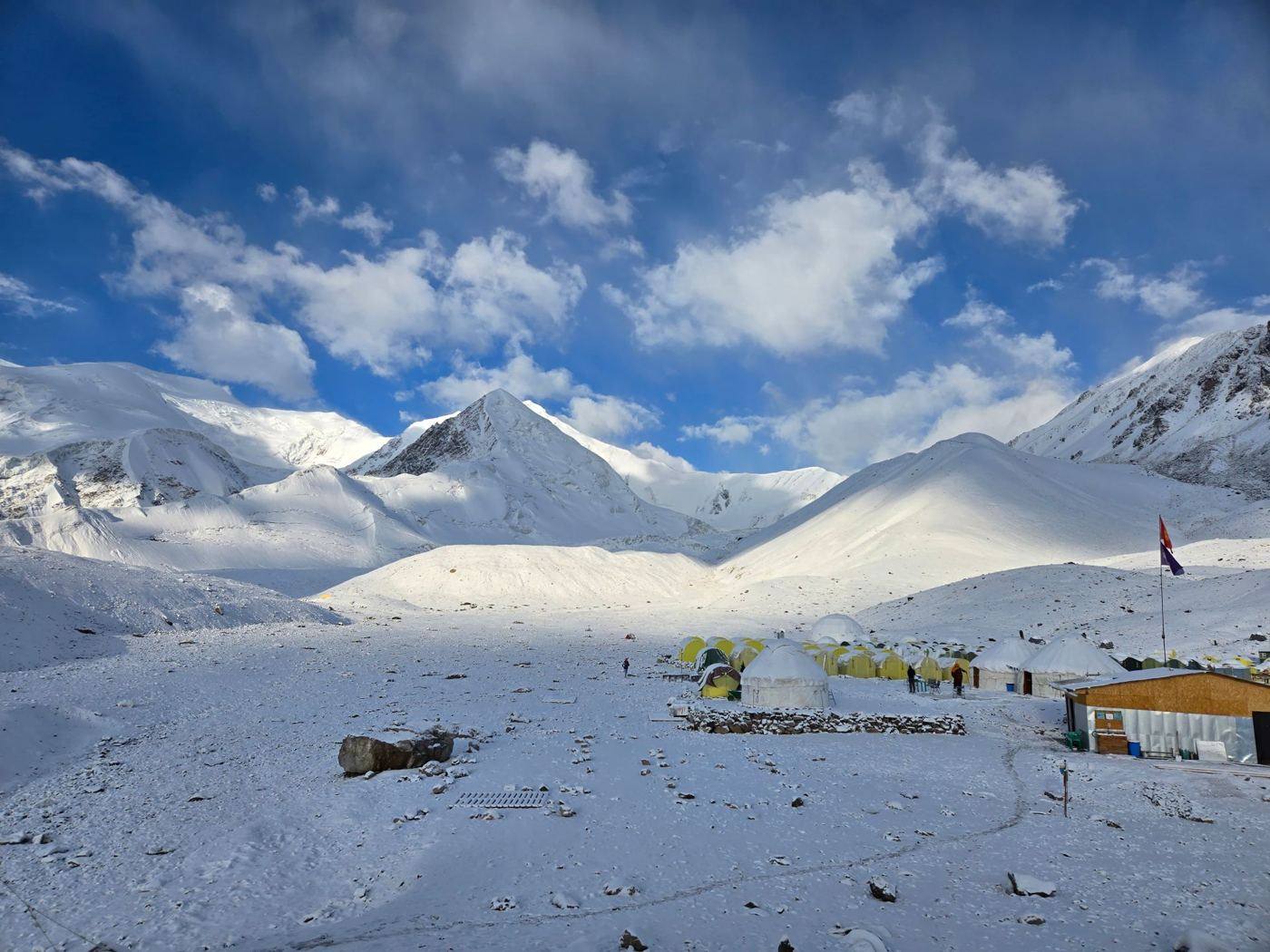 5 daysModerate
Lenin Peak and the Alay
The Alay valley below the Pamir range, the village of Sary-Mogol, Lake Tulpar-Köl and the Lenin Peak base camp, at over 3,500 metres.