Nairobi in depth
The only capital with a national park on its doorstep: a dawn game drive in Nairobi National Park, with rhinos and lions in front of the skyscrapers, the Giraffe Centre, the orphaned baby elephants of the Sheldrick Trust, Karen Blixen's house, the National Museum and the Maasai market.
- Nairobi
- Karen
- Langata
Day by day
- Day 1
Nairobi National Park at dawn and the National Museum
To enter Kenya EU citizens must apply online before departure for an Electronic Travel Authorisation, eTA, on the official Kenyan government website; you need a passport valid for at least six months. Check the rules for your nationality. Before leaving also check the latest health and security advice: the United States has a high advisory level for Kenya, with some areas in the north and east to avoid, and in 2026 there were Ebola cases in the region. Nairobi is widely visited, but take care.
Nairobi, the capital, is a large modern city on the highlands at about 1,700 metres, with a cool climate all year. It is the only capital in the world with a savannah national park within its boundaries.
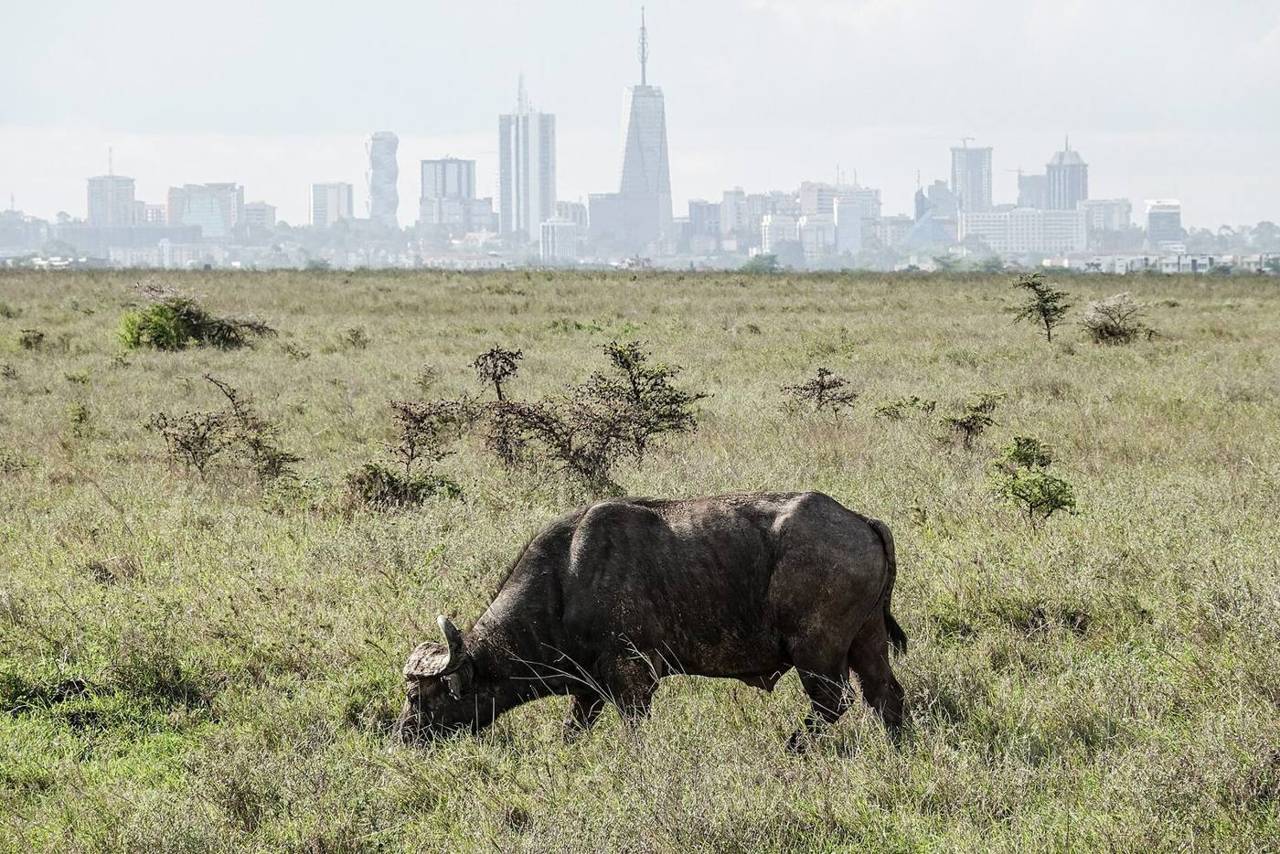
Early in the morning, at dawn, enter Nairobi National Park, a few kilometres from the centre, with a guide and a safari vehicle. On the savannah, with the city skyscrapers in the background, live lions, giraffes, zebras, buffalo, antelopes, hippos and one of the country's most important black rhino populations. Animals are most active at dawn. The safari lasts about three to four hours.
In the afternoon visit the Nairobi National Museum, with galleries on human evolution and fossils found in Kenya, including a cast of Turkana Boy, one of the most complete skeletons of a human ancestor ever found, and rooms on history, birds and the culture of Kenya's peoples. In the grounds there is a snake park.
In the evening stay in Karen or Westlands.
Practical tip: in Nairobi do not walk the streets at night, use taxis or ride apps and do not show your phone or jewellery.
- Day 2
The Sheldrick elephant orphans, the Giraffe Centre and Karen Blixen's house
Today is a day in Karen and Langata, south-west of the city, among woods and colonial houses.
In the morning visit the Sheldrick Wildlife Trust elephant orphanage on the edge of the national park. Here orphaned baby elephants, often victims of poaching or drought, are cared for, fed milk from bottles and, after years, returned to the wild, mainly in Tsavo National Park. The public visit lasts about an hour in the late morning, when the babies arrive for their feed and mud bath, while the keepers tell each one's story. The visit must be booked online in advance. You can also foster an orphan.
Then reach the Giraffe Centre, a few minutes away, which protects the Rothschild's giraffe, an endangered subspecies. From a raised platform you see the giraffes up close at eye level and feed them pellets.
In the afternoon visit the Karen Blixen house museum, home of the Danish writer who lived here from 1917 to 1931, growing coffee at the foot of the Ngong Hills, and who told of these years in Out of Africa, later made into a film. The house, with its veranda, furniture and garden, remains as it was. The Karen district is named after her.
In the evening have nyama choma, grilled meat, Kenya's national dish.
Practical tip: arrive a little early at Sheldrick; places are limited and the time is fixed.
- Day 3
The Maasai market and departure
In the morning visit the Maasai market, an open-air craft market that moves to different places in the city depending on the day of the week, for example the car parks of large shopping centres. There are hundreds of stalls with colourful beadwork, wood and soapstone carvings, sisal baskets, fabrics, red checked Maasai blankets and paintings. Bargain calmly and politely, starting well below the asking price.
Alternatively visit Kazuri in Karen, a workshop where disadvantaged women make colourful ceramic beads by hand, with a shop, or the nearby Ngong Hills, with a ridge trail overlooking the Rift Valley on one side and the city on the other, to be walked with a guide or rangers.
If your flight leaves in the evening, in the afternoon walk in Nairobi Arboretum or Karura Forest, a large urban forest with trails, waterfalls and caves, much loved by locals and saved in the 1990s thanks to the campaign of Wangari Maathai, Nobel Peace Prize winner.
Jomo Kenyatta International Airport is thirty minutes to an hour from the centre depending on traffic; leave with a good margin.
Things to take home: Kenyan tea and coffee, Maasai beadwork, shuka blankets, Kisii soapstone carvings and kiondo baskets.
Practical tip: plastic bags are banned in Kenya, even in luggage; bring cloth bags. Check your government's travel advice before leaving.
Good at the start or end of a safari. The baby elephants can only be seen during the visiting hour, booked in advance. Move around by taxi or ride app, not on foot in the evening; avoid the Eastleigh district. An electronic travel authorisation (eTA) is required, applied for online before travelling. On 19 October 2026 the US raised its Kenya advisory to level 3, after the first Ebola cases in Nairobi; it advises against the counties on the Somali border, Lamu County, Tana River and the coast north of Malindi. This itinerary stays outside those areas.
Before you go
- Documents and visa
- Valid passport and an eTA, applied for online on the official Kenyan government website before leaving. From 5 October 2026 compulsory government travel health insurance is also required.
- Health and vaccines
- Malaria prevention and the yellow fever vaccine are recommended. Drink only bottled water. Emergencies: 999 or 112.
- Money and payments
- Kenyan shilling. Mobile payment, M-Pesa, is everywhere; cards work in cities and lodges.
- Power sockets
- Type G, 240 volts: you need an adapter for British plugs.
- Time zone
- UTC+3 all year.
- Safety
- The United States has rated Kenya level 3 since 19 October 2026 (Ebola, crime, kidnapping, terrorism, unrest). Do not travel: Garissa, Wajir, Mandera, Lamu, Tana River (except Tsavo), Kilifi north of the C103 road, the coast north of Malindi, Marsabit and Turkana within 50 km of Ethiopia. Official advice: GOV.UK.
Information checked in November 2026 for Italian and EU citizens. Rules change: always check before you travel.
Variations
In 2 days: the national park at dawn and the museum on day one, Sheldrick, the giraffes and the Blixen house on day two.
In 8 days: add a safari in the Masai Mara or Amboseli, at the foot of Kilimanjaro, or Lake Naivasha and Hell's Gate.
Frequently asked questions
What do I need to enter Kenya?
A passport valid for at least six months and an Electronic Travel Authorisation, eTA, applied for online on the official website before departure.
Do I need to book Sheldrick?
Yes: the public visit to the elephant orphanage lasts about an hour in the late morning and must be booked online in advance.
Is Nairobi safe?
It is widely visited, but theft and crime occur: use taxis or ride apps, do not walk at night and follow the latest government travel advice.
Indicative itinerary written by World Atlas. Before booking, check timetables, seasonal openings, documents and safety.
 5 daysEasy
Kakamega and Lake Victoria
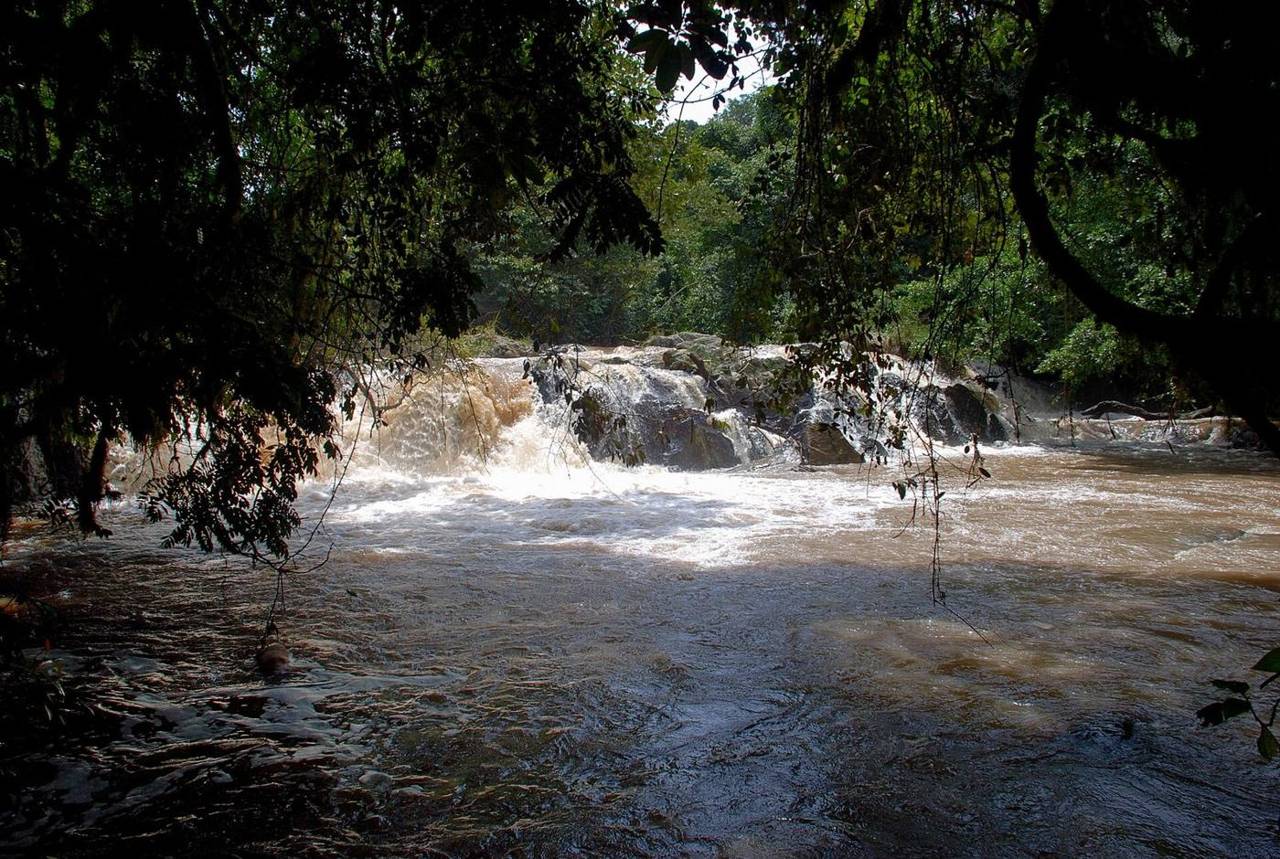
Western Kenya, which few see: Kakamega Forest, the last fragment of Congo rainforest in Kenya, with monkeys, butterflies and hundreds of bird species, then Kisumu on Lake Victoria and Rusinga Island with its fishing beaches.
 3 daysEasy
Aberdare National Park
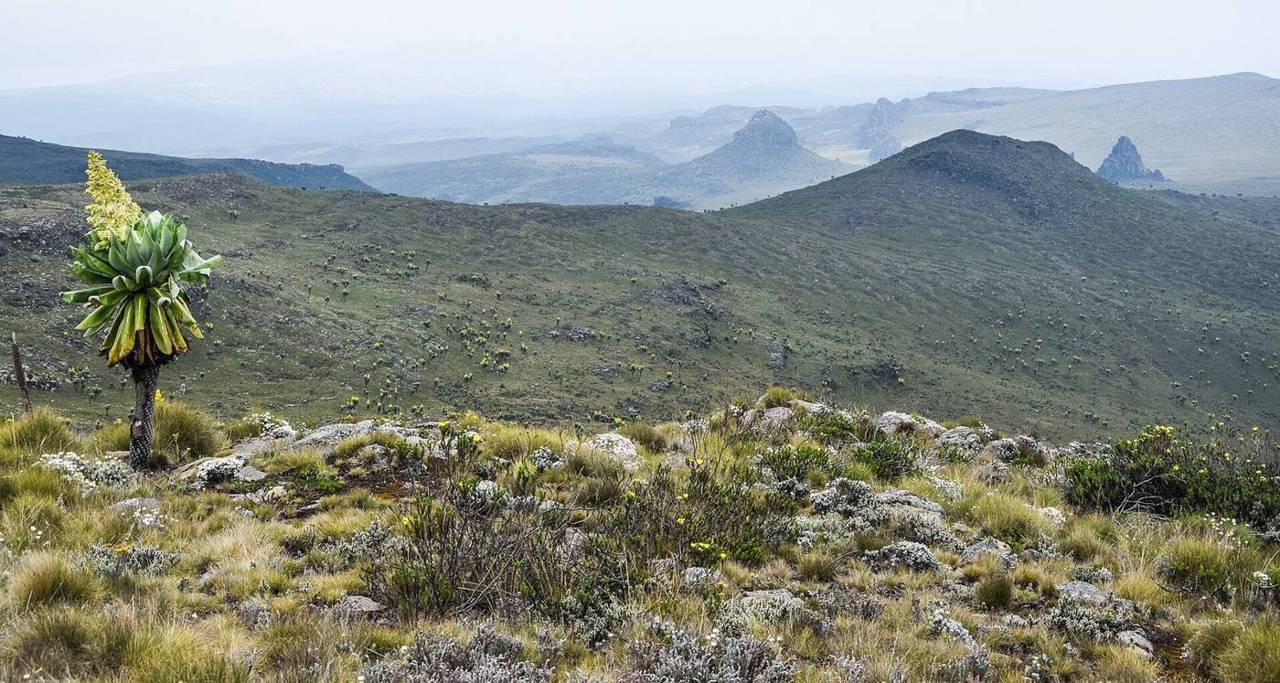
The green mountains of central Kenya: bamboo forests and high moorland, the Karuru and Gura waterfalls, elephants, buffalo and bongo in the forest, and a night in a tree lodge overlooking a floodlit waterhole, where animals come to drink after dark.
 5 daysEasy
The Masai Mara conservancies
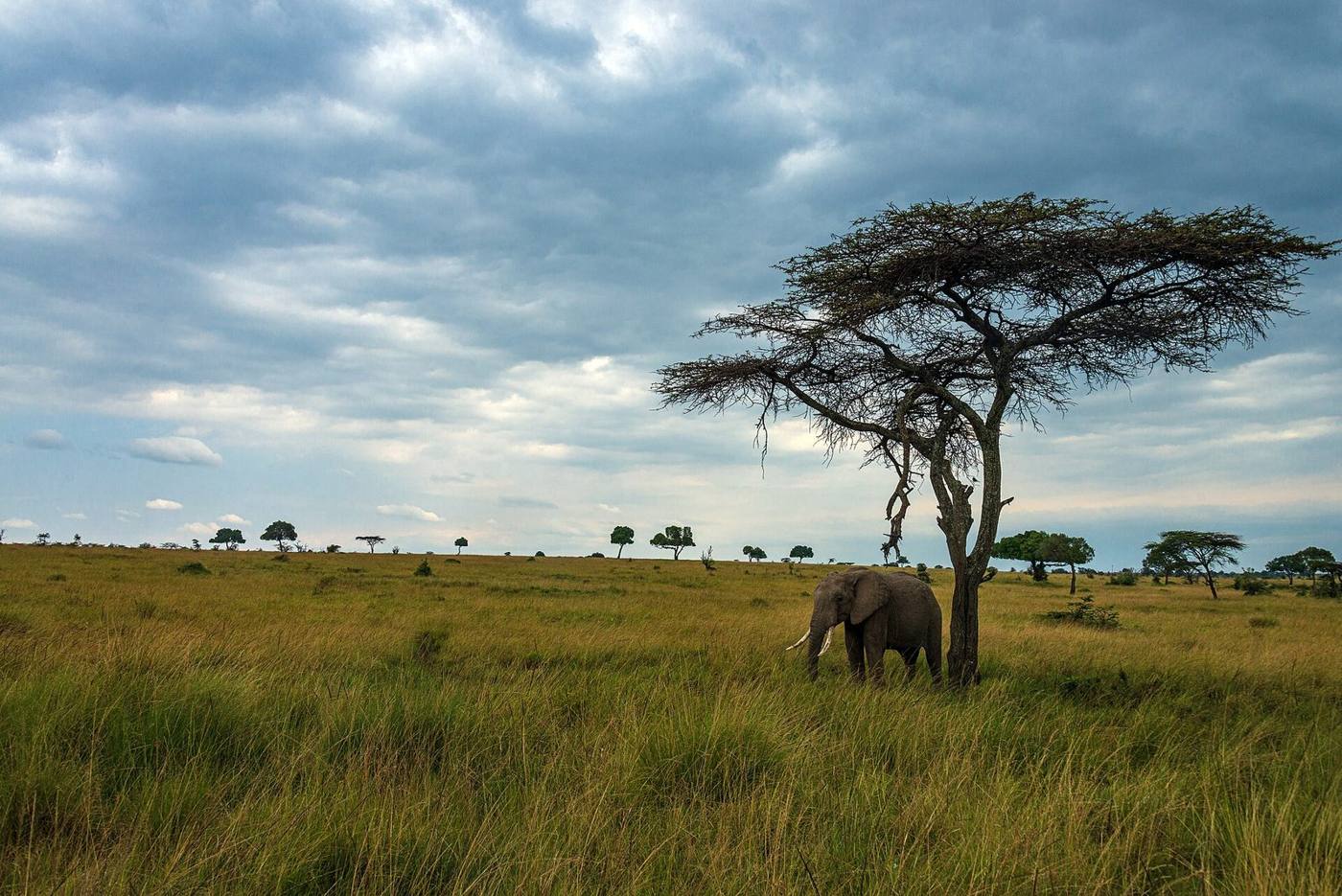
The Mara with fewer vehicles: the private conservancies around the reserve, such as Naboisho, Olare Motorogi and Mara North, run with Maasai communities, with limited vehicle numbers, walking safaris with Maasai guides, night drives and small camps, then a day in the reserve.