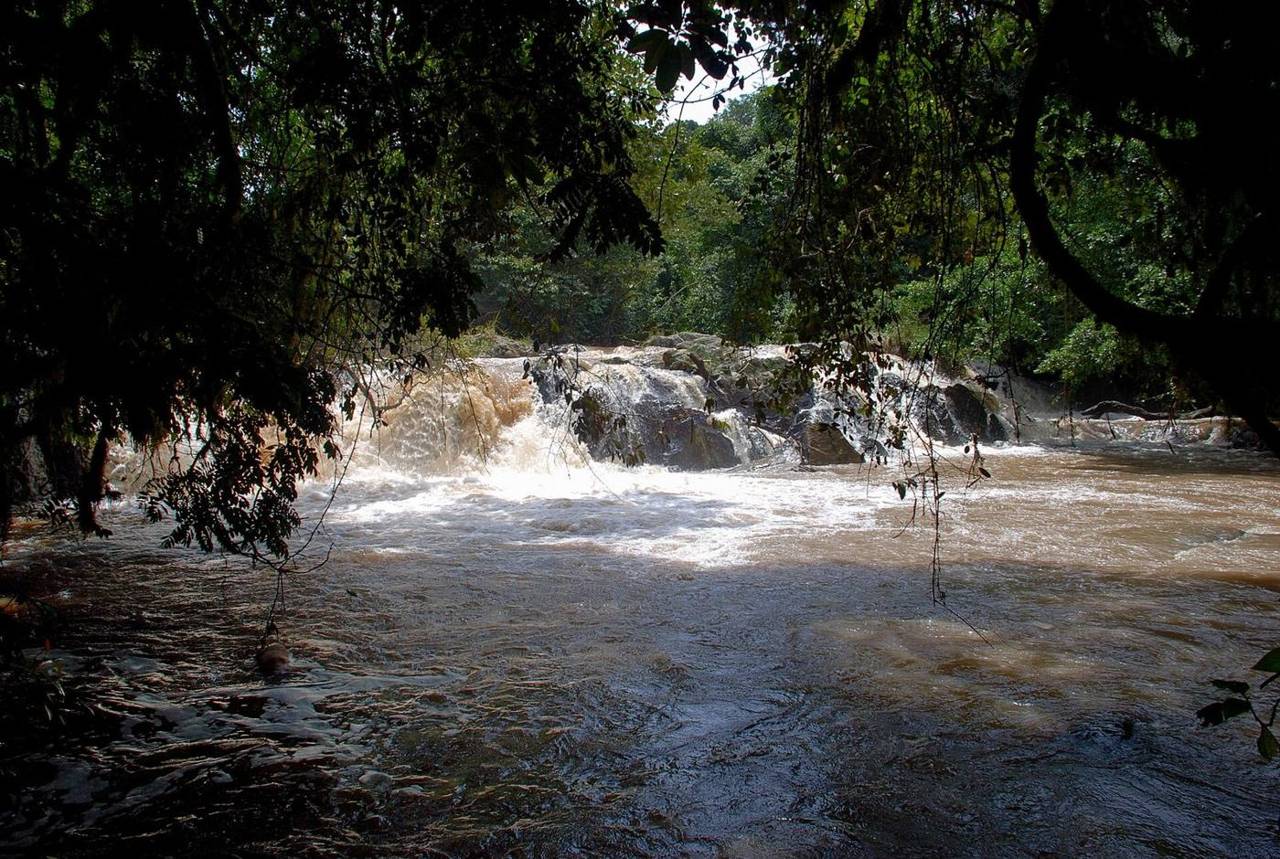
Kakamega and Lake Victoria
Western Kenya, which few see: Kakamega Forest, the last fragment of Congo rainforest in Kenya, with monkeys, butterflies and hundreds of bird species, then Kisumu on Lake Victoria and Rusinga Island with its fishing beaches.
- Kisumu
- Kakamega
- Rusinga
- Ruma
Day by day
- Day 1
From Nairobi to Kisumu and Kakamega forest
Western Kenya is very different from the savannah of the great safaris. Here there are green hills planted with tea and maize, Lake Victoria, the largest lake in Africa, and Kakamega forest, the last remnant in Kenya of the great rainforest that once stretched to central Africa. It is a little-visited region, with authentic daily life and surprising nature. In five days you see the forest, Kisumu and the islands and parks around the lake.
In the morning, take a flight from Nairobi to Kisumu, Kenya's third city, on the shore of Lake Victoria, in under an hour. From the airport, with a car and driver, head north to Kakamega forest, in about an hour and a half, through sugar cane fields, villages and markets.
Kakamega forest is a reserve protected by the Kenya Wildlife Service and the forest service. It is famous above all for its birds: more than three hundred species have been recorded, many of which in Kenya live only here, such as the great blue turaco, almost as large as a turkey. There are also several species of monkey, butterflies of every colour, chameleons and snakes.
In the afternoon, settle into one of the simple lodgings at the forest edge and take a first walk on the nearby trails, listening to the sounds of birds and monkeys.
In the evening, have dinner with the region's Luhya cooking: home-style chicken, maize ugali and leafy green vegetables.
Practical tip: it often rains at Kakamega, even outside the rainy season. Bring a waterproof jacket and shoes that can get wet.
- Day 2
The forest at dawn and sunset on Lirhanda Hill
In the morning at dawn, when the forest wakes up, walk the reserve's trails with a local guide. Kakamega's guides are often very knowledgeable, know the birds' calls and where to find the animals.
In the forest you see giant trees with buttress roots, lianas, ferns and orchids. The monkeys are easy to watch: the black-and-white colobus, with its long mantle and white tail, the blue monkey and the red-tailed monkey, moving in groups through the treetops. With a bit of luck you also see the red river hog, a small wild pig, and the flying squirrel.
Birdwatchers look for turacos, large-billed hornbills, barbets and dozens of small, colourful species. The butterflies, especially in sunny clearings, number in the hundreds.
In the afternoon, rest or visit one of the nearby communities, where tea, maize and beans are grown and where the forest's medicinal herbs are prepared.
Towards evening, with the guide, climb Lirhanda Hill, a rise above the forest. The climb is short, and from the top you see the green canopy of the forest stretching to the horizon. At sunset the sky turns orange and you hear the last bird calls.
At night the forest is full of sounds: frogs, insects and sometimes the calls of bushbabies.
Practical tip: bring binoculars and insect repellent. Ask the guide to show you the medicinal plants used by the communities.
- Day 3
Kisumu and Lake Victoria
In the morning, drive down to Kisumu, in about an hour and a half. Kisumu is a lively city, with a large market, a port on the lake and a culture tied to the Luo people, one of the largest in Kenya.
Visit Kisumu Museum, with rooms devoted to the cultures of western Kenya, a reconstruction of a traditional Luo homestead with the family's huts, and an aquarium with the lake's fish.
Then go to the fishing village of Dunga, south of the city, and take a boat out on the lake. You cross papyrus beds where many birds live, see fishermen with their nets and, with luck, hippos, which live in the shallow water near the shore. On the way back you can visit the fish market, with freshly caught tilapia and Nile perch.
In the afternoon, visit the Impala Sanctuary, a small park on the lakeshore with impala, zebras and giraffes, or Kit Mikayi, a large formation of stacked rocks about half an hour from the city, linked to Luo legends and a place of prayer.
In the evening, on the lakefront, try whole fried tilapia, served with ugali and greens, and watch the sunset over the lake.
Practical tip: do not swim in Lake Victoria. In the shallow water near the shore there is a risk of bilharzia, a disease carried by tiny parasites, and hippos and crocodiles can be dangerous.
- Day 4
Rusinga Island and Ruma park
In the morning, head south along the lakeshore to Mbita and Rusinga Island, linked to the mainland by a causeway, in about two and a half hours. Rusinga is a quiet island, with fishing villages, sandy beaches and mango trees.
The island has some of the most important fossil sites in East Africa. In 1948 the archaeologist Mary Leakey found here the skull of Proconsul, a primate of about eighteen million years ago, considered close to the common ancestor of the great apes and humans. The island is also home to the mausoleum of Tom Mboya, one of the leading figures of Kenyan independence, killed in 1969.
In the afternoon, go to Ruma National Park, about an hour away on the mainland, in the Lambwe valley. It is the only place in Kenya where the roan antelope lives, a large antelope with a black and white face and curved horns, very rare in the country. The park is also home to Rothschild's giraffes, zebras, buffalo, oribi and many birds. Ruma is little visited, and you are often alone among the hills of tall grass.
In the evening, return to Rusinga or Mbita and watch the fishermen's boats leave at sunset with lamps for night fishing for omena, a small silvery fish.
Practical tip: there are tsetse flies at Ruma, which bite through clothing. Wear light-coloured clothes, avoid blue and black, which attract them, and use repellent.
- Day 5
Back to Nairobi
On your last morning, if you are on Rusinga, take a boat trip to Mfangano Island nearby, where there are ancient rock paintings, or walk on the beach and through the villages.
Then return to Kisumu for the flight to Nairobi, in under an hour. If the flight leaves in the afternoon, stop along the way at village markets and in the sugar cane plantations.
This trip combines well with a classic safari in the Masai Mara, which can be reached by car from western Kenya in a few hours, or with Mount Elgon, north of Kakamega, with its caves visited by elephants. You can also start from Nairobi and pass through the Rift Valley and lakes Naivasha and Nakuru.
Practical tip: since 19 October 2026 the US government has rated Kenya level 3 of 4, reconsider travel, for Ebola, crime, kidnapping, terrorism and unrest, with some areas in the north and on the coast to be avoided altogether. The western Kenya described here is not among the excluded areas, but check the latest advisories and health guidance before you leave. To enter Kenya you need the electronic travel authorisation, the eTA, requested online. Ask your doctor about malaria prevention, as malaria is widespread around the lake, and about vaccinations, including yellow fever.
For those who love nature and birds more than big mammals. Afternoon rain is common even outside the wet season. Do not swim in Lake Victoria because of the bilharzia risk. An electronic travel authorisation (eTA) is required, applied for online before travelling. On 19 October 2026 the US raised its Kenya advisory to level 3, after the first Ebola cases in Nairobi; it advises against the counties on the Somali border, Lamu County, Tana River and the coast north of Malindi. This itinerary stays outside those areas.
Before you go
- Documents and visa
- Valid passport and an eTA, applied for online on the official Kenyan government website before leaving. From 5 October 2026 compulsory government travel health insurance is also required.
- Health and vaccines
- Malaria prevention and the yellow fever vaccine are recommended. Drink only bottled water. Emergencies: 999 or 112.
- Money and payments
- Kenyan shilling. Mobile payment, M-Pesa, is everywhere; cards work in cities and lodges.
- Power sockets
- Type G, 240 volts: you need an adapter for British plugs.
- Time zone
- UTC+3 all year.
- Safety
- The United States has rated Kenya level 3 since 19 October 2026 (Ebola, crime, kidnapping, terrorism, unrest). Do not travel: Garissa, Wajir, Mandera, Lamu, Tana River (except Tsavo), Kilifi north of the C103 road, the coast north of Malindi, Marsabit and Turkana within 50 km of Ethiopia. Official advice: GOV.UK.
Information checked in November 2026 for Italian and EU citizens. Rules change: always check before you travel.
Variations
In 3 days: Kakamega forest only, with two nights at the edge of the reserve.
In 9 days: add the Masai Mara, reachable by car from western Kenya.
Frequently asked questions
When is the best time to go?
From December to February and from June to September, the drier months. At Kakamega it still rains often all year.
Is it safe?
Western Kenya is not among the areas to avoid, but the country has been at level 3 in US advisories since 19 October 2026. Check the advisories before you go.
What documents do I need?
A passport and the electronic travel authorisation, the eTA, requested online before you leave. Ask your doctor about malaria and vaccinations.
Indicative itinerary written by World Atlas. Before booking, check timetables, seasonal openings, documents and safety.
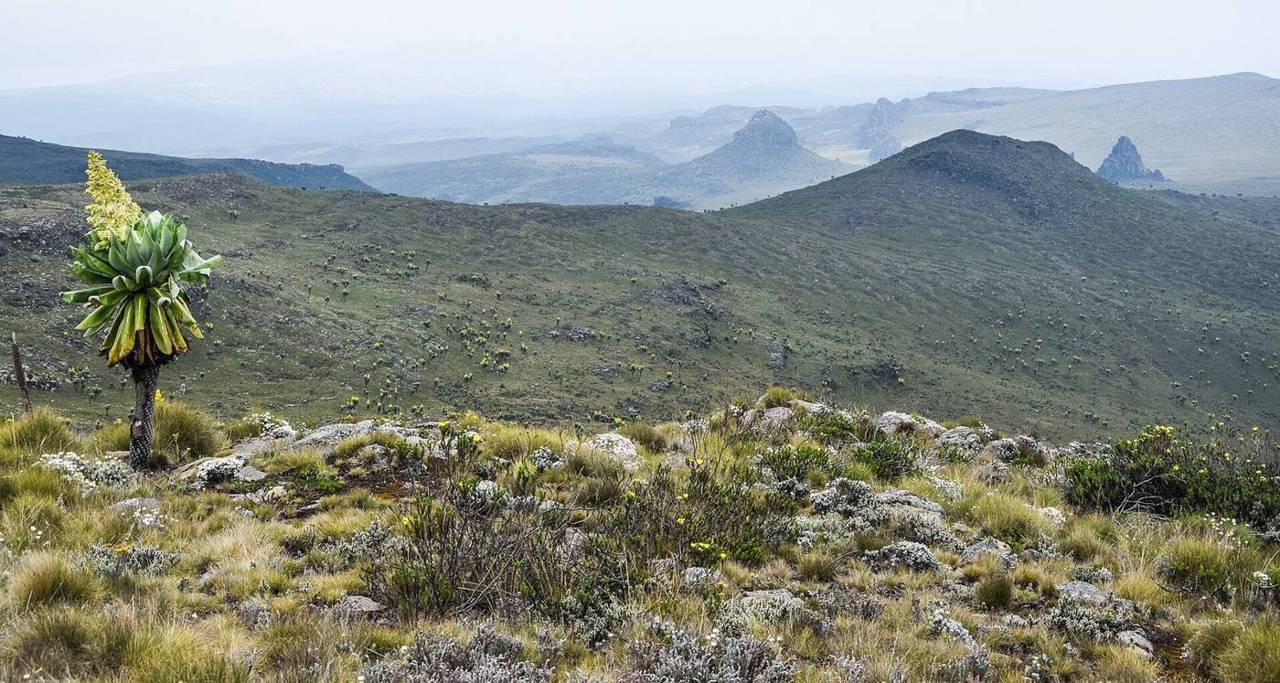 3 daysEasy
Aberdare National Park
The green mountains of central Kenya: bamboo forests and high moorland, the Karuru and Gura waterfalls, elephants, buffalo and bongo in the forest, and a night in a tree lodge overlooking a floodlit waterhole, where animals come to drink after dark.
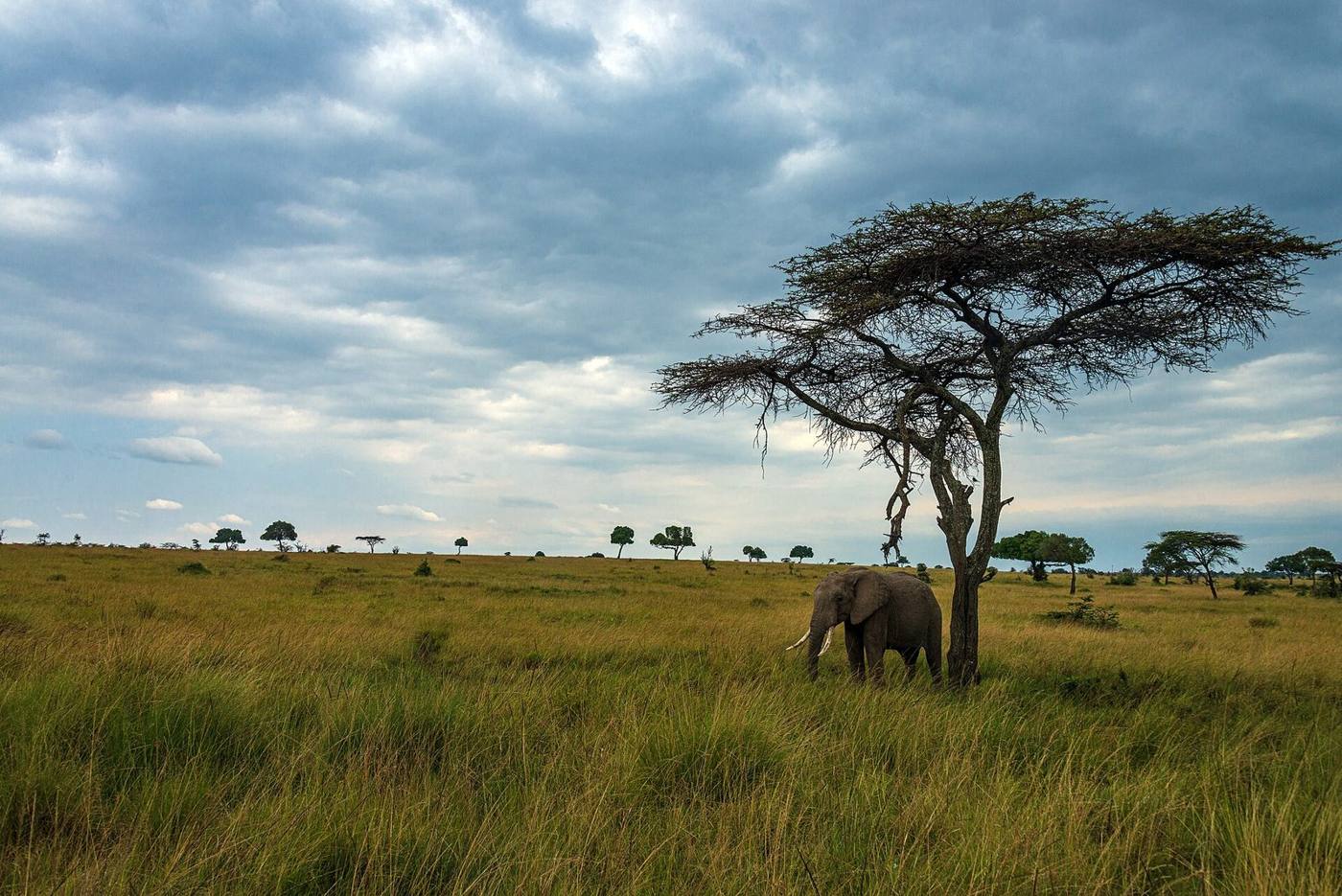 5 daysEasy
The Masai Mara conservancies
The Mara with fewer vehicles: the private conservancies around the reserve, such as Naboisho, Olare Motorogi and Mara North, run with Maasai communities, with limited vehicle numbers, walking safaris with Maasai guides, night drives and small camps, then a day in the reserve.
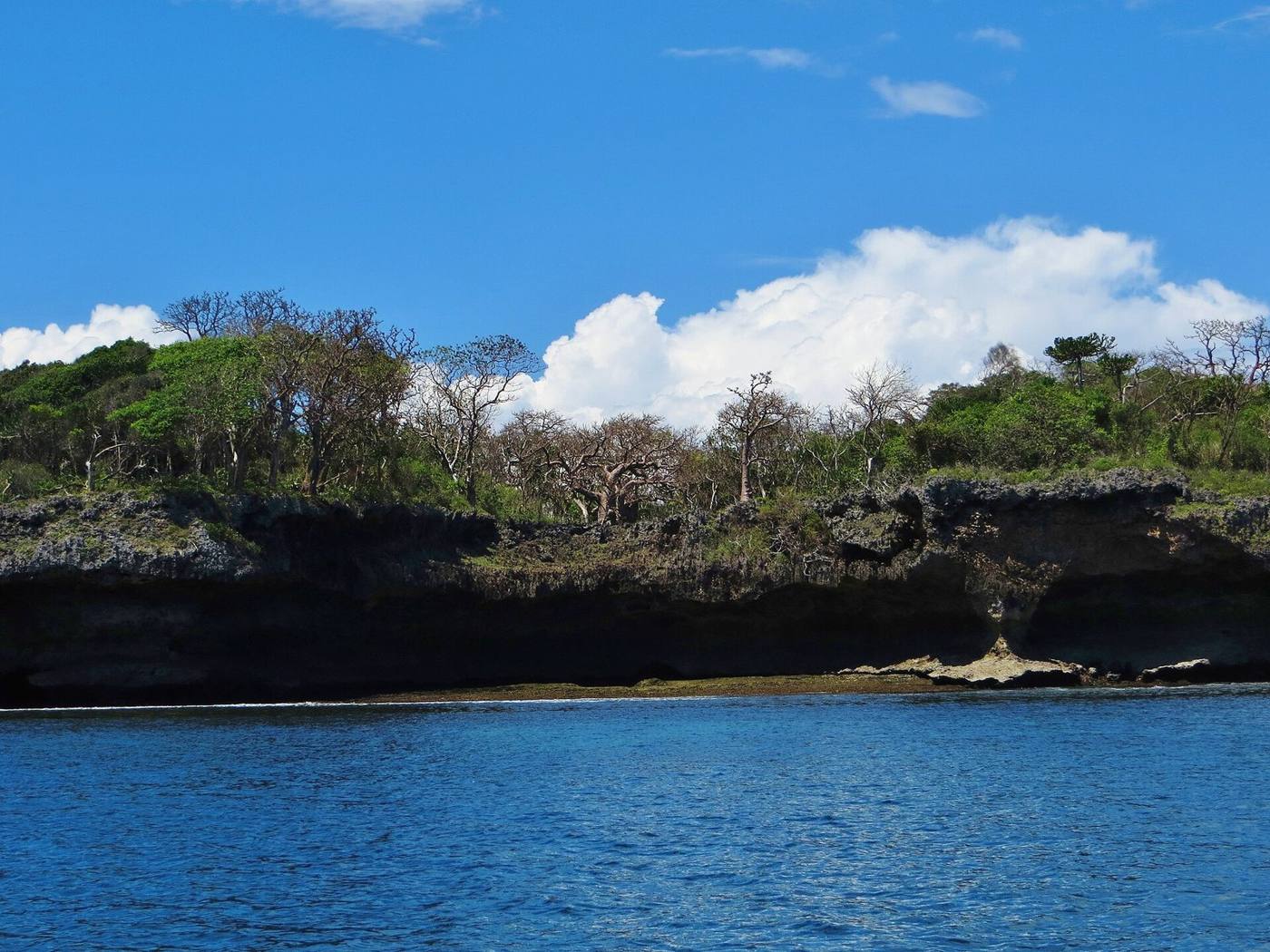 5 daysEasy
Shimba Hills and Kisite Marine Park
The south coast towards Tanzania: the wooded Shimba Hills with sable antelope and Sheldrick Falls, then from Shimoni the dhow to Kisite-Mpunguti Marine Park, with dolphins and snorkelling, Wasini Island and its boardwalk among raised coral formations.