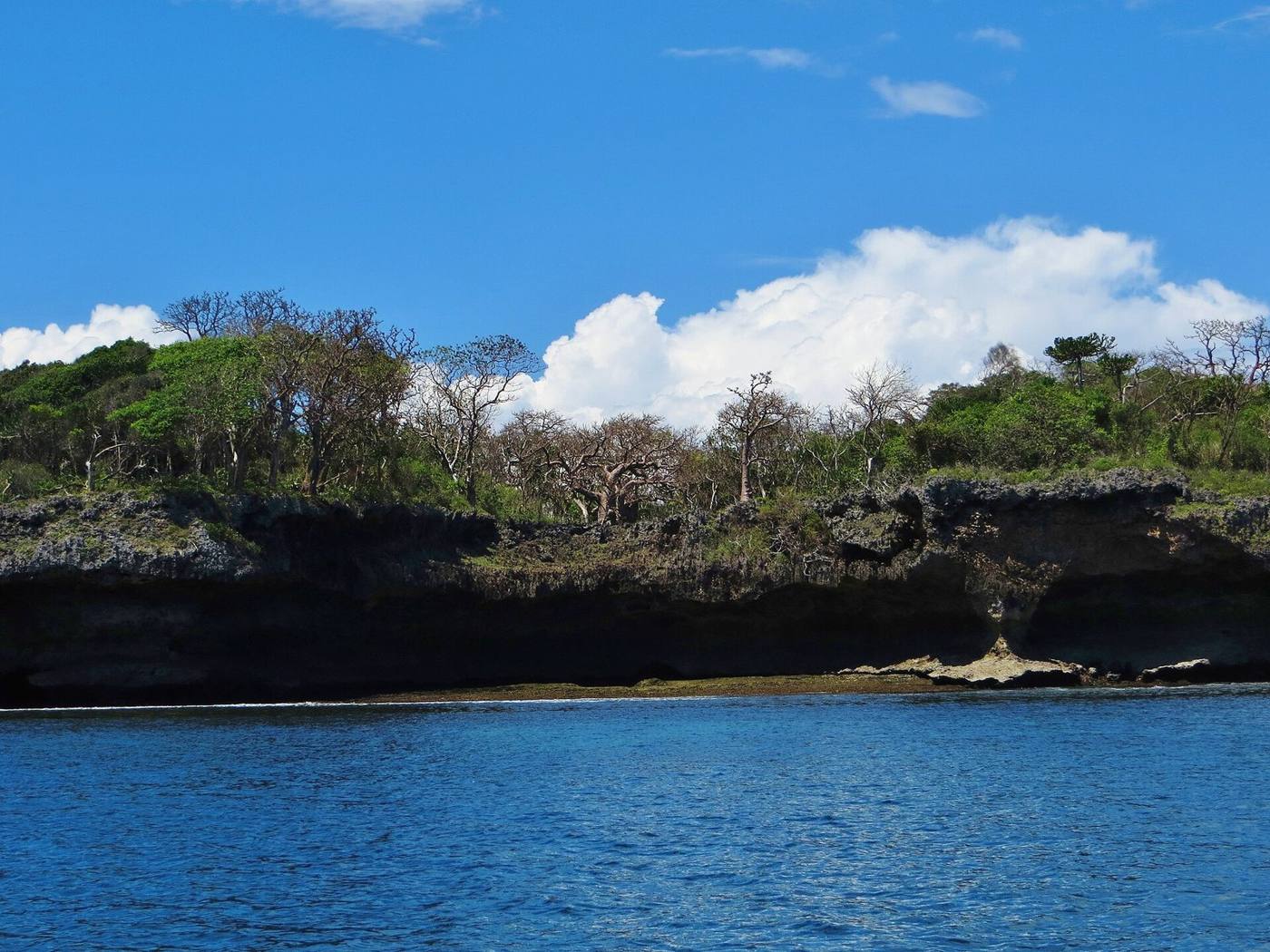
Shimba Hills and Kisite Marine Park
The south coast towards Tanzania: the wooded Shimba Hills with sable antelope and Sheldrick Falls, then from Shimoni the dhow to Kisite-Mpunguti Marine Park, with dolphins and snorkelling, Wasini Island and its boardwalk among raised coral formations.
- Mombasa
- Shimba Hills
- Diani
- Shimoni
- Kisite
- Wasini
Day by day
- Day 1
From Mombasa to Shimba Hills
Kenya's south coast, south of Mombasa, combines very different environments within a few kilometres: the green Shimba Hills, with one of the last coastal forests in East Africa and elephants, the long white beach of Diani with its palms, the sacred forests of the Mijikenda people and, further south towards the Tanzanian border, the turquoise waters of the Kisite-Mpunguti marine park, with dolphins and coral reef. In five days you see Shimba Hills, Diani, Shimoni, Wasini and Kisite.
You arrive by plane in Mombasa, with flights from Nairobi or direct flights from Europe. If you have a few hours before leaving, visit Mombasa old town, with its lanes and Swahili houses, and Fort Jesus, the fortress built by the Portuguese at the end of the sixteenth century, a UNESCO World Heritage Site.
Then cross the channel on the Likoni ferry heading south and climb into the hills to Shimba Hills National Reserve, about an hour and a half from Mombasa. The plateau, at about four hundred metres, is cooler than the coast and from here you see the Indian Ocean in the distance.
In the afternoon, take a first drive in the reserve, among grassland and forest. Shimba Hills is the only place in Kenya where the sable antelope lives, with long horns curving backwards and a black coat in the males. There are also elephants, buffaloes, giraffes brought here in the 1990s, and many species of birds and butterflies.
In the evening, sleep in a lodge in the forest or on the edge of the reserve.
Practical tip: to enter Kenya you need the eTA electronic authorisation, requested online before departure. The United States has had Kenya at level 3 since 19 October 2026: check up-to-date health and security advice.
- Day 2
Game drive and the walk to Sheldrick Falls
Early in the morning, take a game drive in the reserve, when animals are most active. The elephants of Shimba Hills move between forest and grassland, and are sometimes seen near waterholes. With some luck you meet sable antelope, buffaloes, warthogs and various monkeys. In the forest grow cycads, very ancient plants, and orchids.
Then take the walk to Sheldrick Falls, accompanied by an armed ranger, compulsory for safety because of elephants and buffaloes. The trail descends about two kilometres through the forest along a stream to a waterfall about twenty-five metres high, falling into a pool where you can swim. The walk takes about three hours there and back, with a tiring climb back.
In the afternoon, if you like, visit the Mwaluganje elephant sanctuary, an area run by local communities between Shimba Hills and the river, created to reduce conflict between elephants and farmers. Landowners receive a share of tourism income. In the sanctuary you often see groups of elephants among the baobabs.
At sunset, watch from the reserve's viewpoint as the light falls over the hills and the ocean.
In the evening, sleep in Shimba Hills.
Practical tip: Shimba Hills is a malaria area. Talk to your doctor about prophylaxis before you leave and use repellent and a mosquito net in the evening.
- Day 3
Diani: the beach and Kaya Kinondo forest
In the morning, come down from the hills to the coast at Diani, about an hour away. Diani is one of the most beautiful beaches in Kenya, about twenty-five kilometres long, with fine white sand, palms and turquoise water protected by the coral reef. At low tide natural pools form among the rocks and you can walk for a long way on the sand.
Visit the colobus conservation centre, which protects the Angolan colobus monkeys, black and white with long tails and manes, and the other monkeys of the coastal forest, threatened by traffic on the road. The centre has built rope bridges between the trees over the road, called colobridges, to let them cross safely.
In the afternoon, visit Kaya Kinondo forest, one of the sacred forests of the Mijikenda, the nine peoples of the Kenyan coast. The kaya were ancient fortified villages in the forest, today places of prayer and ceremony, a UNESCO World Heritage Site since 2008. The visit is made with a guide from the Digo community, who explains the medicinal plants, the sacred trees and the rules of the place. During the visit you wear a traditional cloth and may not pick plants.
In the evening, taste the Swahili food of the coast: fish in coconut, spiced pilau and chapati.
In the evening, sleep in Diani.
Practical tip: on Diani beach you will be offered excursions and souvenirs. Decline politely if you are not interested, and book excursions only with reliable operators.
- Day 4
By dhow from Shimoni to Kisite and Wasini
Early in the morning, drive south to Shimoni, a small fishing village about an hour and a half from Diani, near the Tanzanian border. Here you visit the Shimoni caves, a series of coral caves near the sea linked to the history of the slave trade on the coast, told by village guides.
Then board a dhow, the traditional sailing boat of the Swahili coast, for the Kisite-Mpunguti marine park, one of the most beautiful in Kenya, with coral islets, reefs and sandbanks. Along the way you often see dolphins, especially bottlenose dolphins, swimming beside the boat, and sometimes, between August and October, migrating humpback whales.
In the park, snorkel on the reef, with clear water, corals, colourful tropical fish, turtles and, if you are lucky, rays.
At midday the boat stops at Wasini island, an island without roads or cars, home to a Swahili village, where you have lunch of fish and crab. In the afternoon, walk through the island's coral gardens, an expanse of fossil coral risen from the sea, on a wooden boardwalk.
In the late afternoon, return to Shimoni and then to Diani.
In the evening, sleep in Diani.
Practical tip: entry to the Kisite marine park costs 25 dollars for foreign adults. Use reef-friendly sunscreen and do not touch the corals.
- Day 5
Back to Mombasa
On your last morning, enjoy Diani beach at dawn, when fishermen come back with their boats and the sand is still empty. If you like, before leaving you can go snorkelling in the lagoon, kayak along the coast, or take a kitesurfing lesson, very popular here thanks to the steady winds.
Alternatively, visit Tiwi, a quieter beach just north of Diani, with pools among the rocks.
Then head back to Mombasa, about an hour and a half away, crossing the channel again on the Likoni ferry. Waiting times at the ferry can be long, especially at rush hour: allow plenty of time.
If you have a few hours in Mombasa, walk through the old town, with the carved wooden doors of Swahili houses, the mosque, the spice market and the old harbour, where dhows once arrived from Arabia and India. Or visit Fort Jesus, if you did not do so on arrival.
In the afternoon, go to Mombasa airport for your flight home. From Diani there is also a small airport at Ukunda, with direct flights to Nairobi and the parks.
This trip combines well with Tsavo East and Tsavo West to the north-west for a classic safari, or with Amboseli at the foot of Kilimanjaro.
Practical tip: the United States advises against travel on the coast north of Malindi and in Lamu county. The south coast around Diani and Shimoni is not among these areas, but always check up-to-date advice before you go.
With dolphins keep your distance and do not chase them. Kaya Kinondo sacred forest is entered with a community guide and following its dress rules. In Mombasa avoid the Old Town at night. An electronic travel authorisation (eTA) is required, applied for online before travelling. On 19 October 2026 the US raised its Kenya advisory to level 3, after the first Ebola cases in Nairobi; it advises against the counties on the Somali border, Lamu County, Tana River and the coast north of Malindi. This itinerary stays outside those areas.
Before you go
- Documents and visa
- Valid passport and an eTA, applied for online on the official Kenyan government website before leaving. From 5 October 2026 compulsory government travel health insurance is also required.
- Health and vaccines
- Malaria prevention and the yellow fever vaccine are recommended. Drink only bottled water. Emergencies: 999 or 112.
- Money and payments
- Kenyan shilling. Mobile payment, M-Pesa, is everywhere; cards work in cities and lodges.
- Power sockets
- Type G, 240 volts: you need an adapter for British plugs.
- Time zone
- UTC+3 all year.
- Safety
- The United States has rated Kenya level 3 since 19 October 2026 (Ebola, crime, kidnapping, terrorism, unrest). Do not travel: Garissa, Wajir, Mandera, Lamu, Tana River (except Tsavo), Kilifi north of the C103 road, the coast north of Malindi, Marsabit and Turkana within 50 km of Ethiopia. Official advice: GOV.UK.
Information checked in November 2026 for Italian and EU citizens. Rules change: always check before you travel.
Variations
In 3 days: Diani and Kisite, based in Diani.
In 8 days: add a safari in Tsavo East and Tsavo West.
Frequently asked questions
When is the best time to go?
From December to March and from July to October, the drier seasons. From April to June it rains a lot on the coast.
What documents do I need?
A passport and the eTA electronic authorisation, requested online before departure.
How much does the Kisite marine park cost?
Entry costs 25 dollars for foreign adults. On top of that is the cost of the boat trip, which depends on the operator.
Indicative itinerary written by World Atlas. Before booking, check timetables, seasonal openings, documents and safety.
 4 daysModerate
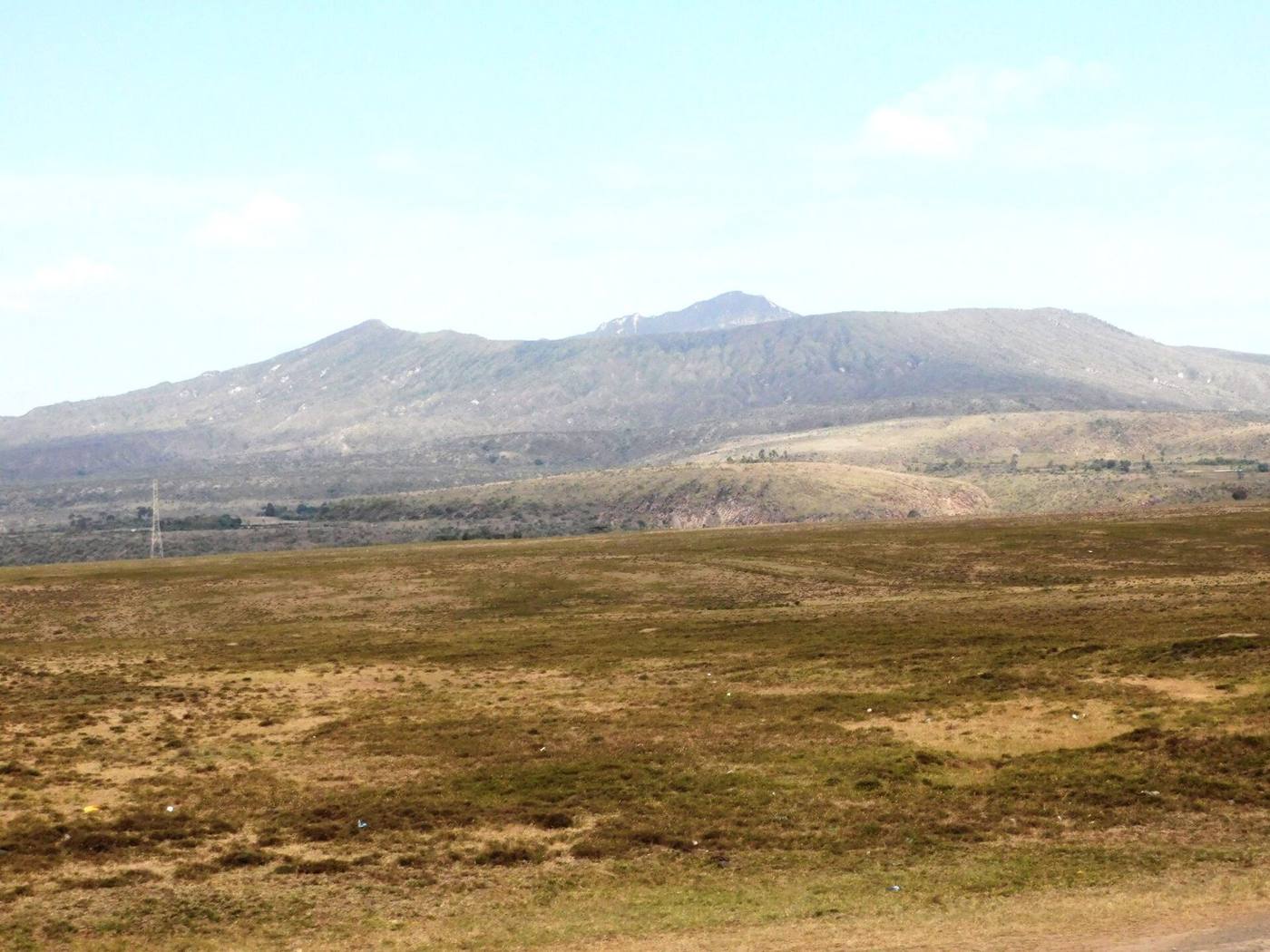
Longonot, Hell's Gate and Suswa on foot
The Rift Valley on foot: the crater-rim circuit of Longonot volcano, Hell's Gate gorge by bike among zebras and giraffes, with a descent into the canyon, and the double crater of Suswa with its lava caves full of bats, on Maasai land.
 3 daysEasy
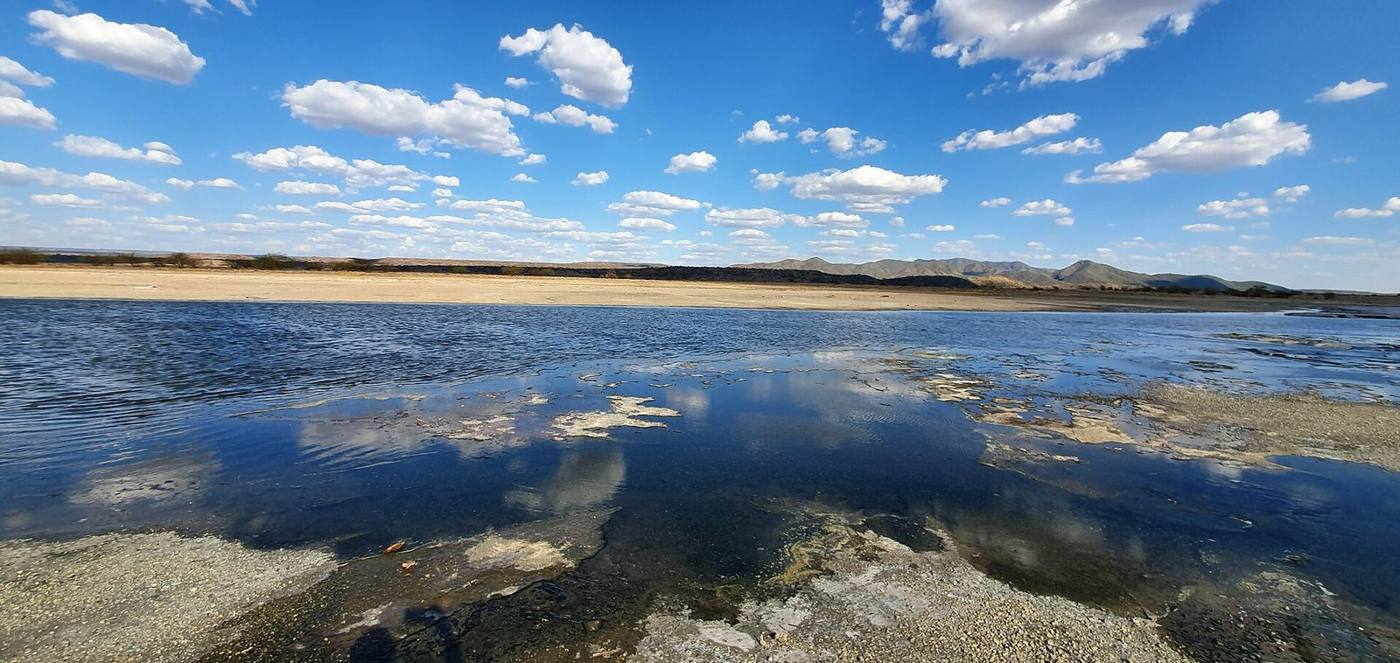
Lake Magadi and Olorgesailie
The southern Rift Valley, hot and wild: the prehistoric site of Olorgesailie with hundreds of stone hand-axes left where they were used, then the pink and white soda lake of Magadi, with flamingos, hot springs and the Maasai area of Shompole towards the border.
 4 daysEasy
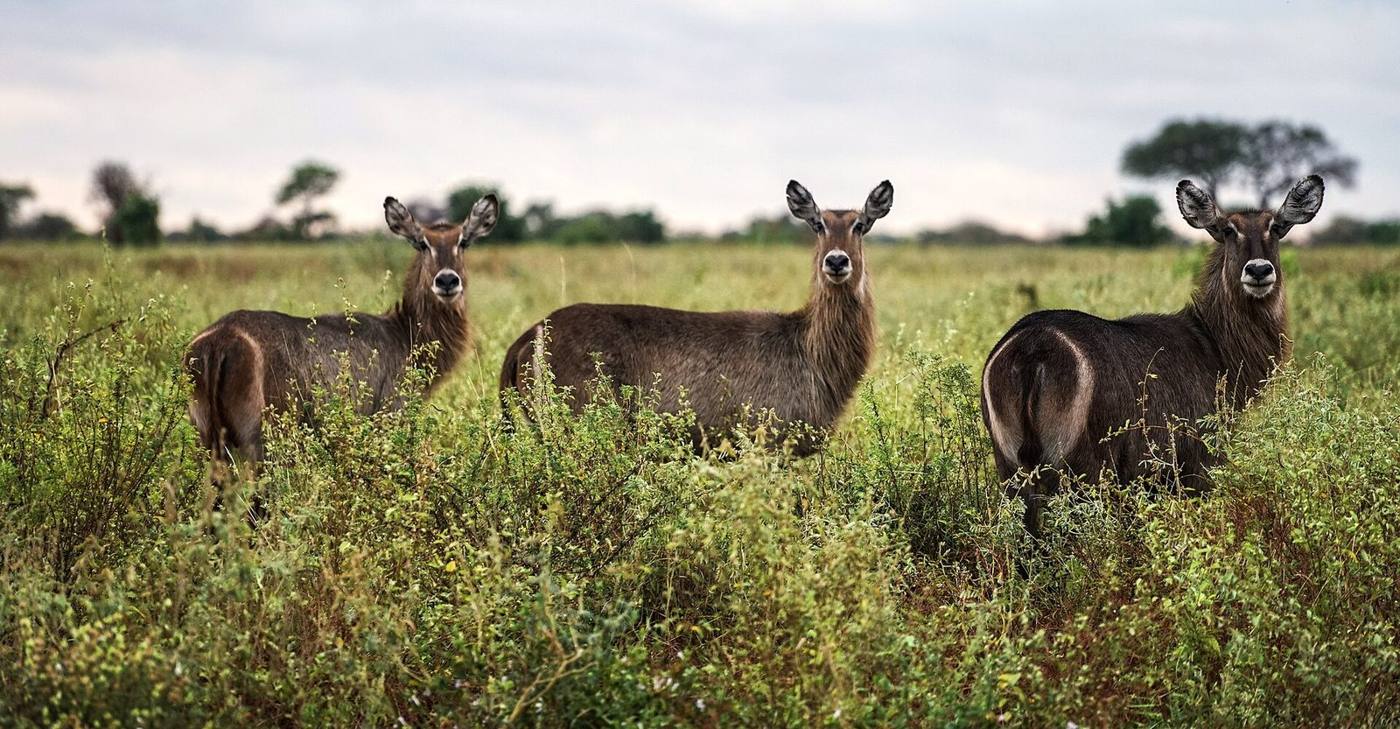
Meru National Park
Elsa the lioness's park, little visited today: palm-fringed rivers, rhinos in a fenced sanctuary, elephants, reticulated giraffes, Grevy's zebras and oryx, with very few vehicles and camps overlooking the river.